
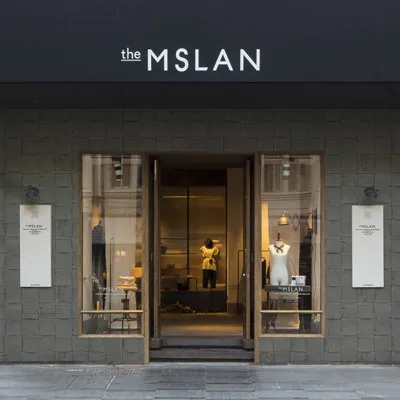
There's an undeniable magic to natural stone. For centuries, materials like travertine have been the silent storytellers of our most ambitious architectural dreams. From the majestic columns of ancient Rome to the serene floors of modern luxury villas, travertine whispers tales of elegance, permanence, and a deep connection to the earth. Its warm, honeyed tones, unique porous texture, and subtle veining create an atmosphere of sophisticated comfort that few other materials can replicate. When we think of high-quality finishes, our minds often wander to these timeless stones, envisioning spaces that are both grand and inviting.
But what if the very qualities that make natural travertine so desirable also make it a challenge for today's world? The dream of cladding a space in beautiful stone often collides with the practical realities of modern construction. Real travertine is incredibly heavy, imposing significant loads on a building's structure. It's expensive, not just to quarry and purchase, but also to transport and install, requiring specialized labor and equipment. Its natural porosity makes it susceptible to staining and requires diligent sealing and maintenance. And in an age of increasing environmental awareness, the impact of quarrying on our landscapes is a concern we can no longer ignore.
This is the paradox facing architects, designers, and homeowners today: how do we achieve that timeless, luxurious aesthetic without the associated costs, complexities, and environmental footprint? The answer lies not in compromise, but in innovation. It lies in looking beyond tradition to discover a new generation of materials engineered to deliver the best of both worlds. Imagine a surface that captures the soul of travertine—its color, its texture, its very essence—but is lightweight, flexible, durable, and sustainable. This is not a far-off dream; it's the reality of modern material science, pioneered by forward-thinking companies like COLORIA GROUP.
The history of architecture is also the history of materials. Our ability to build has always been defined by what we can source, shape, and assemble. We moved from mud and timber to brick and stone. We learned to craft glass, forge steel, and pour concrete. Each leap forward in material technology unlocked new possibilities in design, allowing for taller, stronger, and more expressive structures. In the 21st century, this evolution has accelerated at an unprecedented pace, driven by a new set of demands: efficiency, sustainability, and limitless design freedom.
Today's architectural projects, whether sprawling commercial complexes or bespoke private residences, require materials that do more. They must perform under extreme conditions, contribute to the building's energy efficiency, and be installed quickly to meet tight deadlines. Most importantly, they need to be chameleons, capable of adapting to any design vision an architect can conceive. This is where engineered materials have risen to prominence, moving beyond simple imitation to offer superior performance and capabilities that natural materials simply cannot match.
COLORIA GROUP stands at the forefront of this material revolution. With decades of experience and a global perspective, the company has established itself as a premier one-stop solution provider for the building materials industry. The philosophy is simple yet profound: to empower design by removing the traditional limitations of materials. By focusing on cutting-edge research and development, COLORIA GROUP has created a portfolio of products that don't just solve problems—they inspire new creative avenues.
This commitment to innovation is evident in their global operations, including a significant presence in demanding markets like Saudi Arabia, where materials must withstand extreme heat and environmental conditions. It is this real-world testing and relentless pursuit of excellence that has led to the development of their signature product line: a material so versatile and revolutionary that it is redefining what's possible for both interior and exterior finishes.
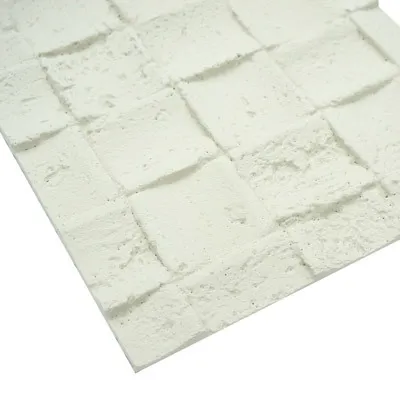
At the heart of COLORIA GROUP's innovation is a groundbreaking technology known as MCM, or Modified Cementitious Material. To put it simply, MCM is a revolutionary architectural surface material that re-engineers the very elements of the earth. It begins with a base of natural, inorganic raw materials—like common soil, sand, and stone powder—which are then modified, formed through a unique low-temperature curing process. The result is a material that is both incredibly advanced and fundamentally natural.
Think of it as a form of "flexible clay" that can be programmed to look and feel like almost any known building material, from rugged granite to warm timber, and yes, to the delicate, porous surface of travertine. But unlike the materials it emulates, MCM brings a host of incredible advantages that are perfectly aligned with the needs of modern construction.
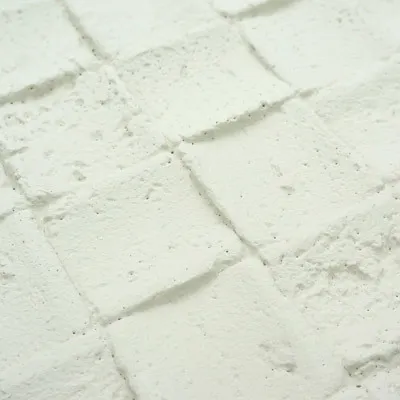
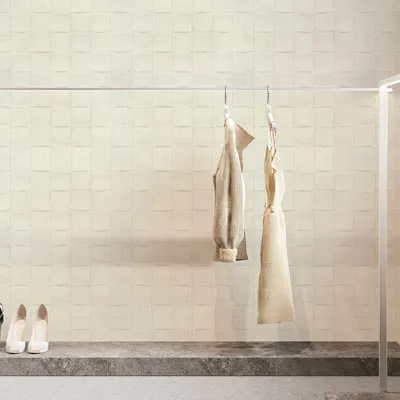
Now, let's return to our original inspiration: the warm, inviting allure of premium travertine. This is where COLORIA GROUP's technology truly shines, specifically through its MCM Flexible Stone series. This product line is not merely a "look-alike"; it is a sensory and performance upgrade that captures the spirit of travertine and enhances it for the modern age. It masterfully replicates the stone's characteristic open pores, cloudy patterns, and warm color spectrum, from light ivory to rich walnut.
Imagine cladding the sweeping curve of a reception desk, the entire facade of a boutique hotel, or the walls of a spa retreat in what appears to be flawless, monolithic travertine. With natural stone, this would be an engineering and budgetary nightmare. With MCM Flexible Stone , it becomes a streamlined, efficient, and creatively liberating process. The material arrives in lightweight rolls or sheets that can be easily cut on-site with a simple utility knife and applied using a specially formulated adhesive. There's no heavy machinery, no dust from cutting stone, and no complex anchoring systems required.
The application for a stunning interior wall decoration is where this material truly comes into its own. A feature wall in a living room, a backsplash in a gourmet kitchen, or a full bathroom enclosure can be transformed over a weekend, creating a high-end, bespoke look without the disruption of a major renovation. Because it's waterproof and easy to clean, it's a practical as well as a beautiful choice for wet areas, outperforming natural travertine which can be prone to staining and water damage.
To truly appreciate the leap forward that MCM represents, a direct comparison is essential. Let's break down how COLORIA GROUP's MCM solution stacks up against traditional travertine across the metrics that matter most to architects, builders, and clients.
| Feature | Natural Travertine | COLORIA GROUP MCM Flexible Stone |
|---|---|---|
| Weight | Travertine"> Very Heavy (approx. 50-70 kg/m²) | Extremely Lightweight (approx. 4-6 kg/m²) |
| Thickness | Travertine"> Thick (typically 20-30mm) | Ultra-Thin (typically 2.5-4mm) |
| Flexibility | Travertine"> None (Rigid, cracks under stress) | High (Can wrap around columns and curves) |
| Installation | Travertine"> Complex, labor-intensive, requires heavy machinery and mechanical fixing. | Simple, fast, uses adhesive. Can be cut with a utility knife. Less labor required. |
| Durability | Travertine"> Porous, susceptible to stains, acid etching, and chipping. Requires regular sealing. | Waterproof, stain-resistant, impact-resistant, and Class A fire-resistant. Low maintenance. |
| Environmental Impact | Travertine"> High-impact quarrying, high energy consumption for processing and transport. | Low-energy production, use of natural/recycled materials, low transport emissions. |
| Cost-Effectiveness | Travertine"> High material cost, high transportation cost, high installation cost. | Lower overall project cost due to savings on material, transport, labor, and structural requirements. |
| Design Application | Travertine"> Limited to flat surfaces and simple geometries. | Virtually limitless; ideal for complex curves, organic shapes, and seamless large surfaces. |
The table makes the conclusion clear: MCM is not just an alternative to travertine; in many crucial respects, it is an upgrade. It delivers the desired aesthetic without compromise, while simultaneously solving the most significant engineering, logistical, and environmental challenges associated with its natural counterpart.
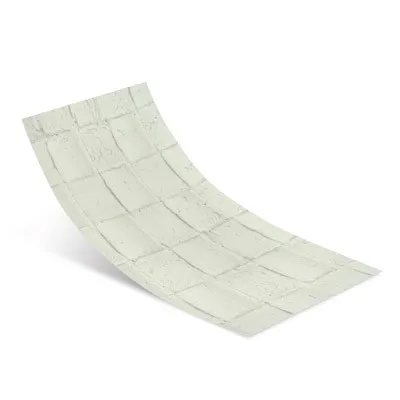
While the ability to perfectly replicate travertine is a powerful testament to MCM's capabilities, it's only the beginning of the story. The true strength of COLORIA GROUP's offering is its role as a one-stop solution, providing a cohesive ecosystem of products that can address any surface design challenge. The same core technology is expressed in different forms to suit different scales and applications.
For designers seeking a bold, minimalist, and monolithic look, the MCM Big Slab Board Series is the answer. These are large-format panels that create grand, virtually seamless surfaces, perfect for lobby walls, building facades, and high-impact feature areas. Imagine the uninterrupted beauty of a 3-meter-high wall that looks like a single piece of polished concrete, slate, or marble. Traditional materials of this size would be prohibitively heavy and difficult to handle. The MCM Big Slab Board Series makes this vision achievable, providing the grandeur of large-format stone with the intelligent properties of MCM. It's a powerful tool for creating spaces that feel expansive, modern, and impeccably finished.
This is where the technology truly enters the realm of bespoke art. The MCM 3D Printing Series leverages digital fabrication to create custom, three-dimensional textures and patterns. Designers are no longer limited to existing molds or textures. They can create unique bas-relief patterns, intricate geometric designs, or flowing organic forms that are then translated directly onto the MCM panels. This opens up unprecedented opportunities for branding, artistic expression, and creating truly one-of-a-kind environments. It's the ultimate tool for a signature wall or facade that tells a unique story.
For large-scale commercial and residential projects, consistency, reliability, and performance are paramount. The MCM Project Board Series is engineered specifically for this purpose. It offers the core benefits of MCM technology in standardized formats that are optimized for efficiency and performance in large-scale applications. This series ensures that every panel across a multi-story facade or a large interior development maintains the same quality, color, and performance standards, making it the trusted choice for professional builders and developers who demand reliability and excellence.
The choice of a surface finish is no longer just an aesthetic decision. It's an economic, environmental, and engineering decision. It's about creating spaces that are not only beautiful but also intelligent, efficient, and responsible. The era of compromising between design intent and practical reality is over. Materials like MCM are bridging that gap, offering us a new language with which to build our world.
COLORIA GROUP is not just selling a product; it's offering a new paradigm. It's the ability to have the timeless beauty of natural stone like travertine on a curved, soaring atrium wall. It's the freedom to design a custom 3D-textured facade that is as lightweight as it is durable. It's the confidence of knowing that the materials used are not only visually stunning but are also sustainable and built to last. For any architect, designer, or builder looking to create luxurious, high-quality spaces for the future, the solution is no longer just about looking to the past for inspiration, but about embracing the innovations that will define our future.
Recommend Products












