
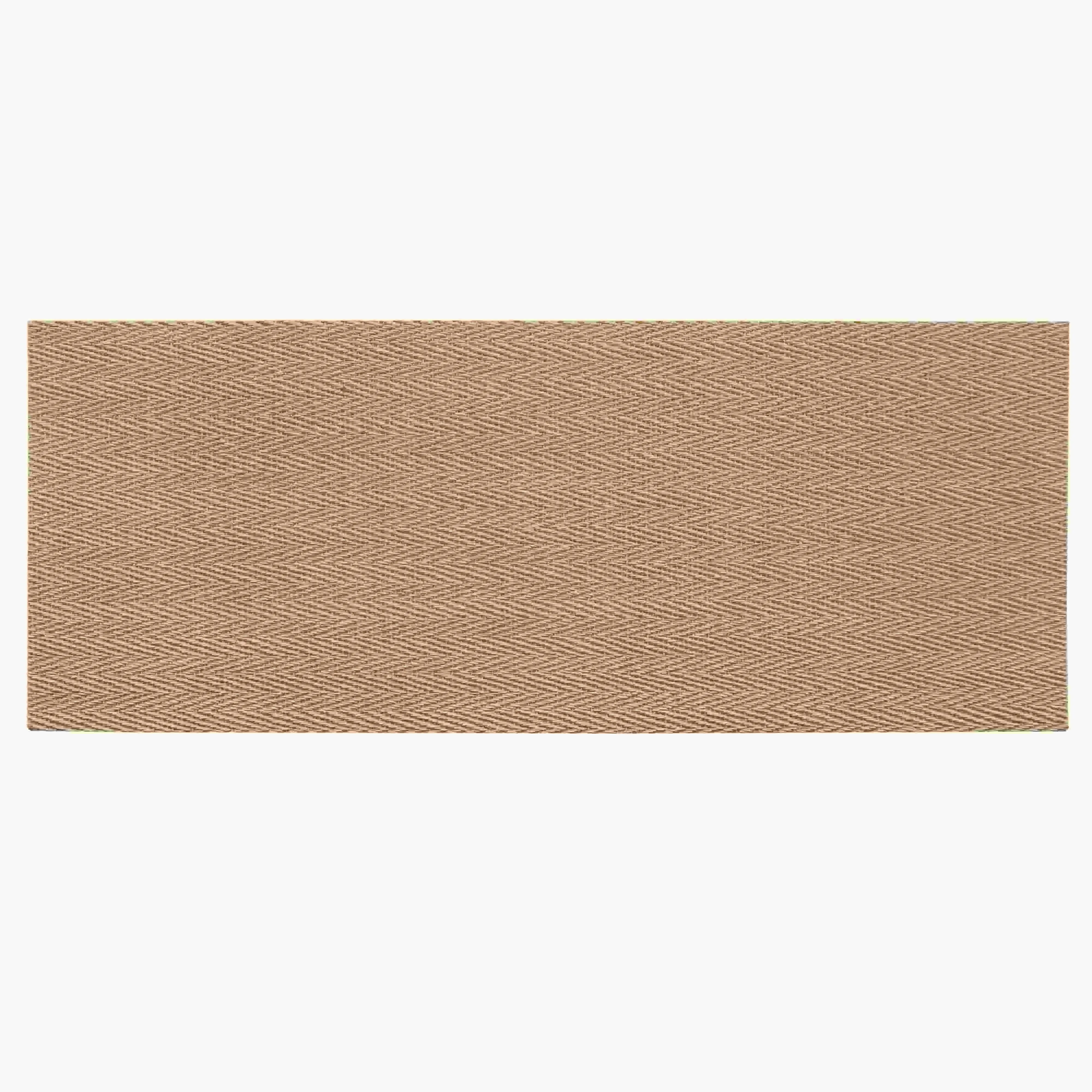
Where Artisanal Texture Meets Unbreakable Durability
Let's start with a scenario we've all seen (or experienced). An architect sketches a building with warm, organic textures—think handwoven fabrics or sun-baked clay walls. A builder nods, then sighs: "That'll look great… for six months. Then the rain will warp it, the sun will fade it, and we'll be back to square one." Sound familiar? For decades, the construction world has been stuck in a loop: choose beauty and sacrifice durability, or pick toughness and lose the soul of the design.
But what if there was a material that didn't force that choice? One that could mimic the soft, tactile feel of a handwoven textile while standing up to hurricane-force winds, freezing temperatures, and the daily grind of high-traffic spaces? That's where the MCM Project Board Series comes in. And today, we're shining a spotlight on its most talked-about variant: Weaving (Khaki) MCM . It's not just a panel—it's a revolution in how we think about building materials.
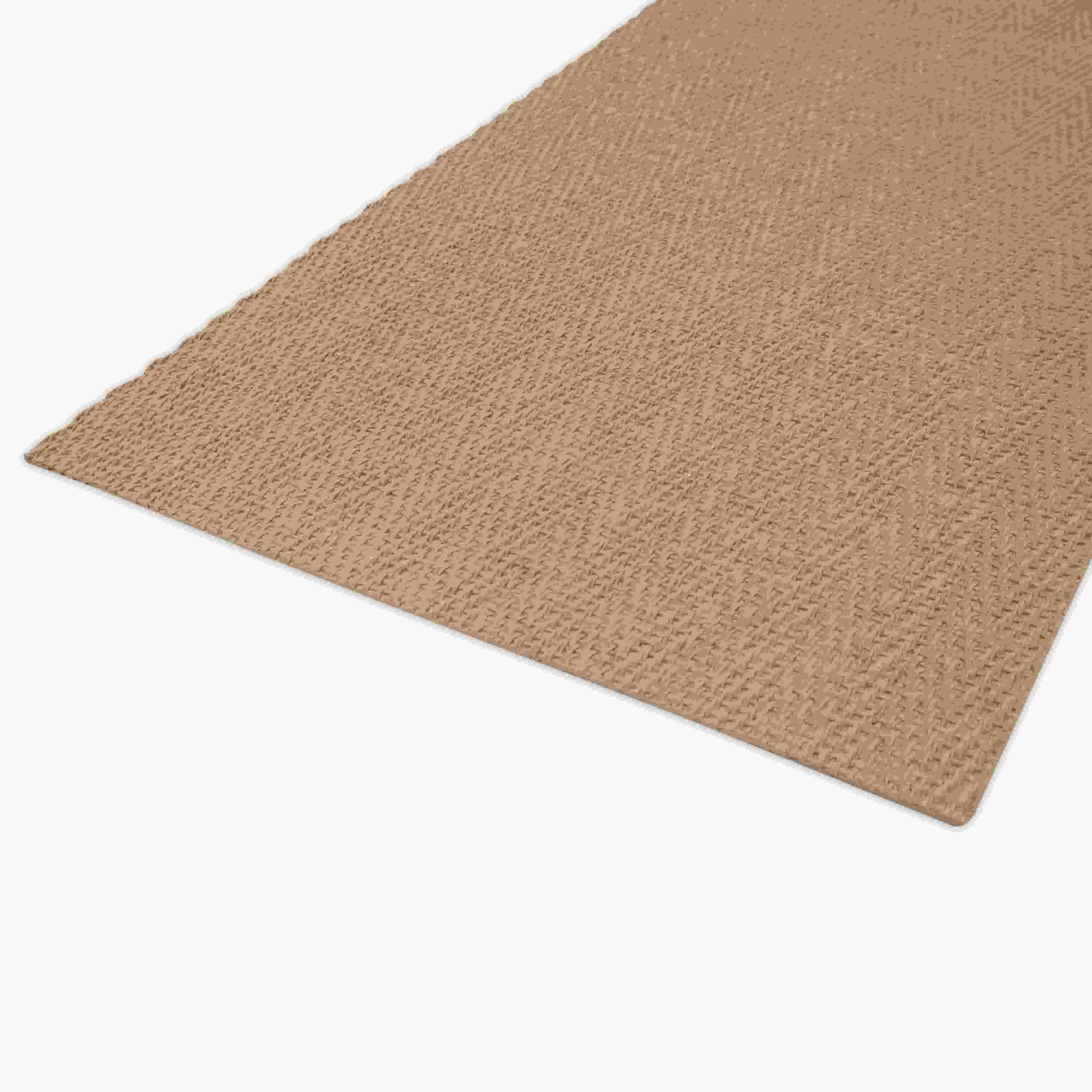
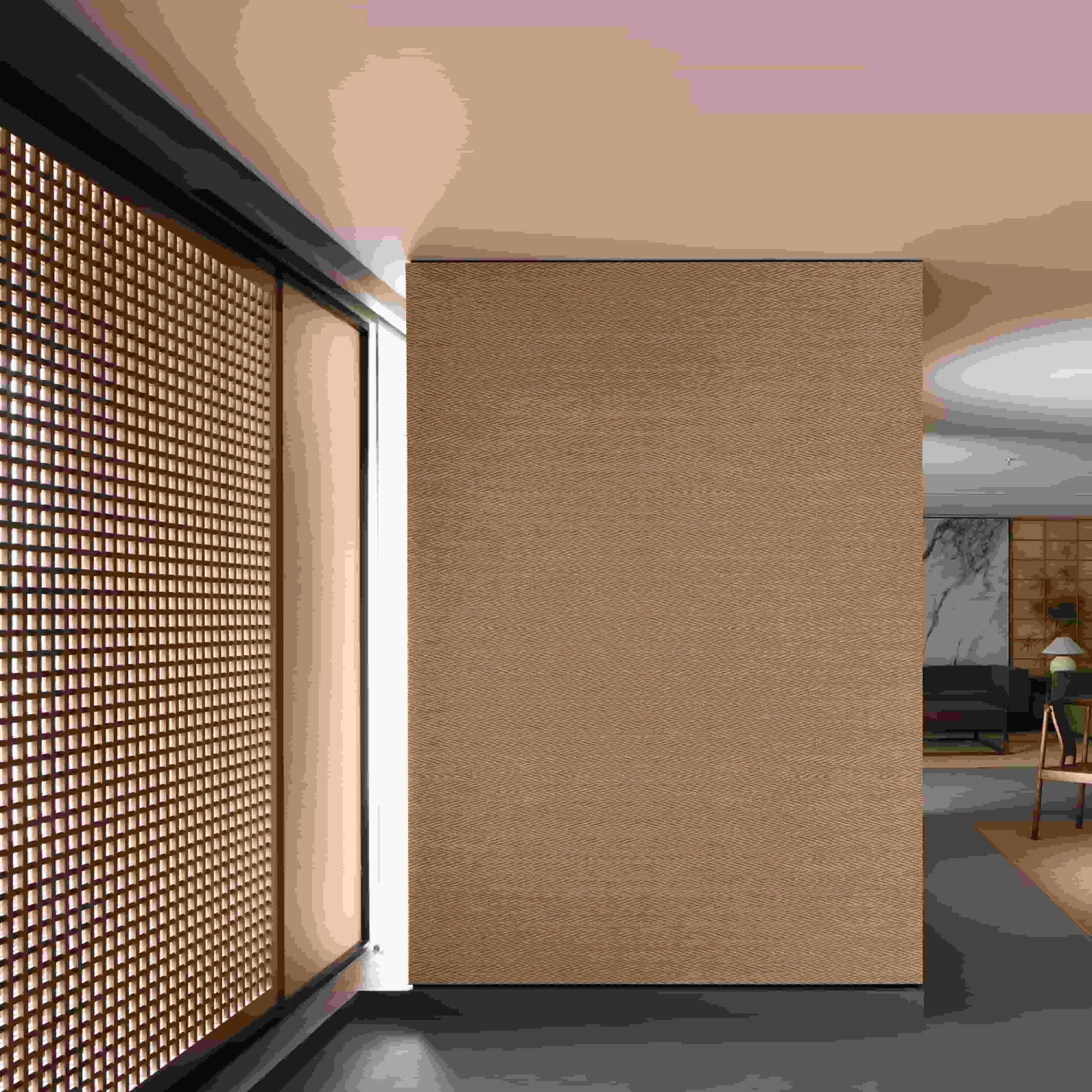
Walk into any space clad in Weaving (Khaki) MCM, and the first thing you'll notice is the texture. It's subtle, not shouty—like a well-loved blanket passed down through generations. The pattern mimics the crisscross of threads in traditional woven textiles, but rendered in a warm, earthy khaki that feels both timeless and modern. But this design didn't come out of nowhere. The team behind the Project Board Series spent two years researching global textile traditions, from Moroccan kilims to Japanese tatami mats, to capture that "handmade" essence.
"We wanted to bring the comfort of home into commercial and public spaces," says Elena Ruiz, lead designer at MCM's Innovation Lab. "Khaki was a no-brainer—it's a color that doesn't compete with other elements. It complements wood, metal, glass… it's the ultimate team player. And the weaving pattern? It's a nod to human connection. Textiles have always brought people together—whether it's a family gathered around a woven rug or a community crafting blankets for those in need. We wanted that warmth to seep into the walls themselves."
The result? A material that doesn't just cover a wall—it invites touch. Run your hand over it, and you'll feel the gentle ridges of the weave, a stark contrast to the cold smoothness of glass or the harshness of unpolished concrete. It's design with intention: to make buildings feel less like structures, and more like places where people belong.
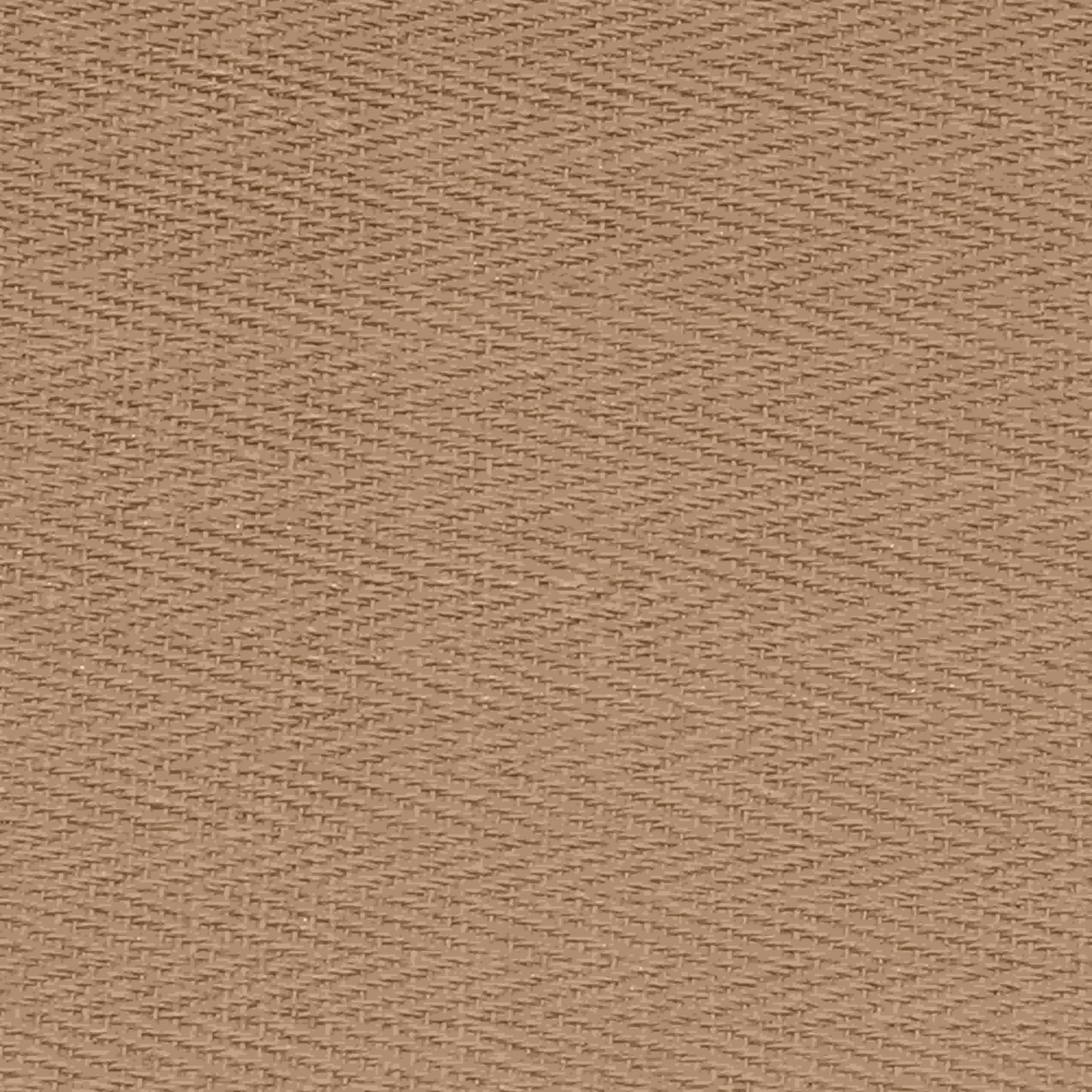
Let's get technical—without the jargon. Weaving (Khaki) MCM isn't your average cladding. It's part of the Modified Composite Material (MCM) family, a technology that's been turning heads since its debut. Here's the breakdown: MCM starts with a core of lightweight, high-strength polymers, then wraps it in a thin layer of flexible stone —yes, stone that bends. This isn't magic; it's mineral engineering at its finest. The stone is ground into a fine powder, mixed with binding agents, and formed into sheets that retain the look and feel of natural stone but ditch the weight and brittleness.
For Weaving (Khaki), the flexible stone layer is embossed with that signature woven pattern, then tinted with iron oxides to achieve that rich, earthy khaki hue. The result? A panel that weighs just 10 kg per square meter (that's lighter than most drywall!) but can withstand impacts that would shatter traditional stone. "We tested it by dropping a 5kg steel ball from 2 meters," says Raj Patel, MCM's lead engineer. "The panel didn't crack, chip, or even scratch. Compare that to marble, which would have spiderwebbed instantly, or wood, which would have dented. This stuff is tough."
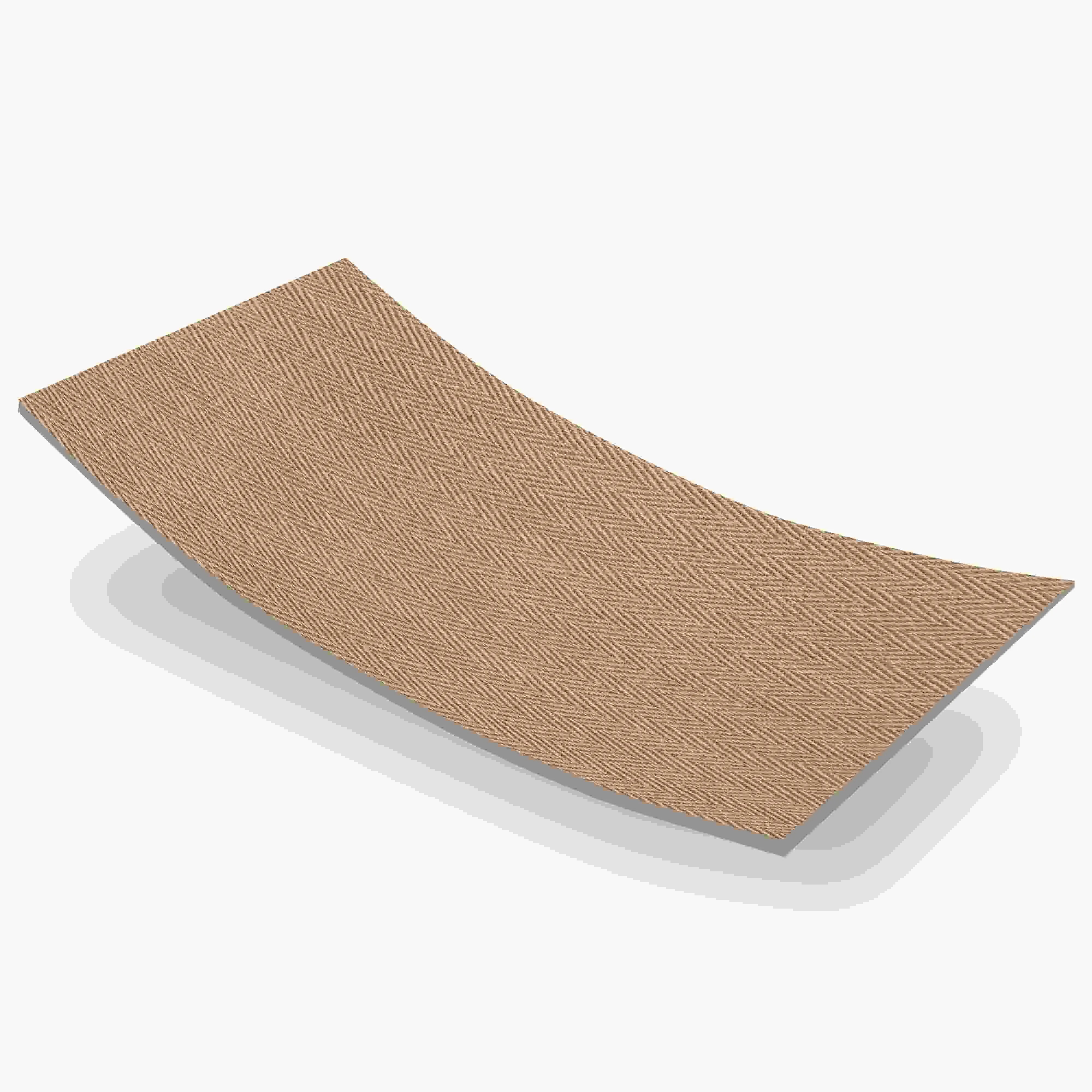
But strength isn't the only win here. The flexibility of the material means it can be installed on curved surfaces—think rounded building facades or spiral stairwells—without breaking. Traditional stone requires custom cutting for curves, which is expensive and time-consuming. Weaving (Khaki) MCM? It bends to the shape, saving builders hours (and budgets) on installation day.
Numbers tell a story too, and Weaving (Khaki) MCM has a lot to say. Let's break down the specs that matter most to builders, architects, and property owners:
| Feature | Specification | Real-World Benefit |
|---|---|---|
| Material Composition | Modified Composite Material with Flexible Stone Layer | Lightweight but 3x stronger than natural travertine |
| Thickness Options | 6mm, 8mm, 10mm, 12mm | Customizable for interior (thin) or exterior (thick) use |
| Weight per m² | 8–12 kg (depending on thickness) | Reduces structural load; no need for heavy support beams |
| Fire Rating | Class A (Non-combustible) | Safe for high-rise buildings and public spaces |
| Water Absorption | <0.5% | Resists mold, mildew, and water damage—ideal for coastal areas |
| UV Resistance | Fade-resistant for 15+ years | Maintains that warm khaki hue even in harsh sunlight |
| Installation Method | Dry hanging or adhesive (no mortar needed) | Cuts installation time by 40% compared to natural stone |
| Color Variants | Weaving (Khaki), Weaving (Jacinth), Weaving (Grey), Weaving (Beige) | Consistent color batch-to-batch; no natural stone variability |
Let's put that in perspective. A 100m² wall clad in Weaving (Khaki) MCM weighs about 1,000 kg. The same area in natural travertine? Over 2,700 kg. That's a difference of 1.7 tons—meaning builders can skip reinforcing the wall structure, saving time and money. And with a Class A fire rating, it's approved for use in hospitals, schools, and high-rises where safety is non-negotiable.
Great materials solve real problems, and Weaving (Khaki) MCM has been turning up in some unexpected (and impressive) places. Let's take a tour of where it's making a difference:
Walk into "The Loom," a trendy café in downtown Portland, and your eyes are drawn to the back wall—clad head-to-toe in Weaving (Khaki) MCM. "We wanted a space that felt like a cozy living room, but with the durability to handle 200+ customers a day," says owner Mia Chen. "Kids spill drinks, chairs scrape against walls, and we get a lot of rain here. Traditional wood paneling would have warped; painted drywall would have stained. This stuff? We've had it for two years, and it still looks brand new. Plus, the texture makes the space feel so inviting—customers keep asking where we got 'the woven walls.'"
Along the Florida coast, builder Jake Torres was tired of seeing clients' dream homes turn into maintenance nightmares. "Saltwater spray eats through wood, concrete cracks in the humidity, and natural stone is so heavy it requires extra foundation work," he says. Then he tried Weaving (Khaki) MCM on a beachfront villa. "Three hurricane seasons later, that exterior wall looks as good as the day we installed it. No rust, no peeling, no fading. The homeowner was shocked—she'd budgeted for repainting every two years, and now she's saving that money for vacations."
Gone are the days of sterile, all-white office lobbies. Companies today want spaces that reflect their brand's personality. Take "Innovatech," a tech firm in Austin, Texas. Their reception area features a curved wall of Weaving (Khaki) MCM paired with glass and brushed metal. "We wanted to show we're innovative but grounded—no cold, futuristic vibes here," says facilities manager Todd Reed. "The weaving texture adds warmth, and the khaki color keeps it professional. Plus, when clients walk in, they always touch the wall. It's become a conversation starter."
Restoring a 1920s bank in Chicago, architect Lila Gomez faced a dilemma: the original brick walls were crumbling, but the city required the exterior to retain its historic look. "We couldn't use new brick—it would have looked too uniform," she explains. "Weaving (Khaki) MCM was the perfect compromise. We matched the color to the original brick's warm tones, and the woven texture mimics the irregularity of old masonry. From the street, you'd never know it's not the original material. But inside, we've got a wall that's fire-resistant, waterproof, and won't need tuckpointing every five years."
These days, "green building" isn't a trend—it's a responsibility. And Weaving (Khaki) MCM doesn't just talk the talk. Let's start with manufacturing: MCM production uses 70% less water than quarrying natural stone and emits 60% fewer carbon emissions. The flexible stone layer is made from recycled stone dust (leftover from traditional quarrying), and the polymer core is recyclable at the end of its lifespan. "We're turning waste into wonder," says Patel. "That stone dust would have ended up in a landfill; now it's part of a building that will stand for 50+ years."
Then there's the energy savings. Because Weaving (Khaki) MCM is lightweight, transporting it requires fewer trucks—cutting down on fuel use. Installation is faster, too, which means less time on-site and lower labor emissions. And once installed, its insulating properties (thanks to that polymer core) can reduce a building's heating and cooling costs by up to 15%. "We did a case study on a school in Arizona," says Elena Ruiz. "They clad the exterior in Weaving (Khaki) MCM, and their AC bills dropped by $2,000 a month. That's money back in the district's pocket—and less strain on the power grid."
Compare that to fair-faced concrete , which requires massive amounts of water and energy to produce, or wood grain board, which often relies on deforestation. Weaving (Khaki) MCM proves that you don't have to choose between looking good and doing good.
We get it—change is hard. You've used brick, concrete, or natural stone for years, and they "work." But let's be honest: they have flaws. Let's break down how Weaving (Khaki) MCM stacks up against the usual suspects:
Travertine is stunning, but it's porous (hello, stains!), heavy (hello, structural costs!), and prone to cracking. Weaving (Khaki) MCM mimics travertine's earthy vibe but with zero porosity, half the weight, and 10x the impact resistance. Plus, travertine costs $40–$80 per square foot installed; Weaving (Khaki) comes in at $25–$45. "I used to love travertine," says Gomez, the Chicago architect. "Now? I cringe thinking about the maintenance. Weaving MCM gives me the look without the headache."
Wood grain board is great for cozy interiors, but outdoors? It rots, fades, and attracts pests. Weaving (Khaki) MCM has that same organic feel but is impervious to moisture, insects, and UV rays. "I installed wood grain board on my own garage once," laughs Torres, the Florida builder. "Three years later, it looked like a termite buffet. Weaving Khaki? It's been up for five years, and my neighbors still ask if it's real wood."
Concrete is durable, but it's cold, gray, and unforgiving. Weaving (Khaki) MCM adds warmth with its color and texture, while still matching concrete's strength. "Concrete feels industrial—great for a factory, not so much for a café," says Chen, owner of The Loom. "Weaving Khaki turns a wall into something you want to touch, not just look at."
At the end of the day, building materials should make your job easier, not harder. They should inspire creativity, not limit it. Weaving (Khaki) MCM from the MCM Project Board Series does both. It's artisanal texture without the fragility, industrial strength without the coldness, and sustainable design without the sacrifice.
Whether you're designing a cozy café, a beachfront home, or a corporate headquarters, this material doesn't just fill a space—it elevates it. It's for the architect who wants to sketch without limits, the builder who wants to install without stress, and the property owner who wants to enjoy without constant maintenance.
So the next time you're stuck in that loop—beauty vs. durability—remember: Weaving (Khaki) MCM breaks the cycle. It's not just a panel. It's proof that in construction, you really can have it all.
Recommend Products












