
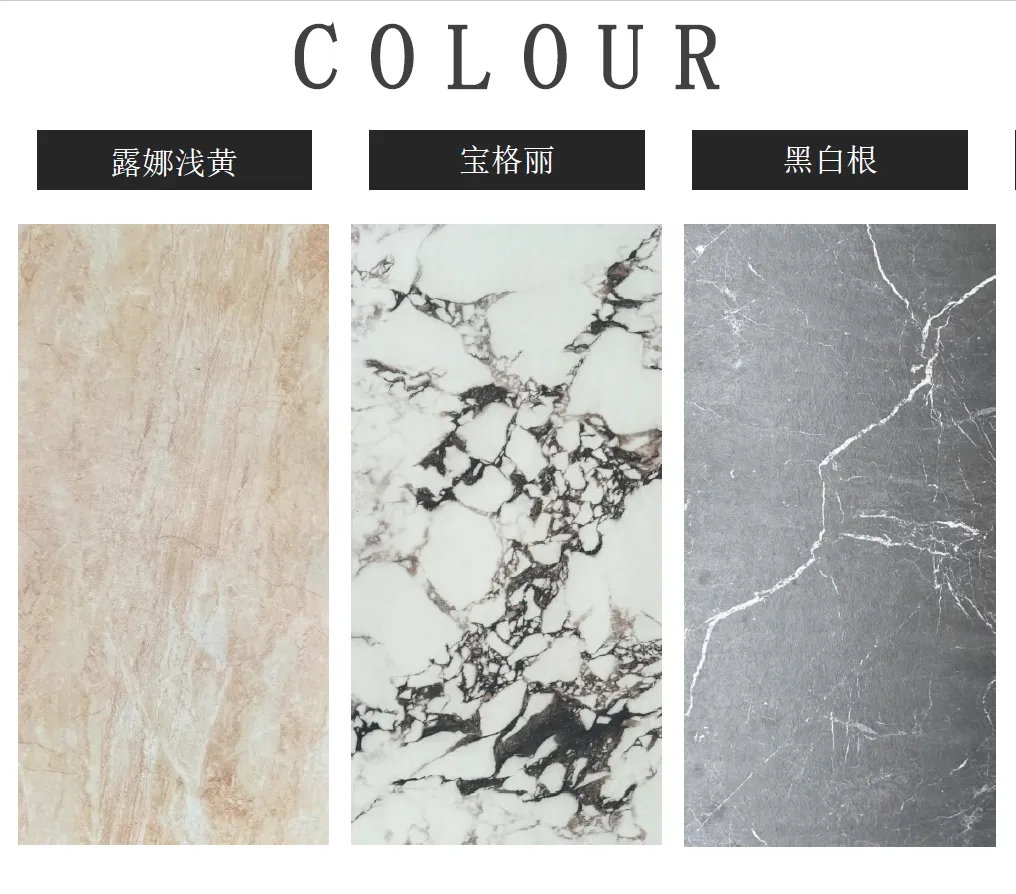
Let's be real—when you're investing in MCM marble series products, whether it's for a commercial project or your dream home renovation, you're not just buying materials. You're buying peace of mind. The last thing anyone wants is to unbox those beautiful panels, start installation, and realize there's a crack, a weird texture, or worse—they don't hold up to everyday wear. That's why quality checks aren't just "nice to do"; they're essential. Today, we're breaking down exactly how to ensure you're getting top-tier MCM marble series products, from MCM flexible stone to marble interstellar gray , and everything in between. Let's dive in.
First things first—you need to make sure the material itself is solid. MCM (Modified Composite Material) products are designed to be durable, lightweight, and versatile, but not all manufacturers cut the same corners. Here's what to look for:
Let's take MCM flexible stone as an example. Its claim to fame is flexibility—meaning it can bend slightly without cracking, making it perfect for curved surfaces or high-traffic areas. But how do you test that? Grab a sample (always ask for samples!) and gently flex it. A quality piece will give a little without creaking or showing stress lines. If it feels rigid or snaps back too quickly, that's a red flag. You want flexibility, not brittleness.
Then there's consistency. Marble series products, like marble interstellar gray , are prized for their unique veining and color patterns. But "unique" shouldn't mean "inconsistent." Lay out multiple panels side by side—do the colors flow naturally, or is there a jarring difference between one sheet and the next? For example, if you're buying travertine (starry blue) , those "starry" flecks should be evenly distributed, not clumped in one corner and sparse in another. Inconsistency here isn't just an aesthetic issue; it can signal poor manufacturing control, which often translates to other hidden flaws.
Don't forget to check for hidden defects. Run your hand along the edges—are there chips, rough spots, or uneven cuts? Hold the panel up to the light; any hairline cracks will show up as thin, dark lines. Even small cracks can expand over time, especially if the material is exposed to moisture or temperature changes. Trust me, I've seen projects derailed by a single unspotted crack that turned into a major issue six months later.
MCM marble series products are as much about look and feel as they are about function. A cheap knockoff might mimic the color of marble interstellar gray , but it'll feel flat or plasticky. High-quality products, though? They have depth. Here's how to assess texture and finish like a pro:
Start with the touch test. Run your palm across the surface—does it feel smooth, with subtle variations that mimic natural stone? For example, wood grain board (a popular MCM option that blends wood aesthetics with stone durability) should have a texture that feels like real wood grain—slightly raised, not just printed on. If it feels like a glossy sticker, that's a sign of low-quality printing or a thin top layer that'll wear off quickly.
Next, check the finish for uniformity. Matte, polished, or honed—whatever finish you're after, it should be consistent across the entire panel. Let's say you're eyeing fair-faced concrete panels. A quality finish here is even, with a slight texture that doesn't have shiny spots or dull patches. Hold the panel at an angle to the light; this will exaggerate any unevenness. If you see streaks or areas where the finish is thinner, that panel might absorb water unevenly later on, leading to stains or discoloration.
For patterned products like travertine (starry blue) , pay attention to the "starry" details. Those metallic or iridescent flecks should be embedded in the material, not just painted on top. Scratch the surface gently with your fingernail—if flecks come off, that's a problem. High-quality MCM products integrate these details into the composite, so they won't wear away with cleaning or traffic.
Let's get practical: MCM marble series products need to handle real life. Spills, scratches, humidity, UV rays—they're all part of the package. Here are a few quick tests you can do with samples to gauge durability:
Stone and concrete-based MCM products, like fair-faced concrete , should resist water. drop a small amount of water on the surface and let it sit for 10–15 minutes. If it beads up and wipes away easily, great. If it soaks in and leaves a dark spot, that panel will be prone to staining from coffee, wine, or rain. For outdoor use, this is non-negotiable—you don't want your patio panels turning blotchy after the first storm.
Take a key or a coin and gently scratch the surface (in an inconspicuous corner, of course). A high-quality MCM product, like MCM flexible stone , should only show a faint mark thats off. If you end up with a deep scratch or the color comes off, that material won't hold up to furniture, foot traffic, or even cleaning with a stiff brush.
For kitchen backsplashes or outdoor kitchens, heat resistance is a must. Hold a lit match or a small candle (carefully!) near the surface for 10 seconds. The panel might get warm, but it shouldn't discolor, bubble, or emit a plastic smell. Low-quality composites can melt or warp under heat, which is a fire hazard and an eyesore.
You can do all the hands-on tests in the world, but nothing beats a third-party stamp of approval. Reputable MCM manufacturers will have certifications that prove their products meet industry standards. Here's what to look for:
First, green building materials certifications. With sustainability top of mind for most projects, certifications like LEED, GREENGUARD, or local green building labels ensure the product is low in VOCs (volatile organic compounds) and made with eco-friendly processes. This isn't just good for the planet—it's good for your health, especially if the product is going indoors.
Next, check for durability certifications. For example, ASTM International has standards for things like flexural strength (how much a panel can bend before breaking) and impact resistance. Ask the supplier for test reports—if they hesitate or can't provide them, that's a red flag. A trustworthy manufacturer will be proud to share their compliance docs.
Don't sleep on regional compliance, either. If you're in the Middle East, for instance, products should meet local climate standards—like resistance to high humidity or sandstorms. Historical pathfinders stone , a line designed to mimic ancient stone paths, is often used in heritage projects; in such cases, compliance with preservation guidelines is just as important as durability.
Here's a secret: even the best products can let you down if the supplier is unreliable. That's why vetting your supplier is part of the quality check process. Here's what to ask and look for:
Start with sample policies. A good supplier will send you free or low-cost samples of exactly the product you want—no substitutions. If they say, "We don't have marble interstellar gray samples right now, but this travertine (beige) is similar," run. You need to see, touch, and test the exact product you're buying.
Next, check their track record. Look for reviews from other contractors or homeowners. Did they deliver on time? Were there issues with the shipment, like damaged panels? A supplier with a pattern of late deliveries or unresponsive customer service is a risk—you don't want to be stuck waiting for replacement panels mid-project.
Finally, ask about after-sales support. What happens if a panel arrives damaged? Do they offer a warranty? A 10-year warranty on material defects is standard for high-quality MCM products. If a supplier only offers a 1-year warranty or none at all, they might not stand behind their materials.
To make this even easier, here's a quick reference table of common issues and what to do about them:
| Potential Issue | Quality Check Action |
|---|---|
| Hidden cracks or chips | Inspect edges and hold up to light; flex gently for stress lines. |
| Inconsistent color/pattern | Lay multiple panels side by side; check for jarring differences. |
| Poor water resistance | drop water on surface; if it soaks in, reject the panel. |
| Thin or peeling finish | Scratch gently with a key; if finish comes off, avoid. |
| No certifications or warranties | Ask for compliance docs and warranty details; walk away if none are provided. |
At the end of the day, quality checks for MCM marble series products are about protecting your investment. Whether you're choosing MCM flexible stone for its versatility, marble interstellar gray for its sleek look, or wood grain board for that warm, natural vibe, taking the time to inspect material integrity, texture, durability, and supplier reliability will save you headaches (and money) down the line.
Remember, great MCM products should feel like a partnership—they work with you, not against you. So take your time, ask questions, and don't settle for anything less than top-tier. Your project (and future self) will thank you.
Recommend Products












