
After a long day navigating the buzz of city streets, stepping into a space that wraps you in quiet feels like a sigh of relief. Whether it's the hum of traffic seeping through windows, the clatter of a busy office, or the echo of chatter in a restaurant, noise has a way of fraying our nerves—often without us even noticing. In a world that never seems to slow down, finding peace in our built environments has become more than a luxury; it's a necessity. That's where materials like rammed earth board (gradient) come in, blending functionality with warmth to redefine how we experience sound in our spaces.
Acoustics shape our daily lives in ways we rarely stop to consider. A poorly insulated home means restless nights when neighbors turn up the TV. A noisy office makes it hard to focus on deadlines, draining productivity. Even in public spaces—cafés, libraries, hotels—the right soundscape can turn a fleeting visit into a memorable one. The problem? Many building materials prioritize aesthetics or cost over acoustic performance, leaving us with spaces that look good but feel chaotic.
Enter rammed earth board (gradient), a material that doesn't just check the box for visual appeal but actively works to create quieter, more harmonious environments. It's part of a growing movement toward "human-centric design"—spaces that prioritize how we feel, not just how they look. And when it comes to acoustics, this gradient variation of rammed earth board has a few tricks up its sleeve.
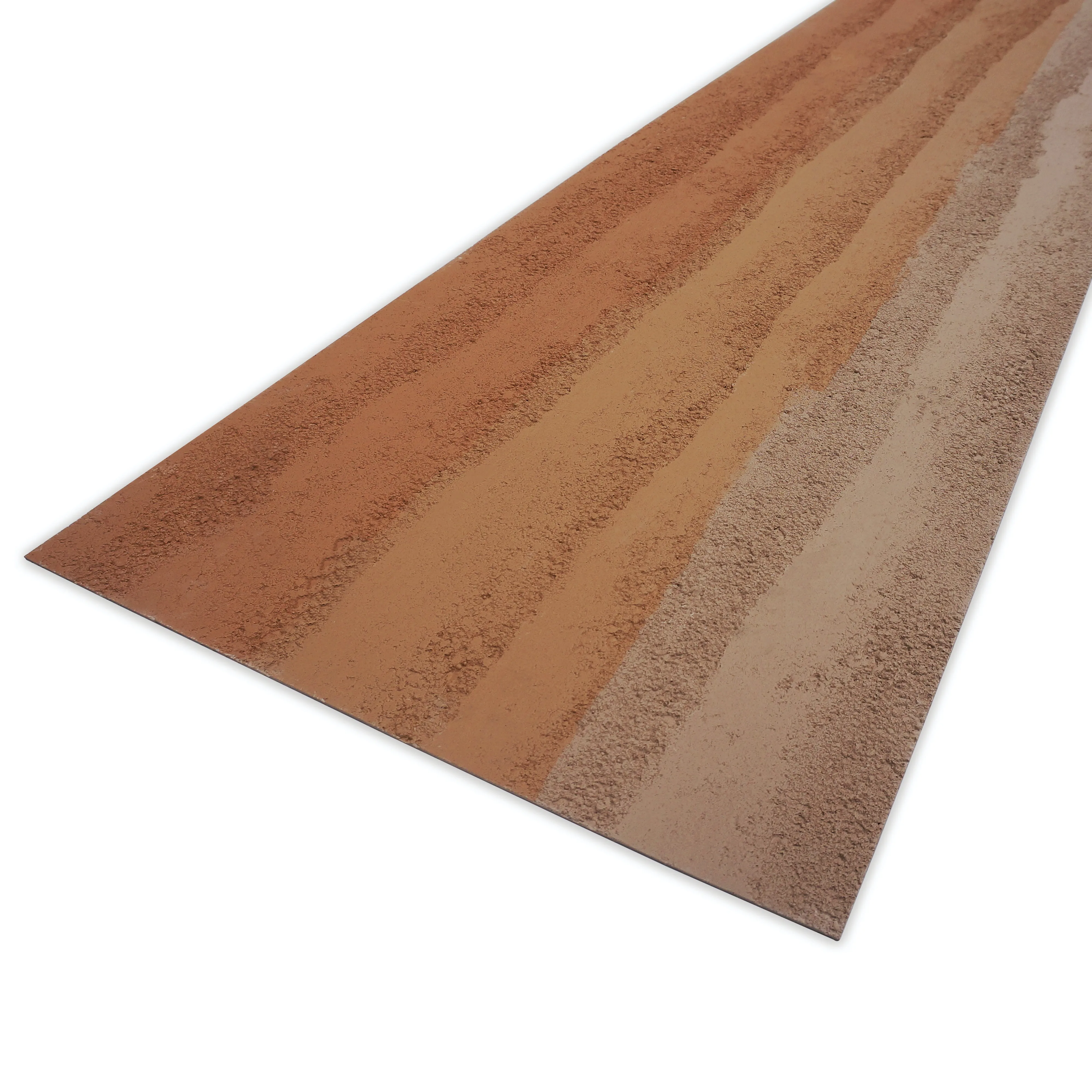
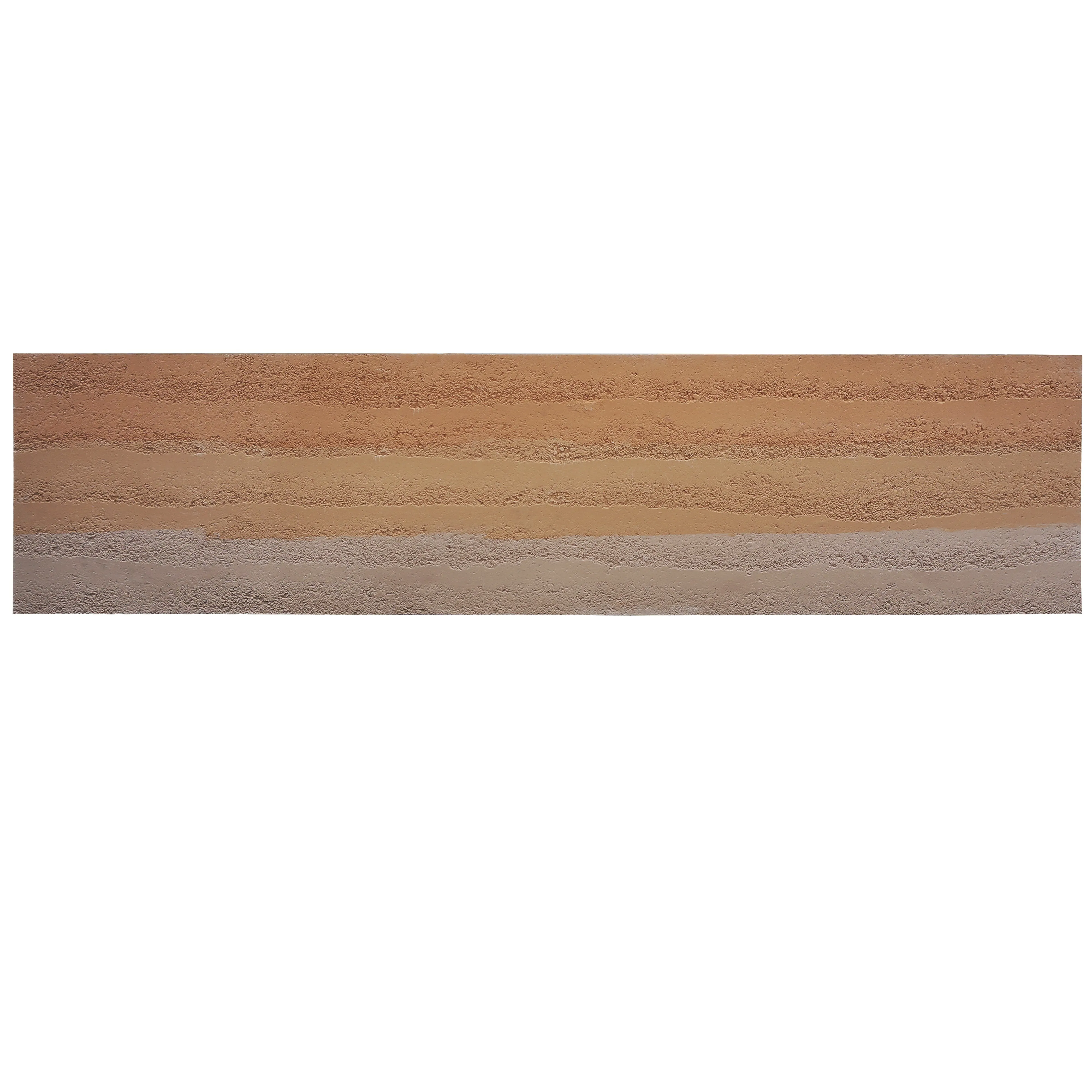
First, let's demystify what rammed earth board (gradient) is. Rooted in ancient building techniques, modern rammed earth boards are crafted by compressing layers of natural materials—typically clay, sand, gravel, and sometimes lime—into dense, durable panels. The "gradient" refers to the subtle, flowing color transitions baked into the board, ranging from soft beiges to warm terracottas or even earthy greens, mimicking the organic beauty of natural stone. But beyond its good looks, it's the material's inherent properties that make it a standout for acoustics.
Unlike sleek, hard surfaces like fair-faced concrete or smooth wood grain board, which reflect sound and create echoes, rammed earth board (gradient) has a porous, textured structure that acts like a sponge for noise. Its density—achieved through the compression process—adds mass, which is key for blocking sound transmission (think of it as a heavy curtain for noise). Meanwhile, the tiny air pockets within the material absorb high-frequency sounds, like voices or clattering dishes, reducing reverberation and creating a sense of calm.
Fun fact: The gradient color effect isn't just for show. The varying shades and textures across the board's surface help scatter sound waves, preventing them from bouncing directly off the material. It's design and function working in harmony—quietly.
Sound travels through vibrations, and heavier materials are better at stopping those vibrations in their tracks. Rammed earth board (gradient) is dense—much denser than lightweight options like gypsum board or even some flexible stone cladding panels. This mass acts as a physical barrier, preventing sound from passing through walls, ceilings, or floors. For example, in a home, installing gradient rammed earth boards on interior walls can significantly reduce noise transfer between rooms, so you won't hear the kids' afternoon cartoons while trying to work from the home office.
Density alone isn't enough—absorption matters too. Hard, non-porous materials like fair-faced concrete reflect sound waves, turning a small noise into a lingering echo. Rammed earth board (gradient), with its naturally porous structure, soaks up those waves instead. Imagine dropping a pebble into a pond: on a hard surface, the ripples bounce back; on a porous surface, they fade away. That's exactly what happens with sound here. High-frequency sounds (think: a dog barking, a keyboard clacking) get trapped in the material's tiny pores, reducing overall noise levels and making spaces feel more intimate.
The gradient color isn't just a visual treat—it's an acoustic tool. The subtle variations in tone and texture across the board's surface disrupt sound waves, scattering them in different directions instead of letting them bounce straight back. This "diffusion" effect prevents the buildup of standing waves (those annoying, booming echoes in empty rooms) and creates a more balanced soundscape. In a restaurant, for instance, this means you can chat with friends without raising your voice, even in a crowded space.
To truly appreciate the acoustic benefits of rammed earth board (gradient), it helps to see how it compares to other common building materials. Let's take a look at three popular options: fair-faced concrete (a staple in modern design), wood grain board (loved for its warmth), and our star player, rammed earth board (gradient).
| Material | Sound Absorption Coefficient (NRC)* | Sound Transmission Class (STC)** | Key Acoustic Feature | Aesthetic Appeal |
|---|---|---|---|---|
| Rammed Earth Board (Gradient) | 0.4–0.6 | 45–50 | Porous structure + texture for absorption and diffusion | Organic gradient colors, earthy texture |
| Fair-Faced Concrete | 0.1–0.2 | 50–55 | High mass blocks sound but reflects echoes | Sleek, industrial, monochromatic |
| Wood Grain Board | 0.3–0.5 | 35–40 | Moderate absorption but lower mass (less sound blocking) | Warm, natural wood tones, smooth or grooved |
*NRC (Noise Reduction Coefficient): Measures sound absorption (0 = no absorption, 1 = total absorption).
**STC (Sound Transmission Class): Measures sound insulation (higher = better at blocking sound through materials).
What stands out? Rammed earth board (gradient) hits the sweet spot: it absorbs more sound than fair-faced concrete and blocks more noise than wood grain board. And unlike both, it adds visual interest with its gradient colors, making it a versatile choice for spaces where design and acoustics are equally important.
Acoustic performance is just the start. Rammed earth board (gradient) brings a host of other advantages to the table, making it a favorite among architects and designers:
Rammed earth has been used in construction for millennia—think ancient forts and homes that still stand today. Modern rammed earth boards are no different. They're resistant to wear, moisture (when properly sealed), and even fire, making them a low-maintenance choice for high-traffic areas like hotels, restaurants, or commercial offices.
In an era of eco-conscious design, rammed earth board (gradient) shines. Made from natural, locally sourced materials, it has a low carbon footprint compared to synthetic options like foamed aluminium alloy boards or even some flexible stone cladding panels. It's also breathable, helping regulate humidity in spaces and reducing the need for energy-guzzling dehumidifiers or air conditioners.
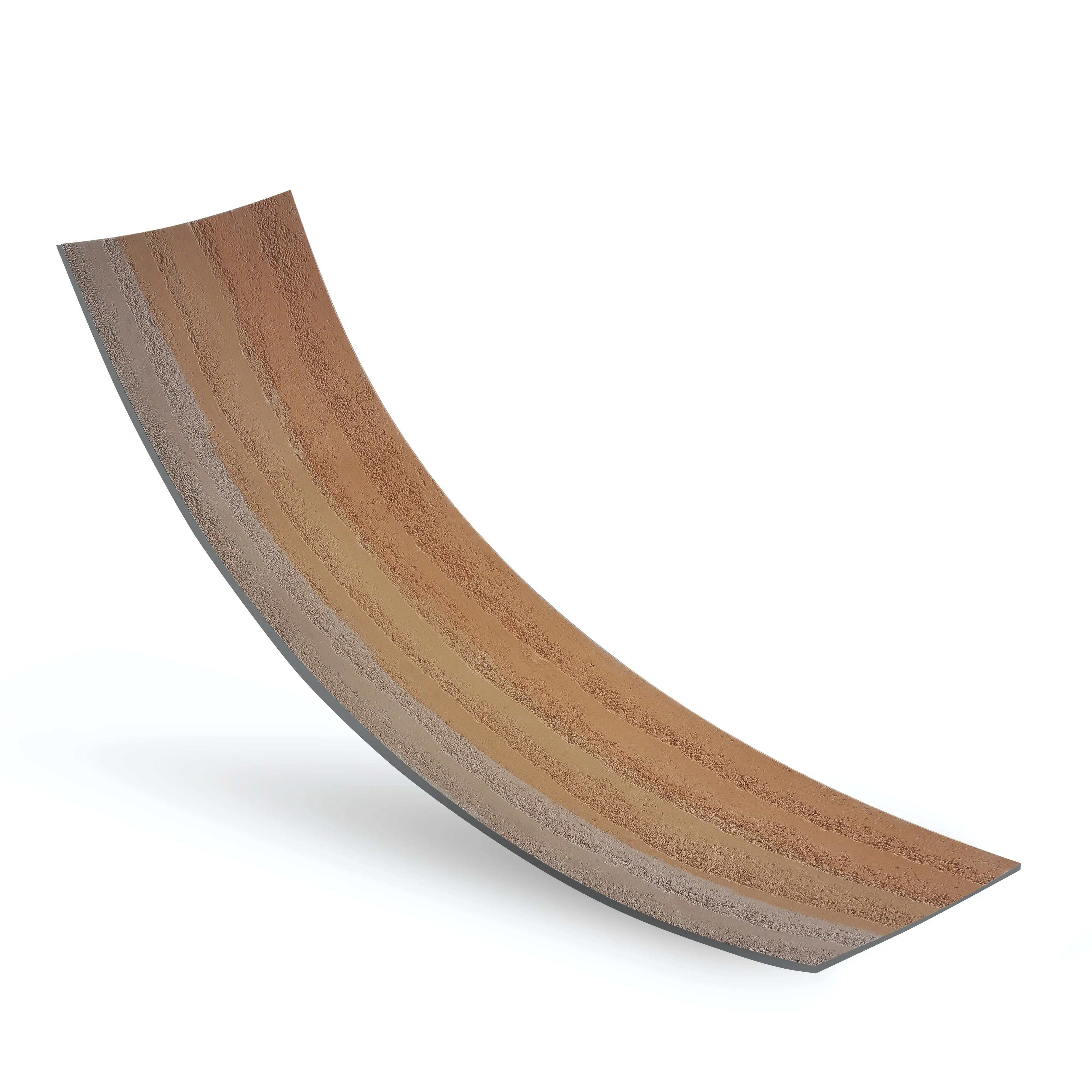
The gradient color effect is a game-changer for designers. Whether you're aiming for a cozy, cabin-like vibe or a modern, minimalist look, the soft color transitions adapt seamlessly. Unlike rigid materials that limit creativity, rammed earth board (gradient) can be cut into custom sizes, curved for organic shapes, or paired with other materials like wood or metal for a layered, textured look.
So, where does rammed earth board (gradient) make the most impact? The short answer: anywhere noise is a problem—and beauty matters. Here are a few standout applications:
Imagine a bedroom where street noise fades to a whisper, or a home theater where the sound of a movie doesn't rattle the walls for the rest of the house. Rammed earth board (gradient) is perfect for interior walls, ceilings, or even feature walls, turning ordinary rooms into peaceful retreats. Its natural colors also add warmth, making spaces feel more connected to the outdoors—a welcome contrast to the cold, sterile feel of many modern homes.
Restaurants, cafés, and hotels thrive on atmosphere, and nothing kills atmosphere faster than noise. Rammed earth board (gradient) helps create that "buzzy but not overwhelming" vibe by absorbing excess sound, letting conversations flow without competing with background noise. In hotels, it can transform hallways and lobbies into serene spaces, making guests feel instantly at ease. Even offices benefit—install it in meeting rooms or open-plan areas to reduce distractions and boost focus.
Libraries, museums, and auditoriums demand quiet to foster concentration or appreciation. Rammed earth board (gradient)'s ability to absorb and diffuse sound makes it ideal for these settings, ensuring that even in large, open spaces, noise stays in check. Its organic aesthetic also complements the natural light and neutral tones often found in cultural buildings, creating a cohesive, calming environment.
You might be wondering: why choose the gradient variation over standard rammed earth boards? The answer lies in balance. Standard rammed earth boards offer excellent acoustic performance, but the gradient adds an extra layer of design versatility. In spaces where color and texture are part of the story—like a boutique hotel lobby or a high-end restaurant—the gradient effect elevates the material from "functional" to "statement-making." It's a reminder that good design doesn't require sacrificing performance; in fact, the two can enhance each other.
For example, a yoga studio using gradient rammed earth boards in soft, earthy tones doesn't just get better acoustics—it creates a space that feels grounded, calm, and visually soothing, aligning perfectly with the studio's mission of mindfulness. A retail store using the gradient's warm hues can guide customers through the space with color, while the material's sound absorption ensures the shopping experience feels relaxed, not chaotic.
At the end of the day, rammed earth board (gradient) is more than a building material—it's a tool for creating better, quieter lives. In a world that's always on, the ability to step into a space that respects our need for peace is invaluable. It's a reminder that design should serve us, not the other way around.
Whether you're building a new home, renovating an office, or designing a public space, consider the impact of sound. And if you're looking for a material that does it all—blocks noise, absorbs echoes, adds warmth, and turns heads—rammed earth board (gradient) might just be the quiet hero you've been searching for. After all, in the end, the best spaces aren't just seen—they're felt.
Recommend Products












