
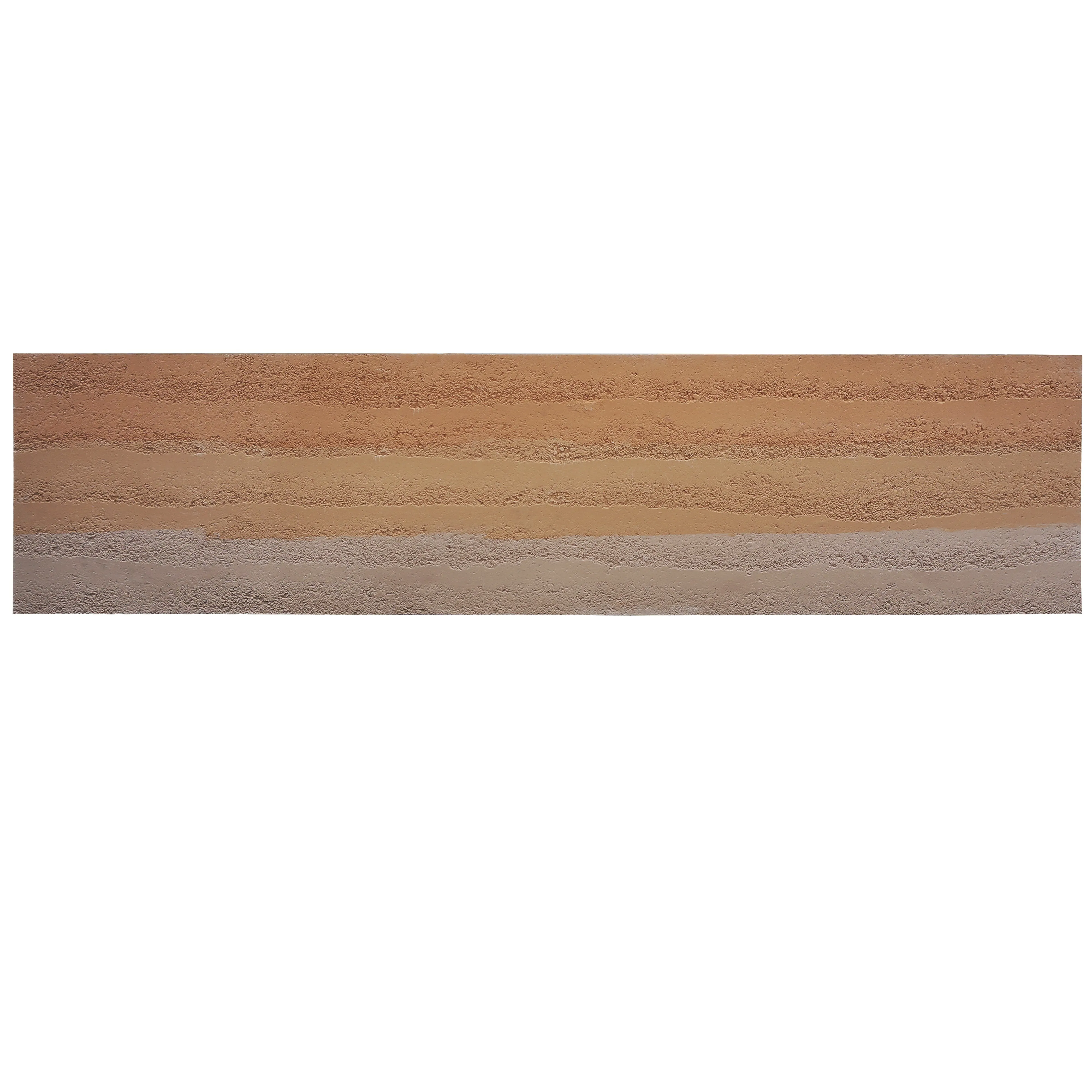
Minimalist design has long been celebrated for its "less is more" philosophy—but in reality, it's about meaningful less. It's the art of curating spaces where every texture, color, and material serves a purpose, evoking calm, clarity, and connection to the natural world. Enter rammed earth board (gradient): a material that marries the raw, earthy charm of traditional rammed earth with a subtle, flowing color transition. It's not bold or overwhelming; instead, it's a quiet storyteller, adding depth to minimalist homes without cluttering the eye. Let's explore how this versatile material can transform your space, one gradient hue at a time.
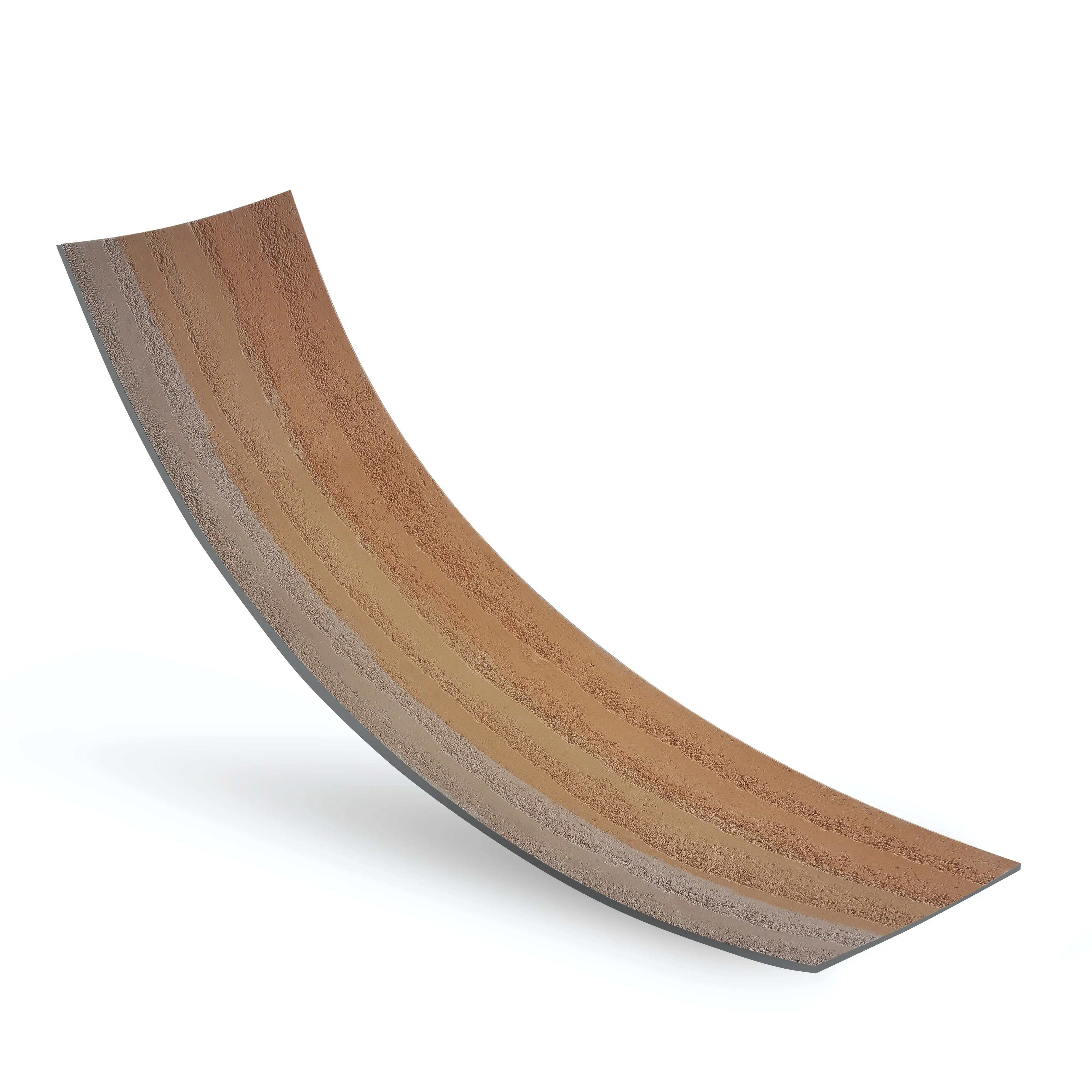
First, let's demystify the star of the show. Rammed earth itself is an ancient building technique, where layers of moistened earth (clay, sand, gravel) are compacted to form dense, durable walls. Modern MCM (Modified Composite Material) takes this concept further, creating lightweight, flexible rammed earth boards that retain the material's organic texture while adding innovation—like the gradient effect.
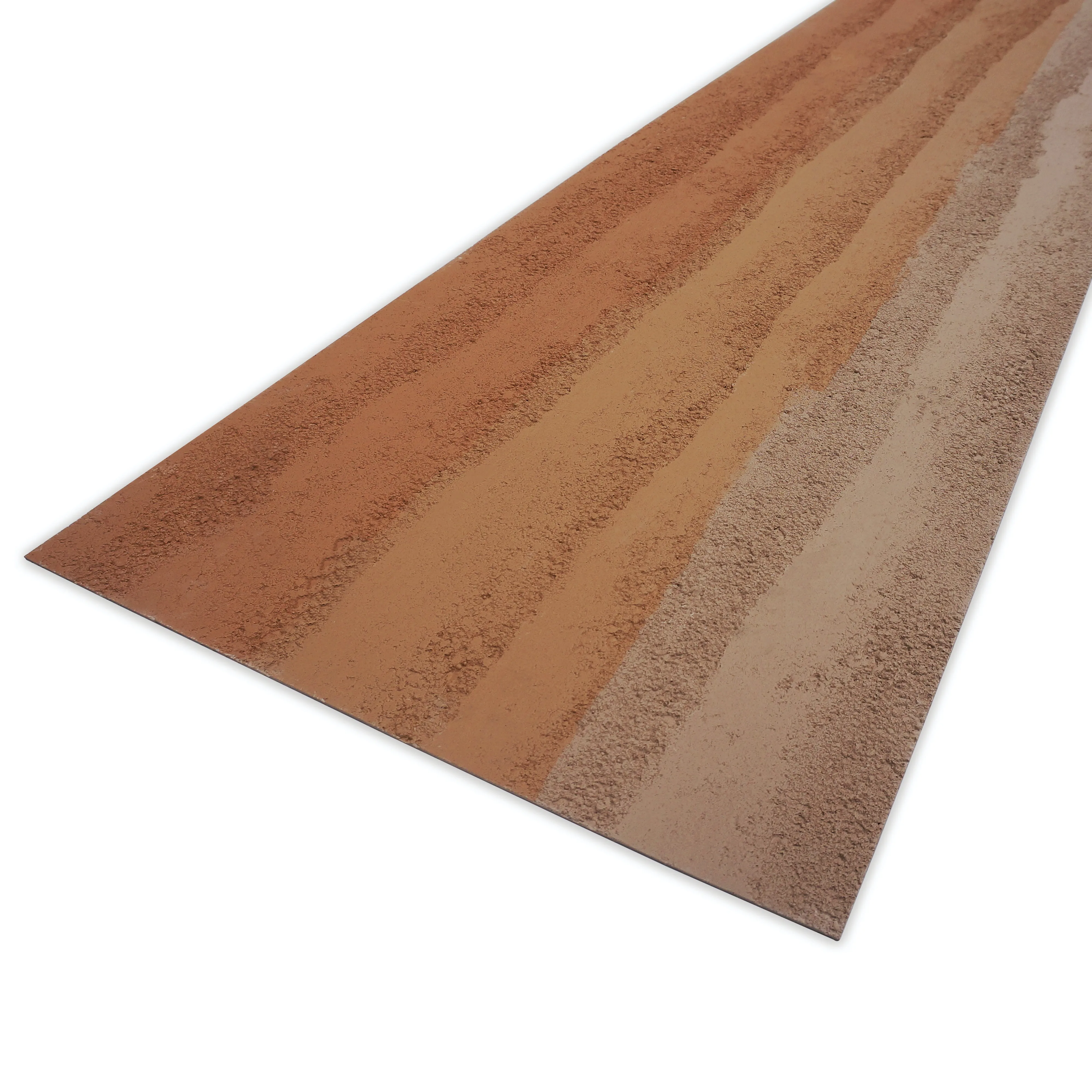
Gradient rammed earth boards blend two or more earthy tones seamlessly, mimicking the way sunlight fades across a desert horizon or how soil deepens in color as it meets bedrock. Think soft beiges melting into warm khakis, pale yellows transitioning to matcha greens, or muted terracottas fading into claybanks. The effect is subtle—you might not even notice it at first glance—but it's that subtlety that makes it perfect for minimalism. It adds visual interest without demanding attention, letting the space breathe.
Beyond aesthetics, these boards check all the boxes for modern living: they're eco-friendly (made from natural, sustainable materials), fire-resistant, and surprisingly low-maintenance. For minimalists who value both form and function, that's a win-win.
The beauty of gradient rammed earth lies in its versatility. It works in every room, indoors and out, adding warmth and texture without disrupting the minimalist "less but better" ethos. Here are some ideas to spark inspiration:
The living room is where we gather, unwind, and connect—and it deserves a backdrop that feels both inviting and serene. A gradient rammed earth feature wall is the perfect solution. Imagine a wall behind your sofa, blending rammed earth board (gradient) in soft khaki at the bottom, gradually lightening to a warm light yellow near the ceiling. The color flow mimics natural light, making the room feel larger and airier.
Pair this wall with wood grain board accents—maybe a floating shelf or a low media console. The wood's natural grain echoes the earthy texture of the rammed earth, creating a cohesive, nature-inspired palette. Add a few potted plants and a jute rug, and suddenly, your living room isn't just minimalist—it's alive with organic energy.
Minimalist bedrooms thrive on tranquility, and gradient rammed earth excels here. Opt for a softer gradient—say, pale beige transitioning to a whisper of matcha green. This pairing evokes the calm of a forest at dawn, signaling to your brain that it's time to unwind.
To balance the warmth of the rammed earth, introduce fair-faced concrete for your nightstands or a small accent wall. The cool, smooth texture of concrete contrasts gently with the rough, porous surface of the rammed earth, creating a dynamic yet peaceful interplay. Finish the look with linen bedding in off-white or soft gray, and you've got a bedroom that feels like a retreat.
Kitchens are high-traffic zones, so materials need to be tough—but that doesn't mean they can't be beautiful. Gradient rammed earth works here too, especially for a backsplash or a small accent wall. Choose a gradient that leans into earthy robustness: think deep terracotta fading into rusty red, or dark gray dolomitic travertine blending into claybank. These tones hide minor stains and add warmth to an often sterile space.
Pair this with lunar peak silvery hardware or light fixtures. The metallic sheen of lunar peak silvery adds a touch of modernity without clashing with the earthy base, creating a kitchen that feels both grounded and contemporary. Add open shelving with wooden bowls and terracotta pots, and suddenly, cooking becomes a sensory experience—one that connects you to the materials around you.
Minimalist design doesn't stop at the front door. Outdoor patios, decks, or garden walls can benefit from gradient rammed earth too. For a seamless transition between indoor and outdoor, extend your living room's gradient wall outside, pairing it with historical pathfinders stone or gobi panel . These materials, with their weathered, time-worn textures, complement the gradient's organic flow, making your outdoor space feel like a natural extension of the landscape.
Imagine stepping outside onto a patio with gradient rammed earth flooring, fading from pale sand to rich desert brown, bordered by historical pathfinders stone. Add a wooden dining set and string lights, and you've created an outdoor oasis that feels both curated and wild—minimalist, yet full of character.
One of the keys to successful minimalist design is how materials interact. Gradient rammed earth is a team player, pairing beautifully with other natural and modern materials to create layered, harmonious spaces. Here's a quick guide to some winning combinations:
| Material | Why It Works | Best For |
|---|---|---|
| Wood Grain Board | Warm, natural grain mirrors the organic texture of rammed earth; adds softness. | Living rooms, bedrooms, accent walls. |
| Fair-Faced Concrete | Cool, smooth surface contrasts with rammed earth's warmth; adds modern edge. | Kitchens, bathrooms, industrial-minimalist spaces. |
| Lunar Peak Silvery | Metallic sheen adds subtle luxury without overwhelming the earthy base. | Light fixtures, hardware, accent panels. |
| Historical Pathfinders Stone | Weathered texture evokes timelessness; enhances the gradient's natural flow. | Outdoor walls, patios, garden borders. |
Minimalist design isn't just about aesthetics—it's about how a space makes you feel. Gradient rammed earth uses color to influence mood, often in subtle, subconscious ways. Here's how different gradient palettes can transform your home:
One of the perks of MCM gradient rammed earth boards is how user-friendly they are. Unlike traditional rammed earth, which requires on-site mixing and compaction, these boards are lightweight and easy to install. They can be cut to size, glued, or screwed into place, making them a great option for DIYers or professional projects alike.
Maintenance is equally straightforward. A quick wipe with a damp cloth is usually enough to keep them clean. For outdoor installations, occasional rinsing with a hose will remove dirt and debris, ensuring the gradient colors stay vibrant for years. And since they're made from durable composite materials, they resist fading, cracking, and warping—even in harsh weather.
Minimalist design is about finding beauty in simplicity, and gradient rammed earth board embodies that perfectly. It's a material that speaks softly but leaves a lasting impression—adding texture, warmth, and depth without cluttering the space. Whether you're redesigning your living room, bedroom, or outdoor patio, it offers endless possibilities to create a home that feels both curated and connected to the natural world.
So why not let your walls tell a story? Not with loud patterns or bold colors, but with the quiet, organic flow of gradient rammed earth. It's minimalism at its most human—simple, sincere, and full of life.
Recommend Products












