
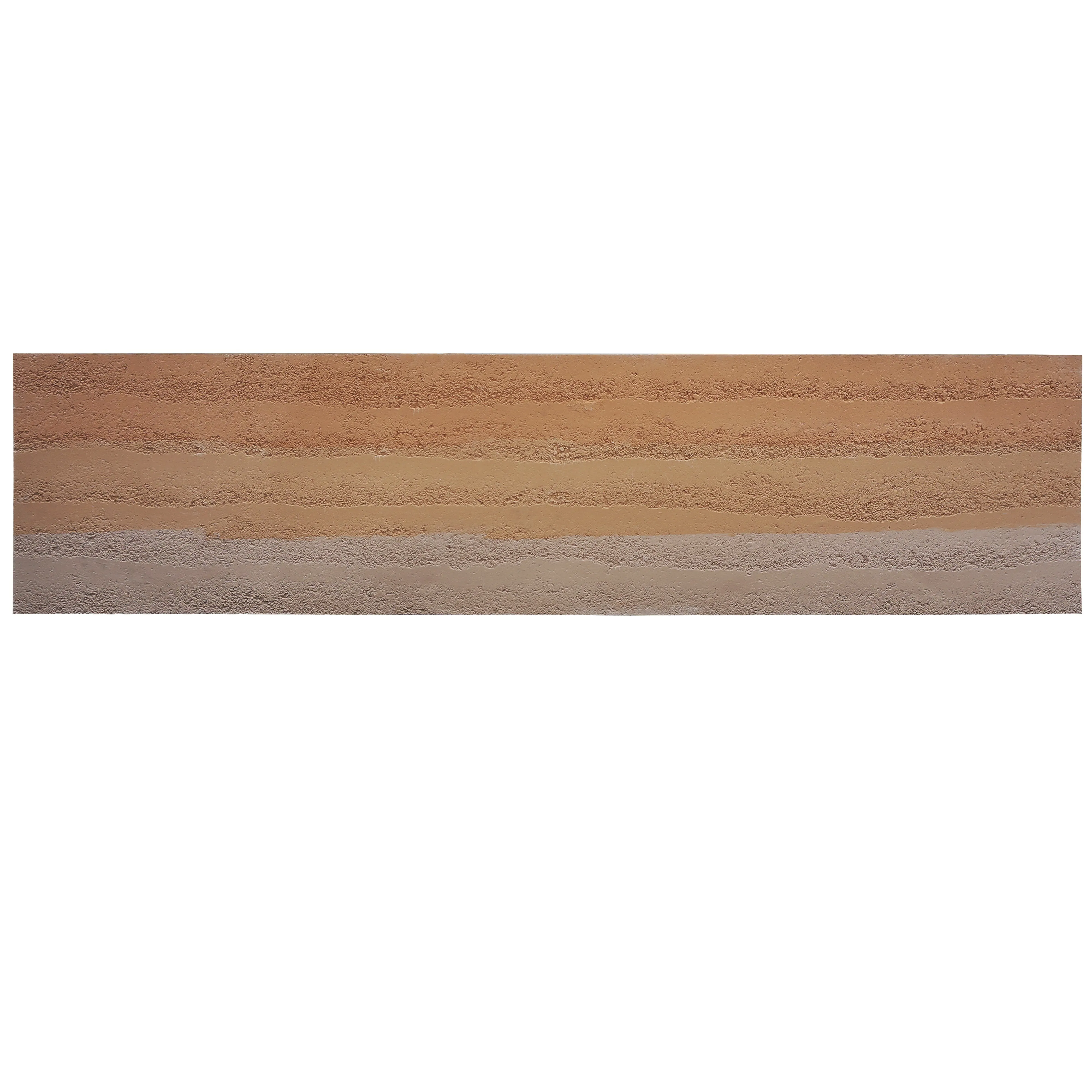
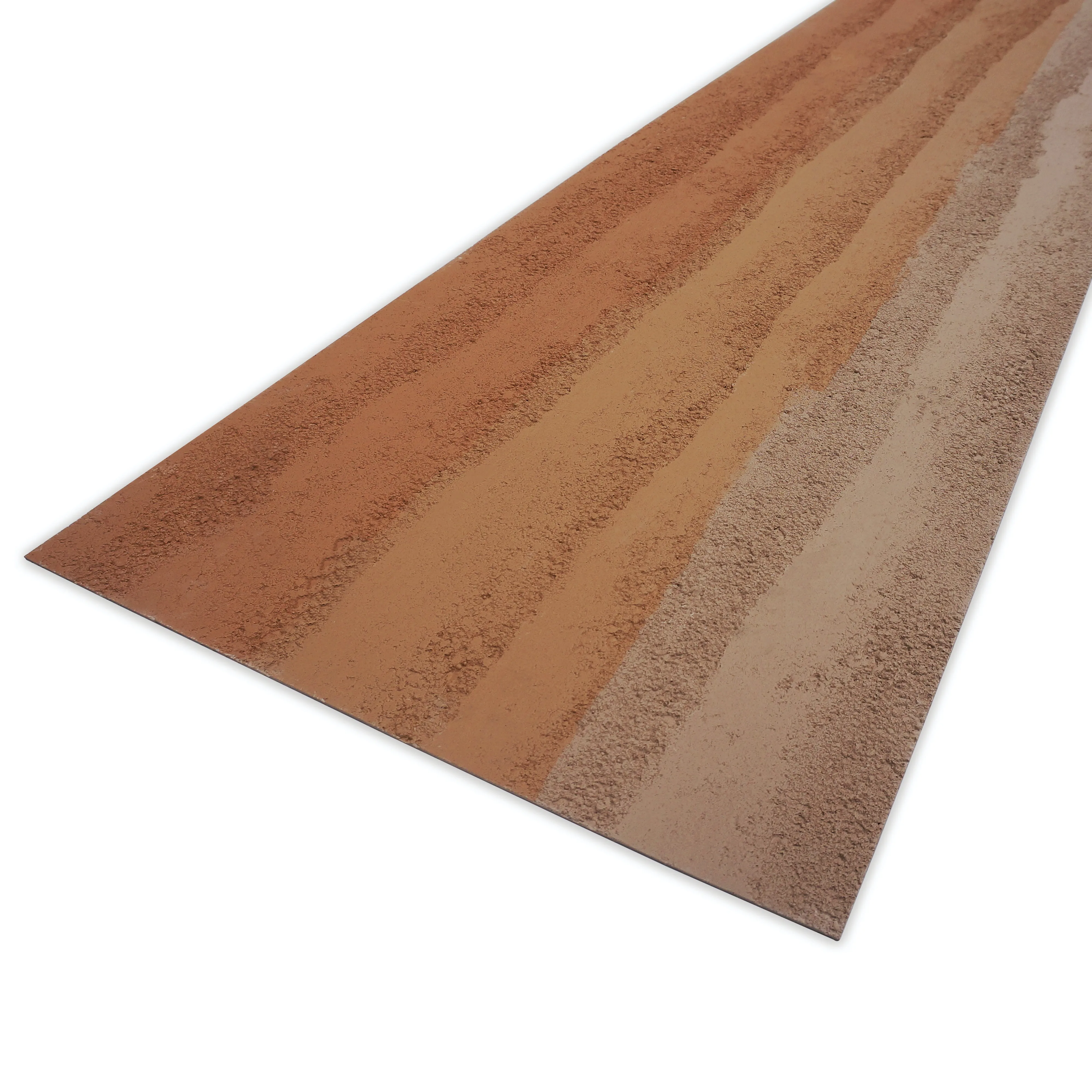
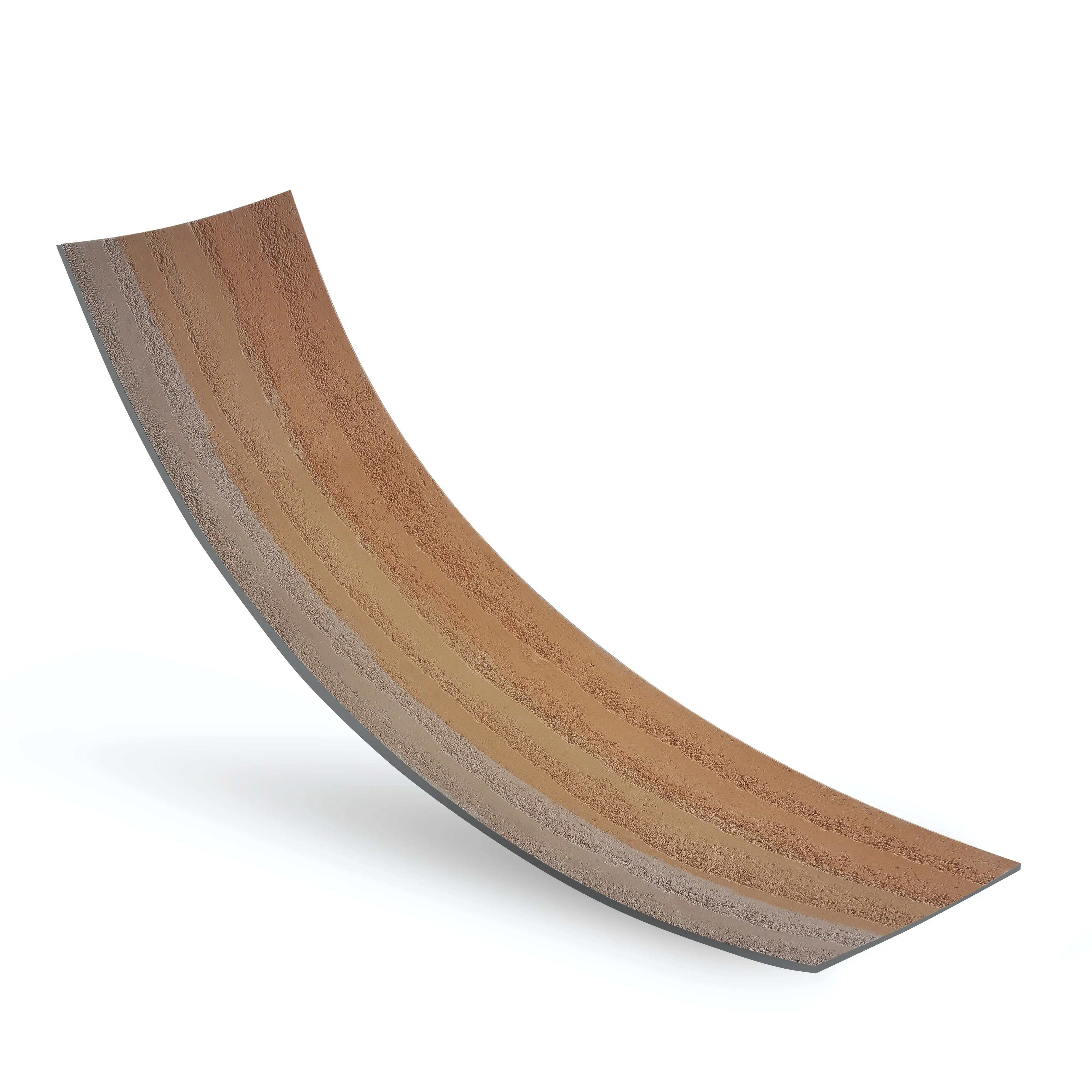
In a world where digital screens and sleek minimalism have dominated design for years, there's a quiet rebellion unfolding—one that reaches back to the earth itself. Enter rammed earth board (gradient), a material that marries ancient craftsmanship with contemporary artistry, offering spaces a heartbeat they've been missing. Unlike the cold uniformity of concrete or the predictable repetition of tiles, gradient rammed earth tells a story: of layers, of time, of the slow, beautiful shift between colors that mirrors nature's own transitions—sunrises bleeding into day, desert dunes blushing at dusk, mountain peaks fading from snow to stone.
As we step into 2025, this trend isn't just growing—it's thriving. Designers and homeowners alike are drawn to its tactile warmth, its ability to soften harsh lines, and its knack for turning walls into canvases. But what makes gradient rammed earth more than a passing fad? It's the way it bridges the gap between sustainability and aesthetics, between tradition and innovation, and between the need for calm and the desire for dynamism. Let's dive into the predictions shaping this movement, from color palettes to material pairings, and explore why 2025 might just be the year gradient rammed earth becomes a staple in design.
For years, design leaned into stark minimalism—all white walls, black accents, and the occasional pop of bold color. But lately, there's a shift. Clients are asking for spaces that feel "lived-in," "grounded," and "full of life." Enter gradient rammed earth, which rejects the idea that "neutral" has to mean "bland." Instead, it uses gradients to create movement, depth, and yes—narrative.
Think of a wall that starts as a soft, warm beige at the floor, gradually deepening into a rich terracotta halfway up, then melting into a dusty rose at the ceiling. It's not just a wall anymore; it's a sunset frozen in time. Or a fireplace surround that shifts from pale sage green to mossy emerald, evoking the quiet evolution of a forest floor. These transitions aren't random—they're intentional, designed to guide the eye, calm the mind, and spark curiosity.
Artisans are leading this charge, experimenting with layer thickness, pigment intensity, and compaction techniques to achieve gradients that feel organic, not forced. Traditional rammed earth, which relies on layers of soil, sand, and gravel compressed into forms, is being reimagined: some craftsmen are adding natural pigments (like iron oxide for rusty hues or copper for soft greens) to alternating layers, while others are adjusting the moisture content to let colors bleed into each other, creating a watercolor-like effect. The result? Walls that feel less like construction and more like geology—each layer a chapter in the story of the earth itself.
This resurgence is also tied to a broader cultural longing for authenticity. In a world of filters and digital perfection, gradient rammed earth celebrates imperfection: the slight unevenness of the layers, the subtle variations in color density, the way light plays differently on each section. It's a reminder that beauty lies in the "almost perfect," in the way nature never repeats itself exactly. And in 2025, that's exactly what people crave.
Gradient rammed earth is a star, but even stars shine brighter with the right supporting cast. In 2025, the magic will lie in pairing this material with others that enhance its strengths—softening its earthiness, amplifying its texture, or adding unexpected contrast. Here are the partnerships set to dominate:
Weaving (Khaki) for Warmth and Softness: There's something inherently cozy about natural fibers, and weaving (khaki) is the perfect complement to gradient rammed earth's rugged texture. Imagine a living room with a gradient wall (beige to warm brown) paired with a woven jute rug, khaki linen curtains, and a macramé wall hanging. The weaving adds softness, absorbing sound and creating a cocoon-like feel, while the rammed earth grounds the space. It's a pairing that feels both rustic and refined, ideal for bedrooms, reading nooks, or boutique hotels aiming for "bohemian luxury."
Fair-Faced Concrete for Industrial Edge: For those who love contrast, gradient rammed earth and fair-faced concrete are a match made in design heaven. Fair-faced concrete—with its raw, unpolished finish and subtle gray tones—adds an industrial edge, while the gradient softens it, preventing the space from feeling cold. Picture a restaurant where one wall is a gradient of slate gray to charcoal (rammed earth), and the opposite wall is fair-faced concrete. The concrete's smoothness plays off the rammed earth's texture, and the gradient adds warmth to the concrete's coolness. It's a balance of hard and soft, modern and timeless, that works beautifully in commercial spaces like cafes, co-working studios, or art galleries.
Travertine (Starry Blue) for Subtle Sparkle: Travertine has long been loved for its porous, organic texture, but the "starry blue" variant—with its tiny, iridescent flecks that catch the light—takes it to the next level. When paired with gradient rammed earth, it adds a touch of magic without overwhelming. For example, a bathroom with a gradient rammed earth wall (pale blue to deep teal) and a travertine (starry blue) countertop. The travertine's sparkle echoes the gradient's movement, creating a space that feels like a twilight sky meets a mountain lake. It's subtle, sophisticated, and perfect for spaces where you want to evoke calm with a hint of wonder.
Lunar Peak Silvery for Metallic Warmth: Metallics are making a comeback, but not in the flashy, gold-leaf way of the past. Instead, it's all about "quiet luxury"—metals that add warmth without shimmer. Enter lunar peak silvery, a soft, muted silver with hints of champagne. When used as an accent (think trim, light fixtures, or a fireplace mantel) against gradient rammed earth, it elevates the space. Imagine a bedroom with a gradient wall (ivory to pale taupe) and a lunar peak silvery bed frame. The silver reflects light, making the room feel brighter, while the gradient keeps it grounded. It's a pairing that says "elegant" without trying too hard, ideal for high-end residential or boutique hospitality design.
While gradient rammed earth can theoretically use any color, 2025's palettes are leaning into nature—specifically, landscapes that evoke calm, adventure, and connection. Here are the hues that will dominate:
Desert Inspired: Beige → Terracotta → Rust
The desert has long been a muse for design, and in 2025, its warm, sun-baked tones are taking center stage. Gradients that shift from sandy beige to deep terracotta to rusty red evoke the vastness of the Sahara or the American Southwest. These colors are inherently calming—they remind us of warmth, resilience, and the slow passage of time. They work beautifully in spaces where relaxation is key: bedrooms, spas, or yoga studios. Pair with woven textures (like jute or wool) and potted succulents for a complete desert vibe.
Mountain Mist: Light Grey → Slate → Charcoal
For those who prefer cooler tones, mountain-inspired gradients are on the rise. Think light, misty grey at the top, fading into slate, then deep charcoal at the bottom—mimicking the way mountains disappear into fog. These palettes feel serene, sophisticated, and slightly moody, making them perfect for home offices, libraries, or restaurants aiming for an "intimate" atmosphere. Add touches of lunar peak silvery (metallic accents) or travertine (starry blue) (sparkle) to prevent the space from feeling too heavy.
Sunset Blush: Peach → Rose → Mauve
Soft, romantic gradients are trending for spaces that need to feel nurturing—nurseries, bedrooms, or boutique salons. Sunset blush gradients (peach fading to rose, then mauve) are warm without being overwhelming, feminine without being frilly. They pair beautifully with weaving (khaki) (for texture) and white linen (for freshness). Imagine a nursery with a sunset blush gradient wall, a woven (khaki) crib bumper, and soft white curtains—it's a space that feels like a hug, perfect for little ones (and their parents).
Gradient rammed earth isn't just for walls—though walls are where it truly shines. In 2025, we'll see it popping up in unexpected places, transforming everything from fireplaces to outdoor patios. Here are the applications to watch:
Residential Accent Walls: The most obvious (but still beloved) application. Homeowners are using gradient rammed earth to turn ordinary walls into focal points—think living rooms, bedrooms, or entryways. A gradient wall behind a sofa can anchor the space, while a gradient in the entryway sets the tone for the entire home. It's a simple way to add personality without cluttering the space with art or decor.
Commercial Focal Points: Businesses are catching on, too. Cafes are using gradient rammed earth walls behind the counter to draw customers in, hotels are using them in lobbies to create "Instagrammable" moments, and retail stores are using them to highlight products. For example, a clothing boutique with a gradient wall (ivory to pale pink) behind a rack of soft, neutral sweaters—the wall becomes part of the brand's aesthetic, telling a story about comfort and warmth.
Outdoor Spaces: Gradient rammed earth isn't just for indoors. Its durability (when sealed properly) makes it ideal for outdoor use, from patio walls to garden borders. Imagine a backyard with a gradient rammed earth retaining wall (beige to terracotta) and a woven (khaki) outdoor sofa. It's a space that feels like an extension of the home, blending with the natural surroundings while adding a touch of design flair.
Fireplaces and Hearths: Fireplaces are the heart of the home, and gradient rammed earth is making them even more central. A fireplace surround with a gradient (slate to charcoal) becomes a focal point, especially when paired with a lunar peak silvery mantel. It's a design that feels both cozy and elevated, perfect for winter nights or summer gatherings.
In 2025, sustainability isn't just a buzzword—it's a requirement. Clients are asking not just "how does it look?" but "how was it made?" and "what impact does it have on the planet?" Gradient rammed earth checks both boxes. Traditional rammed earth is already eco-friendly: it uses locally sourced soil, requires minimal energy to produce (no firing or chemical treatments), and has excellent thermal mass (keeping spaces cool in summer and warm in winter). When you add gradients, the sustainability factor only grows—most artisans use natural pigments (like iron oxide, clay, or plant-based dyes) to create color shifts, avoiding harmful chemicals.
But the innovation doesn't stop there. The rise of mcm 3d printing series is opening new doors for gradient rammed earth. 3D printing allows for precise layer control, making it easier to create complex gradients with minimal waste. Imagine a wall printed layer by layer, each layer with a slightly different pigment, resulting in a gradient that's seamless and consistent. It's technology meets tradition, and it's making gradient rammed earth more accessible to designers and homeowners alike.
Another sustainable trend? "Upcycled" gradients. Some artisans are using reclaimed soil from construction sites, adding natural pigments to create unique color shifts. It's a way to reduce waste while adding character—each batch of reclaimed soil has its own composition, leading to one-of-a-kind gradients that tell the story of the land they came from.
To help visualize the potential of gradient rammed earth, here's a breakdown of popular gradient types, their ideal spaces, and complementary materials:
| Gradient Type | Primary Colors | Ideal Space | Complementary Material |
|---|---|---|---|
| Desert Dawn | Beige → Terracotta → Rust | Entryway, Living Room | Weaving (Khaki) |
| Mountain Mist | Light Grey → Slate → Charcoal | Home Office, Library | Fair-Faced Concrete |
| Sunset Blush | Peach → Rose → Mauve | Nursery, Bedroom | Travertine (Starry Blue) |
| Lunar Glow | Ivory → Pale Taupe → Soft Brown | Bathroom, Spa | Lunar Peak Silvery |
Gradient rammed earth isn't just a design trend—it's a movement. It's a response to a world that's been craving connection: to nature, to tradition, and to the stories that make spaces feel like home. In 2025, we'll see it evolve from "niche" to "necessary," as designers and homeowners realize its power to transform walls into experiences, to make spaces feel both calm and alive, and to prove that sustainability and beauty don't have to be mutually exclusive.
So whether you're designing a tiny apartment or a sprawling resort, consider gradient rammed earth. It's more than a material—it's a way to bring the earth indoors, to tell a story, and to create spaces that don't just look good, but feel good too. And in 2025, that's the ultimate luxury.
Recommend Products












