
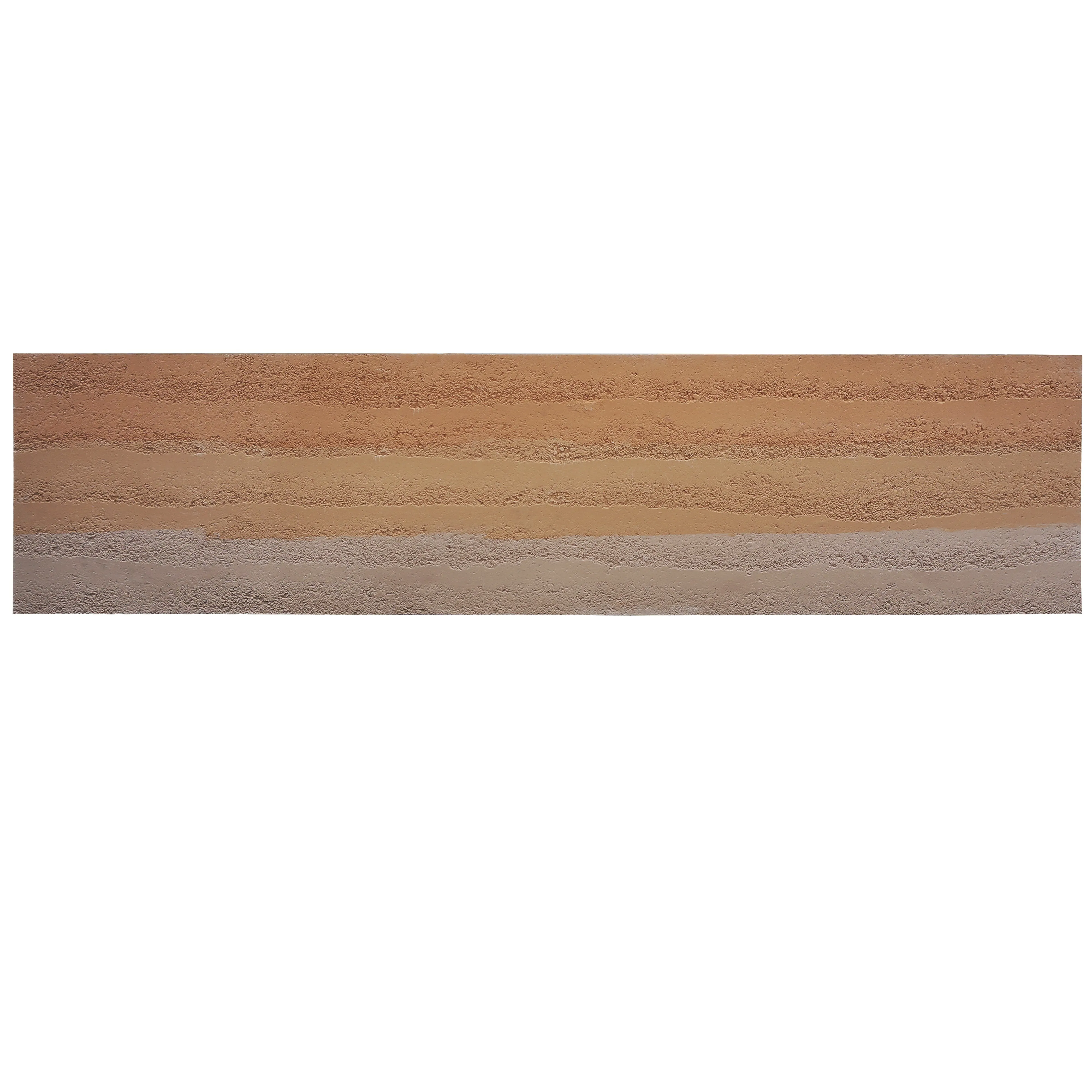
In a world where every choice we make echoes through the planet's future, the materials we build with have never mattered more. We're moving beyond "greenwashing" and toward tangible, earth-rooted solutions—materials that don't just claim sustainability but live it, from quarry to construction site to the decades of life they bring to our spaces. Among these quiet revolutionaries is the rammed earth board (gradient) —a material that marries ancient wisdom with modern design, proving that sustainability and beauty can walk hand in hand. Let's dive into what makes this material a standout, and explore other eco-conscious companions that are reshaping how we build.
Rammed earth itself is hardly new. For centuries, civilizations from China to Africa to the American Southwest have used compressed soil to build homes, temples, and fortresses—structures that still stand today, weathered but unbowed. The magic lies in its simplicity: a mix of earth (clay, sand, gravel), sometimes a dash of lime or cement for strength, and a whole lot of pressure. When tamped down layer by layer, this humble blend becomes a wall that's dense, durable, and deeply connected to the land it came from.
The gradient version takes this tradition and adds a artistic twist. Instead of uniform color, layers of soil in varying hues—soft terracottas, warm beiges, muted greens, or earthy grays—are tamped together, creating a natural ombre effect that flows like a landscape frozen in stone. It's not just a building material; it's a story told in soil, each shade a nod to the earth's own palette. And unlike synthetic dyes or paints, that gradient? It's permanent. No fading, no touch-ups—just the quiet beauty of nature, preserved.
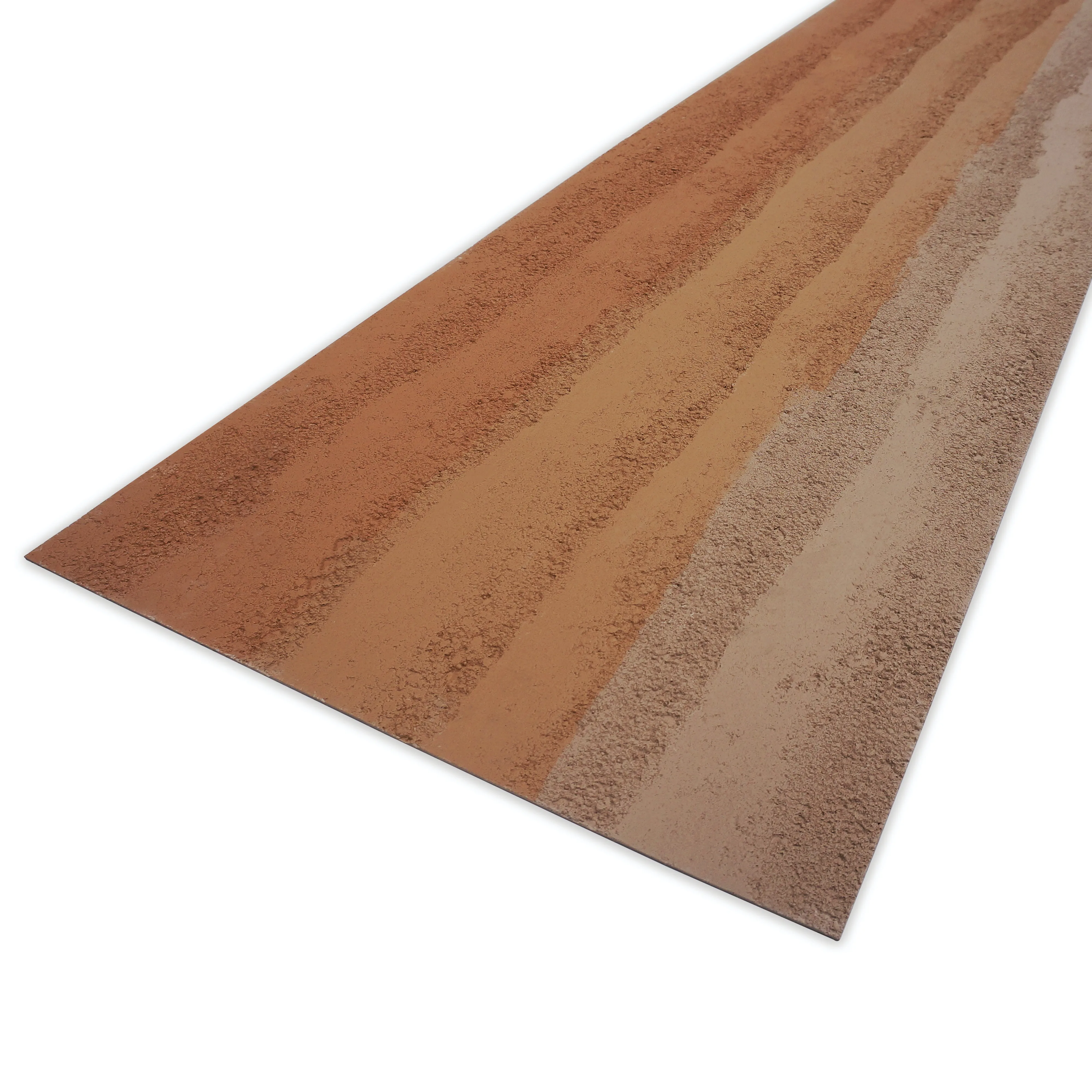
Sustainability isn't a single checkbox; it's a web of choices. Let's break down how rammed earth board (gradient) excels across the board:
| Eco-Friendly Property | What It Means for the Planet |
|---|---|
| Low Carbon Footprint | Unlike concrete, which releases massive amounts of CO2 during production, rammed earth relies on locally sourced soil. No long-haul shipping, no energy-heavy kilns—just earth, water, and human effort. The gradient effect? Achieved without chemicals, using naturally occurring soil pigments. It's building with the earth, not against it. |
| Durability That Defies Time | A well-built rammed earth structure can last centuries. Think of the Great Wall of China's rammed earth sections, or the 800-year-old Adobe churches in New Mexico—these aren't materials that crumble after a decade. By choosing durability, we reduce waste: less need for replacements, fewer trips to landfills, and a smaller "material lifecycle" footprint overall. |
| Natural Insulation, Lower Energy Bills | Rammed earth's density acts as a natural thermal buffer. In hot climates, it stays cool during the day and releases stored heat gently at night; in cold regions, it traps warmth, reducing the need for constant heating or air conditioning. This isn't just good for your wallet—it's good for the grid, cutting down on fossil fuel use for energy-hungry HVAC systems. |
| Non-Toxic & Breathable | Many modern building materials off-gas volatile organic compounds (VOCs)—those invisible chemicals that linger in new homes and trigger allergies or headaches. Rammed earth? It's just soil. No formaldehydes, no synthetic binders, no hidden toxins. Plus, it "breathes," allowing moisture to escape and preventing mold growth, keeping indoor air healthier for you and your family. |
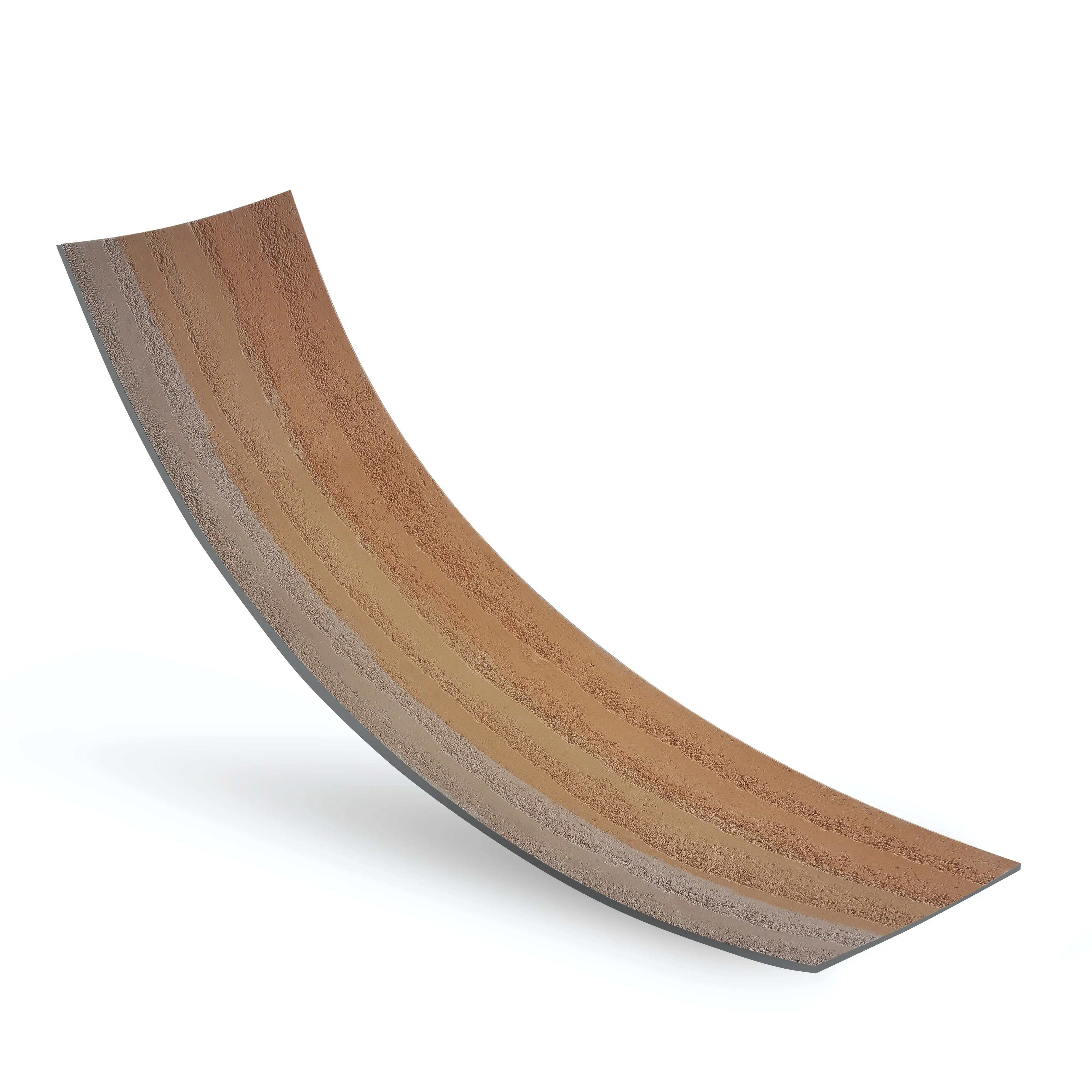
The rammed earth board (gradient) doesn't have to stand alone. It thrives alongside other materials that share its commitment to the planet—each bringing unique strengths to the table. Let's meet a few of these sustainable sidekicks:
Concrete often gets a bad rap, but fair-faced concrete is here to rewrite the story. Unlike traditional concrete, which is often hidden behind drywall or paint, fair-faced concrete is left exposed, its raw texture and subtle color variations on full display. What makes it eco-friendly? It skips the need for additional finishing materials (like tiles or wallpaper) that add layers of waste and carbon. Plus, when mixed with recycled aggregates (think crushed concrete from old buildings), it closes the loop, turning demolition waste into new life. Paired with rammed earth's warmth, fair-faced concrete adds a sleek, modern contrast—proof that "industrial" and "earth-friendly" aren't opposites.
There's something irreplaceable about the look of wood—the way its grains twist and turn, telling the story of a tree's growth. But deforestation is a harsh reality, which is where wood grain board steps in. Made from sustainable wood fibers, recycled paper, or even agricultural byproducts (like rice husks), this board mimics the texture of real wood without cutting down mature trees. It's resistant to warping, termites, and moisture, making it ideal for floors, walls, or furniture. When paired with rammed earth's earthy tones, wood grain board adds a cozy, organic feel—like bringing a forest inside without disturbing a single tree.
For a touch of metallic elegance with a green heart, look no further than foamed aluminium alloy board (vintage silver) . Aluminium is one of the most recyclable materials on the planet—recycling it uses just 5% of the energy needed to produce new aluminium, and it can be recycled infinitely without losing quality. Foamed aluminium takes this a step further: its cellular structure makes it lightweight (reducing transportation emissions) and an excellent insulator, while the "vintage silver" finish adds a soft, aged luster that complements rammed earth's rustic charm. Use it for accent walls, ceilings, or exterior cladding—the possibilities are as endless as its recyclable lifecycle.
No discussion of sustainable materials is complete without natural stone, and travertine (starry green) is a gem. Formed by mineral-rich hot springs over millennia, travertine is porous, durable, and naturally cool to the touch—perfect for floors or outdoor patios. The "starry green" variety gets its name from tiny, iridescent mineral inclusions that catch the light like scattered stars, turning a simple stone into a conversation piece. What makes it eco-friendly? It's quarried with minimal disruption, requires no chemical treatments, and lasts for generations. When paired with rammed earth's gradient layers, travertine adds a touch of luxury that feels grounded, not indulgent—a reminder that the earth's most beautiful materials are often the ones that took the longest to create.
Choosing materials like rammed earth board (gradient) , fair-faced concrete , or wood grain board isn't just about aesthetics—it's about responsibility. Every time we opt for a material with a low carbon footprint, we're voting for a world where construction doesn't drain the planet, but nourishes it. Every durable material we install means one less dumpster trip in 10 years. Every natural, non-toxic surface is a gift to the air our children will breathe.
And let's not overlook the emotional piece. There's a quiet joy in living with materials that feel "alive"—that show the marks of their making, that age gracefully, that connect us to the earth. A rammed earth wall with its gradient hues isn't just a wall; it's a daily reminder of the planet's beauty. A fair-faced concrete floor, with its tiny imperfections, tells a story of honesty. These materials don't just build houses—they build homes, rooted in respect for the world around us.
The rammed earth board (gradient) is more than a trend; it's a return to common sense. It's a recognition that the best solutions often lie in the wisdom of the past, reimagined for today's needs. As we continue to seek out materials that honor both people and planet, let's celebrate the ones that don't just "do no harm" but actively do good—materials that make our spaces more beautiful, our air cleaner, and our planet healthier.
So whether you're building a new home, renovating a space, or just dreaming of what's possible, consider the story your materials tell. Choose ones that will still be telling that story in 50 years. Choose ones that make you proud to say, "This is how we built a better future—one earthy, gradient layer at a time."
Recommend Products












