
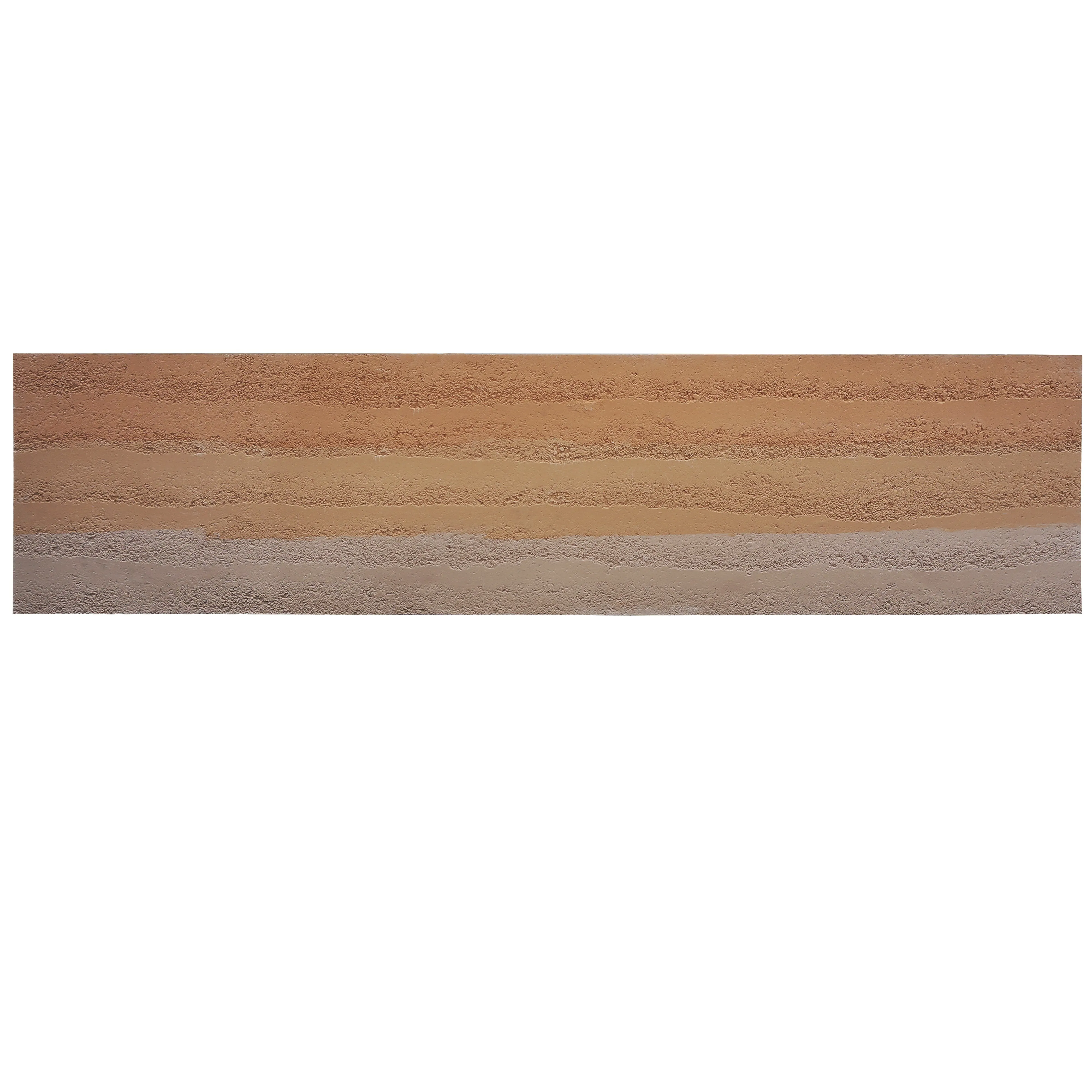
When we walk into a home, office, or school, we rarely stop to think about the walls around us—until something goes wrong. Fires, unfortunately, are one of those "something goes wrong" scenarios that can turn a safe space into a disaster in minutes. But what if the materials we build with could act as silent guardians, buying us time, slowing the spread, and protecting what matters most? That's where Rammed Earth Board (Gradient) comes in. More than just a pretty face with its soft, blended hues, this material is quietly revolutionizing building safety, starting with its standout feature: exceptional fire resistance. Let's dive into why that matters, how it works, and why it might just be the unsung hero your next construction project needs.
Before we geek out over fire resistance, let's get clear on what we're talking about. Rammed earth itself is an ancient building technique—think of the Great Wall of China, parts of which were built using rammed earth. But Rammed Earth Board (Gradient) is a modern twist on that tradition. It's a prefabricated panel made by compressing layers of natural materials like soil, clay, sand, and sometimes a dash of lime or cement. The "gradient" part? That's the aesthetic magic: layers of subtly shifting colors (think soft terracottas blending into warm beiges, or muted greens fading to greys) that give walls depth and character without relying on paints or toxic dyes.
But here's the kicker: those same layers that make it look good also make it tough. Unlike drywall, which crumbles under heat, or wood, which ignites in seconds, rammed earth is dense, solid, and—crucially—non-combustible. And when you add the gradient manufacturing process, which often involves precise compression of those colored layers, you end up with a board that's not just durable, but engineered for safety. It's the kind of material that makes architects nod approvingly and safety inspectors breathe easier.
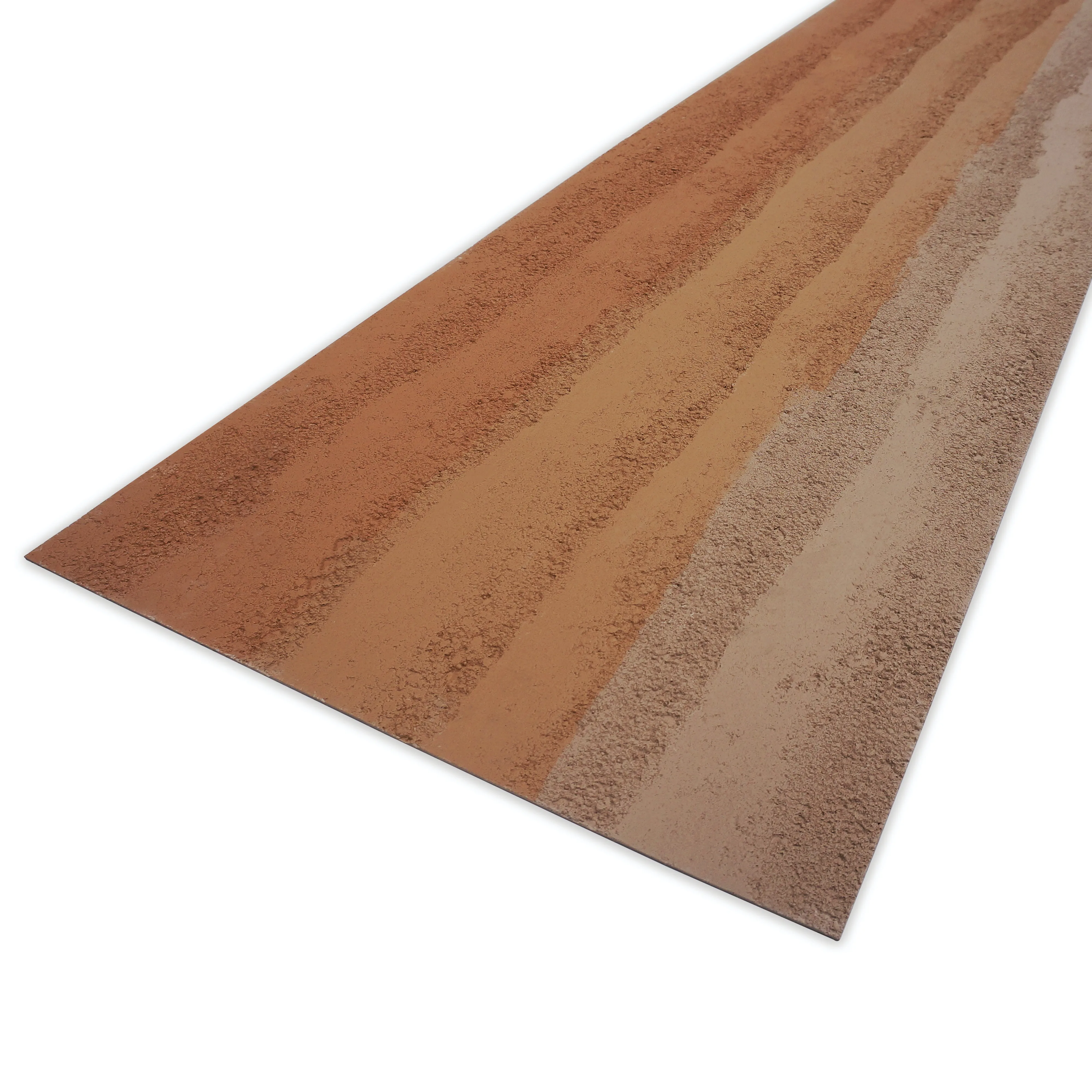
Let's talk fire resistance like we're sitting over a cup of coffee, not in a chemistry lab. Fire resistance in building materials boils down to a few key questions: Does it catch fire easily? Does it spread flames? How long does it hold up before failing? Rammed Earth Board (Gradient) answers "no," "no," and "a really long time" to all three. Here's why:
Most building materials fall into one of three categories: combustible (wood, plastic), flame-retardant (treated drywall, some composites), or non-combustible (stone, metal, concrete). Rammed Earth Board (Gradient) lands firmly in the non-combustible camp. Why? Because its core ingredients—soil, sand, clay—don't burn. When exposed to fire, they might char a little on the surface (like a piece of toast left in the toaster too long), but they won't ignite, and they won't feed the flames. That's a huge deal. In a fire, non-combustible materials act as barriers, preventing the fire from spreading through walls or floors.
Ever touched a stone wall on a hot day? It stays cool longer than a metal fence, right? That's thermal inertia—the ability of a material to resist temperature changes. Rammed Earth Board (Gradient) has sky-high thermal inertia. When fire hits it, the dense layers absorb heat slowly. This means the wall itself takes longer to get hot enough to transfer heat to the other side. For you, that could mean the difference between a room staying cool enough to escape and a flashover (when everything in a room ignites at once) happening in minutes. Tests have shown that these boards can withstand direct flame for hours without losing structural integrity—a stat that makes firefighters cheer.
One of the scariest parts of a fire isn't the flames—it's the smoke. Many synthetic building materials (looking at you, vinyl siding and some insulation) release toxic gases like carbon monoxide or hydrogen cyanide when burned. Rammed Earth Board (Gradient)? It's made from natural materials, so when exposed to extreme heat, it doesn't off-gas. That means if a fire does break out, the air inside stays cleaner longer, giving people more time to evacuate safely. For families with kids, elderly relatives, or anyone with respiratory issues, that's not just a "nice to have"—it's a lifesaver.
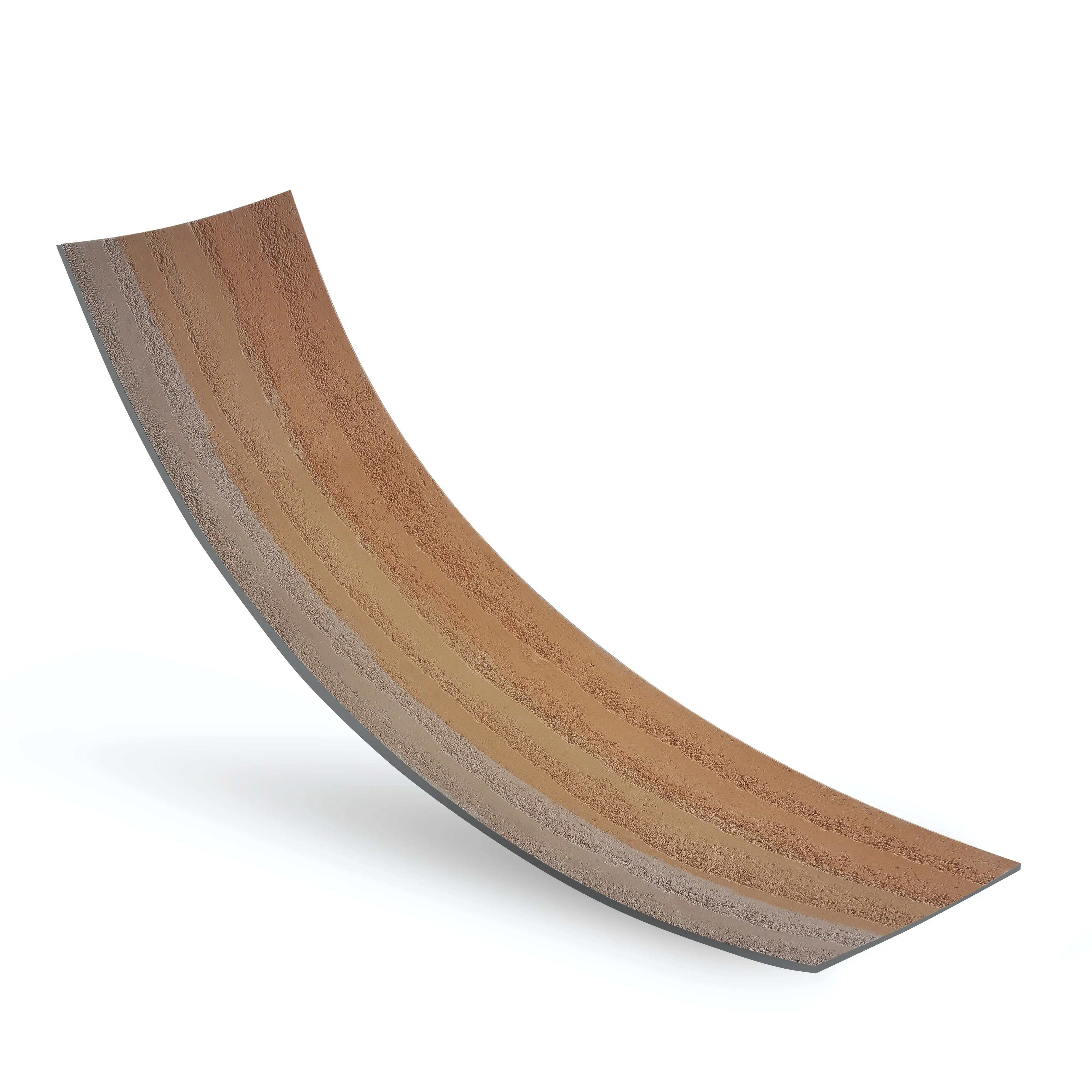
Numbers tell a story, so let's put Rammed Earth Board (Gradient) head-to-head with some common building materials. The table below looks at fire resistance rating (how long a material can withstand fire before failing), combustibility, and toxic fume release—three key metrics for safety.
| Material | Fire Resistance Rating (Typical) | Combustible? | Toxic Fumes When Heated? |
|---|---|---|---|
| Rammed Earth Board (Gradient) | 2–4 hours | No (non-combustible) | Minimal to none |
| Drywall (Gypsum Board) | 30–60 minutes | No (core is gypsum, but paper facing burns) | Yes (paper facing releases CO) |
| Wood Paneling | 5–15 minutes | Yes (ignites easily) | Yes (releases CO, formaldehyde) |
| Fair-Faced Concrete | 1–3 hours | No (non-combustible) | Minimal |
| MCM Flexible Stone | 1–2 hours | No (non-combustible) | Minimal |
*Fire resistance ratings based on standard ASTM E119 tests; results may vary by product thickness and manufacturing.
See that? Rammed Earth Board (Gradient) isn't just keeping up—it's outperforming many common materials, especially when it comes to longevity in fire. Even fair-faced concrete, a staple in commercial buildings, often maxes out around 3 hours, while Rammed Earth Board (Gradient) can hit 4 hours with the right thickness. And unlike drywall, which relies on a paper facing that burns quickly, or wood, which is basically fuel for fire, rammed earth stands firm. Pair it with MCM flexible stone for exterior cladding, and you've got a one-two punch of safety and style.
Numbers are great, but real stories hit harder. Let's talk about a small office complex in Colorado that switched to Rammed Earth Board (Gradient) for its interior walls a few years back. In 2023, a kitchen fire broke out on the ground floor, sparked by a faulty toaster oven. The fire spread quickly to the cabinets (wood, of course) but hit a wall—literally. The Rammed Earth Board (Gradient) walls slowed the fire's progress, giving employees time to evacuate and firefighters time to arrive. By the time crews put out the blaze, the fire was contained to the kitchen and adjacent break room. The walls? They had some scorching on the surface, but the structural integrity was intact. No collapse, no spread to upper floors, and most importantly, no injuries. "It was like the walls were holding their ground," one firefighter on the scene later told the local paper. "We see a lot of fires where drywall crumbles in 20 minutes—this stuff? It bought us time."
Or take the case of a family home in California, an area prone to wildfires. The homeowners chose Rammed Earth Board (Gradient) for their exterior walls, hoping the material would stand up to flying embers. In 2022, a wildfire swept through their neighborhood, destroying 12 homes. Theirs? Damaged, but still standing. The gradient boards had charred slightly but didn't ignite, and the dense material prevented the heat from penetrating to the interior. "We lost our roof and some windows, but the walls kept the fire out," the homeowner said. "Our photos, our kids' toys, the things you can't replace—they were safe. That's the value you can't put a price on."
Fire resistance is the star here, but Rammed Earth Board (Gradient) isn't a one-trick pony. Its safety benefits ripple out into other areas of building life, making it a smart all-around choice:
Ever had a wall crack after a minor earthquake or a heavy rainstorm? Rammed Earth Board (Gradient) laughs in the face of such drama. Its dense, compressed structure makes it resistant to cracks, warping, and water damage. That means fewer repairs over time, and a building that stays safer longer. For families, that translates to peace of mind—no worrying about mold from water seeping through walls, or structural issues that could become hazards down the line.
Let's not forget: safety isn't just about fires or earthquakes. It's also about the air we breathe and the planet we leave behind. Rammed Earth Board (Gradient) is a green building material through and through. It's made from natural, locally sourced ingredients (no harsh chemicals or synthetic binders), and its manufacturing process uses minimal energy compared to materials like concrete or steel. That means fewer carbon emissions, less waste, and walls that don't off-gas volatile organic compounds (VOCs) into your home. For anyone with allergies or chemical sensitivities, that's a game-changer. Bamboo mat board is another eco-friendly option, but Rammed Earth Board (Gradient) adds fire resistance to the mix—so you don't have to choose between sustainability and safety.
Wood-loving pests like termites and carpenter ants can turn a solid wall into Swiss cheese, weakening structures and creating hidden dangers. But Rammed Earth Board (Gradient)? It's not on their menu. The dense, mineral-based material is unappetizing to bugs, so you won't have to deal with costly extermination or structural repairs. For homeowners in termite-prone areas, that's one less thing to lose sleep over.
You might be thinking, "Okay, fire resistance is great, but why the gradient colors? Isn't that just for looks?" Here's the surprise: those blended hues actually serve a safety purpose, too. In emergency situations, visibility matters. Traditional plain white or grey walls can feel sterile and disorienting—think hospital corridors during a power outage. The soft, natural gradients of Rammed Earth Board (Gradient) create subtle contrasts that help people navigate spaces more easily, even in low light. That might not sound like a big deal, but in a fire or evacuation scenario, every second counts. Being able to quickly find a door or a stairwell because the walls have visual "landmarks" (thanks to the color shifts) could make all the difference.
Plus, let's be honest: if a material is beautiful, people are more likely to use it. Architects and homeowners often shy away from "safety-first" materials because they think they'll have to sacrifice style. But Rammed Earth Board (Gradient) proves you can have both. Its earthy, organic gradients fit into modern, rustic, bohemian—you name it—design styles. So builders are more likely to specify it, and homeowners are more likely to choose it. And the more buildings that use fire-resistant materials, the safer our communities become. It's a win-win.
Rammed Earth Board (Gradient) isn't just for fancy offices or luxury homes. It's for anyone who cares about safety, whether you're building a kindergarten, a senior center, a restaurant, or your own family home. Let's break it down:
At the end of the day, building materials are more than just parts of a structure—they're part of the safety net we wrap around our lives. Rammed Earth Board (Gradient) isn't just a wall; it's a promise. A promise that the spaces we live, work, and play in are built to protect us, even when we're not thinking about it. Its fire resistance isn't just a feature—it's a fundamental commitment to safety, paired with the kind of beauty that makes buildings feel like home.
So the next time you're planning a project, ask yourself: What's behind these walls? If the answer is "something that can burn, crumble, or poison the air," maybe it's time to think differently. Rammed Earth Board (Gradient) is proof that safety, sustainability, and style can coexist. And in a world where we need all the help we can get to protect what matters, that's a game-changer.
Here's to walls that don't just separate spaces—but protect them. Here's to Rammed Earth Board (Gradient), and to building a safer, more beautiful world, one gradient-hued panel at a time.
Recommend Products












