
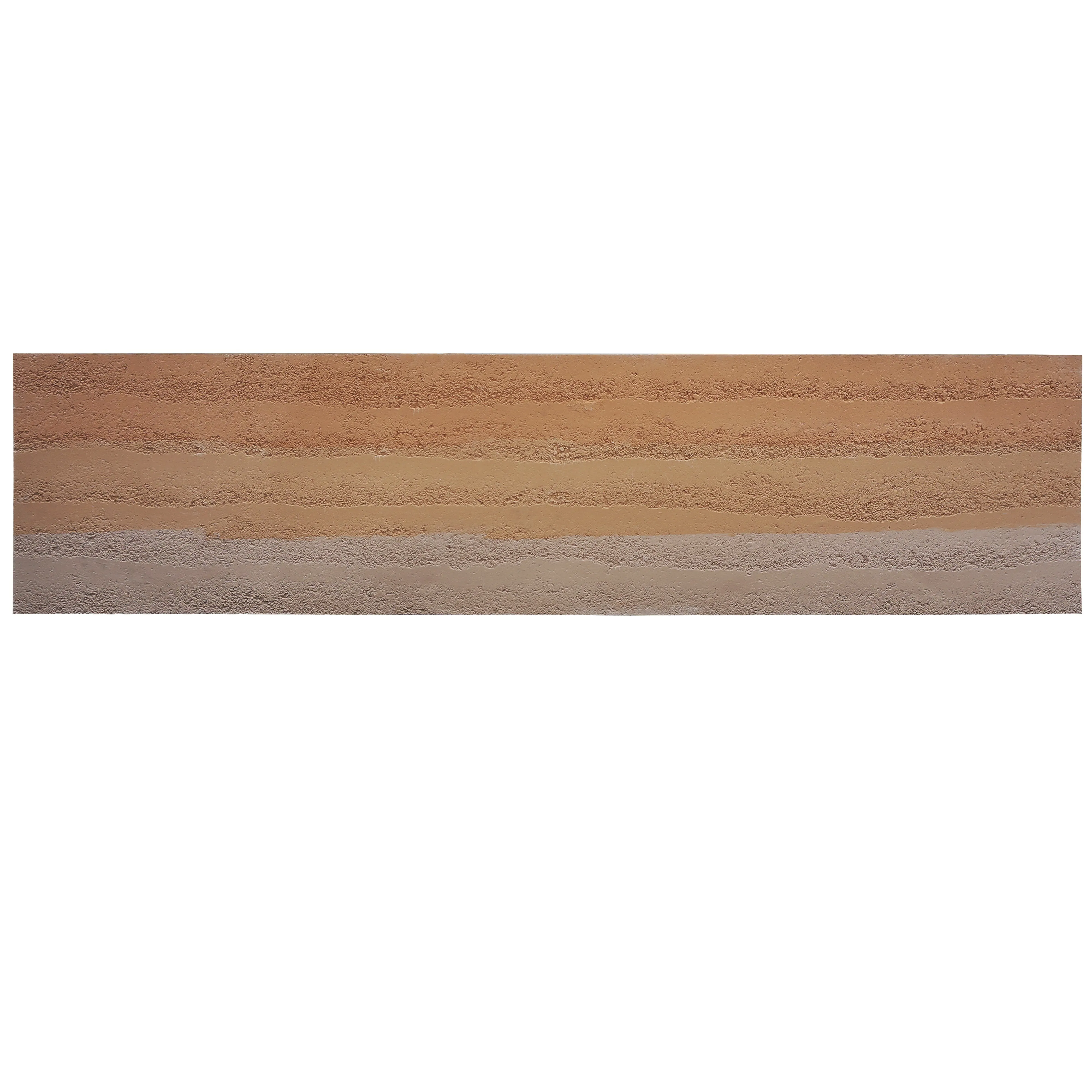
Walk into most traditional healthcare facilities, and what do you notice first? Chances are, it's the starkness: bright white walls that seem to reflect every sound, cold linoleum floors that echo with footsteps, and a general sense of sterility that can feel more alienating than comforting. For patients already dealing with stress, anxiety, or pain, these environments often exacerbate negative emotions—turning a routine visit into an ordeal. But what if we reimagined healthcare spaces not as clinical "treatment zones," but as places designed to heal the mind as much as the body? The answer might lie in the materials we choose to build them with. In recent years, architects and designers have begun to prioritize materials that evoke warmth, connection to nature, and a sense of calm—and leading the charge is a surprisingly ancient material with a modern twist: rammed earth board (gradient). Paired with complementary elements like lunar peak silvery accents, fair-faced concrete, soft weaving (beige) textiles, and travertine (beige) surfaces, this combination is transforming healthcare design into something deeply human-centered.
For decades, healthcare design prioritized functionality and hygiene above all else. White walls were easy to clean; glossy floors resisted bacteria; and minimal decor reduced dust traps. While these choices made sense from a practical standpoint, they overlooked a critical factor: the psychological impact of the built environment. Studies have shown that patients in sterile, colorless spaces report higher levels of anxiety, longer recovery times, and lower satisfaction with care compared to those in environments with natural elements, warm colors, and tactile textures.
The human brain is hardwired to respond to nature. Think of the calm you feel walking through a forest, or the comfort of a sunlit meadow—these environments trigger the release of endorphins, reduce cortisol (the stress hormone), and promote a sense of safety. In contrast, harsh, artificial environments overstimulate the nervous system, leaving us feeling on edge. For someone recovering from surgery, managing a chronic illness, or accompanying a loved one to the hospital, this overstimulation can be devastating.
The solution isn't to abandon hygiene or functionality—it's to rethink the materials we use to achieve them. Modern building materials now offer the best of both worlds: durability, easy maintenance, and a connection to the natural world. And at the forefront of this shift is rammed earth board (gradient), a material that marries the raw beauty of traditional rammed earth with the precision and versatility needed for contemporary construction.
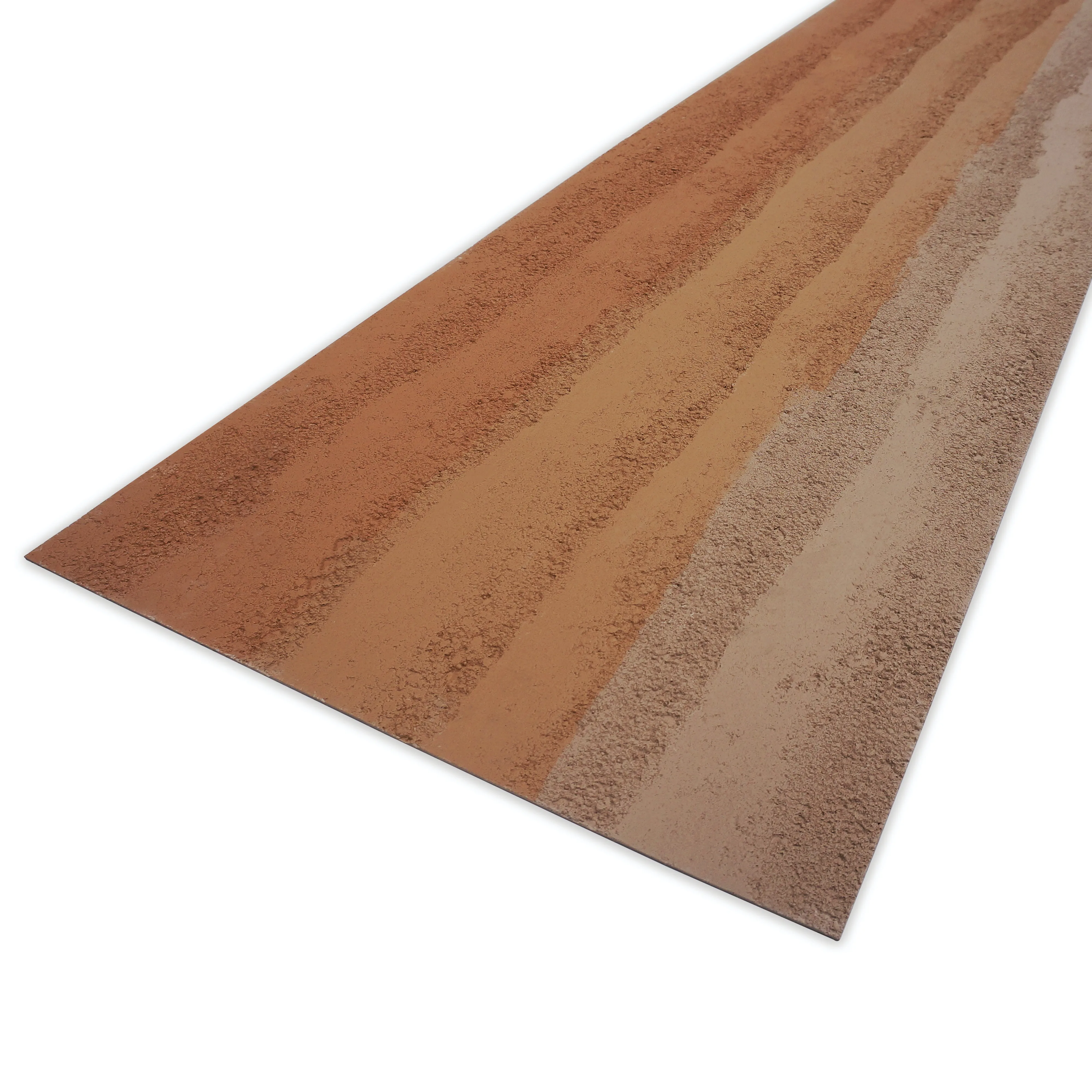
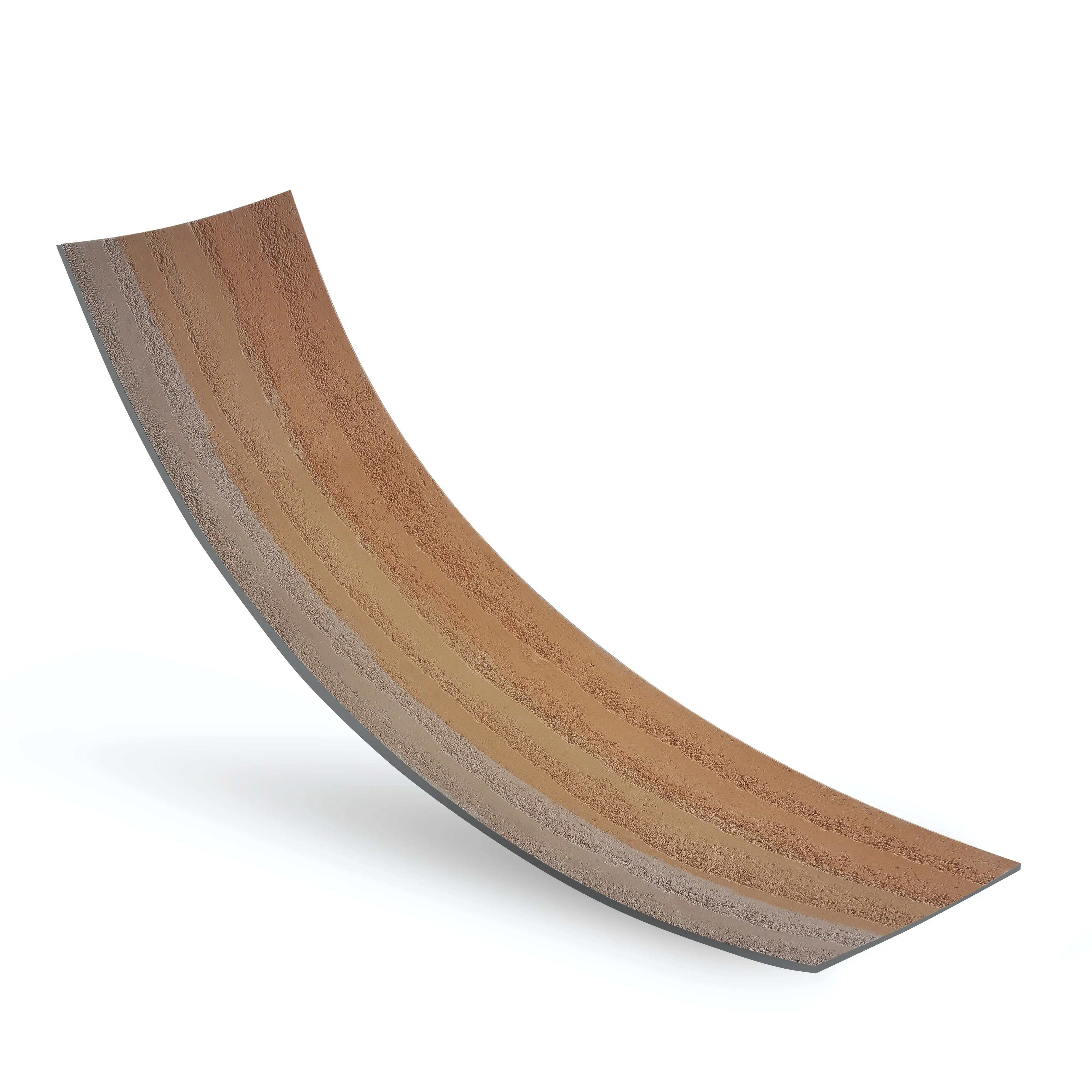
Rammed earth itself is an ancient technique—layers of earth, sand, and gravel compressed into solid walls—that has been used for millennia in regions like China, Africa, and the American Southwest. But rammed earth board (gradient) takes this tradition into the future. Unlike its historic counterpart, which is often monochromatic and heavy, modern rammed earth boards are lightweight, prefabricated, and designed with intentional color gradients that mimic the natural world. Imagine a wall that transitions softly from warm terracotta at the base to pale sage green at the top, or from soft beige to muted terracotta—each panel a subtle, organic landscape that feels more like a living painting than a building material.
What makes the gradient effect so powerful in healthcare settings? It's the absence of harsh lines or jarring contrasts. Traditional healthcare walls often rely on flat, uniform colors that create a sense of confinement—like being boxed in by a single, unchanging hue. Rammed earth (gradient), by contrast, invites the eye to wander. The slow shift in tones mimics natural phenomena: the way sunlight fades from dawn to dusk, or how a hillside changes color as it rises from valley to peak. This subtle movement is inherently calming; it doesn't demand attention, but rather encourages mindfulness. Patients lying in bed, or visitors waiting anxiously, can let their gaze rest on these walls and feel a quiet sense of peace.
Texture is another key factor. Unlike smooth, glossy paints that reflect light and create glare, rammed earth board has a tactile, matte finish. Run your hand over it, and you'll feel the slight irregularities—the tiny ridges and valleys that come from its compressed earth composition. This texture absorbs light rather than bouncing it back, creating soft, diffused illumination that's easy on the eyes. For patients sensitive to bright lights (a common side effect of medications or migraines), this can be a game-changer. It also adds depth to the space; walls feel less like barriers and more like organic surfaces that have "lived"—much like the natural world itself.
Rammed earth board (gradient) is a star, but even the brightest stars need a supporting cast. To create a truly cohesive calming environment, it pairs beautifully with other natural and tactile materials. Let's explore how four key players—lunar peak silvery, fair-faced concrete, weaving (beige), and travertine (beige)—enhance its effect.
Lunar peak silvery is a material that feels both otherworldly and grounded. With its cool, metallic sheen that mimics moonlight on stone, it adds a subtle contrast to the warm, earthy tones of rammed earth (gradient). Imagine a reception desk clad in lunar peak silvery panels, its surface catching the light like frost on a winter morning, set against a backdrop of gradient rammed earth walls in soft terracotta and sage. The combination is striking but not harsh—modern without feeling cold. In healthcare settings, this balance is crucial: it signals professionalism and innovation while avoiding the "clinical" vibe of all-white or stainless-steel designs. Lunar peak silvery works particularly well in accent pieces: light fixtures, wall trim, or even cabinet fronts. Its reflective quality helps bounce natural light deeper into spaces, reducing the need for harsh artificial lighting, which can strain the eyes and disrupt circadian rhythms.
Fair-faced concrete—also known as "architectural concrete"—is concrete left in its natural state, without paint or plaster, showcasing the raw texture of its formwork. It's a material that wears its imperfections proudly: tiny air bubbles, slight variations in color, and the faint impression of the wooden molds used to cast it. In healthcare design, this honesty is deeply reassuring. Unlike synthetic materials that feel "fake" or disposable, fair-faced concrete feels permanent, solid, and trustworthy—qualities that patients and families crave in a space where their well-being is at stake. When paired with rammed earth (gradient), fair-faced concrete adds a neutral, grounding element. For example, a waiting room might feature rammed earth (gradient) walls in a gradient of warm beiges, with fair-faced concrete flooring that has a slightly rough texture underfoot—inviting people to kick off their shoes (if culturally appropriate) and feel connected to the earth. The material's thermal mass also helps regulate temperature, keeping spaces cool in summer and warm in winter, reducing the need for noisy HVAC systems that can disrupt rest.
No calming environment is complete without softness, and weaving (beige) textiles bring that in spades. Whether used in upholstery, curtains, privacy screens, or even wall hangings, weaving (beige) adds warmth, texture, and a sense of home. Beige, in particular, is a color that feels safe and neutral—it doesn't compete with other tones but rather ties them together. Imagine a consultation room with rammed earth (gradient) walls in soft ochre and cream, a lunar peak silvery lamp on the desk, and a chair upholstered in weaving (beige) fabric with a subtle, organic pattern. The chair invites you to sink in, to relax, to feel like you're in a living room rather than a doctor's office. Textiles also play a practical role: they absorb sound, reducing echo and noise levels in busy waiting areas or corridors. In healthcare, where privacy and peace are paramount, this is invaluable. A patient sharing sensitive information with a nurse, or a family discussing treatment options, deserves a space where their conversation stays private—and weaving (beige) helps make that possible.
Travertine (beige) is a natural stone with a history dating back to ancient Rome, where it was used to build the Colosseum and the Pantheon. Its enduring popularity lies in its subtle beauty: soft beige tones, delicate veining, and a matte finish that feels warm to the touch. Unlike marble, which can be too flashy, or granite, which can feel cold, travertine (beige) is understated—elegant without being ostentatious. In healthcare settings, it adds a touch of timelessness that reassures. When used as flooring in a corridor or a countertop in a patient room, travertine (beige) brings the outdoors in, with veining that resembles the flow of water or the drift of sand. Paired with rammed earth (gradient) walls, it creates a harmonious dialogue between two natural materials—one (rammed earth) raw and earthy, the other (travertine) polished yet organic. Together, they evoke a sense of permanence and connection to the natural world, reminding patients that they are part of something larger than their illness.
| Design Aspect | Traditional Healthcare Material | Modern Calming Alternative | Benefits for Patient Well-Being |
|---|---|---|---|
| Wall Surfaces | Glossy white paint | Rammed earth board (gradient) | Soft color transitions reduce eye strain; matte texture absorbs light and sound. |
| Accent Elements | Stainless steel | Lunar peak silvery | Cool metallic sheen adds modernity without harshness; reflects natural light. |
| Flooring | Vinyl or polished tile | Fair-faced concrete | Raw texture feels grounding; thermal mass regulates temperature. |
| Soft Furnishings | Plastic or synthetic upholstery | Weaving (beige) | Absorbs sound; adds warmth and tactile comfort; feels "home-like." |
| Countertops/Surfaces | Formica or quartz | Travertine (beige) | Natural veining evokes calm; warm texture reduces sterile feel. |
To see how these materials work in practice, let's take a look at Serenity Clinic, a 30,000-square-foot outpatient facility in Portland, Oregon, that opened in 2024. Designed by award-winning firm GreenSpaces Architecture, the clinic set out to "redefine the patient experience" by prioritizing calm, connection, and nature. At the heart of their design? Rammed earth board (gradient) walls in a custom blend of terracotta, sage, and cream, paired with lunar peak silvery accents, fair-faced concrete floors, weaving (beige) furniture, and travertine (beige) reception counters.
Walking into the clinic's main waiting area, the first thing visitors notice is the light. Floor-to-ceiling windows flood the space with natural light, which bounces off the lunar peak silvery ceiling panels and diffuses across the gradient rammed earth walls. The effect is soft, golden, and warm—more like a sunlit canyon than a clinic. The fair-faced concrete floor, scored with subtle lines to mimic riverbeds, feels slightly warm underfoot (thanks to radiant heating), and the weaving (beige) armchairs and couches are arranged in small clusters, encouraging conversation without feeling crowded. The reception desk, clad in travertine (beige), has a smooth, cool surface that contrasts gently with the textured rammed earth behind it.
Patient feedback has been transformative. In a post-opening survey, 87% of patients reported feeling "less anxious" than in their previous healthcare experiences, and 92% said the environment made them "more confident in the care they received." Staff, too, have noticed a difference: nurses report fewer instances of patient agitation, and doctors say appointments feel more relaxed, allowing for deeper connections with patients. Perhaps most tellingly, the clinic's no-show rate dropped by 35%—suggesting that patients are now looking forward to their visits, rather than dreading them.
In addition to their emotional benefits, these materials are also kind to the planet—a critical consideration in an era of climate change. Rammed earth board (gradient), for example, is made from locally sourced earth, sand, and gravel, reducing transportation emissions. Its production requires minimal energy (no firing or high-temperature processing like ceramics or steel), and it's fully biodegradable at the end of its lifespan. Lunar peak silvery, often made from recycled aluminum or low-VOC metals, has a low carbon footprint and can be recycled again. Fair-faced concrete, when made with recycled aggregates, reduces the need for mining new materials, and its durability means less frequent replacement. Weaving (beige) textiles, especially when made from organic cotton, hemp, or recycled fibers, avoid the harmful chemicals found in synthetic fabrics. And travertine (beige), a natural stone, is quarried with minimal environmental impact and can last for centuries with proper care.
For healthcare facilities, which consume large amounts of energy and resources, sustainability isn't just a trend—it's a responsibility. Patients and staff alike want to feel that the spaces they occupy are aligned with their values, and using eco-friendly materials sends a powerful message: "We care about your health, and the health of the planet."
As we look to the future, the role of materials in healthcare design will only grow more important. With the rise of telemedicine, in-person visits are increasingly reserved for the most critical or personal interactions—making the physical environment of clinics and hospitals more important than ever. Patients aren't just seeking treatment; they're seeking connection, comfort, and a sense of humanity. Rammed earth board (gradient), with its organic gradients and tactile warmth, is leading the way in meeting this need. When paired with lunar peak silvery's modern elegance, fair-faced concrete's honest texture, weaving (beige)'s softness, and travertine (beige)'s timeless beauty, it creates spaces that don't just treat the body—they nurture the soul.
Imagine a world where every healthcare visit feels like a walk through a sunlit meadow, where the walls breathe with earthy tones, and the materials underfoot and around you feel like a gentle hug. That world isn't as far off as it seems. It's being built today, one rammed earth gradient wall, one lunar peak silvery accent, one fair-faced concrete floor at a time. And in that world, healing begins the moment you step through the door.
Recommend Products












