
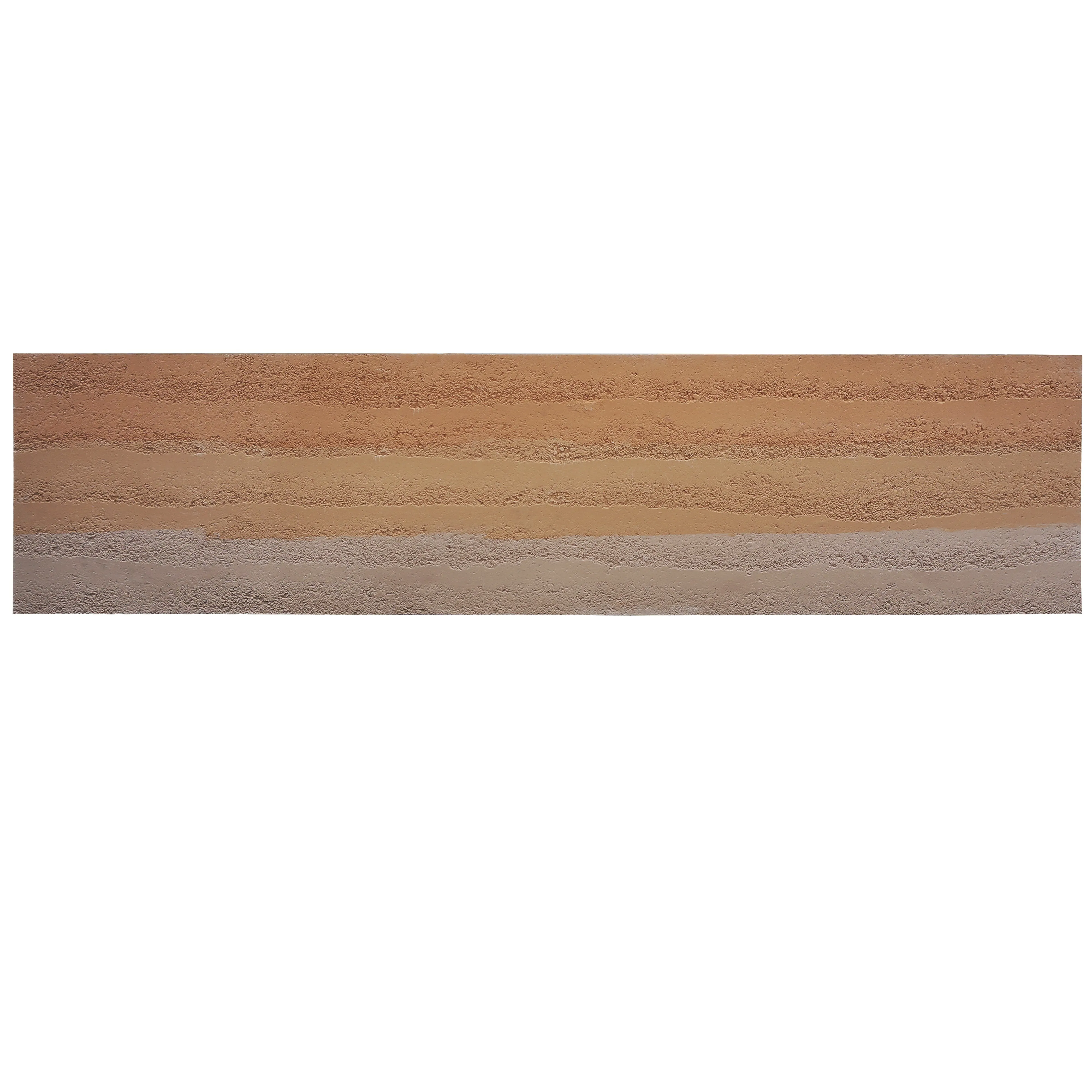
Walk into a retail store today, and you're not just shopping—you're stepping into a story. In an era where online shopping dominates, physical stores have transformed into experiential hubs, where the space itself becomes part of the product. Designers and brand owners alike are scrambling to answer a crucial question: How do we make a store feel human ? How do we create spaces that don't just sell products, but linger in customers' memories, sparking that all-important emotional connection? Enter rammed earth board (gradient)—a material that's quietly revolutionizing retail design by blending raw natural beauty with intentional artistry. Let's dive into why this unassuming material is becoming the secret weapon for brands looking to win hearts, not just sales.
First things first: Let's demystify the term. Rammed earth itself is an ancient building technique—think of the Great Wall of China or traditional African mud-brick homes—where layers of earth, clay, and sometimes straw are compacted under pressure to form dense, durable walls. It's a material rooted in history, but "rammed earth board (gradient)" is where tradition meets modern innovation. Unlike its monochromatic ancestors, gradient rammed earth boards are crafted by layering subtly different earth tones—soft beiges bleeding into warm terracottas, or muted grays fading into silvery whites—creating a seamless, natural transition of color. It's like capturing a sunset in a slab of stone, or the way light shifts over a desert landscape at dusk.
But it's not just about looks. These boards are engineered for the demands of modern retail: lightweight enough for easy installation, durable enough to withstand the hustle of daily foot traffic, and surprisingly versatile. They're not just walls—they're canvases. And in retail, where every corner is a chance to communicate your brand's personality, that canvas is priceless.
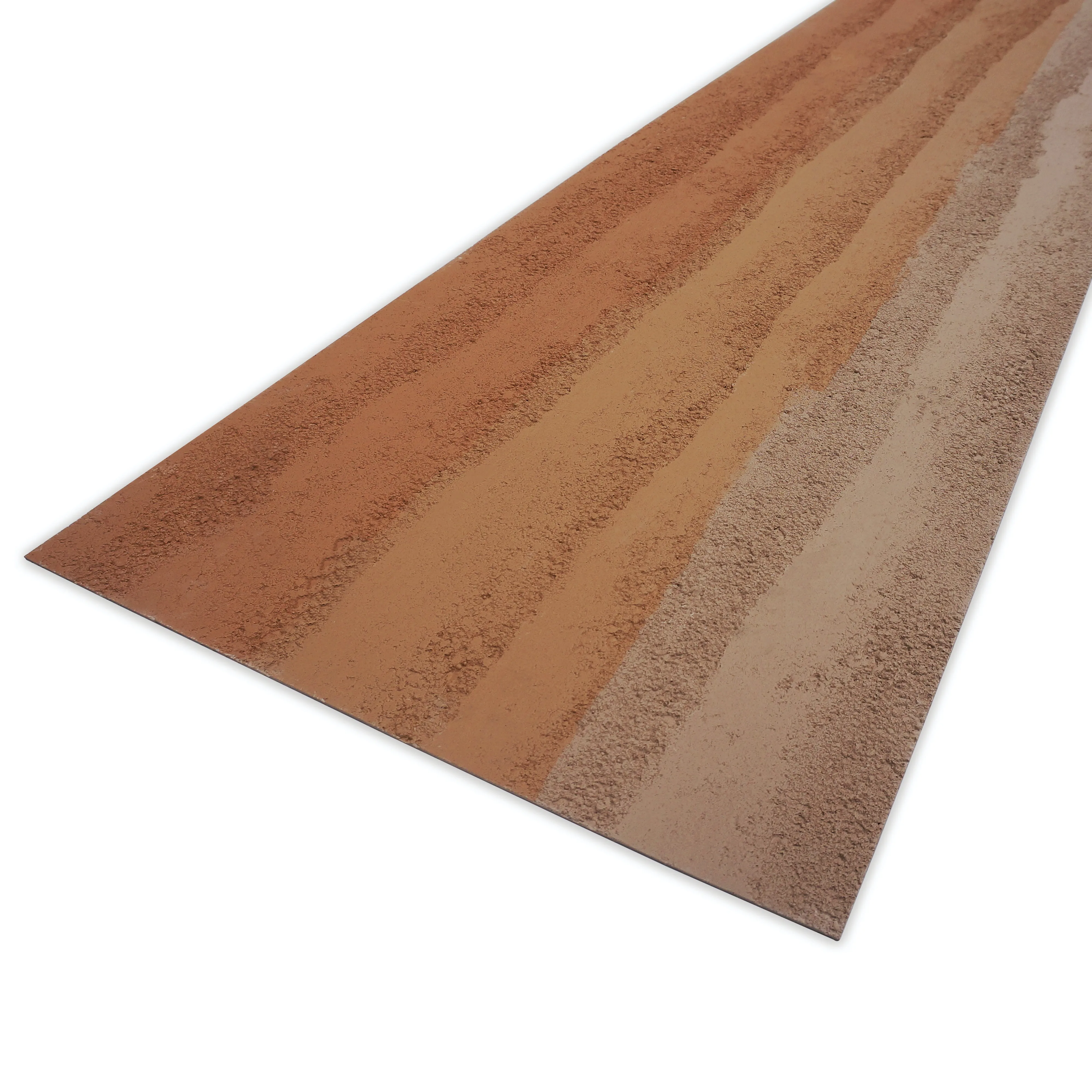
Let's talk about the obvious first: gradient rammed earth is stunning. But "stunning" in retail can feel hollow if it doesn't serve a purpose. What makes this material special is how its beauty connects . Think about the last time you walked into a store that felt generic—white walls, harsh lighting, zero personality. Chances are, you didn't stay long. Now think of a store that felt inviting : maybe warm lighting, textures that made you want to reach out and touch, colors that felt like a hug. That's the power of intentional design, and gradient rammed earth nails it.
The gradient effect, in particular, is a masterclass in subtlety. Unlike bold, flat colors that shout for attention, gradients whisper. They draw the eye slowly, encouraging customers to pause, look closer, and really take in the space. A wall clad in rammed earth board (gradient) isn't just a backdrop—it's a focal point that doesn't overpower the products. It adds depth without chaos, warmth without clutter. Imagine a boutique selling artisanal skincare: the soft, earthy gradients of the walls mirror the natural ingredients in the products, creating a cohesive story. Or a café aiming for a "cozy, rustic yet modern" vibe: the warm beiges and terracottas of the rammed earth walls complement the wooden tables and soft lighting, making customers feel like they're stepping into a friend's home, not a commercial space.
And let's not overlook color psychology. Gradients of earth tones—think soft browns, warm oranges, muted golds—trigger feelings of calm, comfort, and authenticity. In a world that's always "on," where screens bombard us with bright lights and loud messages, these colors act as a reset button. They make customers feel relaxed, which means they're more likely to browse longer, engage with staff, and—yes—spend more. Compare that to a store decked out in stark whites or harsh blacks, which can feel cold or sterile. Gradient rammed earth doesn't just look good; it feels good.
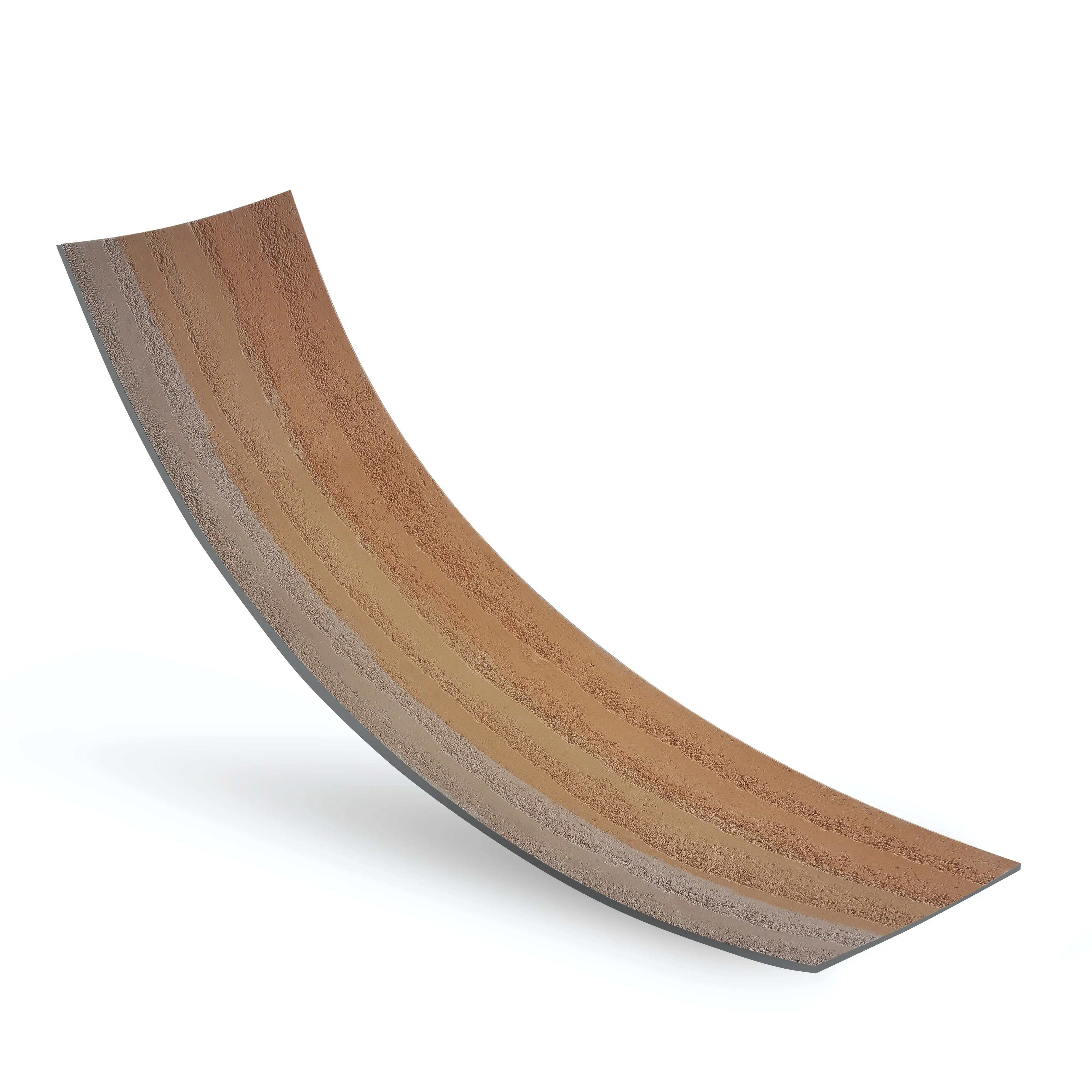
Retail design is often a visual game, but the most memorable spaces engage all the senses. Rammed earth board (gradient) is a tactile delight, and that's no accident. Run your hand over its surface, and you'll feel the subtle ridges and valleys left by the ramming process—small imperfections that make it feel alive, not machine-made. It's a texture that begs to be touched, turning a passive shopping trip into an active, sensory experience.
Why does that matter? Because touch creates connection. When we physically interact with a space—brushing a hand against a wall, feeling the texture of a countertop—we form a deeper memory of it. It's why so many luxury brands invest in high-quality fabrics or smooth marble; the tactile experience reinforces the idea of "premium." But rammed earth takes it a step further: its texture is approachable . It's not cold or intimidating like polished marble, nor is it overly precious. It feels like something you could reach out and touch without worrying about leaving a mark, which makes the space feel more inclusive, more welcoming.
Lighting plays into this, too. The natural, porous surface of rammed earth diffuses light gently, softening harsh shadows and creating a warm, glow-like effect. During the day, sunlight streaming through windows will dance across the gradient colors, making the wall look like it's breathing. At night, warm artificial lights will highlight the texture, turning the space into a cozy retreat. It's a material that changes with the time of day, keeping the store feeling dynamic and alive—no two visits feel exactly the same.
In retail, every design choice tells a story. Is your brand eco-conscious? Modern minimalist? Playful and bold? Rammed earth board (gradient) isn't a one-size-fits-all material—it's a chameleon that adapts to your brand's narrative, amplifying what makes you unique.
Take sustainability, for example. More than ever, customers care about the environmental impact of the brands they support. Rammed earth is inherently green: it's made from natural, locally sourced materials (no toxic chemicals or energy-heavy manufacturing), and it's biodegradable at the end of its life. By choosing gradient rammed earth, brands aren't just saying they care about the planet—they're showing it, through the very walls of their store. It's authenticity in action, and customers notice that.
Or consider a brand focused on "timelessness" or "heritage." Rammed earth's ancient roots align perfectly with that narrative, while the gradient adds a modern twist—showing that the brand honors tradition but isn't stuck in the past. A store selling handcrafted furniture, for instance, could use rammed earth walls to evoke the craftsmanship of old-world artisans, while the gradient adds a fresh, contemporary edge that appeals to modern buyers.
Even brands that are all about "innovation" can lean into rammed earth's duality. Pair the gradient boards with sleek, modern elements like lunar peak silvery accents or fair-faced concrete countertops, and suddenly you've got a space that feels both cutting-edge and grounded. It's a balance that's hard to achieve with synthetic materials, which often feel either too cold (think plastic) or too trendy (think neon). Rammed earth, with its gradient layers, brings that much-needed warmth to modern design.
No material exists in a vacuum, and rammed earth board (gradient) plays well with others—making it a designer's dream. Let's say you've decided to clad your store's main wall in gradient rammed earth. What do you pair it with? The right complementary materials can elevate the space from "nice" to "unforgettable."
Take wood grain board , for example. The organic, linear texture of wood complements the earthy, layered look of rammed earth beautifully. Imagine a checkout counter made of warm wood grain board, set against a gradient rammed earth wall—the combination feels like a cabin in the woods meets a modern art gallery, cozy yet sophisticated. Or fair-faced concrete , with its raw, industrial vibe. The contrast between the smooth, gray concrete and the textured, colorful rammed earth creates visual tension that's both edgy and balanced—perfect for a brand aiming for "urban rustic."
To illustrate, let's compare rammed earth board (gradient) with a few other popular retail materials:
| Material | Texture | Color Palette | Emotional Vibe |
|---|---|---|---|
| Rammed Earth Board (Gradient) | Warm, porous, with subtle ridges from ramming | Earthy tones (beiges, terracottas, grays) with seamless color transitions | Authentic, calm, grounded |
| Fair-Faced Concrete | Smooth, cool, with slight industrial texture | Monochromatic (grays, whites) | Modern, minimalist, edgy |
| Wood Grain Board | Linear, organic, with visible grain patterns | Warm browns, tans, and reds | Cozy, nostalgic, artisanal |
The magic happens when you mix these vibes. A gradient rammed earth wall with fair-faced concrete accents and wood grain fixtures? You've got a space that feels modern but not cold, warm but not cluttered. It's a recipe for customer appeal because it hits multiple emotional notes—something for everyone to connect with.
Let's get real: as much as we love talking about aesthetics and emotion, retail design has to be practical. Brands can't afford to fall in love with a material that's high-maintenance, fragile, or eco-unfriendly. Luckily, rammed earth board (gradient) checks all the boxes.
First, durability. Retail spaces take a beating: kids running around, shopping carts scraping walls, spills, scuffs. Rammed earth is naturally dense and hard-wearing, so it holds up to daily use without looking worn out. Unlike painted walls, which chip or fade over time, or wallpaper that peels, rammed earth boards develop a subtle "patina" that only adds character. A scratch or scuff becomes part of the story, not an eyesore.
Sustainability is another big win. Today's customers—especially Gen Z and millennials—vote with their wallets, and they're increasingly choosing brands that prioritize the planet. Rammed earth is made from natural, locally sourced materials (no harmful chemicals or plastics), and its production requires minimal energy compared to synthetic materials like vinyl or laminate. It's also breathable, which helps regulate indoor humidity and air quality—no more stuffy, "off-gassy" stores. For brands that market themselves as eco-conscious, this isn't just a design choice; it's a values statement.
And let's not forget cost-effectiveness. While rammed earth board (gradient) might have a slightly higher upfront cost than standard drywall, its longevity makes it a smart investment. No need for frequent repaints or replacements—this material lasts decades. Plus, its ability to enhance customer experience can lead to higher foot traffic, longer dwell times, and increased sales. When you factor in those benefits, the ROI becomes clear.
Let's paint a picture: imagine a small, independent bookstore in a busy city. Before redesigning, its walls were plain white, the lighting was harsh, and customers would grab their books and leave within 10 minutes. The owner wanted to create a space where people lingered—where they'd sit, read, and maybe even buy a coffee along with their novel. Enter rammed earth board (gradient).
The designer chose a soft gradient of warm beige to terracotta for the main wall, paired with wood grain board shelves and fair-faced concrete countertops for the coffee bar. The lighting was swapped for warm, dimmable fixtures that highlight the texture of the rammed earth. The result? Customers started staying longer. They'd run their hands along the wall while browsing, comment on how "cozy" the store felt, and even take photos to post on social media. Sales of coffee (and books) went up by 30% in the first month. Why? Because the space wasn't just a place to buy books anymore—it was a place to be .
This isn't a one-off story. From clothing boutiques to home decor stores, brands are discovering that gradient rammed earth doesn't just decorate a space—it transforms it into an experience. And in retail, experience is everything.
At the end of the day, retail isn't about walls and floors—it's about people. It's about creating spaces where customers feel seen, understood, and valued. Rammed earth board (gradient) does exactly that. It's a material with soul—one that brings warmth, authenticity, and intentionality to a world of generic, forgettable stores. It's not just about making a store look good; it's about making it mean something .
So, to all the brand owners and designers out there: if you're looking to boost customer appeal, start with the walls. Choose materials that tell your story, engage the senses, and make people feel at home. Choose rammed earth board (gradient). Your customers won't just remember the products—they'll remember how your store made them feel. And in the end, that's the most powerful sales tool of all.
Recommend Products












