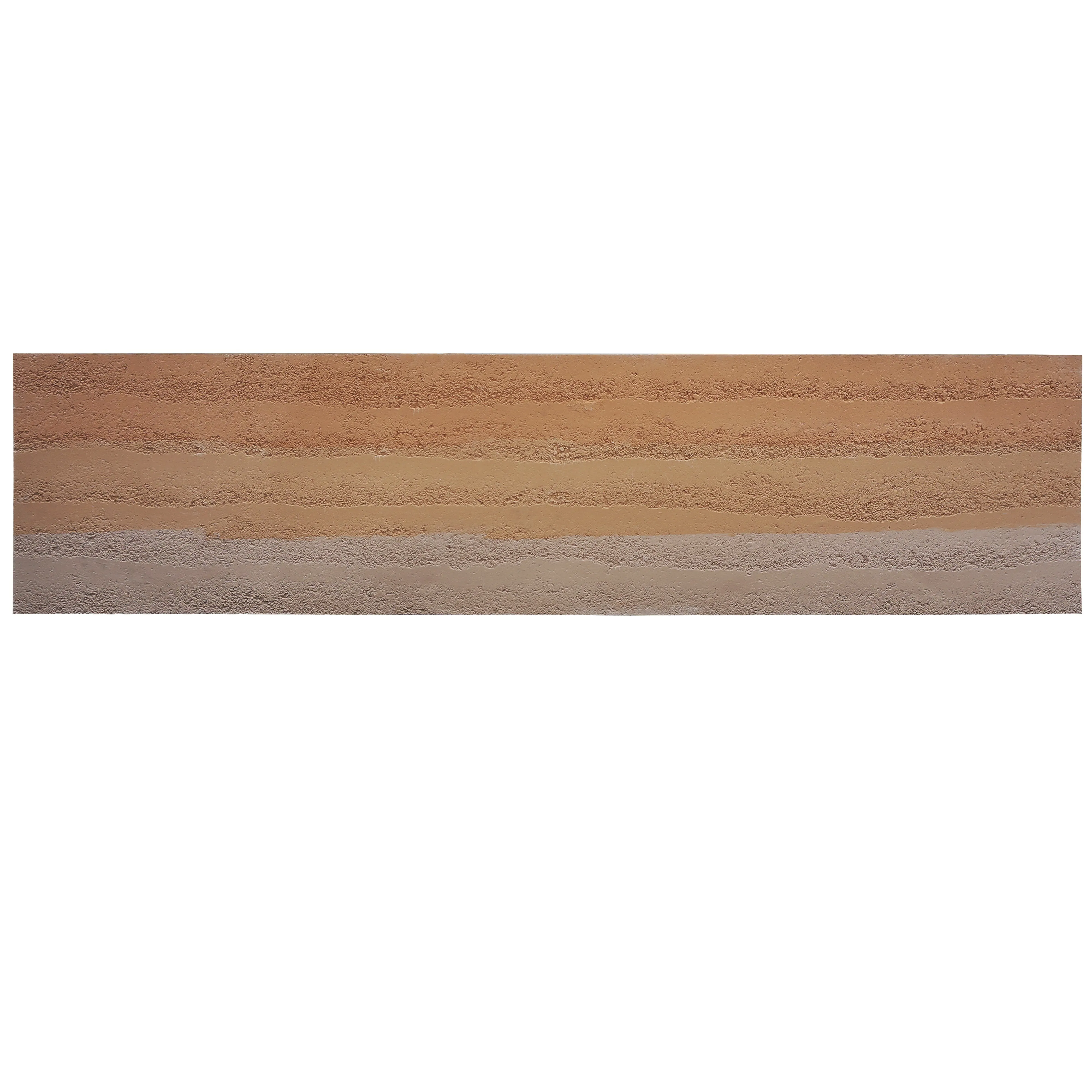
Two heavyweights of the building world face off—natural warmth meets engineered resilience
Introduction: The Material Matchup You Didn't Know You Needed
Choosing a building material is a bit like casting a lead actor for a movie. You don't just pick something that "works"—you look for character, chemistry, and the ability to carry the story. Today, we're putting two standout performers under the spotlight:
Rammed Earth Board (Gradient)
and
Fiber Cement Panels
. One is a love letter to tradition, earth, and organic beauty; the other is a modern marvel of engineering, built to withstand the chaos of the world. Let's dive in and see which one deserves top billing for your next project.
First Impressions: The Aesthetic Face-Off
Let's start with the obvious: how do they make you feel? Walk into a room clad in
gradient color rammed earth board
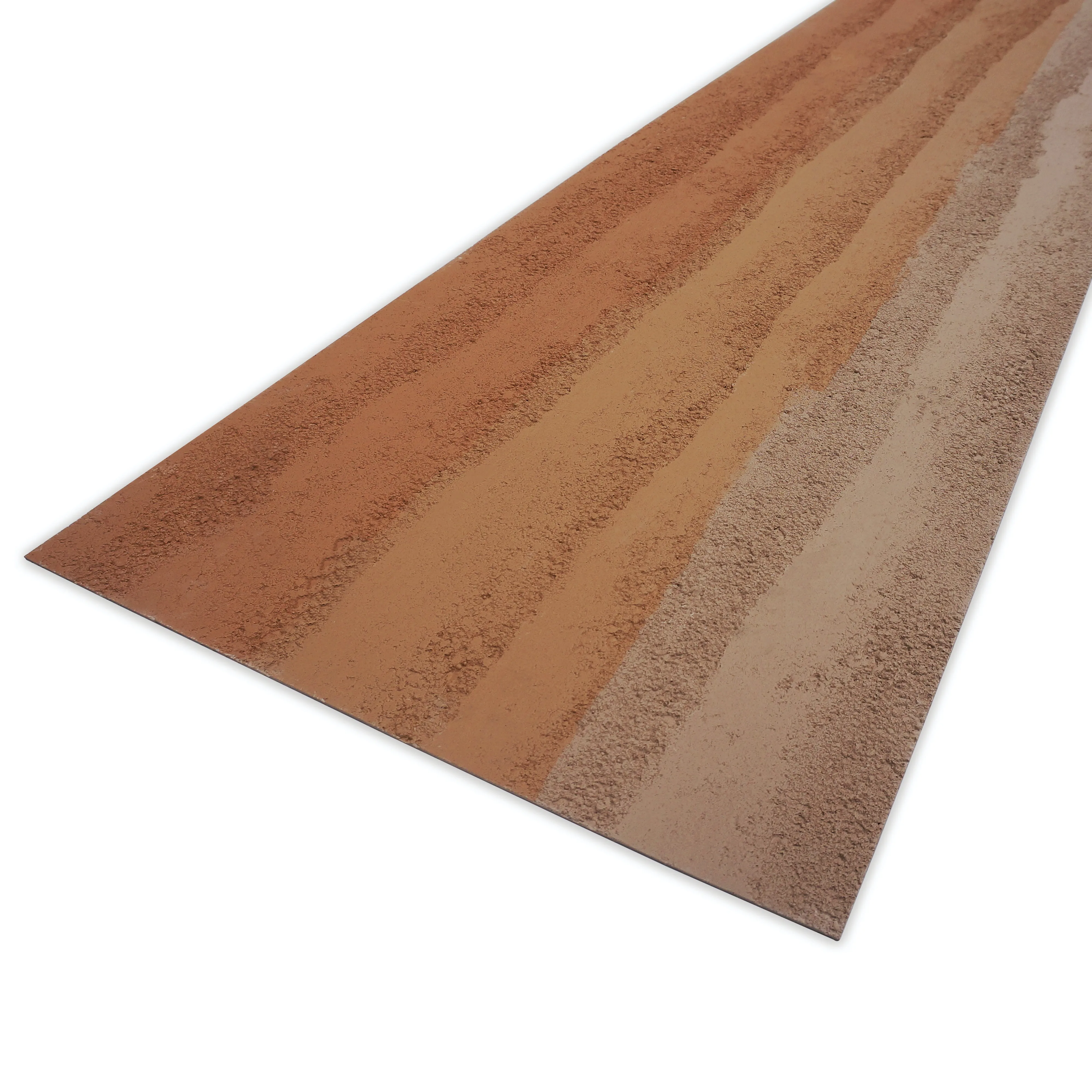
, and it's like stepping into a living landscape. Picture this: soft terracottas bleed into warm ambers, which melt into muted sage greens—no two panels are exactly alike, thanks to the handcrafted gradient effect. It's the color of a desert at dusk, or a mountain range at dawn, where nature itself is the artist. Run your hand over it, and you'll feel the texture of compressed earth—subtle ridges, tiny imperfections, a tactile warmth that synthetic materials just can't mimic. It's not just a wall; it's a conversation starter, a piece of the planet brought indoors.
Pro Tip:
Pair gradient rammed earth with
travertine (starry green)
accents for a look that feels like a forest floor meeting a canyon wall—natural materials in perfect harmony.
Fiber cement panels, on the other hand, are the quiet minimalists of the design world. Sleek, uniform, and unapologetically modern, they offer a crisp, clean canvas. Imagine a row of panels in soft gray or off-white, their smooth surfaces reflecting light like a still lake. They're versatile, sure—you can paint them any color, add textures, or leave them in their raw, industrial state—but they lack the organic "soul" of rammed earth. They feel… intentional, like a well-tailored suit: polished, put-together, but not exactly cozy.
Under the Surface: Composition & Craftsmanship
Beauty is skin deep, but durability? That's in the bones. Let's dig into how these two are made.
Rammed Earth Board (Gradient): The Earth's Own Recipe
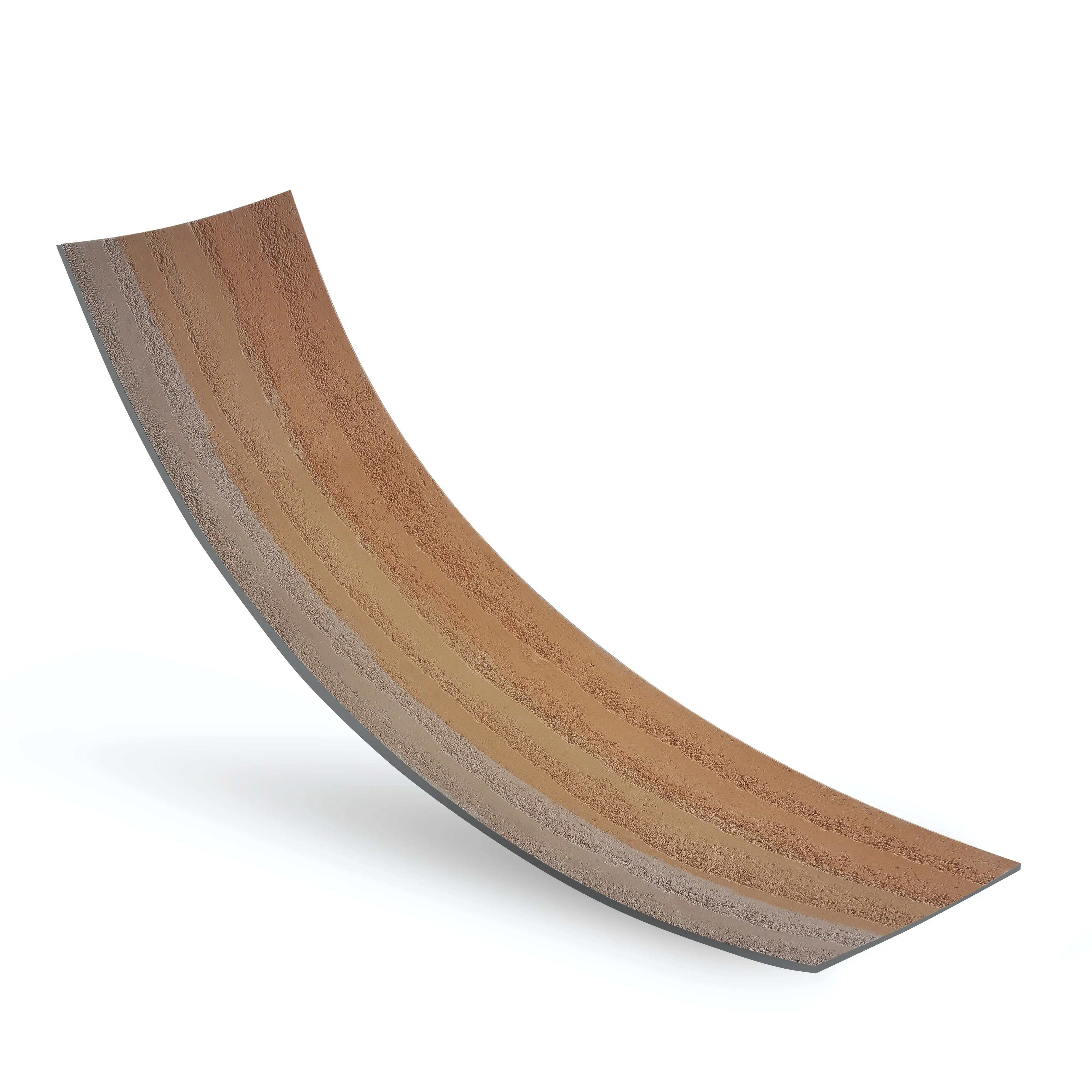
Rammed earth is as old as civilization itself, but the gradient version is a modern twist on a classic. Craftsmen layer soil (often sourced locally to reduce carbon footprint), clay, sand, and a dash of lime or cement for strength. What makes the gradient special? It's all in the layering: different batches of soil with varying natural pigments (think iron oxides for reds, copper for greens) are compacted together, creating a seamless blend of color. No harsh chemicals, no synthetic dyes—just earth, water, and pressure. It's building with the planet, not against it.
Fiber Cement Panels: Engineered for the Long Haul
Fiber cement panels are the product of 20th-century innovation. Mix cement, cellulose fibers (from wood pulp), sand, and water, and you get a material that's both lightweight and tough. The fibers act like rebar in concrete, adding flexibility and preventing cracks, while the cement provides raw strength. Unlike rammed earth, they're factory-made, so each panel is nearly identical—great for consistency, but less charming for uniqueness. Think of them as the "precision tools" of building materials: reliable, predictable, and built to spec.
Durability Decathlon: How They Stand the Test of Time
Let's cut to the chase: when the going gets tough (rain, wind, fire, kids with soccer balls), which one has your back? Here's how they stack up:
Wild Card:
Rammed earth "breathes"—it absorbs and releases moisture, which helps regulate indoor humidity. Fiber cement, while waterproof, doesn't breathe as well, so you might need extra ventilation in tight spaces.
Aesthetic Versatility: Where They Shine
Beauty isn't just about looks—it's about fitting into the story of your space. Let's see where each material steals the show.
Scenario 1: An Eco-Friendly Retreat in the Mountains
Imagine a cabin nestled in the Rockies, where you want to feel connected to the forest outside.
Gradient rammed earth board
is your co-star here. Use it for an accent wall in the living room, and pair it with
travertine (starry green)
flooring—suddenly, your interior feels like an extension of the woods. The gradient's earthy tones complement the pine trees outside, and the material's warmth makes winter evenings by the fire that much cozier.
Scenario 2: A Sleek Urban Office Building
Now picture a modern office in the heart of the city, where clean lines and low maintenance are non-negotiable. Fiber cement panels in matte black or
lunar peak silvery
(a metallic, futuristic shade) are perfect for the facade. They'll stand up to pollution, rain, and the occasional graffiti tag, all while looking sharp. Add some
fair-faced concrete
accents, and you've got a building that screams "forward-thinking" without trying too hard.
The takeaway? Rammed earth gradient is a romantic—it thrives in spaces that celebrate nature, tradition, and warmth. Fiber cement is a pragmatist—it's the go-to for modern, high-traffic, or harsh-environment projects where consistency and durability matter most.
Sustainability Showdown: Green Credentials
In a world where "eco-friendly" is more than a buzzword, how do these materials measure up?
Rammed Earth Board (Gradient): The Eco-Warrior
Let's start with the obvious: rammed earth is made from dirt. Literally. Sourcing local soil means minimal transportation emissions, and since it's a natural material, it's fully biodegradable at the end of its life. No toxic off-gassing, no synthetic chemicals—just earth, doing what earth does best. Plus, its thermal mass (ability to absorb and release heat) can cut down on heating and cooling costs, making your home more energy-efficient. It's not just sustainable; it's regenerative, giving back to the planet by working with it.
Fiber Cement Panels: The Responsible Modernist
Fiber cement isn't as "green" as rammed earth, but it's no slouch either. It contains recycled materials (cellulose fibers from sustainable forests), and its long lifespan means less frequent replacement (read: less waste). However, cement production is energy-intensive, and the panels aren't biodegradable—they'll sit in a landfill if not recycled (which is possible, but not common yet). Think of it as the "reliable friend" of sustainability: not perfect, but committed to doing better.
Installation & Maintenance: The Day-to-Day Reality
Let's get practical. What's it like to live with these materials?
Rammed Earth Board (Gradient): A Little TLC Goes a Long Way
Installing rammed earth is a labor of love. Since each panel is heavy (think 50–80 lbs), you'll need a team to lift and secure them. They also require a level, sturdy base—no wobbly floors allowed. Maintenance-wise, it's simple: seal the surface every 3–5 years to protect against moisture, and wipe off dirt with a damp cloth. Avoid harsh cleaners; this is a material that prefers gentle care, like a vintage leather jacket.
Fiber Cement Panels: Easy Come, Easy Go
Fiber cement panels are lightweight (around 20–30 lbs each), so installation is a breeze—even a small crew can handle it. They're also easy to cut, drill, and paint, making customization a snap. Maintenance? Almost nonexistent. Hose them down to clean, and touch up paint if needed. No sealing, no special treatments—just set it and forget it.
The Verdict: Which One Wins?
Here's the truth: there's no "winner" here—only what's right for
your
project.
Choose Rammed Earth Board (Gradient) if…
you crave warmth, uniqueness, and a connection to nature. It's perfect for homes, retreats, or spaces where "soul" matters more than "sleek." Pair it with
mcm flexible stone
for a cohesive, earthy vibe, and you'll have a space that feels alive.
Choose Fiber Cement Panels if…
you need durability, low maintenance, and modern consistency. It's ideal for commercial buildings, high-traffic areas, or projects where "tough" and "timeless" are non-negotiables. Mix in some
lunar peak golden
accents for a touch of luxury, and you're golden.
At the end of the day, both materials are stars—they just play different roles. So ask yourself: what's the story you want to tell? Then pick the material that helps you tell it best.