Choosing materials for your home or commercial space is more than just a practical decision—it's about crafting an environment that feels like an extension of your personality. Whether you're renovating a living room, designing a café, or building a new home from scratch, the walls, ceilings, and surfaces around you shape the mood, comfort, and even functionality of the space. Two materials that often rise to the top of consideration lists are rammed earth board (gradient) and wood paneling. Both bring distinct character, but they cater to different needs, styles, and priorities. Let's dive into what makes each unique, their strengths and weaknesses, and how to decide which might be the right fit for your project.
What is Rammed Earth Board (Gradient)?
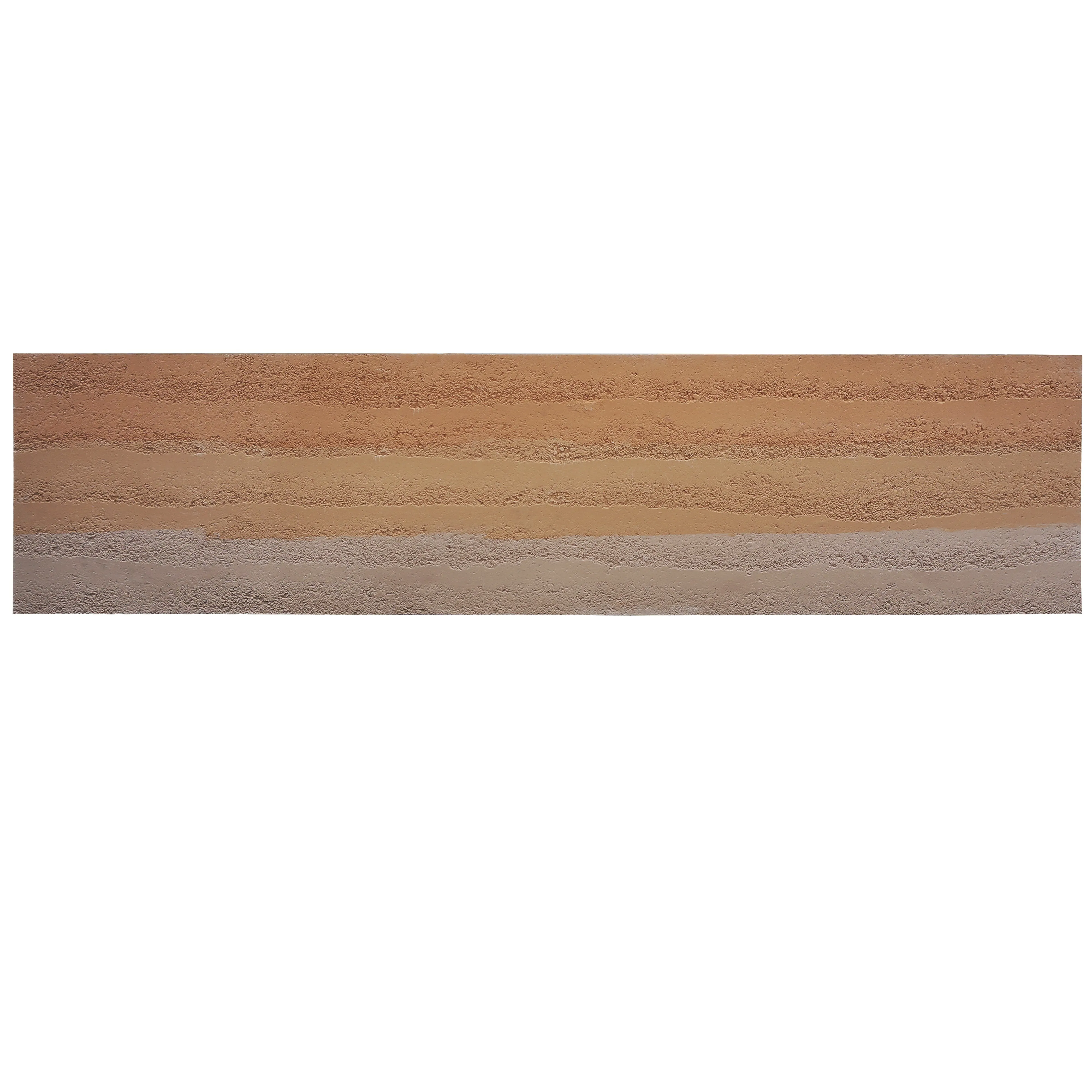
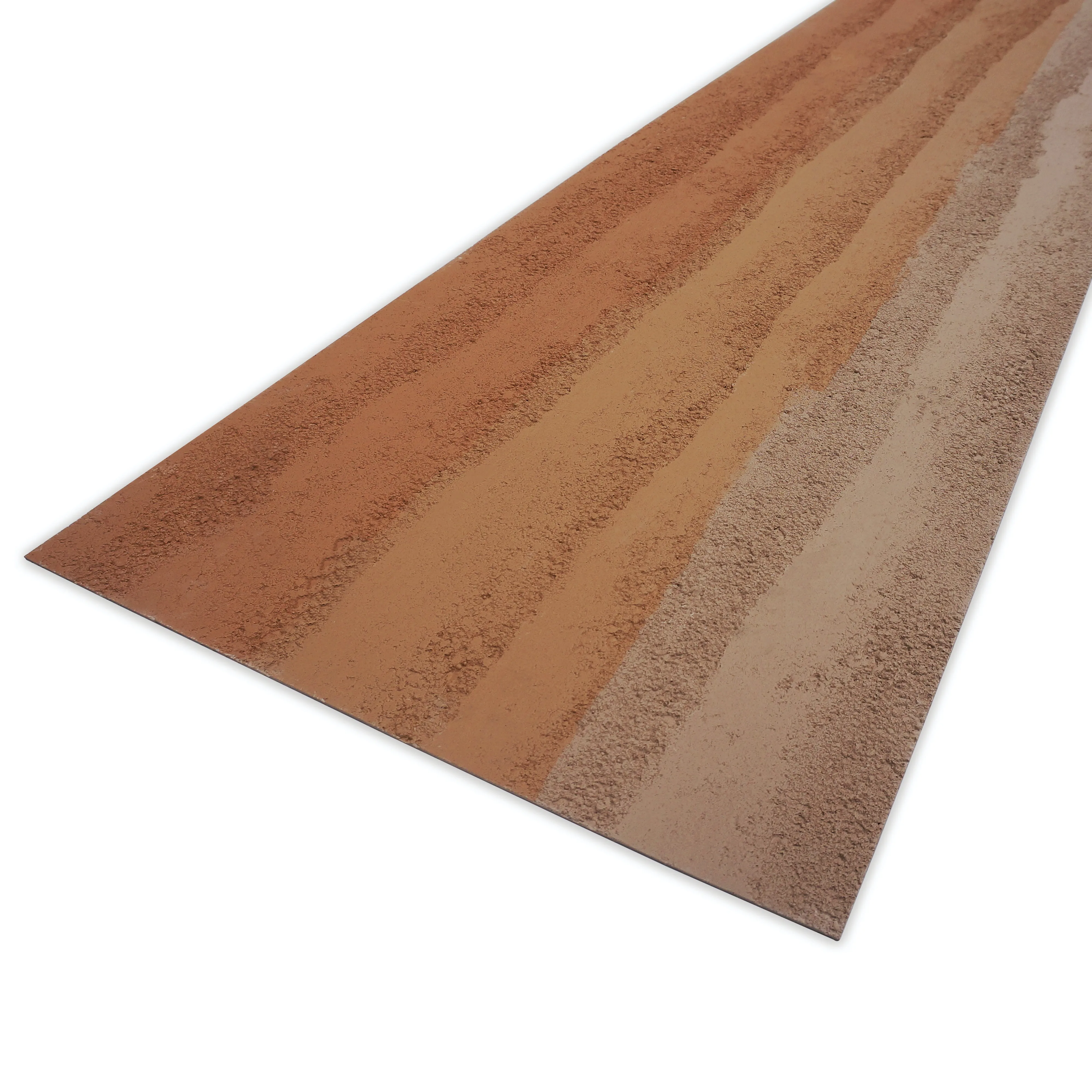
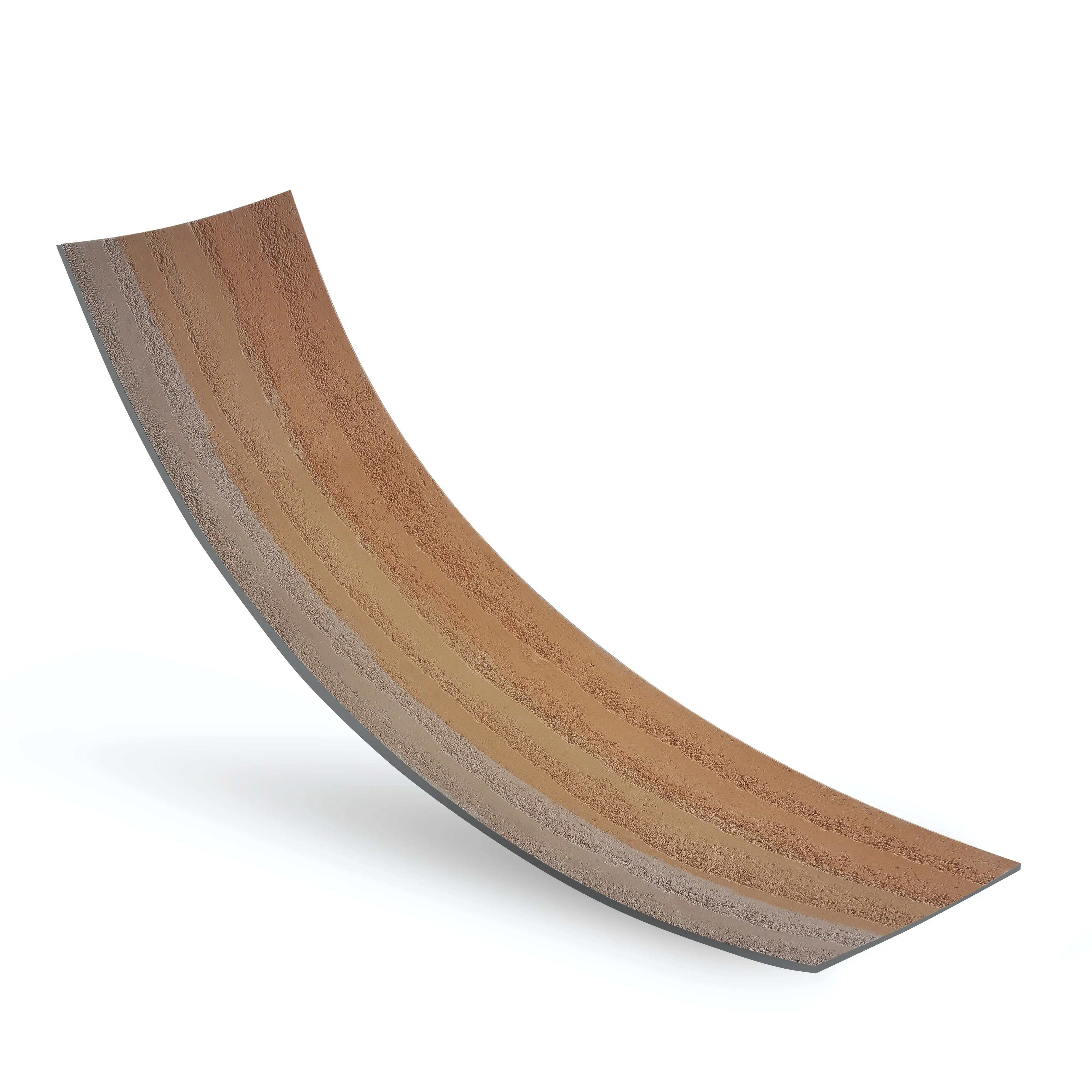
Rammed earth has been used for centuries—think ancient fortresses in China or traditional homes in the American Southwest. It's a building material with deep roots in sustainability and durability, made by compressing layers of soil, sand, gravel, and a small amount of binder (like lime or cement) into formwork. But rammed earth board (gradient) is where tradition meets modern innovation. Unlike the uniform tones of classic rammed earth, gradient boards feature subtle, flowing color transitions—think soft blends of terracotta to sand, or matcha green fading into warm beige. These gradients aren't just paint; they're achieved by layering differently colored soil mixes during the compression process, creating a natural, organic ombre effect that feels like a piece of art on your wall.
Run your hand over a rammed earth gradient board, and you'll notice its tactile, slightly rough surface—no two panels are exactly alike. The texture is porous yet solid, with tiny variations in density that catch light differently throughout the day. It's a material that ages gracefully, too; over time, the colors may mellow slightly, but the structural integrity remains. Modern manufacturers have also improved its practicality: today's rammed earth boards are lighter than traditional rammed earth (though still heavier than some alternatives) and designed for easier installation, often with interlocking edges or mounting systems that simplify the process for contractors.
The Timeless Appeal of Wood Paneling
Wood paneling, on the other hand, is a staple of warmth and familiarity. There's something inherently inviting about wood—its natural grain, the way it softens light, and the subtle scent of timber that feels like a hug for the senses. From the dark, rich panels of mid-century modern homes to the light, airy
wood line designs of today's Scandinavian interiors, wood paneling has evolved to fit nearly every aesthetic.
Wood line paneling, in particular, has gained popularity for its clean, linear look. These panels feature parallel grooves or raised lines that add depth without overwhelming a space, making them perfect for creating accent walls or adding texture to ceilings. Unlike solid wood planks, many modern wood panels are engineered, combining a thin layer of real wood veneer with a plywood or fiberboard core. This makes them more stable (less prone to warping with humidity) and more affordable than solid hardwood, while still retaining that authentic wood appearance. Whether you opt for oak, pine, walnut, or a reclaimed wood finish, wood paneling brings a sense of history and natural beauty that's hard to replicate with synthetic materials.
The Pros: Rammed Earth Board (Gradient)
Let's start with what makes rammed earth board (gradient) stand out. First and foremost is its durability. Traditional rammed earth structures have been known to last for centuries, and modern gradient boards are no exception. The compressed soil mixture creates a dense, rock-like material that resists cracks, dents, and wear. Unlike drywall or even some stone veneers, it won't chip easily, and it's highly resistant to fire—an important safety feature for any space.
Then there's its thermal performance. Rammed earth has natural thermal mass, meaning it absorbs heat during the day and releases it slowly at night. This helps regulate indoor temperatures, keeping spaces cooler in summer and warmer in winter without relying heavily on heating or cooling systems. If you've ever walked into a room with rammed earth walls on a hot day, you'll notice the difference immediately—it feels naturally refreshing, like stepping into a shaded cave on a sunny afternoon.
Aesthetically, the gradient color effect is a game-changer. While traditional rammed earth often comes in earthy, single tones (think terracotta or sand), gradient boards add a modern twist with their flowing color transitions. Imagine a feature wall in a living room where soft beige fades into warm terracotta, mimicking the colors of a desert sunset. Or a bedroom wall with subtle matcha green blending into pale gray, evoking the calm of a forest at dawn. These gradients aren't just decorative—they turn walls into focal points, conversation starters, and works of art.
Eco-friendliness is another major plus. Rammed earth is made from natural, locally sourced materials (soil, sand, gravel), which reduces the carbon footprint associated with transportation. Unlike synthetic materials that off-gas volatile organic compounds (VOCs), it's non-toxic and improves indoor air quality. Many manufacturers also use minimal cement in their mixes, further lowering environmental impact. For anyone prioritizing sustainability, rammed earth gradient boards check a lot of boxes.
The Drawbacks: When Rammed Earth Might Not Be Right
No material is perfect, and rammed earth board (gradient) has its limitations. The first is weight. Even modern rammed earth boards are heavy—much heavier than drywall, wood paneling, or lightweight stone veneers. This means they require sturdy structural support. If you're retrofitting them into an existing home, you may need to reinforce walls or consult a structural engineer to ensure the building can handle the load. Installation can also be more complex and time-consuming than hanging wood panels, often requiring specialized contractors familiar with rammed earth techniques.
Color options, while unique, are still limited to earthy tones. If you're dreaming of a bright blue accent wall or a bold red feature, rammed earth gradient boards might not deliver—their color palette is tied to the natural soil mixes used in production. While manufacturers offer gradient variations, you won't find the same range of hues as you would with paint or even some ceramic tiles.
Cost is another consideration. Rammed earth boards are generally more expensive than drywall or basic wood paneling, both in materials and installation. The specialized manufacturing process and heavier weight drive up the price, making them a higher-investment option. For budget-conscious projects, this might be a dealbreaker unless you're willing to use them sparingly (e.g., as a single feature wall rather than covering entire rooms).
The Pros: Wood Paneling
Wood paneling's biggest strength is its versatility. Whether you're going for rustic charm, modern minimalism, or classic elegance, there's a wood panel style to match. Light, blonde
wood line panels can make a small room feel larger and airier, while dark, stained panels add drama and sophistication to a dining room or home office. You can paint wood panels if you want to change the color later (though many people prefer to preserve the natural wood look), giving you flexibility to update your space over time.
Installation is often simpler than with rammed earth. Most wood panels come in lightweight sheets or planks that can be cut to size with basic tools and mounted to walls using nails, screws, or adhesive. Even DIY enthusiasts with moderate experience can tackle a small paneling project over a weekend, saving on labor costs. Engineered wood panels are also more forgiving than solid wood—they're less likely to warp, shrink, or expand with changes in humidity, making them a practical choice for bathrooms or kitchens (as long as they're properly sealed).
Then there's the warmth factor. Wood has a natural ability to make spaces feel cozy and lived-in. It softens harsh lines and adds organic texture, which is why it's a favorite for bedrooms, living rooms, and nurseries. The sound of footsteps on a wood-paneled floor or the way sunlight filters through wood blinds onto a wood-accented wall creates a sense of calm that's hard to achieve with cold, hard materials like concrete or stone.
Finally, wood paneling can increase a home's resale value. Many homebuyers are drawn to the character and craftsmanship of wood accents, seeing them as a premium feature. Unlike trendy materials that might go out of style, wood has timeless appeal—investing in quality wood paneling is often seen as a smart long-term choice.
The Cons: Wood Paneling's Challenges
For all its benefits, wood paneling isn't without drawbacks. The biggest issue is maintenance. Wood is a natural material, and it needs regular care to stay looking its best. Without proper sealing, it can absorb moisture, leading to warping, rot, or mold—especially in humid environments like bathrooms or basements. Even in dry spaces, wood panels may need to be refinished every few years (sanded and resealed or repainted) to protect against scratches, stains, and fading from sunlight. If you have pets or young kids, those tiny claws and sticky fingers can leave marks that require touch-ups.
Pest risk is another concern. Termites, carpenter ants, and other wood-boring insects see wood paneling as an all-you-can-eat buffet. While engineered wood panels are less susceptible than solid wood, they're not entirely immune. Regular pest inspections and treatments may be necessary, especially in areas with high termite activity.
Cost can also be a barrier, depending on the type of wood. Solid hardwood panels (like oak or walnut) are expensive, often costing two to three times more than engineered wood or even rammed earth in some cases. While engineered panels are more affordable, they still cost more than basic drywall or vinyl siding. And if you opt for reclaimed wood for that rustic look, you'll pay a premium for the labor involved in sourcing and preparing the materials.
Finally, wood paneling can feel dark or dated if not designed carefully. Think of the heavy, dark wood walls of 1970s basements—while that look is making a comeback in some design circles, it can still make a small room feel cramped if there's not enough natural light. Choosing the right wood species, finish, and panel size is key to avoiding that "old-fashioned" vibe.
Head-to-Head: A Comparison Table
|
Feature
|
Rammed Earth Board (Gradient)
|
Wood Paneling
|
|
Durability
|
Exceptional (centuries-long lifespan, fire-resistant, scratch-resistant)
|
Good (depends on type; solid wood lasts long with maintenance, engineered wood resists warping)
|
|
Maintenance
|
Low (no sealing or refinishing needed; occasional dusting/washing)
|
Moderate to high (sealing every 2-3 years, refinishing, pest control)
|
|
Aesthetics
|
Unique gradient color transitions, earthy textures, modern organic look
|
Warm, natural grain patterns; versatile styles (wood line, solid, reclaimed)
|
|
Thermal Performance
|
Excellent (natural thermal mass regulates temperature)
|
Moderate (insulating but less effective than rammed earth)
|
|
Installation
|
Complex (heavy, requires structural support, specialized contractors)
|
Relatively easy (lightweight, DIY-friendly with basic tools)
|
|
Eco-Friendliness
|
High (natural, locally sourced materials, low carbon footprint)
|
Moderate to high (depends on sourcing; FSC-certified wood is sustainable, but manufacturing uses energy)
|
|
Cost
|
High (materials + installation)
|
Moderate to high (engineered wood is affordable; solid hardwood is expensive)
|
|
Best For
|
Feature walls, exteriors, high-traffic areas, eco-conscious projects
|
Interiors, accent walls, ceilings, spaces needing warmth/coziness
|
Where Each Material Shines
Understanding where each material thrives can help narrow down your choice. Rammed earth board (gradient) is ideal for spaces where durability and sustainability are top priorities. Exterior walls, for example, benefit from its weather resistance and thermal mass—imagine a home with a rammed earth gradient facade that fades from pale sand to terracotta, blending seamlessly with a desert landscape. Indoor feature walls in high-traffic areas like entryways or home gyms also work well, as the material can withstand daily wear and tear without showing signs of damage.
Wood paneling, on the other hand, excels in interior spaces where warmth and style take center stage. A bedroom with
wood line paneling on the ceiling feels cozy and intimate, while a kitchen with light wood panels adds a touch of rustic charm without overwhelming the space. It's also a great choice for commercial settings like cafés or boutiques, where creating a welcoming atmosphere is key.
Wood line panels, with their clean lines, work particularly well in modern offices, adding texture without distracting from productivity.
For those who can't choose, there's always the option to mix materials. Imagine a living room with a rammed earth gradient feature wall (in soft beige and warm gray) paired with
wood line paneling on the adjacent wall. The contrast between the rough, earthy texture of the rammed earth and the smooth, linear grain of the wood creates a balanced, layered look that feels both modern and grounded. Add in complementary elements like
travertine (beige) flooring, and you've got a space that's cohesive, unique, and full of character.
Making the Decision: What Matters Most to You?
At the end of the day, the choice between rammed earth board (gradient) and wood paneling comes down to your priorities. If you value durability, sustainability, and a one-of-a-kind gradient aesthetic, and you're willing to invest in installation, rammed earth is a fantastic option. It's a material that tells a story—of ancient building techniques meeting modern design—and it will only grow more beautiful with time.
If warmth, versatility, and ease of installation are your top concerns, wood paneling is the way to go. It's a classic choice that adapts to changing styles, and it brings a sense of natural beauty that's hard to replicate. Just be prepared for the ongoing maintenance to keep it looking its best.
Whichever you choose, remember that the materials in your space should reflect who you are. A home isn't just walls and floors—it's a reflection of your values, your style, and the way you want to live. Whether you lean into the earthy grandeur of rammed earth gradient or the cozy charm of wood, you're creating a space that will feel uniquely yours for years to come.