
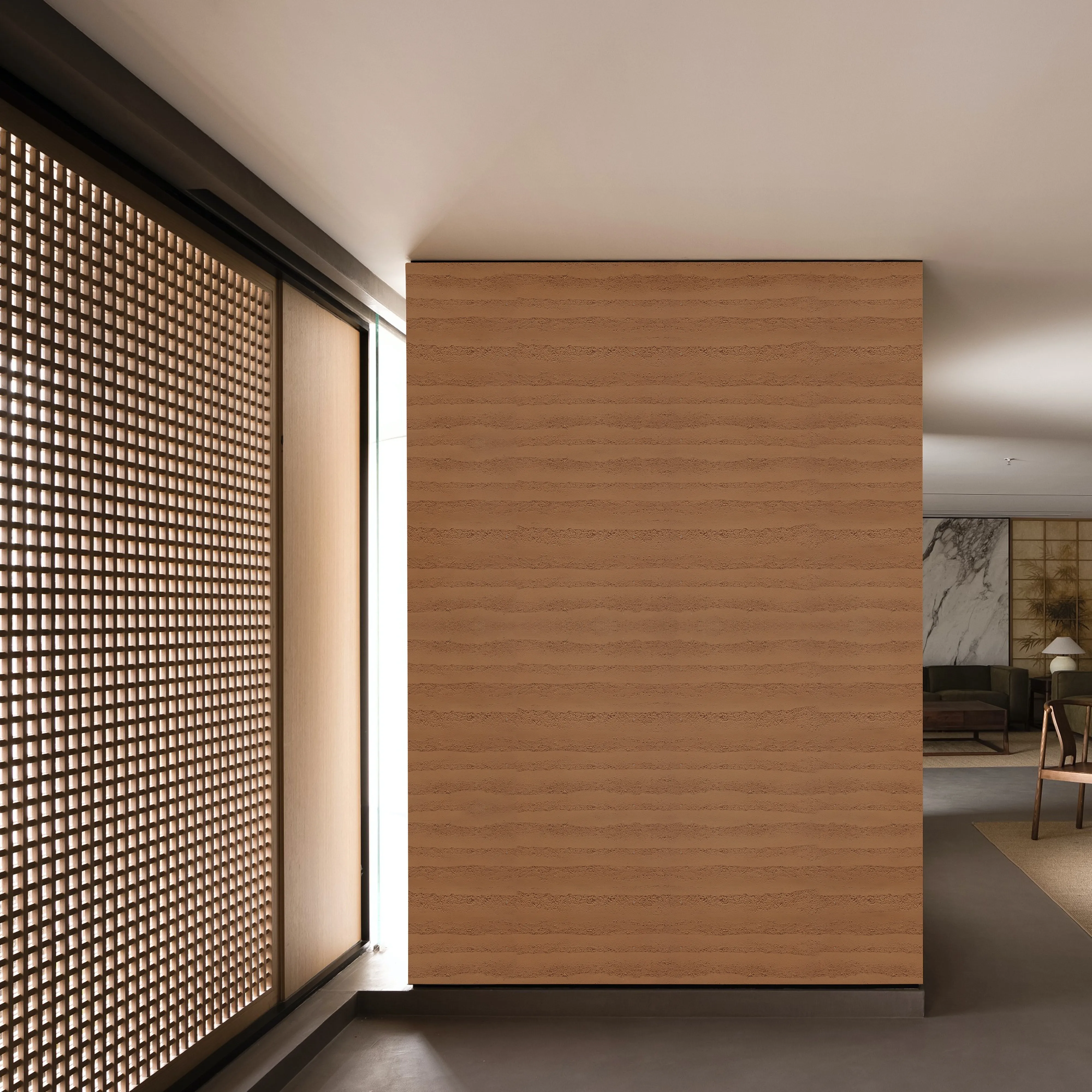
In an era where sustainability and authenticity are reshaping the built environment, architects and homeowners alike are turning to materials that tell a story—materials that bridge the gap between tradition and modernity. Enter rammed earth board (khaki), a contemporary take on an ancient building technique that's capturing attention for its warm aesthetic, eco-friendly credentials, and versatility. If you've ever wandered through a space and thought, "This feels alive," chances are you were in the presence of earthy, tactile materials that connect us to the natural world. Rammed earth board (khaki) does exactly that, blending the rugged charm of traditional rammed earth with the precision of modern manufacturing. Let's dive into everything you need to know about this remarkable material—from its humble beginnings to how it's transforming today's construction projects.
First things first: Let's clarify what we mean by "rammed earth board (khaki)." Traditional rammed earth is a method where damp soil, aggregates, and sometimes binders are compacted into formwork to create solid walls—a technique used for millennia, from the Great Wall of China to the adobe pueblos of the American Southwest. Rammed earth board, however, is a modern evolution: instead of building walls onsite, the material is factory-manufactured into rigid panels that can be transported, cut, and installed like any other cladding or flooring product. Think of it as traditional rammed earth's more portable, versatile cousin.
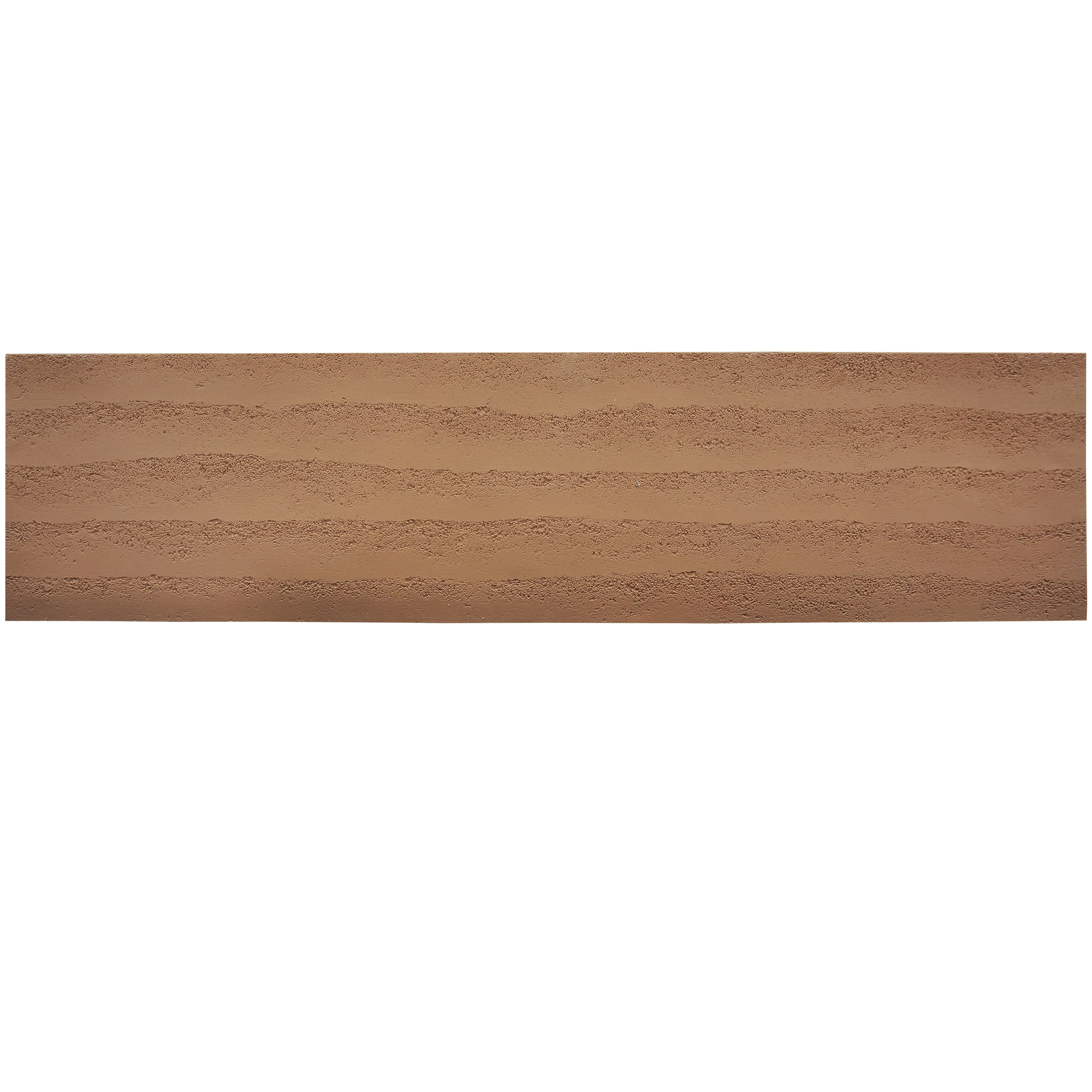
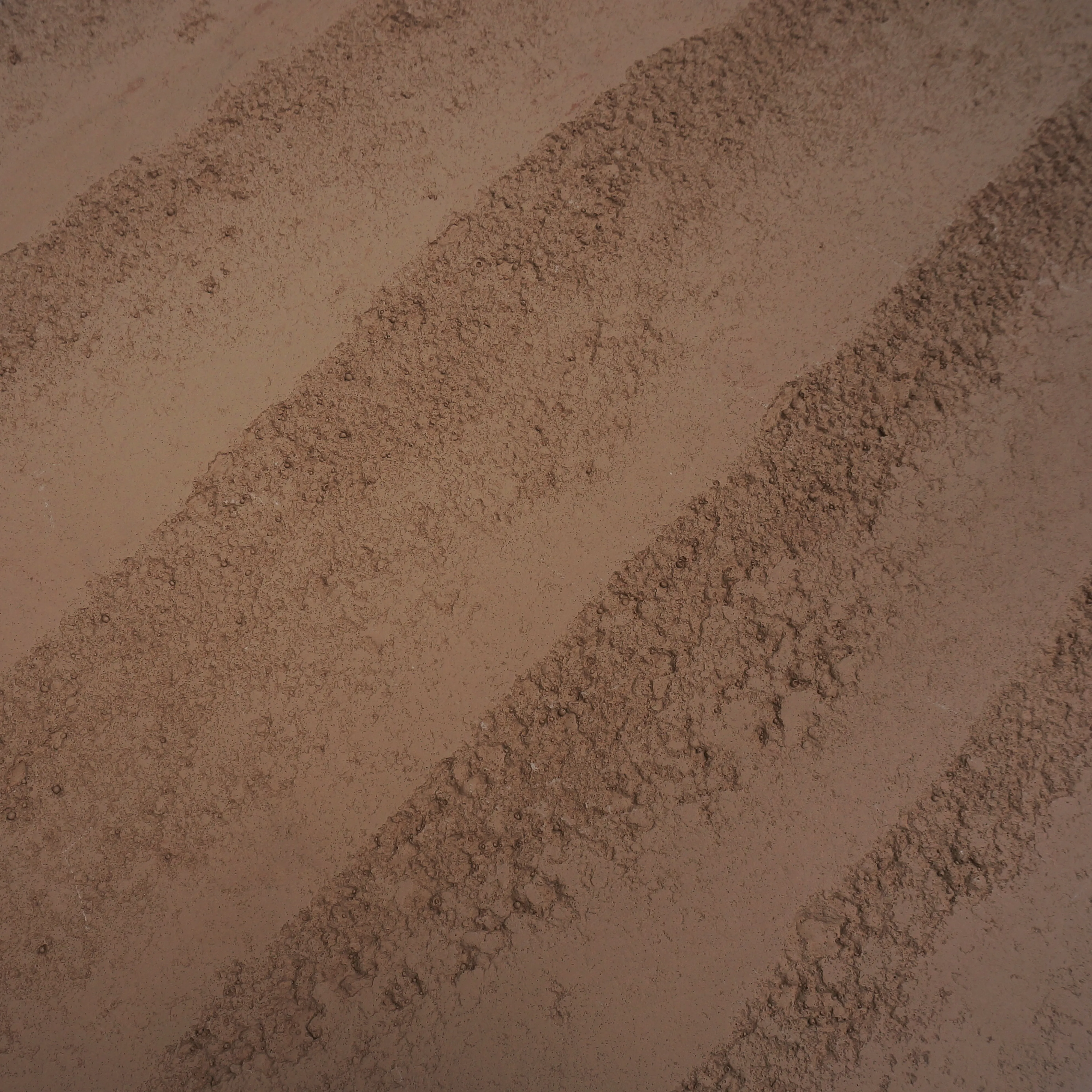
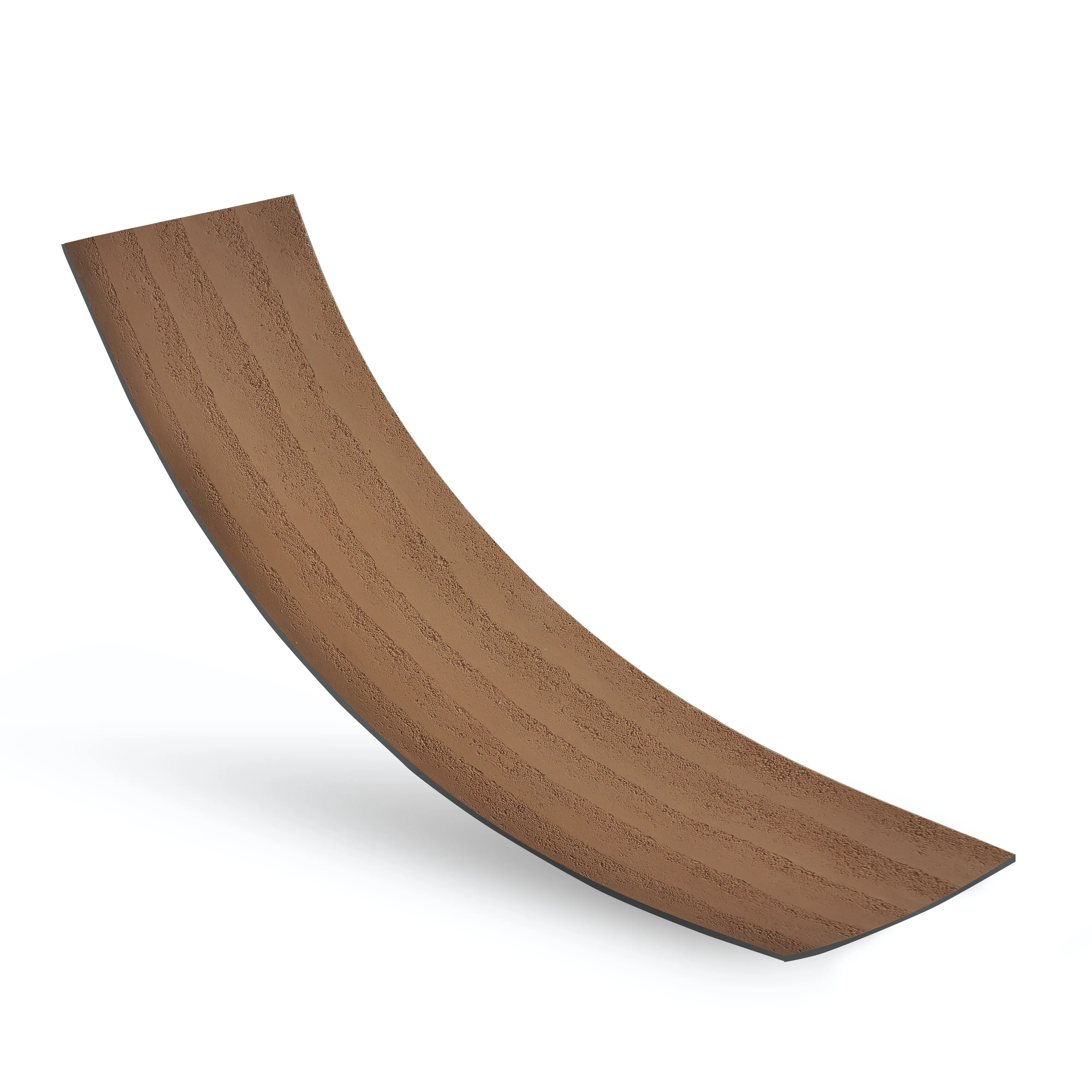
Now, the "khaki" in the name? That's all about the color. Unlike some synthetic building materials that rely on harsh dyes, rammed earth board (khaki) gets its warm, sandy hue from the natural composition of the soil used in its making. Picture the color of sun-baked earth at dawn, or the soft tones of a desert landscape—khaki rammed earth board embodies that organic, earthy palette. It's not a flat, uniform shade, either; up close, you'll notice subtle variations, streaks, and flecks of lighter and darker tones, giving each panel a one-of-a-kind character. This isn't a flaw—it's the material's greatest strength. Those imperfections tell a story of the earth it came from, making every installation feel uniquely connected to the land.
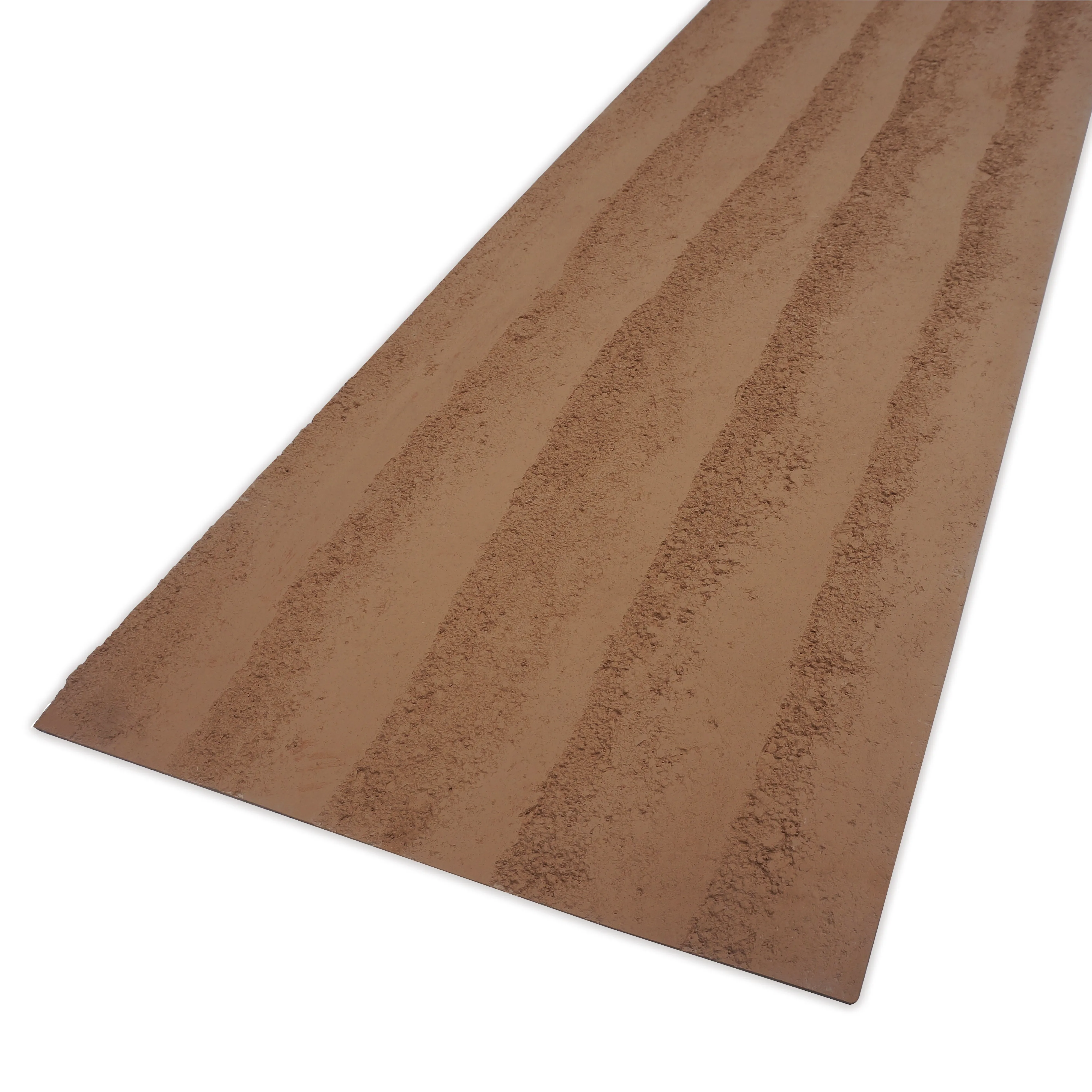
So, what sets rammed earth board (khaki) apart from other cladding options? For starters, its texture. Run your hand across a panel, and you'll feel a gentle, matte roughness—like touching a well-worn stone or a piece of handcrafted pottery. It's not smooth like polished marble, nor is it overly gritty; it strikes that perfect balance between tactile and refined. Durability is another key trait. Thanks to modern manufacturing techniques, these boards are dense, strong, and resistant to weathering, making them suitable for both interior and exterior use. And unlike some lightweight cladding materials, rammed earth board (khaki) has a substantial feel—you can sense its solidity, which adds a sense of permanence to any space.
At its core, rammed earth board (khaki) is a celebration of simplicity. Unlike high-tech composites that require complex chemicals, this material relies on a handful of natural ingredients, carefully balanced to achieve strength, stability, and that signature khaki color. Let's break down its composition:
The star of the show is soil —specifically, a blend of silt, clay, and sand. Not just any soil will do, though. Manufacturers source soil with the right balance of particles: too much clay, and the board might crack; too much sand, and it won't hold together. The soil's natural color is also crucial for the khaki shade. Often, it's sourced from regions with iron-rich or mineral-laden earth, which gives the final product that warm, golden-brown tone. In some cases, small amounts of natural pigments (like iron oxide) are added to enhance the khaki hue, but these are always earth-derived, keeping the material chemical-free.
Next up: aggregates . These are the "filler" materials that add strength and texture. Typically, this includes gravel, crushed stone, or even recycled aggregates like broken brick. The size of the aggregates varies—some are fine, like sand, while others are coarser, creating those subtle textural variations we mentioned earlier. Aggregates also help reduce shrinkage during curing, ensuring the board stays dimensionally stable over time.
To hold everything together, a small amount of binder is added. Traditional rammed earth often uses lime, and many modern boards follow suit, as lime is breathable, eco-friendly, and compatible with natural soils. Some manufacturers opt for a tiny percentage of cement (usually less than 5%) to boost strength, but this is kept minimal to preserve the material's sustainability. The binder acts like a "glue," ensuring the soil and aggregates compact tightly and stay bonded even when exposed to moisture or temperature changes.
Making rammed earth board (khaki) is part science, part art. Here's a simplified look at how it's done: First, the soil, aggregates, and binder are mixed with just enough water to make the mixture damp but not soggy—think of the consistency of damp sand that holds its shape when squeezed. This wet mix is then poured into rectangular molds, which are placed in a hydraulic press. The press applies intense pressure (often hundreds of tons per square meter) to compact the mixture, squeezing out air pockets and creating a dense, solid panel.
After compaction, the panels are removed from the molds and allowed to cure . Curing is a slow process—usually 2–4 weeks—during which the board dries and the binder (lime or cement) sets, strengthening the material. Unlike concrete, which cures through chemical reactions, rammed earth board (khaki) cures primarily through evaporation, so it's left in a controlled environment with good airflow to prevent cracking. The result? A rigid, durable panel with the natural texture and color of the earth it was made from.
What's remarkable about this process is how little energy it requires compared to materials like fired brick or concrete. No high-temperature kilns, no toxic emissions—just pressure, time, and natural curing. That's why rammed earth board (khaki) is often hailed as a "low embodied carbon" material, making it a favorite among green builders.
Rammed earth board (khaki) isn't just a pretty face—it's a workhorse. Its combination of durability, aesthetics, and sustainability makes it suitable for a wide range of construction projects, both residential and commercial. Let's explore some of its most popular uses:
In homes, rammed earth board (khaki) is a designer's dream. Externally, it's used for facade cladding , adding instant curb appeal with its earthy tones. Imagine a modern farmhouse with a khaki rammed earth exterior, complemented by wooden accents and large windows—the material blends seamlessly with the landscape, whether it's a forested backyard or a desert lot. Internally, it shines as accent walls in living rooms, bedrooms, or home offices. A single wall clad in khaki rammed earth can transform a plain space into something cozy and inviting, acting as a focal point that draws the eye without overwhelming the room.
Flooring is another unexpected application. Rammed earth board (khaki) panels can be installed as flooring in high-traffic areas like kitchens or hallways, offering a durable, slip-resistant surface with a warm, natural feel underfoot. Unlike tile or hardwood, it doesn't get cold in winter, making it perfect for homes in cooler climates. And because each panel is unique, the floor becomes a piece of art in itself, with variations in color and texture that evolve over time.
In commercial settings, rammed earth board (khaki) helps brands tell a story of sustainability and authenticity. Restaurants, for example, use it to create a "farm-to-table" vibe—think a cozy bistro with khaki rammed earth walls, wooden tables, and soft lighting, where diners feel like they're eating in a rustic countryside cottage. Boutique hotels often incorporate it into lobbies or guest rooms, appealing to travelers seeking unique, eco-conscious accommodations. One luxury resort in Arizona even used the material for its spa walls, citing its "grounding energy" as a key part of the wellness experience.
Retail spaces, too, are embracing rammed earth board (khaki). Clothing stores with a focus on natural fabrics or ethical fashion use it to align their brand with sustainability, while cafes and bookshops use it to create a welcoming, "third-place" atmosphere. The material's texture also plays well with lighting—spotlights or wall sconces cast soft shadows on its surface, adding depth and warmth to commercial interiors.
Public buildings like museums, community centers, and libraries are turning to rammed earth board (khaki) to connect with local heritage. For instance, a museum dedicated to regional history might use the material to evoke the area's agricultural roots, pairing it with "historical pathfinders stone" (another earthy material) to create a timeline of building techniques. Schools, too, are using it in classrooms and auditoriums, as its sound-absorbing properties help reduce noise, creating a calmer learning environment.
Parks and outdoor pavilions are also ideal spots for khaki rammed earth board. Its weather resistance makes it suitable for exterior seating walls or shade structures, and its natural color blends with greenery, making the space feel like an extension of the landscape. In urban areas, it's even used in public art installations—sculptures or murals made from the panels, celebrating the beauty of natural materials in a concrete jungle.
To truly appreciate rammed earth board (khaki), it helps to see how it stacks up against other popular construction materials. Let's compare it to three common options: fair-faced concrete, wood concrete board, and flexible stone cladding panels.
| Material | Key Features | Best For | Sustainability |
|---|---|---|---|
| Rammed Earth Board (Khaki) | Warm khaki color, matte texture, natural variation, moderate weight, breathable | Accent walls, facade cladding, flooring, spaces needing organic warmth | High: Low embodied carbon, natural materials, minimal processing |
| Fair-Faced Concrete | Gray, industrial aesthetic, smooth or textured, heavy, durable | Modern exteriors, minimalist interiors, high-traffic areas | Moderate: High cement content (emits CO₂), but recyclable |
| Wood Concrete Board | Wood-grain texture, lighter weight, blends wood and concrete traits | Ceilings, furniture, accent panels in modern-rustic spaces | Moderate: Uses wood fibers (renewable) but still contains cement |
| Flexible Stone Cladding Panels | Thin, lightweight, bendable, various stone-look finishes | Curved surfaces, retrofits, temporary installations | Moderate: Synthetic binders may reduce eco-friendliness |
As the table shows, rammed earth board (khaki) stands out for its sustainability and warmth. Fair-faced concrete, while durable, has a cooler, more industrial vibe that can feel sterile in residential settings. Wood concrete board offers a woodsy texture but lacks the earthy color variation of khaki rammed earth. Flexible stone cladding panels are great for curves, but they often rely on synthetic adhesives, making them less eco-friendly. For projects where sustainability and a connection to nature are priorities, rammed earth board (khaki) is hard to beat.
Beyond its good looks, rammed earth board (khaki) offers a host of practical benefits that make it a smart choice for today's builders and homeowners. Let's break them down:
In a world grappling with climate change, the environmental impact of building materials matters—and rammed earth board (khaki) delivers. Its raw materials are abundant and locally sourced, reducing transportation emissions. The manufacturing process uses minimal energy (no high heat required), and the material itself is 100% biodegradable at the end of its life. Even better, it's breathable, meaning it regulates moisture naturally, reducing the need for energy-intensive dehumidifiers or air conditioners. For green building certifications like LEED or Living Building Challenge, rammed earth board (khaki) is a standout choice.
Trends come and go, but earthy, natural materials never go out of style. Rammed earth board (khaki) has a timeless quality that works with a range of design styles—from bohemian to modern minimalist, from rustic to industrial. Its neutral color acts as a blank canvas, pairing beautifully with wood, metal, glass, or even bold accent colors. And because each panel is unique, no two installations are the same, giving your project a custom, artisanal feel without the custom price tag.
Don't let its natural look fool you—rammed earth board (khaki) is tough. When properly installed and sealed (a simple coat of natural wax or breathable sealer for exteriors), it resists scratches, stains, and weathering. Unlike wood, it won't rot or warp; unlike some stones, it won't etch from acidic substances. Maintenance is a breeze: just wipe with a damp cloth for interiors, or hose down exterior panels occasionally to keep them looking fresh. With proper care, these boards can last for decades, making them a long-term investment.
Indoor air quality is a growing concern, and rammed earth board (khaki) helps create healthier homes and offices. Since it contains no volatile organic compounds (VOCs) or harmful chemicals, it doesn't off-gas like some synthetic materials. Its breathability also helps regulate humidity, preventing mold growth and keeping the air comfortable. Studies have even shown that natural materials like rammed earth can reduce stress and improve mood—something we could all use more of in our busy lives.
While rammed earth board (khaki) is a fantastic material, it's not without its quirks. Here are a few things to keep in mind before choosing it for your project:
Weight: These boards are denser than lightweight cladding materials like vinyl or fiber cement, so proper structural support is a must. Exterior installations may require additional framing, and flooring applications need a sturdy subfloor to prevent cracking.
Moisture Sensitivity: While durable, rammed earth board (khaki) is porous, so it's not ideal for extremely wet environments (like shower walls or pool surrounds) unless properly sealed. In humid climates, ensure good ventilation to prevent moisture buildup.
Cost: Factory-manufactured rammed earth boards are more expensive than standard drywall or concrete panels, but they're often comparable to high-end materials like natural stone or reclaimed wood. The long-term savings in maintenance and energy costs often offset the upfront price.
Installation Expertise: While the panels are easier to install than traditional rammed earth, they still require skilled labor. Cutting the boards to size can be dusty, and improper installation (like leaving gaps or using the wrong adhesive) can lead to issues down the line. Hiring a contractor familiar with earth materials is worth the investment.
Rammed earth board (khaki) is more than just a building material—it's a bridge between our past and future. It honors the wisdom of ancient builders who relied on the earth beneath their feet, while embracing modern technology to make that wisdom accessible to today's projects. Whether you're building a home, designing a restaurant, or revamping a public space, this material offers something rare: a chance to create a space that's sustainable, beautiful, and deeply connected to the natural world.
As we continue to seek out ways to build more responsibly, materials like rammed earth board (khaki) will only grow in popularity. They remind us that the best solutions often lie in the simplest things—the dirt under our nails, the sun on our skin, the warmth of a space that feels like home. So the next time you're planning a construction project, ask yourself: What if my walls could tell a story? With rammed earth board (khaki), they just might.
Recommend Products












