
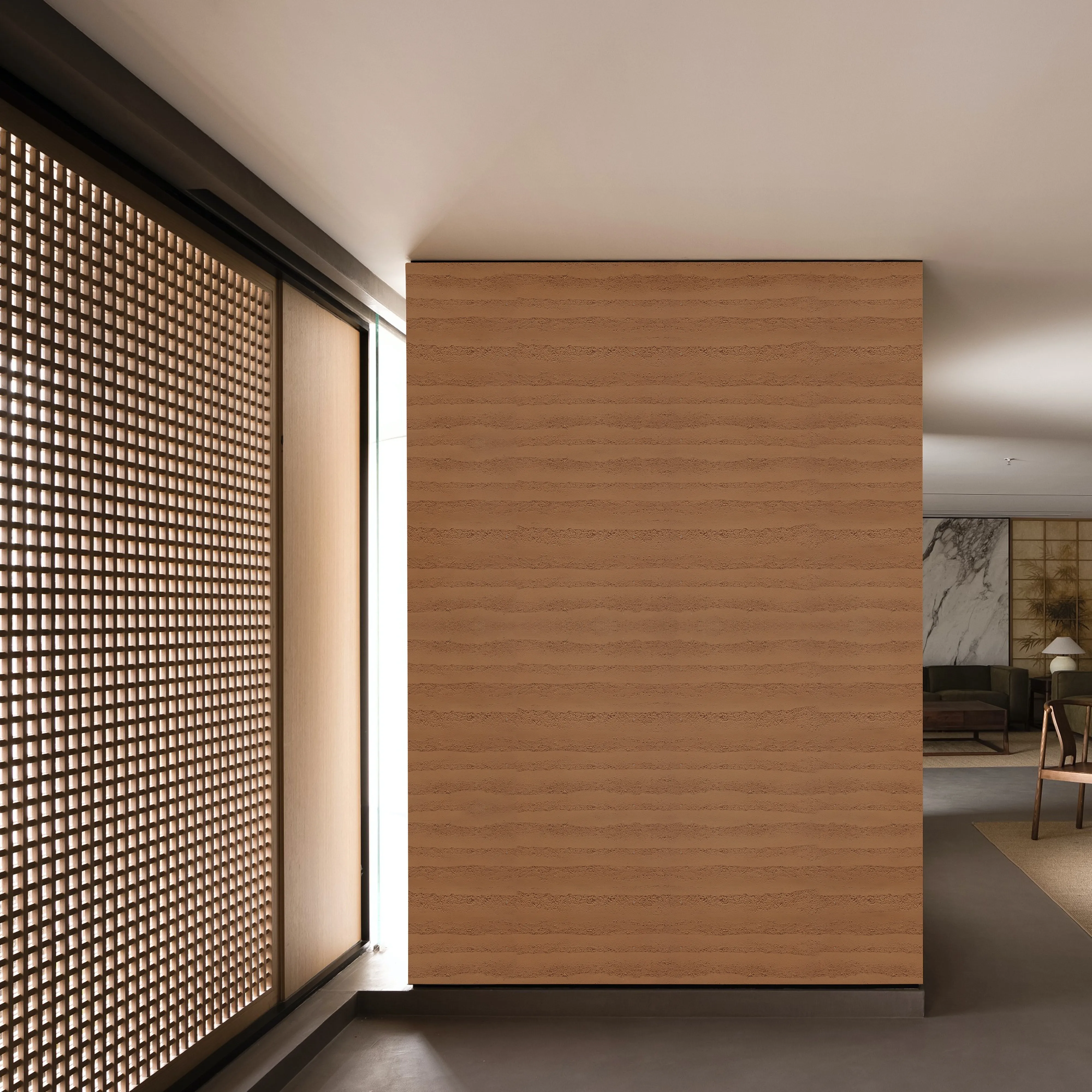
Walk into any modern architectural forum these days, and you'll hear the same buzzword on everyone's lips: sustainability. It's no longer a niche trend; it's the backbone of how we design, build, and live. As cities grow and climate concerns mount, architects and developers are scrambling to find materials that don't just look good but do good—for the planet, for occupants, and for the bottom line. Enter rammed earth board (khaki) : a material that feels both ancient and cutting-edge, like a time-traveler from the days of adobe pueblos who's picked up a few 21st-century tricks. But what makes this earthy, warm-toned panel so special? And how does it play nice with LEED certification, the gold standard for green building? Let's dive in.
If you've ever visited the Great Wall of China, parts of the Alhambra, or even rural farmhouses in the American Southwest, you've seen rammed earth in action. For centuries, humans have mixed soil, sand, gravel, and a touch of binder (like lime or cement) and compressed it into sturdy, load-bearing walls. It's simple, it's local, and it lasts—some rammed earth structures have stood for millennia. But as concrete and steel took over the 20th century, this humble material fell out of favor, dismissed as "too old-fashioned" for skyscrapers and sleek urban projects.
Fast-forward to today, and rammed earth is staging a comeback. Why? Because when the world started asking, "How can we build without wrecking the planet?" someone remembered: we already have a material that does that. Modern rammed earth boards, like the khaki variant we're focusing on, take the best of traditional rammed earth and supercharge it. They're prefabricated in factories, which means consistent quality and easier installation. They're lighter than traditional rammed earth, making them suitable for both exterior cladding and interior walls. And that khaki hue? It's not just a color—it's a statement, blending the earthy warmth of natural soil with a neutral palette that fits seamlessly into contemporary designs, from minimalist homes to boutique hotels.
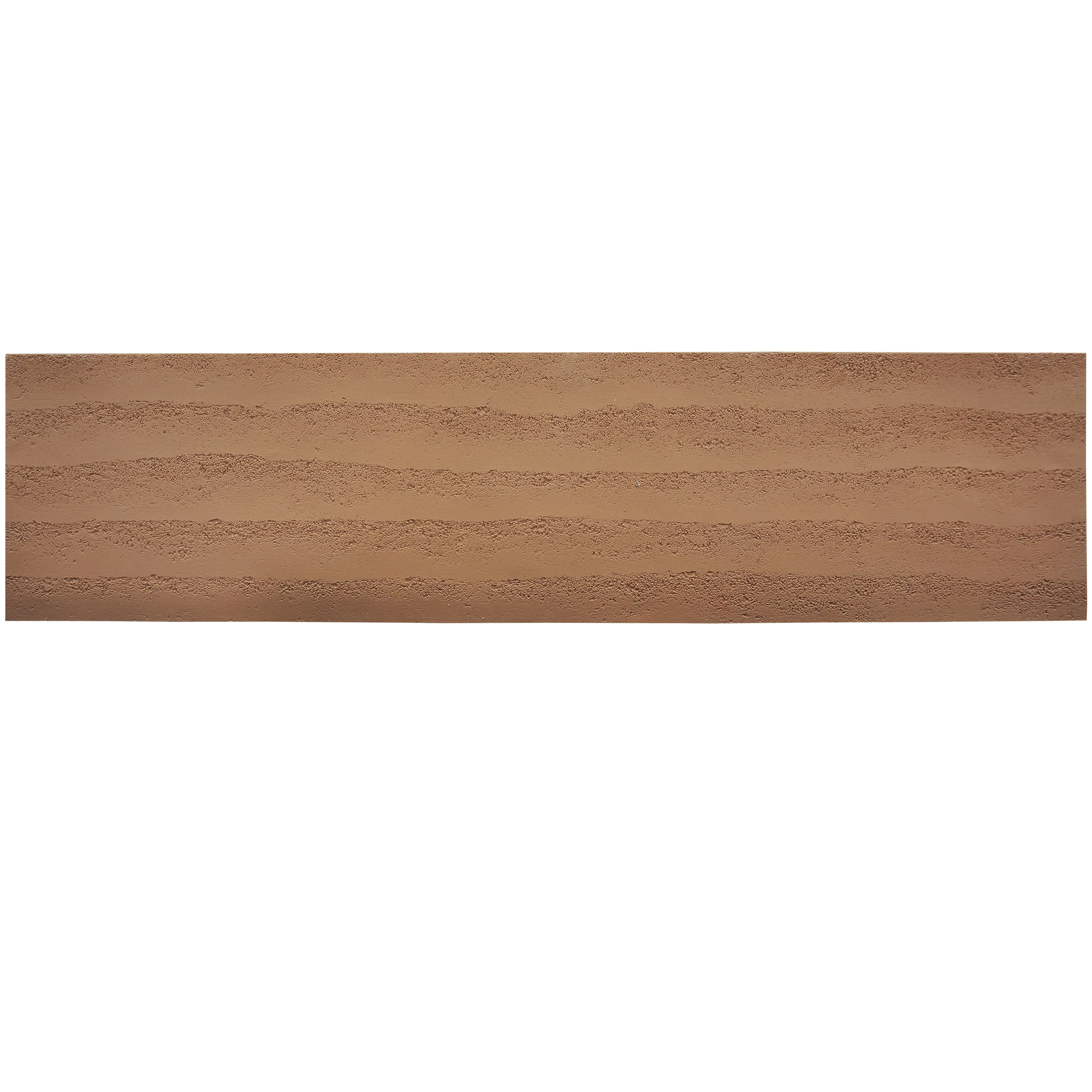
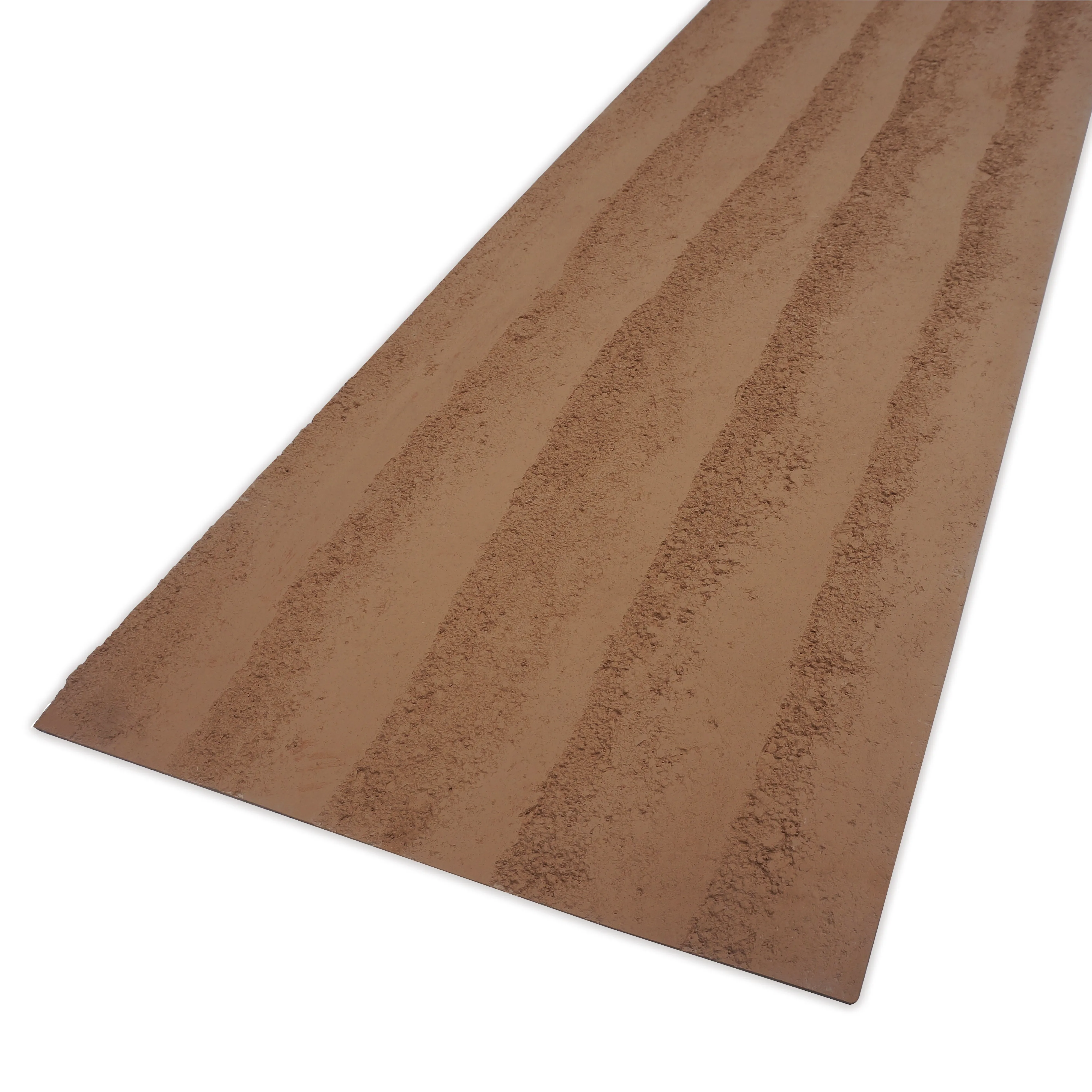
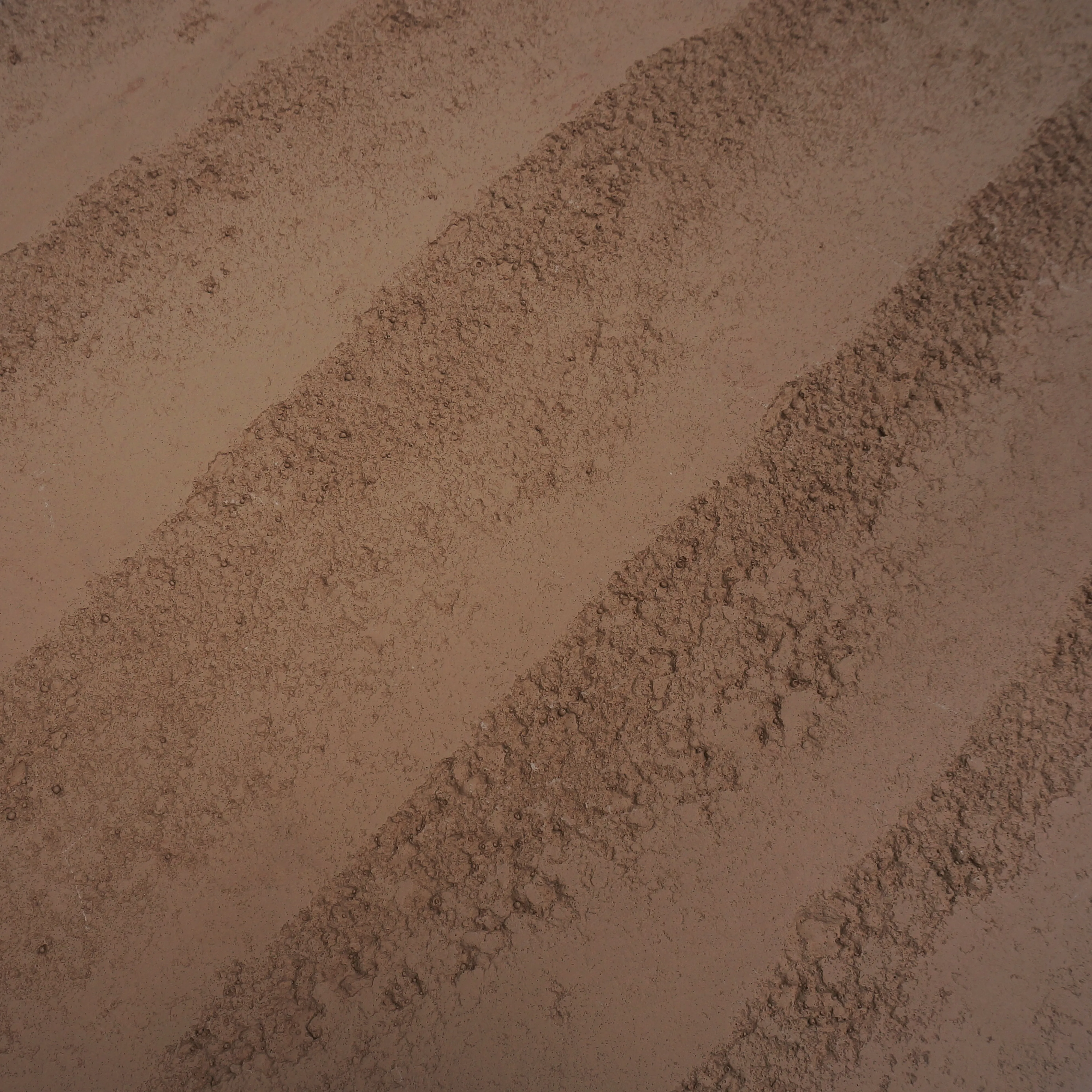
Let's get specific: what is rammed earth board (khaki) , exactly? Picture this: a panel, typically 1200mm x 2400mm in size, made by compressing a mix of local soil (rich in clay, sand, and silt), a small amount of cement (for strength), and natural pigments that give it that soft, sun-baked khaki tone. No harsh chemicals, no synthetic dyes—just earth, water, and a little binder. The result? A board that feels alive, with subtle variations in texture and color that make every panel one-of-a-kind, like a fingerprint of the earth it came from.
But its beauty isn't just skin-deep. This material is a workhorse. It has thermal mass , which means it absorbs heat during the day and releases it at night, naturally regulating indoor temperatures and reducing the need for air conditioning. It's breathable, too—unlike vinyl or plastic cladding, it lets moisture escape, preventing mold and keeping indoor air fresh. And because it's made from locally sourced soil, it cuts down on transportation emissions, a big win for the carbon footprint. Oh, and did we mention it's fire-resistant? No toxic fumes, no melting—just a material that holds its ground when the heat is on.
Before we connect the dots between rammed earth and green building scores, let's make sure we're all on the same page about LEED. Short for Leadership in Energy and Environmental Design, LEED is a rating system developed by the U.S. Green Building Council (USGBC) to evaluate how "green" a building is. Think of it as a report card for sustainability, with points awarded in categories like energy efficiency, water conservation, material selection, and indoor air quality. Projects can earn Certified, Silver, Gold, or Platinum status based on their total points—and the higher the status, the more attractive the project is to eco-conscious clients, tenants, and even governments (many cities offer tax incentives for LEED-certified buildings).
LEED isn't just about checking boxes, though. It's about creating buildings that are healthier for people and kinder to the planet. And that's where rammed earth board (khaki) shines. Let's break down how this material becomes a secret weapon for architects chasing those LEED points.
To understand the impact, let's zoom into the LEED categories where rammed earth makes the biggest splash. Spoiler: it's not just one or two—this material is a multi-category all-star.
LEED's Materials and Resources (MR) category is all about reducing the environmental impact of the materials used in construction. Points here are awarded for using recycled content, sourcing locally, and choosing materials that can be reused or recycled at the end of their life. Rammed earth board (khaki) nails this category.
First, local sourcing : Since the main ingredient is soil, projects can often source it from within a 500-mile radius (a key LEED threshold for regional materials). This slashes transportation emissions compared to importing stone or concrete from across the country. Second, recycled content : Many manufacturers add recycled aggregates (like crushed stone from demolition sites) to the mix, boosting the recycled material percentage. Third, end-of-life potential : When a building with rammed earth panels is deconstructed, the material can be broken down and reused as fill or even re-pressed into new panels—no landfill-bound waste here. And since it's free of toxic additives, there's no risk of leaching harmful chemicals into the soil.
Compare this to traditional concrete, which relies on cement—a material responsible for about 8% of global CO2 emissions. Rammed earth uses a fraction of the cement, making it a far greener alternative. For architects aiming for LEED points like MR Credit 5 (Regional Materials) or MR Credit 6 (Rapidly Renewable Materials), rammed earth is a no-brainer.
Energy efficiency is the bread and butter of LEED's Energy and Atmosphere (EA) category. The goal? Reduce a building's energy use and its reliance on fossil fuels. Here's where rammed earth's thermal mass becomes a game-changer.
Thermal mass is the ability of a material to store heat. In hot climates, rammed earth board (khaki) absorbs heat during the day, keeping interiors cool, then releases it slowly at night when temperatures drop—reducing the need for air conditioning. In cold climates, it absorbs warmth from sunlight during the day and radiates it indoors after dark, cutting heating costs. Studies have shown that buildings with rammed earth walls can reduce energy consumption by 20-30% compared to those with conventional cladding. That's a huge deal for LEED EA Credit 1 (Optimize Energy Performance), which awards points based on how much a project exceeds baseline energy standards.
Plus, because rammed earth is a natural material, it doesn't off-gas volatile organic compounds (VOCs), which can degrade indoor air quality and force HVAC systems to work harder to filter them out. Cleaner air means healthier occupants and less strain on energy-hungry ventilation systems.
LEED's Indoor Environmental Quality (EQ) category focuses on creating spaces that are healthy and comfortable for occupants. Poor indoor air quality (IAQ) is a silent problem in many buildings, linked to headaches, allergies, and even long-term health issues. Rammed earth solves this by being breathable and non-toxic .
Unlike synthetic cladding materials (think vinyl or fiber cement), which can trap moisture and emit VOCs, rammed earth allows water vapor to pass through. This prevents mold growth and keeps the air inside fresh and dry. And since it's made from natural soil and minimal cement, there are no harsh chemicals or formaldehydes leaching into the air. For LEED EQ Credit 4 (Low-Emitting Materials), which requires using products with low VOC emissions, rammed earth is an easy pass.
But there's more: the warm, earthy tones of the khaki variant have a psychological impact, too. Studies show that natural materials like wood, stone, and earth can reduce stress and improve mood—a subtle but powerful benefit that aligns with LEED's focus on occupant well-being.
The Sustainable Sites (SS) category addresses how a building interacts with its surrounding environment, from reducing heat islands to managing stormwater. While rammed earth isn't directly involved in stormwater management, its light color (khaki) helps combat the urban heat island effect.
Dark-colored roofs and walls absorb sunlight and radiate heat, raising temperatures in cities. Rammed earth's light khaki hue reflects more sunlight, keeping building surfaces cooler and reducing the heat island effect. This contributes to LEED SS Credit 7 (Heat Island Reduction), which awards points for using materials with high solar reflectance. It's a small detail, but every point counts when chasing LEED Gold or Platinum.
| LEED Category | Key Credit | How Rammed Earth Board (Khaki) Contributes | Potential Points |
|---|---|---|---|
| Materials and Resources | MR Credit 5: Regional Materials | Soil sourced locally (≤500 miles), reducing transportation emissions | 1-2 points |
| Materials and Resources | MR Credit 6: Rapidly Renewable Materials | Soil is a naturally renewable resource; minimal non-renewable inputs | 1 point |
| Energy and Atmosphere | EA Credit 1: Optimize Energy Performance | Thermal mass reduces heating/cooling needs by 20-30% | Up to 19 points |
| Indoor Environmental Quality | EQ Credit 4: Low-Emitting Materials | Zero VOC emissions; breathable material prevents mold | 1-2 points |
| Sustainable Sites | SS Credit 7: Heat Island Reduction | Light khaki color reflects sunlight, lowering surface temperatures | 1 point |
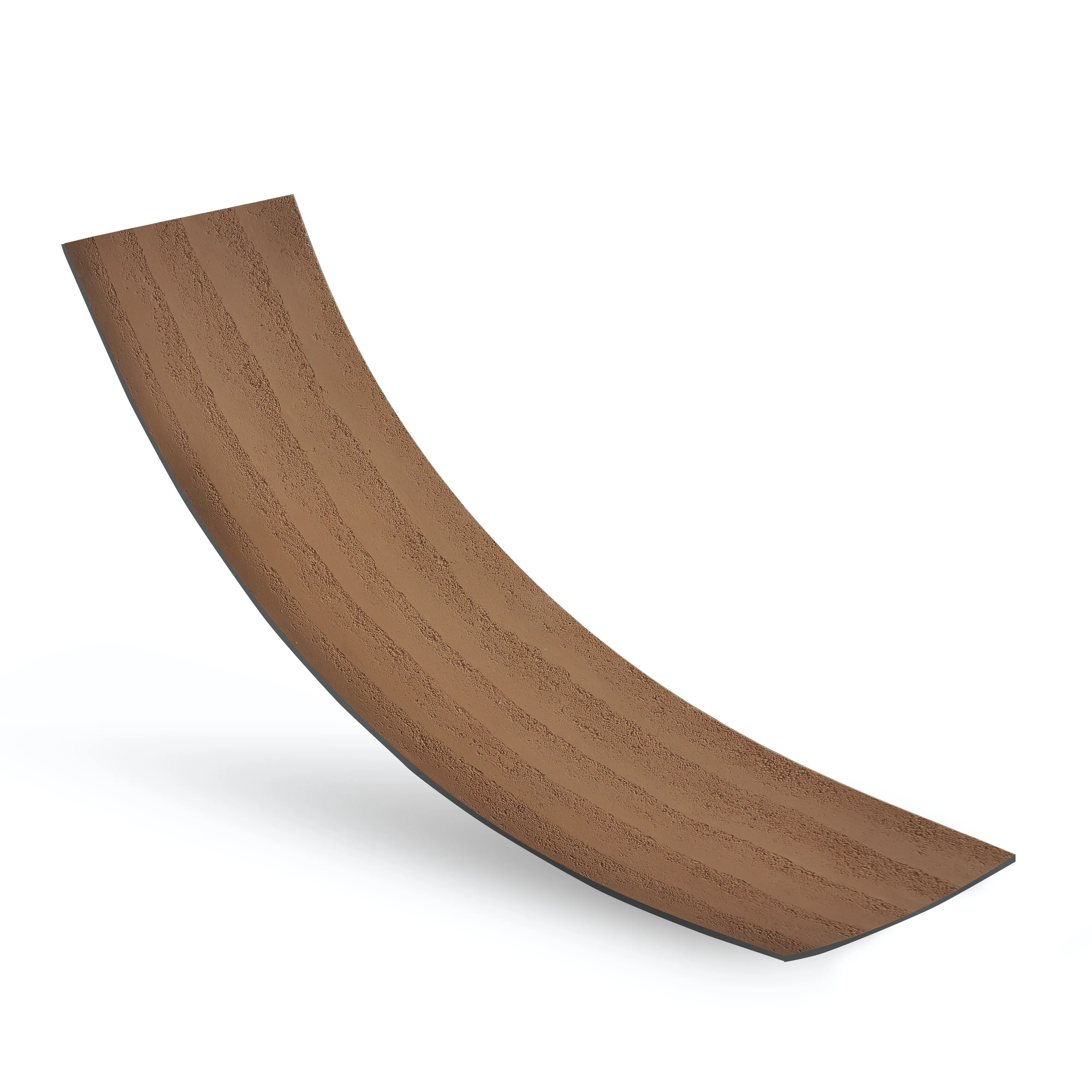
Of course, no building material works in isolation. Architects often pair rammed earth board (khaki) with other green building materials to create cohesive, high-performance designs. One standout companion is MCM flexible stone —a lightweight, durable cladding option made from modified composite materials that mimic the look of natural stone but with less environmental impact.
MCM flexible stone (short for Modified Composite Material) is thin, flexible, and easy to install, making it ideal for curved surfaces or areas where traditional stone would be too heavy. Like rammed earth, it's often made with recycled content and requires minimal energy to produce. When used alongside rammed earth, it adds texture and contrast while keeping the project's overall carbon footprint low. For example, a building might use rammed earth for exterior walls (for thermal mass) and MCM flexible stone for accent panels or interior feature walls, creating a balanced, sustainable design that checks even more LEED boxes.
Another complementary material is flexible stone cladding panels , which offer the aesthetic of natural stone with the added benefits of flexibility and light weight. These panels, like MCM flexible stone, are designed to reduce waste during installation and can be recycled at the end of their life—aligning perfectly with LEED's circular economy goals.
Let's take a hypothetical (but realistic) example: a boutique hotel in Arizona aiming for LEED Gold. The architect chooses rammed earth board (khaki) for the exterior walls, sourced from soil quarried 150 miles from the site. The thermal mass of the rammed earth reduces the hotel's cooling needs by 25%, earning points for EA Credit 1. The local sourcing checks the box for MR Credit 5, and the zero-VOC formula helps secure EQ Credit 4. To add visual interest, the lobby features MCM flexible stone in a complementary terracotta hue, made with 30% recycled content. The result? The hotel earns 6 points in Materials and Resources, 12 points in Energy and Atmosphere, and 2 points in Indoor Environmental Quality—pushing it well into LEED Gold territory. Guests rave about the "warm, earthy vibe," and the hotel's energy bills are 30% lower than comparable properties. It's a win-win-win: for the planet, the occupants, and the bottom line.
In a world where "sustainability" can sometimes feel like just another marketing buzzword, rammed earth board (khaki) is the real deal. It's a material rooted in tradition but optimized for modern needs, blending the best of the past and present to create buildings that are kind to the planet and a joy to inhabit. And when paired with LEED certification, it becomes more than just a building material—it's a strategy for creating projects that stand out in a crowded market, attract eco-conscious clients, and leave a lighter footprint on the earth.
Whether you're an architect designing your first net-zero home, a developer chasing LEED Platinum for a commercial project, or simply someone who cares about the future of construction, rammed earth board (khaki) deserves a spot on your radar. It's proof that sometimes, the most innovative solutions are the ones that have been right under our feet all along—literally.
So here's to the revival of earthy, sustainable design. And here's to the architects and builders brave enough to pick up the trowel (or the prefabricated panel) and build a greener tomorrow—one khaki-colored wall at a time.
Recommend Products












