
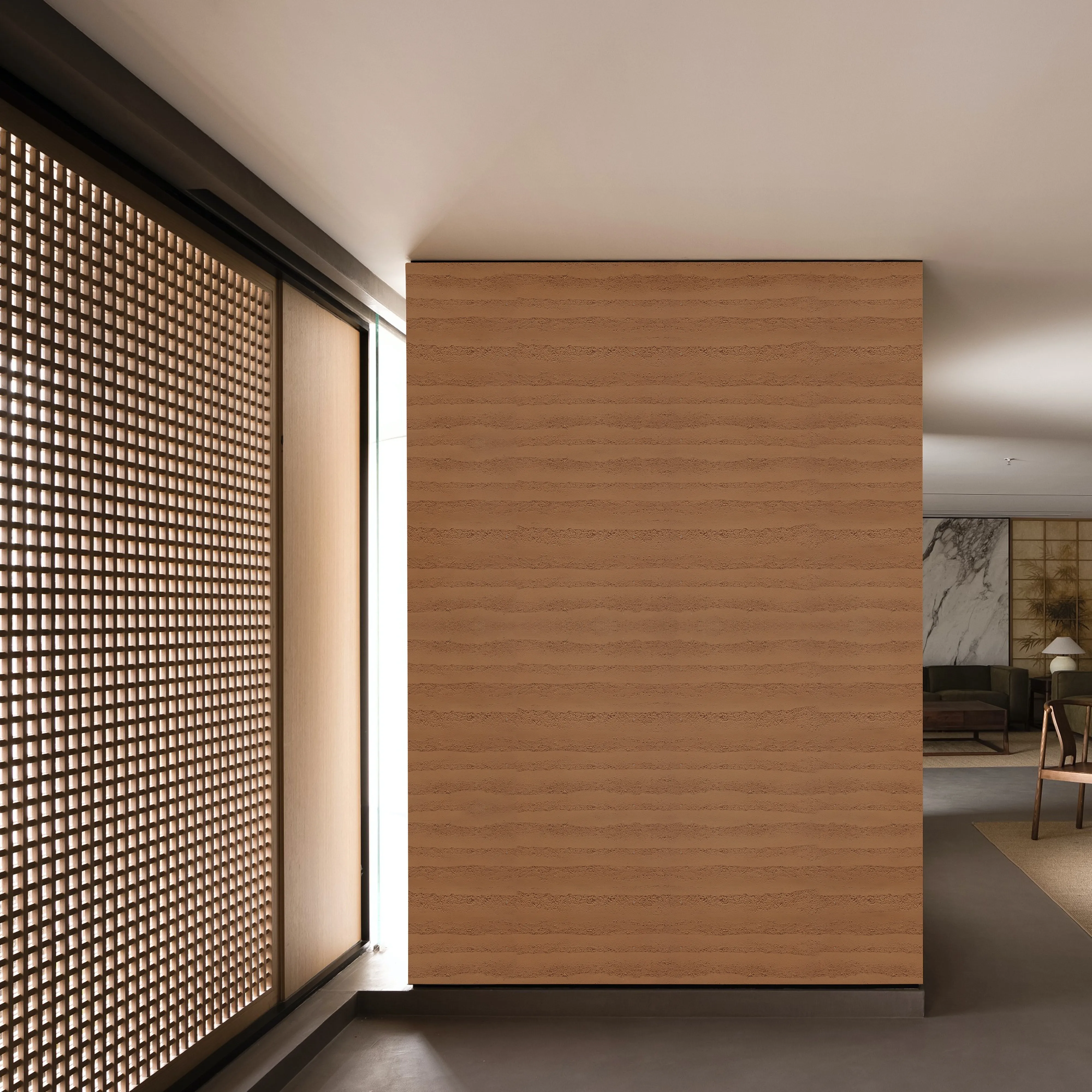
In a world where every choice we make feels weighted by its impact on the planet, the building industry is undergoing a quiet revolution. We're moving beyond the "good enough" mindset of generic concrete and mass-produced materials, and instead, leaning into options that feel intentional—materials that tell a story of sustainability, craftsmanship, and connection to the earth. If you've ever walked into a space and thought, This feels different —warmer, more grounded, less like a cold box and more like a living, breathing environment—chances are, you've encountered a material that prioritizes both people and the planet. Today, we're diving deep into one such material: COLORIA's Rammed Earth Board (Khaki). It's not just a building product; it's a bridge between ancient building wisdom and modern innovation, and it's changing how we think about what our homes, offices, and public spaces can feel like.
But first, let's talk about why this matters. Sustainable building isn't just a trend anymore—it's a necessity. With global temperatures rising and cities becoming more crowded, the construction sector (which accounts for nearly 40% of global carbon emissions, according to the UN) is under pressure to do better. Consumers are demanding transparency: they want to know where their materials come from, how they're made, and whether they'll leave a legacy of harm or healing. Architects and designers, too, are craving materials that don't limit creativity but expand it—materials that are as versatile aesthetically as they are responsible environmentally. Enter COLORIA, a brand that's been quietly redefining sustainable building since its inception. Their mission? To prove that you don't have to sacrifice beauty for sustainability, or durability for conscience. And at the heart of their lineup is a material that feels both timeless and cutting-edge: the Rammed Earth Board (Khaki).
Rammed earth is an ancient building technique—think of the Great Wall of China, or the cliff dwellings of the American Southwest. It's simple in concept: layers of damp soil (clay, sand, gravel) are compacted into forms, creating thick, sturdy walls that stand the test of time. But traditional rammed earth has its drawbacks: it's heavy, labor-intensive, and not exactly easy to transport or install in modern construction projects. That's where COLORIA's Rammed Earth Board (Khaki) comes in. It's traditional rammed earth, reimagined for the 21st century.
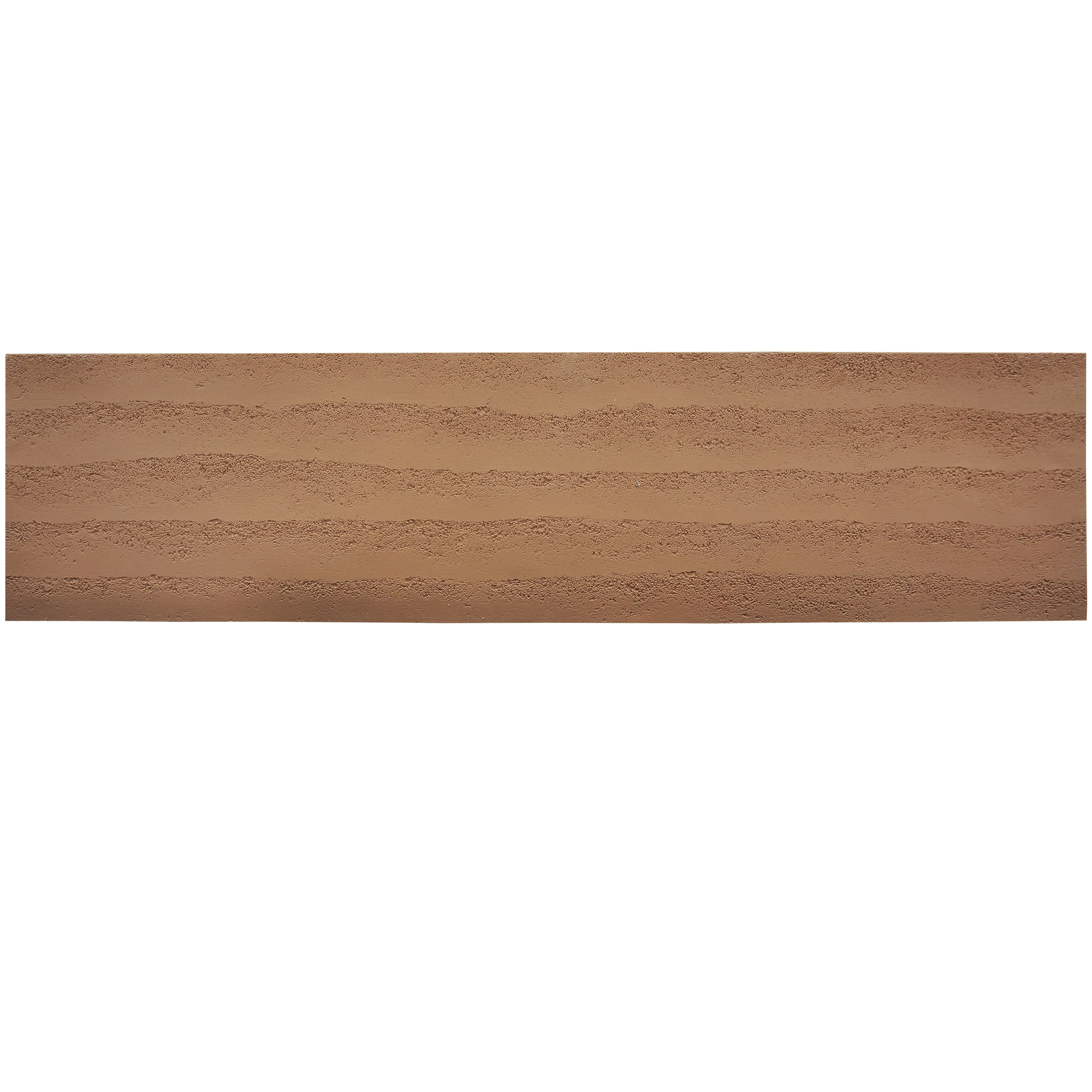
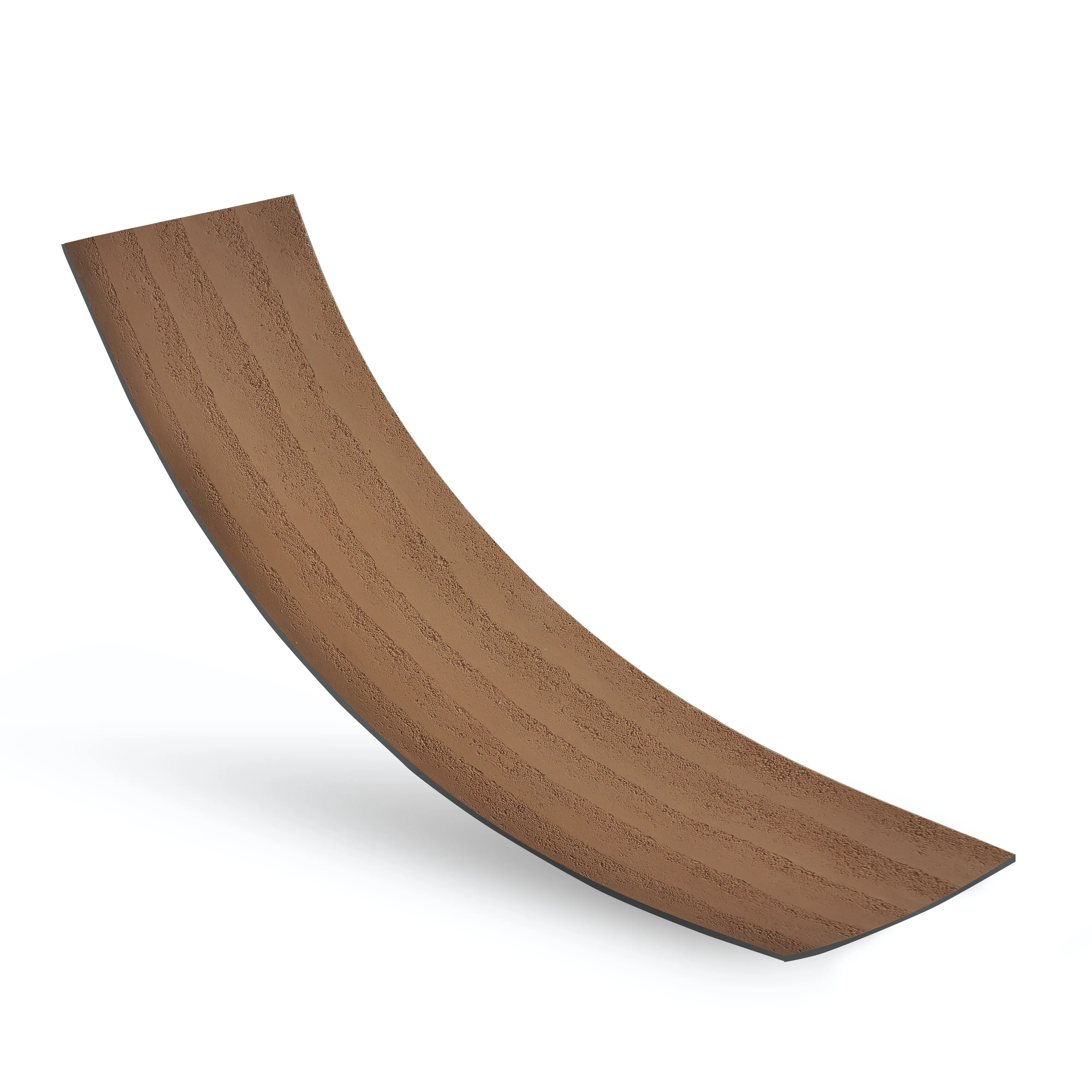
So, let's define it: Rammed Earth Board (Khaki) is a lightweight, flexible building panel that mimics the texture, color, and warmth of traditional rammed earth, but with the added benefits of modern engineering. Made from a blend of natural materials—locally sourced clay, sand, and mineral pigments, plus a dash of recycled content—these panels are manufactured using low-energy processes that minimize waste and carbon footprint. The "khaki" in the name refers to its warm, earthy hue—a soft, sandy tone that evokes sun-baked deserts, aged leather, and the quiet beauty of natural landscapes. It's a color that doesn't shout; it whispers , creating spaces that feel calm, grounded, and inherently inviting.
But what really sets it apart? Let's break down the "how" behind the "what." Traditional rammed earth requires on-site compaction, which means heavy machinery, long timelines, and limited design flexibility. COLORIA's version, by contrast, is crafted in controlled factory conditions. The soil mixture is carefully proportioned (think: just the right amount of clay to bind the sand, just enough moisture to hold shape without cracking), then pressed into thin panels using hydraulic presses. This process not only ensures consistency (no more uneven walls or color variations) but also reduces the panel's weight by up to 60% compared to traditional rammed earth. Suddenly, what was once a material reserved for thick, load-bearing walls becomes something you can use for interior accent walls, exterior facades, even ceiling panels. It's a game-changer for designers who want that raw, organic look without the logistical headaches.
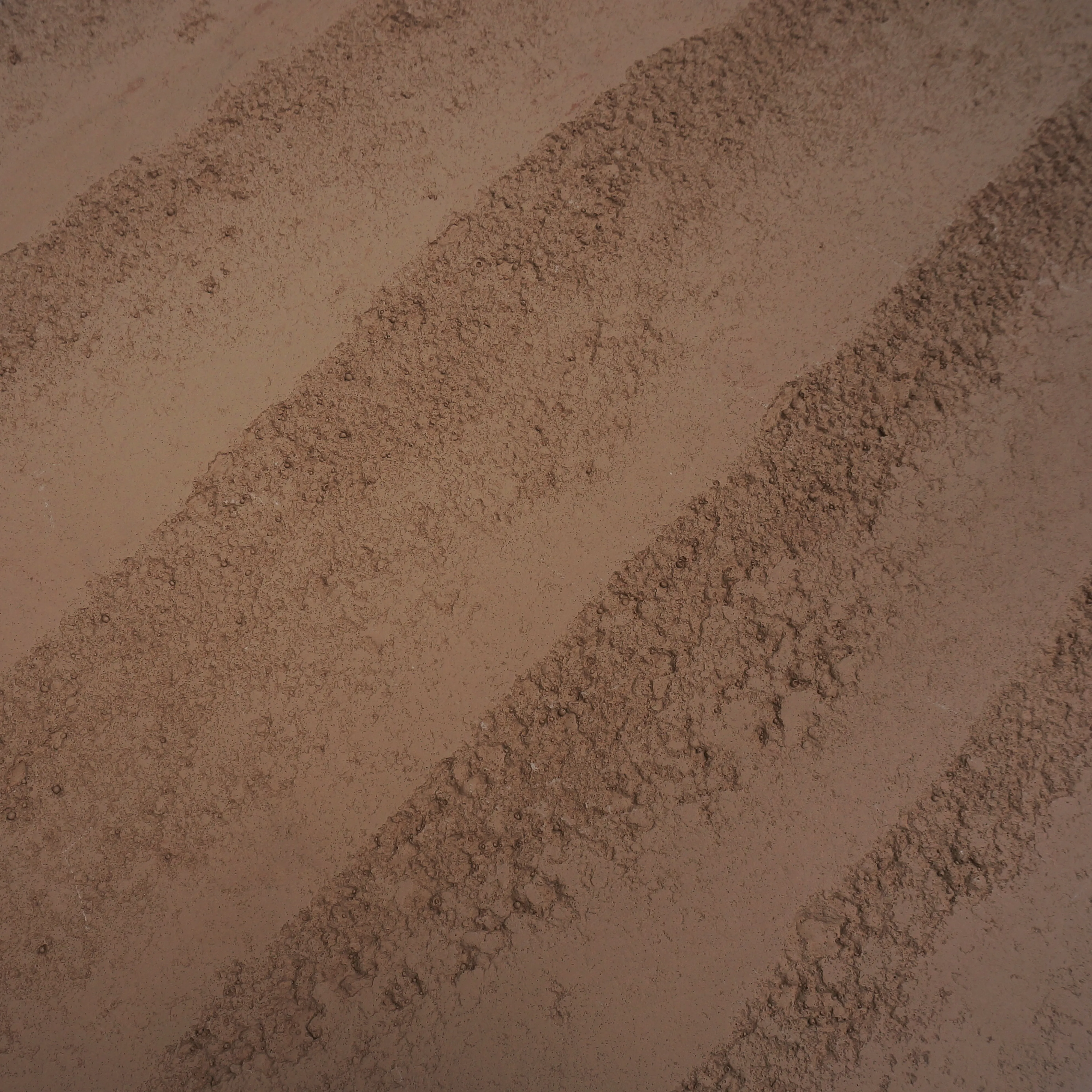
And let's talk about that "khaki" color. It's not a flat, one-note beige. Oh no—this is a color with depth. Depending on the light, it shifts: warm gold in the morning sun, soft taupe in afternoon shade, rich amber at dusk. The texture, too, is key. Run your hand over a panel, and you'll feel the subtle ridges and valleys of the compacted soil—tiny imperfections that give it character, like the lines on a well-loved book. It's not smooth or glossy; it's tactile , inviting touch, making spaces feel more human. Compare that to the cold uniformity of fair-faced concrete or the plastic-like sheen of some synthetic claddings, and it's easy to see why architects are falling for it.
Let's get real: a lot of "sustainable" building materials on the market today are greenwashed. They slap a "eco-friendly" label on a product that's marginally better than the alternative, but still full of chemicals or manufactured using energy-heavy processes. COLORIA's Rammed Earth Board (Khaki) is different. Sustainability isn't an afterthought; it's baked into every step of the process, from raw materials to finished product.
First, the ingredients. The base of the panel is natural soil—clay and sand sourced from local quarries, which means less transportation-related emissions. But COLORIA takes it a step further: they add recycled content, like crushed stone from construction waste or even reclaimed wood fibers (though don't worry, it still looks and feels like earth—no random splinters here). There are no synthetic binders, no toxic glues, no volatile organic compounds (VOCs) that off-gas into your space and harm indoor air quality. It's just… earth. Simple, pure, and free from the stuff that makes you cough when you walk into a newly painted room.
Then there's the manufacturing process. Traditional rammed earth requires a lot of water and energy to transport materials to the build site and compact them. COLORIA's panels are made in a centralized facility, where they can optimize water usage (recycling what they can) and rely on solar power for a portion of their energy needs. The result? A carbon footprint that's a fraction of, say, fired brick or even some types of wood paneling. And because the panels are lightweight, transporting them to the build site uses less fuel, too. It's a sustainability win at every turn.
But sustainability isn't just about what goes into the material—it's about how long it lasts. A poorly made product that needs to be replaced every 10 years isn't sustainable, no matter how "green" it is. Rammed Earth Board (Khaki) is built to last. It's fire-resistant (no need for chemical treatments here), mold-resistant (thanks to its low moisture absorption), and tough enough to withstand the elements—rain, wind, even the occasional hailstorm. In fact, COLORIA offers a 50-year warranty on their panels, which tells you everything you need to know about their confidence in its durability. A material that lasts decades means less waste, fewer replacements, and a smaller overall impact on the planet. That's sustainability you can count on.
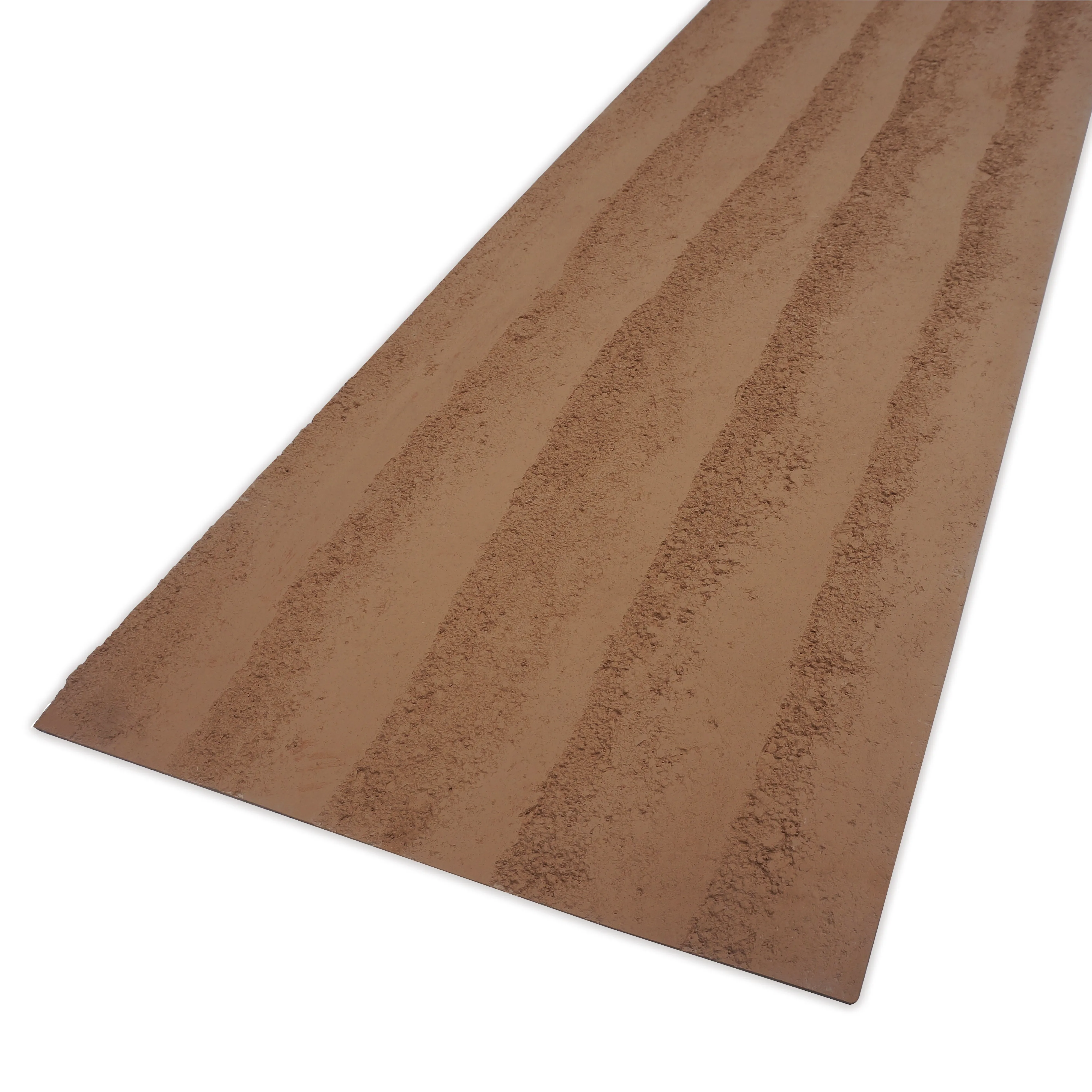
Let's be honest: even the most sustainable material in the world won't catch on if it's ugly. Fortunately, Rammed Earth Board (Khaki) is a stunner. Its beauty lies in its imperfection—in the way the color varies slightly from panel to panel, in the tiny specks of stone that catch the light, in the soft, matte finish that feels more like a living thing than a building product. It's the kind of material that makes you want to reach out and touch the wall, just to confirm that it's real.
The khaki color itself is a masterstroke. It's neutral enough to work with almost any design style—from bohemian to minimalist, industrial to coastal—but it has enough warmth to prevent spaces from feeling sterile. Pair it with light woods (like bamboo mat board, another COLORIA favorite) and soft textiles, and you get a cozy, cabin-like vibe. Mix it with sleek metals and modern furniture, and it adds an earthy counterpoint that keeps the space from feeling too cold. It's versatile, but it never fades into the background. It complements other materials instead of competing with them.
Texture is another star here. Traditional rammed earth has a rough, almost rugged texture, but COLORIA's panels are refined just enough to feel intentional. You'll see the layers of soil, the way the sand and clay settled during compaction, creating a pattern that's both random and harmonious. It's the opposite of the flat, smooth walls we're used to—walls that feel like they have a story. Imagine a restaurant where the accent wall is Rammed Earth Board (Khaki), paired with wood grain board tables and woven light fixtures. It feels organic, grounded, like the kind of place where you'd linger over a meal, not just eat and run. Or a home office where the wall behind your desk is this material—warm, calming, a subtle reminder of the natural world even when you're stuck inside on a rainy day.
And let's not forget about light. Khaki is a color that plays beautifully with different light sources. In the morning, sunlight streaming through a window will make the panels glow with a soft, golden hue. In the evening, warm-toned LED lights will bring out the earthy undertones, making the space feel intimate. Even in harsh, fluorescent lighting (we're looking at you, office buildings), it holds its own, never looking washed out or drab. It's a material that adapts to its environment, which is more than we can say for that one gray paint color that looks great in the store but terrible in your living room.
One of the best things about Rammed Earth Board (Khaki) is its versatility. It's not just for walls—though it's amazing there. It can be used indoors or outdoors, in residential or commercial projects, and it plays well with other materials. Let's break down some of the most common applications, and maybe a few unexpected ones.
Residential Spaces: If you're building or renovating a home, this material is a dream. Use it for accent walls in the living room or bedroom—imagine waking up to a wall that feels like a warm hug. It works great as a backsplash in the kitchen, too (yes, it's easy to clean—just wipe with a damp cloth). For exterior facades, it adds curb appeal that stands out without being flashy. A modern home with a Rammed Earth Board (Khaki) exterior feels rooted in the landscape, like it belongs there, instead of looking like it was dropped from a spaceship. And because it's lightweight, it's even suitable for second-story walls or overhangs—something traditional rammed earth can't always handle.
Commercial Projects: Restaurants, cafes, boutique hotels—these are spaces where ambiance is everything, and Rammed Earth Board (Khaki) delivers. A coffee shop with this material on the walls feels cozy and inviting, like a friend's living room. A boutique hotel lobby? It adds a touch of luxury without the stuffiness of marble or granite. Even offices are getting in on the action. Imagine working in a space where the conference room walls are Rammed Earth Board (Khaki) instead of generic drywall. Suddenly, meetings feel less like a chore and more like a collaborative conversation in a space that values creativity.
Outdoor Spaces: Don't sleep on using this material outside. It's tough enough to handle rain, snow, and UV rays, so it works great for patio walls, garden dividers, or even outdoor kitchens. Pair it with stone pavers and native plants, and you've got an outdoor oasis that feels like an extension of your home. We've even seen it used for pool surrounds—its non-slip texture makes it safe, and its warm color contrasts beautifully with blue water. It's like bringing the inside out, but in a way that's durable and low-maintenance.
Unexpected Uses: Here's where things get fun. Some designers are using Rammed Earth Board (Khaki) for furniture—think tabletops, shelving, or even headboards. It's lightweight enough to be mounted on walls for floating shelves, and its texture adds visual interest to otherwise plain pieces. We've also seen it used in retail spaces, where brands want to convey a sense of authenticity and sustainability. A clothing store that sells eco-friendly apparel? Walls made of this material send a message that matches the brand's values. It's not just decoration; it's storytelling.
We've talked a lot about why Rammed Earth Board (Khaki) is great, but how does it compare to other popular building materials? Let's put it head-to-head with a few common options to see where it really shines. We'll look at sustainability, aesthetics, durability, and ease of installation—because let's be real, even the best material won't get used if it's a nightmare to put up.
| Material | Sustainability (Carbon Footprint, Materials) | Aesthetic Versatility | Durability (Weather, Fire, Mold) | Ease of Installation |
|---|---|---|---|---|
| Rammed Earth Board (Khaki) (COLORIA) | Low carbon footprint; natural, locally sourced materials; recycled content; solar-powered manufacturing. | High—warm khaki color, organic texture; complements wood, metal, textiles; indoor/outdoor use. | Excellent—fire-resistant, mold-resistant, weather-resistant; 50-year warranty. | High—lightweight panels; can be cut to size; easy to mount with standard tools. |
| Fair-Faced Concrete | High carbon footprint (cement production is energy-intensive); limited recycled content. | Moderate—industrial, minimalist look; limited color options (gray, off-white). | Excellent—durable, weather-resistant; but prone to cracking if not sealed. | Low—heavy; requires specialized labor for smooth finish; difficult to transport. |
| Wood Grain Board (Traditional) | Moderate—depends on sourcing (FSC-certified is better); requires chemical treatments for outdoor use. | High—warm, natural look; various wood species/colors; but can fade outdoors. | Moderate—prone to rot, mold, and insect damage without treatments; fire risk. | Moderate—lightweight but requires careful handling to avoid warping. |
| MCM Flexible Stone (COLORIA's Other Lineup) | Very low—recycled stone content; lightweight (reduces transport emissions). | Very high—mimics marble, granite, slate; wide color/texture range. | Excellent—waterproof, fire-resistant, UV-resistant. | Very high—ultra-lightweight, flexible; can be applied to curved surfaces. |
As you can see, Rammed Earth Board (Khaki) holds its own against some tough competitors. It beats fair-faced concrete on sustainability and ease of installation, and it's more durable than traditional wood grain board without the need for harmful chemicals. And while MCM Flexible Stone (another COLORIA standout) offers more color and texture options, Rammed Earth Board (Khaki) has a warmth and organic feel that's hard to replicate with stone lookalikes. It's all about what you need for your project—but if you're after that "earthy, grounded" vibe with minimal environmental impact, this is the material to beat.
We've talked about what Rammed Earth Board (Khaki) does for homeowners and designers, but let's spare a thought for the people who actually have to build with it: architects and contractors. They're the ones who deal with the headaches of heavy materials, finicky installation, and clients who change their minds halfway through a project. So why are they falling in love with this material? Let's break it down.
First, it's lightweight . Traditional rammed earth walls can weigh tons, which means you need reinforced foundations and structural support. Rammed Earth Board (Khaki) panels weigh about as much as a sheet of drywall, so they don't require special foundations. That saves time, money, and the hassle of over-engineering a project. A contractor we spoke to (let's call him Mike, who's been in the business for 25 years) put it this way: "I used to avoid rammed earth because it was a logistical nightmare. Now? With COLORIA's panels, we can install a whole accent wall in a day. No heavy machinery, no messy compaction on-site. It's a game-changer."
Then there's the flexibility—both literally and figuratively. The panels are thin enough to be cut with standard tools (a circular saw works fine), so they can be customized to fit any space. Need a curved wall? No problem—bend the panels slightly (they have a bit of give) or cut them into smaller pieces to create the illusion of curvature. Working with a tricky corner? Just trim the panel to size. It's the kind of material that adapts to the project, not the other way around. And for architects, that means more creative freedom. You don't have to design around the limitations of the material; you can design with it.
Let's not forget about cost. Sustainable materials are often priced at a premium, which can make clients hesitant. Rammed Earth Board (Khaki) isn't the cheapest option on the market, but it's competitive—especially when you factor in installation costs (faster installation = lower labor bills) and long-term durability (no need to replace it in 10 years). Plus, clients are increasingly willing to pay a little more for materials that align with their values. As one architect told us, "I used to have to justify sustainable materials to clients. Now, they're asking for them. And when I show them Rammed Earth Board (Khaki)—how beautiful it is, how easy it is to work with—they don't bat an eye at the price. It sells itself."
Talk is cheap—let's look at some real projects that have used COLORIA's Rammed Earth Board (Khaki) to stunning effect. These aren't just concept designs; they're spaces that people live, work, and play in every day.
The Desert Rose Boutique Hotel (Arizona, USA): This 20-room hotel in the Sonoran Desert wanted to blend in with its surroundings, not stick out like a sore thumb. The architects chose Rammed Earth Board (Khaki) for the exterior facade, and the result is breathtaking. From a distance, the hotel looks like it's made of the same earth that surrounds it—warm, golden, and perfectly at home in the desert landscape. Inside, they used the panels for accent walls in the lobby and guest rooms, pairing them with bamboo mat board furniture and woven textiles for a bohemian-meets-desert vibe. Guests rave about how "calming" the space feels, and the hotel has even won awards for its sustainable design. As the hotel manager put it, "We wanted guests to feel like they were staying in a luxury tent, not a generic hotel. The rammed earth panels made that possible."
Greenwood Community Center (Portland, Oregon): When the city of Portland decided to build a new community center, they had two goals: sustainability and accessibility. They chose Rammed Earth Board (Khaki) for the interior walls of the main hall, which hosts everything from yoga classes to town hall meetings. The material's natural acoustic properties (it absorbs sound, reducing echo) make it perfect for a space where people gather to talk. Plus, its warm color and texture make the large, open room feel cozy, not cavernous. "Parents love it because the kids can run around and the noise doesn't bounce everywhere," says the center's director. "And we love that it's a material we can feel good about—no weird chemicals, just earth. It's a win-win."
The Carter Residence (Santa Cruz, California): This beachfront home needed to be durable enough to withstand salt air and wind, but the owners didn't want a cold, concrete bunker. They chose Rammed Earth Board (Khaki) for the exterior walls and indoor accent walls. The result? A home that's tough enough to handle coastal weather but feels warm and inviting inside. "We were worried about maintenance—living by the ocean, everything rusts or rots," says homeowner Sarah Carter. "But these panels? We've had them for three years, and they look brand new. No peeling, no fading, just that same warm khaki color. And when friends come over, the first thing they say is, 'Wow, your walls are amazing.' It's the best decision we made for the house."
Rammed Earth Board (Khaki) is just the beginning. As COLORIA continues to innovate, we can expect to see even more exciting developments in sustainable building materials. They're already experimenting with new color variants—think soft terracotta, warm gray, and even a subtle green that mimics moss-covered stone. And they're exploring ways to integrate technology into their panels, like adding thin layers of insulation or even solar-reflective coatings to improve energy efficiency. Imagine a wall that not only looks beautiful but also helps keep your home cool in the summer and warm in the winter. That's the future COLORIA is building toward.
But it's not just about new products—it's about changing the conversation around building materials. COLORIA is on a mission to make sustainability the default, not the exception. They're working with schools to teach future architects about eco-friendly materials, and they're partnering with governments to create incentives for builders who choose sustainable options. It's a holistic approach that goes beyond selling panels; it's about building a movement.
And for homeowners and designers? The future looks bright. As more people demand sustainable materials, prices will become more competitive, and options will expand. We'll see more materials that blend ancient wisdom with modern tech, just like Rammed Earth Board (Khaki). Materials that are as kind to the planet as they are to the people who live with them.
At the end of the day, building materials are about more than just function—they're about how we want to live. Do we want spaces that feel cold and disconnected, or warm and rooted? Do we want to leave a legacy of harm, or one of healing? Rammed Earth Board (Khaki) isn't just a material; it's a choice. A choice to prioritize sustainability without sacrificing beauty, durability without sacrificing ease, and tradition without sacrificing innovation.
If you're building or renovating, and you want a material that tells a story—of ancient building techniques, of modern ingenuity, of respect for the planet—then yes, this is the material for you. It's not perfect (no material is), but it's pretty close. It's warm, it's tough, it's sustainable, and it's stunning. And in a world that often feels chaotic and disconnected, isn't that what we all want? A space that feels like home—for us, and for the planet we call home.
So here's to the future of building: one khaki panel at a time.
Recommend Products












