
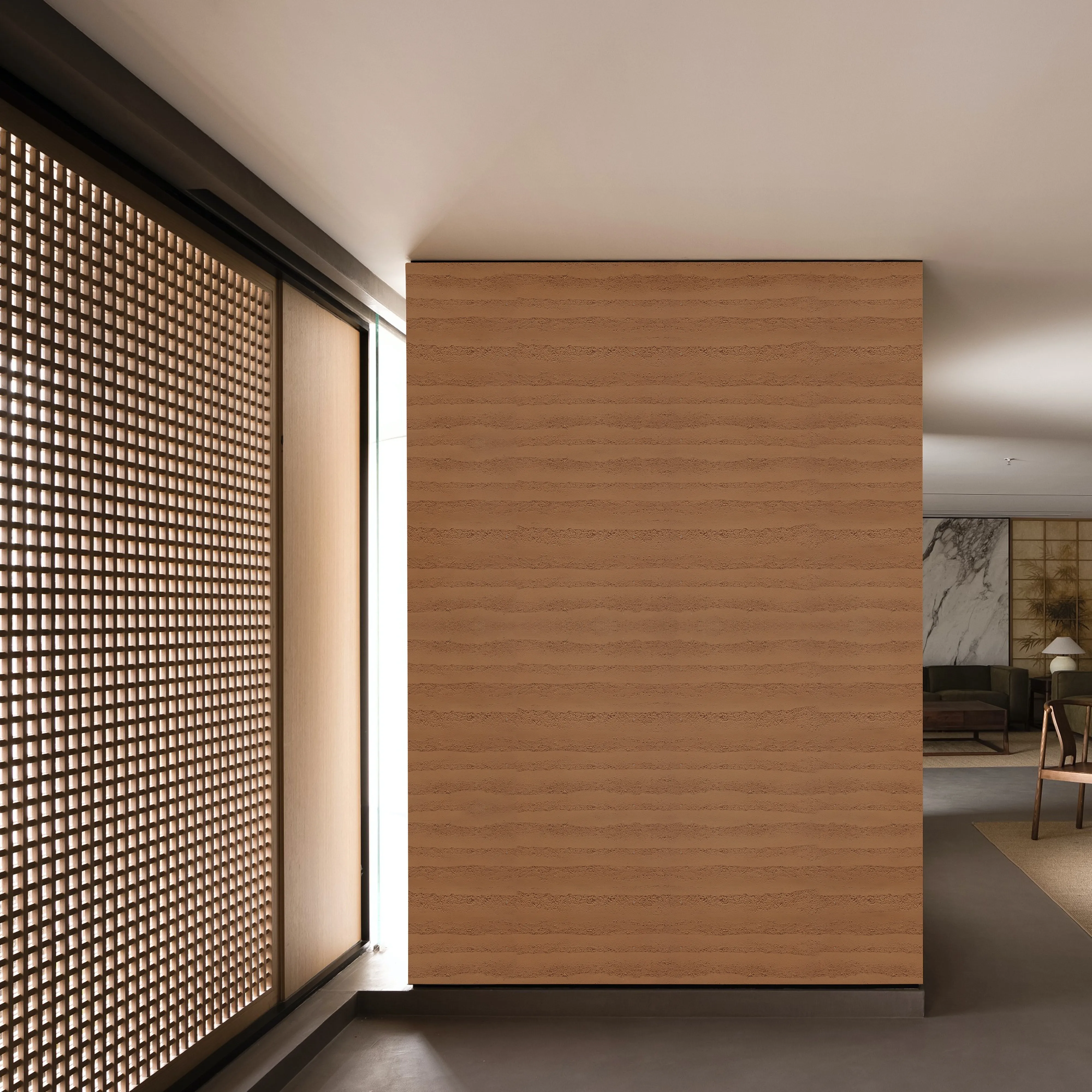
When we talk about building for the future, durability isn't just a buzzword—it's the foundation of legacy. A structure that stands the test of time doesn't just save money on repairs; it becomes a silent storyteller, carrying the weight of years, weather, and memories without faltering. In a world where quick fixes and temporary trends dominate construction, there's a growing hunger for materials that blend strength, sustainability, and soul. Enter rammed earth board (khaki) —a material that feels both ancient and cutting-edge, and whose durability has made it a darling of architects and builders aiming for projects that outlive generations.
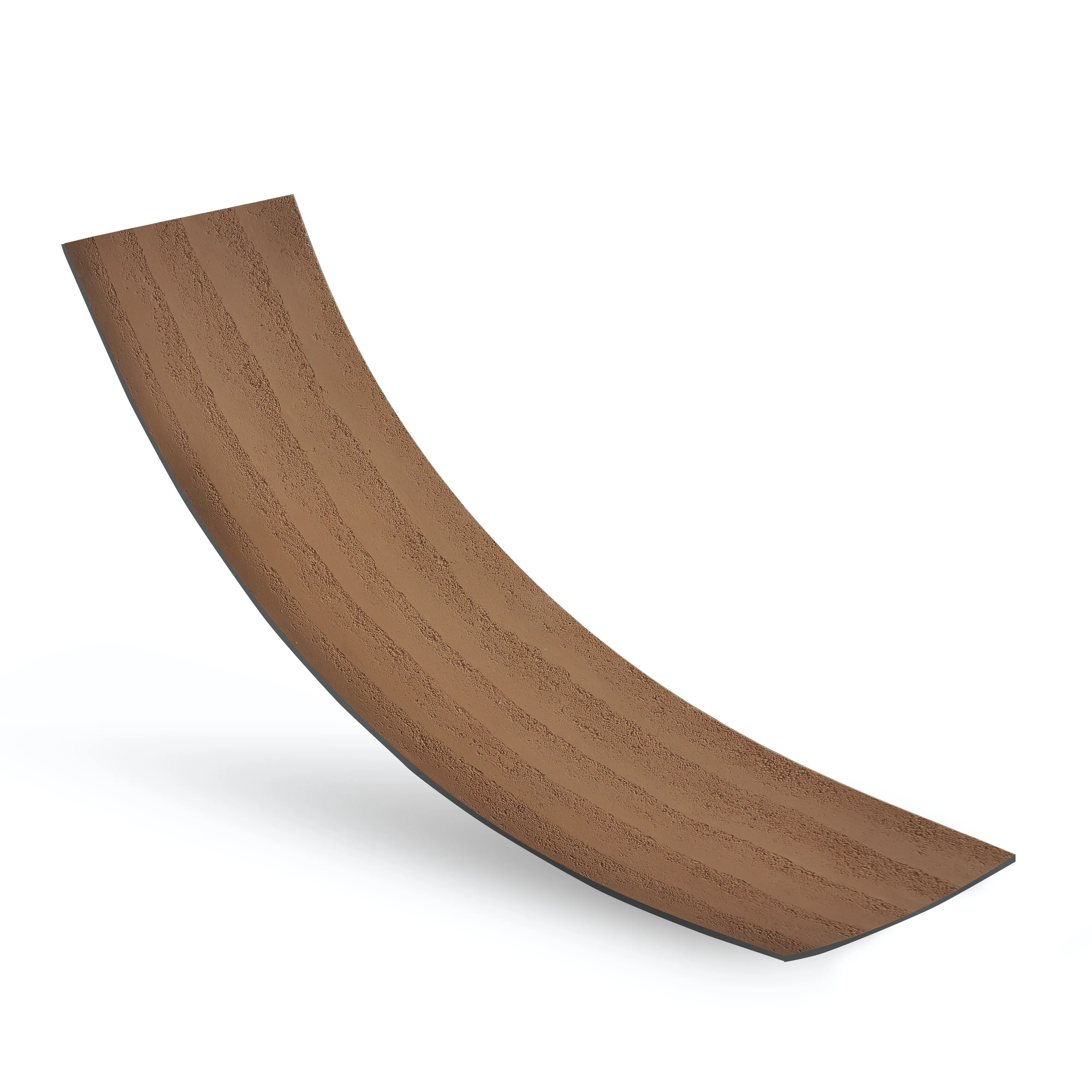
Before diving into its durability, let's get to know this material. Rammed earth itself is hardly new—civilizations from the Great Wall of China to the cliff dwellings of the American Southwest have relied on its strength for millennia. But rammed earth board (khaki) is a modern evolution, blending traditional techniques with contemporary engineering to create panels that are lighter, more versatile, and stunningly consistent in their earthy, warm khaki hue.
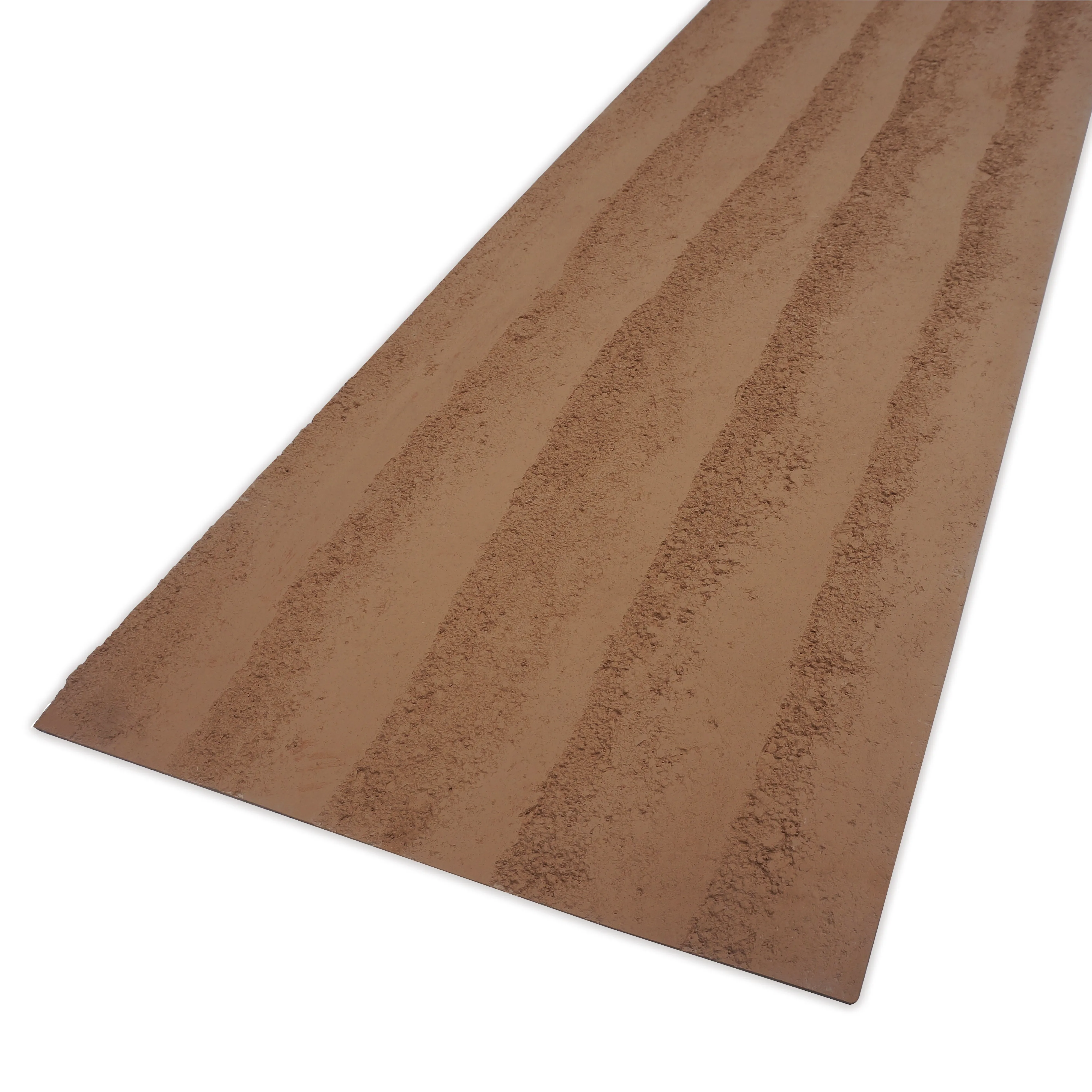
Imagine pressing layers of moistened soil, sand, and a dash of stabilizer (like lime or cement) into a mold, then compacting them with extreme pressure—think of it as "squeezing" the earth into a solid, rock-like slab. The result? A board that's dense, rigid, and naturally resistant to the elements. The khaki color, a soft blend of beiges and warm grays, comes from the specific mineral composition of the soil used—often sourced from regions with high clay content, which gives it that unique, sun-baked tone that ages like fine leather.
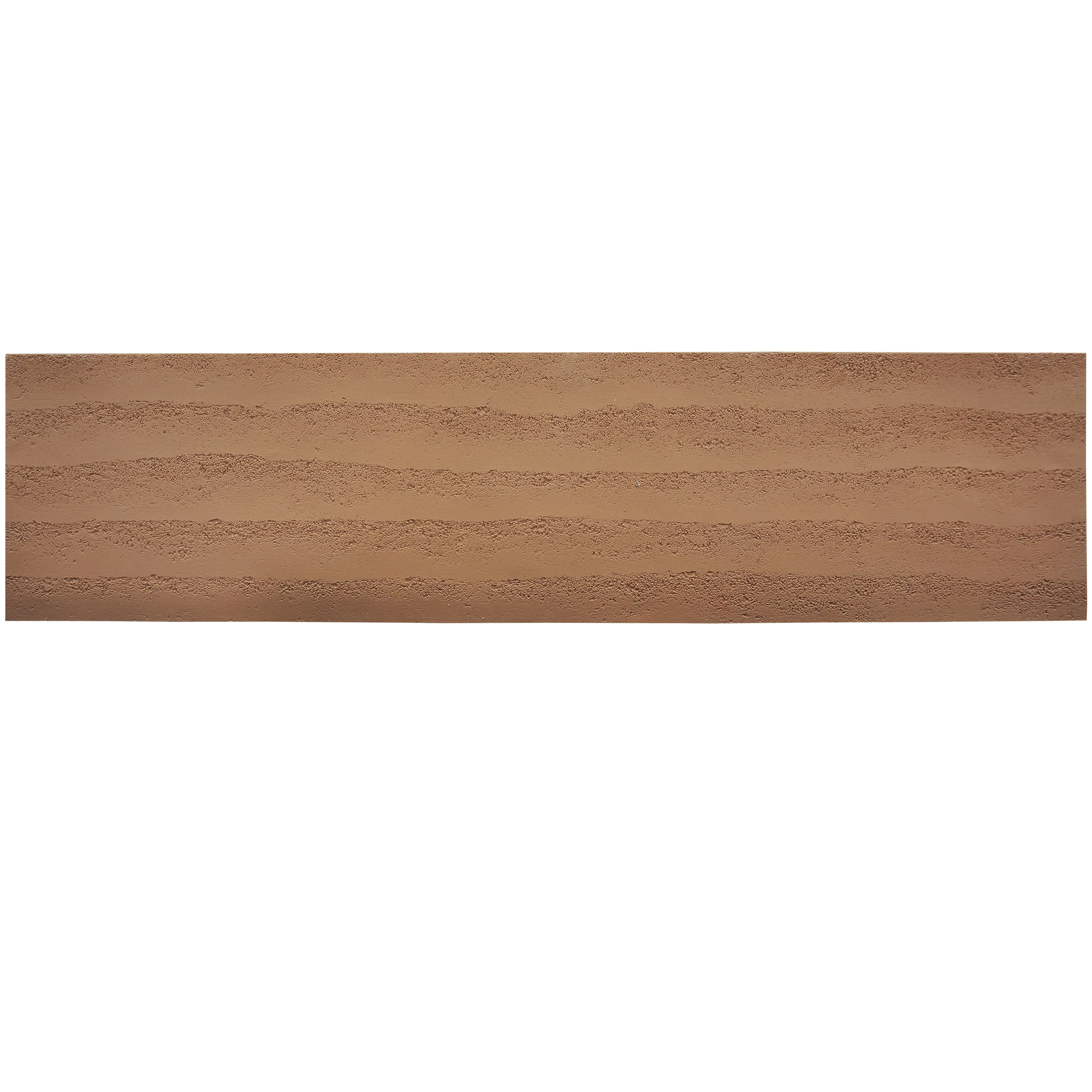
Durability isn't accidental—it's engineered into every fiber of rammed earth board (khaki) . Let's break down the key factors that make it a champion for long-term building:
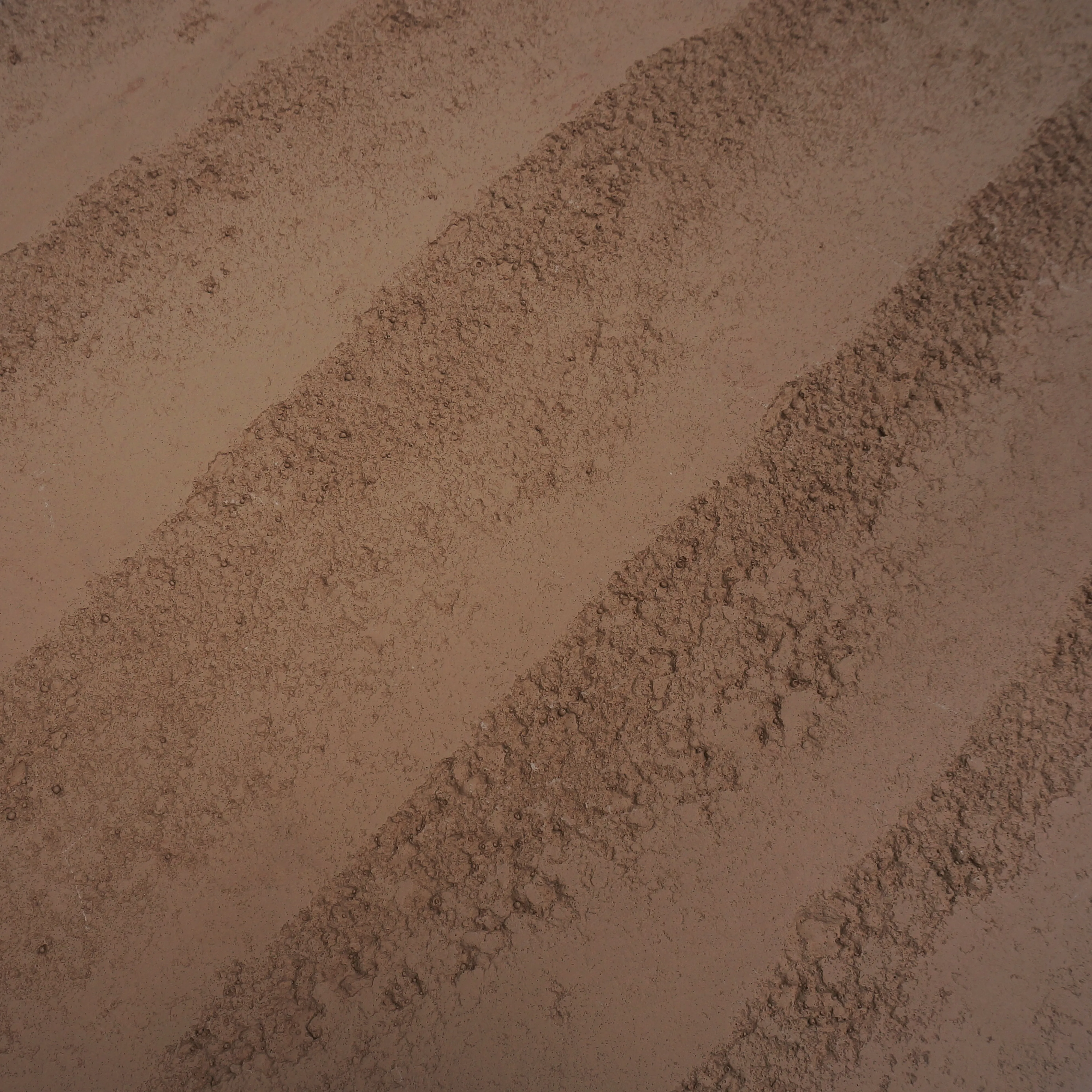
During manufacturing, the soil mixture is compressed at pressures upwards of 1,500 psi (pounds per square inch)—that's roughly 10 times the pressure of a car tire. This extreme compression squeezes out air pockets, creating a material so dense that water, pests, and even fire struggle to penetrate. Think of it as building with solidified earth; where other materials might crack or warp, rammed earth holds tight, its particles locked together like a geological formation.
One of the biggest threats to any building material is moisture. But rammed earth board (khaki) has a secret weapon: its low porosity. Thanks to that high compression, water absorption is minimal—usually less than 5%—meaning it won't swell, rot, or develop mold. In rainy climates, this translates to walls that stay dry and sturdy for decades. And when the sun beats down? The earthy composition acts as a natural insulator, reflecting heat rather than absorbing it, which reduces thermal stress and prevents cracking over time.
Termites, ants, and other wood-loving pests? They'll turn up their noses at rammed earth—there's no organic material here to feast on. And when it comes to fire, this material is a rock star. It's inherently fire-resistant, with a fire rating of up to 4 hours (that's longer than many types of concrete). In wildfire-prone areas, this isn't just a bonus—it's a lifesaver for both the structure and its occupants.
The khaki color isn't just for show—it's a result of stable minerals like iron oxide and calcium carbonate, which don't fade or react to environmental chemicals. Unlike painted surfaces that chip or synthetic materials that degrade under UV light, rammed earth's color deepens slightly over time, developing a rich patina that adds character. It's the kind of material that looks better with age, not worse.
To truly appreciate rammed earth board (khaki) , let's compare it to two popular building materials: fair-faced concrete (a sleek, minimalist choice) and bamboo mat board (a sustainable, natural alternative). The results might surprise you.
| Feature | Rammed Earth Board (Khaki) | Fair-Faced Concrete | Bamboo Mat Board |
|---|---|---|---|
| Expected Lifespan | 80–100+ years | 50–70 years (prone to cracking) | 20–30 years (vulnerable to moisture) |
| Water Resistance | Low porosity (5% absorption) | Moderate (10–15% absorption, may spall) | High (prone to warping if wet) |
| Fire Resistance | 4-hour rating (non-combustible) | 2–3-hour rating | Low (combustible, requires treatment) |
| Maintenance Needs | Minimal (occasional sealing every 10–15 years) | Moderate (crack repair, sealing) | High (insect treatment, replacement of warped boards) |
| Environmental Impact | Low (local materials, low carbon footprint) | High (cement production emits CO2) | Moderate (sustainable but requires processing) |
The numbers speak for themselves. While fair-faced concrete is durable, it often develops hairline cracks over time that can lead to water damage. Bamboo mat board is eco-friendly but lacks the structural resilience for long-term use. Rammed earth board (khaki), on the other hand, balances longevity, low maintenance, and sustainability—making it a standout choice for projects meant to endure.
In today's world, durability can't exist in a vacuum—it has to align with sustainability. Green building materials are no longer a trend; they're a necessity. Rammed earth board (khaki) checks this box with flying colors, and here's why:
Rammed earth isn't a new idea—it's been around for centuries. Think of the Great Wall of China, parts of which were built with rammed earth over 2,000 years ago and still stand today. Or the adobe pueblos of the American Southwest, where indigenous communities used rammed earth to create structures that have sheltered families for generations. These are the historical pathfinders stone —materials and techniques that proved earth could be a building block of civilization.
Modern rammed earth board (khaki) honors this legacy while adding 21st-century engineering. Today's manufacturers use precise soil testing, hydraulic presses, and quality control to ensure consistency—something ancient builders could only dream of. The result is a material that's as reliable as its historical predecessors but far more adaptable to modern design needs, from sleek urban apartments to rustic countryside homes.
Durability isn't just a specification on paper—it's proven in the real world. Let's look at a few projects where rammed earth board (khaki) has left its mark:
In the scorching heat of the Arizona desert, a family built their home using rammed earth board (khaki) in 1998. Over 25 years later, the walls are still straight, the color has mellowed into a rich, sun-kissed khaki, and the home requires minimal air conditioning—thanks to the material's thermal mass. "We've had monsoons, dust storms, and 120-degree summers," says the homeowner. "This house has never let us down. It's like living in a fortress, but a beautiful one."
In 2015, a cultural center in Marrakech chose rammed earth board (khaki) for its exterior walls, citing both durability and a desire to blend with the city's historic architecture. The center hosts thousands of visitors yearly, and the walls show no signs of wear—no cracks, no fading, just a warm, inviting texture that feels both modern and rooted in tradition. "We wanted a material that would tell a story," says the architect. "Rammed earth does that. It's not just a wall; it's a piece of the earth itself."
Coastal environments are brutal on buildings—saltwater, high winds, and humidity can destroy materials in years. But a home built with rammed earth board (khaki) in Western Australia in 2005 has defied the odds. "We were told wood would rot, concrete would spall, but rammed earth? It's been bulletproof," says the owner. "Even after cyclones, the walls are intact. It's the best decision we ever made."
One of the best things about rammed earth board (khaki) is how little it asks in return. Unlike high-maintenance materials that demand constant attention, rammed earth thrives on neglect—almost. Here's how to keep it looking and performing its best for decades:
Despite its proven track record, rammed earth still faces some misconceptions. Let's set the record straight:
False. Thanks to high compression and stabilizers, rammed earth has a compressive strength of 3,000–5,000 psi—stronger than many types of concrete block. It's not going to crumble under normal use.
Not anymore. Modern manufacturing allows for smooth finishes, precise dimensions, and even custom colors (though khaki remains a favorite for its versatility). It works just as well in a sleek, contemporary apartment as it does in a countryside cottage.
While traditional rammed earth walls are thick and heavy, modern rammed earth boards are lightweight (around 50–60 lbs per square foot) and can be used for floors, ceilings, and even upper-level walls when properly supported by a strong frame.
When you choose a building material, you're not just choosing walls—you're choosing a legacy. Will your structure be a fleeting trend, or will it stand as a testament to thoughtful, forward-thinking design? Rammed earth board (khaki) isn't just durable; it's a bridge between the past and the future—drawing on the wisdom of historical pathfinders stone while embracing the sustainability demands of today. It's a material that doesn't just last; it lives, breathing with the earth and aging into something even more beautiful over time.
For builders, architects, and homeowners who want to invest in a future where durability and sustainability go hand in hand, rammed earth board (khaki) isn't just an option—it's the gold standard. It's proof that the best building materials aren't found in a lab; they're found beneath our feet, waiting to be shaped into something timeless.
So, the next time you walk past a building and wonder, "Will this still be here in 100 years?" Imagine it built with rammed earth board (khaki). Chances are, the answer will be a resounding yes.
Recommend Products












