
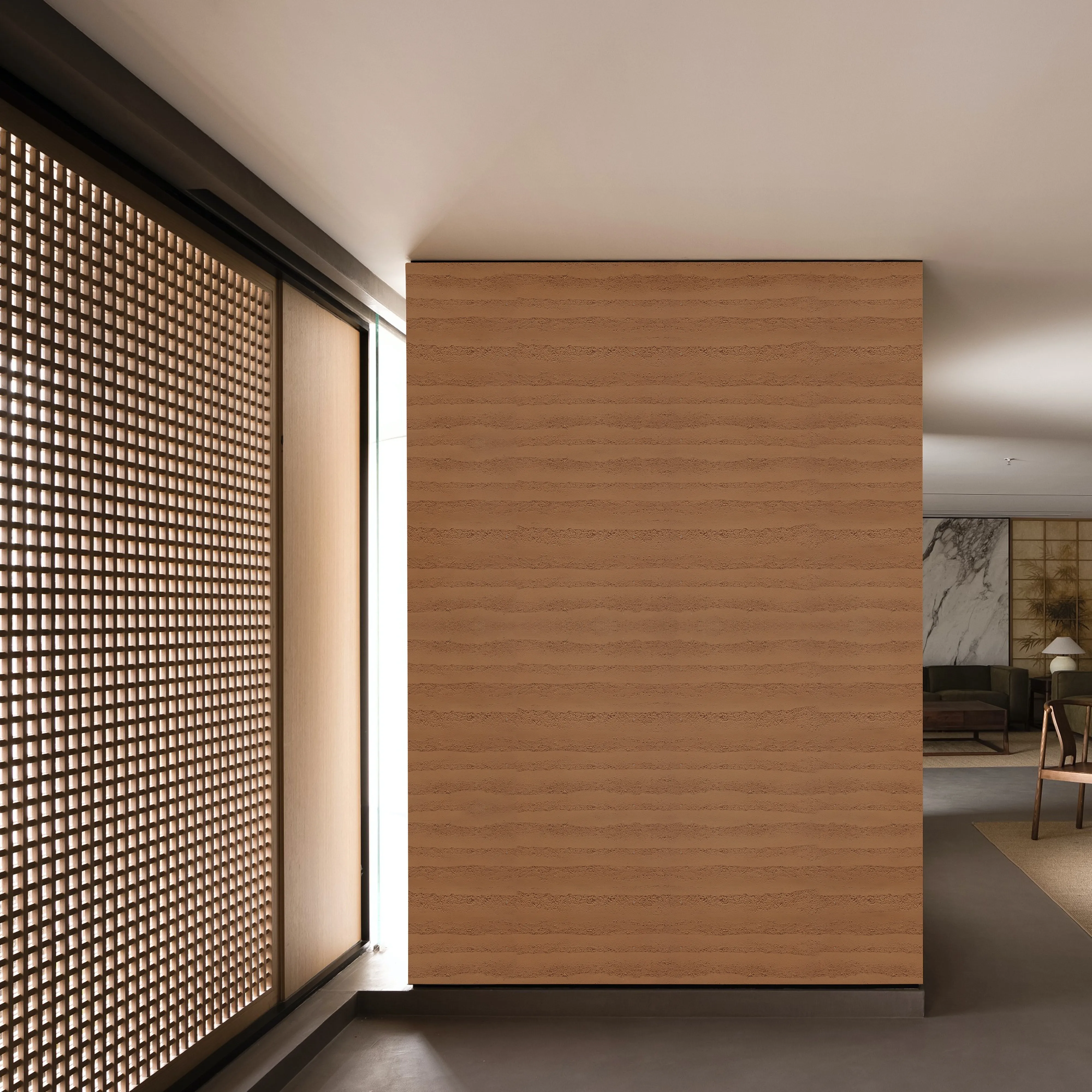
In a world where the race to combat climate change is more urgent than ever, the buildings we live and work in play a surprisingly pivotal role. Think about it: the construction industry accounts for nearly 40% of global carbon emissions, from the steel in our skyscrapers to the concrete in our foundations. But what if the materials we use to build could be part of the solution, not just the problem? Enter rammed earth board (khaki) —a humble yet revolutionary material that's quietly reshaping how we think about sustainable architecture. Blending ancient building wisdom with cutting-edge technology, this earthy-hued cladding isn't just a pretty face; it's a carbon-conscious choice that brings us closer to the net-zero buildings of the future. Let's dive into why this material deserves a spot in the spotlight.
First things first: Let's clear up any confusion. Traditional rammed earth—think the thick, textured walls of ancient forts or rural homes—has been around for millennia. It's made by compacting layers of soil, gravel, and sometimes lime into forms, creating dense, durable structures. But rammed earth board (khaki) isn't your grandma's building material. Thanks to advancements in MCM (Modified Composite Material) technology—yes, the same innovation behind MCM flexible stone —modern rammed earth boards are lighter, more flexible, and infinitely more versatile than their ancestors.
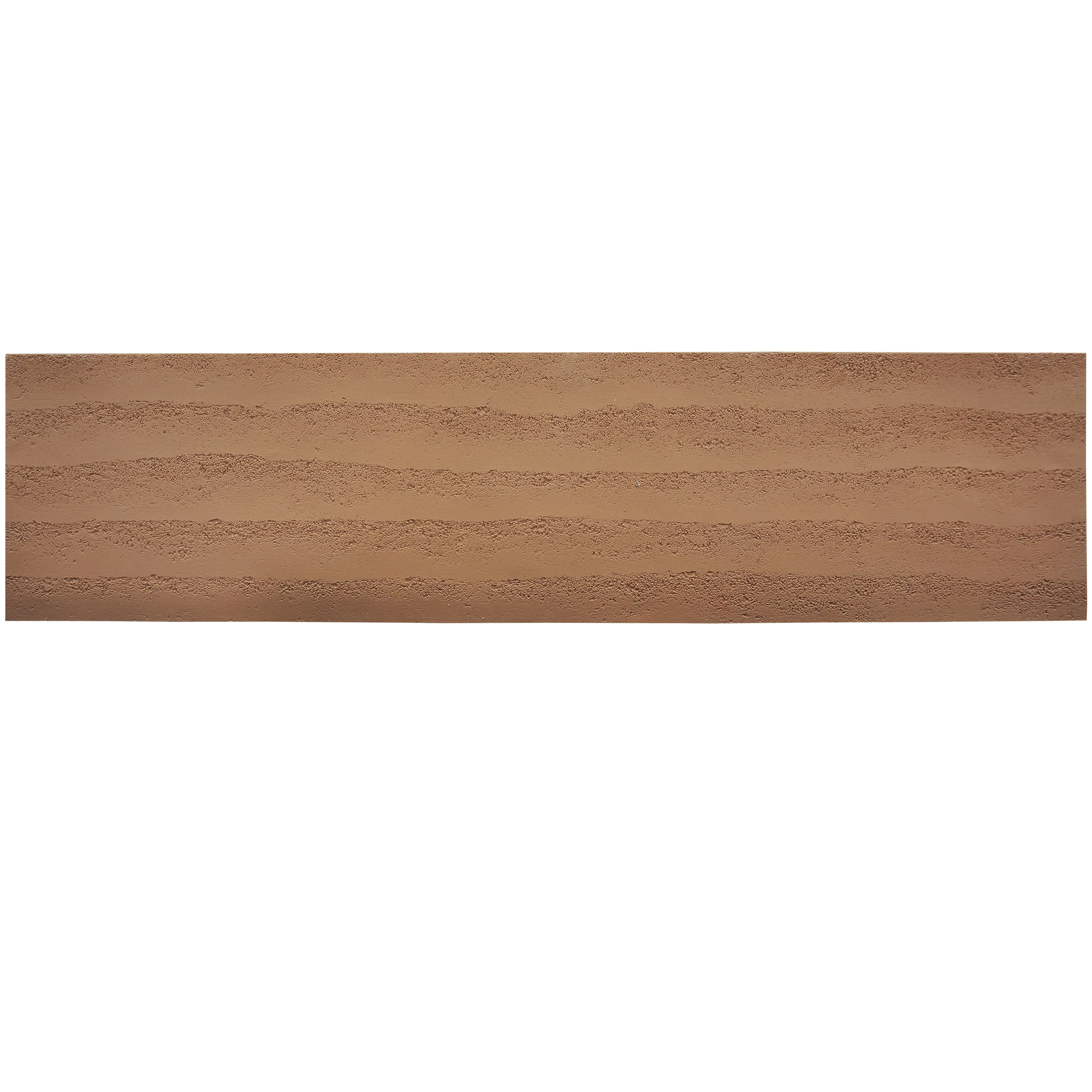
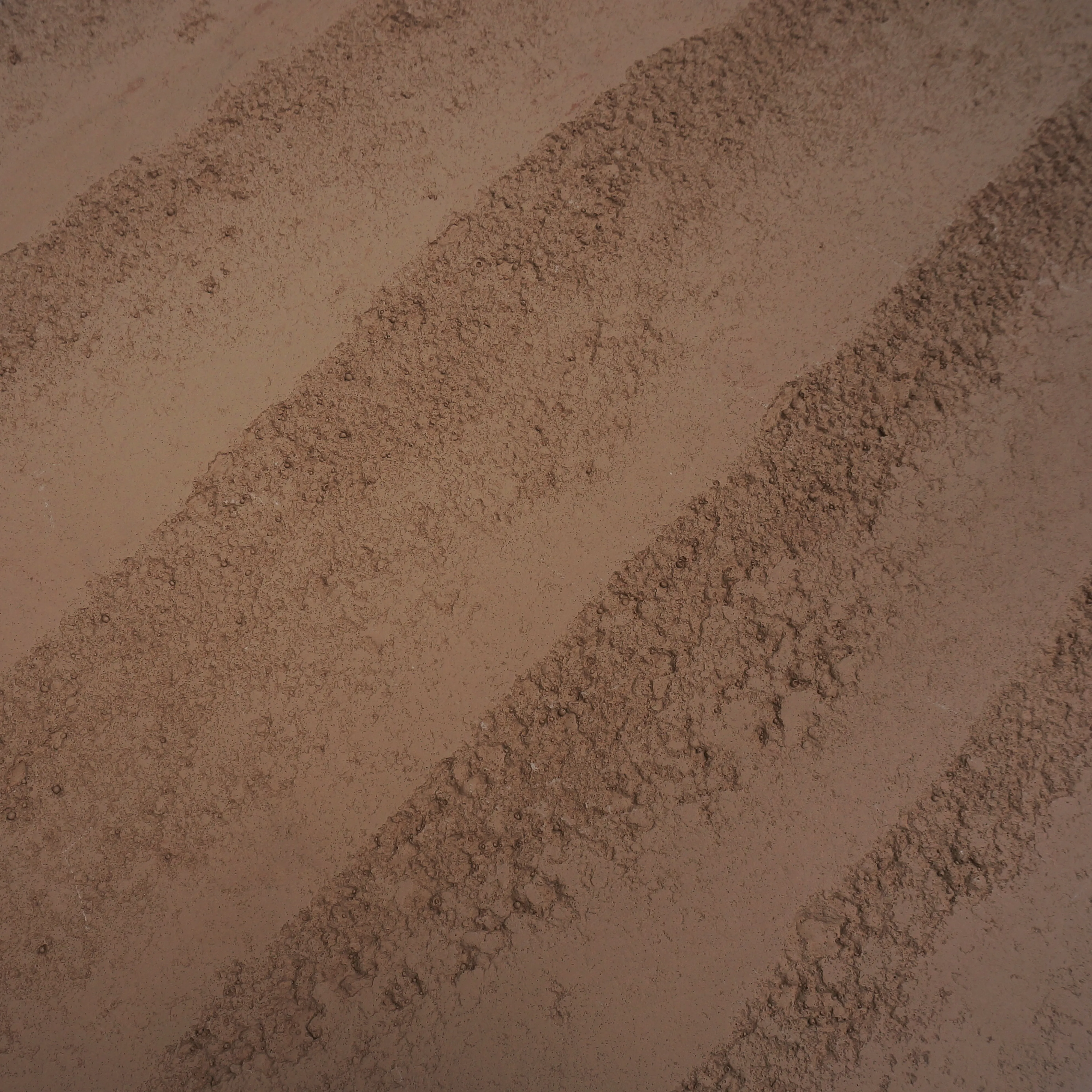
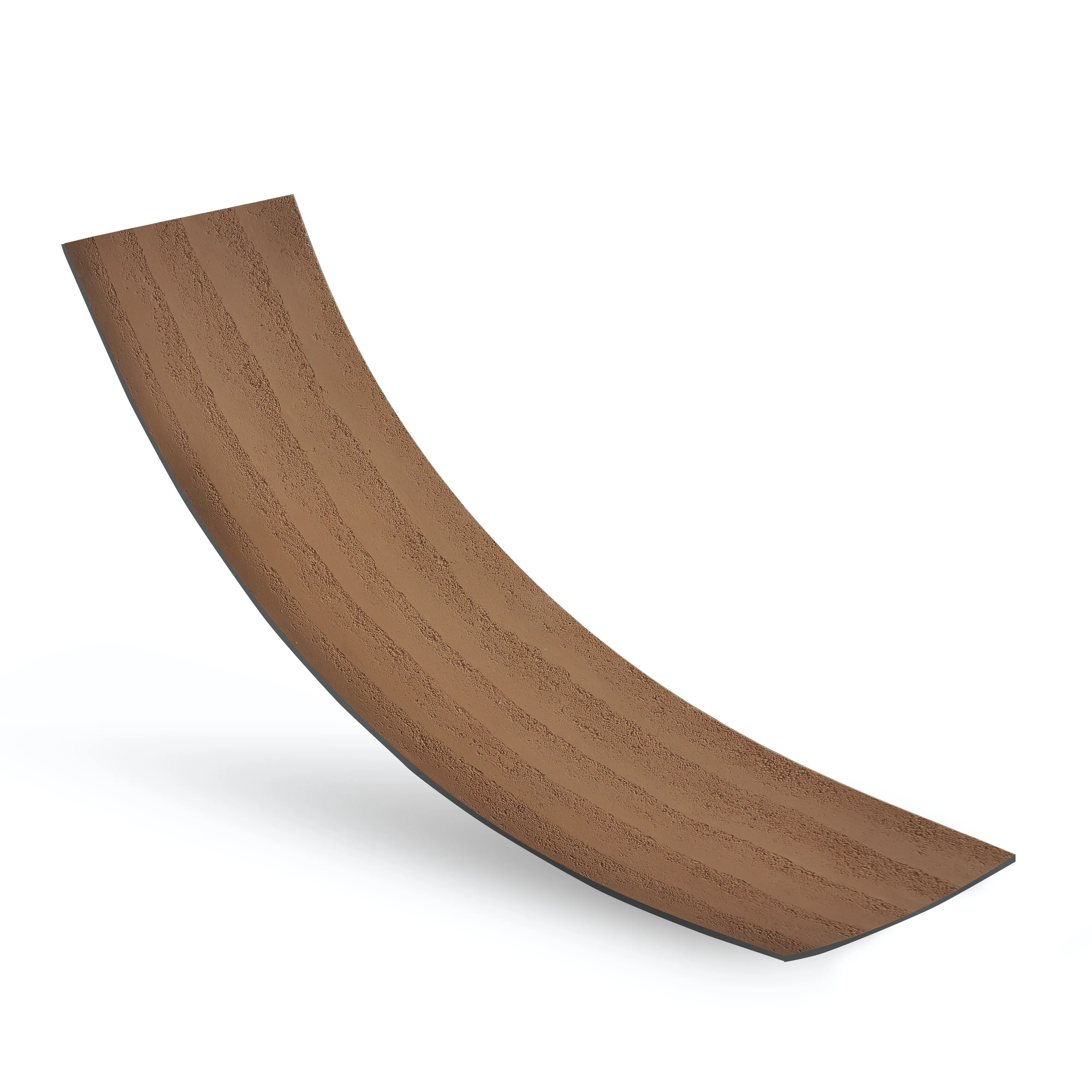
So, what makes the "khaki" variant special? Picture a warm, sun-baked hue that sits somewhere between sand and soft olive—earthy enough to blend with natural landscapes, yet sophisticated enough to complement modern design. It's the kind of color that feels both timeless and contemporary, like bringing a piece of the desert's quiet grandeur into your living room or office lobby. But beyond its aesthetic appeal, the real magic lies in how it's made and what it brings to the table (or, more accurately, the wall).
Let's talk numbers—because when it comes to net-zero goals, data matters. The embodied carbon of a material (the total CO2 emitted during its production, transport, and installation) is a make-or-break factor for eco-conscious builders. Traditional materials like fair-faced concrete can clock in at around 250–300 kg of CO2 per square meter. That's a lot, especially when you multiply it by the size of a typical building facade.
Rammed earth board (khaki), on the other hand? Its embodied carbon is often as low as 50–80 kg CO2 per square meter. How? For starters, it relies heavily on locally sourced materials—think regional soil, recycled aggregates, and minimal binders. No need to ship heavy materials across continents; if you're building in Arizona, chances are the soil for your rammed earth boards comes from just down the road. This cuts down on transportation emissions big time.
Then there's the manufacturing process. Unlike concrete, which requires high-temperature kilns to produce cement (a major CO2 culprit), rammed earth boards are pressed and cured at low temperatures, using far less energy. Some manufacturers even use renewable energy in production, bringing the carbon footprint down further. And here's a bonus: many boards incorporate recycled content, like post-industrial glass or reclaimed stone dust, keeping waste out of landfills.
But the sustainability story doesn't end at production. Rammed earth has natural thermal mass properties, meaning it absorbs heat during the day and releases it slowly at night. This helps regulate indoor temperatures, reducing the need for air conditioning in summer and heating in winter. Imagine a home where you rely less on your HVAC system and more on the material itself to keep you comfortable—that's fewer emissions from energy use, bringing the building one step closer to net-zero.
Okay, so it's green—but is it practical? Let's be real: Architects and builders need materials that don't just sound good on paper; they need materials that work. And here's where rammed earth board (khaki) really shines, thanks to that MCM technology we mentioned earlier.
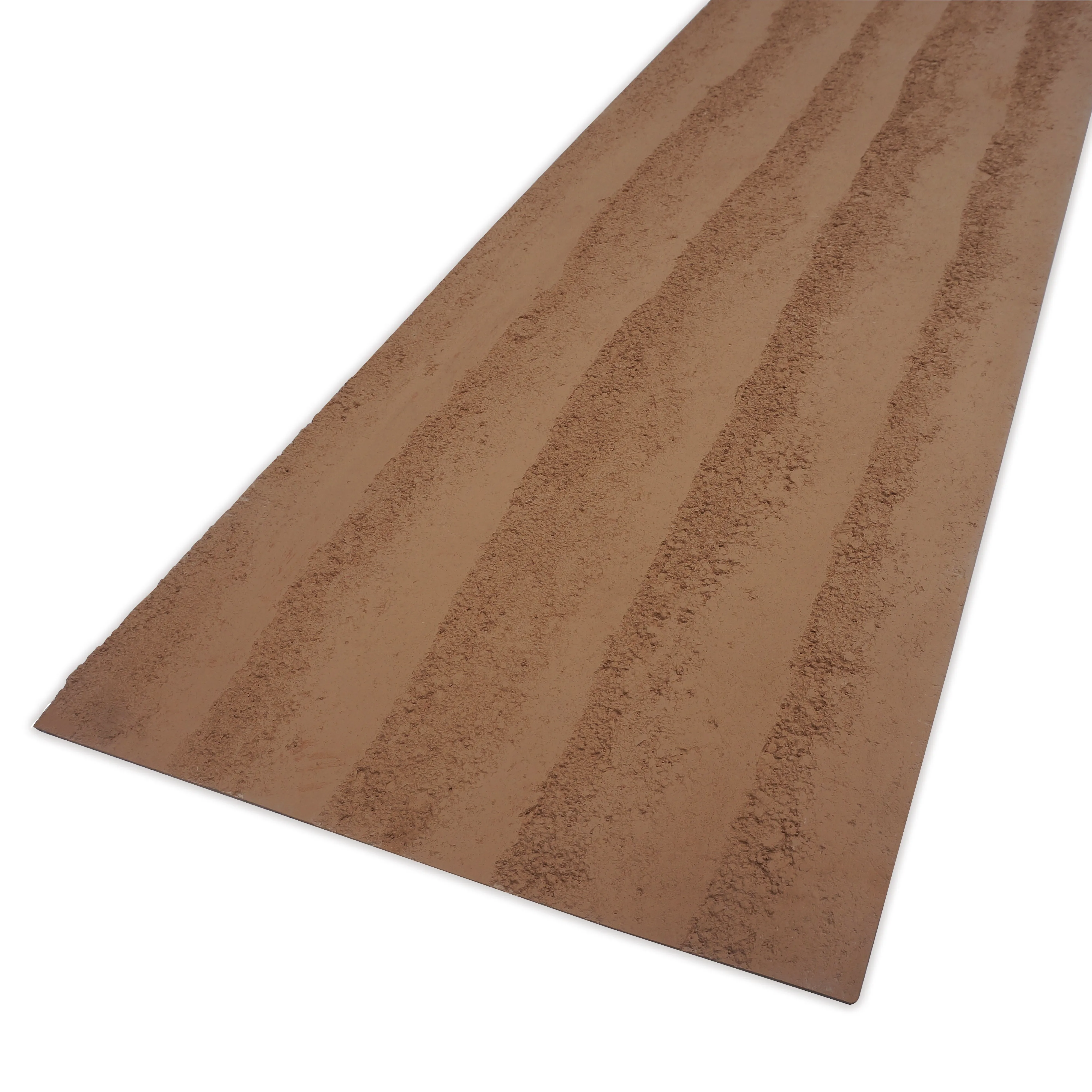
Traditional rammed earth is heavy—like, "needs extra structural support" heavy. But MCM-based boards? They're thin (often just 4–6mm thick) and lightweight, making them easy to install on existing structures without beefing up the foundation. This is a game-changer for retrofits, where adding heavy cladding to an old building could be cost-prohibitive or even unsafe. And because they're flexible, they can bend slightly without cracking—perfect for areas with minor structural movement or seismic activity.
Durability? Check. These boards are resistant to moisture, fire, and even pests (termites aren't exactly chomping at the bit for a snack of compacted earth). Unlike wood, they won't rot; unlike some stones, they won't fade drastically in the sun. And maintenance? Minimal. A quick hose-down now and then to remove dust, and that's it. No repainting, no sealing, no constant upkeep.
Let's not forget about design versatility. The khaki color is a neutral chameleon—it pairs beautifully with warm woods, cool metals, and even bold accent colors. Want a rustic cabin vibe? Use it for interior walls. Going for a sleek, minimalist office? Install it as exterior cladding with clean, horizontal lines. And because MCM technology allows for consistent texture and color (unlike natural stone, which can vary wildly), you get that "crafted" look without the hassle of matching uneven slabs.
Curious how rammed earth board (khaki) compares to other eco-friendly options? Let's put it head-to-head with a few popular choices in a quick breakdown. (Spoiler: It holds its own.)
| Material | Embodied Carbon (kg CO2/m²) | Recyclability | Flexibility | Aesthetic Range |
|---|---|---|---|---|
| Rammed Earth Board (Khaki) | 50–80 | High (recyclable into new boards or soil amendment) | High (bends without cracking) | Warm, earthy tones; natural texture |
| Fair-Faced Concrete | 250–300 | Low (recyclable but energy-intensive to process) | Low (brittle, prone to cracking) | Industrial, minimalist; limited color options |
| MCM Flexible Stone | 60–90 | High | Very High | Wide (mimics marble, granite, etc.) |
| Lunar Peak Silvery | 80–110 | Medium | Medium | Metallic, modern; silvery sheen |
As you can see, rammed earth board (khaki) beats fair-faced concrete hands down in terms of carbon footprint, and it's right up there with MCM flexible stone in sustainability. What sets it apart, though, is that earthy aesthetic—something that's hard to replicate with metallic options like lunar peak silvery or even some flexible stones. It's a material that feels organic, like it belongs in the landscape, which is a big plus for projects aiming for biophilic design (that's the trend of connecting buildings to nature, by the way).
So, where does rammed earth board (khaki) fit in? The short answer: Just about anywhere. Let's look at a few real-world scenarios:
Residential: Imagine a suburban home with a facade clad in khaki rammed earth boards. The warm color complements the surrounding trees and gardens, while the thermal mass helps keep the interior cool in summer. Inside, it's used as an accent wall in the living room, adding texture and warmth without overwhelming the space. Bonus: Because it's non-toxic (no volatile organic compounds, or VOCs), it improves indoor air quality—great for families with allergies.
Commercial: A coffee shop in the city wants to stand out from the glass-and-steel buildings next door. They install khaki rammed earth boards on the exterior, creating a cozy, inviting vibe that draws customers in. Inside, the boards line the counter backdrop, pairing with wood shelves and potted plants for a rustic-modern look. And because the material is fire-resistant, it meets safety codes without sacrificing style.
Public Spaces: A community center in a park needs a facade that blends with the natural surroundings. Khaki rammed earth boards are the perfect choice—they weather gracefully over time, developing a patina that makes the building feel like it's been there for years. The lightweight nature means the center can have large windows for natural light, without the boards adding extra weight to the structure.
Even industrial spaces are getting in on the action. Warehouses or factories looking to improve their sustainability credentials can use the boards as cladding, reducing their carbon footprint while adding a touch of warmth to an otherwise utilitarian space. The possibilities are endless, really.
So, what's next for rammed earth board (khaki) ? As the demand for net-zero buildings grows—driven by stricter regulations, consumer demand, and a global push for sustainability—materials like this will only become more important. We're already seeing architects and developers prioritize low-carbon cladding, and rammed earth boards are poised to be at the forefront of that movement.
Manufacturers are also innovating. Expect to see more color variations in the future—maybe deeper terracottas or cooler grays—to cater to different design tastes. And as MCM technology improves, we might see even thinner, more durable boards, or boards with integrated insulation for even better energy efficiency.
But perhaps the most exciting part is that this material isn't just for "green" buildings anymore. It's for anyone who wants a beautiful, practical, and responsible choice. It's for the homeowner who cares about the planet but also wants their house to look good. It's for the architect who wants to push boundaries without compromising on sustainability. It's for the community that wants a building that serves them today and doesn't shortchange tomorrow.
At the end of the day, rammed earth board (khaki) is more than a building material. It's a symbol of how we can honor the past while building the future. It takes an ancient technique, supercharges it with modern tech, and delivers a product that's good for the planet, good for builders, and good for the people who live and work in the spaces it creates.
Net-zero buildings aren't a pipe dream—they're a necessity. And materials like this are the building blocks (pun intended) of that reality. So the next time you walk past a construction site, take a second to think about what's going up on those walls. Is it adding to the problem, or is it part of the solution? With rammed earth board (khaki) , the answer is clear: It's helping us build a world where buildings don't just exist—they contribute, they sustain, and they inspire.
Here's to a future where our buildings are as kind to the planet as they are to the people inside them. And here's to rammed earth board (khaki) —for leading the way.
Recommend Products












