
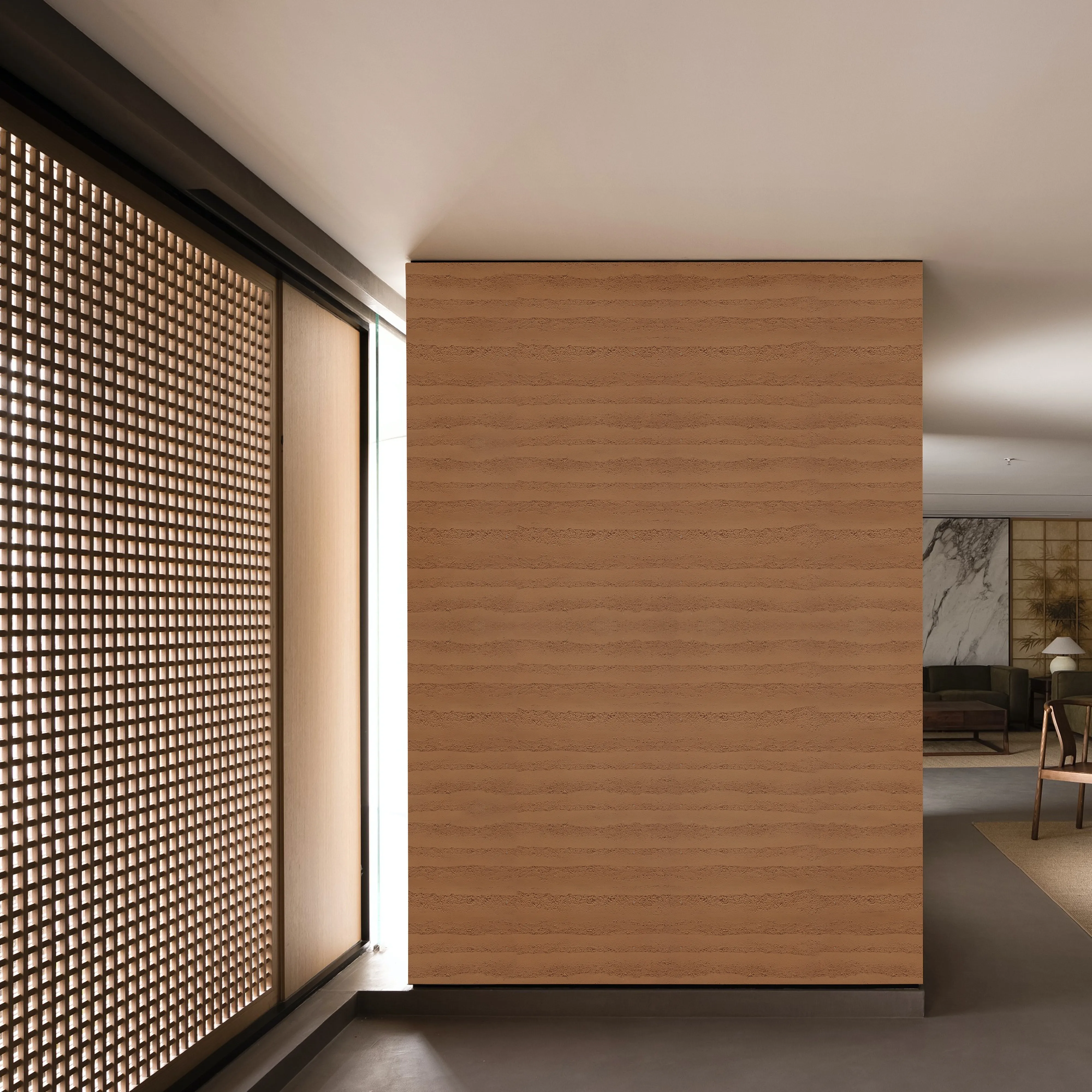
Imagine standing on the cobblestone street of a historic district, where 19th-century brick facades rub shoulders with weathered wooden shutters and arched doorways that seem to whisper stories of a bygone era. Now, picture one of these buildings—once a grand townhouse, later abandoned and left to the mercy of time—being carefully stripped of decay, its bones reinforced, and its soul gently revived. This is the delicate dance of heritage renovation: a balancing act between honoring the past and ensuring the structure thrives in the present. For architects and preservationists, the challenge often boils down to one critical question: what materials can breathe new life into old walls without erasing their history?
In recent years, a quiet revolution has been unfolding in the world of heritage conservation: the rise of materials that marry the warmth of tradition with the reliability of modern engineering. Among these, Rammed Earth Board (Khaki) has emerged as a standout—a material that doesn't just replace old walls but reconnects them to their roots. Its earthy, sun-kissed khaki hue evokes the rugged charm of traditional rammed earth, a building technique used for millennia across cultures, from the Great Wall of China to the adobe homes of the American Southwest. Yet beneath that familiar texture lies a modern marvel: a lightweight, durable panel engineered to meet the strict demands of 21st-century construction. Let's explore how this unassuming material is becoming a bridge between history and innovation.
Heritage buildings are more than just structures; they are living archives of culture, craftsmanship, and community memory. But time is unkind to even the sturdiest walls. Cracks spiderweb across facades, moisture seeps into mortar, and wood beams warp under the weight of decades. Renovating such buildings isn't just about fixing what's broken—it's about preserving their essence . Traditional materials, while aesthetically authentic, often come with steep trade-offs.
Take traditional rammed earth, for example. Made by compacting layers of soil, sand, and clay, it's a sustainable, breathable material that blends seamlessly with natural landscapes. But it's also heavy—so heavy that it can strain the structural integrity of aging buildings. Sourcing authentic materials is another hurdle: the specific soil composition used in a 1800s farmhouse might no longer be available locally, and replicating it can be cost-prohibitive. Worse, traditional rammed earth is porous, making it vulnerable to rain, frost, and pests in humid climates. For a heritage building in a coastal town or a rainy region, this spells ongoing maintenance headaches.
Modern materials, on the other hand, often feel like interlopers. Fair-faced concrete, with its sleek, industrial finish, can make a heritage building look more like a contemporary art gallery than a place with history. Vinyl sidings or synthetic stucco might be durable, but their plastic-like sheen clashes with the organic textures of old stone and wood. The result? A renovation that feels disjointed, as if the building is wearing a modern costume that doesn't quite fit.
This is where materials like Rammed Earth Board (Khaki) step in. They're not here to replace tradition—they're here to elevate it. By combining the aesthetic DNA of traditional rammed earth with the performance of modern technology, they offer a middle ground that preservationists and architects have long sought.
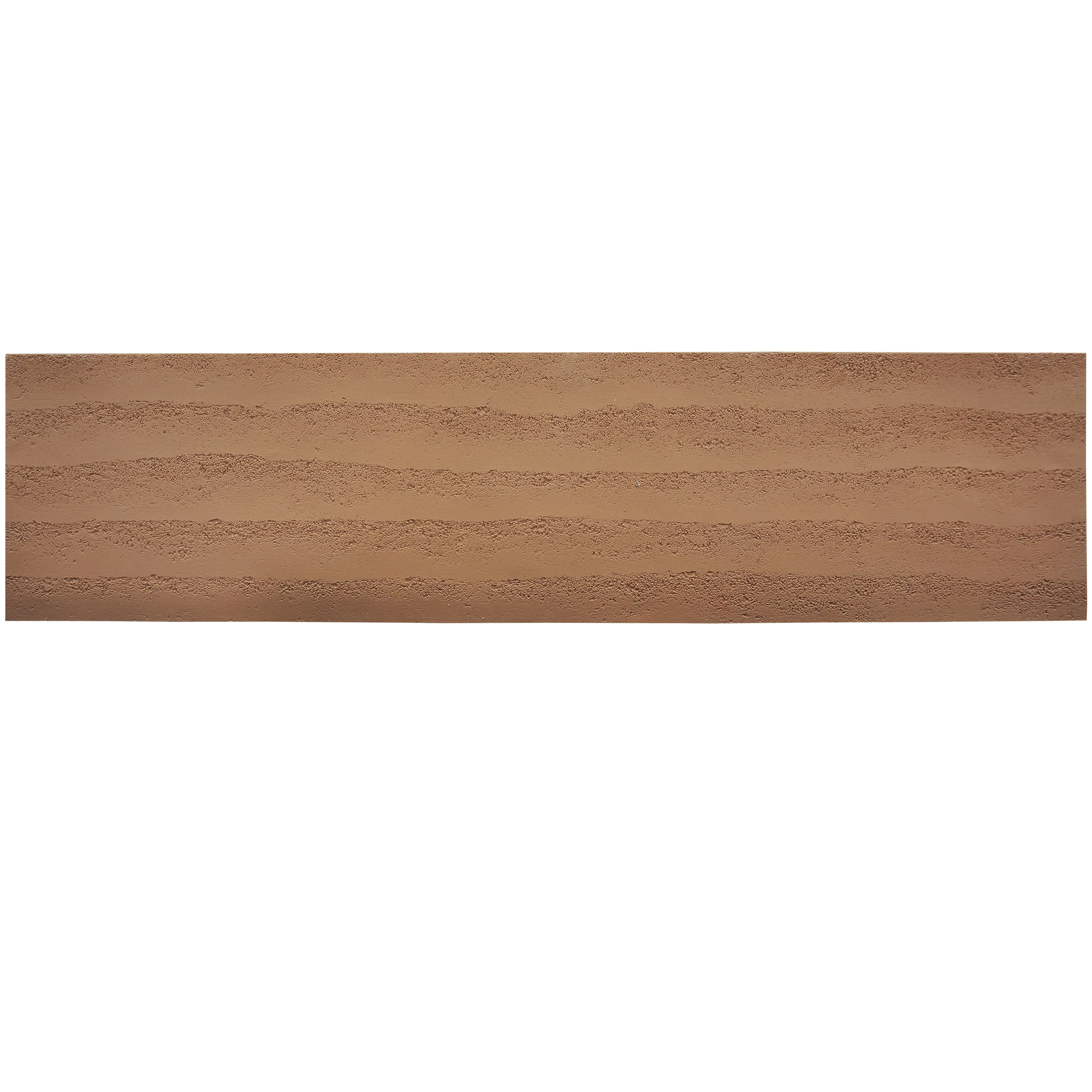
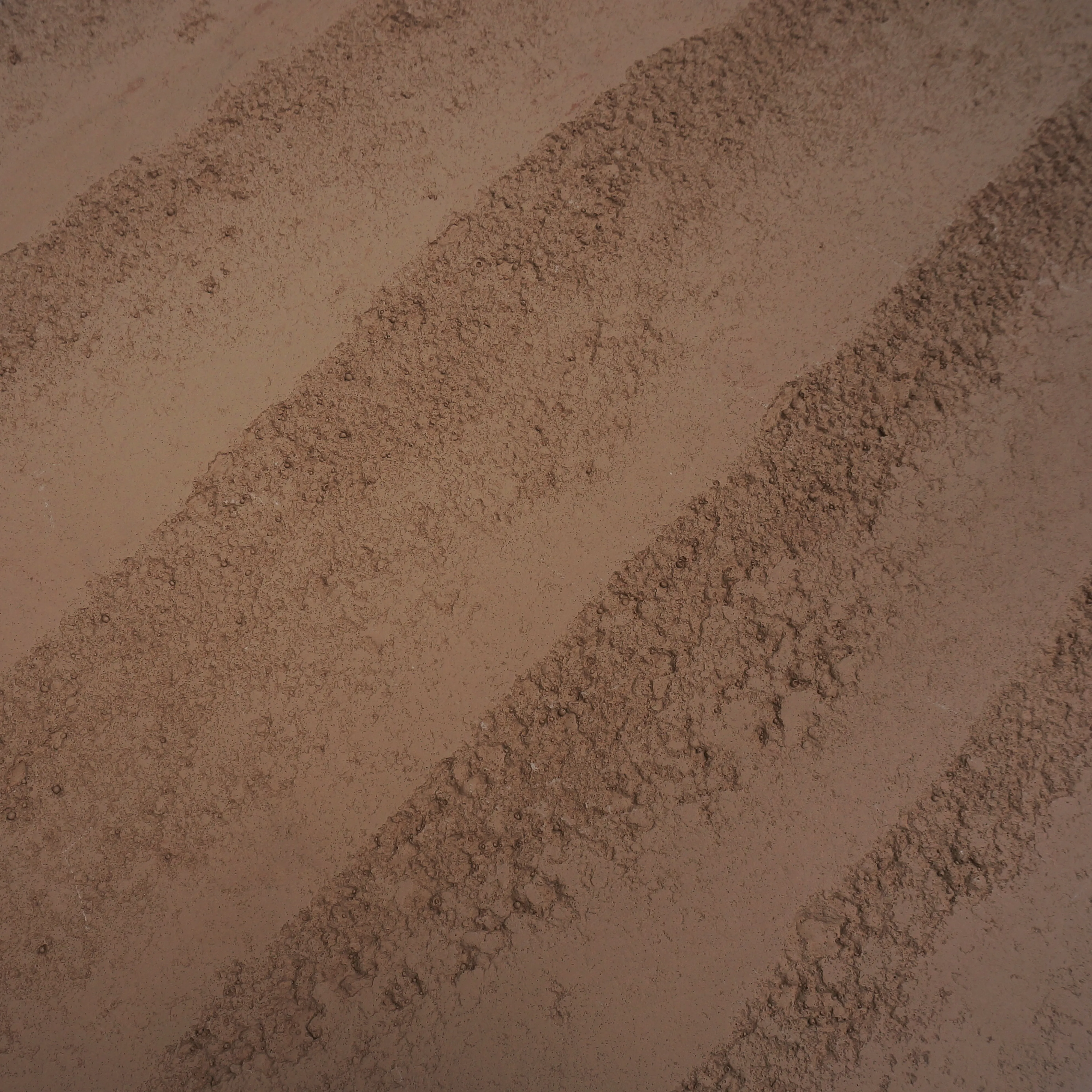
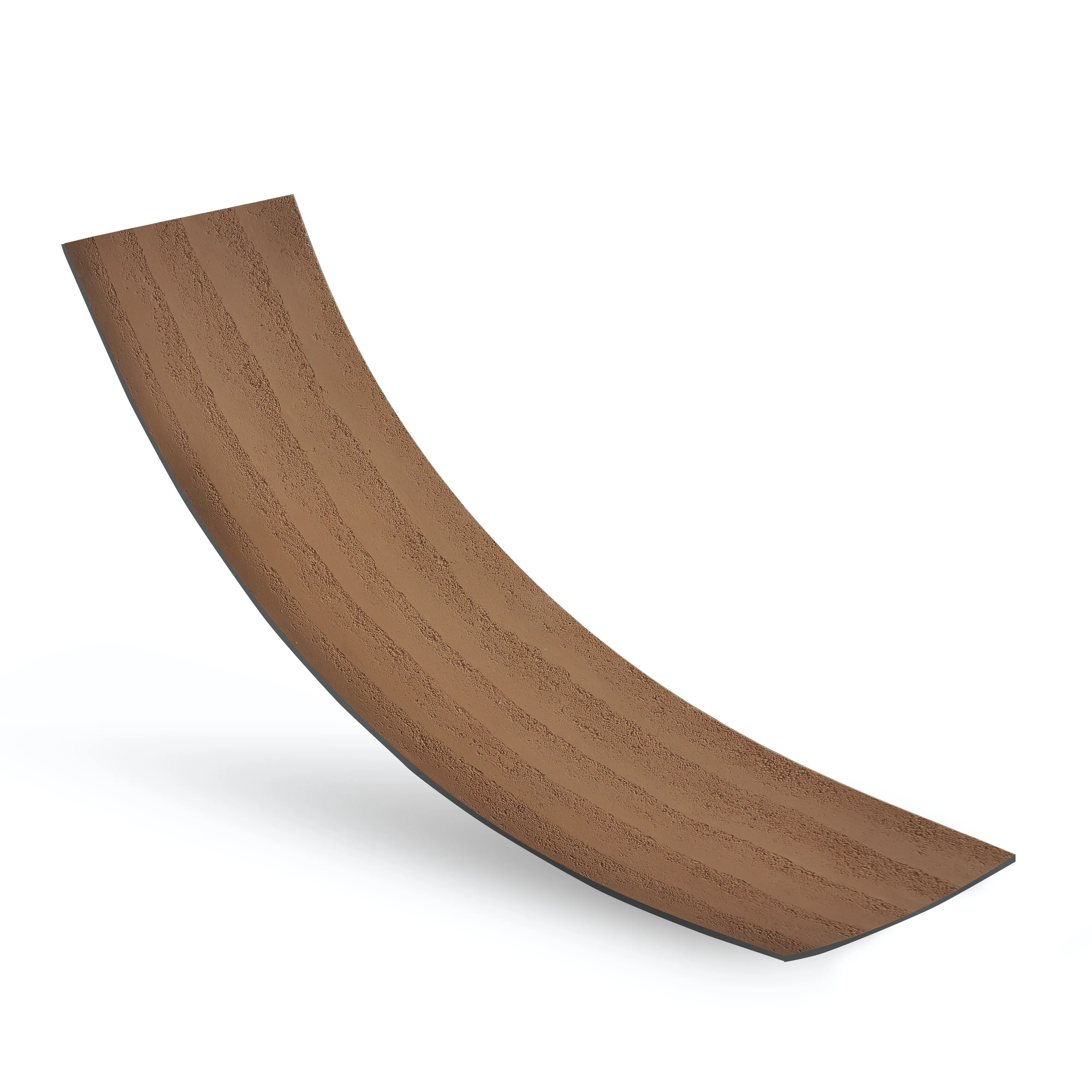
At first glance, Rammed Earth Board (Khaki) looks like it could have been hewn from the same soil as the walls of a medieval fortress. Its surface is rich with texture—subtle variations in tone, tiny flecks of stone, and a matte finish that softens in sunlight, much like the weathered patina of old rammed earth. But pick one up, and you'll notice the difference immediately: it's surprisingly lightweight, thin enough to be carried by two people, yet rigid enough to stand up to the elements. This is no accident—it's the result of decades of innovation in materials science, particularly in the field of Modified Composite Materials (MCM), a technology that has revolutionized flexible cladding solutions.
So, what exactly is Rammed Earth Board (Khaki)? At its core, it's a composite panel made from a blend of natural minerals (including clay, sand, and stone aggregates) and a polymer binder that adds flexibility and strength. The mixture is compressed under high pressure to mimic the density of traditional rammed earth, then cured to create a panel that's roughly 1/5th the weight of solid rammed earth. The khaki color isn't just a coincidence, either—it's achieved using natural iron oxides and earth pigments, avoiding synthetic dyes that might fade or clash with historical aesthetics. The result is a material that looks and feels like it was dug from the earth, but performs like a modern building product.
Let's break down its key advantages for heritage renovation:
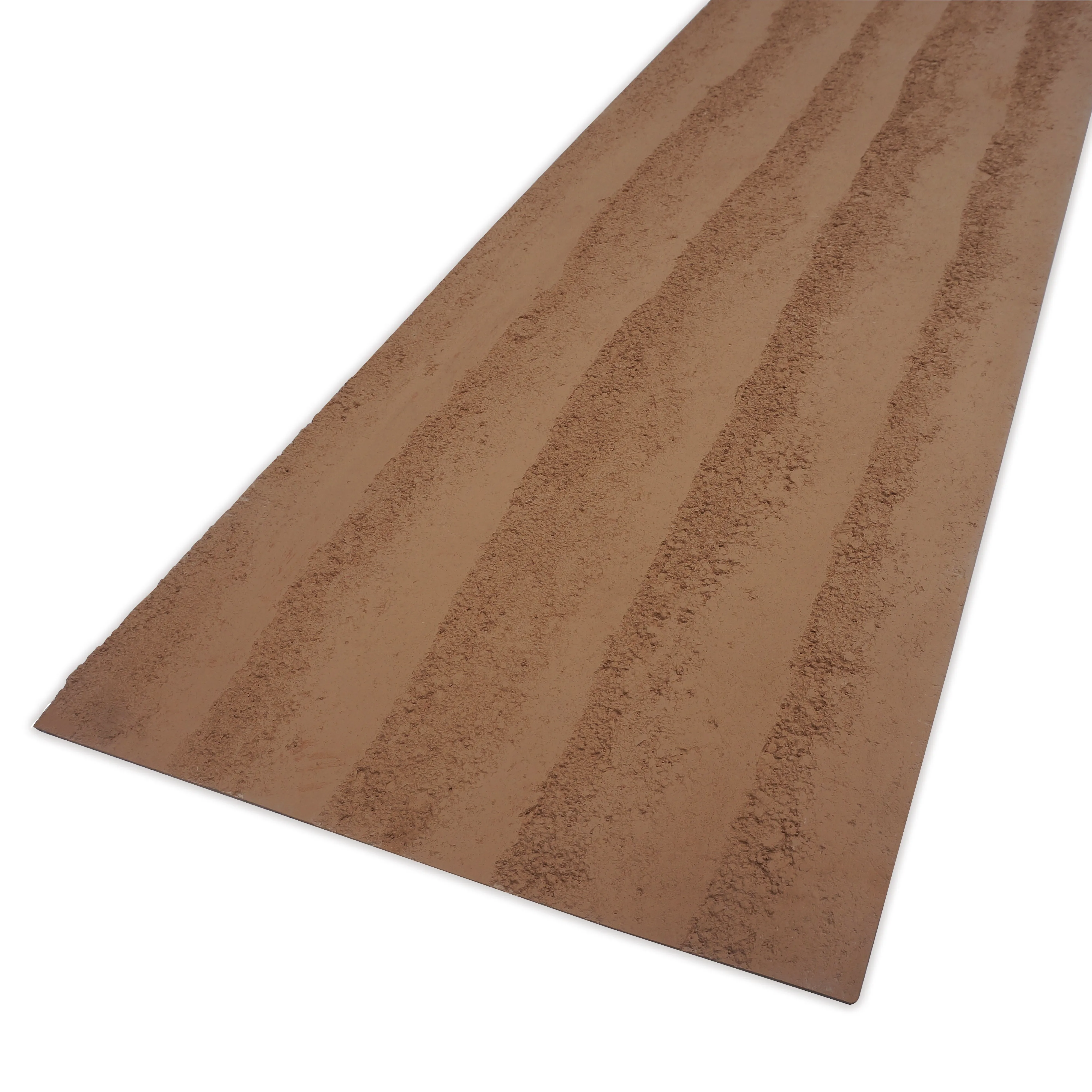
A material can be technically perfect, but if it doesn't look right, it has no place in heritage renovation. This is where Rammed Earth Board (Khaki) truly shines: its color and texture are a love letter to traditional building practices. Let's take a closer look at how it complements—and enhances—historical architecture.
Khaki, as a color, is inherently nostalgic. It's the shade of sun-baked soil, of adobe walls glowing at dusk, of the earthen ramparts that have protected communities for centuries. In heritage contexts, this warmth softens the harsh edges of modern repairs. For example, consider a 1920s schoolhouse with a cracked brick facade. Patching the bricks with new mortar might create a jarring "patchwork" effect, while covering the entire wall in Rammed Earth Board (Khaki) would blend the old and new into a cohesive whole. The panel's texture—subtly rough, with visible mineral grains—echoes the tactile quality of aged brick and stone, inviting touch and connection in a way that smooth modern materials like fair-faced concrete cannot.
But Rammed Earth Board (Khaki) isn't just a solo act. It plays well with others, too—making it ideal for mixed-material heritage buildings. Pair it with wood grain board, for instance, and you recreate the cozy, rustic feel of traditional farmhouses, where earthen walls met wooden beams. The khaki tones complement the warm browns of wood, creating a palette that feels grounded and timeless. In interior spaces, it can be used alongside natural stone like Historical Pathfinders Stone—a material designed to mimic the weathered look of ancient pathways—to craft floors and accent walls that tell a story of continuity.
Take the case of the Old Mill Heritage Hotel in a small European town, a 18th-century grain mill converted into a boutique hotel in 2023. The original stone walls were crumbling in places, and the wanted to preserve the mill's industrial charm while ensuring guest comfort. The architects chose Rammed Earth Board (Khaki) to repair the damaged sections of the exterior, matching the color to the mill's original limestone foundations. Inside, they paired the panels with reclaimed wood grain board for the ceilings and Historical Pathfinders Stone for the lobby floor. The result? A space that feels both ancient and new—guests remark on the "old-world warmth" of the walls, unaware that the material protecting those walls is cutting-edge.
To truly appreciate Rammed Earth Board (Khaki), it helps to see how it measures up against other common materials in heritage renovation. Below is a comparative analysis of key factors like aesthetics, sustainability, and performance:
| Material | Aesthetic Compatibility with Heritage | Weight (kg/m²) | Installation Complexity | Sustainability | Maintenance Needs |
|---|---|---|---|---|---|
| Traditional Rammed Earth | Excellent (authentic texture/color) | 1,800-2,000 | High (requires skilled craftsmen, on-site mixing) | High (natural materials, low carbon footprint) | High (needs regular sealing, vulnerable to moisture) |
| Fair-Faced Concrete | Low (industrial, cold appearance) | 200-300 | Medium (requires formwork, on-site pouring) | Medium (high cement usage, high carbon emissions) | Low (durable, but prone to staining) |
| Rammed Earth Board (Khaki) | Excellent (mimics traditional texture/khaki hue) | 20-30 | Low (pre-fabricated panels, easy to cut/shape) | High (natural minerals, recyclable, low transport emissions) | Low (water-repellent sealant, occasional cleaning) |
| Wood Grain Board | High (warm, organic feel) | 15-25 | Low (lightweight, easy to install) | Medium (depends on wood source; risk of deforestation) | High (needs painting/staining, vulnerable to rot/insects) |
The table tells a clear story: Rammed Earth Board (Khaki) offers the best of both worlds. It matches traditional rammed earth's aesthetic charm but with the practicality of modern materials. Unlike fair-faced concrete, it doesn't feel out of place in a heritage setting. And compared to wood grain board, it requires far less maintenance—critical for heritage sites that may not have the budget for ongoing upkeep.
Let's dive deeper into a real-world example: the renovation of the Lincoln County Courthouse in a small U.S. town, built in 1875 and listed on the National Register of Historic Places. By 2020, the building was in dire straits: its exterior sandstone walls were eroding, with chunks of stone falling off during storms, and the interior plaster was peeling from water damage. The county faced a tough choice: spend millions on restoring the sandstone (with no guarantee it would last another century) or find a more sustainable alternative.
Enter the architectural firm tasked with the project. Their goal was to preserve the courthouse's iconic appearance—including its warm, golden-brown facade—while ensuring it could withstand the region's harsh winters and humid summers. After testing samples of traditional sandstone, fair-faced concrete, and Rammed Earth Board (Khaki), they chose the latter. Here's why:
Aesthetic Match: The courthouse's original sandstone had a soft, weathered khaki tone that Rammed Earth Board (Khaki) replicated almost perfectly. The panel's texture—with tiny flecks of stone and subtle color variations—mirrored the natural veining of the sandstone, making the repair work nearly invisible to the untrained eye.
Structural Safety: The courthouse's foundation, built in the 1870s, couldn't support the weight of new sandstone walls. Rammed Earth Board (Khaki)'s low weight meant no additional reinforcement was needed, preserving the original foundation.
Cost and Time Efficiency: Sourcing matching sandstone would have required importing from a quarry 500 miles away, driving up costs. Rammed Earth Board (Khaki) was manufactured locally, cutting transport emissions and reducing the project timeline by 30%.
Today, the Lincoln County Courthouse stands tall, its facade glowing in the sun as it did 150 years ago. Locals and historians alike praise the renovation for "keeping the building's spirit alive." As one preservationist put it: "We didn't just fix the walls—we gave them a future."
Heritage renovation is more than a construction project; it's an act of cultural stewardship. It's about ensuring that future generations can walk the same streets, touch the same walls, and feel the same connection to the past that we do. Rammed Earth Board (Khaki) embodies this ethos—it's a material that respects history without being bound by it.
As we face the challenges of climate change and urbanization, materials like this will become even more critical. They allow us to preserve heritage sites without sacrificing sustainability or safety, proving that "old" and "new" don't have to be opposites. In fact, they can be partners—each enriching the other.
So, the next time you wander through a historic district and pause to admire a building that seems to glow with an ageless warmth, take a closer look. The walls might just be telling a new story—one of tradition reimagined, of earth and innovation working hand in hand. And in that story, Rammed Earth Board (Khaki) is more than a material—it's a bridge, carrying us from the past into the future.
Recommend Products












