
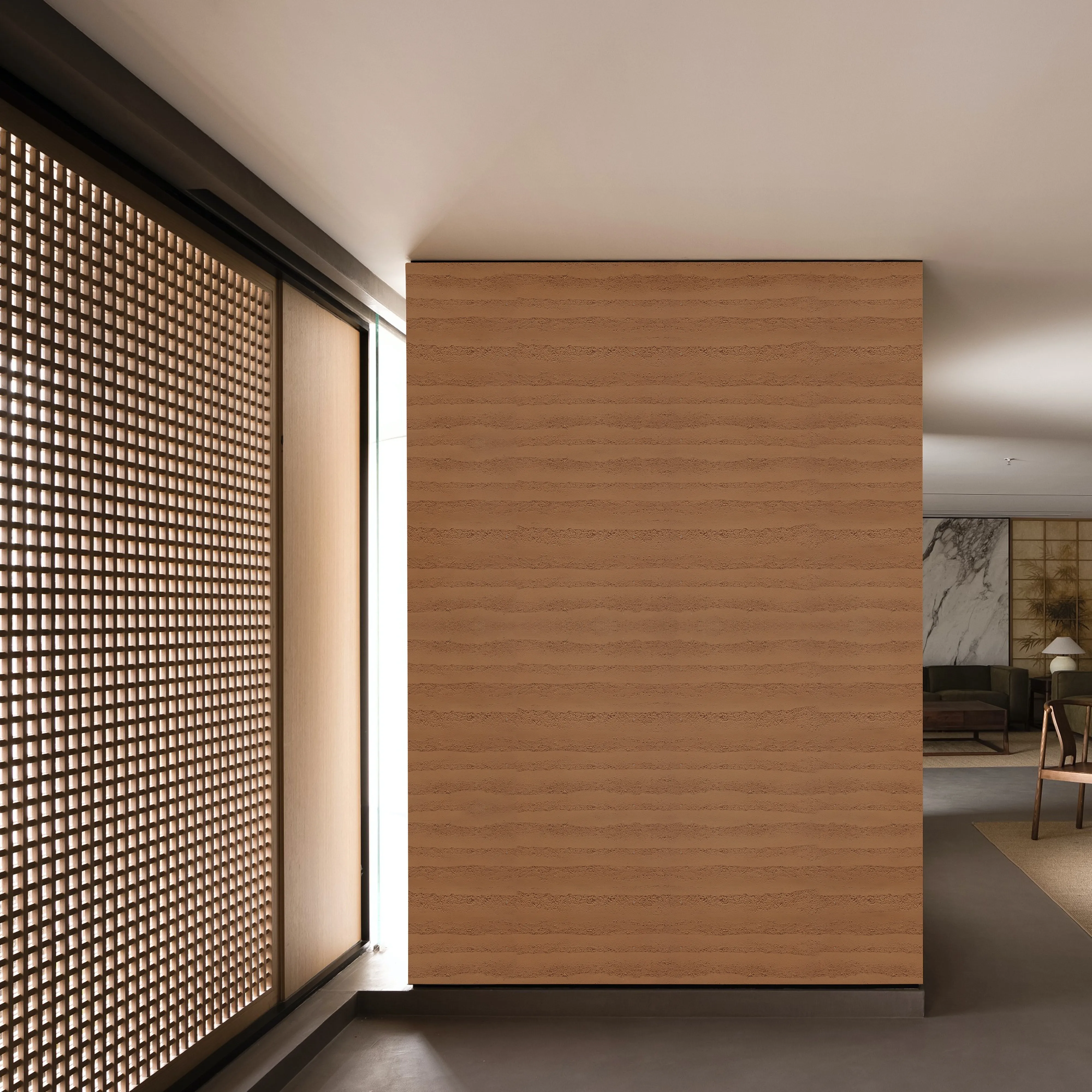
Riyadh, a city where desert winds whisper stories of ancient trade routes and futuristic skyscrapers pierce the sky, is in the midst of an architectural renaissance. As developers and designers seek to bridge the gap between heritage and modernity, materials that tell a story—ones that feel both rooted in the past and ready for the future—have become the cornerstone of this transformation. Enter COLORIA, a name synonymous with reimagining building materials for the spaces we live, work, and connect in. Among their innovative lineup, rammed earth board (khaki) has emerged as a quiet star in Riyadh's commercial landscape, blending the warmth of earth with the durability of contemporary engineering. In this article, we dive into three standout projects where COLORIA's materials—including rammed earth board (khaki), fair-faced concrete , and historical pathfinders stone —have turned blueprints into breathing, vibrant spaces.
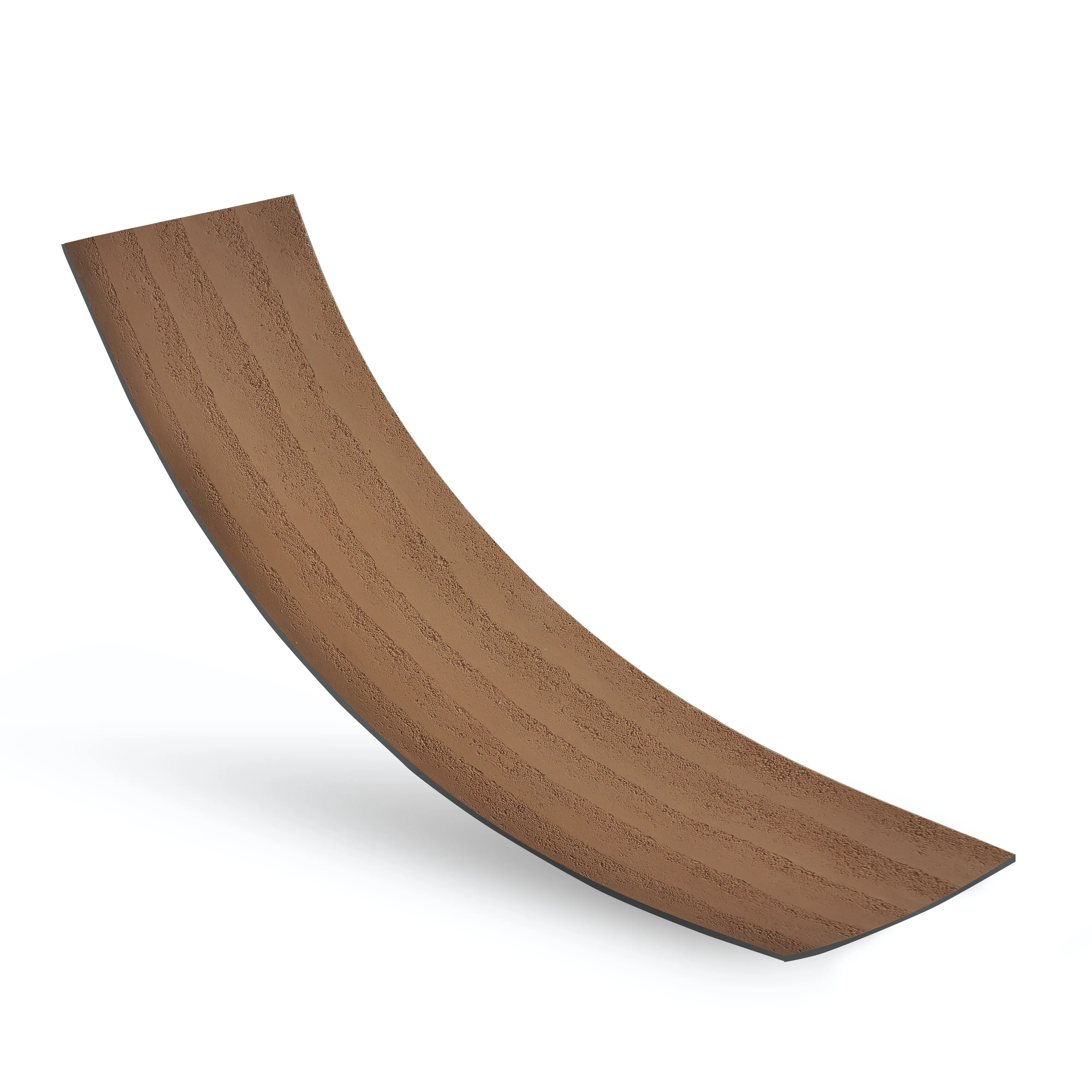
For over a decade, COLORIA has approached building materials not as static elements, but as tools to evoke emotion and functionality. In a city like Riyadh, where temperatures soar and cultural identity runs deep, the choice of material isn't just about aesthetics—it's about resilience, sustainability, and storytelling. "We don't sell slabs or panels," says Omar Al-Mansoori, COLORIA's Regional Design Director. "We sell the feeling of walking into a space and thinking, 'This was made for people.'" That philosophy is especially evident in their rammed earth board (khaki) range, which mimics the organic texture of traditional rammed earth but with the flexibility to fit modern construction demands. Its soft, sandy hue echoes the Saudi desert, while its lightweight composition and fire resistance make it ideal for commercial projects.
But COLORIA doesn't stop at rammed earth. Their portfolio reads like a palette for architects: from the raw, industrial charm of fair-faced concrete to the weathered elegance of historical pathfinders stone , each material is designed to complement the others. In Riyadh, where commercial spaces strive to be both welcoming and authoritative, this versatility has made COLORIA a go-to partner for developers aiming to create memorable environments.
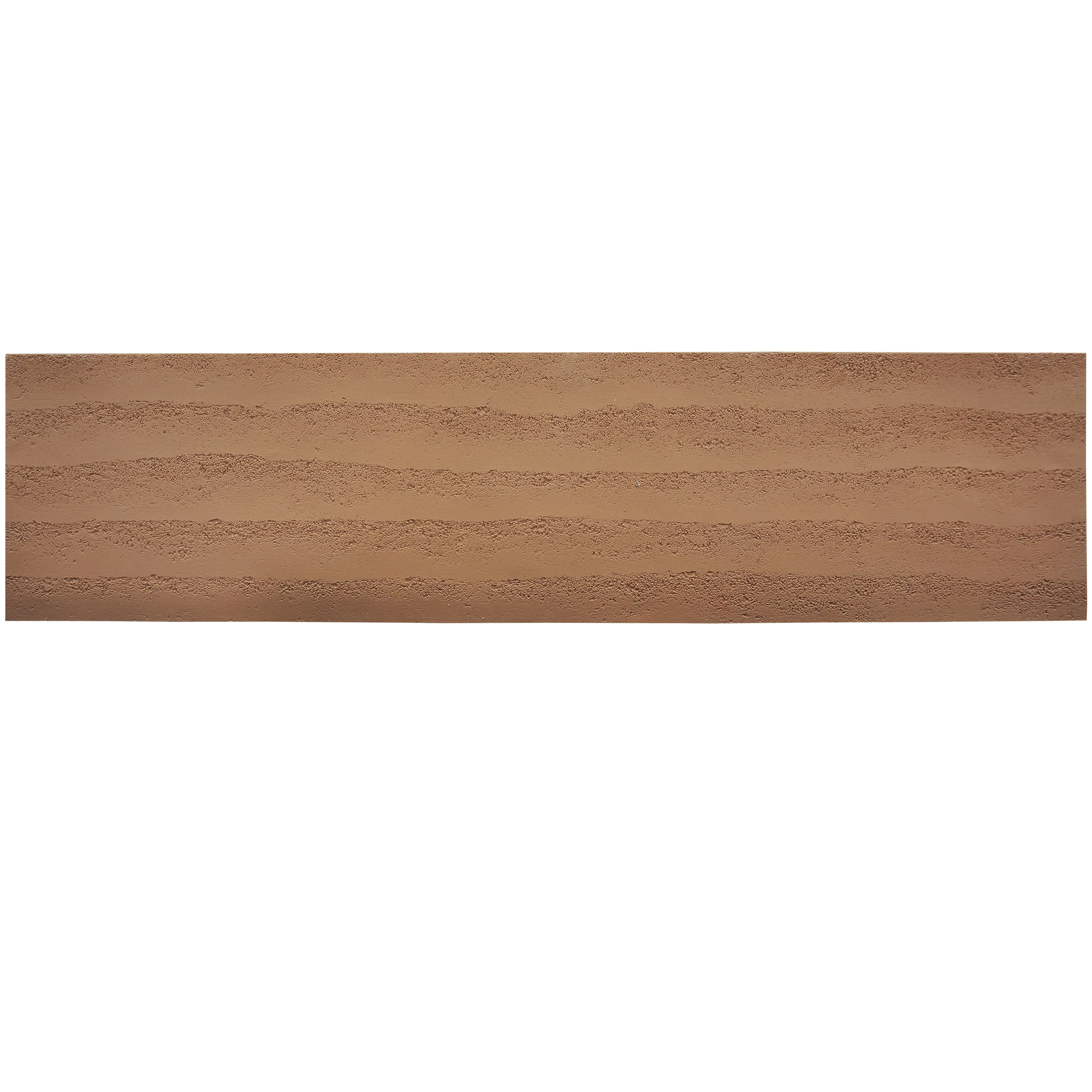
Tucked between Riyadh's bustling King Fahd Road and the serene Wadi Hanifa, the Al-Murjan Commercial Hub was envisioned as a "third place"—not just an office complex, but a destination where professionals could work, network, and recharge. The client, a leading Saudi real estate firm, wanted the building to feel "rooted in the land but open to the future." Enter COLORIA's rammed earth board (khaki) and fair-faced concrete , which became the project's defining materials.
The hub's facade is a striking interplay of textures: horizontal panels of rammed earth board (khaki) wrap around the lower floors, their warm, granular surface inviting passersby to reach out and touch. Above, fair-faced concrete rises in clean, vertical lines, its smooth gray surface contrasting with the earthy tones below. "We wanted the building to feel grounded, like it had grown out of the desert," explains architect Amal Abdullah, who led the design team. "The rammed earth does that—it's tactile, it changes with the light. In the morning, it glows gold; by afternoon, it softens to a warm taupe. It's alive."
Inside, the material story continues. The lobby features a feature wall of historical pathfinders stone , its irregular edges and muted reds nodding to the ancient trade routes that once crisscrossed the region. "Historical pathfinders stone was a late addition," Abdullah recalls. "The client worried the space might feel too modern, so we added this stone to create a dialogue between past and present. Now, visitors often stop to take photos of it—they say it feels like stepping into a museum, but one that's still being written."
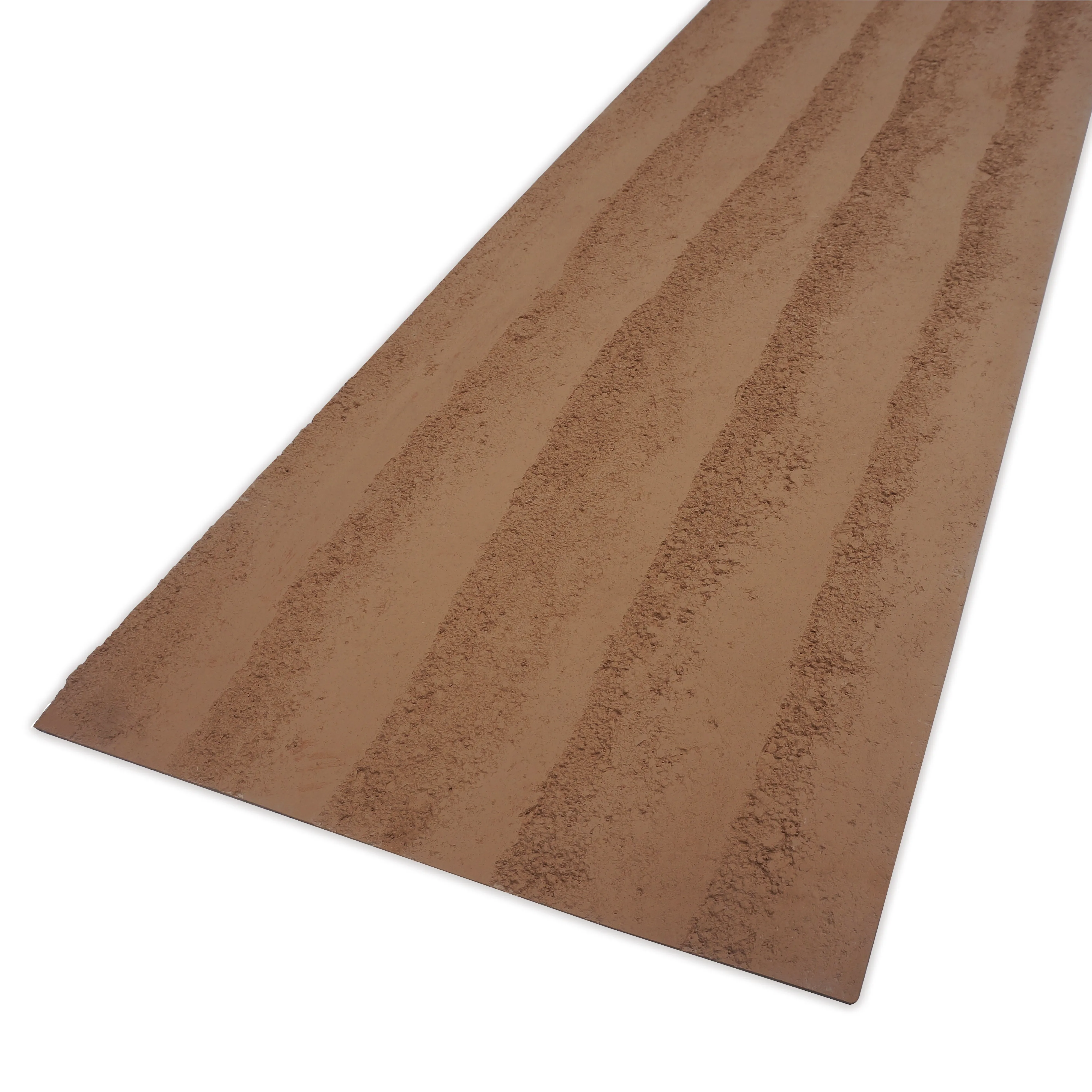
Education spaces thrive on inspiration, and the King Saud University Innovation Center was designed to spark creativity in students and researchers alike. Tasked with creating a facility that honored Saudi Arabia's academic legacy while fostering cutting-edge collaboration, the design team turned to COLORIA for materials that could bridge those two worlds. The result? A bold mix of rammed earth board (khaki) , lunar peak golden , and historical pathfinders stone that feels both timeless and forward-thinking.
The center's main auditorium is a showstopper. Its curved walls are clad in rammed earth board (khaki), which not only absorbs sound (a critical feature for lectures and presentations) but also creates a cocoon-like atmosphere. "We tested dozens of materials for acoustic performance," says Dr. Khalid Al-Zahrani, the university's Facilities Director. "The rammed earth board exceeded all our expectations. Even during packed events, you can hear a pin drop on stage." Above the stage, a ceiling installation of lunar peak golden panels shimmers like sunlight on sand, adding a touch of grandeur without overwhelming the space.
The building's exterior, however, tells a quieter story. A walkway leading to the entrance is paved with historical pathfinders stone , each slab subtle etchings of Saudi Arabia's scientific milestones—from ancient astronomical tools to modern space exploration. "We wanted students to feel connected to the scholars who came before them," Al-Zahrani explains. "Every time they walk that path, they're reminded that innovation isn't new here—it's in our DNA."
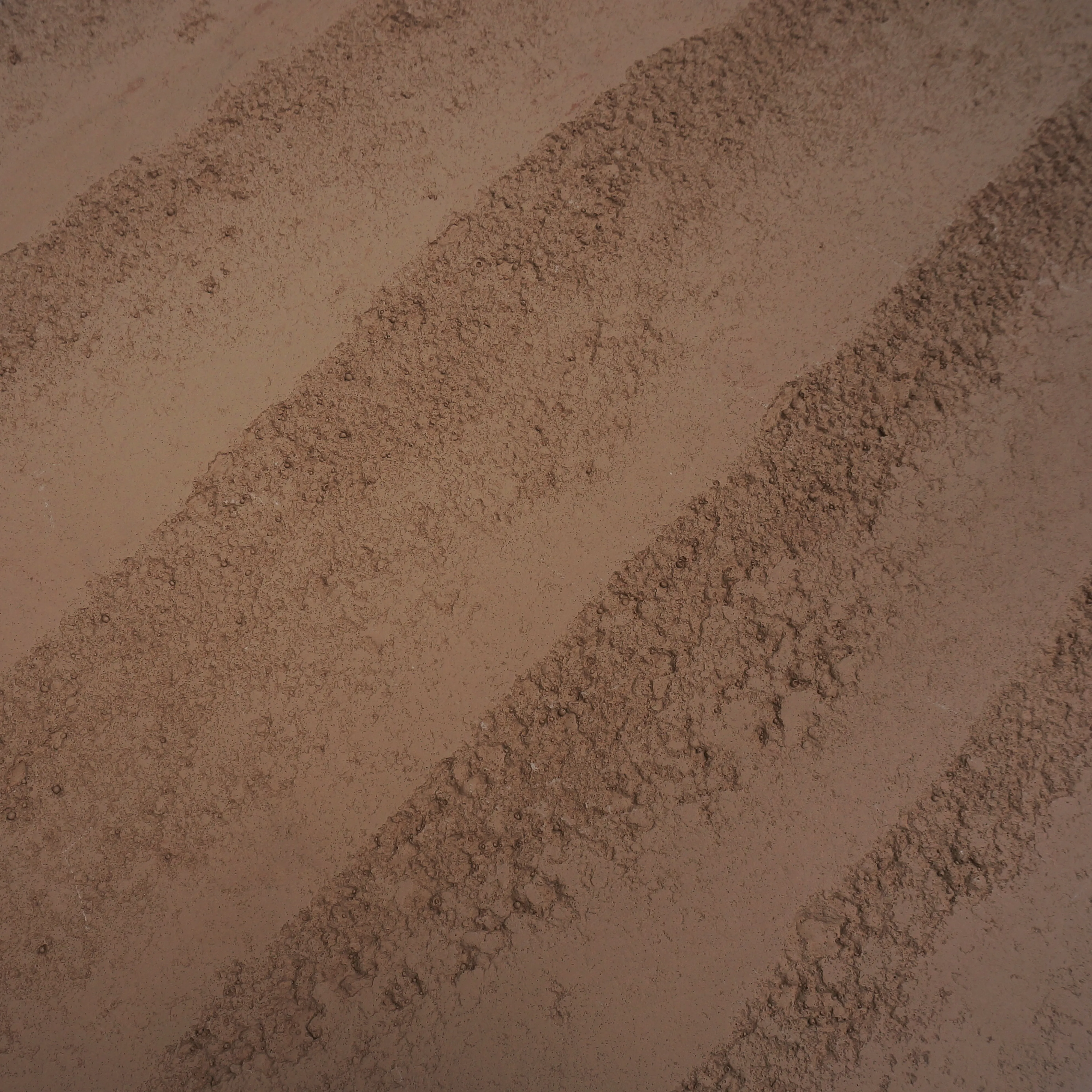
In the heart of Riyadh's Financial District, where glass and steel dominate, the Riyadh Financial District Plaza aimed to stand out by embracing "quiet luxury." The client, a global investment firm, wanted a headquarters that projected stability and sophistication but avoided the coldness often associated with corporate architecture. COLORIA's rammed earth board (khaki) and travertine (starry blue) proved to be the perfect pairing.
The plaza's lobby is a study in contrasts: floor-to-ceiling windows flood the space with natural light, while walls of rammed earth board (khaki) add warmth and texture. A central water feature, lined with travertine (starry blue) , ripples gently, its deep blue-green surface reflecting the earthy tones around it. "The travertine was a bold choice," admits lead designer Karim Bokhari. "Blue isn't a color you typically associate with desert architecture, but the client wanted something unexpected. The travertine (starry blue) has these tiny, iridescent flecks that catch the light—at night, it looks like someone scattered stars in the stone. It's luxurious, but not flashy."
Upstairs, executive offices feature custom desks made from fair-faced concrete , their matte finish complementing the rammed earth accent walls. "We wanted the offices to feel grounded but not heavy," Bokhari says. "The concrete desks are sleek and modern, but the rammed earth adds that human touch. Clients who visit often comment on how 'un-office-like' the space feels—it's more like a high-end boutique hotel than a corporate floor."
| Project Name | Location | Size | Key COLORIA Materials | Design Goal | Client Feedback |
|---|---|---|---|---|---|
| Al-Murjan Commercial Hub | King Fahd Road | 45,000 sq.m | Rammed Earth Board (Khaki), Fair-Faced Concrete, Historical Pathfinders Stone | Create a "third place" for work and community | "Increased foot traffic by 30%; employees report higher satisfaction." |
| King Saud University Innovation Center | University Campus | 32,000 sq.m | Rammed Earth Board (Khaki), Lunar Peak Golden, Historical Pathfinders Stone | Honor academic heritage while fostering innovation | "Acoustic performance exceeded expectations; students call it 'inspiring.'" |
| Riyadh Financial District Plaza | Financial District | 58,000 sq.m | Rammed Earth Board (Khaki), Travertine (Starry Blue), Fair-Faced Concrete | Redefine corporate luxury with warmth | "Clients comment on the 'un-office-like' atmosphere; boosted brand perception." |
While the beauty of rammed earth board (khaki) is undeniable, its success in Riyadh's commercial projects boils down to practicality. The material's thermal mass helps regulate indoor temperatures, reducing reliance on air conditioning—a critical feature in a city where summer highs often exceed 45°C. "We did a study on the Al-Murjan Hub," says COLORIA's sustainability consultant, Fatima Al-Sayed. "The rammed earth walls reduced cooling costs by 18% compared to a traditional glass facade. That's a huge saving for commercial clients."
Its durability is another selling point. Unlike natural stone, which can crack in Riyadh's extreme temperature swings, COLORIA's rammed earth board is reinforced with fiberglass mesh, making it resistant to warping and chipping. "We had a client who was skeptical at first—they thought the earthy texture would be hard to maintain," Al-Sayed laughs. "Three years later, their facade still looks brand new. It's low-maintenance, which is a big plus for busy commercial spaces."
As Riyadh continues to grow, the demand for materials that balance form and function will only increase. COLORIA's rammed earth board (khaki) has already proven it can hold its own in the city's competitive commercial market, but the company isn't resting on its laurels. "We're currently testing a new line of gradient-color rammed earth boards," Al-Mansoori reveals. "Imagine a facade that shifts from desert gold at the bottom to sky blue at the top—perfect for Riyadh's skyline."
For now, though, the focus remains on the projects that have already left their mark. From the community-driven Al-Murjan Hub to the innovation-focused university center, COLORIA's materials have become part of Riyadh's architectural identity—proof that even in a city racing toward the future, the most impactful spaces are those that stay connected to the earth beneath them.
Recommend Products












