
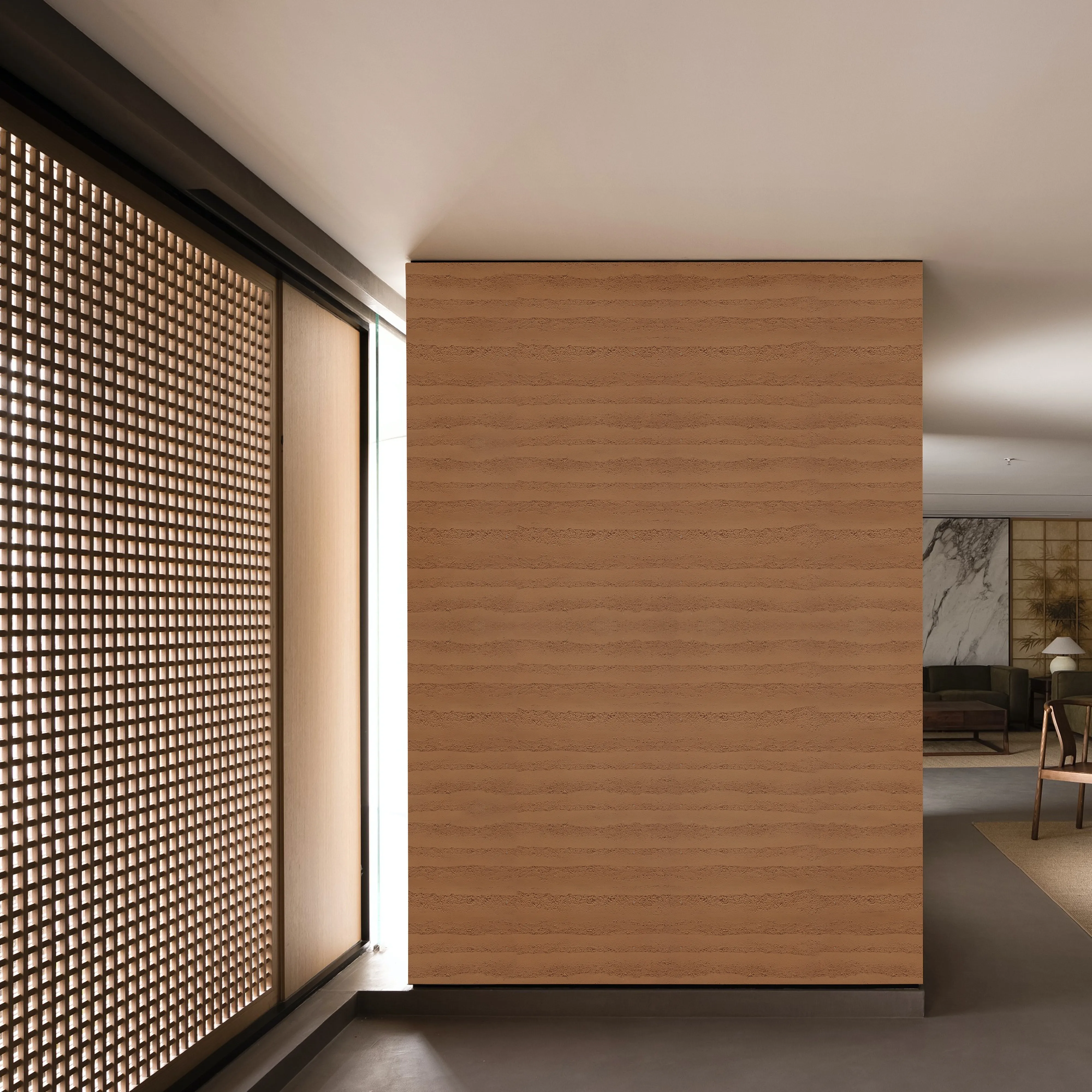
We've lost count of how many times we've visited job sites where the excitement to "get the boards up" overshadowed the basics. Spoiler: rammed earth board (khaki) is forgiving, but it's not a miracle worker. The first rule? Treat your surface like it's the foundation of the whole project—because it is.
Start by inspecting the wall or floor where you'll install the boards. Is it flat? Run a 4-foot level across every inch. Even a 1/8-inch dip can create gaps later, and trust us, those gaps will drive you crazy. Fill any cracks with a high-quality patching compound (we recommend COLORIA's Epoch Stone Filler—it's designed to bond with natural materials like rammed earth). Next, check for moisture. Grab a moisture meter and test the surface; readings above 12% mean you need a moisture barrier. Skipping this step is how you end up with warped boards or mold down the line.
Then there's the acclimation period. We know, waiting feels tedious, but rammed earth board (khaki) is made with natural aggregates that react to humidity and temperature. Unpack the boards and let them sit in the installation space for 48–72 hours. Stack them flat, not leaning, and leave a few inches between stacks for air flow. Think of it like letting a cake cool before frosting—rush it, and it cracks.
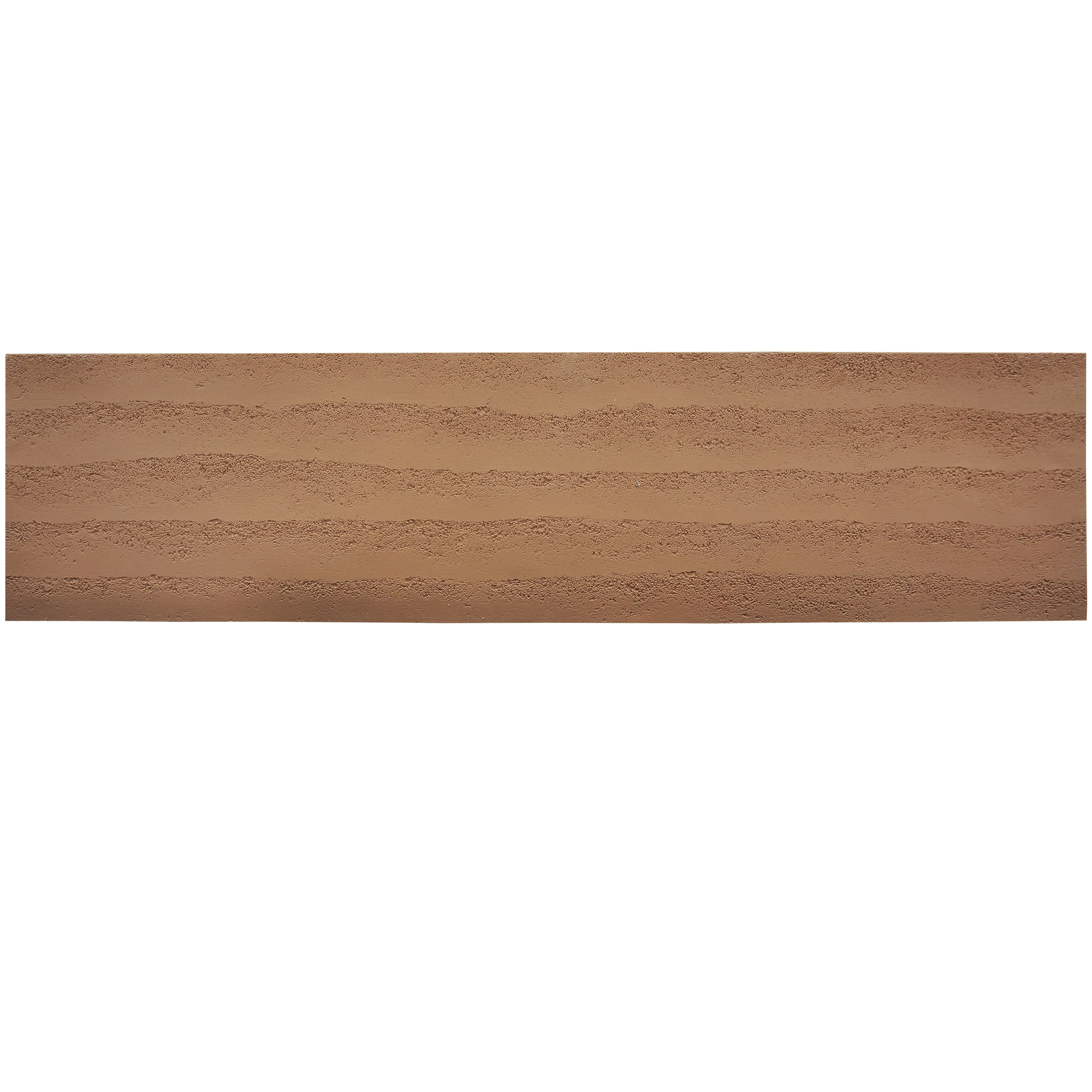
Rammed earth board (khaki) isn't like cutting drywall—its texture and density mean you need the right tools and a steady hand. For straight cuts, a wet tile saw with a diamond blade is your best friend. The water keeps dust down and prevents the blade from overheating, which can chip the edges. For curves or notches? A jigsaw with a fine-tooth blade works, but go slow—let the blade do the work, don't force it.
Measure twice, cut once? We'll take it a step further: measure, mark with a pencil (never a marker—it bleeds into the texture), then make a "practice cut" on a scrap piece. Every batch of rammed earth board has slight variations in density, so testing helps you adjust blade speed or pressure. And when cutting near the edges of the board (where the texture is most delicate), cover the cut line with masking tape first. It reduces splintering and keeps that clean, natural look intact.
Oh, and don't forget about waste. Those offcuts? Save them! Small pieces are perfect for filling gaps around outlets, corners, or windowsills. We've seen installers turn leftover scraps into decorative accents by pairing them with wood grain board—think a khaki rammed earth border around a wood grain niche. Waste not, want not, and your project gets extra character.
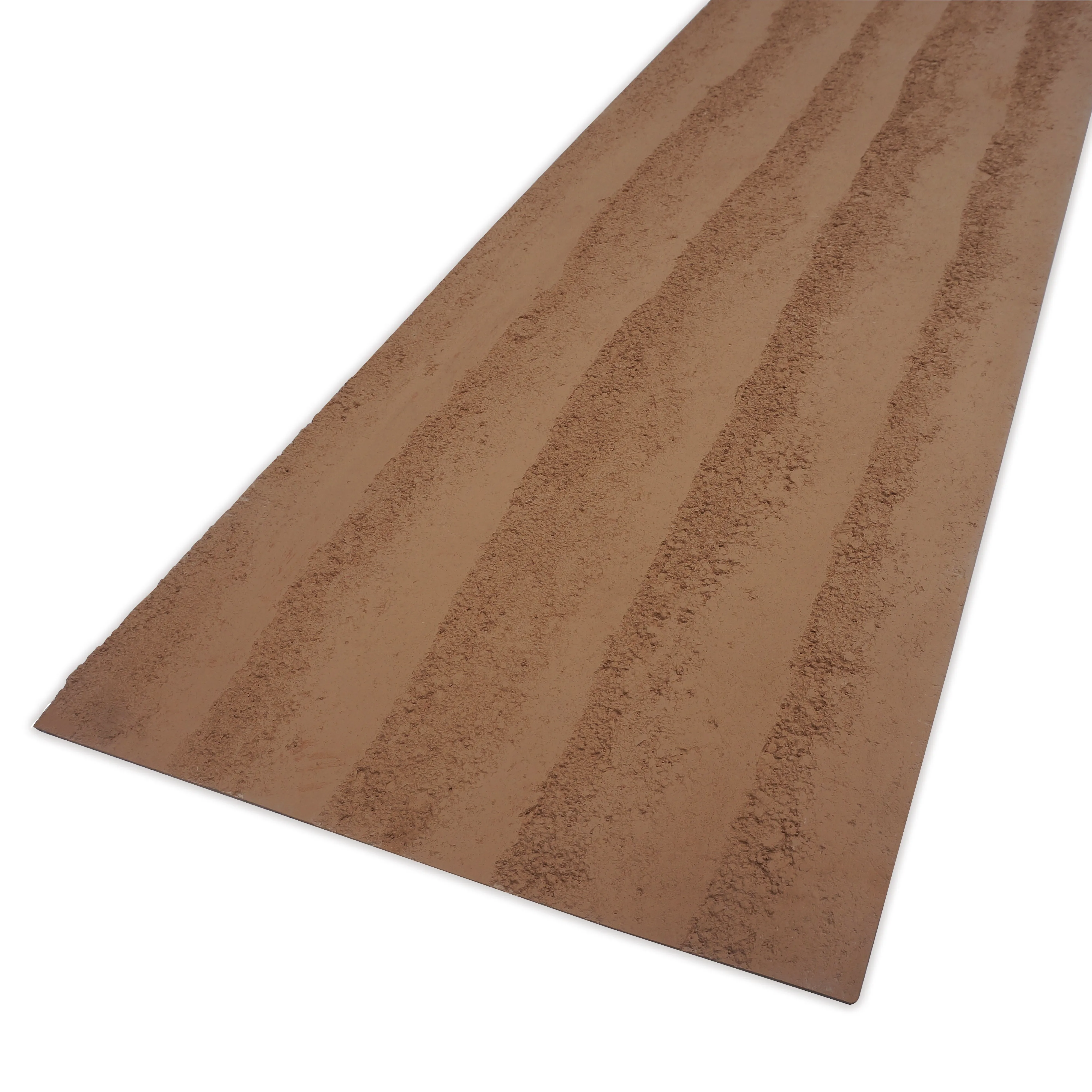
You've prepped the surface, cut the boards—now comes the moment of truth: making sure they stay put. The right adhesive is non-negotiable. For vertical walls, we swear by COLORIA's Century Stone Adhesive (it's specifically formulated for natural stone and rammed earth products). For floors, go with a polymer-modified thinset mortar—its flexibility handles foot traffic better than rigid adhesives.
Application matters, too. Use a notched trowel with 1/4-inch teeth for walls and 3/8-inch for floors (the extra thickness helps with uneven surfaces). Spread the adhesive in small sections (about 2 square feet at a time) so it doesn't dry out. Then, press the board firmly into place, wiggling it slightly side-to-side to ensure full contact. You should see a little adhesive squeeze out the edges—that's how you know it's bonded properly. Wipe that excess off immediately with a damp sponge, though—once it dries, it's a pain to remove without scratching the board.
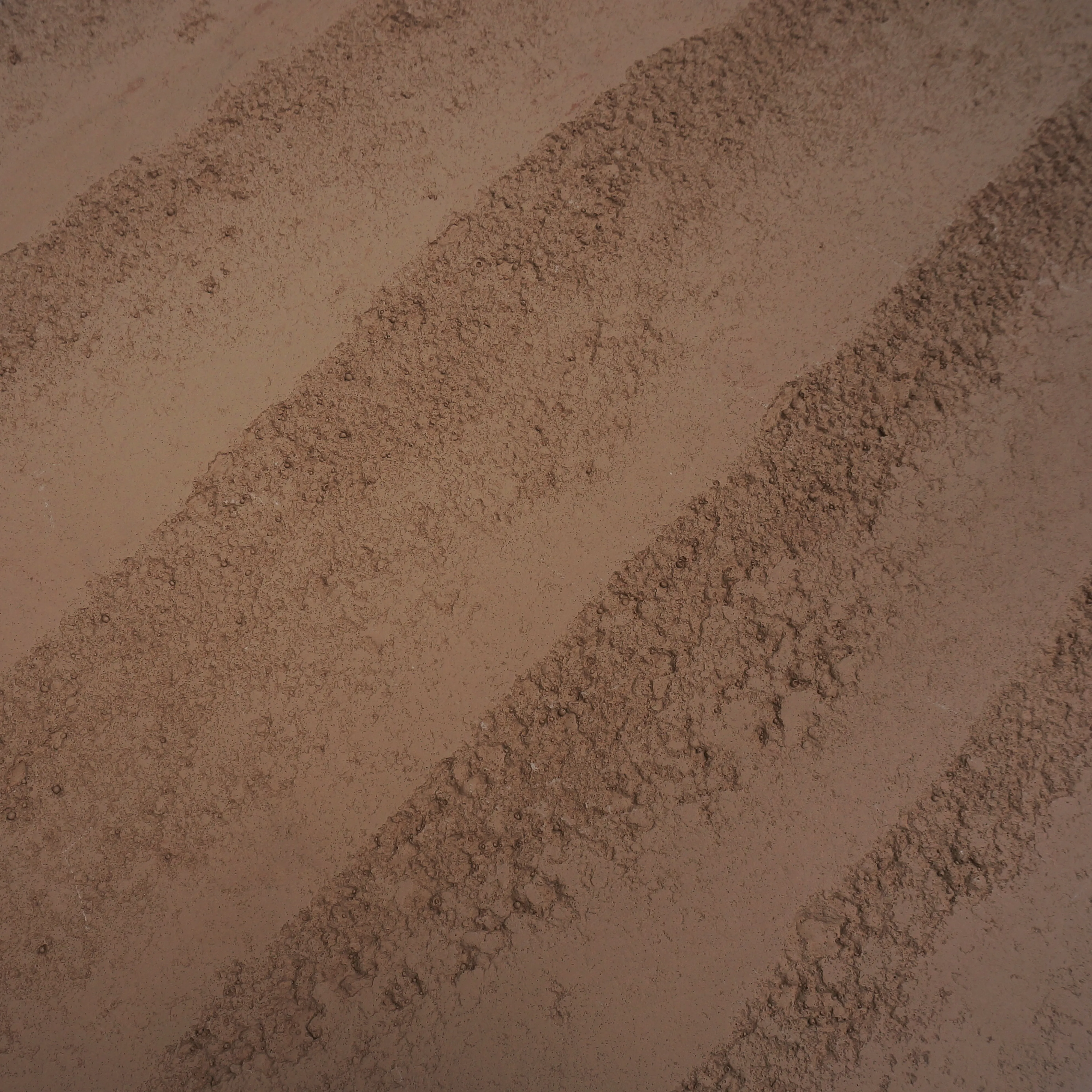
Grouting rammed earth board (khaki) is where the project starts to feel finished, but it's also where small mistakes show up the most. First, choose your grout color wisely. A matching khaki grout creates a seamless, monolithic look (great for modern spaces), while a slightly lighter or darker shade adds subtle contrast (perfect for highlighting texture). Avoid bright white grout—it can make the khaki look dull by comparison.
Mix the grout to a "peanut butter" consistency—too runny, and it'll slump; too thick, and it won't fill the gaps. Apply it with a rubber float, holding it at a 45-degree angle and pressing firmly into the joints. Work in small sections (3–4 square feet) and wipe off excess grout with a damp sponge after 10–15 minutes (check the grout bag for exact timing). Don't wait too long—dried grout leaves a haze that's tough to remove without harsh chemicals, which can stain the rammed earth.
Once the grout is fully cured (usually 24–48 hours), seal the entire surface. We recommend COLORIA's Ethereal Shadow Sealer—it's water-based, low-odor, and enhances the khaki color without making it look "wet." Apply two thin coats with a foam roller, letting the first dry completely before the second. Sealing isn't just about stains; it also protects against UV rays (which can fade the color over time) and makes cleaning a breeze.
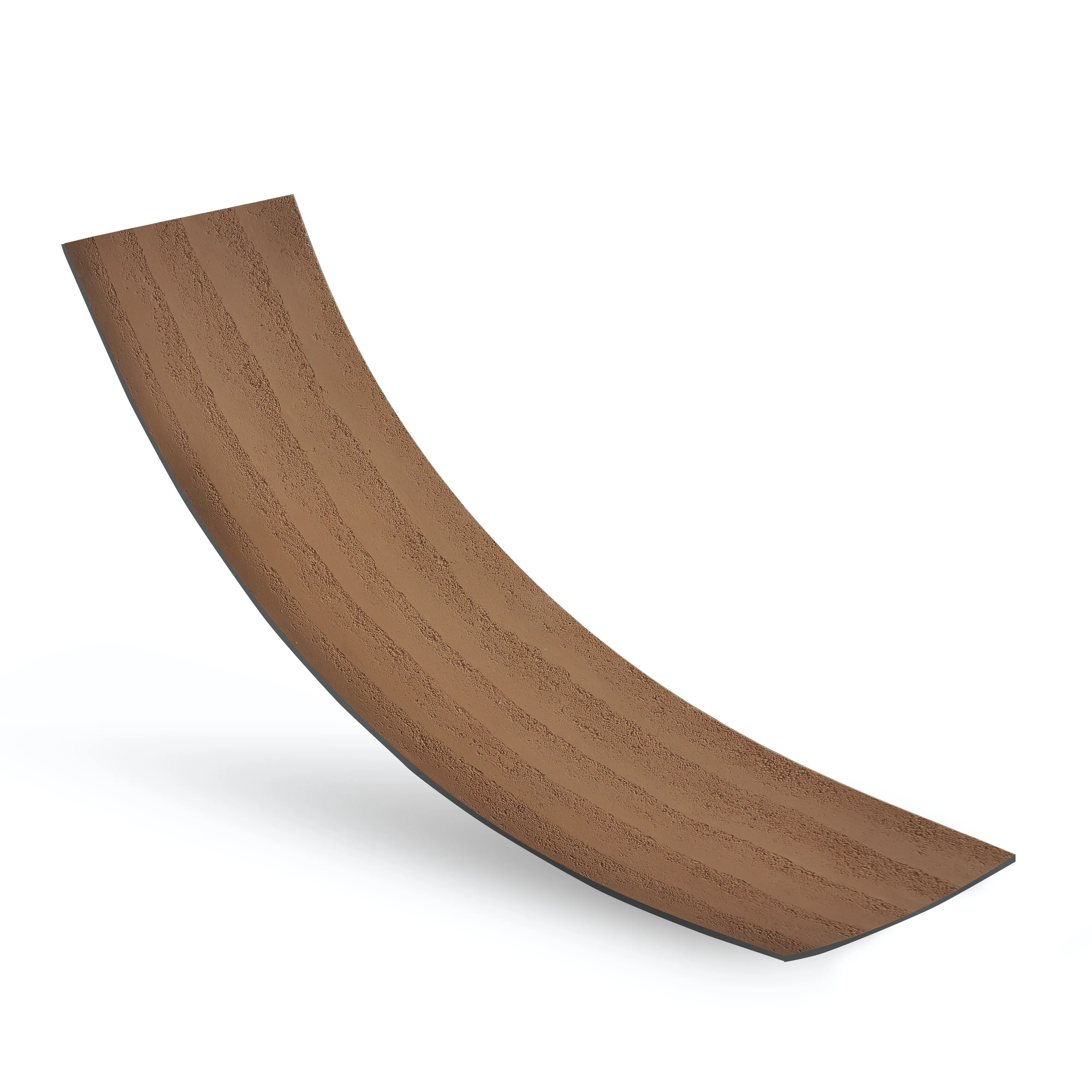
Curious how rammed earth board (khaki) holds up against other popular materials? We've put together a quick comparison based on the questions we get most from clients. Spoiler: it's a standout, but knowing its strengths (and when to pair it with others) makes your project even stronger.
| Material | Aesthetic Vibe | Durability (1–10) | Installation Difficulty | Best For | Maintenance Needs |
|---|---|---|---|---|---|
| Rammed Earth Board (Khaki) | Warm, earthy, organic texture | 8/10 (resists scratches, prone to staining if unsealed) | Moderate (needs precise cutting and adhesion) | Feature walls, fireplaces, accent ceilings | Seal every 2–3 years; wipe spills immediately |
| Flexible Stone | Sleek, modern, with stone-like texture | 9/10 (water-resistant, flexible for curves) | Easy (lightweight, cuts with utility knife) | Backsplashes, curved walls, furniture fronts | Minimal; occasional wipe with mild soap |
| Fair-Faced Concrete | Industrial, raw, minimalist | 10/10 (extremely durable, heat-resistant) | Advanced (needs formwork, curing time) | Floors, outdoor patios, commercial spaces | Seal annually; avoid acidic cleaners |
| Wood Grain Board | Cozy, rustic, natural warmth | 7/10 (prone to water damage if not sealed) | Easy (similar to installing hardwood planks) | Accent walls, wainscoting, ceiling panels | Seal yearly; avoid direct sunlight to prevent fading |
Even with perfect prep, sometimes things don't go as planned. Here's how to handle the most common issues we've seen:
Problem:
Boards are peeling or lifting at the edges.
Solution:
This usually means the adhesive wasn't applied evenly or the surface was dusty. Gently pry up the loose section, scrape off old adhesive, clean the area with rubbing alcohol, then reapply fresh adhesive and clamp overnight (use a soft cloth between the clamp and board to avoid dents).
Problem:
Grout haze won't come off.
Solution:
Mix a paste of baking soda and water, apply it to the haze, let sit for 10 minutes, then scrub gently with a soft-bristle brush. Avoid abrasive pads—they'll scratch the rammed earth.
Problem:
Stains (coffee, wine, etc.) have set in.
Solution:
For fresh stains, blot (don't rub!) with a damp cloth and mild dish soap. For older stains, try a poultice of hydrogen peroxide and baking soda: apply, cover with plastic wrap, let sit 24 hours, then wipe clean. If that doesn't work, contact COLORIA—we have a special stain remover formulated for rammed earth products.
Installing rammed earth board (khaki) is an investment, and like any investment, it needs a little care to thrive. The good news? It's low-maintenance compared to materials like marble or hardwood. Here's what you need to do:
Recommend Products












