
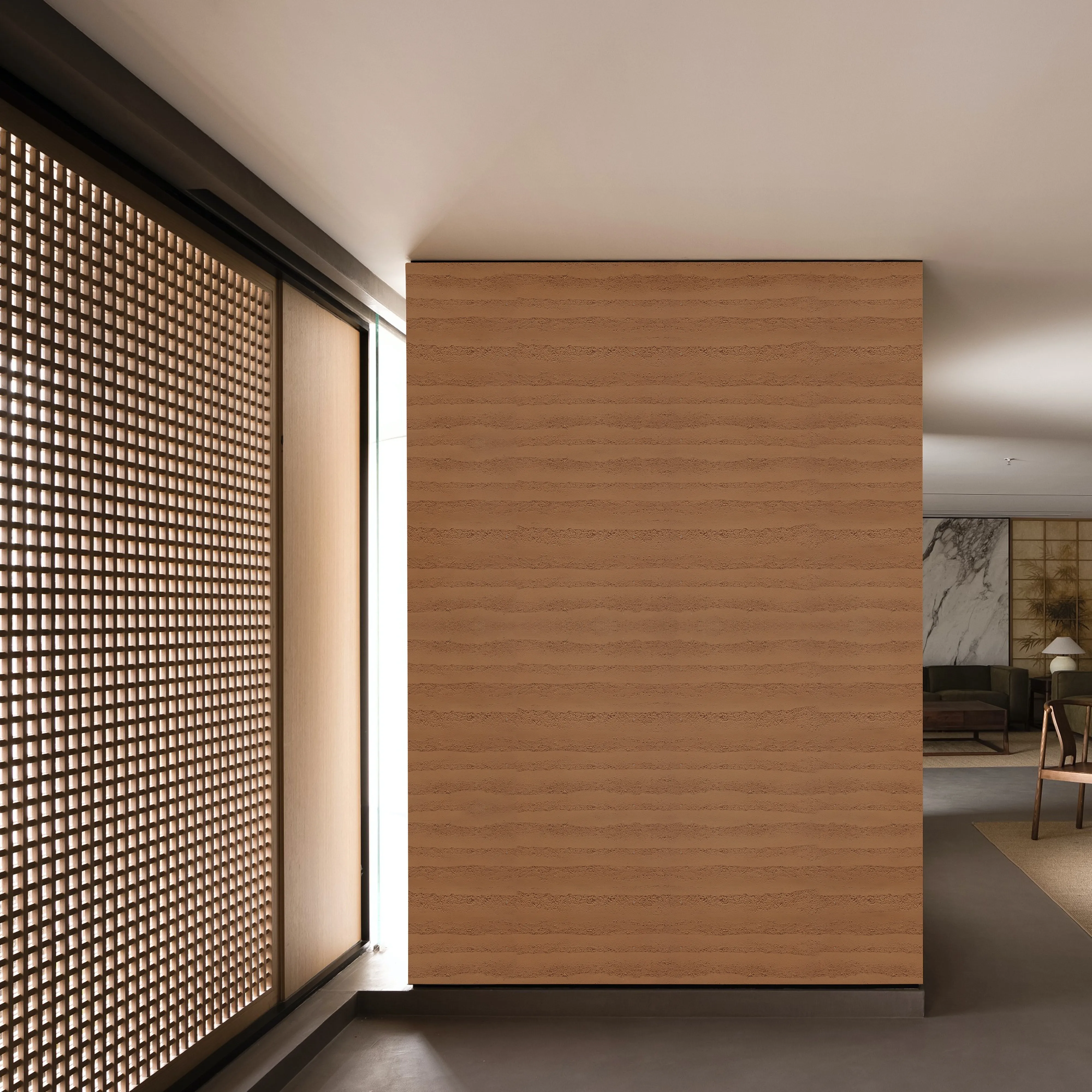
Choosing the right building material for your project can feel a lot like picking a paint color—exciting, but also a little overwhelming. There are so many options, each with its own personality, strengths, and quirks. Today, we're diving into two heavyweights in the world of cladding and interior design: Rammed Earth Board (Khaki) and fiber cement board. If you've ever found yourself staring at samples, wondering which one will stand the test of time, fit your budget, or simply make your space feel "you," you're in the right place. We'll break down their looks, how they perform, how easy they are to work with, and even their eco-credentials—all in plain, friendly language. By the end, you'll know exactly which one deserves a spot in your next project.
Let's start with the basics. You can't compare two things if you don't know what they are, right? Let's meet our contenders.
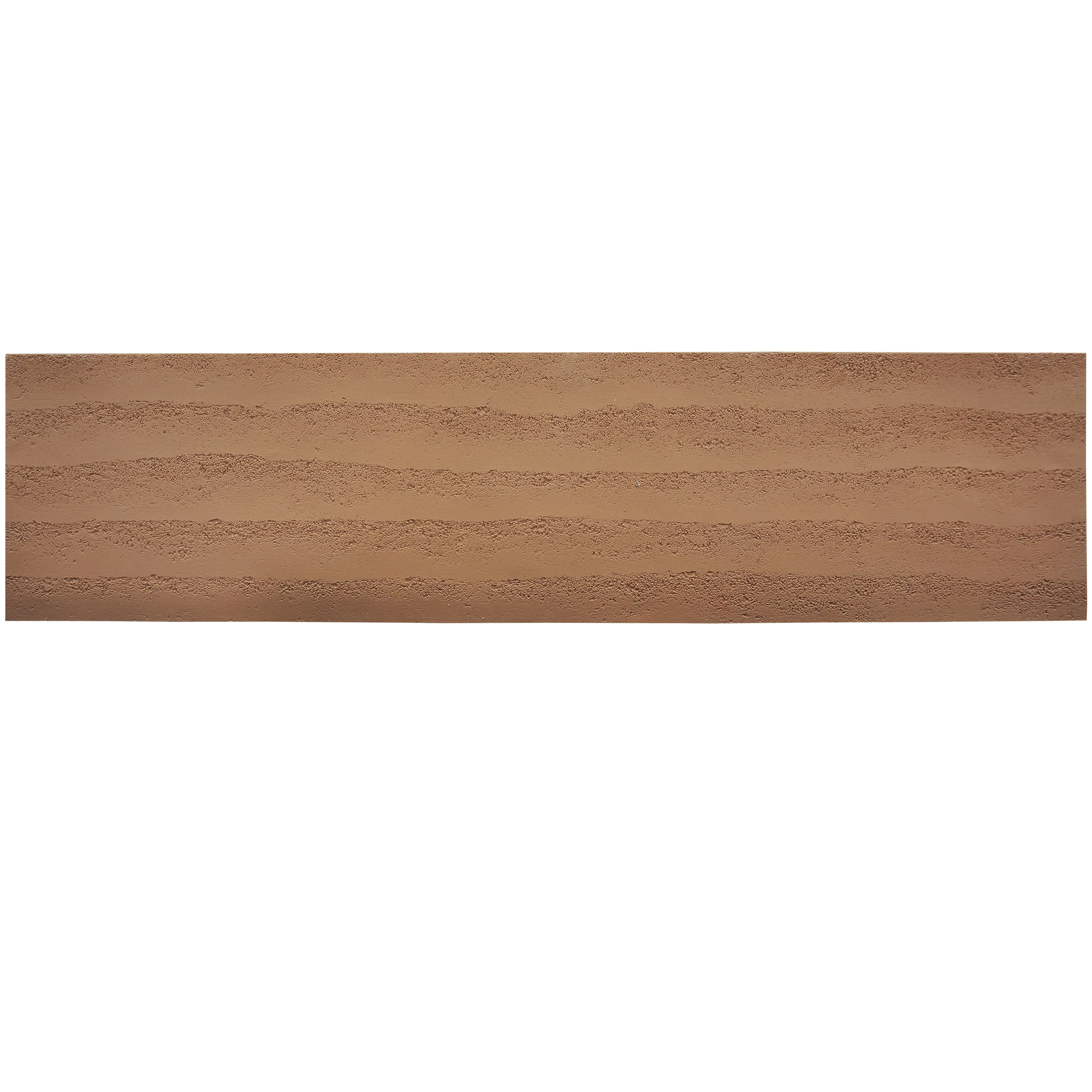
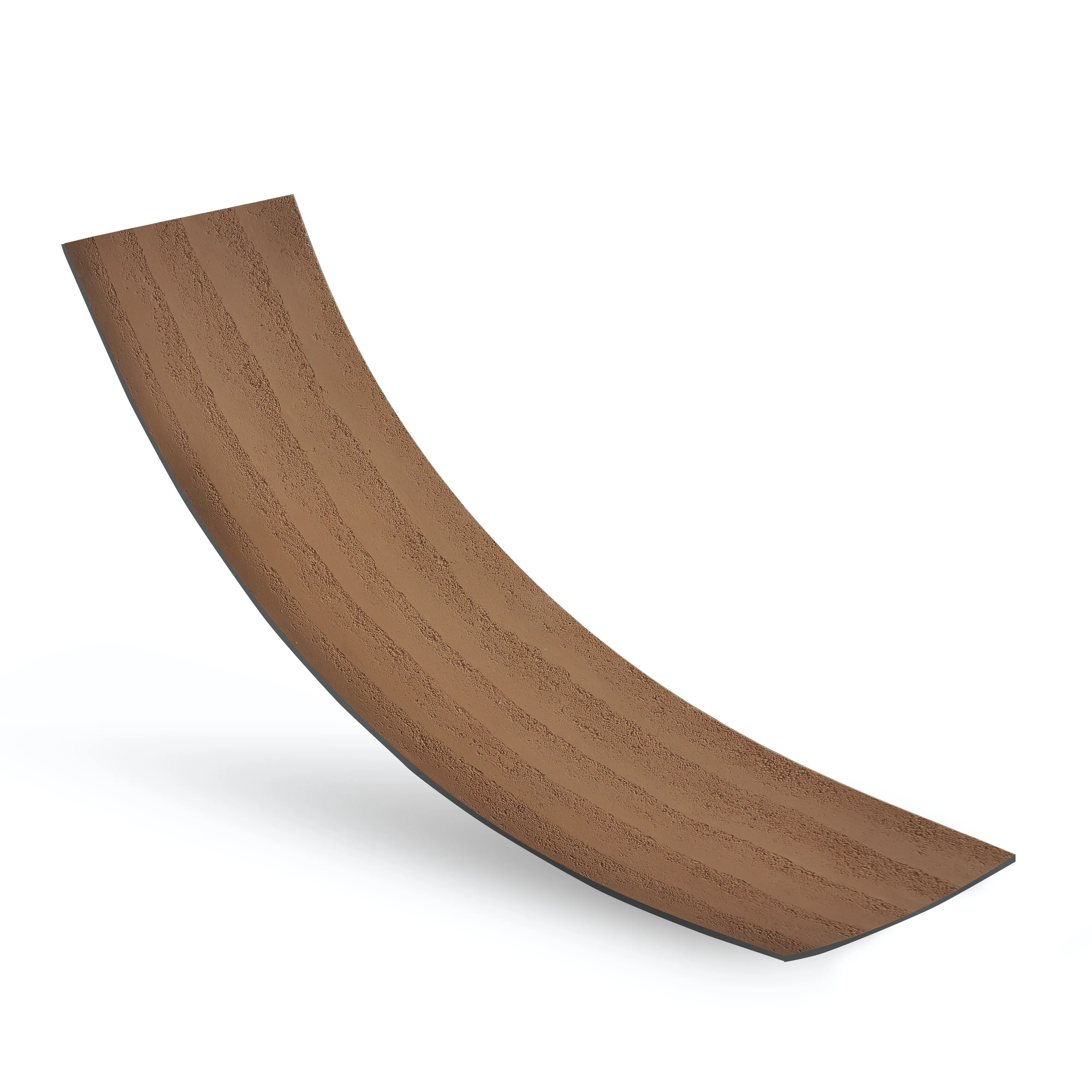
Rammed earth has been around for centuries—think ancient fortresses in China or traditional homes in the American Southwest. It's that warm, textured material that looks like it was carved from the earth itself. But Rammed Earth Board (Khaki) isn't your grandma's rammed earth. This is a modern take: a precast panel made by compressing layers of natural materials like soil, sand, gravel, and a small amount of binder (usually lime or cement) into dense, durable boards. The "khaki" in the name? That's its signature color—a soft, earthy tone that ranges from light sand to warm taupe, like a sunset over a desert plain.
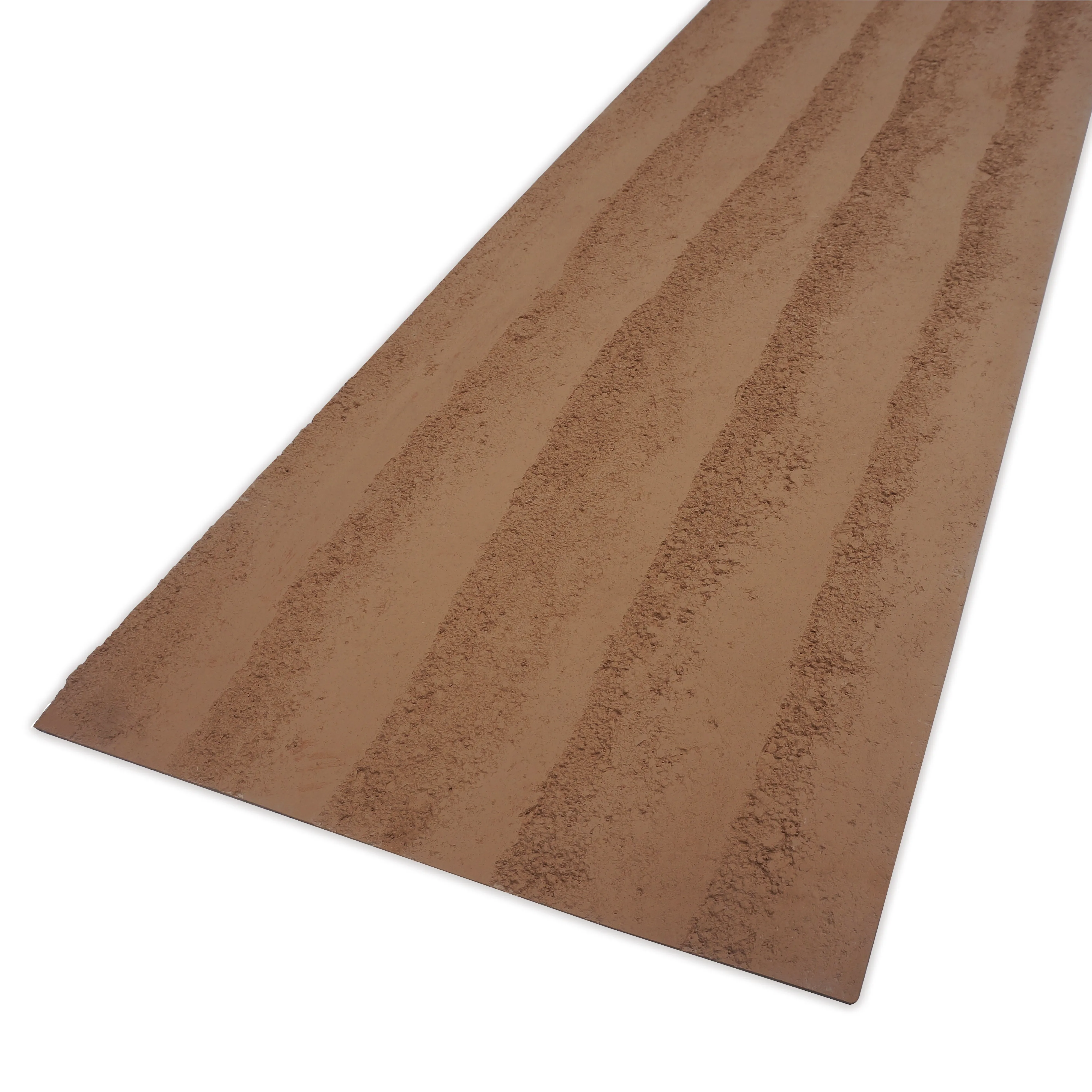
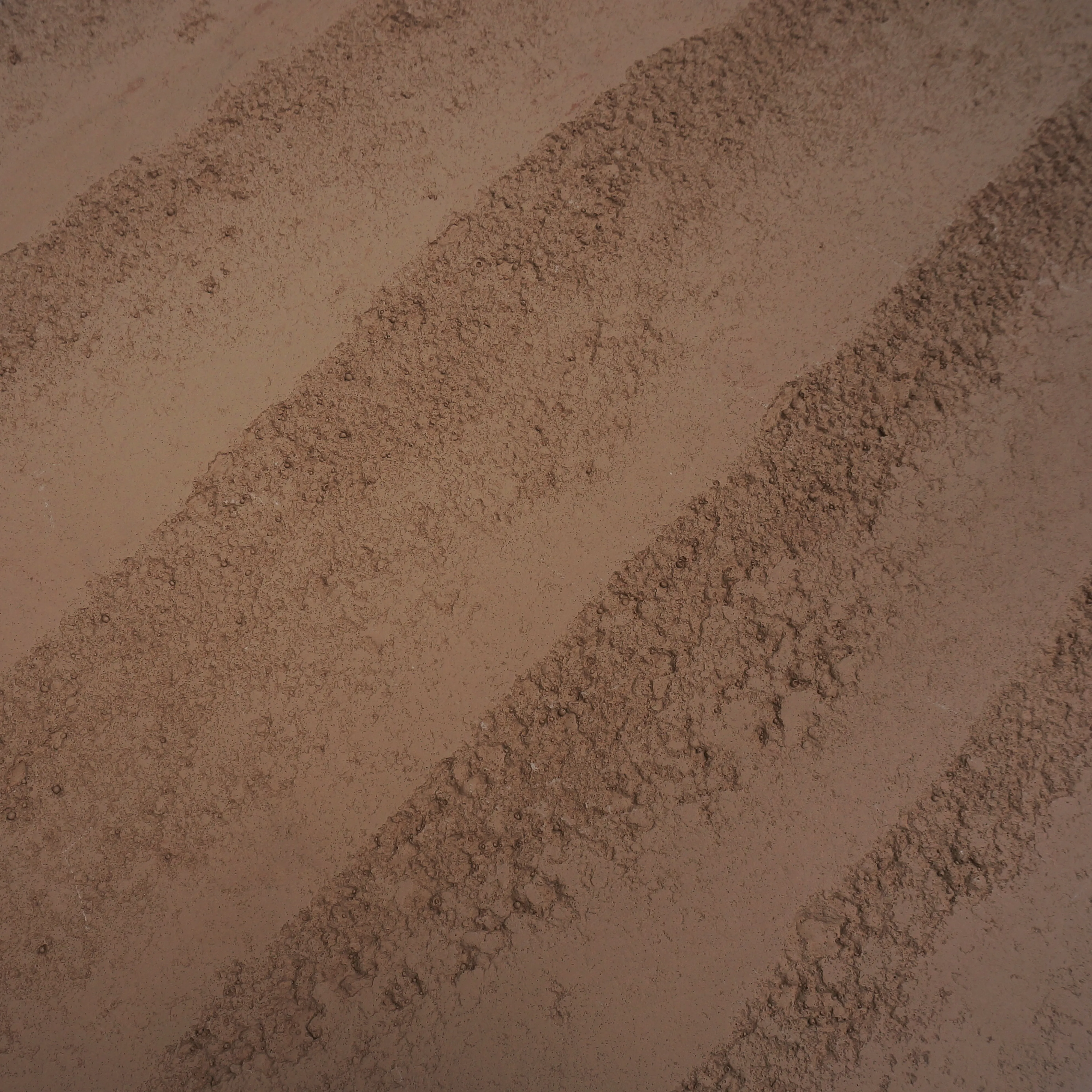
What makes it special? It's all about texture. Run your hand over a Rammed Earth Board (Khaki) panel, and you'll feel the subtle variations in the soil particles—the tiny pebbles, the smooth silt, the way the layers press together like pages in a well-loved book. It's organic, alive, and it ages beautifully, developing a patina over time that only adds to its charm.
Fiber cement board, on the other hand, is the new kid on the block—though "new" is relative. It's been around since the early 1900s, but it's gained popularity in recent decades for its no-nonsense durability. Made from a mix of cement, sand, cellulose fibers (like wood pulp), and water, it's pressed into thin, rigid sheets that can mimic the look of wood, stone, or even fair-faced concrete (that raw, industrial vibe you see in modern lofts). Unlike Rammed Earth Board (Khaki) , fiber cement is all about consistency. It comes in uniform sizes, smooth or lightly textured finishes, and a range of neutral colors—think grays, beiges, and whites.
If Rammed Earth Board (Khaki) is the cozy cabin in the woods, fiber cement is the sleek, energy-efficient apartment in the city. It's designed to be tough, low-maintenance, and ready to handle whatever life throws at it—rain, wind, humidity, you name it.
Let's be real—looks matter. Whether you're designing a home, a café, or a retail space, the materials you choose set the mood. So how do these two stack up in the style department?
If you're drawn to spaces that feel grounded and connected to nature, Rammed Earth Board (Khaki) is going to speak to you. Its khaki hue is soft but not boring—think of the color of dried grass in late summer or the sand on a quiet beach. It's versatile enough to pair with almost any other color: deep greens for a foresty vibe, terracottas for a Mediterranean feel, or even bold blacks for a modern contrast.
But the real star is the texture. Unlike smooth materials like fair-faced concrete , Rammed Earth Board (Khaki) has depth. You'll notice flecks of stone, tiny air pockets, and subtle color variations from panel to panel—no two boards are exactly alike. It's the kind of material that catches the light differently throughout the day: warm and golden in the morning, soft and muted in the evening. And because it's made from natural materials, it doesn't feel "fake" or overly processed. It's like bringing a piece of the outdoors inside (without the mud, of course).
Another bonus? It plays well with other natural materials. Pair it with wood grain board for a rustic-chic look, or with metal accents for an industrial-meets-earth vibe. It's also a favorite for accent walls—imagine a living room with a Rammed Earth Board (Khaki) feature wall behind the sofa, adding warmth to neutral furniture. Or a kitchen backsplash that feels organic but still modern.
Fiber cement board isn't here to steal the spotlight—it's here to support the design. Its real strength is its versatility. Want it to look like wood? No problem—manufacturers can emboss it with wood grain board patterns so convincing, you might do a double-take. Prefer the look of stone? It can mimic slate, brick, or even fair-faced concrete with a smooth, uniform finish.
Color-wise, fiber cement tends to be more understated. You'll find whites, grays, beiges, and the occasional dark brown or black. The finish is usually matte or satin, which means it doesn't reflect light as much as, say, a glossy tile. This makes it great for spaces where you want a calm, uncluttered look—like a minimalist bedroom or a modern office.
But here's the catch: because it's so consistent, it can feel a little… flat. Without the organic variations of Rammed Earth Board (Khaki) , it lacks that "lived-in" character. That said, this uniformity is a plus for large-scale projects. If you're cladding an entire exterior wall or a commercial space, fiber cement ensures everything lines up perfectly, with no surprises.
The Verdict: If you want warmth, texture, and a material that feels "alive," go with Rammed Earth Board (Khaki) . If you need consistency, versatility, or a sleek, modern look, fiber cement is your best bet. It really comes down to whether you want your space to feel cozy and organic or clean and contemporary.
Looks fade, but durability? That's forever. Let's talk about how these two materials hold up over time—against weather, wear and tear, and the chaos of daily life.
Traditional rammed earth is legendary for its durability—some ancient structures built with it are still standing after centuries. Rammed Earth Board (Khaki) carries that legacy forward, but with a few modern upgrades. The precast panels are dense and strong, thanks to the compression process. They're resistant to fire (since they're made from natural materials, they don't burn easily) and pests (termites and rodents aren't interested in soil and sand).
But like any natural material, Rammed Earth Board (Khaki) has its limits. It's porous, which means it can absorb water if not sealed properly. In humid climates or areas with heavy rain, this could lead to mold or mildew over time. That's why it's crucial to apply a breathable sealer (not a plastic-based one, which can trap moisture) every few years. Think of it like moisturizing your skin—just a little maintenance to keep it looking its best.
Impact resistance? It's solid, but not indestructible. A heavy object dropped on it might leave a chip, especially if the panel is thin. And while it can handle temperature fluctuations, extreme freeze-thaw cycles (like in very cold climates) could cause cracking if the panel absorbs water and the water expands when frozen.
Fiber cement board was built to last. It's water-resistant (thanks to the cement), fire-resistant (it doesn't burn, and it doesn't release toxic fumes), and termite-proof (no cellulose fibers for pests to munch on). It can handle extreme temperatures, humidity, rain, snow, and even salt spray (making it great for coastal homes).
Impact resistance? It's tough. A baseball thrown at it might leave a mark, but it's unlikely to crack or shatter. And because it's non-porous, you don't have to worry about mold or mildew—no sealing required. Just install it, and it'll look the same 10 years later as it did on day one.
The only real downside? It's prone to chipping if not handled carefully during installation. The edges can be brittle, so you need to cut it with the right tools (a circular saw with a carbide-tipped blade) to avoid splintering. But once it's up, it's rock solid.
| Feature | Rammed Earth Board (Khaki) | Fiber Cement Board |
|---|---|---|
| Water Resistance | Good (needs sealing every 3–5 years) | Excellent (no sealing required) |
| Fire Resistance | Excellent (natural materials, non-combustible) | Excellent (cement-based, non-combustible) |
| Pest Resistance | Excellent (no organic material for pests) | Excellent (termite-proof, rot-resistant) |
| Impact Resistance | Good (may chip under heavy impact) | Very Good (tough, less prone to chipping) |
| Weather Resistance | Fair (needs protection in extreme climates) | Excellent (handles rain, snow, salt, etc.) |
| Maintenance | Moderate (sealing every 3–5 years) | Low (no sealing, occasional cleaning) |
The Verdict: Fiber cement board wins hands down for low-maintenance durability, especially in harsh climates. But Rammed Earth Board (Khaki) holds its own with proper care, and its natural aging process (developing a patina) can make it even more beautiful over time. If you're willing to put in a little work to maintain it, the earthy charm is worth it.
Unless you're a seasoned contractor, installation can make or break a project. Let's talk about how easy (or not) these materials are to work with.
First things first: Rammed Earth Board (Khaki) panels are dense. A standard 4x8-foot panel can weigh anywhere from 50 to 80 pounds, depending on the thickness. That means you'll probably need a helper to move them around—no solo lifting here. But once you have them in place, cutting them is relatively straightforward. You'll need a circular saw with a masonry blade (the same kind you'd use for cutting stone or brick), and it's a good idea to wear a dust mask—the cutting process creates fine dust.
Installation typically involves mounting the panels to a wooden or metal frame using screws or adhesive. Because the panels are rigid, you need to make sure the frame is level and secure—any wobbles will show in the final result. Also, because Rammed Earth Board (Khaki) can expand and contract slightly with temperature changes, you'll need to leave small gaps between panels to prevent cracking. A good installer will know to use a flexible caulk to fill these gaps, matching the color of the board for a seamless look.
DIY-friendly? Maybe, if you have experience with heavy materials and power tools. But for most homeowners, it's worth hiring a pro—especially for exterior projects or large walls. The last thing you want is to spend money on beautiful panels, only to have them installed crookedly or damaged during the process.
Fiber cement board is lighter than Rammed Earth Board (Khaki) —a 4x8-foot panel usually weighs around 30 to 40 pounds. That makes it easier to handle solo, which is a big plus for DIYers. But here's the catch: cutting it is messy. The cellulose fibers and cement create a lot of dust—like, "wear a respirator and eye protection" messy. You can cut it with a circular saw, but some people prefer a jigsaw or a shear tool designed specifically for fiber cement to reduce dust.
Installation is similar to Rammed Earth Board (Khaki) : mount to a frame with screws or nails. But fiber cement is more flexible than rammed earth, which means it can bend slightly without breaking. This makes it easier to install around curves or uneven surfaces (though it's still best for flat walls). It also doesn't require as much spacing between panels, since it's less prone to expansion and contraction.
DIY-friendly? More so than rammed earth, but still not a project for beginners. The dust is a hazard, and cutting it incorrectly can lead to splintering or uneven edges. If you're comfortable with power tools and have done some home improvement projects before, you might be able to tackle a small fiber cement project (like a backsplash) on your own. For larger jobs, though, a pro is still the way to go.
The Verdict: Fiber cement is lighter and slightly easier to handle, making it more DIY-friendly. But both materials require some skill and the right tools. If you're not confident, hire a professional installer—your back (and your project) will thank you.
These days, we're all trying to make greener choices—and building materials are no exception. Let's break down the eco-credentials of Rammed Earth Board (Khaki) and fiber cement board.
If sustainability is your top priority, Rammed Earth Board (Khaki) is hard to beat. It's made from natural, locally sourced materials: soil, sand, gravel, and a small amount of binder (usually lime, which is also natural). Because the materials are abundant and don't require heavy processing, the carbon footprint of production is low. No mining for rare minerals, no harsh chemicals—just good old-fashioned earth.
What about embodied energy? That's the total energy used to produce, transport, and install a material. Rammed Earth Board (Khaki) scores well here too. The compression process uses less energy than, say, firing bricks or manufacturing cement. And since the materials are often sourced locally (you don't need to ship soil from across the country), transportation emissions are minimized.
At the end of its life, Rammed Earth Board (Khaki) is fully biodegradable. You can break it down and return it to the earth, where it will decompose naturally. No landfill-bound waste, no toxic runoff—just a material that goes back to where it came from.
The only potential downside? If the soil used in production is not sustainably sourced (e.g., taken from fragile ecosystems), it could have a negative impact. But reputable manufacturers (like COLORIA) ensure their soil is sourced from quarries or construction sites where it would otherwise go to waste, making it a circular process.
Fiber cement board isn't as inherently green as Rammed Earth Board (Khaki) , but it's not a villain either. The main ingredients are cement, sand, and cellulose fibers. Cement production is energy-intensive and releases CO2 (a major greenhouse gas), which gives fiber cement a higher carbon footprint than rammed earth. However, many manufacturers are working to reduce this by using recycled materials—some fiber cement boards contain up to 20% recycled cellulose fibers from old newspapers or cardboard.
Embodied energy is also higher than rammed earth, thanks to the cement production process. But fiber cement is durable, which means it lasts longer—reducing the need for replacement and lowering its overall environmental impact over time. A fiber cement board that lasts 50 years is better for the planet than a material that needs to be replaced every 10 years, even if its initial production is less green.
At the end of its life, fiber cement is recyclable—sort of. It can be crushed and used as aggregate in new construction materials, but this isn't widely available everywhere. In many cases, it still ends up in landfills, where it doesn't biodegrade (but also doesn't release toxic chemicals).
The Verdict: Rammed Earth Board (Khaki) is the clear winner for sustainability, with its natural materials, low embodied energy, and biodegradability. But fiber cement is making strides in green manufacturing, and its longevity helps offset its initial environmental impact. If eco-friendliness is your top concern, go with rammed earth. If you need durability and are willing to choose a manufacturer that uses recycled materials, fiber cement is a solid second choice.
Let's talk numbers. At the end of the day, cost is often the deciding factor—and both materials have their price tags.
Rammed earth has never been the cheapest option, and Rammed Earth Board (Khaki) is no exception. Expect to pay anywhere from $15 to $30 per square foot for the panels alone. That's more than fiber cement (which we'll get to in a minute), but remember: you're paying for natural materials, artisanal production, and that one-of-a-kind texture.
Installation costs add to the total. Because it's heavier and requires more care, professional installation can run another $10 to $20 per square foot. So for a 100-square-foot wall, you're looking at $2,500 to $5,000 total. That's a significant investment, but many homeowners and designers think it's worth it for the unique, high-end look.
Long-term, though, Rammed Earth Board (Khaki) can save you money. It's a natural insulator, which means lower heating and cooling bills. And while it requires sealing every few years (costing around $200 to $500 per project), that's less than the cost of repainting or replacing other materials.
Fiber cement board is more budget-friendly upfront. Panels cost around $8 to $15 per square foot, and installation is usually $5 to $15 per square foot. For that same 100-square-foot wall, you're looking at $1,300 to $3,000 total—significantly less than Rammed Earth Board (Khaki) .
Maintenance costs are also lower. No sealing required—just an occasional wash with soap and water. And because it's so durable, you won't have to replace panels as often. Over 20 or 30 years, the total cost might end up being similar to rammed earth, but the upfront savings are hard to ignore.
The downside? Fiber cement doesn't have the same insulation properties as Rammed Earth Board (Khaki) , so you might see higher energy bills. And if you want a wood grain board or stone-look finish, you'll pay more for the embossed panels—sometimes up to $20 per square foot, closing the gap with rammed earth.
The Verdict: Fiber cement is the better choice if you're on a tight budget. But Rammed Earth Board (Khaki) is an investment in beauty, sustainability, and long-term energy savings. If you can afford the upfront cost, it's a splurge that pays off in style and comfort.
Not every material is right for every project. Let's match each contender to its perfect use case.
Rammed Earth Board (Khaki) is all about creating atmosphere. It's ideal for interior spaces where you want to feel cozy and connected to nature: living rooms, bedrooms, home offices, or even restaurants and cafes going for a rustic-chic vibe. Exterior-wise, it works well for accent walls, garden walls, or small outbuildings (like a guest house or studio) in mild to moderate climates. Avoid it in areas with heavy rain, snow, or salt spray unless you're willing to invest in regular sealing.
Examples of perfect projects: A feature wall in a bohemian-style living room, a backsplash in a farm-to-table kitchen, or a garden wall surrounding a patio. It pairs beautifully with plants, natural textiles, and warm lighting.
Fiber cement board is the workhorse, so it shines in high-traffic or harsh environments. Exterior siding is its most common use—think entire house exteriors, commercial buildings, or coastal homes where salt and wind would damage other materials. Interior-wise, it's great for mudrooms, garages, or basements (areas prone to moisture or wear and tear). It also works well for large-scale projects where consistency is key, like apartment buildings or office complexes.
Examples of perfect projects: Siding for a beach house, a durable backsplash in a busy family kitchen, or cladding for a retail storefront that needs to look sharp year-round. It pairs well with modern architecture, metal accents, and bold colors.
The Verdict: Choose Rammed Earth Board (Khaki) for interior beauty, cozy spaces, and mild climates. Choose fiber cement for exterior durability, high-traffic areas, and harsh weather. And if you're feeling adventurous, why not use both? A fiber cement exterior with a Rammed Earth Board (Khaki) accent wall inside could be the best of both worlds.
At the end of the day, there's no "better" material—only the better material for your project. Let's recap the key points to help you decide:
And remember, this isn't an either/or situation. Many designers mix materials to create depth and interest. Imagine a fiber cement exterior with MCM Flexible Stone accents and a Rammed Earth Board (Khaki) interior wall—it's all about balance.
Whichever you choose, both materials have their place in the world of design. They're tools to tell your space's story—whether that story is one of earthy warmth or modern resilience. And with COLORIA's range of high-quality options (including Rammed Earth Board (Khaki) and MCM Flexible Stone ), you can be sure you're getting a material that's not just beautiful, but built to last.
Happy building—may your project be as unique as you are!
Recommend Products












