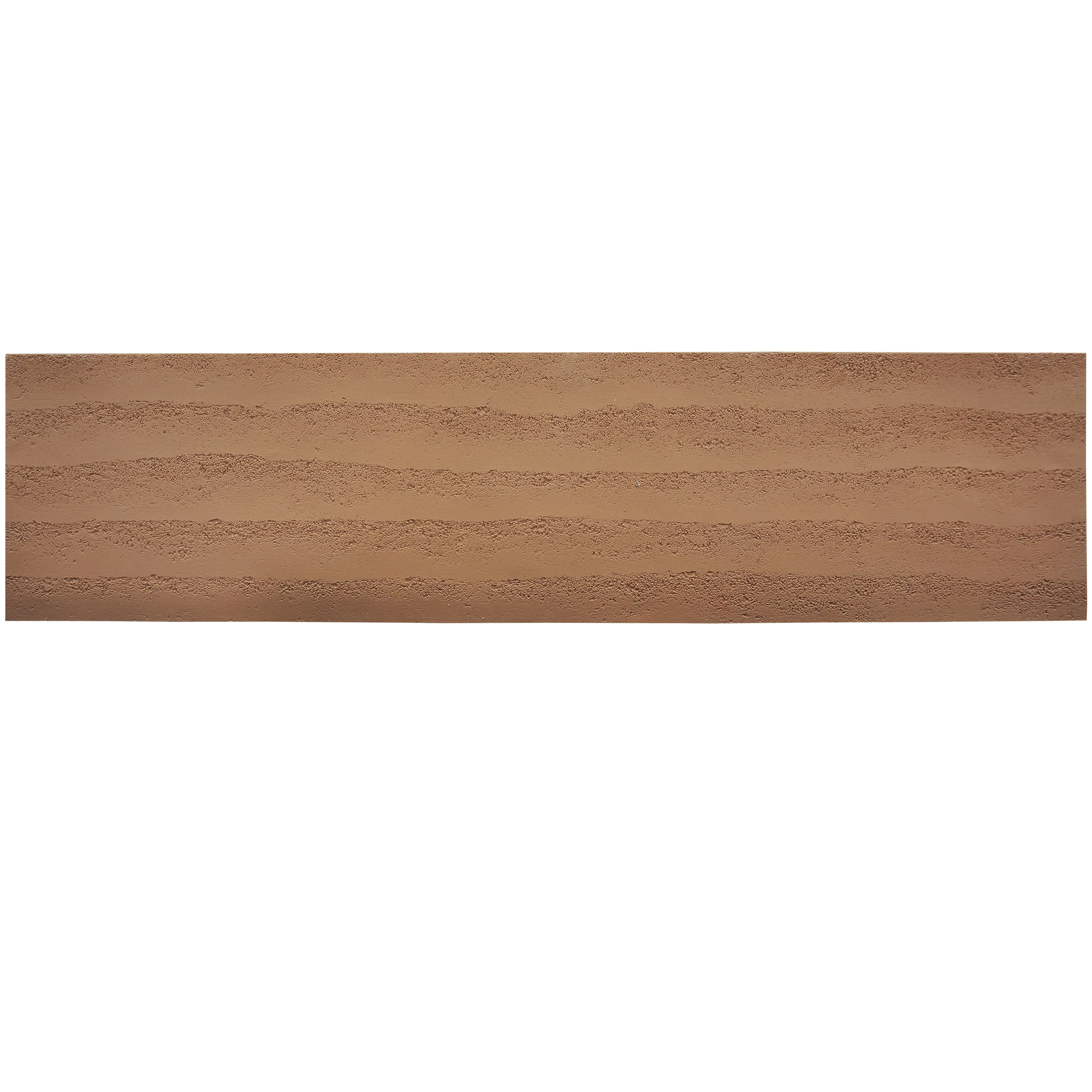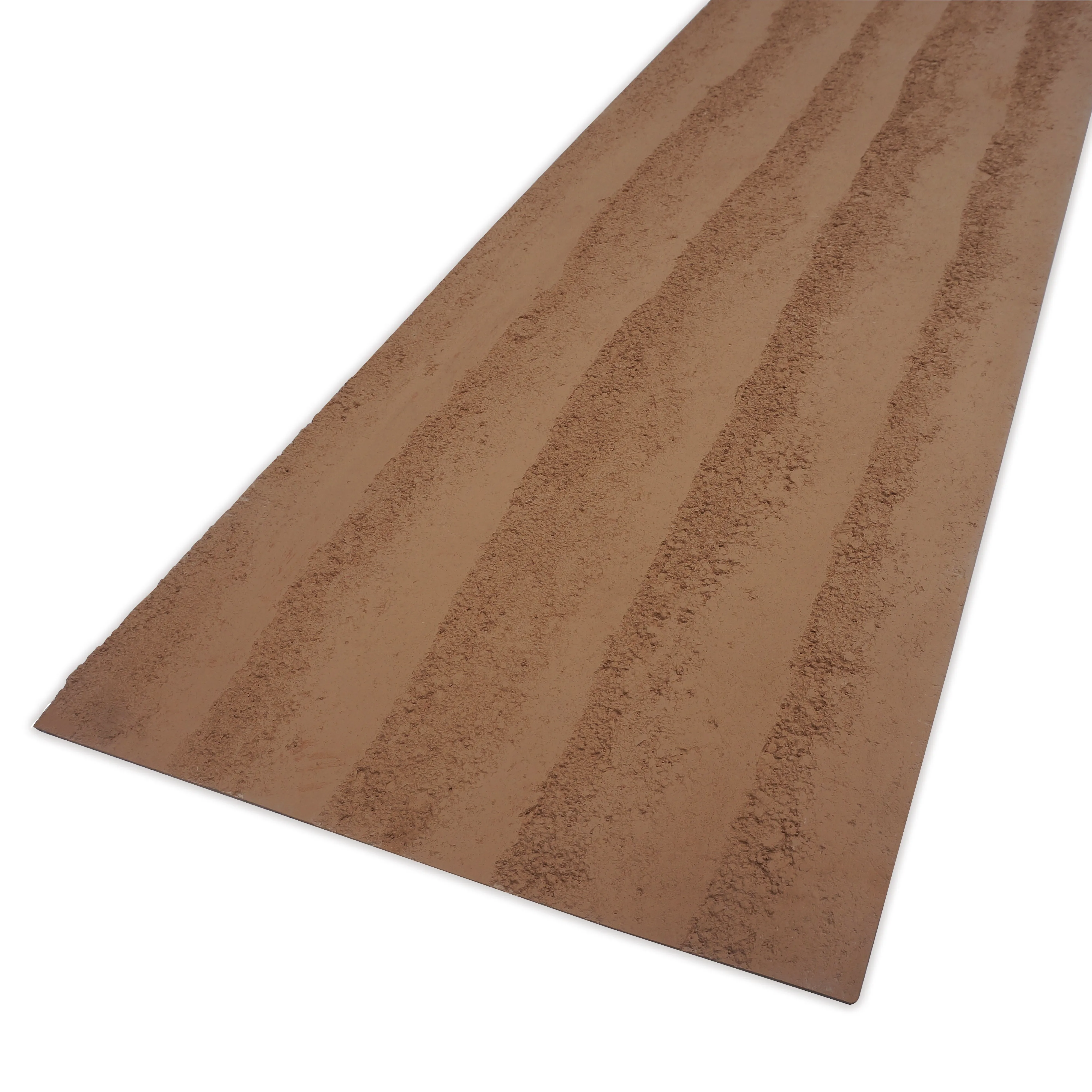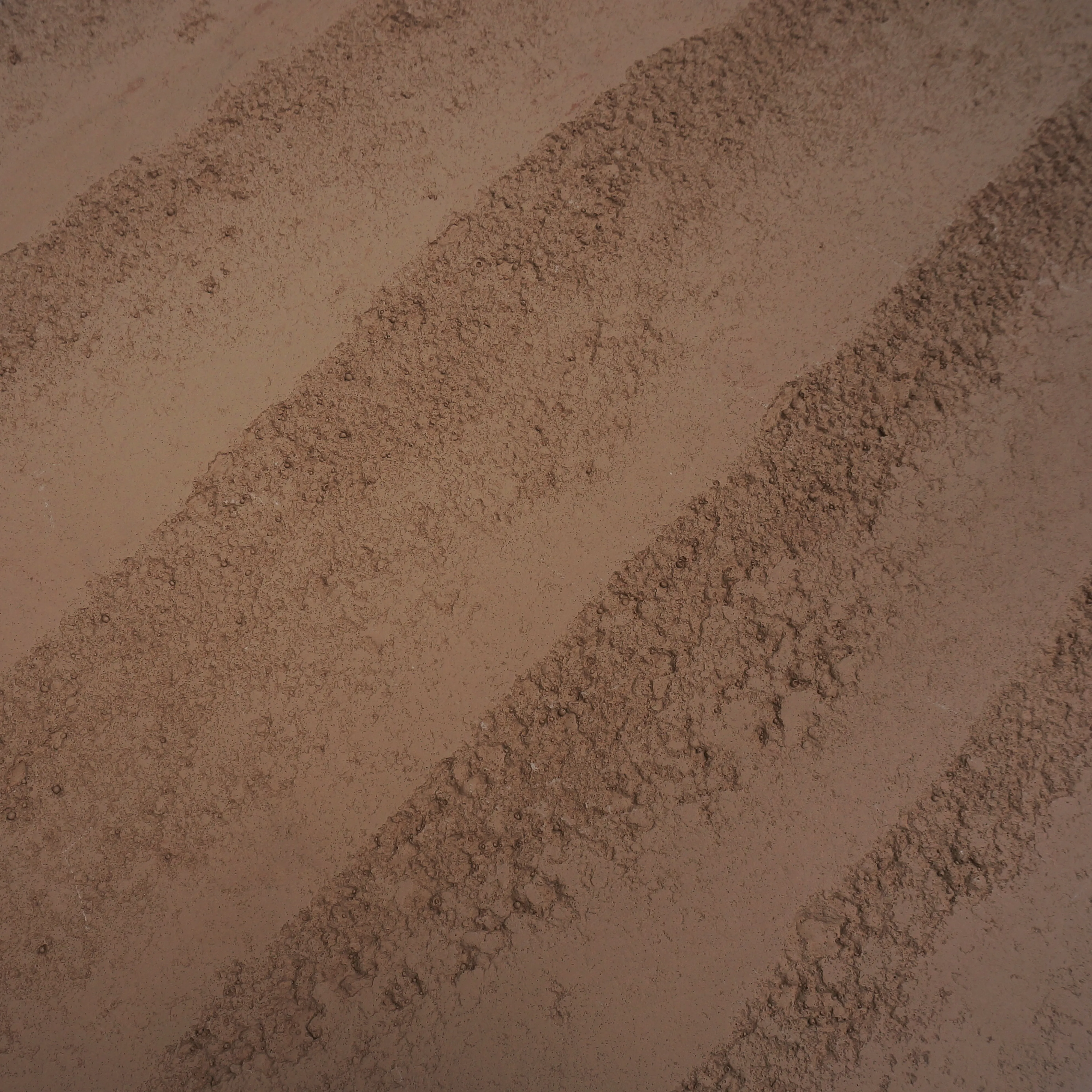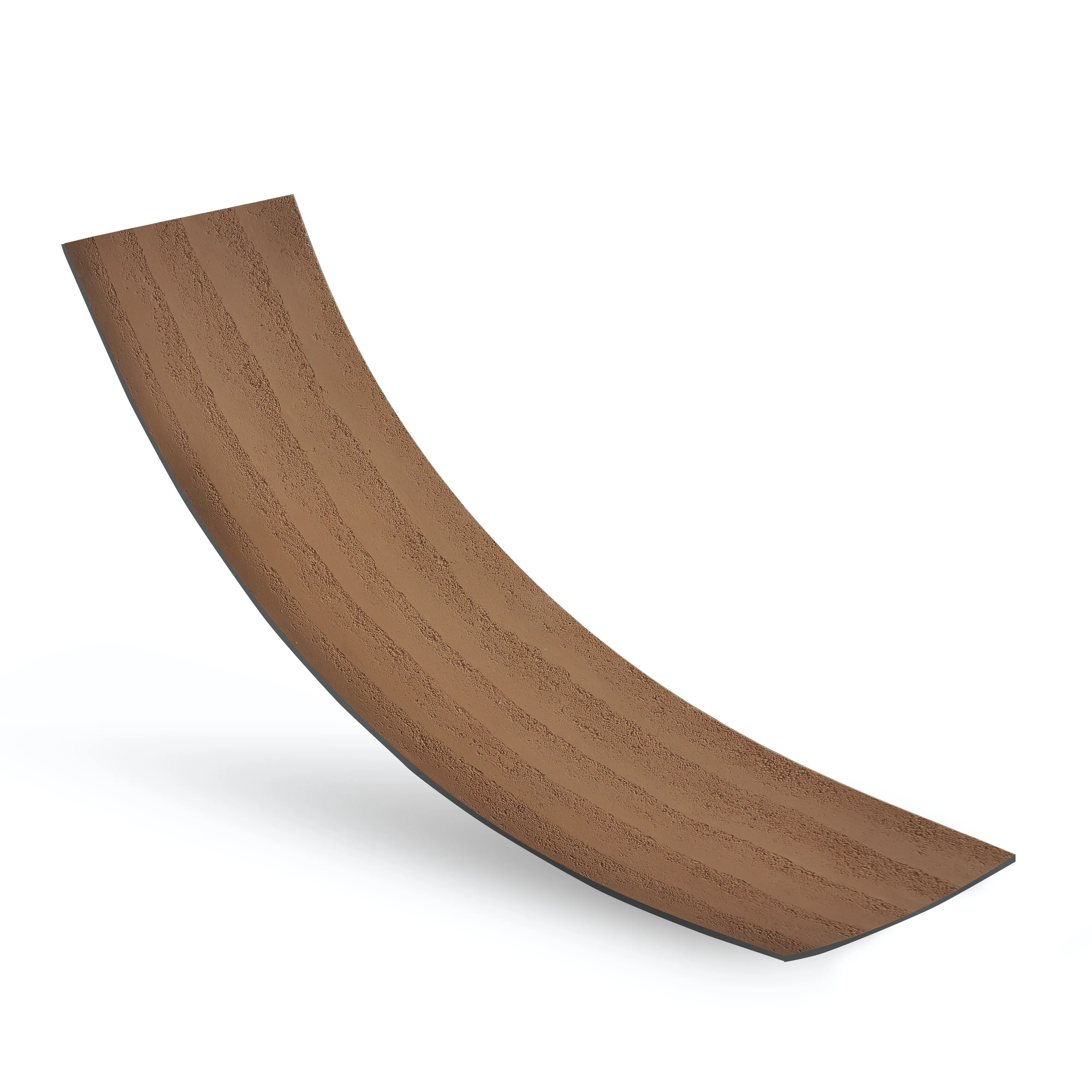
Before we start weighing pros and cons, let's get clear on what each material is. Understanding their origins, composition, and unique traits will help you see why they're both contenders in the cladding world.
Rammed Earth Board (Khaki): The Modern Earthy Contender
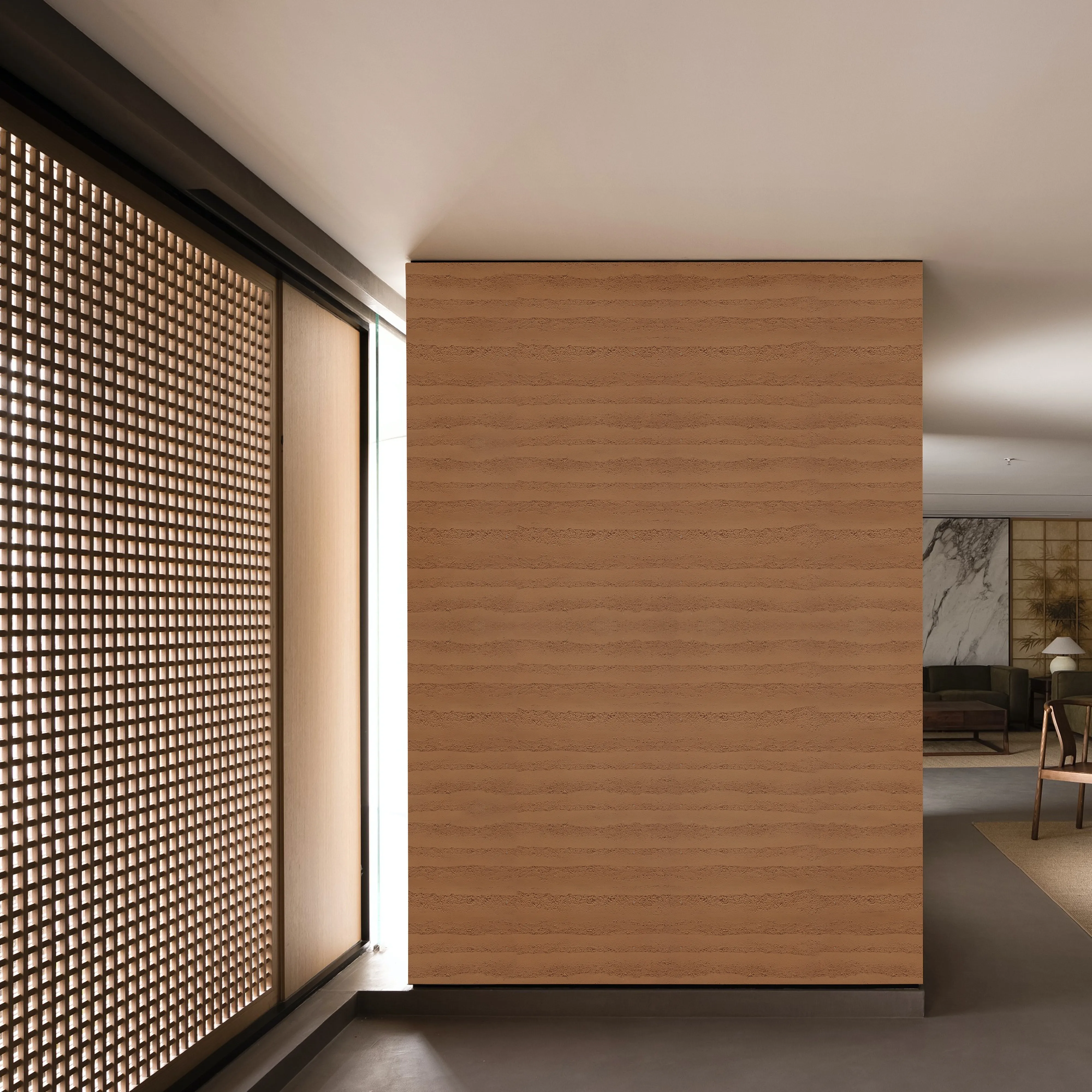
Imagine holding a material that feels like it was pulled straight from the earth but crafted with 21st-century precision—that's rammed earth board. Specifically, the khaki variant is a warm, sandy-beige hue that evokes desert landscapes and sunlit meadows. But this isn't your grandmother's rammed earth. Today's boards are often part of the MCM flexible stone family—modified composite materials (MCM) that blend natural minerals, resins, and fibers to create a lightweight, durable panel.
What makes it special? Unlike traditional rammed earth (which is labor-intensive and site-built), these boards are factory-manufactured. They're pressed, cured, and cut into uniform sheets, meaning you get the organic texture of rammed earth without the unpredictability. The khaki color comes from natural pigments, so it won't fade drastically under the sun, and the surface has a subtle, tactile grain that feels both rough and refined—like running your hand over weathered sandstone.
Natural Stone (Travertine Beige): The Timeless Classic
On the other side, we have natural stone, and travertine (beige) is a perfect example of why this material has been beloved for centuries. Formed from mineral-rich hot springs, travertine is a type of limestone with a porous, pitted surface that tells a story of millions of years of geological activity. Each slab is one-of-a-kind, with creamy beige backgrounds swirled with hints of gold, ivory, or soft gray. No two pieces are identical—some have bold veining, others tiny fossilized bubbles, making every wall clad in travertine a unique work of art.
Travertine's appeal lies in its "imperfections." Those small holes and irregularities? They're what give it character. It's a material that ages gracefully, developing a patina over time that makes a home look lived-in and loved, rather than brand-new and sterile.