
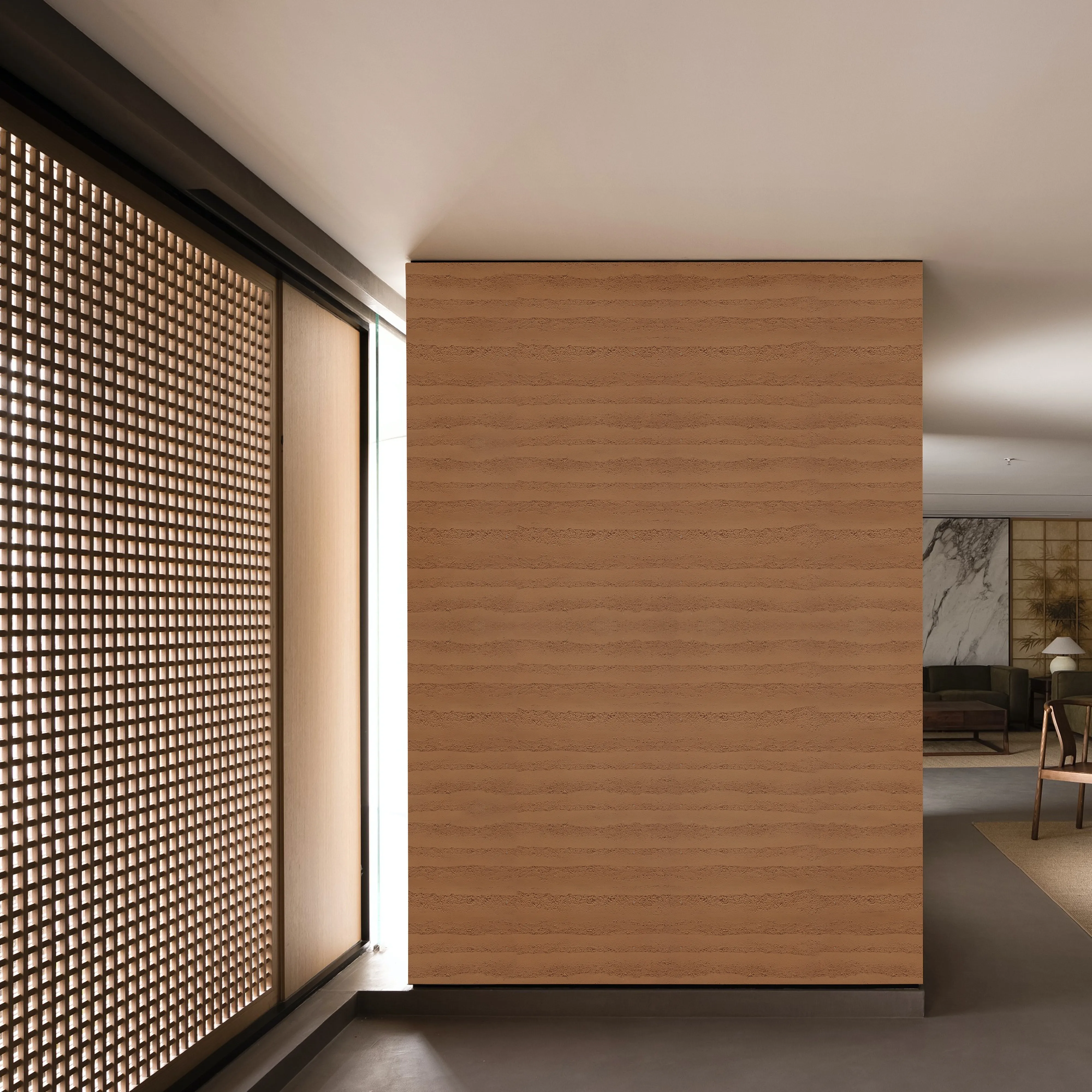
Rediscovering the earthy charm of rammed earth—now reimagined for the demands of modern design
If you've ever wandered through a historic village in the south of France, the American Southwest, or rural China, you've probably felt it—the quiet, grounding presence of traditional rammed earth walls. There's something almost primal about their texture: the rough, layered surface that looks like the earth itself was pressed into shape, the warm, earthy tones that shift with the light, the way they seem to breathe with the seasons. For centuries, builders have mixed clay, sand, gravel, and a touch of water, then tamped the mixture into wooden forms to create walls that are as functional as they are beautiful. These walls tell stories—of craftsmanship, of connection to the land, of a slower, more intentional way of building.
But here's the thing about traditional rammed earth: as much as we adore its rustic charm, it's not without its quirks. Let's say you fell in love with those walls on your travels and thought, "I want that for my home." You'd quickly hit a few roadblocks. First, there's the weight. Traditional rammed earth is dense—really dense. A single wall can weigh tons, requiring heavy-duty structural support that's not feasible for every building. Then there's the installation: it's labor-intensive, often requiring skilled craftsmen to tamp the earth by hand, which drives up costs and timelines. And while those walls are tough, they're not invincible. In humid climates, they soak up moisture like a sponge, leading to mold or cracking. In freeze-thaw regions, water seepage can cause the earth to expand and crumble. Even maintenance is a chore: over time, the surface erodes, requiring regular resealing to keep it intact.
Don't get me wrong—traditional rammed earth is a masterpiece of sustainable building. It's made from local materials, has excellent thermal mass (keeping interiors cool in summer and warm in winter), and its natural colors mean no toxic paints or sealants. But in a world where we need buildings to be lighter, faster to build, and more durable than ever, sticking strictly to the old ways can feel like trying to fit a square peg into a round hole.
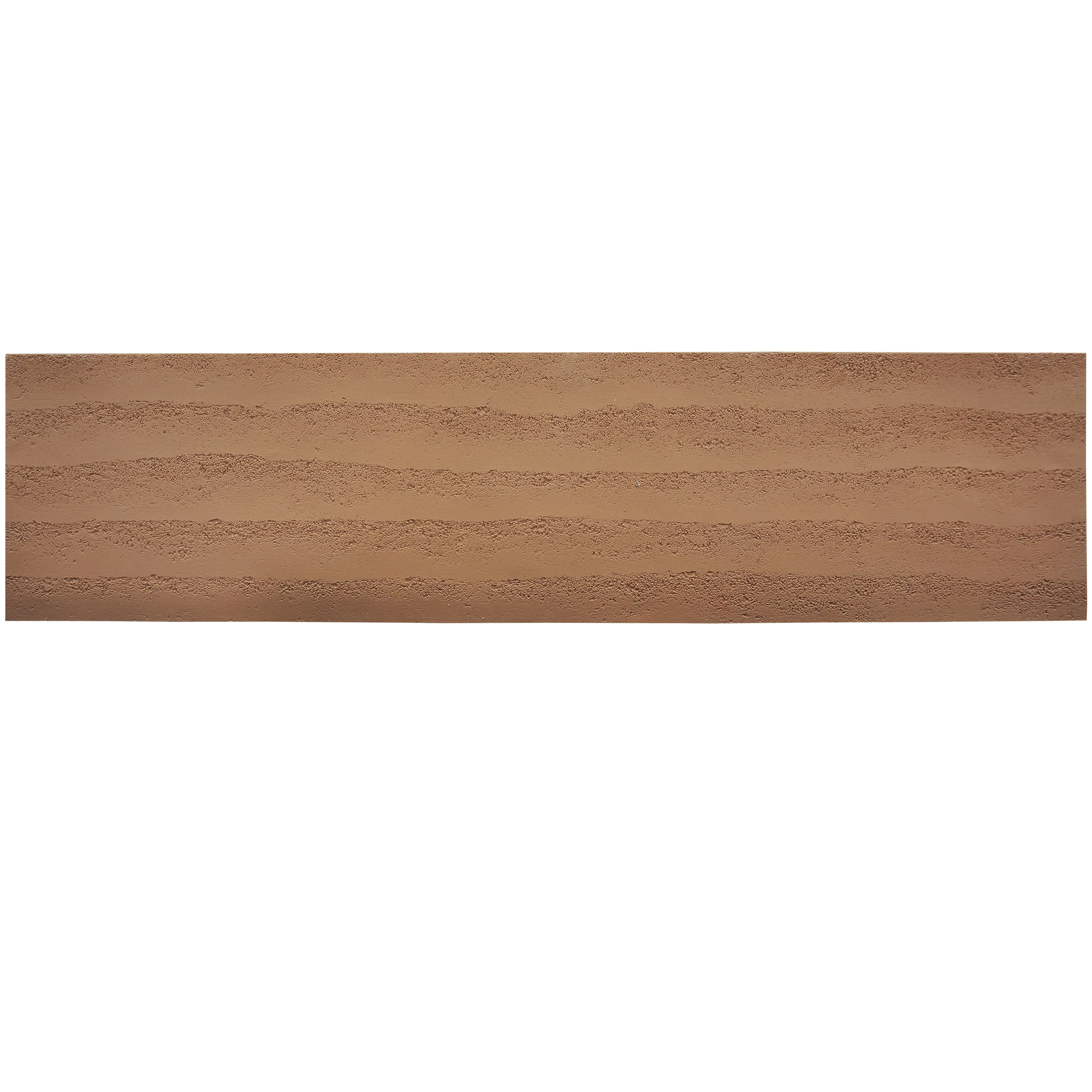
This is where MCM technology steps in. Short for Modified Composite Material, MCM is like the "smart upgrade" of traditional building materials. It takes the best parts of natural materials—their texture, color, and eco-friendly appeal—and blends them with modern engineering to fix the flaws. And one of the most exciting products in the MCM lineup? The Rammed Earth Board (Khaki) . It's designed to capture every bit of that classic rammed earth charm, but with a list of upgrades that make it ready for 21st-century homes, offices, and public spaces.
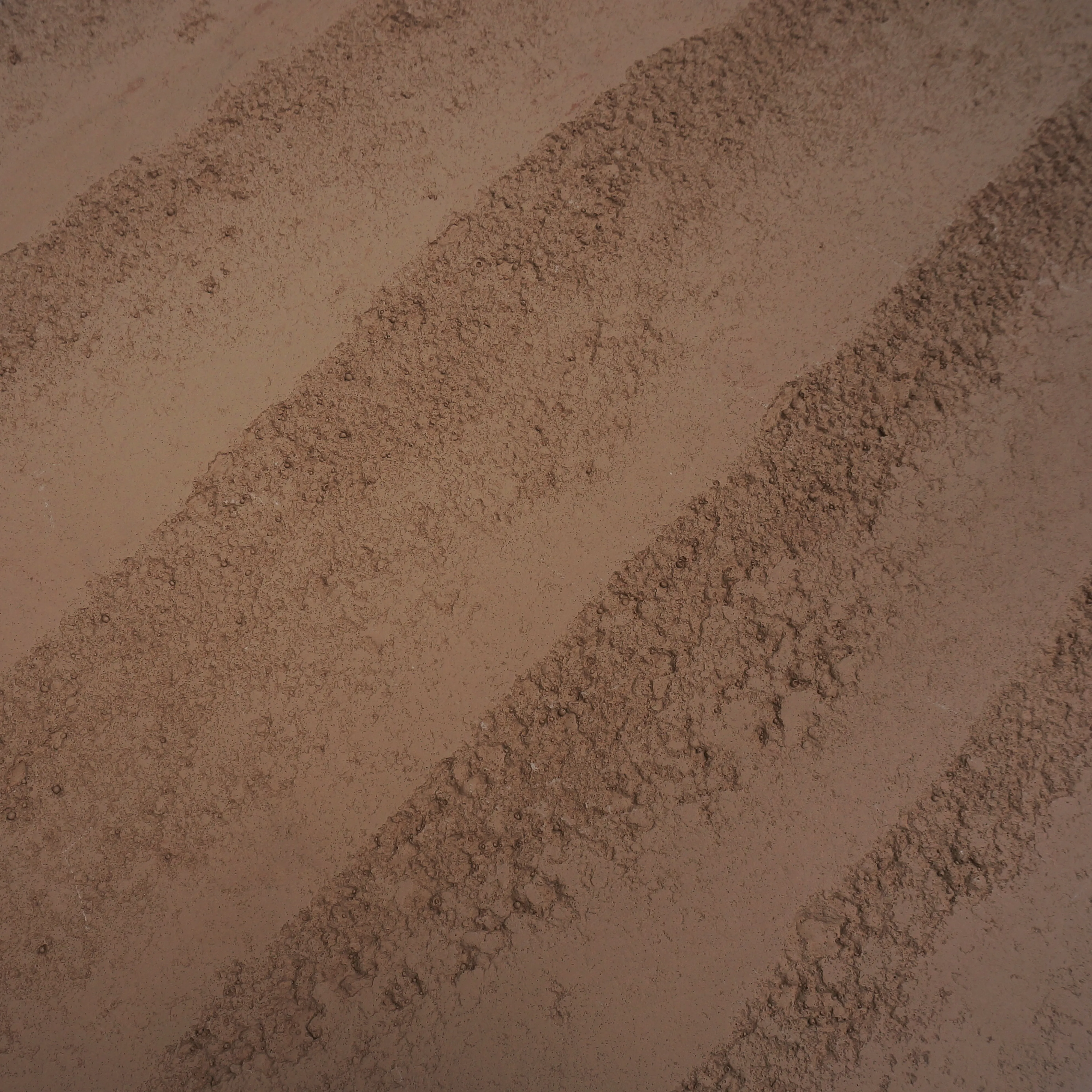
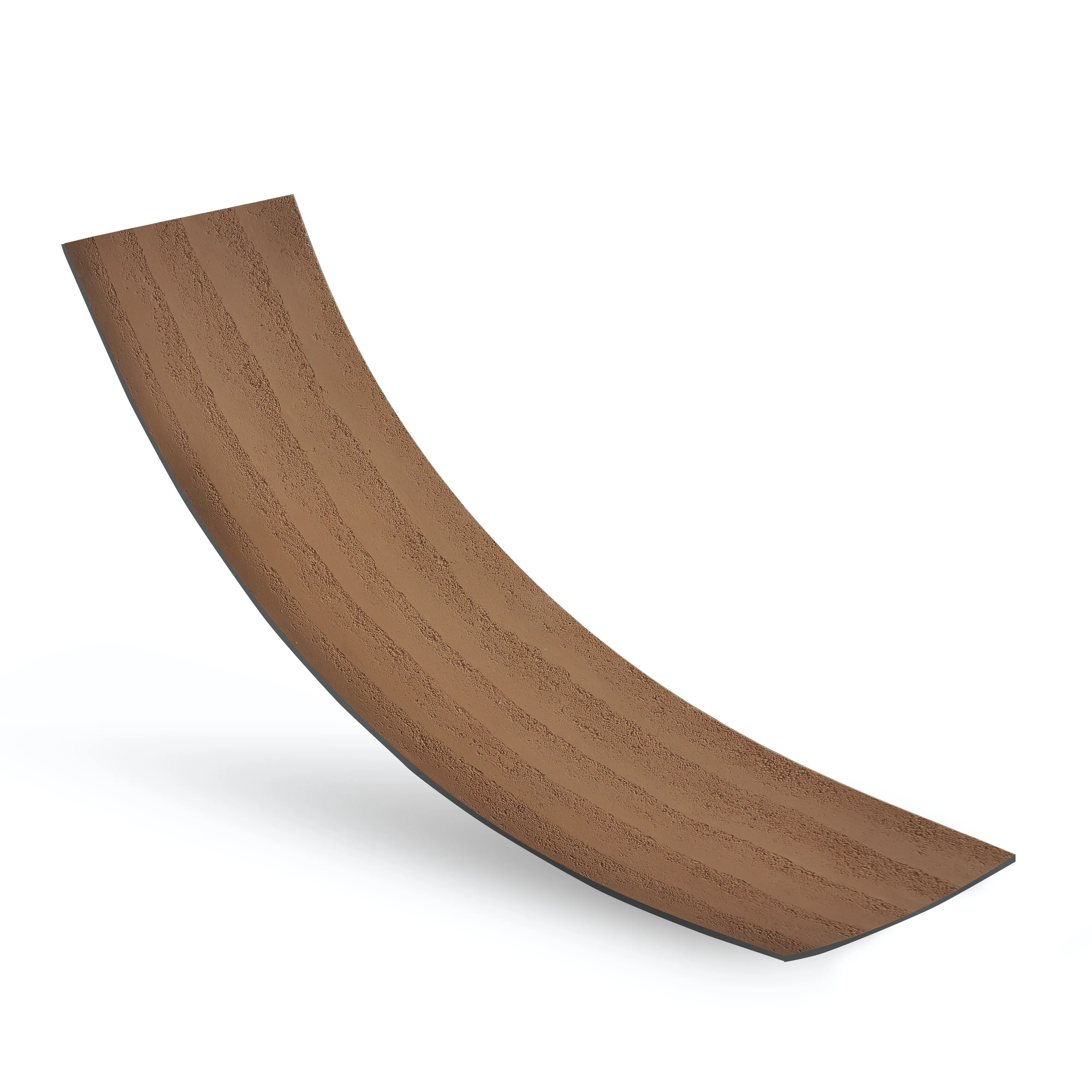
So, what exactly is MCM Rammed Earth Board (Khaki)? Let's break it down. At its core, it's a thin, flexible panel made from a mix of natural minerals (think crushed stone, clay, and sand—just like traditional rammed earth) and a small amount of polymer binders. The result? A material that looks and feels almost identical to the real thing, but with a weight that's a fraction of traditional rammed earth. Imagine holding a panel that's 3-5mm thick, lightweight enough to carry with one hand, but tough enough to withstand the elements. That's MCM magic.
And that "khaki" color? It's not just a random choice. Khaki is the ultimate neutral—warm without being overpowering, versatile enough to pair with bold accents or blend into minimalist spaces. It evokes the soft, sun-baked tones of traditional rammed earth, but with a consistency you'd never get from natural materials. No more patchy hues or uneven coloring; every panel has that same rich, earthy khaki shade that feels both timeless and fresh.
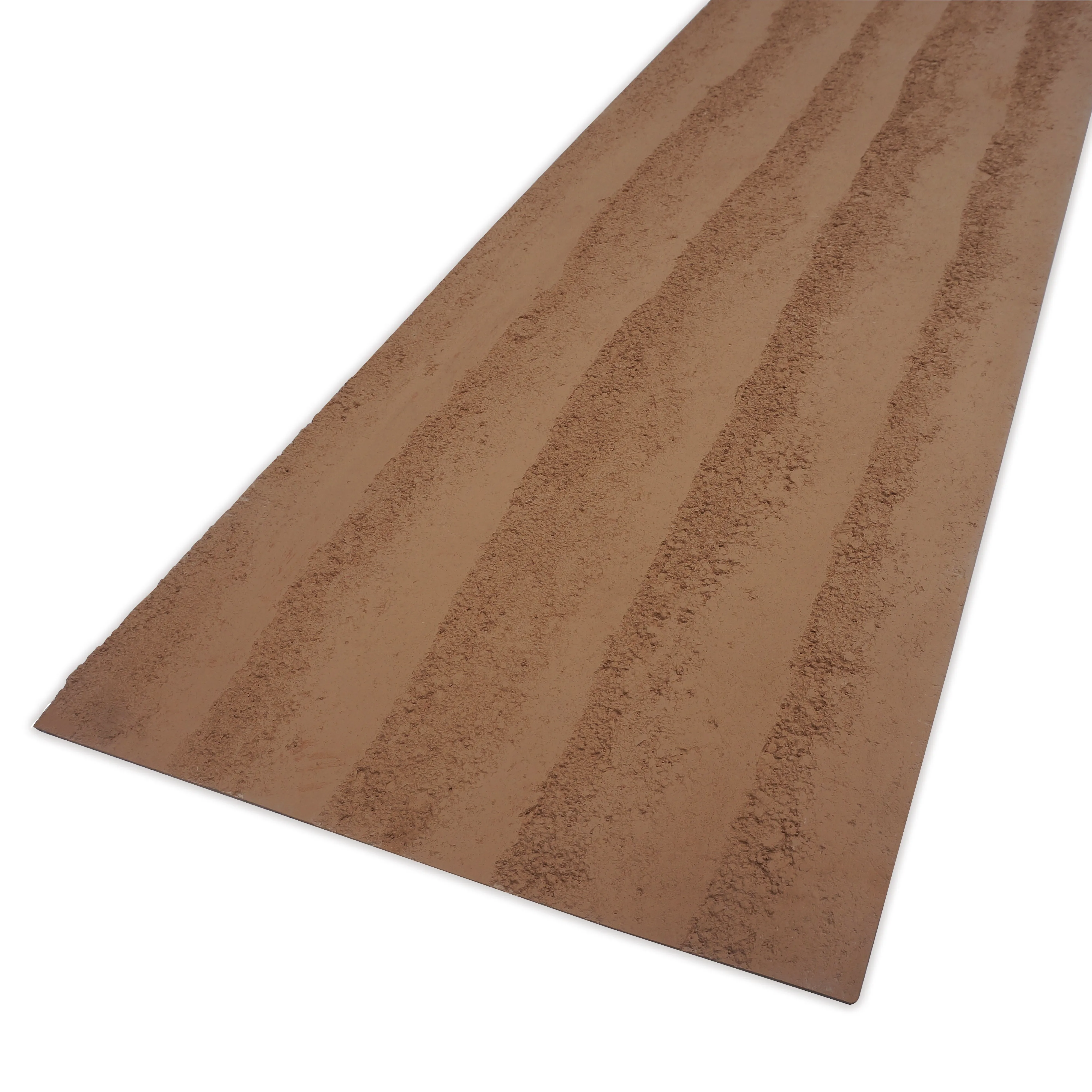
Let's get into the details. How exactly does MCM Rammed Earth Board (Khaki) improve on traditional rammed earth? Let's start with the obvious: weight . Traditional rammed earth walls can weigh upwards of 1,800 kg per square meter. MCM panels? Try 5-8 kg per square meter. That's a game-changer. Suddenly, you're not limited to ground-floor walls or buildings with reinforced foundations. These panels can go on upper floors, ceilings, even furniture. Installers love it too—no more heavy lifting or specialized equipment. A small team can hang an entire accent wall in a day, cutting down on labor costs and project timelines.
Then there's durability . Traditional rammed earth is prone to cracking if the ground shifts or if it gets too wet. MCM panels, though, are designed to flex (just a little!) without breaking. They're water-resistant, so you won't have to worry about mold or mildew in humid areas. And forget about pests—termites and rodents have zero interest in these panels. I've seen MCM installations in coastal areas, where salt spray eats away at other materials, and they still look brand-new years later. That's the power of modern engineering.
Design flexibility is another big win. Traditional rammed earth is thick and rigid, which limits where and how you can use it. MCM Rammed Earth Board (Khaki), on the other hand, is thin and flexible enough to be curved, cut into custom shapes, or even applied to existing walls as a retrofit. Want a curved accent wall in your living room? No problem. Dreaming of a khaki rammed earth backsplash in your kitchen? Go for it. And because the panels are factory-made, you can mix and match textures and colors—pairing the khaki with something sleek like Foamed Aluminium Alloy Board (Vintage Silver) for a modern contrast, or with Lunar Peak Silvery trim for a touch of metallic warmth.
Let's talk maintenance . Traditional rammed earth needs regular sealing to protect against moisture and erosion—usually every 1-2 years. With MCM, you can pretty much "install and forget." A quick wipe with a damp cloth is all it takes to keep the khaki panels looking fresh. No expensive sealants, no time-consuming upkeep. That's a huge relief for busy homeowners and commercial property managers.
And let's not overlook eco-friendliness . MCM is all about green building materials . The panels use recycled minerals and low-VOC binders, so they're kind to the planet. They're also lightweight, which reduces transportation emissions, and their durability means less waste over time (no need to replace cracked or damaged walls). Plus, since they're made in controlled factory conditions, there's minimal waste compared to traditional rammed earth, which often has uneven batches that get scrapped.
| Feature | Traditional Rammed Earth | MCM Rammed Earth Board (Khaki) |
|---|---|---|
| Weight | 1,500-1,800 kg/m² (requires heavy structural support) | 5-8 kg/m² (light enough for walls, ceilings, and retrofits) |
| Installation | Labor-intensive; requires skilled craftsmen and on-site tamping | Simple peel-and-stick or mechanical fastening; DIY-friendly for small projects |
| Durability | Prone to cracking, moisture damage, and erosion in harsh climates | Water-resistant, crack-resistant, and pest-proof; lasts 20+ years with minimal upkeep |
| Design Flexibility | Limited to thick, straight walls; uneven color and texture | Thin, flexible panels; custom cuts, curves, and consistent khaki color |
| Maintenance | Requires sealing every 1-2 years; vulnerable to stains | Wipe-clean surface; no sealing needed; resistant to stains and scratches |
| Eco Impact | Uses natural materials but generates waste from uneven batches | Recycled minerals, low-VOC binders, and minimal transportation emissions |
Now that we've covered the "why," let's talk about the "where." The beauty of MCM Rammed Earth Board (Khaki) is its versatility. It's not just for exterior walls—though it shines there, adding curb appeal with its warm, earthy tone. Inside, it can transform a plain room into a cozy retreat. Imagine a bedroom accent wall behind the headboard, its khaki texture softening the space and creating a focal point. Or a kitchen backsplash that adds rustic charm without the risk of water damage (goodbye, traditional tile grout!).
Commercial spaces are loving it too. Cafés use it to create a welcoming, "homey" vibe that makes customers want to stay. Offices pair it with sleek surfaces like Foamed Aluminium Alloy Board (Vintage Silver) for a look that's both grounded and modern. Retail stores use it to highlight products, as the neutral khaki background makes colors pop. Even hospitality venues—hotels, resorts, restaurants—are embracing it to create spaces that feel connected to nature, even in urban settings.
One of my favorite applications? Retrofits. Older homes with limited structural support can now get that rammed earth look without tearing down walls or reinforcing foundations. Just attach the lightweight MCM panels to existing drywall or concrete, and suddenly, you've got a historic-inspired feature that fits seamlessly with modern living.
And let's not forget outdoor spaces. MCM Rammed Earth Board (Khaki) holds up beautifully in gardens, patios, and pool areas. It won't fade in the sun, warp in the rain, or crack in the cold. Imagine a poolside bar with khaki panels and Lunar Peak Silvery trim—earthy meets elegant, and totally low-maintenance.
MCM Rammed Earth Board (Khaki) is a star on its own, but it plays well with others. The MCM product line is full of complementary materials that can take your design to the next level. For example, pairing the khaki panels with Lunar Peak Silvery creates a stunning contrast—warm earth tones meet cool metallic sheen, perfect for modern interiors. Or mix in Foamed Aluminium Alloy Board (Vintage Silver) for a hint of industrial chic; the vintage silver's weathered look complements the khaki's rustic texture.
If you're going for a more layered, natural look, combine the khaki rammed earth with wood-grain MCM panels. The mix of earthy textures creates depth and warmth, like bringing a forest indoors. For a bold statement, add accents of deep blue or terracotta tiles—colors that pop against the neutral khaki backdrop.
The key here is balance. MCM products are designed to work together, so you don't have to worry about clashing textures or colors. Whether you're going for minimalist, bohemian, industrial, or traditional, there's a combination that will make your space feel intentional and cohesive.
Let's address the elephant in the room: cost. MCM Rammed Earth Board (Khaki) is more expensive upfront than traditional rammed earth materials (clay, sand, gravel). But when you factor in the savings—lower labor costs, minimal maintenance, reduced structural support needs, and longer lifespan—it's actually a smarter long-term investment. Think of it as paying a little more now to save a lot later.
And let's not the value of design flexibility. Traditional rammed earth locks you into a specific look and structure. With MCM, you can change your mind down the line—repaint (though you won't want to!), rearrange panels, or even remove them if you decide to update your space. That adaptability is priceless in a world where design trends evolve quickly.
At the end of the day, MCM Rammed Earth Board (Khaki) isn't trying to replace traditional rammed earth. It's honoring its legacy while making it accessible to more people, in more places, with more needs. It's for the homeowner who loves the look of historic walls but lives in a city apartment. It's for the business owner who wants to create a memorable space without breaking the bank on maintenance. It's for the designer who craves natural texture but needs materials that can keep up with bold, modern visions.
Traditional rammed earth will always hold a special place in our hearts. It's a reminder of where we've been—of craftsmanship, of connection to the land, of building with intention. But as we build for the future, we need materials that honor that past while embracing progress. MCM Rammed Earth Board (Khaki) does exactly that. It's a bridge between old and new, between rustic charm and modern practicality.
So, whether you're building a new home, renovating an old one, or designing a commercial space, consider this: the earthy, grounding beauty of rammed earth doesn't have to be a thing of the past. With MCM, it's alive and better than ever—lighter, tougher, more versatile, and just as charming. The Khaki panels aren't just building materials; they're a way to bring a little piece of the earth into our busy, modern lives—without the hassle.
Here's to building spaces that feel like home—now, and for years to come.
Recommend Products












