
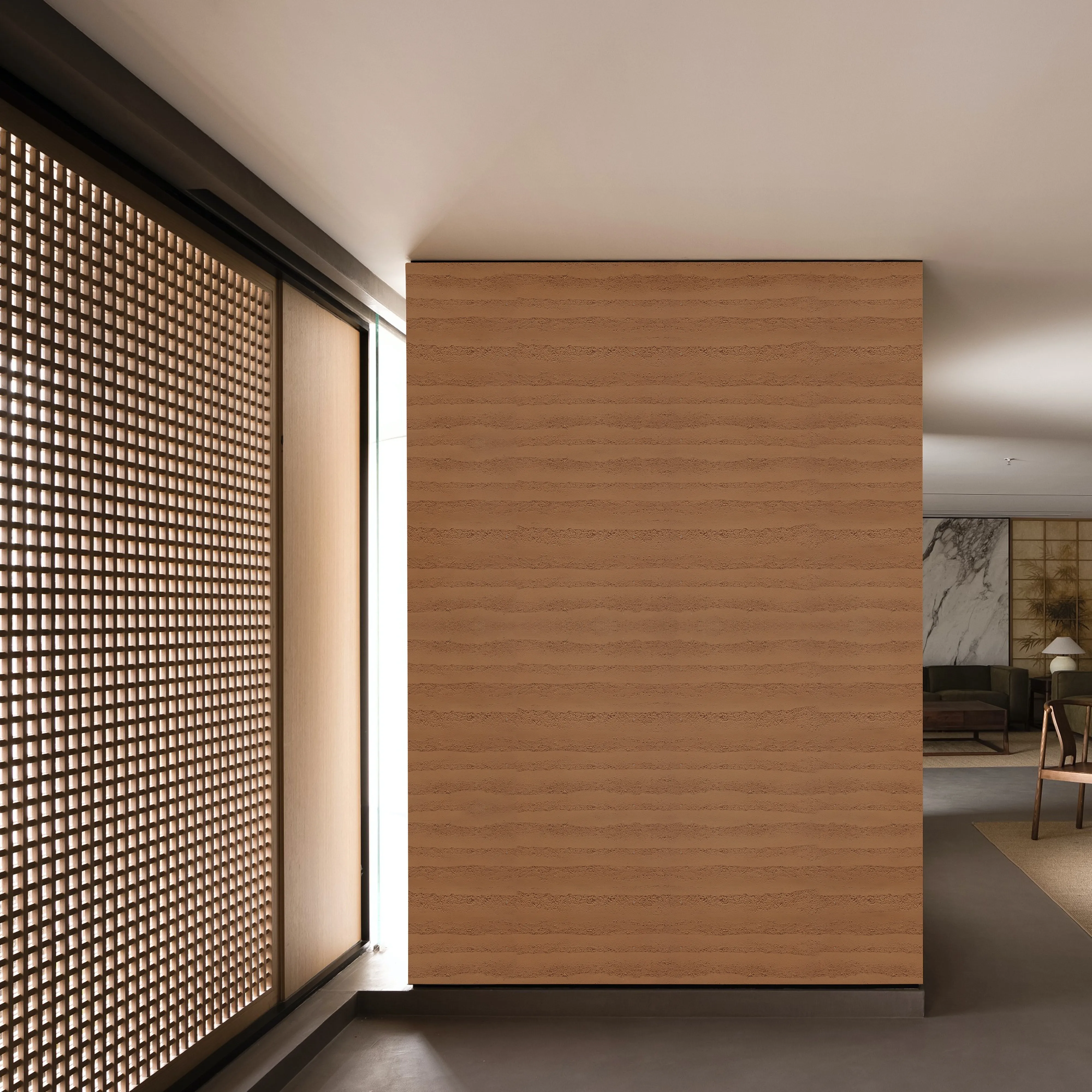
Choosing the right exterior cladding for a home or commercial building is more than just a design decision—it's an investment in longevity, practicality, and the overall character of the structure. For architects, homeowners, and builders alike, two materials have risen to the top of the consideration list in recent years: the warm, earthy Rammed Earth Board (Khaki) and the timeless, natural appeal of Wood Cladding . Both bring unique strengths to the table, but when it comes to durability and maintenance—the unsung heroes of long-term building satisfaction—their differences become strikingly clear. In this deep dive, we'll pit these two contenders against each other, exploring how they stand up to the elements, the upkeep they demand, and why one might emerge as the smarter choice for your next project.
Before we jump into the nitty-gritty of durability and maintenance, let's get to know our two competitors.
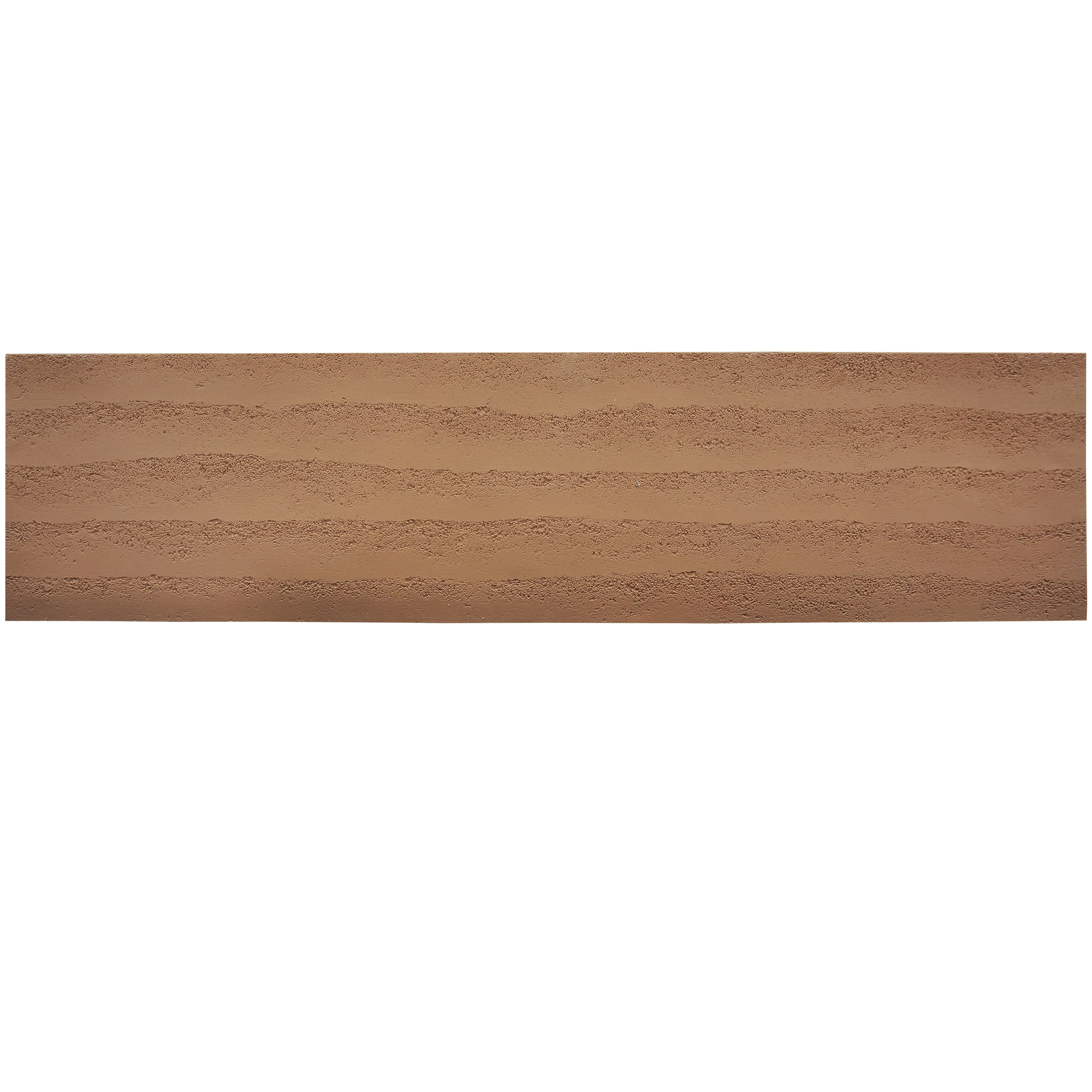
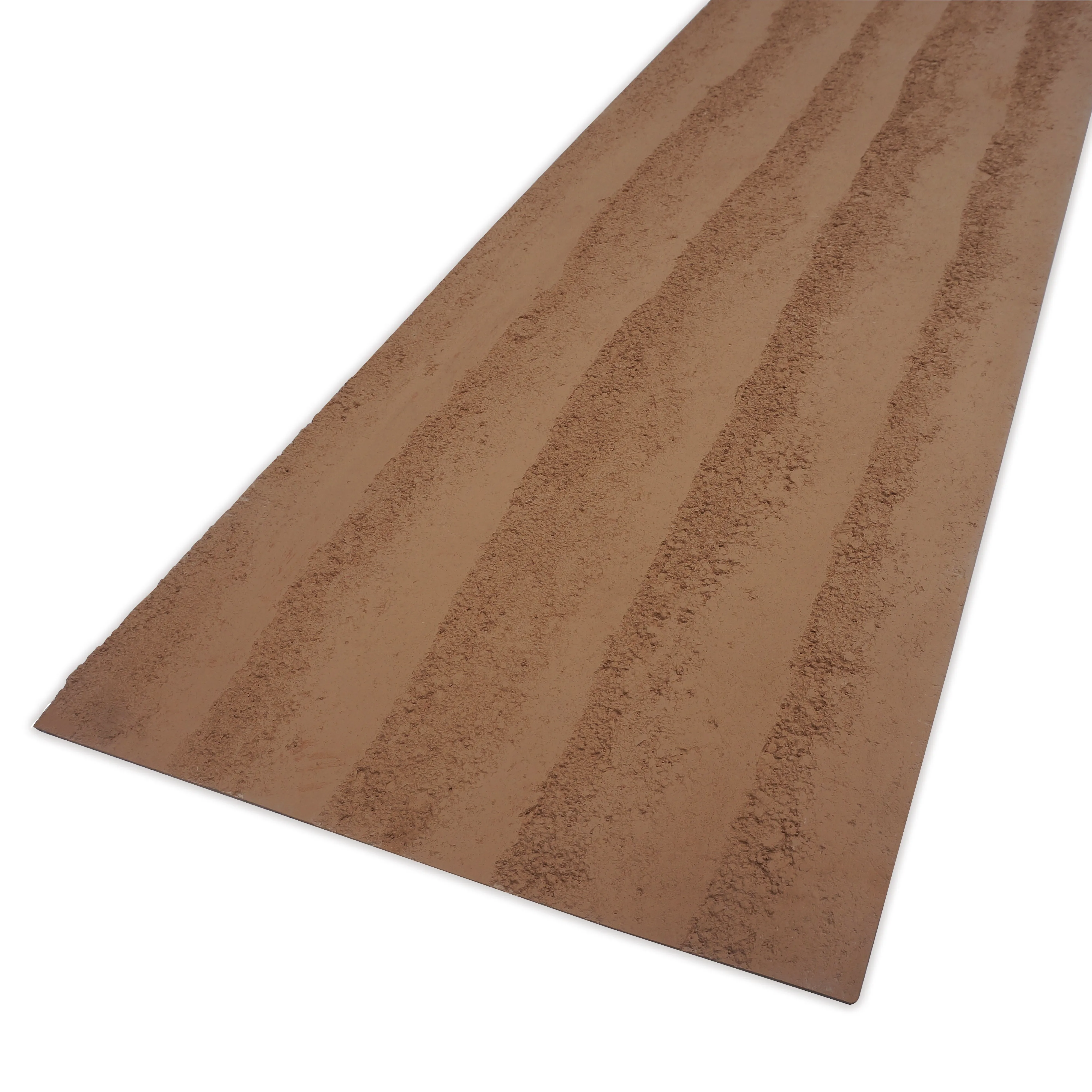
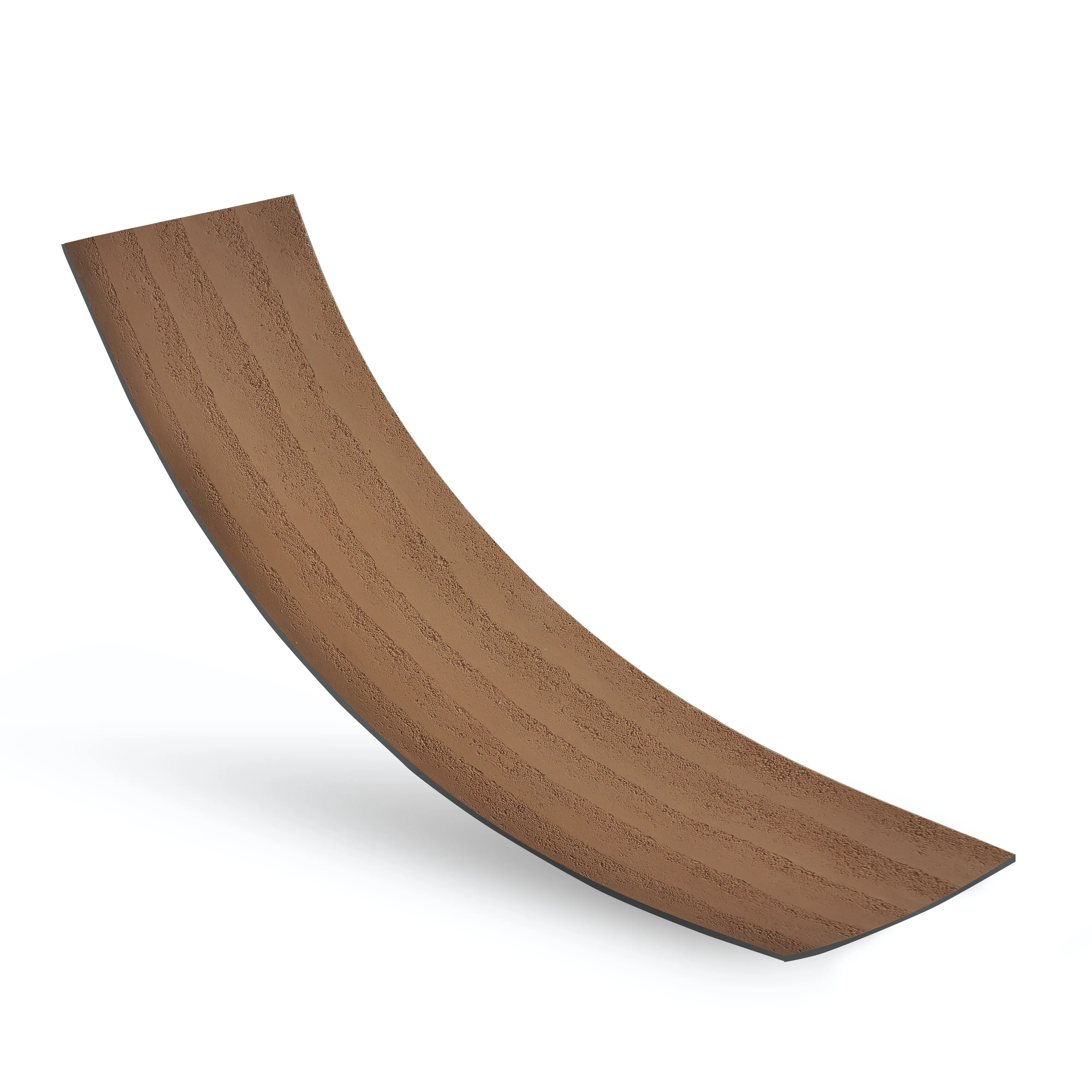
Rammed Earth Board (Khaki) is a modern take on an ancient building technique. Crafted by compressing layers of earth, sand, gravel, and a small amount of binder into dense, solid panels, this material embodies the raw beauty of nature with its rich, khaki hue—a warm blend of sandy beiges and soft terracottas that evoke a sense of groundedness. Its surface is tactile and organic, with subtle variations in texture that tell the story of its creation. Beyond aesthetics, it's celebrated for its sustainability (often labeled a green building material ) and ability to regulate temperature, making it a favorite among eco-conscious designers.
Wood Cladding , on the other hand, is a classic choice that never goes out of style. Made from timber planks—often cedar, pine, or redwood—it brings the warmth of natural wood grain to a building's exterior. From sleek, modern horizontal boards to rustic, vertical slats, wood cladding offers endless design flexibility. Its appeal lies in its organic charm; the way sunlight plays on its grains, and how it ages into a soft, silvery patina (or fades to a weathered gray, depending on the wood type). For many, it's the epitome of "homey" architecture.
When it comes to exterior cladding, durability is non-negotiable. A building's outer layer must stand up to rain, wind, snow, UV rays, and even pests over decades. Let's see how our two contenders fare.
Rammed earth has been used for centuries in harsh climates—from the arid deserts of the Middle East to the rainy regions of Europe—and for good reason: it's remarkably tough. Modern Rammed Earth Board (Khaki) takes this ancient resilience a step further, with manufacturers often adding stabilizers like lime or cement to enhance its strength without compromising its natural properties.
One of its greatest durability assets is its resistance to moisture. Unlike porous materials that absorb water (and risk rot), rammed earth boards are dense and compact, creating a barrier that repels rain and humidity. In areas with heavy rainfall, this means no warping, swelling, or mold growth—common issues with softer cladding materials. Even in humid climates, where wood might struggle with mildew, rammed earth holds steady, its khaki surface retaining its color and texture year after year.
Pests? Not a problem. Termites, carpenter ants, and wood-boring beetles have no interest in rammed earth—there's no organic matter for them to feast on. This is a huge advantage over wood cladding, which can become a buffet for insects if not properly treated. Fire resistance is another win: rammed earth is non-combustible, making it a safer choice for homes in wildfire-prone areas. Unlike wood, which ignites quickly and spreads flames, rammed earth acts as a fire barrier, protecting the structure inside.
Temperature fluctuations are also no match for this material. It has excellent thermal mass, meaning it absorbs heat during the day and releases it at night, helping to regulate indoor temperatures. But beyond that, its composition allows it to expand and contract minimally with heat and cold, reducing the risk of cracking or splitting—a common issue with wood, which can warp in extreme temperatures.
Wood is undeniably beautiful, but its natural composition makes it more vulnerable to the elements. At its core, wood is an organic material, prone to decay when exposed to moisture, insects, and fungi. Even treated wood—infused with chemicals to resist rot and pests—isn't invincible; over time, the treatments break down, leaving the wood susceptible.
Moisture is wood cladding's biggest enemy. Rain, snow, and high humidity seep into tiny cracks and pores, creating the perfect environment for mold, mildew, and dry rot. In coastal areas, saltwater spray exacerbates this problem, accelerating deterioration. Without proper sealing, wood can absorb water like a sponge, leading to swelling, warping, or even structural damage. Anyone who's owned a wood-clad home knows the telltale signs: soft spots in the boards, discoloration, or a musty smell—all red flags that costly repairs are on the horizon.
Insects are another threat. Termites, in particular, can cause extensive damage to wood cladding, often going undetected until the infestation is severe. Carpenter bees and ants also bore into wood, weakening its structure. Even with pest-resistant woods like cedar (which contains natural oils that repel insects), long-term exposure to the elements can strip away these protective oils, leaving the wood defenseless.
Fire resistance is a major drawback, too. Wood is highly flammable, and while some treatments can make it fire-retardant, they don't make it fireproof. In wildfire zones, wood cladding can turn a small spark into a full-blown disaster, spreading flames rapidly across the building's exterior.
UV rays are the final straw. Over time, sunlight fades wood's natural color, turning vibrant cedar into a pale gray and rich pine into a washed-out version of its former self. This fading isn't just cosmetic; it also weakens the wood's surface, making it more prone to cracking and splintering.
Durability and maintenance go hand in hand. A material that's tough but requires constant upkeep can quickly become a burden, while one that's low-maintenance saves time, money, and stress in the long run. Let's break down what it takes to keep both Rammed Earth Board (Khaki) and Wood Cladding looking their best.
If you're looking for low-maintenance cladding, Rammed Earth Board (Khaki) is hard to beat. Its durability translates to minimal upkeep, making it ideal for busy homeowners or those who don't want to spend weekends tending to their exterior.
Day-to-day maintenance is simple: a occasional rinse with a garden hose to remove dirt, dust, or pollen. For tougher stains—like bird droppings or mildew—a soft brush and mild soap (think dish soap) will do the trick. No need for harsh chemicals or specialized cleaners; in fact, using abrasive tools or strong detergents could damage the surface, so gentle is key.
Long-term, most manufacturers recommend sealing the boards every 5–10 years. This isn't a tedious process: a clear, breathable sealer (often water-based) is applied with a roller or sprayer, helping to repel water and protect against stains. Some homeowners even skip sealing altogether, letting the material age naturally—its khaki color may mellow slightly over time, but it won't fade dramatically or lose its texture. This is a stark contrast to wood cladding, which demands far more frequent attention.
Repairs, when needed, are also straightforward. If a section of rammed earth board gets damaged (say, from a falling branch), it can be patched with a mixture of earth, sand, and binder, matching the original color and texture. Unlike wood, which often requires replacing entire planks, rammed earth repairs blend seamlessly, preserving the integrity of the exterior.
Wood cladding is high-maintenance by nature. To keep it looking good and structurally sound, homeowners must be prepared for regular, ongoing care—often starting just a few years after installation.
The most time-consuming task is refinishing: staining, painting, or oiling the wood every 2–5 years, depending on the climate. In rainy or humid areas, this might be needed every 2 years; in dry, sunny regions, every 3–5. Refinishing isn't a quick job: it involves power washing to remove old finishes, sanding to smooth the surface, and applying multiple coats of stain or paint. This can take days (or even weeks, for large homes) and cost hundreds to thousands of dollars, depending on the size of the project. For DIYers, it's backbreaking work; for those hiring professionals, it's a significant expense.
Between refinishing, regular inspections are a must. Every spring and fall, homeowners should check for signs of rot, mold, or insect damage: soft spots, peeling paint, holes, or discoloration. Cracks or gaps between planks should be sealed immediately to prevent water from seeping in. Even with careful inspections, repairs are common: rotted boards must be replaced, insect infestations treated with pesticides, and warped planks straightened or swapped out. All of this adds up to time, money, and stress that rammed earth board owners rarely face.
Weathered wood can also become a safety hazard. Splintered edges pose a risk to children or pets, and loose planks could fall off in high winds. For homeowners who neglect maintenance, wood cladding can deteriorate rapidly, leading to costly structural damage—something that's almost unheard of with properly installed rammed earth.
Durability and maintenance are critical, but let's not overlook the reason many choose cladding in the first place: how it looks. Both Rammed Earth Board (Khaki) and Wood Cladding bring unique aesthetic qualities to a building, but their styles and aging processes differ significantly.
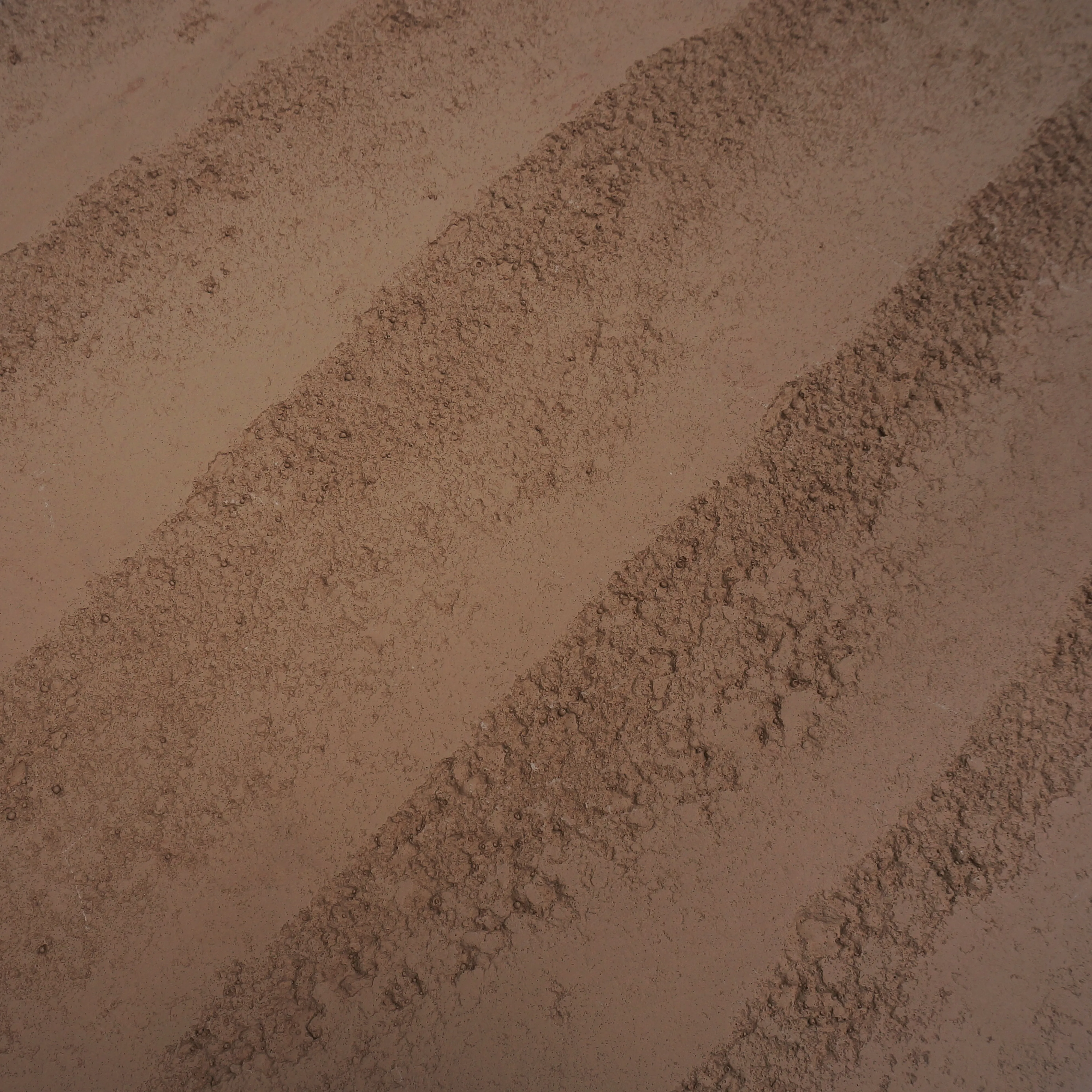
There's something inherently grounding about Rammed Earth Board (Khaki) . Its color—warm, sun-baked khaki—blends seamlessly with natural surroundings, making it a favorite for homes nestled in forests, deserts, or rural landscapes. The texture is equally appealing: a rough, handcrafted look with subtle variations in tone and grain, as if the earth itself was pressed into place. This isn't a uniform, sterile surface; it has character, with tiny pebbles or flecks of stone visible in the mix, adding depth and interest.
What's striking about this material is how it ages. Unlike wood, which fades or warps, rammed earth grows more beautiful over time. Its khaki hue softens slightly, taking on a patina that feels lived-in and authentic. Rain and wind etch gentle patterns into the surface, creating a weathered look that tells a story without compromising integrity. It's a material that feels both ancient and modern—perfect for rustic cabins, contemporary homes, or even commercial buildings aiming for a warm, organic vibe.
Design flexibility is another plus. Rammed earth boards can be cut into various sizes, used vertically or horizontally, and even combined with other materials like glass, metal, or fair-faced concrete for a mixed-media look. The khaki color pairs well with greens (from landscaping), browns (wood accents), and neutrals (gray roofs), making it easy to integrate into any color scheme.
Wood cladding is beloved for its natural warmth and versatility. The wood grain board patterns—whether tight and uniform (like cedar) or bold and swirling (like oak)—add visual interest and a sense of coziness that's hard to replicate with man-made materials. Stained in rich hues (walnut, chestnut) or left natural to weather to silvery gray, wood cladding can adapt to any architectural style, from traditional cottages to sleek modern homes.
But here's the catch: wood's beauty is fragile. Without regular maintenance, it fades, warps, and cracks, losing its luster over time. Unstained wood turns gray within a few years, a look some homeowners love (the "driftwood" aesthetic), but others find dull. Stained wood fares better, but even then, the color fades unevenly, especially on south-facing walls exposed to harsh sunlight. This can leave the exterior looking patchy or mismatched, requiring a full refinish to restore uniformity.
Warping is another aesthetic issue. As wood absorbs and releases moisture, it can bow, cup, or twist, creating uneven surfaces and gaps between planks. This not only looks unkempt but can also let water and pests into the structure. For homeowners who prioritize a polished, consistent look, this means constant vigilance—and frequent repairs.
That said, when well-maintained, wood cladding is stunning. Its natural grain and warmth create a welcoming exterior that feels connected to nature. It's no wonder it's a top choice for those who want their home to feel like a retreat, even in urban settings.
In an era where environmental consciousness is paramount, the sustainability of building materials matters more than ever. Both Rammed Earth Board (Khaki) and Wood Cladding have sustainability credentials, but one clearly outshines the other in this category.
It's no surprise that Rammed Earth Board (Khaki) is often hailed as a green building material . Its production process is low-impact, relying on natural, locally sourced ingredients: earth, sand, gravel, and a small amount of binder (like lime or cement). Unlike materials that require energy-intensive manufacturing (think aluminum or vinyl), rammed earth is made by compressing these raw materials into molds—no high heat or toxic chemicals needed.
Local sourcing is a key sustainability benefit. Earth and sand are abundant in most regions, reducing the carbon footprint associated with transportation. A home built with rammed earth boards in Texas, for example, won't require materials shipped from across the country (or globe), cutting down on emissions.
Thermal performance also plays a role in sustainability. As mentioned earlier, rammed earth has excellent thermal mass, which reduces the need for heating and cooling. This lowers energy bills and decreases reliance on fossil fuels, making the home more eco-friendly over time. Additionally, its durability means the material won't need to be replaced for decades (if ever), reducing waste and the environmental impact of manufacturing new cladding.
Even at the end of its life, rammed earth is sustainable: it can be crushed and reused as fill material, unlike wood, which may end up in landfills (or, if treated with chemicals, pose environmental risks).
Wood cladding can be sustainable, but it depends heavily on how the wood is sourced and treated. FSC-certified wood—from forests managed for long-term ecological health—is a responsible choice, ensuring that trees are replanted and biodiversity is protected. However, not all wood cladding uses FSC-certified timber; much of it comes from unsustainable sources, contributing to deforestation and habitat loss.
The manufacturing process is also less eco-friendly than rammed earth. While wood is a renewable resource, harvesting, transporting, and treating it requires energy and resources. Chemical treatments (to resist rot and pests) can leach into the soil and water, harming ecosystems. Even "natural" treatments, like linseed oil, require processing and may contain additives that aren't biodegradable.
Longevity is another factor. Wood cladding typically lasts 20–30 years with proper maintenance, compared to 50+ years for rammed earth. This means more frequent replacement, increasing the demand for timber and the associated environmental impact. For homeowners committed to sustainability, this shorter lifespan is a significant drawback—unless they're willing to invest in high-quality, FSC-certified wood and commit to rigorous maintenance.
To help visualize the differences between Rammed Earth Board (Khaki) and Wood Cladding, here's a detailed comparison of their most important features:
| Feature | Rammed Earth Board (Khaki) | Wood Cladding |
|---|---|---|
| Durability | High: Resistant to moisture, pests, fire, and temperature fluctuations. Lasts 50+ years. | Moderate: Vulnerable to rot, insects, and moisture. Lasts 20–30 years with heavy maintenance. |
| Maintenance Frequency | Low: Occasional cleaning; seal every 5–10 years (optional). | High: Refinish every 2–5 years; regular inspections for rot/insects. |
| Maintenance Cost | Low: ~$100–$300 every 5–10 years for sealing. | High: ~$1,000–$5,000 every 2–5 years for refinishing. |
| Weather Resistance | Excellent: Repels rain, resists UV fading, withstands extreme temperatures. | Poor: Absorbs moisture, fades in sunlight, warps in heat/cold. |
| Fire Resistance | Non-combustible: Acts as a fire barrier. | Flammable: Requires fire-retardant treatments for basic safety. |
| Sustainability | Excellent: Local, natural materials; low embodied energy; long lifespan. | Moderate: Depends on FSC certification; shorter lifespan increases replacement needs. |
| Aesthetic Aging | Improves: Mellow khaki patina; texture deepens over time. | Fades/Warps: Loses color; may warp or crack without maintenance. |
When it comes to Rammed Earth Board (Khaki) vs. Wood Cladding, the choice ultimately depends on your priorities. If durability, low maintenance, and sustainability are non-negotiable, rammed earth is the clear winner. Its ability to withstand the elements, minimal upkeep, and eco-friendly credentials make it a smart long-term investment—especially for homeowners who want to enjoy their home without the stress of constant exterior care.
Wood Cladding, on the other hand, is ideal for those who prioritize natural beauty and are willing to commit to regular maintenance. Its warm, organic look is unmatched, and for homeowners who love the process of caring for their home (or can afford to hire professionals), it can be a rewarding choice. Just be prepared for the time, cost, and effort required to keep it looking its best.
At the end of the day, Rammed Earth Board (Khaki) stands out as the more practical, durable, and sustainable option. It offers the earthy warmth of natural materials without the vulnerabilities of wood, making it a top choice for modern, forward-thinking homeowners and architects. Whether you're building a new home or renovating an existing one, this material proves that sometimes, the oldest building techniques are the ones that stand the test of time—both literally and aesthetically.
Recommend Products












