
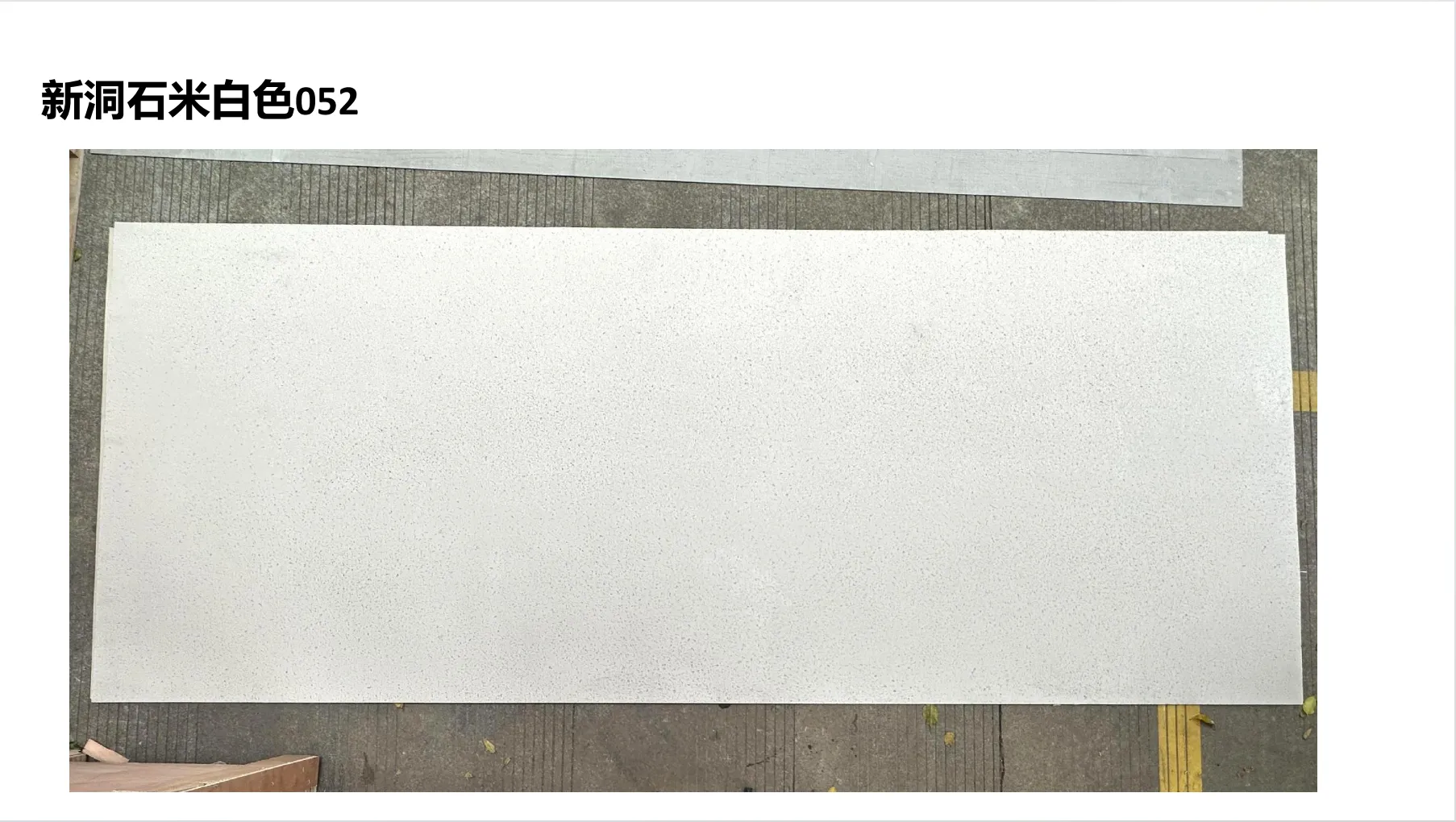
Choosing the right finish for travertino isn't just about aesthetics—it's about telling a story. Whether you're designing a cozy home office, a bustling café, or a sleek commercial space, the texture under your fingertips and the way light dances across the surface can turn a room from "nice" to "unforgettable." But here's the thing: stock photos lie. They're airbrushed, filtered, and stripped of the little imperfections that make natural stone feel alive. That's why real MS Travertino photos matter. They don't just show you a product—they let you experience it. Today, we're diving into two of the most beloved finishes: matte and polished. We'll compare their personalities, their best spaces, and yes, we'll lean on real photos to show you exactly what each feels like. And along the way, we'll meet a few familiar faces—like mcm flexible stone , wood grain board , and even fair-faced concrete —to see how they play with travertino's natural charm.
Matte travertino is the friend who listens more than they speak—but when they do, you lean in. It's not about flash; it's about texture, depth, and the kind of warmth that makes a space feel lived-in. Run your hand over a matte slab, and you'll feel the stone's natural porosity: tiny indentations, subtle ridges, and a softness that feels like it's been touched by time. This isn't a surface that demands attention—it invites it.
Take travertine (vintage silver) in matte finish, for example. A real photo of this stone (think: a feature wall in a mountain cabin) shows how the silver-gray base is flecked with warm beige and soft taupe, like sunlight filtering through storm clouds. The matte texture mutes the color just enough to keep it from feeling cold, turning what could be a sterile gray into something almost cozy. When the afternoon light hits it, it doesn't shine—it glows, casting a gentle, diffused warmth that makes the room feel like a hug. It's the kind of finish that pairs beautifully with wood grain board : imagine matte vintage silver travertino floors next to oak wood grain cabinets in a kitchen. The stone's earthiness balances the wood's warmth, creating a space that feels both grounded and inviting.
Matte travertino thrives in spaces where comfort is key. Think: bedrooms with plush rugs, reading nooks with armchairs, or rustic restaurants with exposed wooden beams. It's also surprisingly versatile. In a modern loft with fair-faced concrete walls, matte travertino countertops add softness without clashing with the concrete's industrial edge. The stone's natural texture plays off the concrete's smooth, gray surface, creating a contrast that feels intentional, not chaotic.
But let's talk about the "real photo effect." A stock image of matte travertino might make it look flat, even dull. But a real photo? It shows the depth. You can see how water droplets bead on the surface (thanks to sealing, of course), how dust settles in the crevices (a quick wipe with a damp cloth fixes that), and how the color shifts from morning to evening. One real photo I came across recently showed a matte travertine (starry blue) backsplash in a bathroom. The blue was deep, almost moody, but the matte finish kept it from feeling overwhelming. Instead, it looked like a night sky with the stars dimmed—calm, mysterious, and utterly serene.
If matte travertino is the quiet storyteller, polished travertino is the life of the party. Polished to a high shine, this finish turns travertino into a mirror for light, making colors pop and spaces feel larger. It's bold, it's luxurious, and it's not afraid to say, "Look at me."
Consider travertine (vintage gold) in polished finish. A real photo of this stone (say, a reception desk in a boutique hotel) reveals a finish so smooth it reflects the chandelier above, turning the gold flecks in the stone into tiny, dancing flames. The polished surface amplifies the stone's natural warmth, turning what could be a subtle gold into something almost opulent. It's the kind of finish that makes a statement in entryways, where first impressions matter, or in dining rooms, where candlelight bounces off the tabletop and sets the mood for a special meal.
But polished travertino isn't just about luxury—it's about modernity. In a sleek apartment with floor-to-ceiling windows, polished travertino floors act like a second window, reflecting the city skyline and making the space feel endless. Pair it with mcm flexible stone cladding in a complementary color (think: soft beige) and suddenly you've got a space that's both high-end and approachable. The flexibility of mcm stone means you can curve it around corners, adding dimension that the polished travertino highlights beautifully.
Of course, polished travertino has its quirks. A real photo will show you that yes, it does show fingerprints (a quick buff with a microfiber cloth fixes that), and yes, it's more slippery than matte when wet (great for a glamorous bathroom, less so for a busy hallway with kids). But that's part of its charm. It's a finish that demands a little care, but gives back tenfold in drama. Take travertine (starry red) polished, for example. A real photo of this stone as a fireplace surround shows how the red hue deepens under the polish, like a glass of bold wine. The polished surface catches the firelight, turning the stone into a canvas for the flames—warm, intense, and utterly unforgettable.
Words can only do so much. To really understand the difference between matte and polished travertino, let's look at a side-by-side comparison—using real photos as our guide. The table below breaks down their key traits, so you can see exactly which finish fits your story.
| Feature | Matte Travertino (Vintage Silver) | Polished Travertino (Vintage Gold) |
|---|---|---|
| Texture | Real photo shows soft, porous surface with visible indentations—like a stone that's been weathered by rain and wind. Feels slightly gritty to the touch, with a warm, organic texture. | Real photo reveals a smooth, glass-like surface with minimized pores. The stone's natural veining (gold, beige, cream) is more defined, as the polish brings out contrast. |
| Light Reflection | In real photos, matte vintage silver absorbs light, creating a soft, diffused glow. Morning light turns it into a warm gray; evening light makes it look almost taupe. | Polished vintage gold reflects light like a mirror. A real photo of it in a sunlit room shows bright highlights and deep shadows, making the gold flecks look like they're shimmering. |
| Best For | Cozy spaces: bedrooms, reading nooks, rustic kitchens. Pairs beautifully with wood grain board and warm lighting. | Statement spaces: entryways, dining rooms, modern offices. Stands out next to fair-faced concrete or sleek metal accents. |
| Maintenance | Real photos show it hides dust and minor scratches well. Sealing every 2-3 years keeps stains at bay, but even if you skip a seal, the matte texture masks small spills. | Real photos reveal fingerprints and water spots more easily. Needs sealing annually, and scratches are more visible (though polish can be reapplied). |
| Vibe | "I've been here before." Warm, nostalgic, and lived-in—like a cabin in the woods or a grandmother's kitchen. | "This is new, and it's exciting." Bold, luxurious, and modern—like a boutique hotel or a high-end restaurant. |
Travertino rarely works alone. It's a team player, and some of its best moments happen when it's paired with other materials. Let's talk about how matte and polished travertino shine when they're joined by mcm flexible stone , wood grain board , and fair-faced concrete .
Take mcm flexible stone , for example. This lightweight, bendable stone is a designer's dream—it can wrap around columns, cover curved walls, or even be used as a backsplash. Pair matte vintage silver travertino floors with mcm flexible stone in a soft beige, and you've got a bathroom that feels like a spa. The matte travertino's texture grounds the space, while the flexible stone adds subtle pattern without overwhelming. A real photo of this combo shows how the two stones complement each other: the travertino's porosity and the mcm stone's smoothness create a balance that's both interesting and calming.
Then there's wood grain board . Matte travertino and wood grain are like peanut butter and jelly—they just work. Imagine a kitchen with matte travertine (beige) countertops and oak wood grain cabinets. The stone's earthy tones mirror the wood's warmth, creating a space that feels organic and timeless. A real photo of this setup shows how the matte travertino's softness contrasts with the wood's defined grain, adding depth without clutter. It's the kind of kitchen where you want to linger, sipping coffee and watching the morning light play on the surfaces.
And let's not forget fair-faced concrete . Polished travertino (vintage gold, say) and fair-faced concrete are the ultimate power couple for modern spaces. A real photo of a living room with polished travertino floors and concrete walls shows how the stone's shine elevates the concrete's industrial edge, turning a cold space into something sophisticated. The gold flecks in the travertino warm up the concrete's gray, creating a balance that's both bold and inviting. It's proof that travertino isn't just for traditional spaces—it can hold its own in the most contemporary designs.
At the end of the day, there's no "better" finish—only the one that fits your story. I once worked with a client who was torn between matte and polished travertino for her home office. She loved the warmth of matte but craved the drama of polished. We looked at real photos together: a matte travertine (vintage silver) desk in a cozy study, and a polished travertine (vintage gold) desk in a sleek, modern space. She paused, then smiled. "The matte feels like me on lazy Sundays," she said, "and the polished feels like me on busy workdays." So she chose both: matte for her reading corner, polished for her desk. And you know what? It worked. The two finishes played off each other, telling the story of a woman who values both comfort and ambition.
That's the magic of travertino—it's adaptable. It can be quiet or bold, traditional or modern, and when paired with materials like mcm flexible stone or wood grain board , it becomes even more versatile. But none of this matters if you can't see it for yourself. Stock photos might show you the color, but real photos show you the soul. They show you how the stone feels under your hand, how it changes with the light, and how it fits into the rhythm of your life.
Whether you're drawn to the quiet warmth of matte or the bold drama of polished, remember this: travertino is more than a building material—it's a storyteller. And real photos are the best way to hear its story. So take your time. Look at the texture. Notice how the light hits it. Imagine it in your space, next to your furniture, under your feet. And don't be afraid to mix and match—matte here, polished there, with a little mcm flexible stone or wood grain board thrown in for fun. After all, the best spaces aren't just designed—they're felt.
So go ahead: dive into those real MS Travertino photos. Let them inspire you. And when you find the finish that makes your heart skip a beat, you'll know you've found the one. Because in the end, great design isn't about trends—it's about telling your story, one texture at a time.
Recommend Products












