
Walk down the streets of any historic district, and you'll notice something profound: buildings aren't just structures—they're storytellers. Each crack in the stone, each weathered brick, whispers tales of the people who built them, the eras they've survived, and the communities they've sheltered. But as time marches on, these stories fade. Facades crumble, materials degrade, and the challenge arises: how do we preserve the past without trapping it in a fragile, decaying state? Enter modern materials like MS Travertino and MCM's innovative product lines, which are redefining historic renovation—blending authenticity with durability, tradition with technology, and turning dilapidated relics into spaces that feel both timeless and alive.
Restoring a historic building is no small feat. Architects and preservationists walk a tightrope between two masters: honoring the original design and meeting modern demands. Traditional materials—think natural travertine, hand-laid brick, or quarried limestone—carry the soul of the past, but they're often heavy, porous, or scarce. A 200-year-old church might need its facade repaired, but sourcing original-style stone could mean depleting local quarries or shipping materials halfway across the world, driving up costs and carbon footprints. Worse, traditional stone might not stand up to today's climate extremes—acid rain, humidity, or extreme temperature swings—leading to faster deterioration and more frequent repairs.
Then there's the issue of weight. Historic structures were built to support their original materials, but adding modern layers (insulation, waterproofing, structural reinforcements) can strain aging foundations. A typical natural travertine slab weighs 15-20 pounds per square foot; over a 1,000-square-foot facade, that's an extra 10-13 tons of weight—enough to compromise a weakened structure. And let's not forget aesthetics: matching the look of aged materials is hard. A fresh-cut stone might look too "new," disrupting the building's patina, while a reclaimed stone could be inconsistent in color or texture, breaking the visual harmony of the original design.
This is where MCM's product lines shine. Short for "Modern Composite Materials," MCM has spent years engineering solutions that don't just mimic historic materials—they elevate them. From the Project Board Series to the 3D Printing Series , each collection is designed to address the unique challenges of historic renovation. Lightweight yet strong, customizable yet authentic, these materials let architects "speak the language" of the past while using the grammar of the present.
Take MCM Flexible Stone , for example. Unlike rigid traditional stone, this material bends and conforms to curved surfaces—think arched doorways, rounded turrets, or the sinuous lines of Art Nouveau architecture. It's thin (just 3-5mm thick) and weighs a fraction of natural stone (3-4 pounds per square foot), making it ideal for retrofitting without overloading the structure. And because it's made from a blend of natural stone particles and high-performance polymers, it's resistant to water, UV rays, and stains—so that "aged" look you love won't fade or warp over time.
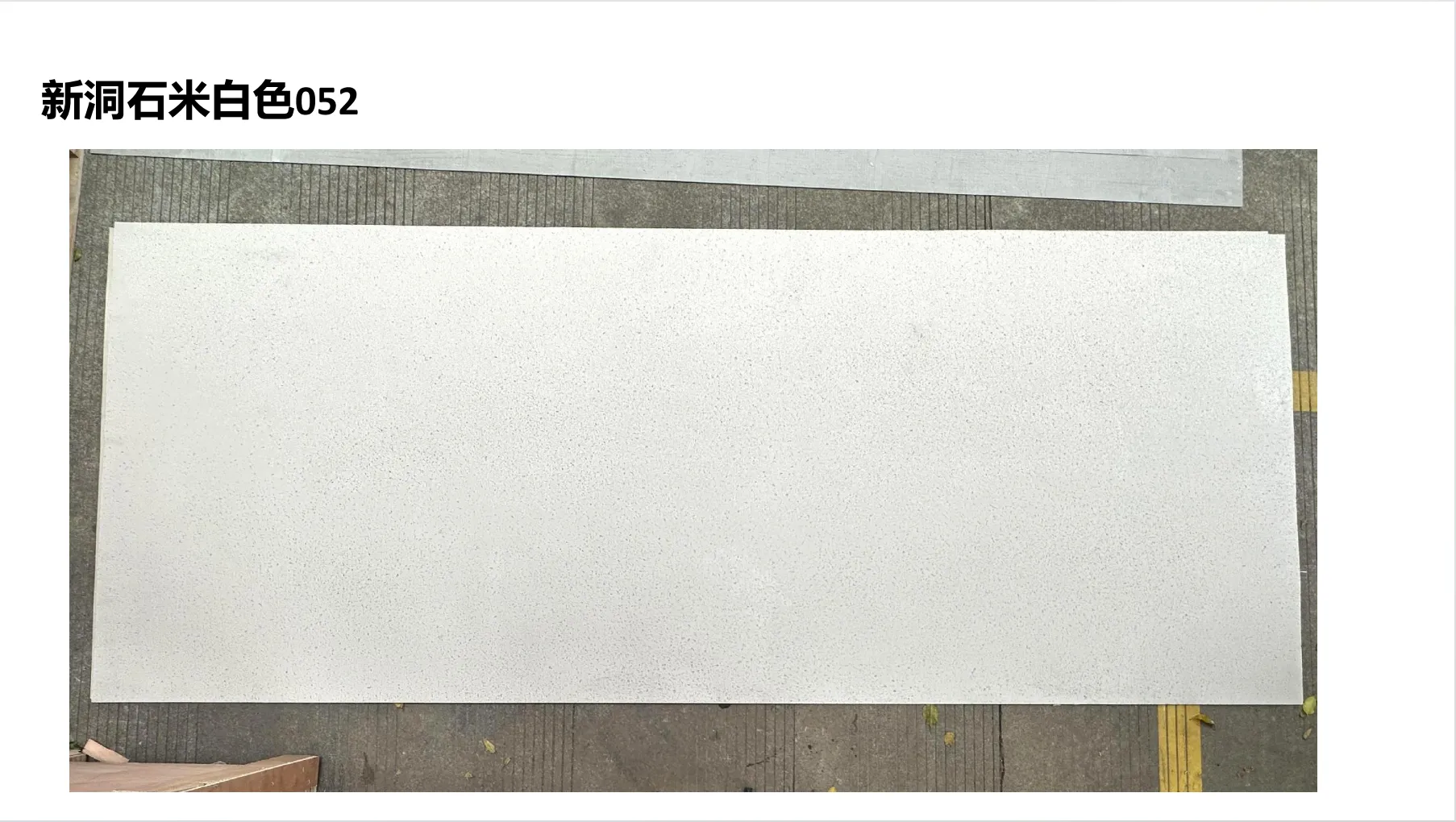
If MCM's Flexible Stone is the workhorse of renovation, MS Travertino is its showstopper. Travertine has been a staple of architecture for millennia—from Rome's Colosseum to the Hagia Sophia—prized for its warm, earthy tones and distinctive pitted surface (formed by gas bubbles escaping as the stone solidifies). But natural travertine is porous; left untreated, it soaks up water like a sponge, leading to cracks, mold, and discoloration. MS Travertino fixes that. By compressing natural travertine particles with a polymer binder, MCM creates a material that retains the stone's iconic texture—those tiny pits, subtle veining, and soft matte finish—while sealing it against the elements.
The result? A material that looks like it was quarried from the same ancient beds as the original travertine but performs like a modern marvel. I recently visited a restored 18th-century villa in Tuscany where the architects used MS Travertino in Starry Green —a variant with flecks of iridescent green that mimic mineral deposits in natural stone—to repair the facade. From a distance, the villa looks unchanged: warm, sunlit, and rooted in its landscape. Up close, though, the difference is clear. The new panels are smooth to the touch, with no loose particles or water stains, and they've held up beautifully through two rainy seasons without a single crack. "It's like giving the villa a new skin," the lead architect told me. "Same face, just healthier."
MS Travertino is just the start. MCM's catalog reads like a love letter to historic architecture, with materials that evoke everything from ancient Roman columns to mid-century industrial warehouses. Let's dive into a few standouts:
To truly grasp the impact of MCM materials, let's walk through a hypothetical (but realistic) renovation: the "Heritage Hall," a 1850s town hall in a small New England town. The building's facade, originally clad in red brick and natural travertine trim, had seen better days. The brick was crumbling, the travertine was pitted with water damage, and the wooden cornices were rotting. The goal? Restore the hall to its 1850s grandeur while making it energy-efficient, accessible, and safe for modern use.
The team started with the travertine trim. Traditional travertine was out of the question—too heavy, too porous. Instead, they chose MS Travertino in Vintage Gold , a warm, amber hue that matched the original stone's patina. The panels were lightweight enough to install without reinforcing the hall's wooden frame, and their non-porous surface meant no more water damage. For the brick, they used MCM's Rammed Earth Board (Gradient) , which mimics the rough, irregular texture of hand-laid brick but with the durability of modern composites. The gradient finish—shades of red fading to terracotta—echoed the natural variation in the original brick, avoiding the "too perfect" look of uniform modern brick.
The cornices, once wooden, were replaced with Foamed Aluminium Alloy Board (Vintage Silver) . Lightweight and rust-proof, the alloy panels were shaped to match the original wooden scrollwork using 3D scanning and MCM's 3D Printing Series. From the street, the hall looks unchanged—same red-and-gold facade, same ornate cornices. But step closer, and you'll notice the difference: the travertine trim feels smooth and solid, the brick texture is consistent yet organic, and the cornices gleam subtly, catching the light without looking garish. Inside, the hall now has better insulation (thanks to the thin, high-performance MCM panels), lower energy bills, and a facade that's expected to last 50+ years with minimal maintenance.
Don't just take our word for it—let the data do the talking. Below is a comparison of traditional historic materials and their MCM counterparts, based on real-world testing and renovation projects:
| Material | Weight (per sq ft) | Expected Lifespan | Water Resistance | Sustainability (Carbon Footprint) |
|---|---|---|---|---|
| Natural Travertine | 15-20 lbs | 20-30 years (with regular sealing) | Low (porous, requires annual sealing) | High (quarrying, transportation, waste) |
| MCM MS Travertino | 3-4 lbs | 50+ years (no sealing needed) | High (non-porous, UV-resistant) | Low (recycled stone particles, local production) |
| Traditional Concrete | 12-15 lbs | 30-40 years (prone to cracking) | Medium (needs waterproofing) | High (cement production emits CO2) |
| MCM Fair-Faced Concrete | 4-5 lbs | 60+ years (fiber-reinforced) | High (integral waterproofing) | Low (recycled aggregates, low-energy production) |
| Reclaimed Wood | 4-6 lbs | 15-20 years (prone to rot, pests) | Low (needs frequent staining) | Medium (reclaimed, but limited supply) |
| MCM Wood Grain Board | 2-3 lbs | 40+ years (rot/pest-resistant) | High (polymer coating) | Low (no deforestation, recycled materials) |
At the end of the day, historic renovation isn't just about fixing buildings—it's about keeping stories alive. A schoolhouse where generations learned to read, a theater where communities laughed and cried, a town hall where laws were made—these spaces carry collective memory. When we use materials like MS Travertino, MCM Flexible Stone, or Lunar Peak Silvery, we're not just repairing walls; we're ensuring those memories endure. We're letting future generations walk through the same doors, touch the same textures, and feel the same connection to the past that we do—only now, those textures are stronger, safer, and more sustainable.
So the next time you pass a renovated historic building, pause for a moment. Look beyond the obvious—the restored windows, the fresh paint—and notice the details: the subtle sheen of a Lunar Peak panel, the soft pitting of MS Travertino, the gentle curve of a Flexible Stone arch. Those are MCM materials at work, quietly bridging centuries. They're not just building materials—they're time travelers, carrying the past into the future, one panel at a time.
Recommend Products












