
Dubai's residential landscape is a canvas where ambition meets artistry. From the palm-fringed villas of Palm Jumeirah to the sleek townhouses of Dubai Hills Estate, every home tells a story—not just of luxury, but of identity. In a city where the sun blazes bright and the skyline is a testament to innovation, the facade of a house is more than just a wall. It's the first chapter of a family's narrative, a silent conversation between the home and the world outside. And in recent years, one name has emerged as a protagonist in this story: MS Travertino. More than a material, it's a medium through which architects and homeowners alike are reimagining what a Dubai home can feel like—warm, textured, and unapologetically unique.
Gone are the days when residential facades in Dubai were defined by uniform glass and steel. Today's homeowners crave something deeper: materials that don't just look good, but mean something. They want facades that catch the golden hour light and make passersby pause. They want textures that invite touch, colors that evoke memory, and durability that stands up to Dubai's harsh climate. This shift—from "impressive" to "meaningful"—is where MS Travertino shines. With a range that spans from the celestial beauty of travertine (starry green) to the earthy warmth of bamboo mat board, MS Travertino isn't just selling materials; it's selling moments.
Take, for example, a quiet street in Arabian Ranches. A few years ago, most homes here sported the same beige stucco and neutral tones—a safe choice, but one that blended into the background. Today, walk down that same street, and you'll notice a revolution. One villa glows with the soft, silvery sheen of lunar peak silvery, its facade reflecting the sky like a pool of liquid moonlight. Next door, a home wraps itself in the organic texture of bamboo mat board, the woven pattern adding depth that makes the house feel lived-in, like a hug from nature. And at the end of the street, a bold statement: travertine (starry green), its surface dotted with flecks of iridescent color that mimic the night sky over the desert. These aren't just facades—they're emotions made visible.
What makes MS Travertino stand out in Dubai's crowded market? It's the brand's ability to balance innovation with authenticity. Each product in their lineup is designed to tell a different story, whether it's the industrial chic of fair-faced concrete or the timeless elegance of travertine (vintage gold). Let's dive into some of the stars of their collection, and how they're transforming real homes across the city.
| Material | Key Features | Best For | Design Tip |
|---|---|---|---|
| Travertine (Starry Green) | Matte finish with iridescent green flecks; porous texture that softens light | Tropical-modern villas, homes with large windows | Pair with warm wood accents to enhance the "desert night sky" vibe |
| Lunar Peak Silvery | Sleek, metallic surface; lightweight and weather-resistant | Contemporary townhouses, homes with glass walls | Use in vertical panels to create a "sculptural" effect against a white base |
| MCM Flexible Stone | Thin, bendable sheets; replicates natural stone without the weight | Curved facades, statement walls, sustainable builds | Layer with neutral-toned concrete for a modern-rustic contrast |
| Bamboo Mat Board | Woven natural fibers; warm, tactile texture | Mediterranean-style homes, eco-conscious designs | Combine with potted plants to blur the line between indoors and out |
| Fair-Faced Concrete | Raw, unpolished surface; industrial yet warm | Minimalist homes, loft-style townhouses | Add brass fixtures for a touch of luxury against the concrete's rawness |
If there's one MS Travertino product that's turning heads (and Instagram feeds) in Dubai, it's travertine (starry green). Picture this: a two-story villa in Jumeirah Golf Estates, its facade clad in large slabs of this unique stone. In the midday sun, it's a soft, earthy green, the porous surface casting gentle shadows that break up the monotony of flat walls. But as the sun dips below the horizon, magic happens. The flecks of iridescent mineral in the stone catch the last rays of light, shimmering like distant stars. It's as if the desert night sky—normally reserved for rooftop terraces—has been brought down to embrace the home.
"We wanted our home to feel connected to Dubai's landscape, but not in the obvious way," says Sarah Al-Mansoori, a homeowner who renovated her facade with starry green travertine last year. "Everyone uses sandstone or beige here, which is beautiful, but we wanted something that felt more… alive. The first time I saw the starry green slabs in person, I thought of the night drives we take to the desert. That sense of wonder—like looking up and realizing how small, but how connected, we are. Now, every time I pull into our driveway at sunset, that feeling comes back."
For those drawn to Dubai's modernist spirit, lunar peak silvery offers a different kind of beauty—one that's sleek, but never cold. Unlike traditional metal cladding, which can feel harsh under the Dubai sun, lunar peak silvery has a subtle, matte finish that diffuses light rather than reflecting it harshly. It's the material of choice for architects designing homes that feel "of the future" but still welcoming.
Take the recent renovation of a townhouse in Business Bay. Previously a generic gray box, the home now features vertical panels of lunar peak silvery, interspersed with floor-to-ceiling glass. The effect? The facade seems to "breathe," with the silvery panels catching the light at different angles throughout the day. In the morning, they glow soft pink; by noon, they're a cool, calming silver; and at dusk, they take on the warm hues of the setting sun. "It's like the house changes mood with the sky," says architect Omar Khalid, who led the project. "That's the power of lunar peak silvery—it's not static. It interacts with its environment, which is exactly what modern homeowners want. They don't just want a pretty facade; they want a facade that reacts ."
Dubai's climate is unforgiving: scorching summers, occasional sandstorms, and the relentless sun. For years, homeowners had to choose between beauty and durability—until MCM flexible stone came along. Part of MS Travertino's innovative lineup, this material is a game-changer: it looks and feels like natural stone, but it's thin (just 3-5mm thick), lightweight, and flexible enough to wrap around curved surfaces. "We used to avoid curved facades in Dubai because traditional stone is too heavy and brittle," explains Fatima Hassan, a designer at a leading Dubai architecture firm. "Now, with MCM flexible stone, we can create organic shapes that mimic the desert dunes. It's opened up a whole new world of design."
A prime example is a villa in Emirates Hills, where the facade features a sweeping, curved wall clad in MCM flexible stone in a warm beige tone. The material's flexibility allowed the architect to create a wave-like effect, with the stone "flowing" from the ground to the roof. "It's not just about aesthetics," says the homeowner, Ahmed Rashid. "MCM flexible stone is also eco-friendly—lighter materials mean less energy used in construction, and it's recyclable. In a city that's becoming more conscious of sustainability, that matters. We didn't have to sacrifice our values for beauty."
When the Al-Zaabi family moved into their Dubai Hills Estate home five years ago, they loved the layout—but the facade left much to be desired. "It was beige stucco, same as every other house on the street," recalls matriarch Amina Al-Zaabi. "We wanted our home to feel like ours , not just a template." After months of research, they settled on a mix of MS Travertino products: starry green travertine for the lower half of the facade, lunar peak silvery for the upper floors, and bamboo mat board accents around the entrance.
The result? A facade that's equal parts bold and balanced. The starry green travertine grounds the home, its earthy tone connecting to Dubai's desert landscape, while the lunar peak silvery adds a touch of modernity that complements the home's large windows. The bamboo mat board, with its woven texture, softens the look, making the entrance feel like a welcoming embrace.
"The best part? The reactions," Amina laughs. "Our neighbors stop by to take photos. Even the kids in the street call our house 'the star house.' But for us, it's more than that. Every time I open the front door, I feel proud. This facade tells people who we are: a family that values tradition (the earthy tones) but isn't afraid to be bold (the starry green). That's the magic of MS Travertino—it doesn't just cover walls. It tells your story."
As Dubai evolves, so do its design trends, and MS Travertino is at the forefront of this evolution. One emerging trend is "biophilic design"—bringing nature into the built environment—and materials like bamboo mat board and travertine (starry green) are perfect for this. Bamboo, with its organic texture, creates a sense of calm, while the starry green travertine's earthy hue and "starry" finish evoke the desert's natural beauty.
Another trend is "texture mixing." Homeowners are no longer choosing one material for their facade; they're layering. Imagine a home with fair-faced concrete walls, accented with vertical strips of lunar peak silvery and a bamboo mat board entrance canopy. The contrast of raw concrete, sleek metal, and warm wood creates visual interest without feeling cluttered. "It's about balance," says interior designer Lina Hassan. "Too much of one texture can feel flat. Mixing materials adds depth—and personality."
Sustainability is also driving choices. With Dubai's focus on green building (the city aims to have 50% of buildings LEED-certified by 2030), materials like MCM flexible stone are gaining traction. Lightweight and recyclable, they reduce a home's carbon footprint without compromising on style. "Sustainability used to be a 'nice-to-have,'" says architect Khalid. "Now, it's a 'must-have.' Clients ask about it before they ask about color. MS Travertino gets this—their products are designed with both beauty and the planet in mind."
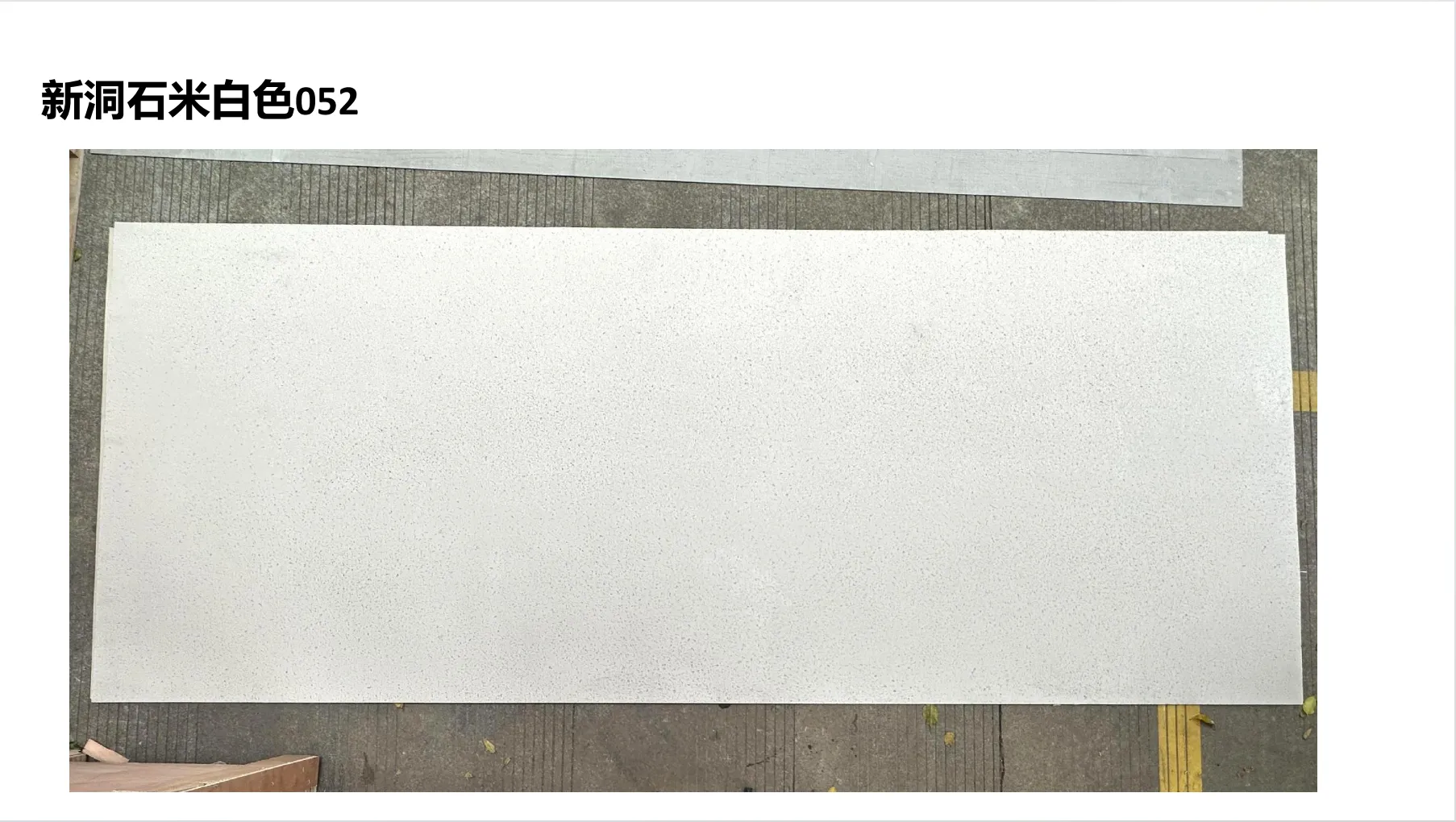
In a world of filters and Photoshop, real photos of MS Travertino make all the difference. A homeowner in Dubai isn't just buying a material—they're buying a vision. And real photos, taken in natural Dubai light, show exactly how a material will look at 9 a.m. when the sun is bright, or at 6 p.m. during golden hour. They show the texture up close: the porous surface of travertine, the woven pattern of bamboo mat board, the subtle sheen of lunar peak silvery. These photos aren't just marketing tools; they're promises. "I was hesitant to choose starry green travertine at first," admits Sarah Al-Mansoori. "I thought it might be too bold. But when I saw real photos of a home in my neighborhood with the same stone, I knew. The photos showed how it looked in our light, with our landscaping. That's irreplaceable."
Dubai's residential facades are no longer just about keeping the elements out—they're about letting your personality in. MS Travertino, with its diverse range of materials, from the celestial travertine (starry green) to the sleek lunar peak silvery, is empowering homeowners to create facades that are as unique as they are. Whether you're drawn to the warmth of bamboo, the boldness of starry green, or the modernity of lunar peak silvery, one thing is clear: your home's facade is waiting to tell your story. And with MS Travertino, that story will be one worth telling.
So, the next time you drive through Dubai's neighborhoods, take a closer look. Beyond the glitz and glamour, you'll see homes that feel alive—homes with facades that shimmer, texture that invites, and materials that matter. Those are the homes of the future. And they're built with MS Travertino.
Recommend Products












