
Where architecture meets education—how MS Travertino and curated materials shape inspiring learning spaces
Walk up to any educational institution, and the first thing that greets you isn't the sound of chatter in classrooms or the rustle of textbooks. It's the facade—the silent storyteller that sets the tone for what lies beyond. A school's exterior isn't just a barrier between the outside world and the learning within; it's a reflection of its values, a nod to its community, and a canvas that can spark curiosity before a single door is opened. For educators, architects, and students alike, the right facade material isn't just about aesthetics—it's about creating a space that feels welcoming, durable, and full of purpose.
That's why when a leading educational institution in the heart of the city embarked on a renovation project to reimagine its main building facade, the stakes were high. They wanted more than a fresh coat of paint or a trendy design; they sought a material that could stand the test of time, blend tradition with modernity, and inspire the young minds passing through its gates daily. After months of research, collaboration, and material sampling, the team landed on a star player: MS Travertino . Paired with complementary materials like MCM flexible stone and fair-faced concrete , the result is a facade that doesn't just look stunning in photos—it feels alive, with textures that invite touch and colors that shift with the sun. Today, we're diving into the real-world application of MS Travertino, exploring the project through the lens of its materials, design philosophy, and the impact it's had on the school community.
Nestled between tree-lined streets and historic neighborhoods, the institution—a K-12 school with over 800 students—had long been a cornerstone of the community. But its original facade, dating back to the 1980s, felt tired: faded brick, chipped paint, and a lack of cohesion that made the building blend into the background rather than stand out as a beacon of education. The goal was clear: create a facade that would honor the school's legacy while signaling a commitment to growth, innovation, and student-centric design.
The architectural firm leading the project, known for their work in educational spaces, approached the challenge with a simple question: "What if the facade could teach, too?" Not in a literal sense, but by embodying qualities like resilience (mirroring the resilience of students), warmth (fostering a sense of belonging), and adaptability (growing with the school's needs). Enter MS Travertino—a material that checked every box. Its natural stone-like appearance, durability, and versatility made it the perfect anchor, while additions like wood grain board added softness, and travertine (starry green) accents introduced playful pops of color that echo the school's spirit of creativity.
To understand why MS Travertino became the project's centerpiece, you have to start with its texture. Unlike smooth, uniform cladding materials that can feel cold or impersonal, MS Travertino boasts a surface that's rich with character—think subtle pitting, delicate veining, and a matte finish that absorbs light rather than reflecting it harshly. In real photos of the facade, this texture comes to life: on overcast days, it has a soft, earthy warmth; in direct sunlight, the veining catches the light, creating depth that makes the building feel dynamic, not static.
But MS Travertino isn't just about looks. As a modified composite material, it's engineered to be lighter than natural stone (reducing structural load on the building), resistant to scratches and stains (critical for a school with active students), and easy to install (minimizing disruption during construction). For the school, which needed to keep classes running during the renovation, the material's efficiency was a game-changer. "We didn't want the construction to overshadow the learning process," says the project architect. "MS Travertino's lightweight panels meant we could install them quickly, with minimal noise and mess. The students barely noticed the work—and when they returned from summer break, the transformation felt like a pleasant surprise, not a long, drawn-out hassle."
Perhaps most importantly, MS Travertino offered the design team the flexibility to customize. The school's colors—navy blue and gold—are subtly woven into the material's palette, with custom dyeing techniques that ensure the facade feels uniquely "theirs." In real photos, you can spot how the golden veining in the Travertino picks up the school's mascot colors, creating a sense of pride that students and staff instantly connected with. "It's like the building is wearing our school colors, but in a way that's elegant, not flashy," one teacher noted during the opening ceremony.
While MS Travertino takes center stage, the facade's magic lies in how it harmonizes with its supporting cast. Let's break down the key materials that make this project shine:
| Material | Appearance & Texture | Role in the Facade |
|---|---|---|
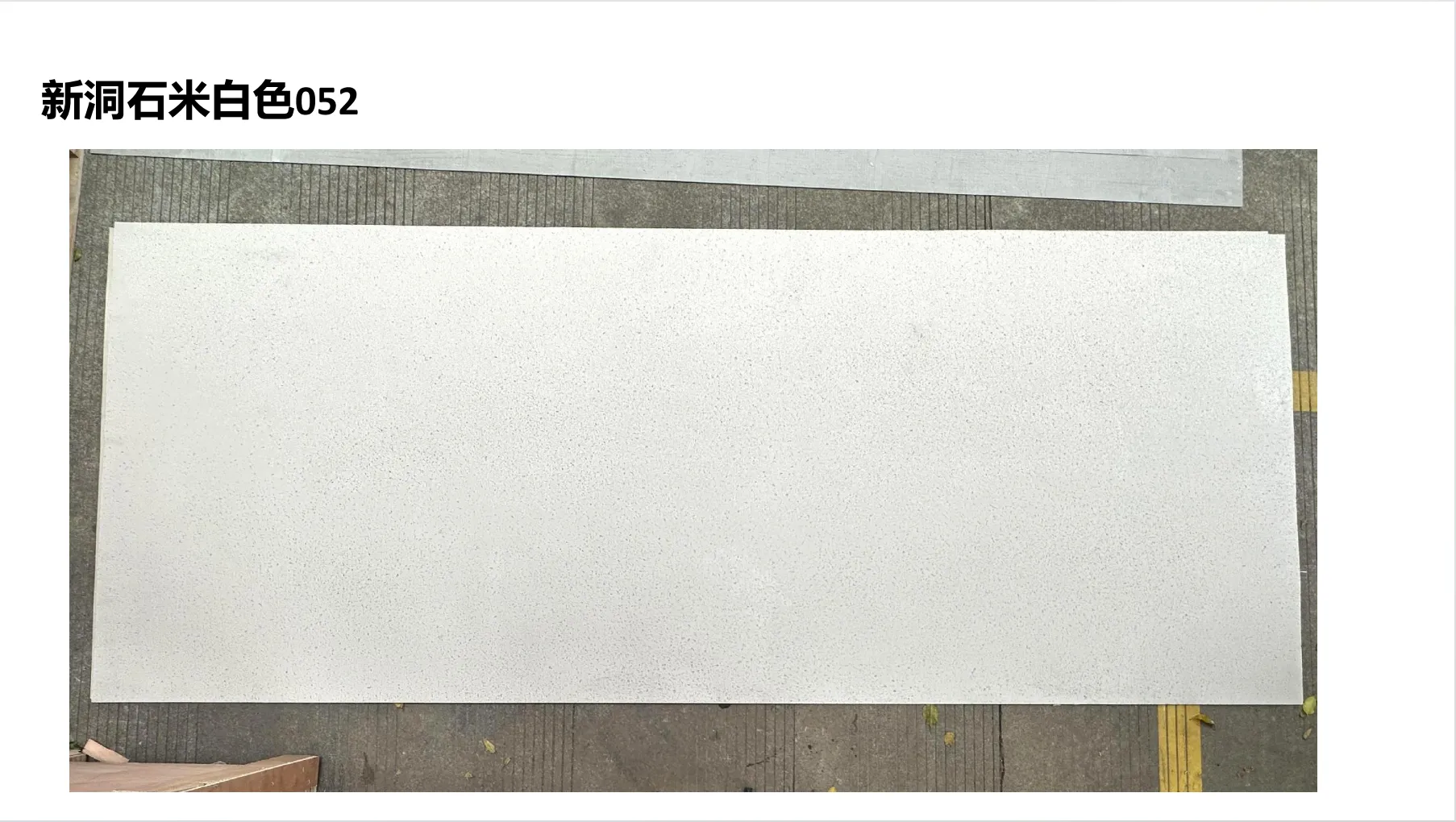
| MS Travertino (Real Photos) | Warm beige base with golden-brown veining, matte finish, and subtle pitting for texture. | Primary cladding material; covers 60% of the facade, creating a cohesive, earthy backdrop. |
| MCM Flexible Stone | Thin, lightweight panels with a stone-like texture (mimicking slate) in soft gray tones. | Used for accent walls around entranceways and window frames; adds contrast without overwhelming the Travertino. |
| Fair-Faced Concrete | Smooth yet slightly porous, with a neutral gray color that highlights the warmth of adjacent materials. | Frames the main entrance and runs horizontally between floor levels, adding modern structure and balance. |
| Wood Grain Board | Warm oak-like texture with visible grain patterns and a soft, satin finish in medium brown. | Clads the lower portion of the facade (at student height) to create a tactile, approachable base; invites touch and feels "homey." |
| Travertine (Starry Green) | Vibrant emerald-green base with tiny, glitter-like specks (the "starry" effect) and a glossy finish. | Used in small, geometric panels above classroom windows; adds playful color and sparks curiosity (students often call them "magic stones"). |
Together, these materials create a facade that's layered and intentional. The MS Travertino provides the foundation, MCM flexible stone adds edge, fair-faced concrete brings structure, wood grain board introduces warmth, and travertine (starry green) injects personality. It's a symphony of textures that never feels cluttered—instead, it feels like a conversation between old and new, durability and softness, function and beauty.
At the core of this project was a belief that architecture should prioritize the people who use it—especially students. For kids aged 5 to 18, school is more than a place to learn; it's a second home, a space where they grow, make friends, and discover their passions. The facade, as the first point of contact, needed to reflect that sense of safety and possibility.
Take the wood grain board , for example. Installed at eye level for younger students, its smooth, warm texture is intentionally inviting. "We noticed kids would often brush their hands against walls when walking by," the architect explains. "Instead of using a rough or cold material there, we chose wood grain board because it feels gentle—like a pat on the back. It's a small detail, but it makes the building feel less intimidating." Similarly, the travertine (starry green) panels were placed above windows where students often glance during class breaks. "Those green specks catch the light and look different depending on the time of day," a 7th-grade student shared. "Sometimes they look like stars, sometimes like little gems. It's fun to notice new things about the wall every day."
Sustainability was another key pillar. MS Travertino, made from recycled materials and requiring minimal maintenance, aligns with the school's commitment to environmental education. Unlike natural stone, which can be resource-intensive to quarry and transport, MS Travertino's lightweight composition reduces carbon emissions during shipping and installation. The fair-faced concrete, too, was sourced locally, cutting down on transportation costs and supporting regional businesses. "We talk a lot about sustainability in the classroom," the school principal notes. "Now, the building itself is a teaching tool. When we discuss recycling or reducing waste, we can point to the facade and say, 'This is how we put those ideas into action.'"
While the facade's beauty is undeniable, its success lies in how well it performs day in and day out. Educational buildings face unique challenges: heavy foot traffic, exposure to the elements, and the need for low maintenance (since school budgets are better spent on teachers and resources than constant repairs). MS Travertino and its companion materials deliver on all fronts.
Durability is a standout feature. In the two years since the renovation, the facade has weathered rain, snow, and even a rare hailstorm with zero damage. "We were worried about the pitting in the MS Travertino trapping dirt," the facilities manager admits. "But it's surprisingly easy to clean—just a quick hose-down a few times a year, and it looks brand new. The MCM flexible stone hasn't chipped, and the wood grain board still looks fresh despite kids leaning against it during recess."
Safety was also non-negotiable. MS Travertino is fire-resistant, a critical factor for educational spaces, and its non-slip surface ensures no accidents during wet weather. The fair-faced concrete, with its matte finish, reduces glare—important for students with sensory sensitivities. Even the color palette was chosen with safety in mind: the warm beige of the Travertino and earthy tones of the wood grain board create a calm atmosphere, while the starry green accents add visual interest without overstimulating.
Numbers and specs tell part of the story, but the real measure of the facade's success is in the reactions of those who interact with it daily. "I used to feel embarrassed when my friends visited—our old building looked so run-down," says a 10th-grade student. "Now, everyone comments on how cool the school looks. It makes me proud to walk through those doors." Parents, too, have noticed a difference. "drop-off and pick-up used to feel chaotic, but the new facade has this calming effect," one mother shares. "The warm colors and soft textures make the whole area feel more peaceful. I've even seen parents stopping to take photos of their kids in front of it—that never happened before."
Teachers report that the facade has become a conversation starter in classrooms. Art classes use it as a subject for drawing, discussing texture and light; science classes explore the properties of composite materials; and social studies classes talk about how architecture reflects community values. "It's amazing how a wall can spark so much learning," a 4th-grade teacher laughs. "Last week, we did a lesson on 'What Makes a Space Feel Like Home?' and half the kids mentioned the wood grain board. They said it reminds them of their living rooms. That connection—between school and home—is priceless."
Educational institutions are more than buildings—they're living, breathing spaces that shape the next generation. The facade, often overlooked, plays a quiet but powerful role in that shaping. It can make a student feel proud, a teacher feel inspired, and a community feel united. The MS Travertino project we've explored here isn't just about cladding a wall; it's about choosing materials with intention—materials that are durable enough to last, beautiful enough to inspire, and thoughtful enough to prioritize the people who use them.
As we look at the real photos of this educational institution's facade, we see more than MS Travertino, MCM flexible stone, or wood grain board. We see a story: of a school that refused to blend in, of a community that values education and design equally, and of a future where architecture and learning go hand in hand. In the end, that's the true power of great facade design—not just to look good in photos, but to make every person who passes through feel like they're part of something meaningful.
Recommend Products












