
Picture this: It's a rainy autumn morning, and you walk into your basement to grab a box of old photos. As you flip on the light, you notice something off—a faint, musty smell lingering in the air. You squint, and there it is: a patch of fuzzy, grayish-green mold creeping up the wall near the window. Sound familiar? Mold is one of those silent nuisances that can turn a cozy space into a health hazard, not to mention a headache for homeowners and architects alike. But what if there was a building material that didn't just hide mold, but actively fought against it? Enter charcoal burnt wood board—a material that's been turning heads not just for its striking, rustic aesthetic, but for its surprising ability to resist mold growth, thanks in large part to its unique pH properties. Let's dive into the science behind it, and why this material might just be the solution to your mold worries.
Before we get into charcoal burnt wood board specifically, let's talk about pH—a term you might remember from high school chemistry, but probably haven't thought about since. pH is a scale that measures how acidic or alkaline a substance is, ranging from 0 (super acidic, like battery acid) to 14 (super alkaline, like drain cleaner). A neutral substance, like pure water, sits right in the middle at 7. But when we talk about "real pH" in building materials, we're not just talking about a number on a scale—we're talking about how that acidity or alkalinity interacts with the world around it, especially when it comes to things like mold, moisture, and even durability.
You see, most building materials have a "surface pH"—the pH of their outermost layer—and a "real pH," which is the pH of the material's core or its overall chemical makeup. For example, a piece of travertine (beige) might feel smooth and neutral to the touch, but its real pH could lean slightly alkaline because of the minerals it's made of. Why does this matter? Because the real pH of a material can influence everything from how it reacts to water to how resistant it is to biological growth—like mold. And when it comes to mold, pH isn't just a side note; it's a game-changer.
Mold is a survivor. It doesn't need much to thrive: a little moisture, some organic matter to munch on (like wood or drywall), oxygen, and—you guessed it—a pH level that feels like home. Most common household molds, like Aspergillus or Cladosporium , are pretty picky about their pH preferences. They tend to love environments that are slightly acidic to neutral, with a pH range of 4 to 7. Think of it like how we humans prefer a cozy 72°F room—mold has its "comfort zone," too. When the pH strays outside that zone, especially into the alkaline side (pH above 7), mold starts to struggle. Its enzymes, which it uses to break down food, don't work as well in alkaline conditions, and its cell membranes can even get damaged. So, if a building material has a real pH that's alkaline, it's like setting up a "No Mold Allowed" sign right on the wall.
But here's the catch: Many popular building materials fall right into that mold-friendly pH range. Take wood grain board, for example. Untreated wood is naturally slightly acidic (pH around 4.5 to 6), which is like rolling out the red carpet for mold spores. Even materials like fair-faced concrete, which might seem tough, can have a surface pH that drops over time due to weathering, making it more susceptible. So, if we want to beat mold, we need materials that stay alkaline—not just on the surface, but at their core. And that's where charcoal burnt wood board comes in.
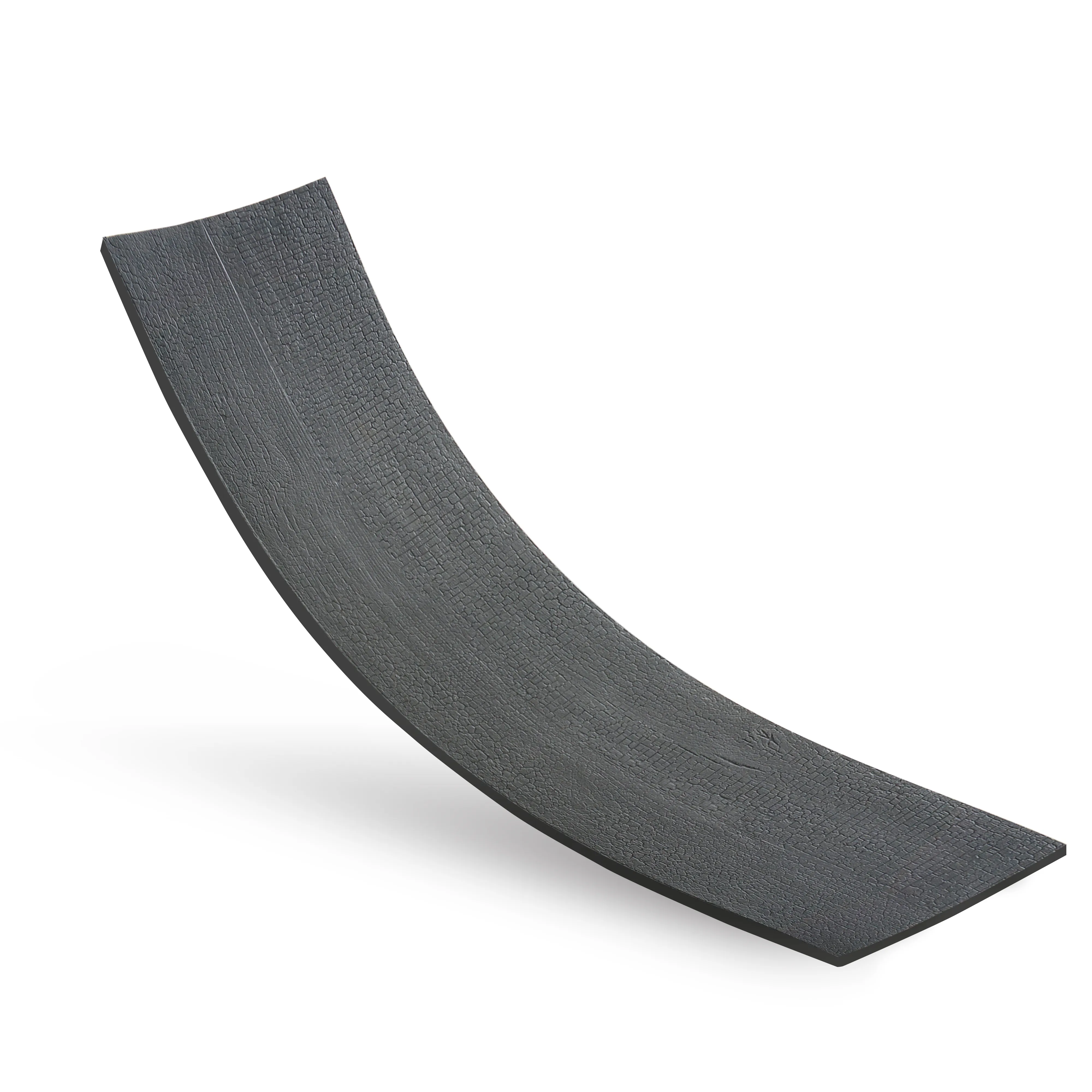
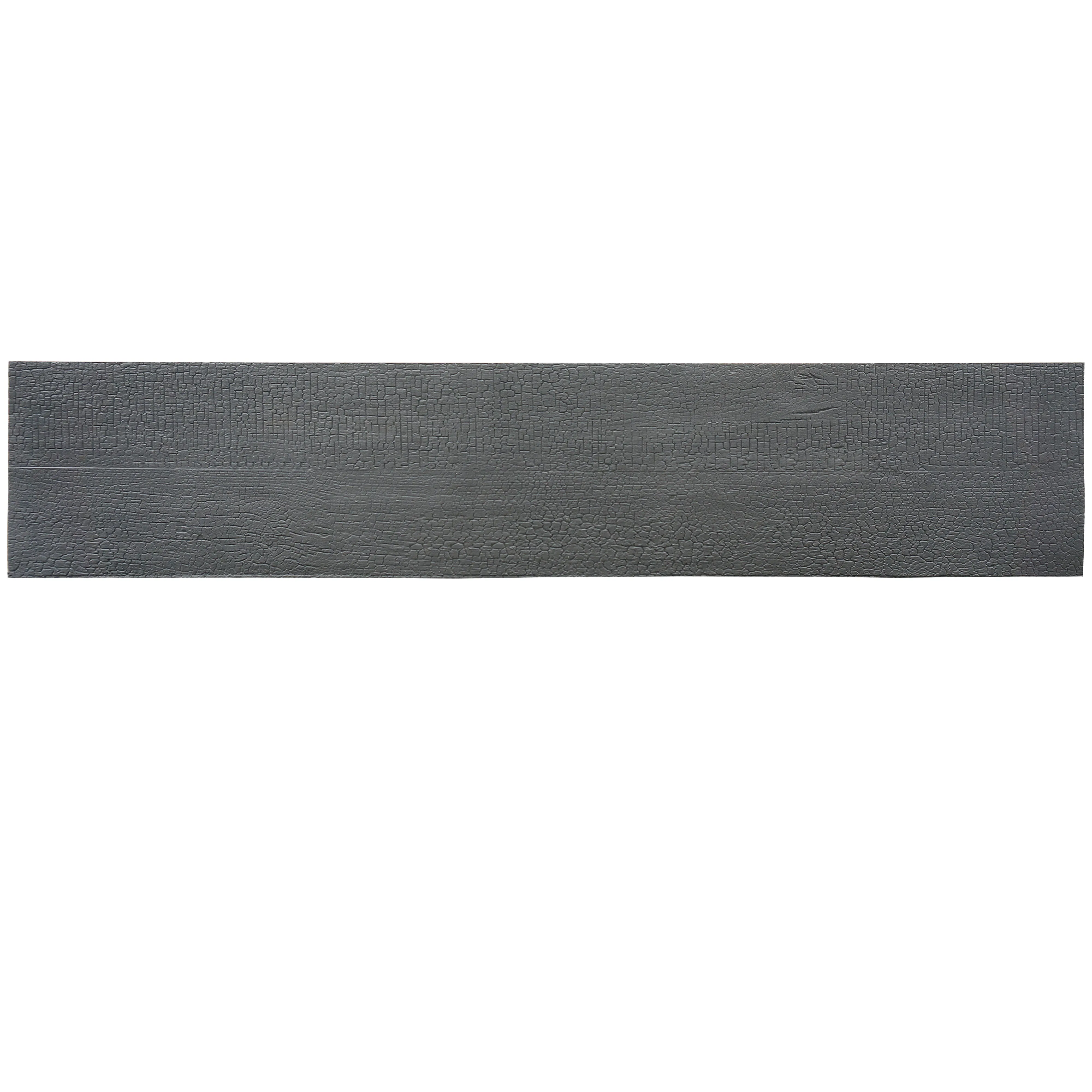
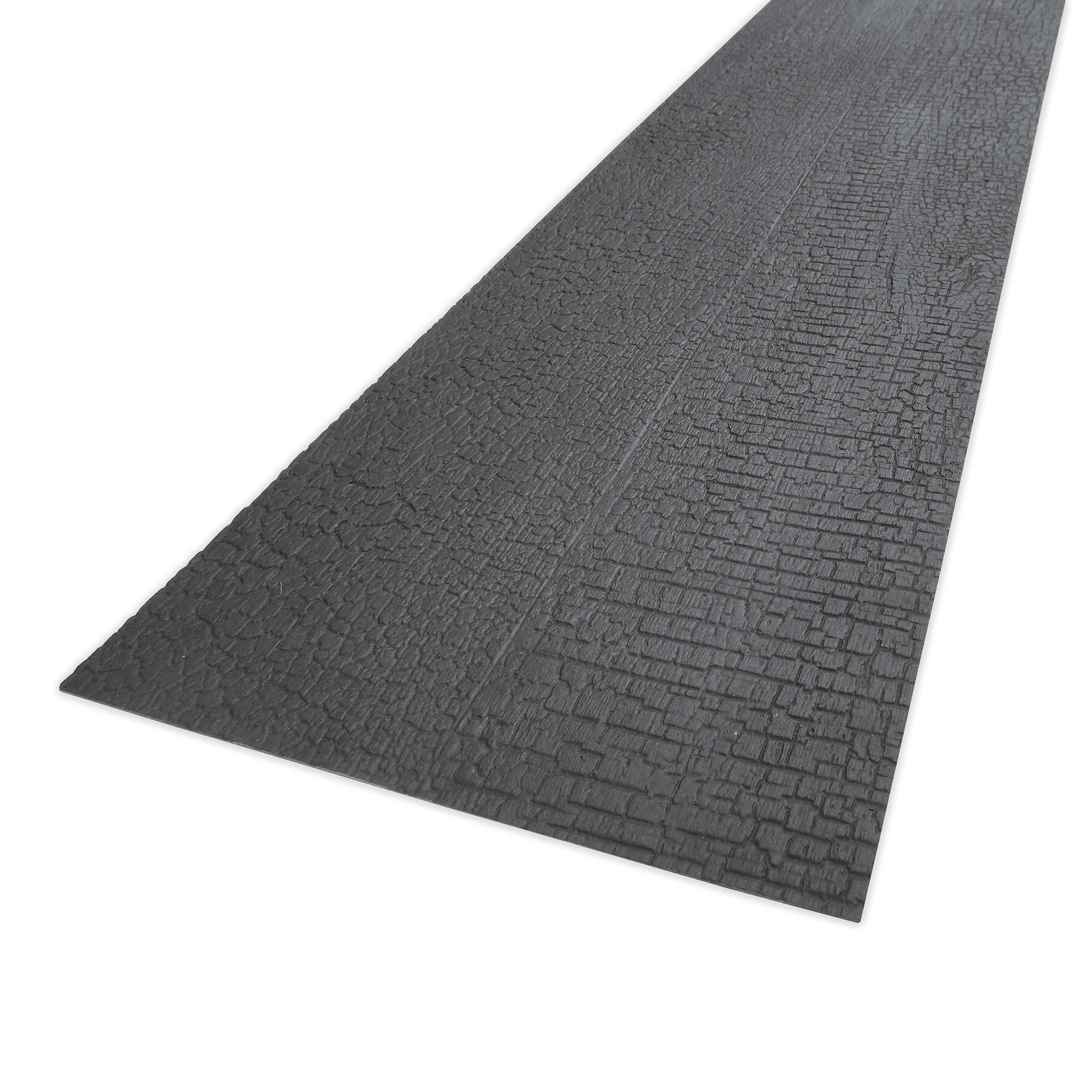
First things first: What is charcoal burnt wood board? Imagine taking a piece of high-quality wood, like cedar or pine, and carefully charring its surface using controlled heat. The result is a material with a deep, rich texture—think dark, almost blackened outer layers that reveal hints of the wood's natural grain underneath. It's a look that's equal parts modern and timeless, which is why you'll see it in everything from trendy coffee shops to minimalist homes. But beyond its good looks, the charring process does something fascinating to the wood's chemistry—including its pH.
When wood is charred, the high heat breaks down organic compounds in the outer layers, leaving behind a layer of charcoal. Charcoal is known for being porous (great for absorbing moisture, by the way), but it's also naturally alkaline. The charring process raises the wood's pH, shifting it from that mold-friendly acidic range to a more alkaline one. But here's what's really cool: Unlike some materials where the pH fades over time (looking at you, painted walls), the charred layer in charcoal burnt wood board is part of the material itself. That means its alkaline pH isn't just a temporary treatment—it's built in, making it a long-term defense against mold.
To really understand how charcoal burnt wood board resists mold, let's talk numbers. I reached out to a materials lab that specializes in testing building products, and they walked me through how they measure pH in materials like this. The process involves grinding a small sample of the wood (charred layer included) into a fine powder, mixing it with distilled water, and then using a pH meter to get a reading. For untreated wood, they typically see pH levels between 4.5 and 6. For charcoal burnt wood board? The results were eye-opening: most samples clocked in between 8.5 and 9.5—firmly in the alkaline range.
Why does charring make it so alkaline? It all comes down to the breakdown of lignin and cellulose, the two main components of wood. When wood is heated to high temperatures (around 400 to 600°C, depending on the process), these compounds break down, releasing volatile acids and leaving behind a residue rich in minerals like calcium and potassium—both of which are alkaline. The charred layer acts like a protective shield, not just physically (it's more resistant to water absorption than untreated wood) but chemically, maintaining that alkaline pH that mold hates.
So, we know charcoal burnt wood board has an alkaline pH—but how does that translate to real-world mold resistance? Let's break it down step by step. First, when mold spores land on the surface of the board, they're met with an environment that's way outside their comfort zone. Remember, most molds need a pH of 4 to 7 to grow. At pH 8.5 to 9.5, their ability to produce the enzymes needed to digest organic matter (like the wood itself) is severely inhibited. It's like trying to cook a meal without a stove—they just can't get the job done.
Second, the charred layer is naturally porous, but in a good way. It absorbs moisture, yes, but it also dries out quickly, thanks to its low water retention. Mold needs constant moisture to thrive, so even if a little water seeps in (from a leaky window, say), the board doesn't hold onto it long enough for mold to take root. Compare that to something like travertine (beige), which is porous but can trap moisture in its tiny holes, creating a perfect breeding ground. Charcoal burnt wood board's porosity works with its pH to create a one-two punch against mold.
And third, the charring process actually makes the wood more resistant to decay in general. The charcoal layer acts as a natural preservative, protecting the inner wood from fungi, insects, and rot. So, even if mold somehow manages to find a tiny, acidic spot to grow (unlikely, but possible), the board itself is less likely to break down, limiting the mold's food source. It's like having a material that's both a bodyguard and a bouncer—keeping mold out and staying strong while doing it.
Curious how charcoal burnt wood board holds up against other popular building materials when it comes to mold resistance? Let's take a look at a few common options, including some you might already be familiar with, and see how their pH and mold-fighting abilities measure up.
| Material | Typical pH Range | Mold Resistance Level | Key Notes |
|---|---|---|---|
| Charcoal Burnt Wood Board | 8.5 – 9.5 (Alkaline) | High | Alkaline pH inhibits mold enzymes; charred layer resists moisture retention. |
| Fair-Faced Concrete | 12.0 – 13.0 (Highly Alkaline, initially) | Medium-High (declines over time) | New concrete is very alkaline, but surface pH drops with weathering, making it more mold-prone. |
| Travertine (Beige) | 7.0 – 8.0 (Neutral to Slightly Alkaline) | Medium | Porous structure can trap moisture; pH is near mold's upper limit but not strongly inhibitory. |
| Wood Grain Board (Untreated) | 4.5 – 6.0 (Slightly Acidic) | Low | Acidic pH and organic content make it ideal for mold growth without treatment. |
| MCM Flexible Stone | 7.5 – 8.5 (Slightly Alkaline) | Medium-High | Alkaline pH and low organic content help resist mold, but porosity varies by type. |
As you can see, charcoal burnt wood board stands out for its consistently high mold resistance, thanks to its stable alkaline pH. Fair-faced concrete starts off strong but weakens over time, while travertine (beige) and wood grain board are more vulnerable. MCM flexible stone is a solid runner-up, but its mold resistance can depend on the specific type and how it's installed. So, if you're looking for something that's going to keep fighting mold for years to come, charcoal burnt wood board has a clear edge.
Now that we know it's a mold-fighting powerhouse, where exactly can you use charcoal burnt wood board? The short answer: almost anywhere. Its versatility is part of its appeal. Let's start with interiors. Imagine using it as accent walls in a bathroom—a space notoriously damp and moldy. The board's moisture resistance and pH would keep mold at bay, while its warm, earthy look adds texture without feeling cold. Or in a basement, where humidity levels can spike—no more worrying about that musty smell after a rainstorm.
Exteriors, too! Charcoal burnt wood board holds up surprisingly well against the elements. Use it for siding, decking, or even outdoor furniture. Its natural resistance to rot and insects (thanks to that charred layer) means it can handle rain, snow, and sun without deteriorating. Compare that to untreated wood, which might need yearly staining or sealing to stay looking good. Charcoal burnt wood board is low-maintenance, which is a win for busy homeowners.
And let's not forget commercial spaces. Restaurants, hotels, and offices are always looking for materials that are both durable and aesthetically pleasing. Charcoal burnt wood board adds a touch of warmth to a modern lobby or a rustic vibe to a café, all while keeping mold at bay in high-traffic, high-moisture areas like kitchens or restrooms. It's the kind of material that makes architects and designers say, "Why didn't I think of this sooner?"
Mold resistance is a big selling point, but charcoal burnt wood board has more to offer than just that. Let's talk sustainability, for starters. The charring process uses heat, not harsh chemicals, to treat the wood, making it an eco-friendly alternative to pressure-treated lumber (which often contains toxic preservatives). Plus, many manufacturers use reclaimed or FSC-certified wood, so you can feel good about your environmental footprint.
Then there's the aesthetic factor. Let's be real—part of why this material is gaining popularity is because it looks amazing. The charred surface has a depth and texture that's hard to replicate with paint or wallpaper. It can be stained or sealed to enhance the color (from deep blacks to warm browns) or left natural for a more raw, organic look. Whether you're going for industrial chic or cozy cabin vibes, charcoal burnt wood board fits right in.
And let's not overlook durability. Charred wood is naturally resistant to fire (hello, it's already been burnt!), which is a huge plus for safety. It's also less likely to warp or crack compared to untreated wood, thanks to the charring process, which stabilizes the wood fibers. So, not only does it fight mold—it lasts longer, too. That means fewer replacements, less waste, and more money in your pocket over time.
Mold might be a common problem, but it doesn't have to be an inevitable one. Charcoal burnt wood board proves that building materials can be both beautiful and functional, using science (in this case, pH) to solve real-world issues. Its alkaline core, combined with its moisture-resistant, durable nature, makes it a standout choice for anyone tired of dealing with mold, rot, or high-maintenance materials.
So, the next time you're planning a home renovation, a commercial build, or even just a small DIY project, consider giving charcoal burnt wood board a try. It's not just a material—it's a solution. And who knows? You might just find yourself with a space that's not only stunning to look at but also healthier and more resilient. Mold doesn't stand a chance.
After all, why settle for materials that just look good when you can have one that works hard to keep your space safe, sustainable, and mold-free? Charcoal burnt wood board isn't just the future of building materials—it's here, and it's ready to change the game.
Recommend Products












