
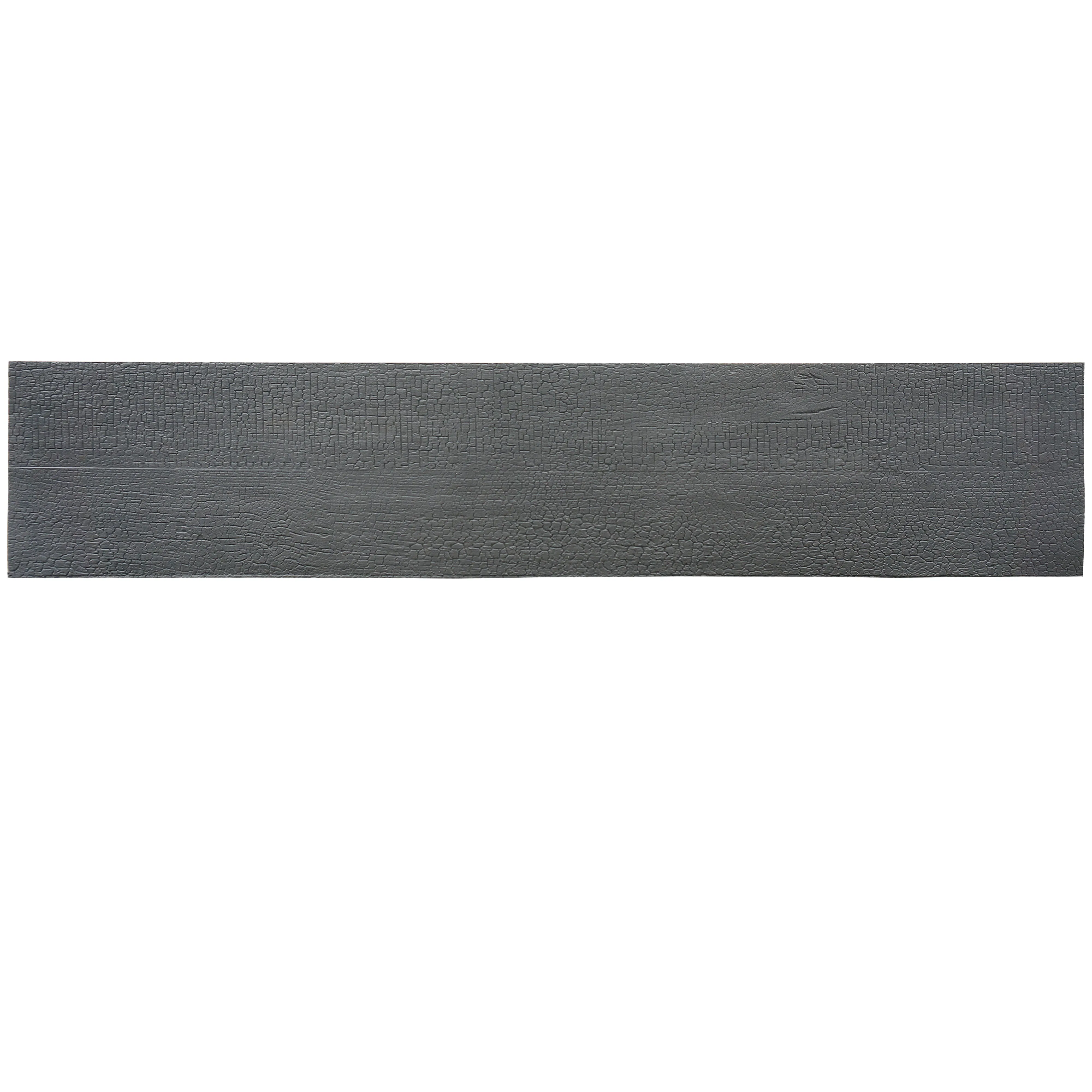
There's something undeniably captivating about charcoal burnt wood boards. Maybe it's the way their deep, smoky hues evoke a sense of timeless craftsmanship, or how the charred texture adds warmth to both modern and rustic spaces. But if you've ever shopped for them, you know the process can feel overwhelming. With so many options—each claiming to be "premium" or "durable"—how do you cut through the noise? Two factors often get overlooked in the excitement of picking a design: pH balance and cost. Get these wrong, and that stunning accent wall or outdoor dining set you envisioned might start warping, discoloring, or even rotting within a year. Get them right, and you'll have a piece that lasts decades, aging beautifully with time. Let's dive into why pH and cost matter, how to balance them, and why skimping on either could end up costing you more in the long run.
Before we get into pH and cost, let's make sure we're all on the same page about what charcoal burnt wood board actually is. You might have heard it called "shou sugi ban," a traditional Japanese technique where wood is burned, scraped, and sealed to enhance its durability. While modern versions have evolved—some using machine precision instead of hand tools—the core idea remains: controlled burning creates a protective layer that resists rot, insects, and weather. But not all burnt wood boards are created equal. The difference lies in the details: the type of wood, how it's burned, and yes, its pH level.
Think of it like baking bread. Two loaves might look similar, but the quality of flour, the temperature of the oven, and even the humidity in the air can make one rise perfectly and the other fall flat. Charcoal burnt wood boards are no different. The burning process alters the wood's chemical composition, including its pH—a measure of how acidic or alkaline a substance is. And that pH balance? It's the unsung hero (or villain) of your board's lifespan.
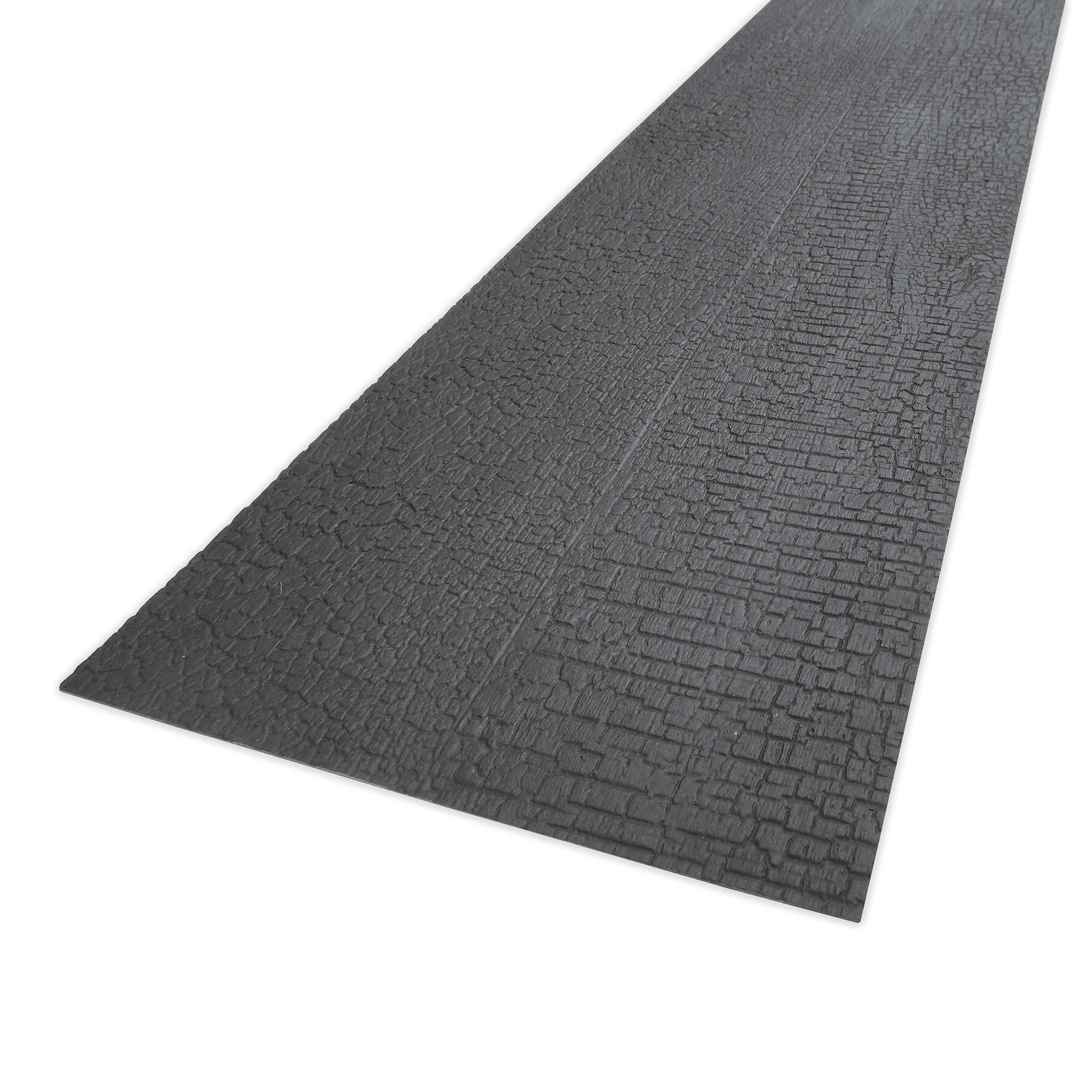
Let's start with the basics: pH is measured on a scale from 0 to 14. 0 is highly acidic (think battery acid), 14 is highly alkaline (like drain cleaner), and 7 is neutral. For charcoal burnt wood boards, the sweet spot is usually between 6.0 and 7.5—slightly acidic to neutral. Why? Because wood is naturally organic, and its pH affects how it interacts with the world around it.
Ever noticed how some burnt wood boards start sprouting green fuzz after a rainy season? That's mold, and it thrives in environments that are too alkaline (above 7.5) or overly acidic (below 5.5). When wood's pH is off-kilter, it becomes a breeding ground for microscopic organisms that break down its fibers. Neutral to slightly acidic boards, on the other hand, create an environment where mold struggles to survive. It's like giving your wood a built-in immune system.
If you plan to seal or stain your board (and most people do), pH matters here too. Alkaline wood can react with water-based finishes, causing them to bubble, peel, or discolor. Acidic wood, meanwhile, might eat away at oil-based sealants over time. A balanced pH ensures your finish bonds properly, keeping moisture out and your board looking sharp for years. Imagine painting a wall with wet paint—if the surface isn't prepped right, the paint won't stick. The same logic applies to your wood board's finish and its pH.
Wood is a living material, even after it's cut. It expands and contracts with humidity, and its pH plays a role in how stable it remains. Boards with erratic pH levels are more likely to warp, crack, or split as they absorb and release moisture. A balanced pH helps the wood maintain its structural integrity, so that beautiful charred pattern you fell in love with stays crisp, not crumbly.
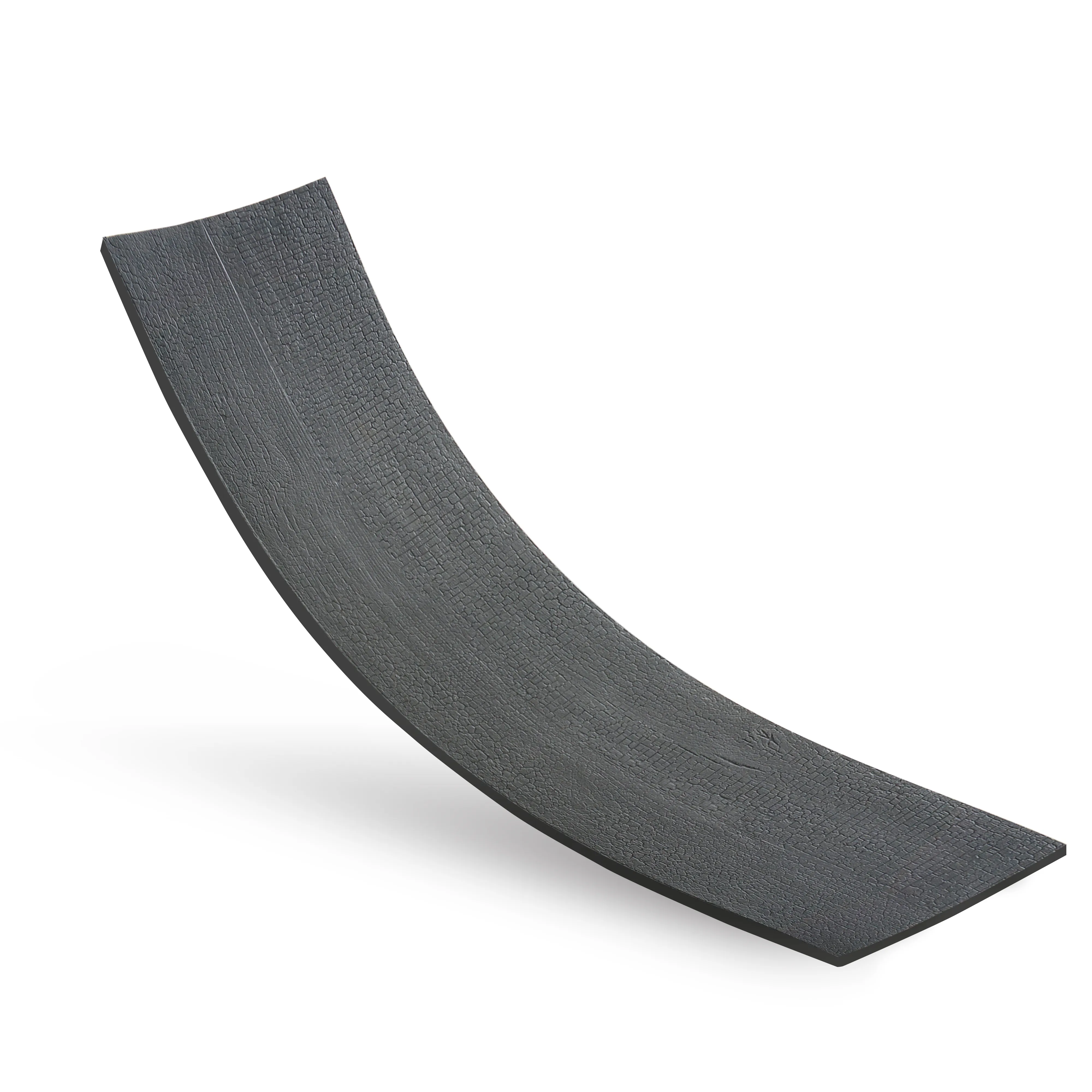
Now, let's talk money. Charcoal burnt wood boards can range from $3 per square foot to over $15, and the price difference isn't just about brand names. Understanding what goes into that cost can help you spot a good deal versus a red flag. Here's a breakdown of the key factors:
It starts with the raw material. Hardwoods like oak, teak, or ipe are denser, burn more evenly, and hold up better to the elements. They also cost more—sometimes double the price of softwoods like pine or cedar. But here's the catch: softwoods can still make great boards if processed correctly. The problem? Some suppliers use cheap, low-density softwoods that burn unevenly, leading to patchy charring and unstable pH levels. So while that $3/sq ft pine board might seem like a steal, it could cost you more in replacements down the line.
The way the wood is burnt matters too. Traditional hand-burning (think artisans with torches, carefully controlling the flame) is labor-intensive but results in a more consistent char and pH balance. Machine-burning, while faster, can sometimes scorch the wood unevenly—over-charring some areas (making them overly alkaline) and under-charring others (leaving them too acidic). Unsurprisingly, handcrafted boards usually cost 30-50% more than machine-made ones. But for high-visibility projects like a living room accent wall, that extra cost often shows in the finish.
Thicker boards (1 inch or more) cost more than thin ones (½ inch or less), but they're also more durable. If you're using the board outdoors or in high-traffic areas, thickness matters. Similarly, larger boards (4x8 ft sheets) often have a higher price per square foot than smaller planks, simply because they're harder to transport and handle without damage.
After burning, the wood needs to be cleaned, sealed, and sometimes treated to stabilize its pH. Low-cost boards might skip critical steps—like neutralizing the char with a pH-balancing solution or applying a protective sealant. These shortcuts save the supplier money but leave you with a board that's prone to issues. Premium boards, by contrast, often include lab-tested pH certification and a factory-applied sealant, adding to the cost but ensuring peace of mind.
Charcoal burnt wood boards aren't the only game in town. If you're budget-conscious or have specific needs, alternatives like wood grain board or wood concrete board might cross your radar. Let's compare their pH balance, cost, and durability to help you decide which is right for your project.
| Material Type | pH Range | Avg. Cost per Sq Ft | Durability (1-5) | Best For |
|---|---|---|---|---|
| Charcoal Burnt Wood Board | 6.0 - 7.5 | $5 - $12 | 4/5 | Accent walls, outdoor furniture, fireplace surrounds |
| Wood Grain Board | 6.5 - 8.0 | $2 - $6 | 3/5 | Budget-friendly interiors, low-moisture areas |
| Wood Concrete Board | 7.0 - 8.5 | $4 - $9 | 5/5 | High-moisture spaces (baths, kitchens), commercial projects |
| Sawing Wood Board (Unburnt) | 5.0 - 6.5 | $3 - $8 | 2/5 (untreated) | Craft projects, temporary installations |
*Durability ratings based on average performance in indoor, climate-controlled environments. Outdoor use may lower scores by 1-2 points without proper sealing.
So, how do you choose a charcoal burnt wood board that's both pH-stable and budget-friendly? It's not about picking the priciest option—it's about being a smart shopper. Here's how to strike that balance:
Reputable suppliers will have no problem sharing pH test results for their boards. If a seller says, "We don't test pH," that's a red flag. Aim for boards with a pH between 6.0 and 7.5. Most labs can provide a certificate for around $20-$50, which is a small investment to avoid costly replacements later.
A fancy brand name doesn't always mean better quality. Instead, ask about the burning process: Is it hand or machine done? Do they use a controlled flame to ensure even charring? Do they neutralize the wood after burning? A small, local artisan who hand-burns oak with pH testing might offer a better product than a big-box store's "premium" line.
You don't need to splurge on every square foot. For example, use premium charcoal burnt wood on your main accent wall (where it'll be seen daily) and budget-friendly wood grain board on a secondary wall or closet doors. This way, you get the visual impact you want without blowing your budget.
Let's do the math: A $5/sq ft board that lasts 5 years vs. an $8/sq ft board that lasts 15 years. The cheaper option costs $1 per year, while the pricier one costs $0.53 per year. Over time, the "expensive" board is actually the better deal. When evaluating cost, think about lifespan, not just upfront price.
If a board is priced 50% lower than similar options, there's usually a catch. It might be made from low-quality wood, skipped pH treatment, or used a rushed burning process. Remember: Charring wood takes time and skill—if it's cheap, corners were cut somewhere.
Sometimes, hearing real experiences helps drive the point home. Let's look at two scenarios: one where pH and cost were balanced well, and another where they weren't.
A small coffee shop in Portland wanted to create a cozy, rustic vibe with a charcoal burnt wood accent wall. They had a tight budget ($800 for 100 sq ft) but didn't want to skimp on quality. Instead of buying pre-made boards, they worked with a local woodworker who hand-burned sustainably sourced cedar. The woodworker provided pH test results (7.2, right in the sweet spot) and applied a natural beeswax sealant. Total cost: $750. Five years later, the wall still looks as good as new—no warping, no mold, and the charred texture has mellowed into a rich, honeyed tone. The owner estimates they've saved $1,000+ in potential repairs by investing in pH-stable wood upfront.
A homeowner in Seattle wanted an outdoor deck with charcoal burnt wood boards. They found a online seller offering "premium burnt pine" for $2.50/sq ft—half the price of local suppliers. Excited about the savings, they ordered 300 sq ft ($750 total). The boards arrived with uneven charring, but the homeowner installed them anyway. Within six months, the Seattle rain caused the wood to warp badly. By winter, mold had started growing in the gaps between boards. A quick pH test revealed the wood was highly alkaline (pH 8.3), perfect for mold growth. The homeowner had to replace the entire deck—costing $3,000 for new, quality boards. The "cheap" option ended up costing four times more than if they'd invested in pH-stable wood from the start.
Choosing charcoal burnt wood boards isn't just about picking a pretty pattern—it's about investing in a material that will stand the test of time. pH balance and cost are two sides of the same coin: ignore pH, and you'll pay for it in repairs; fixate solely on cost, and you'll end up with a product that doesn't last. By prioritizing pH testing, understanding what drives cost, and balancing short-term savings with long-term value, you can find a board that's both beautiful and built to last.
At the end of the day, the best charcoal burnt wood boards are the ones that fade into the background of your life—not because they're unnoticeable, but because they work. They don't warp, they don't discolor, and they keep adding warmth to your space year after year. And isn't that the point? To create a home (or business) that feels intentional, durable, and uniquely yours. With the right balance of pH and cost, your charcoal burnt wood boards can do just that.
Recommend Products












