
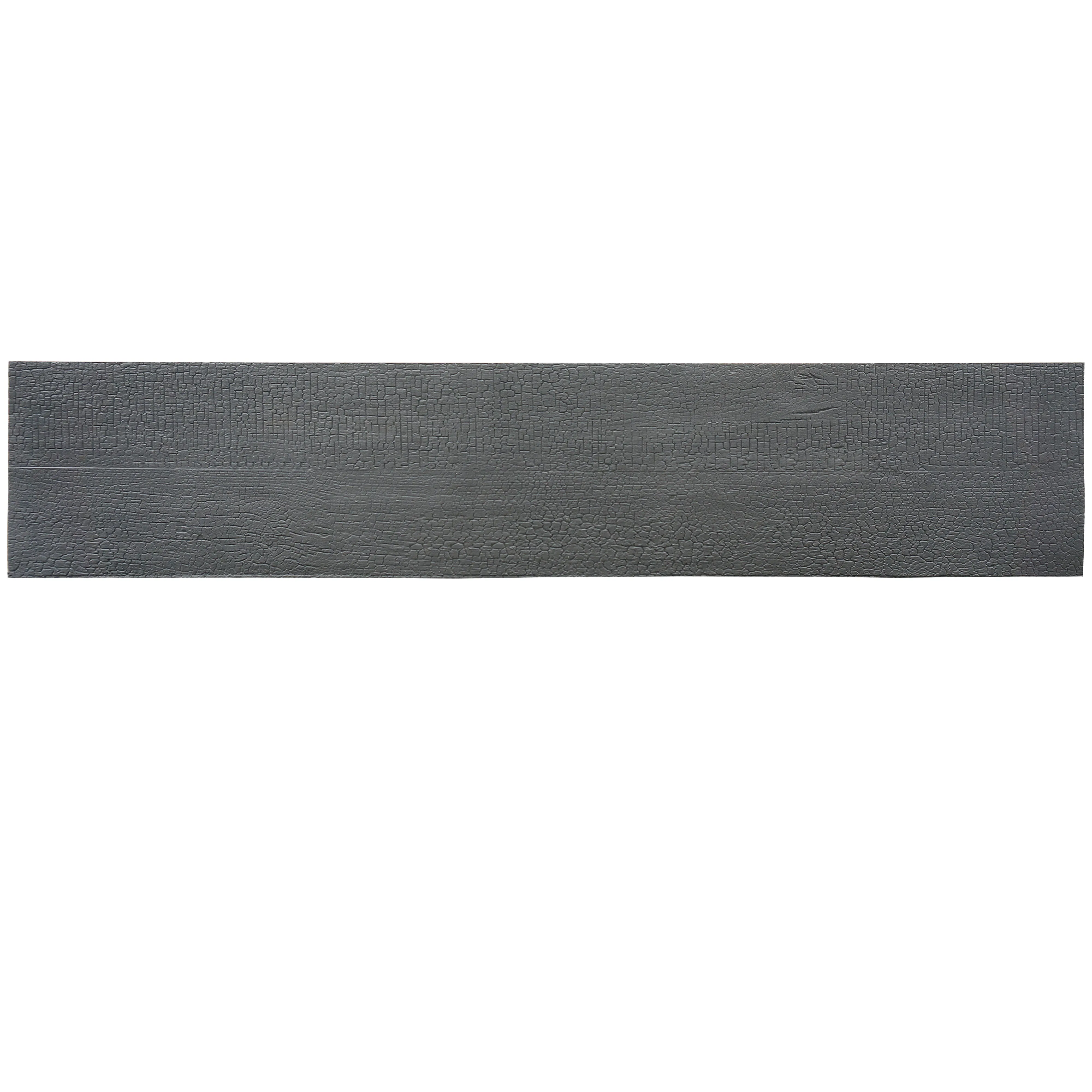
Walk into any modern home or office today, and you'll likely notice a quiet revolution unfolding in the walls, floors, and facades around you. It's the shift from materials chosen purely for cost or convenience to those that tell a story of responsibility—materials that don't just look good, but do good, too. In this era of climate consciousness, every brick, plank, and panel matters. Among the rising stars of sustainable building materials, one stands out for its blend of tradition, science, and eco-smarts: charcoal burnt wood board. More than just a pretty face with its rich, textured grain and warm patina, this material is redefining what it means to build green—starting with two critical factors: its "real pH" balance and unwavering commitment to eco-friendliness. Let's dive into why this humble wood board is becoming a go-to for architects, homeowners, and sustainability advocates alike.
First things first: charcoal burnt wood board isn't your average lumber. Its roots stretch back centuries, to traditional Japanese shou sugi ban —a technique where wood is burned to enhance its durability and resistance to the elements. Back then, it was a practical solution for preserving wood in humid climates; today, it's a marriage of that ancient wisdom with modern sustainability practices. The process starts with selecting high-quality wood—often cedar, cypress, or pine—sourced from responsibly managed forests. The wood is then carefully charred using controlled flames, which caramelizes the surface, creating a layer of carbon that acts as a natural barrier against rot, pests, and fire. After charring, the wood is brushed to remove loose ash, revealing a striking texture that ranges from deep ebony to warm amber, depending on the burn intensity. Finally, it's sealed with natural oils (think linseed or tung oil) to lock in that character without harmful chemicals.
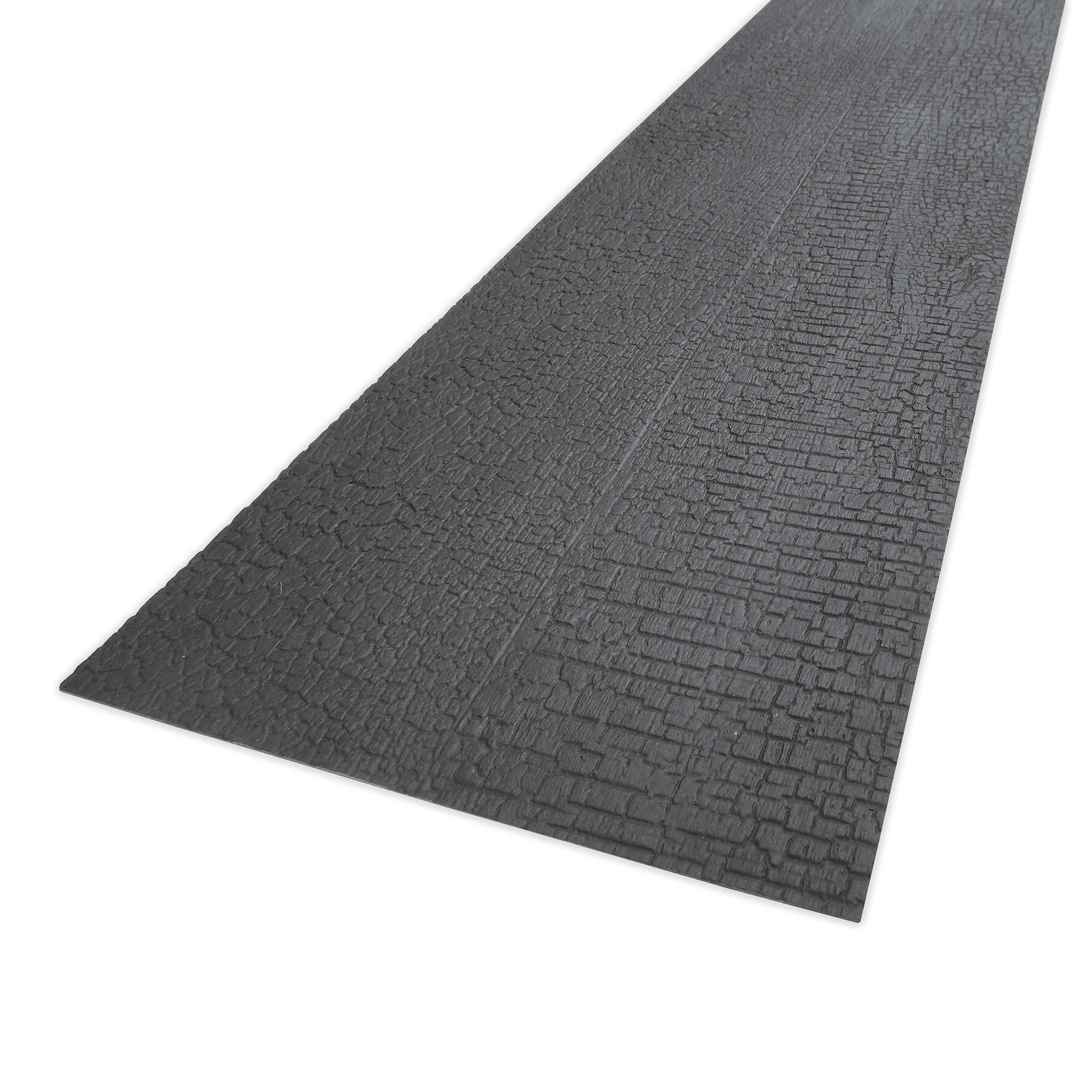
The result? A material that feels both timeless and contemporary. Run your hand over it, and you'll feel the slight roughness of the charred surface, a tactile reminder of its artisanal roots. Visually, it's a stunner—whether used as wall cladding, flooring, or outdoor decking, it adds depth and warmth, turning spaces into something that feels lived-in and alive. But what really sets charcoal burnt wood board apart isn't just its looks. It's the science and sustainability baked into every plank.
When we talk about building materials, pH isn't usually the first thing that comes to mind. We focus on strength, cost, or aesthetics. But pH—short for "potential of hydrogen"—is a silent player in how materials interact with the world around them. Think of it as a material's chemical personality: too acidic (low pH) or too alkaline (high pH), and it can throw off the balance of ecosystems, corrode nearby materials, or even leach harmful substances into the air or soil. For example, some concrete mixes, with their high alkaline content, can disrupt soil pH when used in outdoor applications, harming plant life. On the flip side, overly acidic materials might degrade faster, leading to frequent replacements and more waste.
Charcoal burnt wood board, by contrast, boasts a "real pH"—a natural, neutral-to-slightly-alkaline balance that's gentle on both the environment and the people living around it. How does it achieve this? It starts with the wood itself, which has a naturally neutral pH. The charring process, when done correctly, doesn't drastically alter this balance. The carbon layer formed during burning acts as a buffer, preventing the wood from leaching acids or alkalis over time. Unlike some treated woods, which rely on chemical preservatives that can off-gas or wash into soil, charcoal burnt wood's pH stability is inherent to its structure. This means it won't disrupt soil microbiomes when used outdoors, won't release harmful fumes indoors, and won't corrode metal fasteners or adjacent materials. It's a material that plays well with others—and with the planet.
Fun fact: pH stability isn't just good for the environment—it's good for your wallet, too. Materials with extreme pH levels often require specialized maintenance (like corrosion-resistant hardware or sealants) to counteract their effects. Charcoal burnt wood's balanced pH means less upkeep and longer-lasting installations.
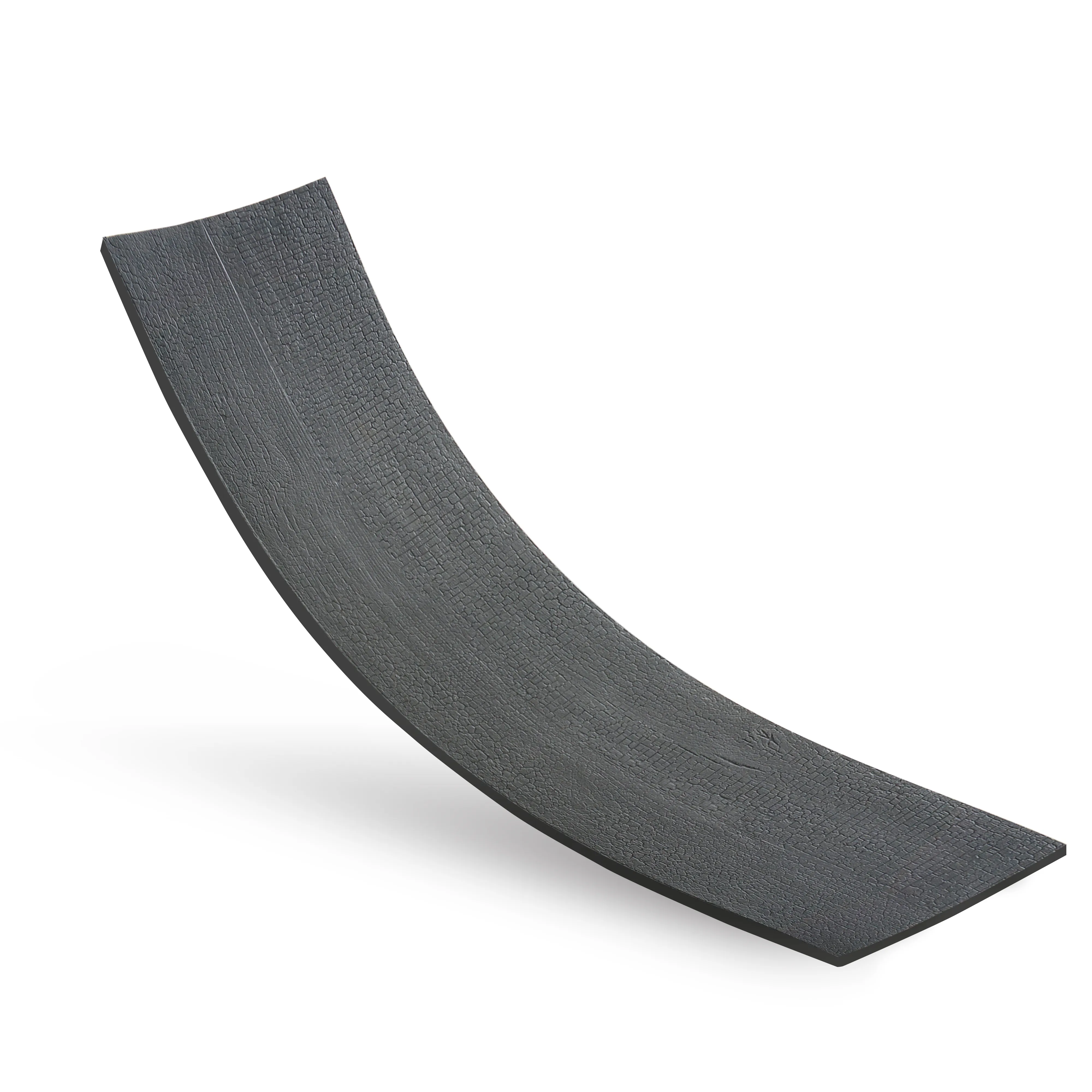
Sustainability isn't a single checkbox—it's a journey that starts with the tree and ends with the finished product (and beyond). Charcoal burnt wood board excels at every step of this journey, making it a standout in the world of green building materials.
It all begins with the wood. Reputable manufacturers of charcoal burnt wood board prioritize sourcing from forests certified by the Forest Stewardship Council (FSC) or similar organizations. This ensures that for every tree cut down, another is planted, and ecosystems are protected. Unlike materials like fair-faced concrete, which relies on mined aggregates and emits significant CO2 during production, charcoal burnt wood board starts with a renewable resource—wood—that, when harvested sustainably, acts as a carbon sink. Trees absorb CO2 as they grow, and that carbon remains stored in the wood even after it's processed, making the material carbon-negative over its lifecycle.
The charring process itself is surprisingly low-energy compared to manufacturing synthetic alternatives or even some treated woods. Traditional shou sugi ban uses nothing more than fire and brush; modern methods might add controlled kilns, but the energy input is minimal compared to, say, producing wood grain board, which often involves laminating synthetic layers with adhesives. What's more, the process generates almost no waste. The ash from charring is often repurposed as a natural fertilizer, and offcuts from trimming are used for smaller projects or biomass energy. Contrast this with fair-faced concrete, which requires massive amounts of energy to heat limestone and clay into cement, contributing to about 8% of global CO2 emissions annually. Charcoal burnt wood board's production footprint is a fraction of that—proof that sometimes, old ways are the greenest ways.
Walk down the aisle of a home improvement store, and you'll find wood products labeled with warnings about formaldehyde, arsenic, or other preservatives. Not so with charcoal burnt wood board. Its resistance to rot, pests, and fire comes from the charring process, not chemicals. The sealing oils used are natural, so there's no off-gassing of volatile organic compounds (VOCs) into your home's air. This is a big deal for indoor air quality—especially for families with kids, pets, or anyone with respiratory sensitivities. It's a material you can feel good about bringing into your most intimate spaces.
Sustainability isn't just about how a material is made—it's about how long it lasts. A product that needs replacement every 5 years, even if "green" to produce, is no match for one that lasts 50. Here's where charcoal burnt wood board truly shines: its durability is off the charts, and that longevity is a secret weapon for reducing environmental impact.
The charred surface acts like armor. It's naturally resistant to water, so it won't warp or rot in humid bathrooms or rainy outdoor decks. Termites and other pests? They steer clear—the carbon layer is unappetizing, to say the least. Even fire resistance gets a boost: the charred outer layer insulates the inner wood, slowing combustion. All of this adds up to a material that can last 30–50 years with minimal maintenance (just an occasional re-oiling). Compare that to untreated wood, which might last 10–15 years outdoors, or even some wood grain boards, which can delaminate or fade after a decade. The less you replace, the less waste you generate—and the fewer resources you consume in manufacturing new materials. It's sustainability through longevity.
Curious how charcoal burnt wood board measures up to other popular materials? Let's take a look at key sustainability metrics, including lifespan, maintenance needs, and eco-footprint:
| Material | Typical Lifespan (Outdoor Use) | Annual Maintenance | Key Eco-Footprint Factors |
|---|---|---|---|
| Charcoal Burnt Wood Board | 30–50 years | Minimal: Re-oil every 2–3 years | Renewable sourcing, low-energy production, carbon storage, chemical-free |
| Fair-Faced Concrete | 50–100 years | Low: Occasional sealing | High embodied carbon, non-renewable aggregates, energy-intensive production |
| Wood Grain Board (Synthetic) | 10–20 years | Moderate: Cleaning, occasional repair of delamination | Non-renewable plastics, VOC-emitting adhesives, non-biodegradable at end-of-life |
As the table shows, while fair-faced concrete has a longer lifespan, its production leaves a heavy carbon footprint. Synthetic wood grain board, meanwhile, falls short in both longevity and eco-impact. Charcoal burnt wood board strikes the perfect balance: long-lasting, low-maintenance, and kind to the planet from start to finish.
Charcoal burnt wood board isn't just a theoretical win—it's a practical, versatile material that works in almost any space. Let's look at how it's being used to transform buildings into sustainable showpieces:
In homes, this material is a favorite for accent walls, flooring, and outdoor decks. Imagine a living room with a charcoal burnt wood feature wall, its deep tones complementing natural light and soft textiles. Not only does it add visual interest, but its low-VOC nature ensures the air stays clean. For homeowners in rainy regions, a charcoal burnt wood deck is a game-changer—no more annual power washing or fear of rot. One Seattle family recently replaced their pressure-treated wood deck with charcoal burnt cedar, and they report spending "zero time on maintenance" two years in. "It still looks like the day we installed it," says homeowner Maria Chen. "And knowing it's not leaching chemicals into our garden? That's priceless."
Businesses, too, are catching on. Cafés, co-working spaces, and boutique hotels are using charcoal burnt wood board to signal their commitment to sustainability. A popular coffee chain in Portland, for example, clad its new location in the material, pairing it with living plant walls and energy-efficient lighting. "Our customers care about where their coffee comes from—and where they drink it," says manager Jake Torres. "The wood board tells them we're serious about our values, not just our lattes." Even corporate offices are getting in on the action; tech companies, in particular, love its blend of modern edge and natural warmth, using it in reception areas and breakout spaces to foster creativity and calm.
Beyond buildings, charcoal burnt wood board is making waves in parks, boardwalks, and public plazas. Its resistance to moisture and pests makes it ideal for high-traffic outdoor areas. In San Francisco, a waterfront park recently installed charcoal burnt wood benches and decking, replacing weathered hardwoods that needed constant repair. "We wanted something that could handle the fog, salt air, and thousands of visitors," says park director Elena Rodriguez. "This material has exceeded our expectations. It's held up beautifully, and it looks better with age—like the park itself is growing into its story."
As we look ahead, the demand for sustainable building materials will only grow. Governments are tightening regulations on carbon emissions, consumers are voting with their wallets for eco-friendly options, and architects are pushing for materials that align with circular economy principles—materials that can be reused, recycled, or biodegraded at the end of their life. Charcoal burnt wood board fits this vision perfectly. At the end of its 50-year lifespan, it can be chipped into mulch or burned as biomass, returning its stored carbon to the soil or converting it into energy without leaving behind toxic waste. Compare that to fair-faced concrete, which often ends up in landfills, or synthetic wood grain board, which persists for centuries as plastic waste.
But the future isn't just about replacing old materials—it's about innovating. Manufacturers are already experimenting with new wood species and charring techniques to enhance performance, and some are pairing charcoal burnt wood board with other green materials like foamed aluminium alloy board (vintage silver) for facades that combine durability with modern flair. The goal? To create building solutions that are not just sustainable, but regenerative —materials that give back more than they take.
Charcoal burnt wood board is more than a building material. It's a statement—a choice to honor tradition while embracing progress, to value both aesthetics and ethics. Its "real pH" balance ensures it plays nice with the environment, while its eco-friendly journey from forest to finish sets a new standard for sustainability. In a world where every decision feels weighty, this wood board offers something rare: a choice that's easy to feel good about. Whether you're building a home, revamping an office, or simply adding a deck to your backyard, charcoal burnt wood board reminds us that sustainability doesn't have to mean sacrificing beauty or durability. It's proof that the best materials aren't just built to last—they're built to leave the world better than they found it. And in the end, that's the kind of legacy we all want to leave behind.
Recommend Products












