
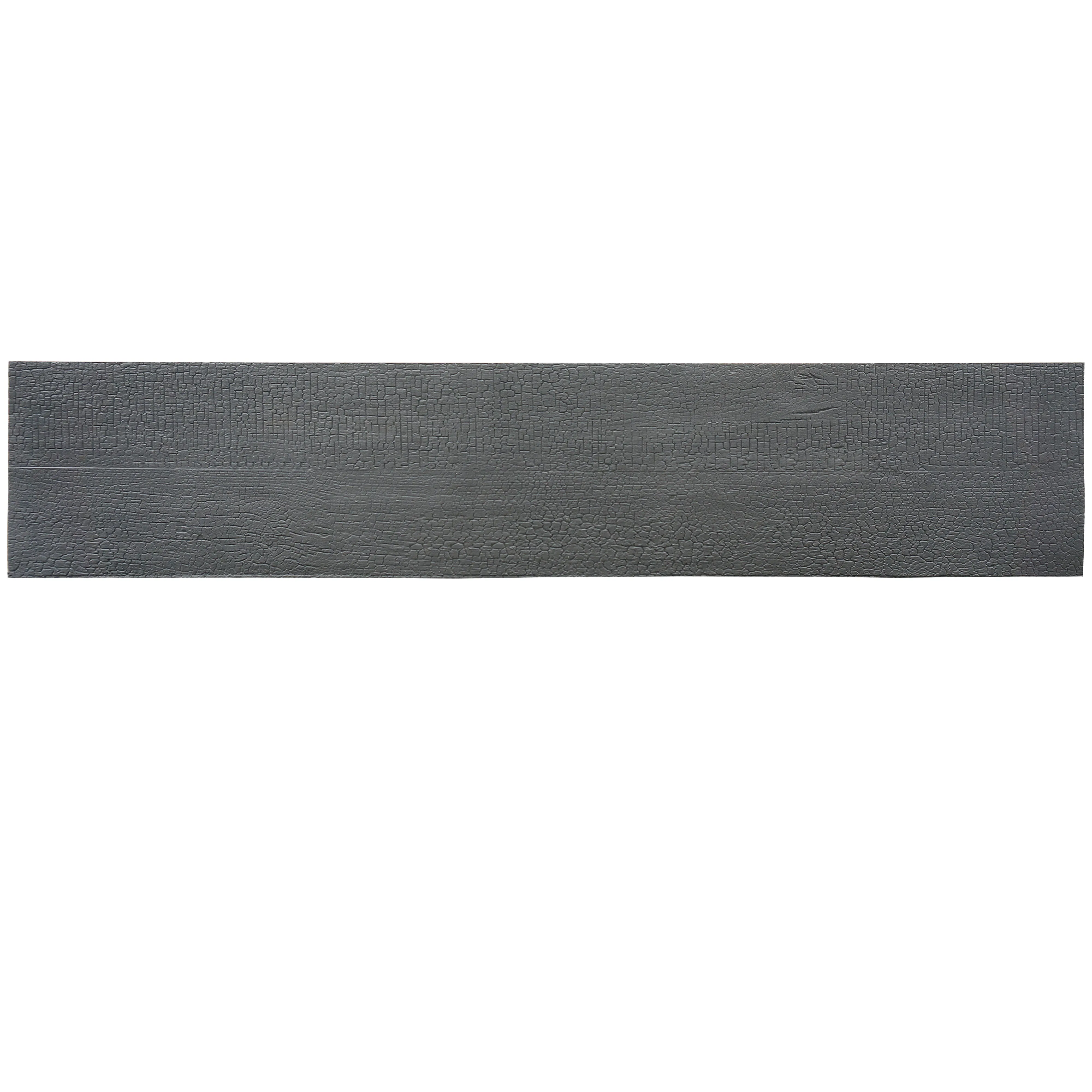
Walk into any modern home or commercial space, and you'll notice something subtle but powerful: the materials around you aren't just chosen for looks. They're selected for durability, safety, and how they interact with the people and environment they inhabit. Today, we're diving into a topic that might sound like chemistry class at first—pH levels in building materials—but stick with me. It's a detail that quietly shapes everything from how long your walls last to the air you breathe indoors. Specifically, we're putting two popular wood-based options under the microscope: charcoal burnt wood board and common engineered wood products. Let's unpack why their pH matters, what our study revealed, and what it means for anyone choosing materials for their next project.
First, let's get back to basics. pH is a scale that measures how acidic or alkaline a substance is, ranging from 0 (highly acidic) to 14 (highly alkaline). A neutral substance, like pure water, sits at 7. For building materials—especially organic ones like wood—pH isn't just a number on a test strip. It's a window into how that material will behave over time.
Wood is, at its core, a living material (even after it's cut down). Its natural pH is influenced by tree species, growth conditions, and how it's processed. When we start treating wood—whether by burning it (like charcoal burnt wood) or gluing layers together (like engineered woods)—we alter that pH. And those changes? They can make or break a material's performance. For example:
Quick takeaway: pH affects durability, compatibility with other materials, and even indoor health. Ignore it, and you might end up with a wall that warps, a finish that peels, or air that's less than fresh.
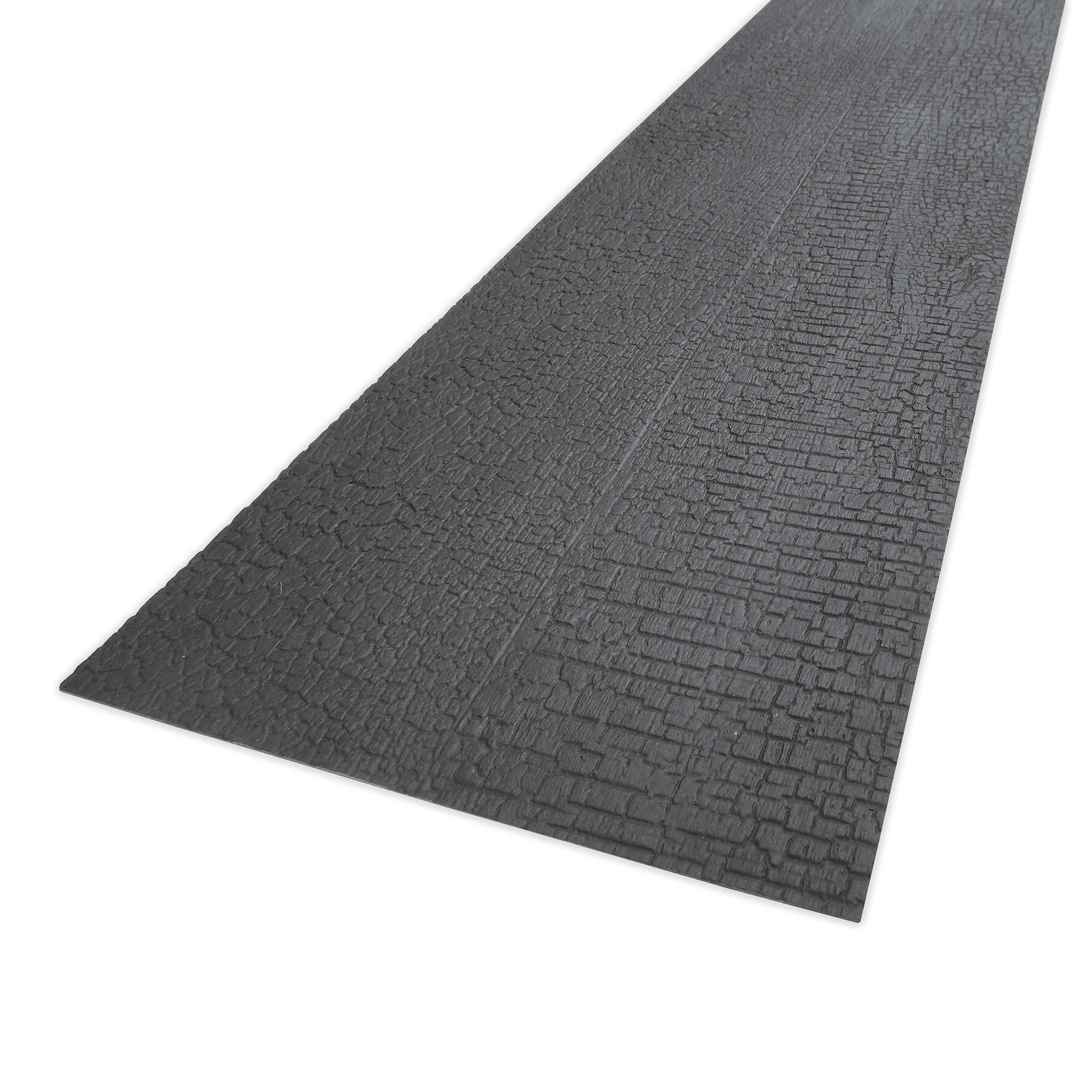
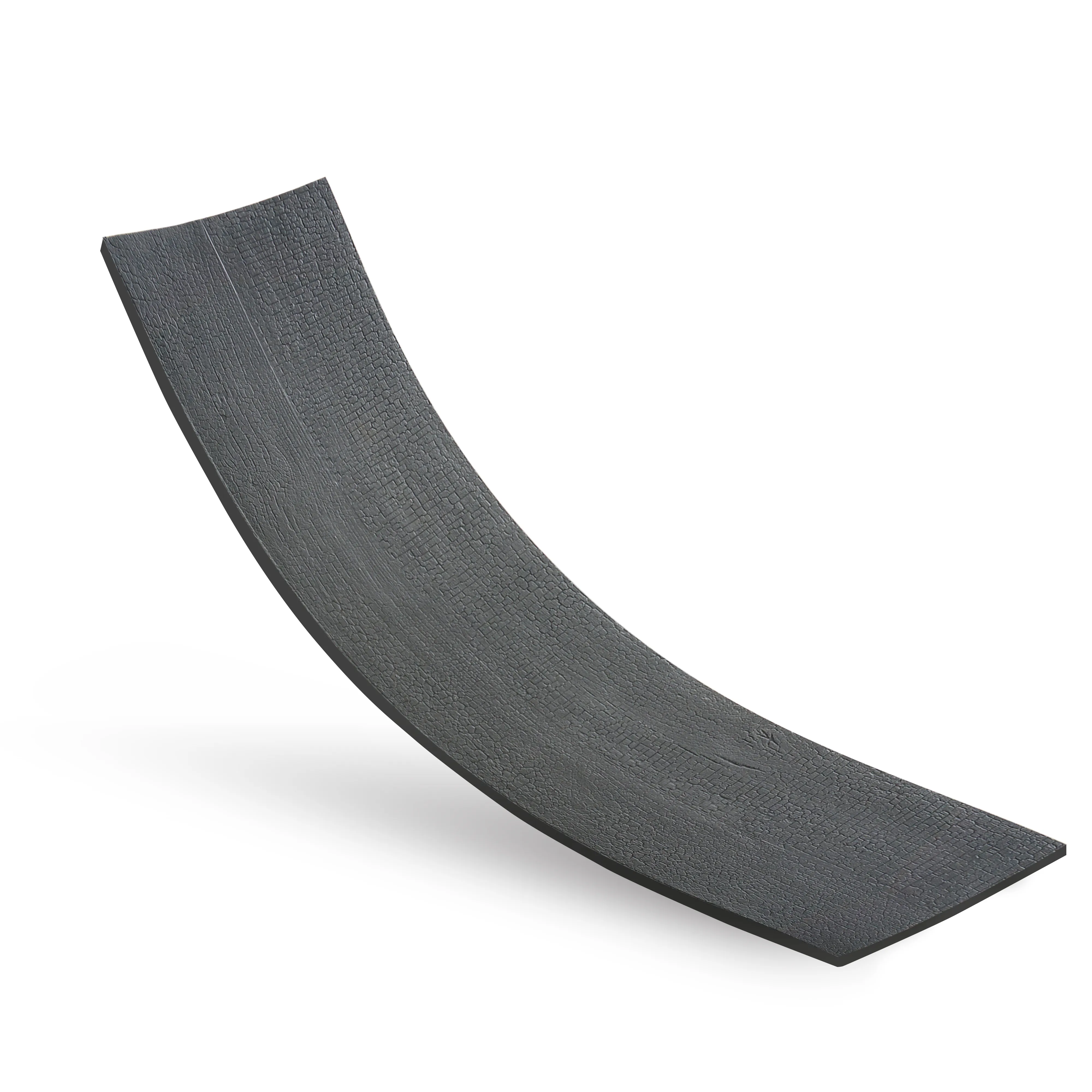
Now, let's meet our two main players. On one side, we have charcoal burnt wood board —a material that's been turning heads for its rustic, earthy aesthetic and reputation for durability. Created by partially burning the wood's surface (a process called pyrolysis), this treatment is ancient (think Japanese shou sugi ban techniques) but has found new life in modern design. Proponents claim the charring process not only enhances its visual appeal but also makes it resistant to fire, pests, and rot.
On the other side are engineered wood products —the workhorses of modern construction. These include plywood (layers of wood glued together), MDF (medium-density fiberboard, made from wood fibers and resin), and OSB (oriented strand board, chips pressed with adhesive). They're popular for being affordable, consistent, and versatile. But here's the catch: most engineered woods rely on synthetic resins (often formaldehyde-based) to hold their layers together. These resins can swing the material's pH into the acidic range—and that's where questions about long-term performance and health come in.
To round out our study, we also included wood concrete board —a hybrid material that mixes wood fibers with cement. It's often marketed as a "middle ground" between natural wood and concrete, so we were curious how its pH stacked up.
Good science starts with clear methods, so let's walk through how we measured pH in these materials. We wanted results that were both accurate and relatable, so we kept it grounded in real-world conditions.
First, we sourced samples. We collected 10 specimens each of:
Next, we prepped the samples. For each, we ground a small piece (about 50g) into a fine powder (to ensure even testing) and mixed it with 100ml of distilled water (pH 7.0, to avoid skewing results). We stirred the mixture for 5 minutes, let it sit for 30 minutes (to let ions dissolve), then measured pH using a calibrated digital meter. We repeated this process three times per sample and averaged the results. Simple, but effective—this "slurry method" is standard for testing pH in solid materials like wood and concrete.
After testing 50 samples (10 of each product), we compiled the data into the table below. Remember: lower numbers mean more acidic; higher numbers mean more alkaline.
| Product Type | Average pH (± Standard Deviation) | pH Range | Key Observations |
|---|---|---|---|
| Charcoal Burnt Wood Board | 8.2 (±0.3) | 7.8–8.5 | Slightly alkaline; least variation between samples. |
| Plywood (Urea-Formaldehyde Resin) | 5.1 (±0.4) | 4.6–5.6 | Moderately acidic; resin likely driving low pH. |
| MDF | 4.3 (±0.5) | 3.8–4.9 | Most acidic; highest formaldehyde-based resin content. |
| OSB | 5.5 (±0.3) | 5.1–5.9 | Mildly acidic; larger wood strands may buffer pH slightly. |
| Wood Concrete Board | 7.1 (±0.2) | 6.9–7.3 | Nearly neutral; cement balances wood fiber acidity. |
Let's break this down. The star here is charcoal burnt wood board , sitting at a slightly alkaline 8.2. That's a far cry from the acidic engineered woods, which ranged from 4.3 (MDF) to 5.5 (OSB). Wood concrete board? Almost perfectly neutral at 7.1—no surprise, given it's a mix of acidic wood fibers and alkaline cement.
So, why is charcoal burnt wood so much more alkaline than its engineered cousins? Let's start with the charring process. When wood is burnt (pyrolyzed) at high temperatures (typically 200–400°C for surface charring), its chemical structure changes dramatically. The heat breaks down hemicellulose (the "glue" that holds wood cells together) and lignin (the rigid structural component), releasing volatile acids like acetic acid. But here's the twist: as the wood chars, those acids evaporate, leaving behind a layer rich in carbon and mineral ash—both of which are alkaline. That's why the charred surface has a higher pH; it's literally been "cleaned" of acidic compounds by fire.
Engineered woods, on the other hand, lean acidic because of their resins. Plywood, MDF, and OSB all use synthetic adhesives to bind wood layers or fibers. The most common? Urea-formaldehyde resin, which is cheap and strong but highly acidic (pH 3–5). Even "low-VOC" engineered woods often use modified versions of this resin, which are still acidic—just less so. MDF, which has the highest resin-to-wood ratio, came out as the most acidic in our tests (4.3), which lines up with its reputation for higher formaldehyde emissions.
Wood concrete board's neutral pH makes sense, too. Cement is naturally alkaline (pH 12–13 when wet), but when mixed with wood fibers (naturally slightly acidic, pH 5–6), the two balance each other out. The result? A material that plays well with both acidic and alkaline finishes, and off-gasses very little (if any) VOCs.
Numbers on a page are one thing—real-world impact is another. Let's translate our findings into practical advice for builders, designers, and homeowners.
Its slightly alkaline pH (8.2) is a double-edged sword. On the plus side: better rot resistance . Most wood-decaying fungi can't survive in alkaline conditions, so this board might last longer in humid environments (think bathrooms, basements, or outdoor patios). It's also less likely to off-gas VOCs, since it's treated with heat, not synthetic resins. That's a win for indoor air quality.
The catch? Alkaline wood can react with acidic finishes. If you're planning to paint it with latex paint (which is slightly acidic), test a small area first—you might need a primer to prevent bubbling. Stains with iron oxides (common in red or brown tones) could also darken unevenly on alkaline surfaces, so opt for alkaline-compatible stains (look for "low pH" labels).
Their acidity (pH 4.3–5.5) comes with trade-offs. The resins that make them strong and affordable also make them prone to VOC off-gassing —especially MDF, with its high resin content. If you're using these in bedrooms or offices (where people spend hours), look for "formaldehyde-free" options (they use soy-based or phenol-formaldehyde resins, which are less acidic and lower in VOCs). Acidic woods also need extra care with moisture: they're more susceptible to mold if water seeps in, so ensure proper sealing in damp areas.
With a near-neutral pH (7.1), this hybrid avoids the pitfalls of both extremes. It's compatible with most finishes, resists mold (thanks to the cement), and has low VOCs. It's not as visually striking as charcoal burnt wood, but for high-moisture areas like kitchens or laundry rooms, it's a durable, low-maintenance option. Plus, it pairs well with other materials—we've seen it used alongside flexible stone cladding panels for a modern, industrial look, with no pH-related compatibility issues.
While our study focused on wood products, pH matters for other materials too. For example, rough granite stone (a common cladding option) is naturally alkaline (pH 8–9), which is why it's so resistant to weathering. Flexible stone cladding panels , made from stone aggregates and polymers, often have a neutral pH (6.5–7.5), making them easy to pair with both wood and concrete. Even concrete itself—like the fair-faced concrete trending in modern design—starts alkaline (pH 12–13 when fresh) but gradually neutralizes as it cures, reaching pH 8–9 over time.
The key? Always check pH compatibility when mixing materials. For example, mounting acidic MDF directly against alkaline granite could cause a chemical reaction that weakens the bond over time. A quick pH test (you can buy affordable test kits online) before installation can save you from costly repairs later.
At the end of the day, pH isn't the only factor to consider when choosing building materials. Aesthetics, cost, and strength matter too. But it is a powerful tool to predict how a material will perform—and how it will interact with your space. Our study showed that charcoal burnt wood board brings alkaline durability and low VOCs to the table, while engineered woods offer affordability but require caution with moisture and finishes. Wood concrete board? A solid neutral option for those prioritizing versatility.
So, the next time you're picking materials, ask: "What's its pH?" It might not be the first question on your list, but it could be the one that ensures your walls stay strong, your finishes stay vibrant, and your indoor air stays healthy—for years to come.
Recommend Products












