

There's a quiet confidence in red travertine that sets it apart from other building materials. It doesn't shout for attention—instead, it draws you in, inviting you to trace its veins, study its textures, and lose yourself in the stories hidden within its layers. For builders and designers, this isn't just stone; it's a collaborator. A material that bends to vision while grounding spaces in authenticity. Let's dive into what makes red travertine a standout choice, from its natural origins to its endless design possibilities.
Travertine itself is a form of limestone, born from mineral-rich hot springs and rivers. But red travertine? It's nature's bold statement. Its hue comes from iron oxides seeping into the stone over millennia, creating shades that range from soft terracotta to deep, rusty crimson. What truly captivates, though, is its porous, honeycomb-like structure —a result of gas bubbles escaping as the stone formed. These pores aren't flaws; they're character. They catch light, casting gentle shadows that shift throughout the day, making every surface feel alive.
Unlike uniform synthetic materials, red travertine celebrates imperfection. No two slabs are identical. One might have a wash of coral with faint gold streaks; another could boast deep burgundy veins cutting through a backdrop of terracotta. This variability is a designer's dream, offering endless opportunities to craft one-of-a-kind spaces that feel organic and lived-in.
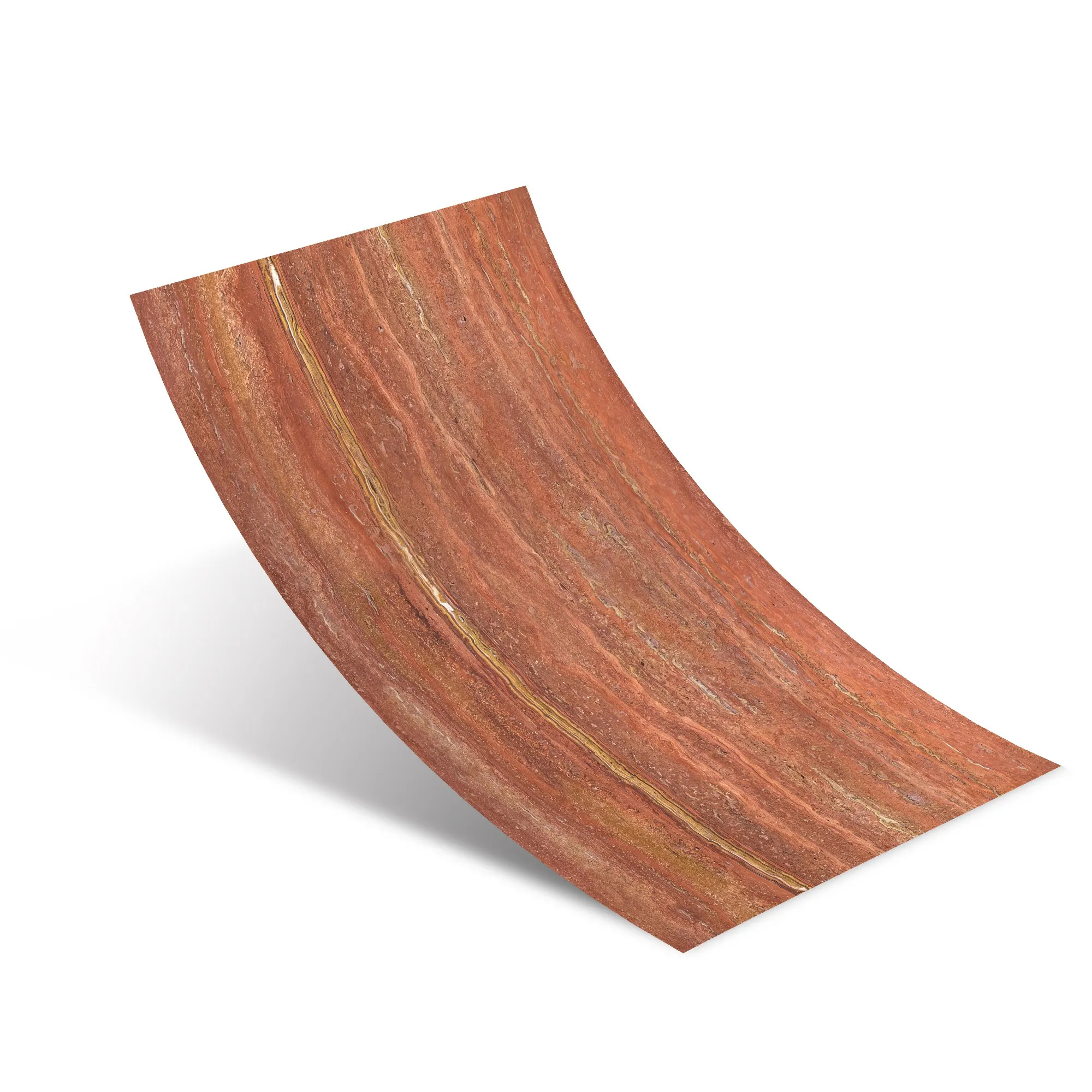
Red travertine isn't a one-size-fits-all stone. Within this category lie nuanced variants, each with its own personality. Let's break down a few standout options that have builders and designers reaching for their sketchbooks:
| Variant | Key Features | Best For |
|---|---|---|
| Travertine (Starry Red) | Subtle, star-like mineral deposits scattered across a warm red base; porous with a matte finish. | Accent walls, fireplace surrounds, or statement flooring in residential spaces. |
| Red Travertine (Vintage Finish) | Deeper, earthier reds with weathered edges; pores partially filled for a smoother, timeworn look. | Heritage-inspired projects or spaces aiming for rustic elegance. |
| Polished Red Travertine | Glossy surface that amplifies color depth; veins and pores become more pronounced under light. | High-end commercial lobbies or modern dining areas where drama meets sophistication. |
And let's not overlook its "starry" siblings— travertine (starry orange) and travertine (starry blue) . While not red, they share that same cosmic texture, making them perfect complements for designers wanting to play with warm-cool contrasts alongside red travertine.
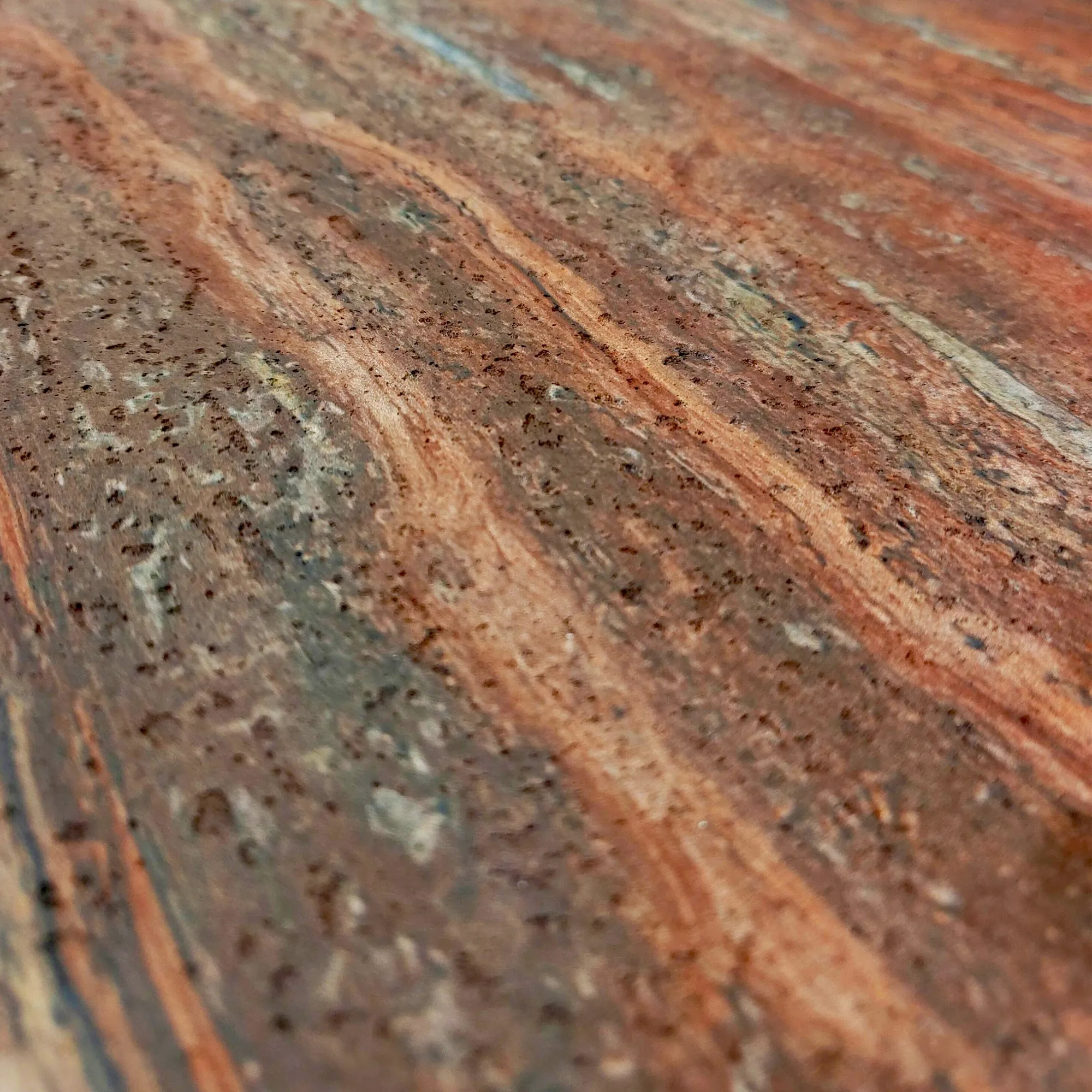
Durability is non-negotiable in construction, and red travertine delivers. Its density and resistance to wear make it suitable for high-traffic areas, from hotel lobbies to outdoor patios. But what truly wins over creators is its versatility . Want a cozy cottage kitchen backsplash? Red travertine adds warmth. Dreaming of a sleek, minimalist office wall? Polished red travertine brings understated luxury. It transitions seamlessly from indoor to outdoor, standing up to rain, sun, and temperature swings without losing its charm.
Sustainability is another feather in its cap. As a natural stone, it's biodegradable and requires minimal processing compared to synthetic alternatives. For eco-conscious builders, this aligns with green building goals while adding a selling point for clients who value responsible design.
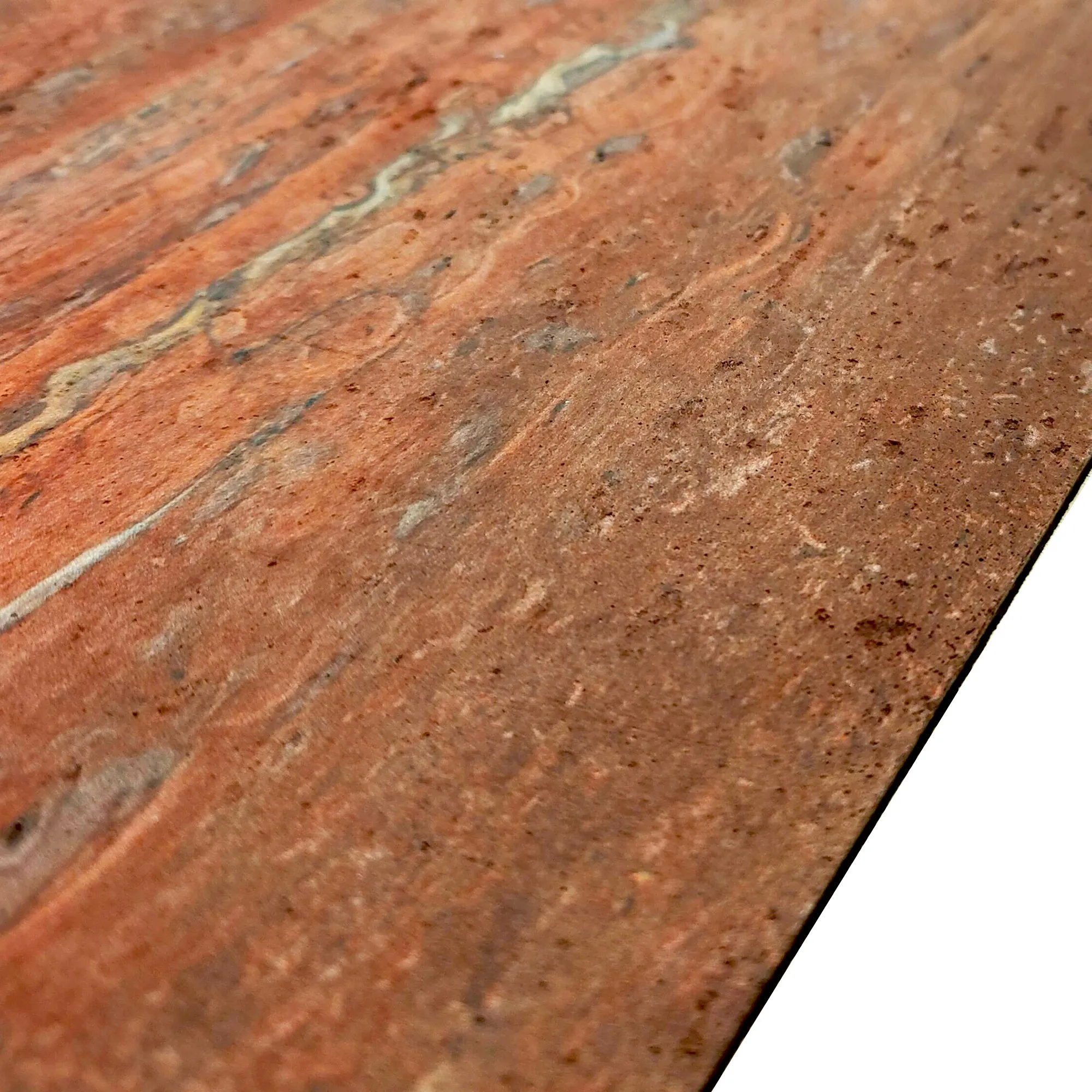
Red travertine is a team player, shining brightest when paired with materials that balance its warmth. Here are a few designer-approved combinations:
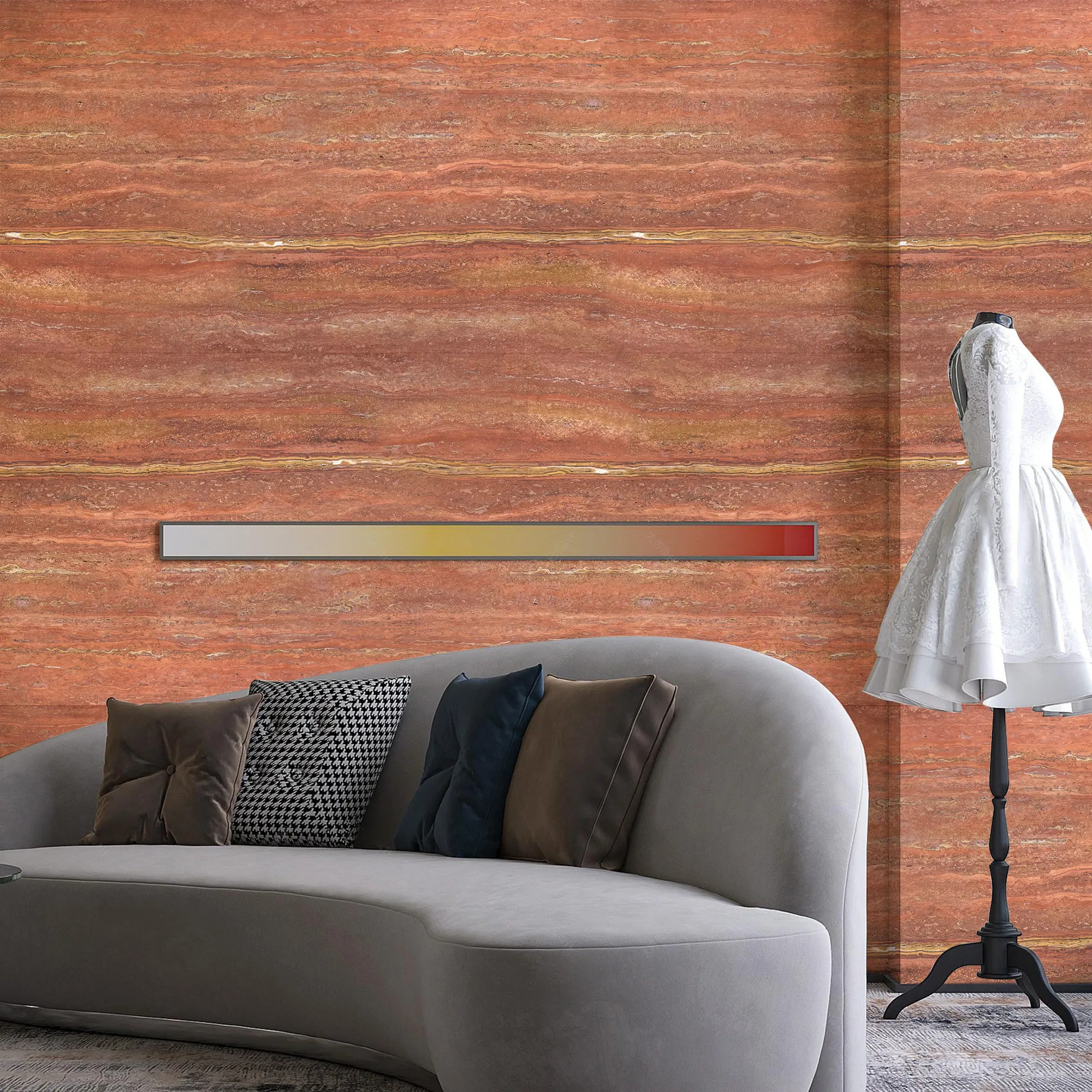
Walk into a boutique hotel lobby, and you might find red travertine wrapping around a reception desk, its porous surface softening the harshness of modern lighting. Step into a homeowner's backyard, and there it is again—cladding an outdoor kitchen island, weathered by rain but richer for it. Commercial spaces love it for feature walls; residential projects adore it for fireplaces and accent pieces. Even public parks have caught on, using red travertine pavers to add warmth to pathways and plazas.
One memorable project? A restaurant in downtown Portland that paired travertine (starry red) with charcoal burnt wood board and stream limestone (dark grey) . The result? A space that felt both intimate and grand, where the red travertine walls seemed to glow like embers against the cool stone and charred wood.
At the end of the day, red travertine is more than a material—it's a legacy. It connects spaces to the earth, to the passage of time, and to the hands that shaped it. For builders, it's a reliable, durable choice that stands the test of time. For designers, it's a blank canvas, ready to be painted with vision. Whether you're crafting a cozy home or a statement-making commercial space, red travertine doesn't just fill a role—it elevates it.
So the next time you're brainstorming materials, ask yourself: What story do I want this space to tell? If the answer is one of warmth, authenticity, and quiet boldness, red travertine might just be your answer.
Recommend Products











