

In an era dominated by sleek glass, steel, and synthetic materials, there's a quiet rebellion happening in architecture and design: a return to the raw, unfiltered beauty of natural stone. Builders and designers are increasingly turning to materials that tell a story—ones forged by time, pressure, and the earth's own hand. Among these, red travertine stands out as a material that marries rugged durability with a warmth that feels almost alive. It's not just a building material; it's a bridge between the past and the present, between the wild forces of nature and the intentionality of human creation. Let's dive into what makes red travertine so special, how it's used in today's construction projects, and why it continues to captivate the minds of designers worldwide.
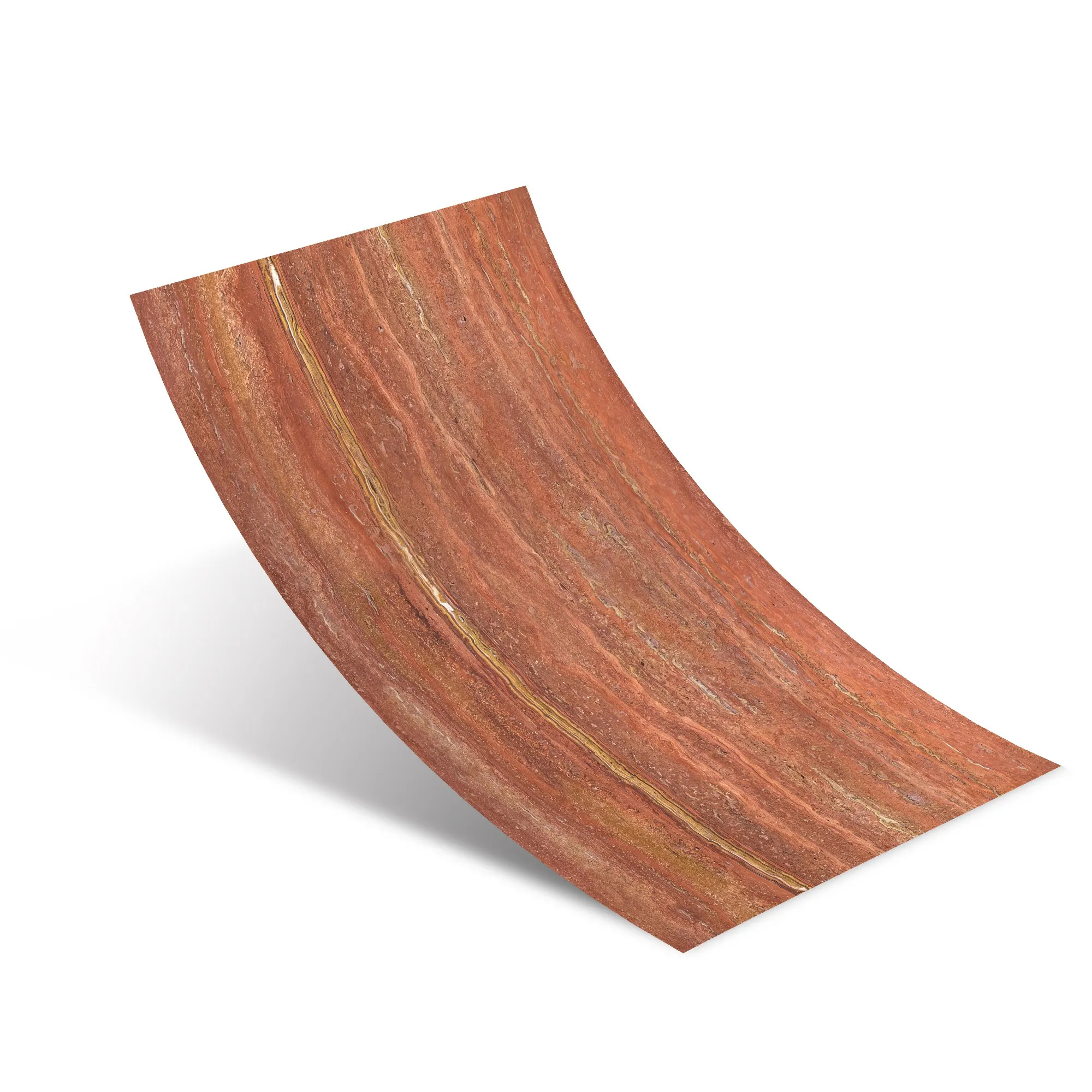
To truly appreciate red travertine, we need to start at the beginning—deep within the earth's crust, where mineral-rich hot springs and limestone deposits collide. Travertine itself is a type of limestone, formed over centuries as mineral-laden water (think calcium carbonate) flows from springs, cools, and deposits layers of sediment. What gives red travertine its distinctive hue? Iron oxide, the same mineral that paints sunsets and rusts old nails. As these iron-rich sediments accumulate, they infuse the stone with warm reds, oranges, and even hints of amber, creating patterns that are as unique as a fingerprint.
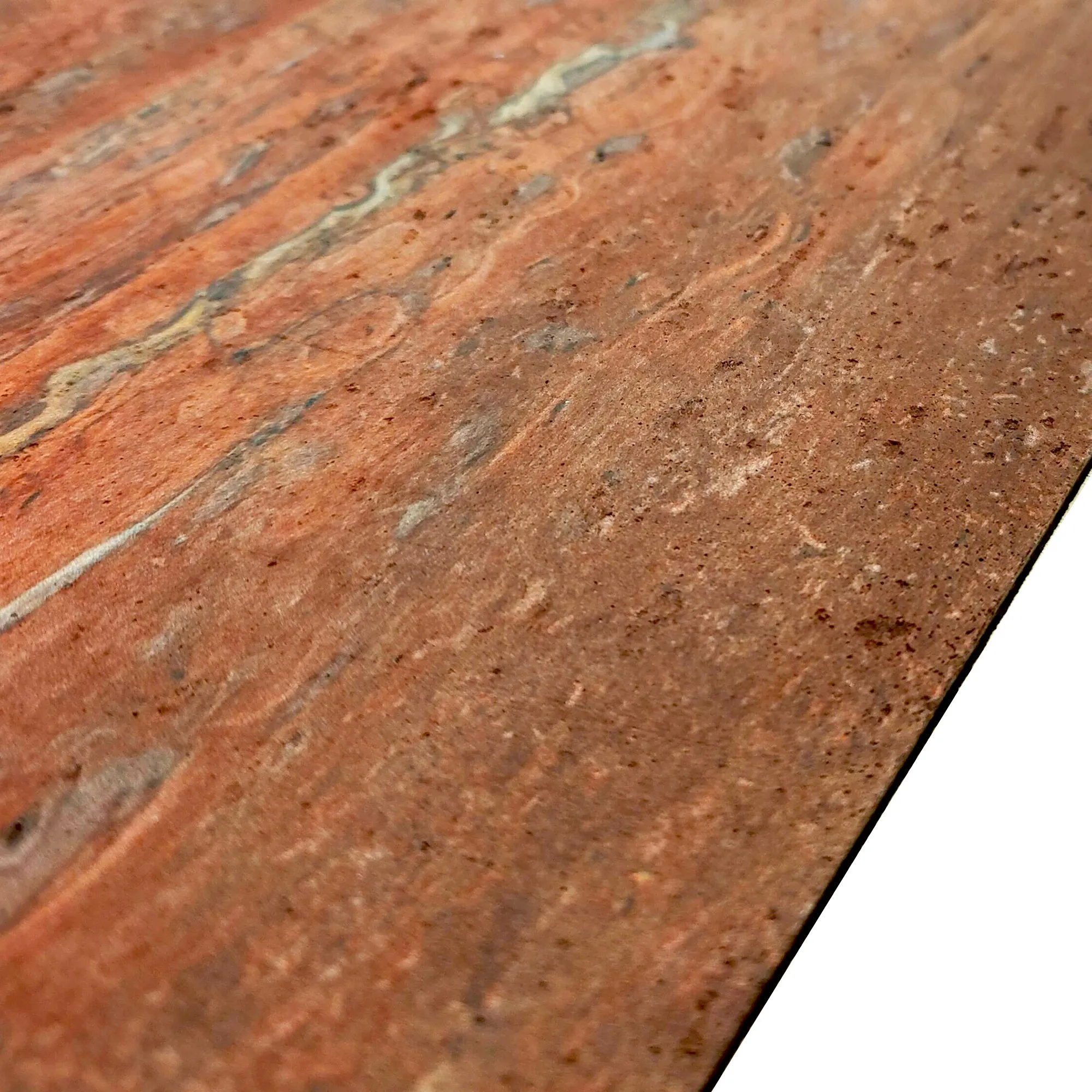
Unlike some stones that feel uniform or mass-produced, red travertine bears the marks of its journey. You'll often find tiny pores, called "vesicles," left behind by gas bubbles trapped during formation, as well as subtle veins and swirls where minerals like manganese or magnesium added their own touches. These imperfections aren't flaws—they're the stone's way of showing its age, its struggle, and its resilience. It's a material that doesn't just look natural; it is natural, through and through.
While travertine has been used for millennia (think ancient Roman amphitheaters or Turkish bathhouses), red travertine, with its bold color, has found a new lease on life in modern design. Varieties like travertine (starry red) take this a step further, with flecks of metallic minerals that catch the light, mimicking a starry night sky embedded in stone. It's a reminder that even in a world of mass production, nature still knows how to surprise us.
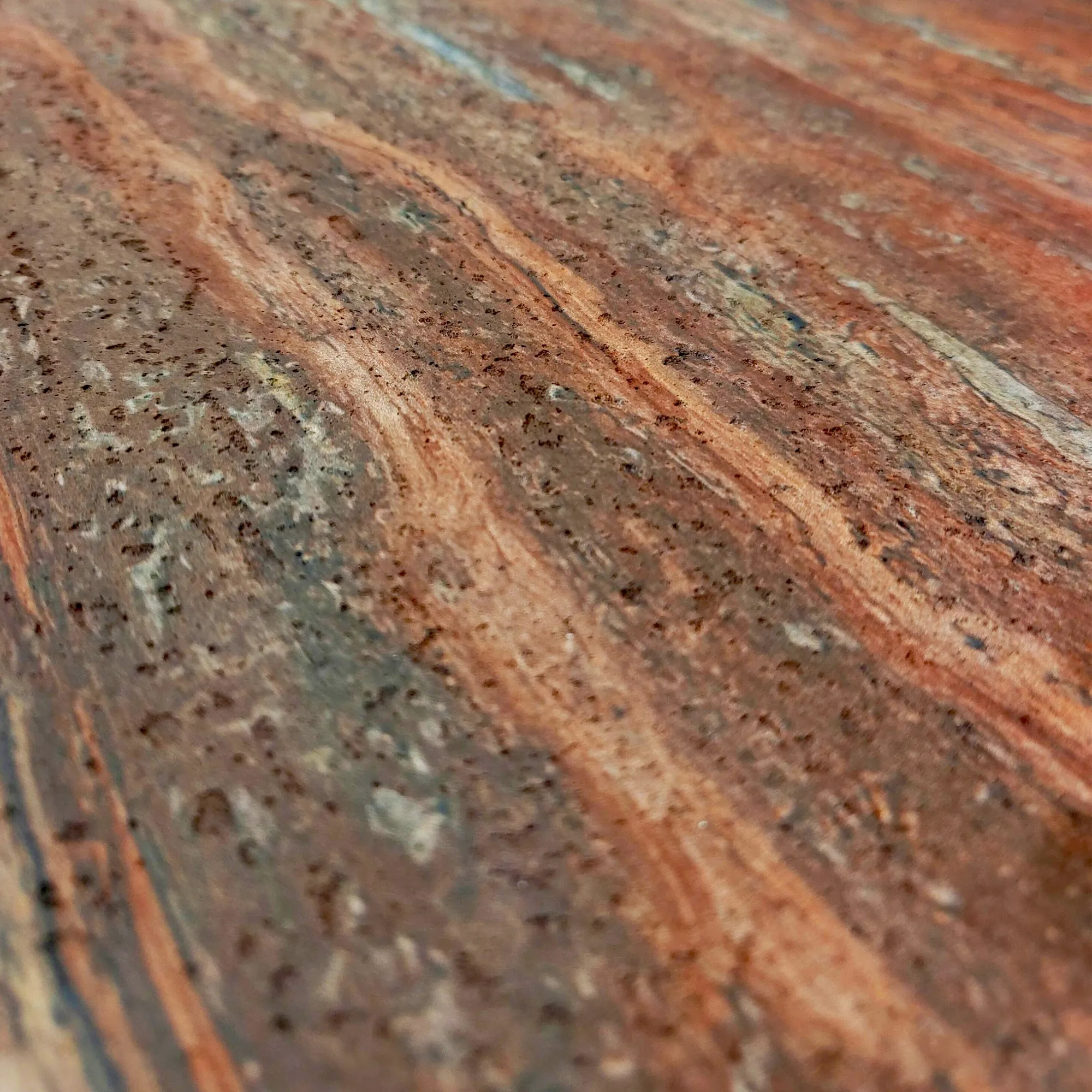
When we say "red travertine," we're not talking about a single shade. This stone is a spectrum of warmth. Imagine slabs that range from soft terracotta, like the dust of a desert at dawn, to deep brick-red, reminiscent of aged clay roof tiles. Some pieces lean into orange undertones, glowing like embers, while others have burgundy streaks that add depth. And then there are the specialty types, like travertine (starry red), where tiny mineral inclusions sparkle when hit by light—turning a wall or floor into a canvas of subtle shimmer. This versatility means red travertine can adapt to almost any design vision, whether you're aiming for a cozy, rustic vibe or a bold, contemporary statement.
Run your hand over a slab of red travertine, and you'll immediately notice its texture. Unlike polished marble or smooth granite, travertine has a slightly rough, porous surface that feels organic to the touch. Those vesicles we mentioned earlier? They create small indentations that add grip (great for flooring!) and a tactile quality that invites interaction. It's the kind of texture that makes a space feel lived-in, not sterile. Run your fingers along a red travertine wall, and you can almost feel the centuries of water flow and mineral deposit that shaped it—it's a sensory experience as much as a visual one.
Here's the thing about travertine: its porosity (those tiny holes) is both a blessing and a consideration. On one hand, those pores give the stone its unique character and help it stay cool in hot climates (a big plus for outdoor applications). On the other hand, they mean red travertine needs a little TLC. Sealing it regularly prevents stains from liquids like wine or oil, and proper maintenance ensures it stays looking fresh for decades. Think of it like a leather jacket—with a little care, it ages beautifully, developing a patina that only enhances its charm. For high-traffic areas, many designers opt for honed or filled travertine, where the pores are smoothed out or filled with a matching resin, balancing durability with that signature texture.
Don't let its warm appearance fool you—red travertine is tough. With a Mohs hardness rating of 3.5 to 4 (comparable to marble), it can withstand the wear and tear of daily life, from foot traffic in a busy lobby to the elements on an outdoor patio. Unlike some synthetic materials that fade or crack over time, red travertine only gets better with age. Sunlight softens its hues, rainwater brings out its depth, and even minor scratches blend into its natural pattern. It's the kind of stone that could outlive the building it's in, making it a smart investment for projects where longevity matters.
Red travertine isn't a one-trick pony. Its adaptability means it shows up in everything from luxury homes to commercial skyscrapers, from cozy fireplaces to sprawling outdoor plazas. Let's break down its most popular uses and why designers keep coming back to it.
Walk through any trendy urban neighborhood, and you're likely to spot a building wrapped in red travertine. Its ability to stand up to rain, snow, and UV rays makes it ideal for exterior walls, while its warm color adds a welcome contrast to the cool grays of modern architecture. Imagine a glass-and-steel office tower with a red travertine accent wall—the stone grounds the structure, giving it a sense of rootedness in the earth. It's also surprisingly lightweight compared to some granites, which reduces structural load and makes installation easier. For coastal areas, where salt air can corrode materials, sealed red travertine holds its own, resisting rust and decay.
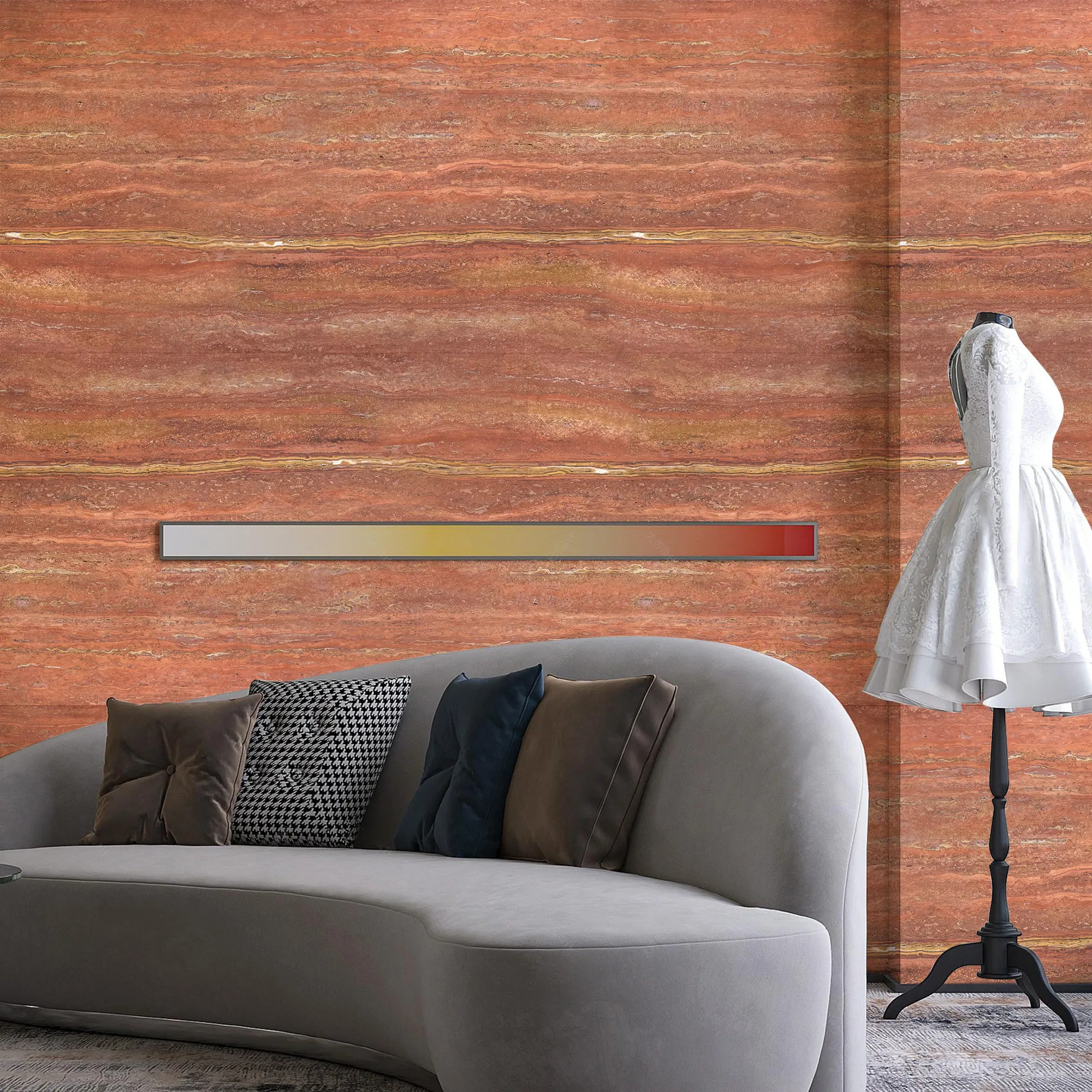
Inside, red travertine transforms spaces into something memorable. Flooring is a classic use—its natural grip makes it safe for kitchens and bathrooms, while its warm tones add coziness to living rooms. In larger spaces, like hotels or restaurants, red travertine floors create a sense of flow, guiding guests from one area to the next with their organic pattern. Feature walls are another favorite: a red travertine fireplace surround becomes the focal point of a living room, or a lobby wall clad in travertine (starry red) becomes a conversation starter, with its sparkles catching the light as people pass by.
Designers also love pairing red travertine with complementary materials to create layered, dynamic spaces. For example, a kitchen might feature red travertine countertops alongside wood grain board cabinetry—the stone's earthiness balancing the wood's warmth. Or a bathroom could combine red travertine walls with polished concrete floors, blending rustic and industrial vibes. The key is that red travertine doesn't overpower; it enhances, making it a team player in any design scheme.
In commercial settings, red travertine often takes center stage as a statement material. Think of a boutique hotel where the lobby is floored in large-format red travertine slabs, or a museum where red travertine walls frame artwork, letting the pieces shine without competing for attention. Its durability makes it perfect for high-traffic areas, and its natural beauty elevates the customer experience—people remember spaces that feel "special," and red travertine has that effect.
In residential projects, it's all about intimacy. A homeowner might choose red travertine for a backyard patio, creating an outdoor room that feels like an extension of the house. Or use it for a shower wall, where its porous texture stays slip-resistant even when wet. It's also a favorite for accent pieces: a red travertine backsplash in a kitchen, a powder room vanity top, or even a custom-built bookshelf with red travertine shelves. In these spaces, it's not just about function—it's about adding soul.
To really understand red travertine's place in modern construction, it helps to see how it stacks up against other go-to materials. Let's compare it to two common alternatives: rough granite stone (medium grey) and fair-faced concrete —each with its own strengths and style.
| Material | Key Features | Best For | Style Vibe | Sustainability |
|---|---|---|---|---|
| Red Travertine | Warm red/orange hues, porous texture, moderate hardness (3.5-4 Mohs), natural veining and pores | Exterior cladding, interior floors/walls, fireplaces, outdoor patios | Organic, earthy, timeless with a modern edge | Low carbon footprint (mined locally in many cases), recyclable, long lifespan reduces replacement needs |
| Rough Granite Stone (Medium Grey) | Cool grey tones, dense and non-porous, high hardness (6-7 Mohs), speckled pattern | Countertops, heavy-use flooring, exterior facades in harsh climates | Bold, industrial, high-end luxury | Durable but energy-intensive to quarry and transport; limited color variation |
| Fair-Faced Concrete | Neutral grey, smooth or textured finish, high compressive strength, customizable with pigments | Walls, floors, structural elements, minimalist interiors | Modern, sleek, industrial-chic | Can include recycled materials; energy-heavy production but long-lasting |
What stands out here? Red travertine offers a middle ground between the industrial cool of fair-faced concrete and the bold luxury of rough granite. It's warm without being cloying, durable without being sterile, and sustainable without sacrificing style. For designers aiming to create spaces that feel both modern and rooted in nature, it's hard to beat.
In today's world, "sustainable" isn't just a buzzword—it's a requirement. So where does red travertine fit into the eco-friendly building movement? Let's break it down.
First, red travertine is a natural, non-toxic material. Unlike some synthetic cladding options that off-gas VOCs (volatile organic compounds), it doesn't release harmful chemicals into the air, making it safer for indoor air quality. It's also 100% recyclable—if a building is demolished, the stone can be repurposed into aggregate, tiles, or decorative pieces, reducing waste.
Mining travertine does have an environmental impact, of course, but responsible quarries are minimizing this. Many now use water recycling systems, reduce energy use with solar-powered equipment, and restore quarry sites after extraction, turning them into lakes or green spaces. Compared to materials like concrete (which is responsible for 8% of global CO2 emissions), red travertine has a lower carbon footprint, especially when sourced locally to cut down on transportation emissions.
Then there's its longevity. A red travertine wall or floor might last 50+ years, while synthetic materials often need replacement every 10-20 years. Fewer replacements mean less waste, fewer resources used, and a smaller overall impact. It's the kind of sustainability that doesn't require sacrifice—you get a beautiful material and do right by the planet.
One of the best things about red travertine is how well it plays with others. Designers love mixing it with different materials to create unique looks, and the stone's versatility means the possibilities are endless.
Take wood grain board , for example. Pairing red travertine floors with wood grain board accent walls creates a space that feels both earthy and warm—like bringing the forest indoors. The stone's reds complement the wood's browns, while their textures (rough vs. smooth) add visual interest. In a kitchen, red travertine countertops with wood grain cabinetry strike a balance between rustic and modern, making the space feel inviting but not dated.
For a more industrial vibe, try combining red travertine with metal. A red travertine fireplace surround with black steel accents, or a feature wall with red travertine slabs and brushed brass fixtures, adds edge without losing warmth. Even glass works—red travertine behind a glass partition in an office adds privacy while letting light filter through, turning a utilitarian space into something beautiful.
And let's not forget finishes. Red travertine can be honed (matte), polished (shiny), or brushed (textured), each finish completely transforming its look. A polished red travertine floor feels sleek and modern, while a brushed finish leans into the stone's rustic roots. It's a material that bends to the designer's vision, not the other way around.
As we look to the future of construction, red travertine shows no signs of fading. If anything, its popularity is growing, driven by a few key trends:
The "Biophilic Design" Movement: More than ever, people crave connections to nature in their built environments. Biophilic design—incorporating natural elements like stone, wood, and plants—has been linked to improved mental health, productivity, and well-being. Red travertine is a star here, bringing the outdoors in with its organic patterns and earthy hues.
Minimalism with Warmth: Modern minimalism often leans cold, with all-white interiors and stark lines. Red travertine adds the warmth that's missing, softening minimalist spaces without cluttering them. A single red travertine wall in an all-white room becomes the focal point, adding depth and personality without overwhelming.
Sustainable Luxury: High-end clients are increasingly demanding materials that are both luxurious and eco-friendly. Red travertine checks both boxes—its natural beauty feels indulgent, while its sustainability credentials appeal to conscious consumers.
In short, red travertine isn't just a trend; it's a timeless material that adapts to the needs of each era. From ancient bathhouses to tomorrow's skyscrapers, it continues to prove that when it comes to building materials, nothing beats the story, beauty, and resilience of nature.
Red travertine is more than a stone. It's a piece of the earth, shaped by centuries of geological history, and now shaped by us into something new. It's warm, durable, sustainable, and endlessly versatile—qualities that make it a favorite among designers, builders, and homeowners alike.
Whether you're building a cozy home, a cutting-edge office, or a public plaza, red travertine brings something irreplaceable: soul. It's a material that doesn't just fill a space; it transforms it, turning houses into homes and buildings into landmarks. So the next time you walk past a red travertine wall, take a moment to touch it, to notice the pores and veins, to appreciate the story it tells. In a world that moves fast, red travertine reminds us to slow down—and to build something that lasts.
Recommend Products











