

Walk into a modern art gallery, a boutique hotel lobby, or even a high-end residential home, and you might find yourself pausing, drawn to a wall or surface that feels different—alive, almost. Run a hand over it, and you'll notice tiny indentations, crevices, and pockets that tell a story older than any building they adorn. Chances are, you're touching red travertine. This natural stone, with its signature porous texture and warm, earthy hues, has become a darling of architects and designers worldwide. But what is it about those tiny holes, those uneven surfaces, that makes red travertine more than just a material—and into a statement? Let's dive in.
First, let's get the basics straight. Travertine itself is a form of limestone, born from mineral-rich hot springs and rivers. As water flows, it deposits calcium carbonate, layer upon layer, over centuries—sometimes millennia. The result? A stone that's inherently layered, with visible bands and, yes, those iconic pores. These pores, called "vugs," form when gases escape during the stone's formation, leaving behind tiny voids that become part of its identity. Red travertine, specifically, gets its color from iron oxide deposits in the mineral mix, ranging from soft terracotta to deep rust, with veins of cream or gold running through like hidden rivers.
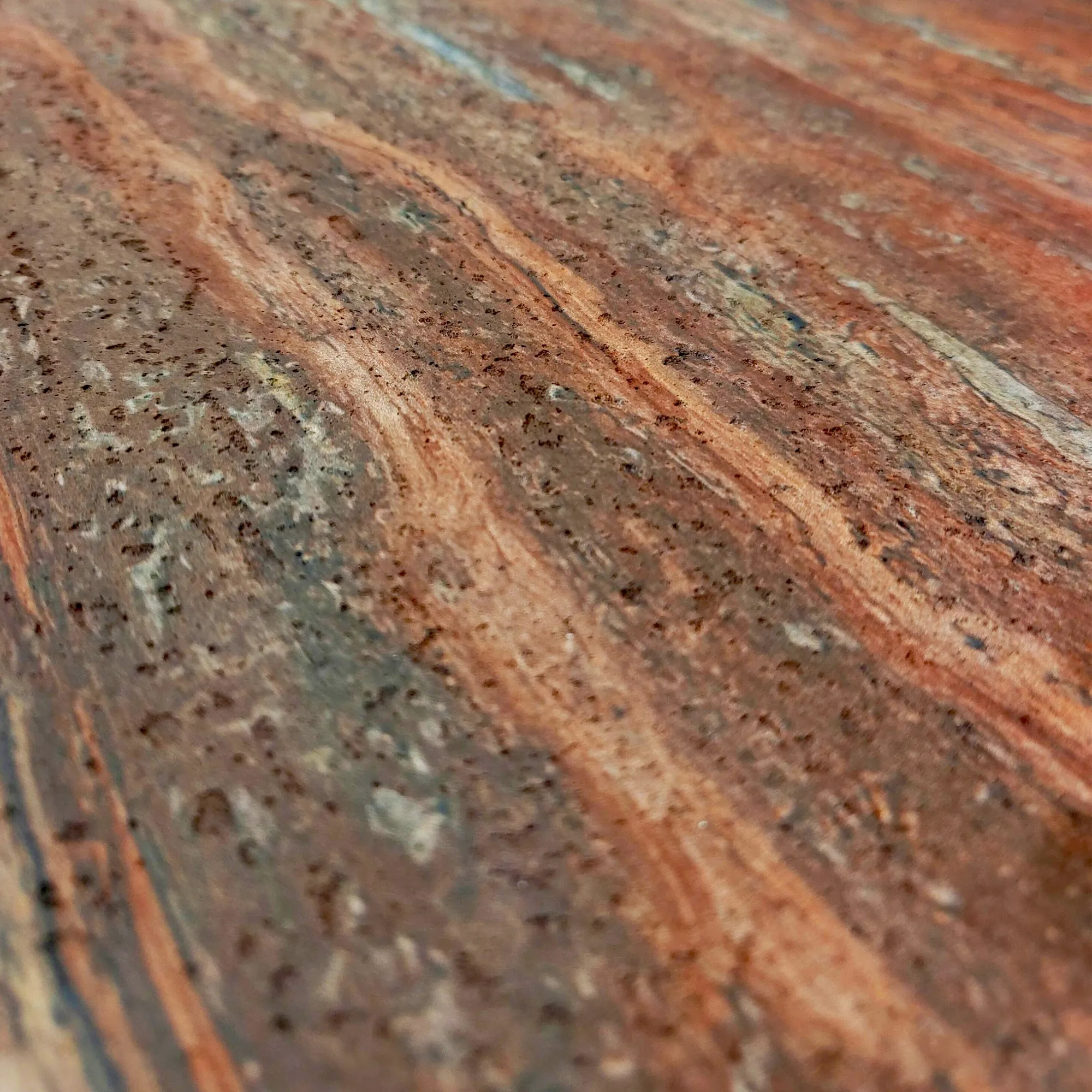
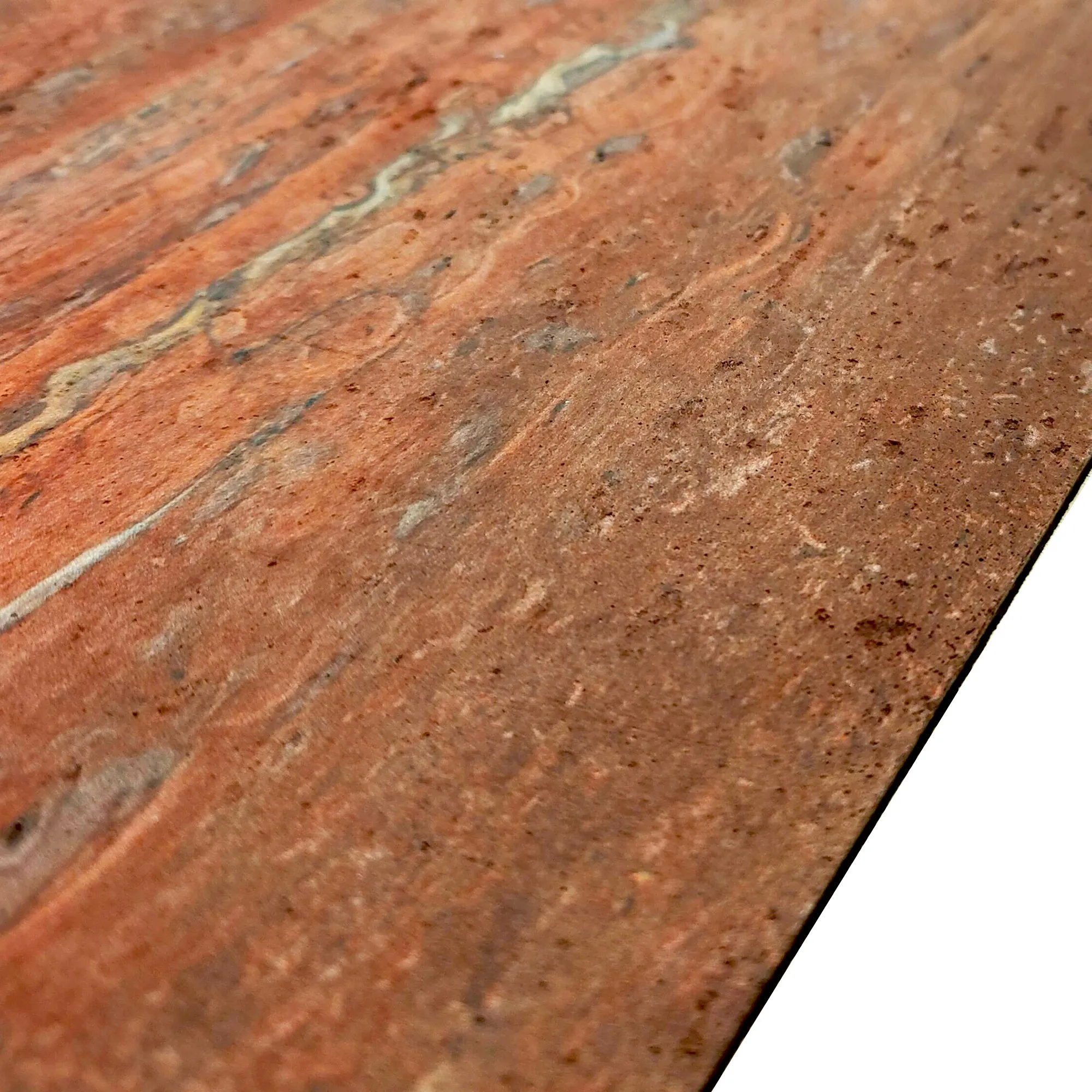
But not all red travertine is created equal. Among the variations, "travertine (starry red)" stands out—a subtype where the pores catch and reflect light like scattered stars, especially when polished gently. Run your fingers over it, and you'll feel the contrast between smooth, polished surfaces and the slight indent of those star-like vugs. It's this duality—rough and refined, ancient and modern—that makes it so compelling.
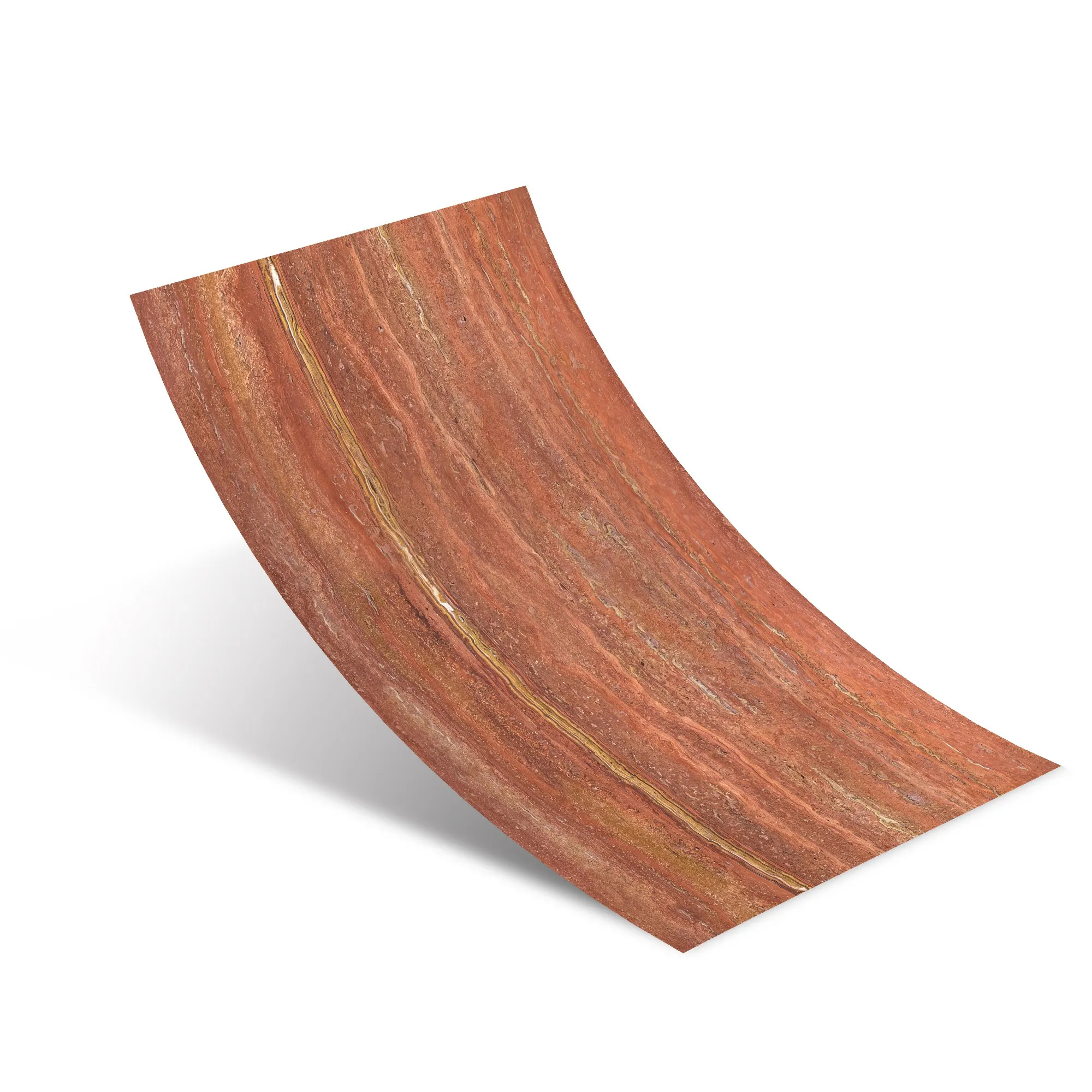
At first glance, porosity might seem like a flaw. Why would anyone want a building material with holes? But architects and designers have long understood that texture is emotion. Red travertine's pores aren't just gaps—they're storytellers. They speak of the stone's journey: formed in rushing rivers, shaped by time,. In a world of sleek glass and cold steel, red travertine adds warmth, a tactile connection to nature that modern spaces often crave.
Functionally, those pores are more than just pretty. They act as natural sound absorbers, softening echoes in large rooms like lobbies or auditoriums. They also regulate temperature: the stone's density keeps interiors cool in summer and warm in winter, reducing reliance on HVAC systems. And when sealed properly (a step architects never skip), the pores become resistant to water and stains, making red travertine durable enough for high-traffic areas—think restaurant floors or office facades.
But it's the aesthetic that truly sells it. Red travertine plays with light in ways few materials can. Morning sunlight filters through a window, and the pores cast tiny shadows, turning a wall into a dynamic canvas. At dusk, warm artificial light makes the stone glow, as if lit from within. Compare that to, say, polished marble—stunning, but often so smooth it feels clinical. Red travertine is approachable, inviting. It doesn't demand perfection; it celebrates imperfection.
To understand red travertine's appeal, it helps to see how it stacks up against other popular textured materials. Let's take a closer look at a few contenders:
| Material | Texture | Color Palette | Best For | Why Red Travertine Wins |
|---|---|---|---|---|
| Red Travertine | Porous, layered, with vugs (pores) and subtle veining | Terracotta, rust, brick red, with cream/gold veins | Walls, floors, facades, accent pieces | Balances texture and warmth; versatile for both modern and traditional designs |
| Bali Stone | Rough, granular, with visible sediment layers | Beige, sand, light brown | Tropical or beach-inspired spaces | Red travertine offers richer color and more dynamic light play |
| Rust Square Line Stone | Linear, geometric texture with a weathered, industrial look | Deep rust, brown, with metallic undertones | Industrial-chic interiors, accent walls | Red travertine feels organic, not manufactured; warmer and less harsh |
| Lunar Peak Silvery | Smooth with subtle, moon-like craters | Silver, gray, white | Modern, minimalist spaces | Red travertine adds color and warmth, avoiding the "cold" feel of silvery tones |
Take "rust square line stone," for example. It's trendy, with its bold, linear texture and industrial vibe. But it leans cold, almost aggressive. Red travertine, by contrast, has a gentler texture—those pores are soft, not sharp—and its red hues feel nurturing, not stark. Or consider "bali stone," a favorite for tropical designs. It's lovely, but its neutral palette can fade into the background. Red travertine demands attention without overwhelming; it's a statement, but a kind one.
Even among other travertines, red stands out. "Travertine (starry orange)" or "travertine (starry blue)" offer similar porosity but in cooler tones. Red, though, is timeless. It pairs with wood, concrete, even black steel, making it a chameleon in design. Want a cozy, rustic kitchen? Red travertine backsplash. A sleek, modern office lobby? Red travertine facade. It adapts, and that flexibility is gold for architects.
To truly grasp red travertine's versatility, let's look at how architects are using it in the wild:
In homes, red travertine often takes center stage in kitchens and bathrooms. Imagine a kitchen with red travertine countertops: the stone's earthy tones complement wooden cabinets, while the pores add visual interest without competing with bold backsplashes. In bathrooms, a red travertine shower wall feels like a spa retreat—natural, calming, with just enough texture to make the space feel unique.
Outdoor spaces love red travertine too. A patio floor made of large red travertine slabs ages beautifully, developing a soft patina over time that makes it look like it's been there for decades. Pair it with greenery, and you've got a backyard that feels like a Mediterranean villa, even in the suburbs.
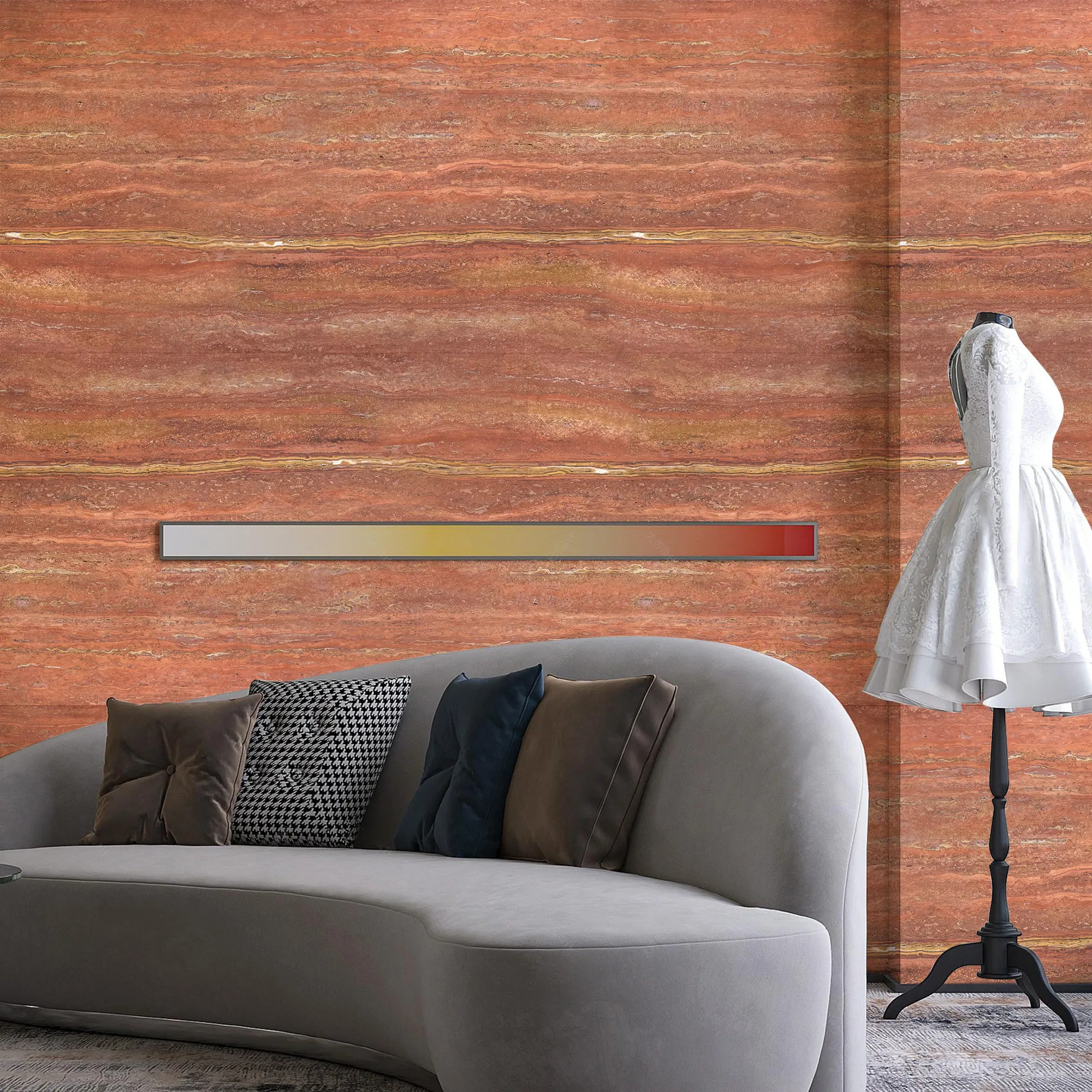
In commercial spaces, red travertine is all about creating memorable first impressions. Luxury hotels use it in lobbies, where a single wall clad in "travertine (starry red)" becomes a focal point—guests can't help but reach out and touch it. Restaurants, too, lean into its warmth: a red travertine bar top invites patrons to linger, its texture softening the buzz of conversation.
Office buildings are getting in on the trend, too. Tech companies, in particular, are ditching sterile cubicles for spaces that feel human. A red travertine accent wall in a breakout room encourages collaboration; its natural texture feels less corporate, more creative. Even retail stores use it to elevate their brand: high-end fashion boutiques pair red travertine with minimalist displays, letting the stone's color and texture speak to quality and timelessness.
Red travertine isn't just for private spaces. Public buildings—museums, libraries, community centers—use it to bridge past and present. Imagine a museum dedicated to natural history: what better backdrop for dinosaur fossils than red travertine, a stone that's itself a relic of Earth's past? Or a library, where the stone's warmth makes shelves of books feel like old friends. In these spaces, red travertine doesn't just decorate—it educates, reminding visitors of the planet's beauty and resilience.
Today's architects don't just care about looks—they care about the planet. And red travertine delivers here, too. As a natural stone, it's biodegradable and non-toxic, unlike some synthetic materials that off-gas harmful chemicals. Its thermal properties reduce energy use, and because it's quarried from existing stone deposits (not manufactured), its carbon footprint is lower than materials like foamed aluminium alloy board or even some types of concrete.
Plus, red travertine is durable. A well-maintained red travertine floor or wall can last a lifetime, reducing the need for replacements and the waste that comes with them. When it does eventually reach the end of its life, it can be crushed and reused as aggregate for new construction—closing the loop on sustainability.
Compare that to "foamed aluminium alloy board (vintage silver)," which, while sleek, is energy-intensive to produce and hard to recycle. Or "fair-faced concrete," which, though popular, often requires harsh chemicals for finishing. Red travertine? It's a material that works with the planet, not against it.
Of course, no material is perfect. Red travertine does require care. Those pores, while charming, can trap dirt if not sealed properly. Architects and homeowners need to invest in high-quality sealants, reapplying them every few years to keep the stone looking its best. It's also heavier than some alternatives, so structural support is a must—especially for large slabs used in facades.
Cost is another factor. Red travertine is a natural stone, so it's pricier than, say, "polish concrete" or "wood grain board." But architects argue it's worth the investment: its durability and timeless appeal mean it never goes out of style, saving money in the long run. Plus, the emotional value—how a space feels when clad in red travertine—is priceless.
Design trends come and go. One year, it's "lunar peak golden"; the next, "bamboo mat board." But red travertine? It's been around for centuries, and it's not going anywhere. Why? Because it's rooted in something timeless: our human need to connect with nature. In a world that's increasingly digital, where we spend more time staring at screens than at the outdoors, red travertine brings a piece of the natural world indoors. It reminds us that beauty isn't about perfection—it's about authenticity.
Architects know this. They choose red travertine not just for its looks, but for the way it makes people feel. It's a material that tells a story—a story of time, of Earth, of resilience. And in a world that often feels chaotic, that story is more important than ever.
So, why does red travertine's porous texture appeal to architects? It's simple: it's human. It's not cold or clinical. It's warm, tactile, and full of character. It works in a minimalist apartment in Tokyo or a rustic villa in Tuscany. It's durable enough for a busy airport terminal and delicate enough for a boutique jewelry store. It's a stone that adapts, that evolves, that becomes part of the spaces it inhabits.
Next time you walk into a building and find yourself drawn to a wall, take a closer look. If it's red, porous, and feels like it's been shaped by time, chances are it's red travertine. And as you run your hand over its surface, remember: you're not just touching stone. You're touching history, nature, and the quiet genius of architects who understand that the best designs aren't just seen—they're felt.
Red travertine isn't just a material. It's a feeling. And in architecture, feelings are everything.
Recommend Products











