

There's a material that whispers stories of ancient quarries and modern innovation, of sun-baked ruins and sleek skyscrapers—a material that turns buildings into narratives. That material is travertine, and among its many hues, red travertine stands as a bold protagonist. Not just a stone, but a statement: earthy yet vibrant, timeless yet ever-evolving. From the grandeur of Roman temples to the minimalism of 21st-century museums, red travertine has carved its legacy into the very fabric of architecture, proving that some materials don't just age—they mature .
Long before concrete and steel dominated construction, ancient civilizations turned to the earth for building blocks. In the quarries of Tivoli, Italy, workers chiseled away at layers of travertine, uncovering veins of red that seemed to capture the warmth of the Mediterranean sun. Red travertine, with its porous surface and rich, terracotta undertones, wasn't just durable—it was expressive . The Romans, masters of turning stone into symbolism, embraced it for temples and public spaces, where its color signaled power and vitality.
Imagine the travertine (starry red) variation, its surface dotted with mineral deposits that glint like distant stars when hit by light—a detail that would have turned a temple wall into a celestial canvas. Though ancient texts rarely specify color variations, archaeological evidence suggests red travertine was prized for its ability to stand out against the region's more common beige and cream stones. It wasn't just a building material; it was a way to make architecture remembered .
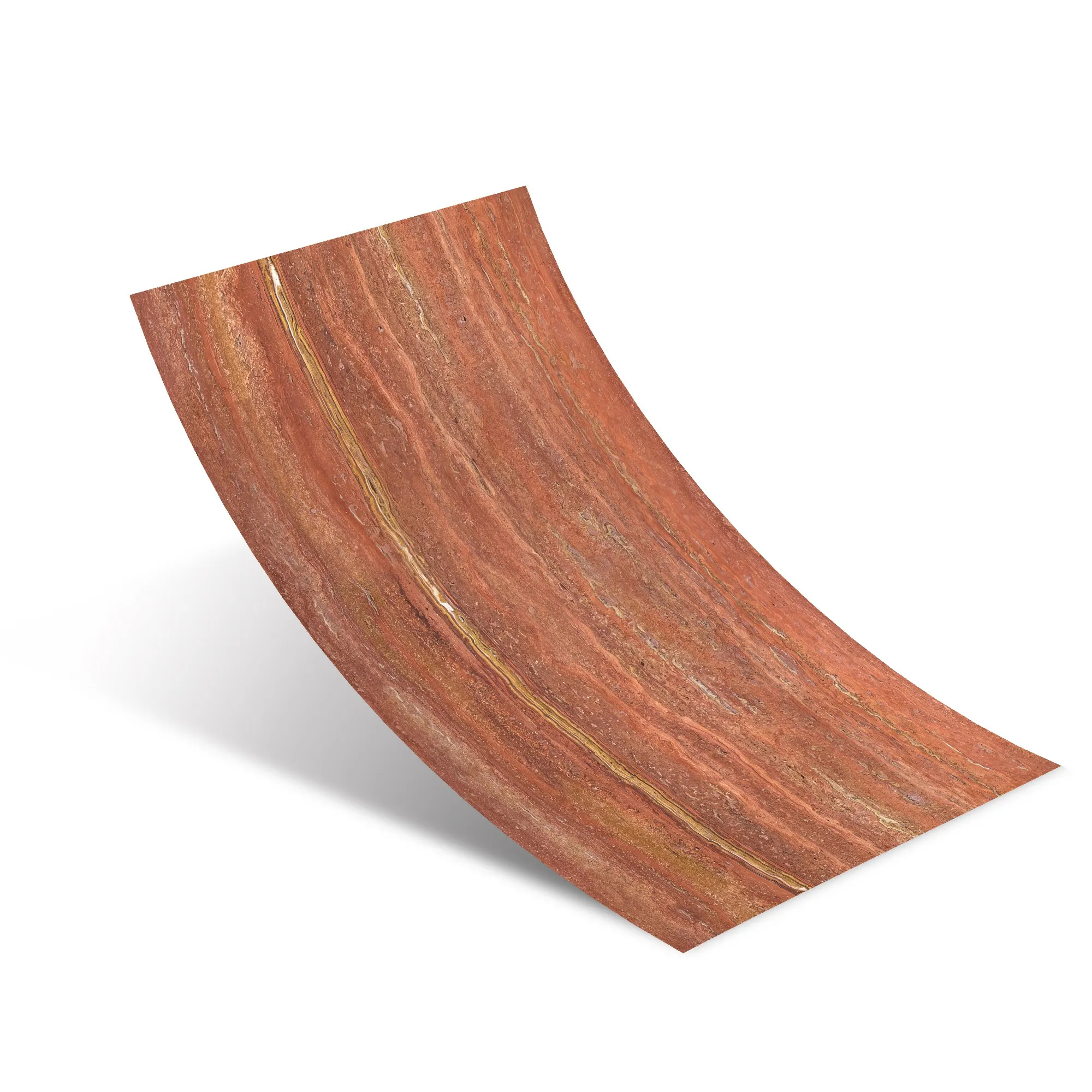
After centuries of dormancy, the Renaissance sparked a rediscovery of classical ideals—and with it, a renewed love for travertine. Architects like Filippo Brunelleschi and Andrea Palladio looked to ancient Rome for inspiration, and red travertine became a tool to connect their designs to a gloried past. In Florence, palaces like the Palazzo Vecchio incorporated red travertine details, its hue complementing the city's terracotta rooftops, creating a visual harmony that felt both familiar and fresh.
This era also saw experimentation with texture. While ancient builders valued red travertine's natural porosity, Renaissance craftsmen began honing techniques to smooth its surface, enhancing its red tones. The result? A material that could shift from rustic to refined, depending on the project. It was during this time that red travertine began to shed its "ancient only" label, proving it could adapt to the evolving tastes of a new age.
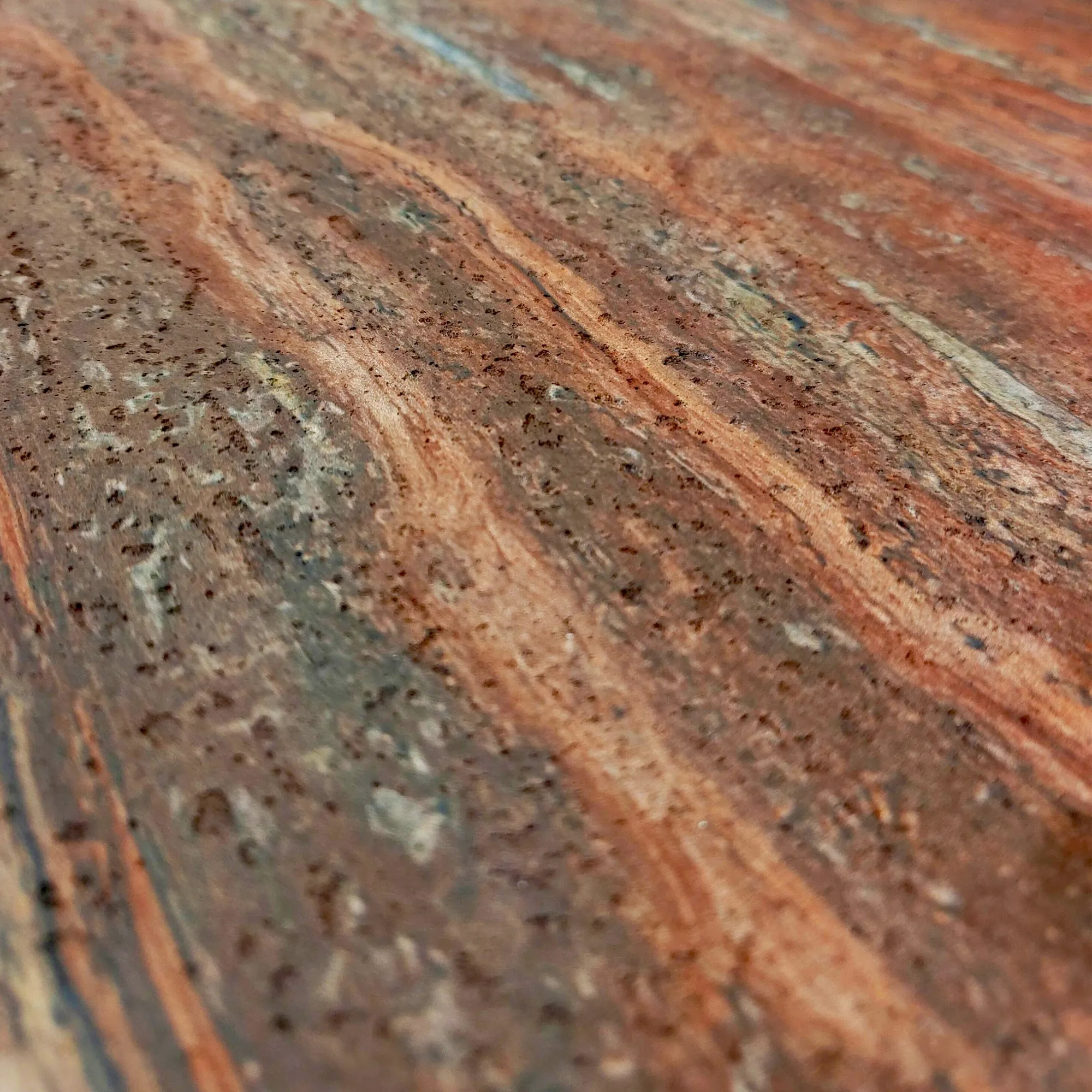
The 20th century brought a revolution in architecture—clean lines, functionalism, and a rejection of ornamentation. Yet even in this era of "less is more," red travertine found a place. Architects like Le Corbusier, who championed "raw" materials, saw in red travertine a perfect balance of warmth and minimalism. Its earthy color softened the starkness of concrete and steel, adding a human touch to otherwise industrial designs.
One of the most iconic examples is the Villa Savoye, where Corbusier used red travertine accents to ground the building in its natural surroundings. The stone's red hue echoed the autumn leaves of the French countryside, creating a dialogue between the man-made and the organic. It was a bold move: in a time when white concrete reigned supreme, red travertine dared to add color without chaos.
This era also marked the rise of new manufacturing techniques. Enter the big slab board series —large, uniform panels of red travertine that could cover vast surfaces with minimal seams. Suddenly, red travertine wasn't just for accents; it could be a building's entire facade, turning skyscrapers into monolithic works of art. Architects no longer had to work around the stone's natural size; they could let the stone lead the design.
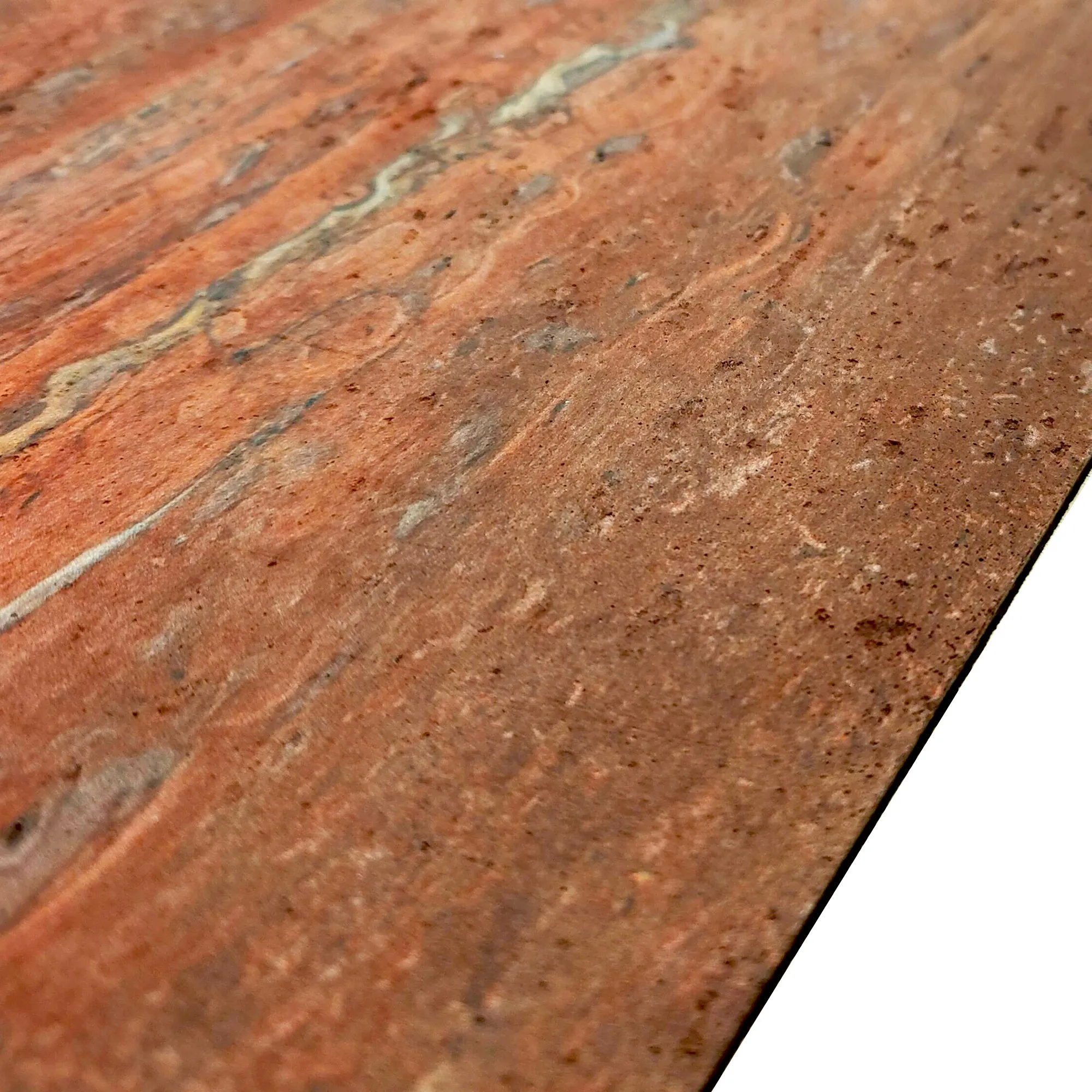
Today, red travertine is experiencing a renaissance of its own—this time, driven by sustainability, technology, and a hunger for authenticity. Modern architects are drawn to its eco-friendly credentials (it's a natural stone, quarried with minimal environmental impact) and its versatility. Thanks to innovations like MCM flexible stone , red travertine can now be applied to curved surfaces, wrapping around buildings like a second skin, or used in thin, lightweight panels that reduce structural load.
Take the travertine (vintage red) variation, a modern take on the classic hue. Its muted, weathered appearance evokes a sense of history, making it a favorite for boutique hotels and cultural centers that want to tell a story. Pair it with rust square line stone , whose linear patterns create a striking contrast to red travertine's organic veining, and you have a design that feels both rooted in tradition and unapologetically contemporary.
Contemporary designers are also exploring red travertine's role in biophilic design—the idea that connecting people to nature improves well-being. In hospitals and offices, red travertine walls and floors bring the outdoors in, their warm color reducing stress and creating a calming atmosphere. It's a far cry from its ancient temple roots, but the core appeal remains: red travertine makes spaces feel alive .
| Era | Key Traits | Notable Use Case | Innovation |
|---|---|---|---|
| Ancient Rome | Natural porosity, unpolished surface | Temple facades, public forums | Basic quarrying techniques, emphasis on durability |
| Renaissance | Smoother finish, accent details | Florentine palaces, church interiors | Refined cutting techniques, color enhancement |
| Modernism (20th Century) | Large slabs, minimal ornamentation | Villa Savoye, corporate headquarters | Big slab board series for seamless facades |
| Contemporary (21st Century) | Flexible applications, sustainability focus | Hospitals, boutique hotels, museums | MCM flexible stone for curved surfaces, eco-friendly quarrying |
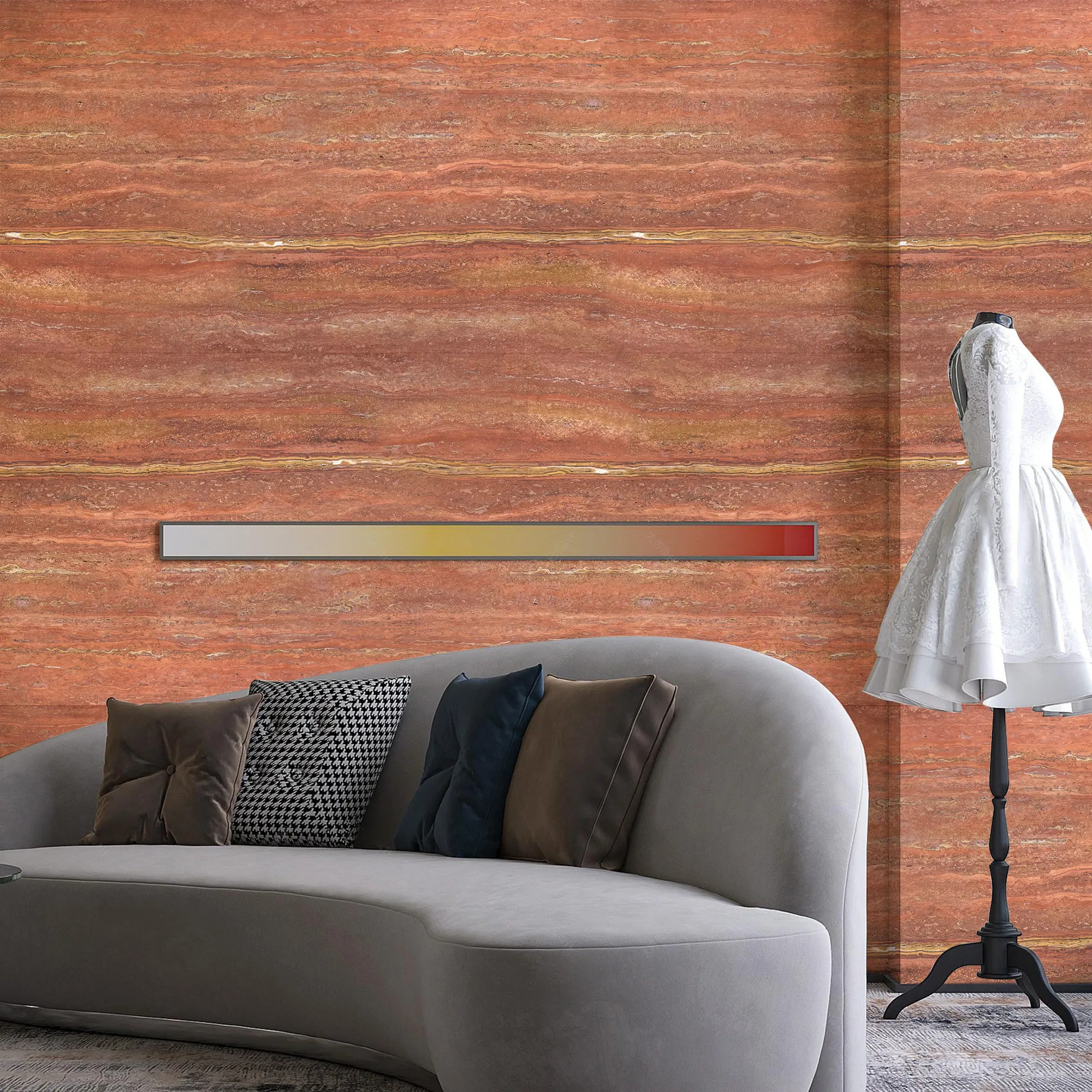
As we look ahead, red travertine shows no signs of fading from the architectural scene. If anything, its legacy is growing. With advancements in digital design, architects can now 3D-model red travertine installations, ensuring every vein and color variation is placed with precision. And as sustainability becomes a top priority, red travertine's status as a natural, long-lasting material (it can endure for centuries with minimal maintenance) makes it an attractive choice for eco-conscious projects.
There's also a growing trend toward material storytelling . Clients and designers want spaces that have meaning, and red travertine delivers. Whether it's a travertine (starry red) accent wall in a restaurant, evoking the night sky, or a vintage red facade on a community center, nodding to the neighborhood's industrial past, red travertine doesn't just fill space—it tells a story .
In the end, red travertine's legacy isn't just about buildings. It's about adaptability, about proving that a material forged in ancient quarries can evolve with the times, yet never lose the essence that makes it special. It's a reminder that great architecture isn't just about function—it's about feeling. And red travertine? It feels like home.
Recommend Products











