

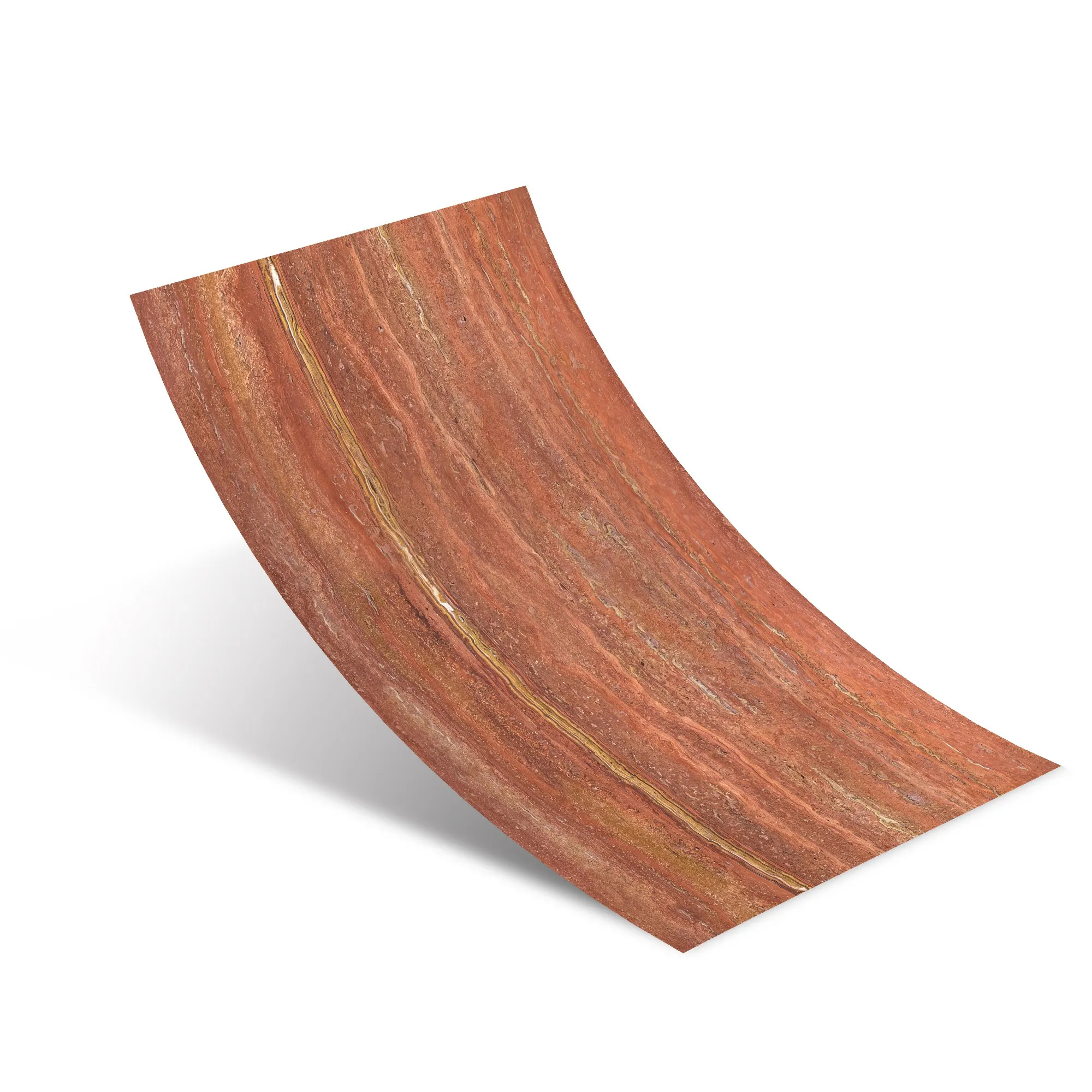
Picture this: You're standing in your kitchen, coffee in hand, sunlight streaming through the window. It hits your red travertine countertop, and suddenly, the stone comes alive—veins of terracotta and amber swirl like rivers, while tiny mineral flecks catch the light, almost as if someone sprinkled stardust across its surface. That's the magic of red travertine, especially varieties like travertine (starry red) —it's not just a building material, but a piece of nature's art. But then, your gaze falls on a faint water ring near the sink, or a smudge of last night's pasta sauce you swear you wiped up. Panic creeps in: Is my travertine ruined? Not if you know how to care for it. Red travertine is durable, but like any natural stone, it needs a little love to keep that "just-installed" glow. Let's walk through how to preserve its beauty, step by step.
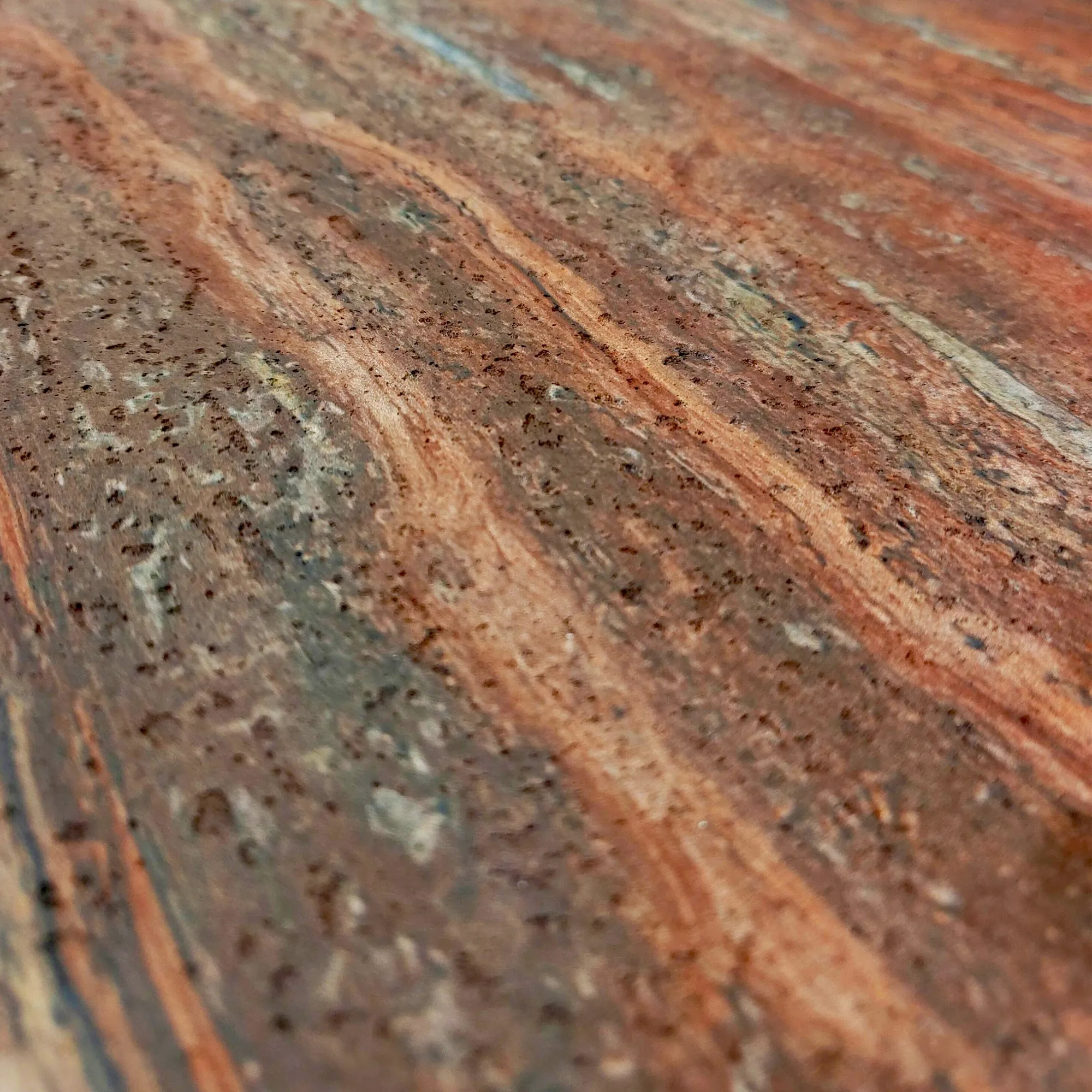
To care for red travertine, you need to understand what makes it unique. Unlike polish concrete (which is dense and non-porous) or even some marble series stones, travertine forms in hot springs, where mineral-rich water cools and deposits calcium carbonate. This process creates tiny pores and channels in the stone—think of it as a sponge with character. These pores are what give red travertine its signature texture: the soft, matte finish, the way light plays in its crevices, and yes, those stunning veins. In travertine (starry red) , those pores trap iron oxide and other minerals, creating the "starry" effect that makes it so coveted. But here's the catch: those pores also make it porous. Spills seep in fast, and acidic substances can etch the surface. It's a trade-off for beauty—but with the right care, it's a trade-off that's more than worth it.
Think of your red travertine like a vintage leather jacket: it ages gracefully, but only if you treat it gently. Ignore it, and it'll crack, stain, or lose its luster. Nurture it, and it'll develop a rich patina that tells the story of your home. Ready to learn how?
You don't need a closet full of specialty products to keep red travertine happy—just consistency. Let's start with the basics:
Dust and dirt are travertine's worst enemies. Those tiny particles act like sandpaper—every time you walk across your floor or wipe your countertop, they scratch the surface. Grab a soft, dry microfiber cloth (avoid feather dusters; they just push dirt around) or a dust mop with a non-abrasive pad. Sweep or dust high-traffic areas (entryways, kitchen floors) daily, and low-traffic spots (bathroom vanities) every other day. Pro tip: Keep a microfiber cloth near your sink or coffee maker for quick wipe-ups—those crumbs and coffee grounds add up!
When it's time to mop, forget the all-purpose cleaner under your sink. Bleach, ammonia, vinegar, and even lemon-based products are acidic—they'll eat away at travertine's surface, leaving dull spots or "etch marks" that look like water stains you can't wipe off. Instead, use a pH-neutral stone cleaner (look for labels that say "safe for travertine" or "neutral pH"). Mix it with warm water (follow the bottle's instructions—more isn't better!), then dampen a mop (not soaking wet—excess water seeps into pores). Mop in small sections, and dry immediately with a clean towel. Travertine hates standing water, so the faster you dry, the fewer water spots you'll have. Compare this to polish concrete , which can handle harsher cleaners—travertine is more like a houseplant: it needs gentle care, not tough love.
Red wine at dinner, olive oil while cooking, a rogue ketchup squeeze from the kids—spills are inevitable. The key? Act fast . Travertine's pores absorb liquids within minutes, so don't wait to "deal with it later." Here's how to tackle common stains:
| Stain Type | Immediate Action | Deep Cleaning Fix |
|---|---|---|
| Red Wine/Oil | Blot with a dry cloth— don't rub! Rubbing pushes the spill deeper into pores. | Make a poultice: Mix baking soda and water (or hydrogen peroxide for wine) into a thick paste. Apply to the stain, cover with plastic wrap, and let sit 12–24 hours. The paste will "pull" the stain out. Wipe clean, then dry. |
| Coffee/Coffee Grounds | Scoop up solids with a spoon, then blot liquid with a dry cloth. | Dampen a cloth with pH-neutral cleaner, wipe gently, then dry. For dark stains, use the baking soda poultice method above. |
| Ink (Ballpoint) | Blot with a dry cloth—don't spread the ink! | Dab a cotton ball with rubbing alcohol, gently blot the stain (test on a hidden corner first!), then wipe with water and dry. |
| Rust (From Metal Cans) | Move the metal object immediately—rust can "bleed" into stone. | Use a commercial rust remover made for natural stone (avoid vinegar or lemon, which worsen rust!). Test in a hidden spot, then apply as directed. Rinse and dry. |
Pro tip: Always test cleaning solutions on a hidden area first (like under a cabinet or the back of a countertop). Some travertine, especially travertine (starry red) , has delicate coloring that could react to chemicals.
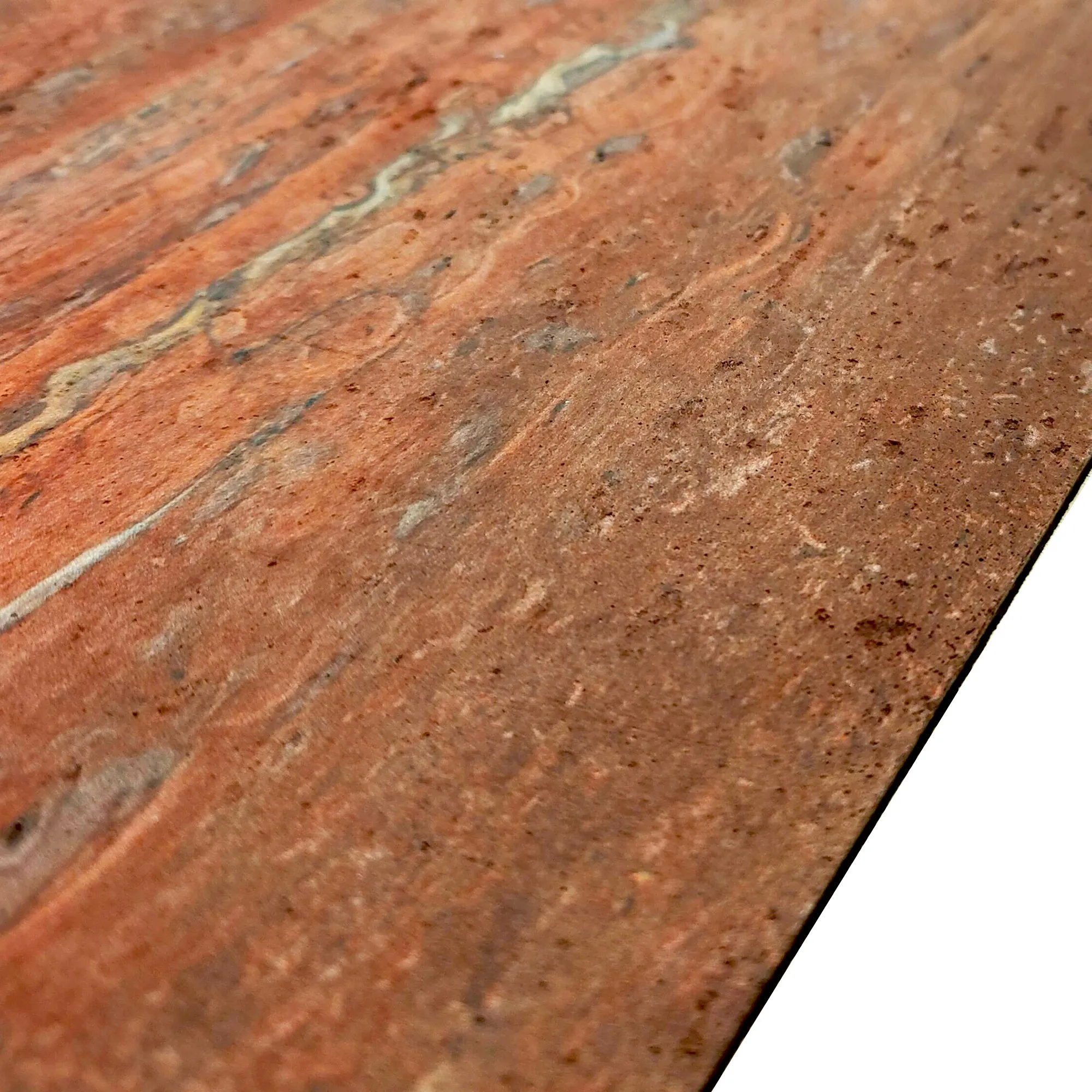
If daily cleaning is the "what" of travertine care, sealing is the "why." Think of sealer as a force field for your stone. It soaks into those tiny pores, creating a barrier that slows down stains and water absorption. Without it, a spilled glass of juice could stain in minutes; with it, you'll have 10–15 minutes to wipe it up. Even if you're meticulous about cleaning, sealing is non-negotiable—especially for red travertine, which tends to be more porous than, say, lunar peak stones (which have a denser composition).
It depends on how much your travertine is used: - Floors (high traffic): Every 6–12 months. - Countertops (spills daily): Every 3–6 months. - Backsplashes/Walls (low traffic): Every 1–2 years.
Not sure if it's time? Do the "water test": Pour a few drops of water on the stone. If it beads up like raindrops on a waxed car, the sealer is still working. If it soaks in within 5 minutes, grab the sealer.
Stick to penetrating sealers (also called "impregnating sealers"). They soak into the stone, protecting from the inside out, and won't change the travertine's finish (no glossy film!). Avoid "topical sealers"—they sit on the surface, wear off quickly, and can make travertine slippery. Look for labels like "for porous stone" or "travertine-specific." Apply it on a dry day (humidity slows drying), and follow the bottle's instructions—most require 2–3 coats, with drying time in between.

You're doing the daily cleaning, sealing on schedule—what could go wrong? Turns out, some common habits can sabotage your efforts. Let's debunk the myths:
Even with perfect care, red travertine might need a little professional TLC every few years. Here's when to pick up the phone:
Think of it like a spa day for your travertine—investing in professional care every 3–5 years will keep it looking brand-new for decades.
Here's the thing about natural stone: it ages. Over time, your red travertine might develop a soft, warm patina—a slight dulling of the finish, or subtle changes in color from years of sunlight and use. Some people love this look; it's a reminder that the stone has lived in your home, family dinners, homework sessions, and lazy Sundays. Others prefer a crisp, bright finish. Either way, the goal isn't perfection—it's preservation. You don't need to panic over every tiny scratch, but you do need to prevent major damage.
I once visited a friend who'd had travertine (starry red) floors in her dining room for 20 years. They weren't "perfect"—there was a faint scratch near the table where a chair had slipped, and a few darker patches from spilled birthday cake. But when she ran her hand over them, she smiled. "These floors tell our story," she said. "And honestly? I like them better now than the day they were installed." That's the beauty of red travertine: with care, it becomes more than a surface—it becomes a part of your home's history.
Caring for red travertine isn't rocket science. It's about being mindful: wiping up spills, using the right cleaners, sealing on schedule. Will it take a little extra time? Sure. But when you walk into your home and that travertine (starry red) countertop or floor catches the light, making your space feel warm and alive—you'll know it's worth it. Red travertine is more than a stone; it's a legacy. With the right care, it'll be there to shine for your kids, your grandkids, and all the memories yet to be made.
So grab your microfiber cloth, stock up on pH-neutral cleaner, and give your red travertine a little love today. It'll thank you for years to come.
Recommend Products











