

Cities are more than just skylines—they're living, breathing narratives written in concrete, steel, and stone. But for architects and developers tasked with crafting high-rise buildings, that narrative often hits a snag: how do you balance the raw beauty of natural materials with the unforgiving demands of vertical construction? Weight, durability, installation complexity, and long-term maintenance—these are the quiet challenges that shape every skyscraper's exterior. Enter the MCM Big Slab Board Series , a line of cladding solutions designed to rewrite those rules. And among its stars? Red Travertine —a material that marries the warmth of natural stone with the cutting-edge engineering of modern composite technology. Let's dive into why this pairing is becoming the go-to choice for high-rise exteriors that don't just stand tall, but stand out.
Walk through any major city, and you'll notice a pattern: high-rises often default to glass, concrete, or generic metal panels. Why? Because traditional natural stone—while stunning—comes with a heavy price tag (literally). A standard 2cm-thick travertine slab can weigh upwards of 50 kg per square meter, adding massive strain to a building's structural framework. Then there's installation: heavy slabs require cranes, specialized crews, and meticulous anchoring, driving up labor costs and project timelines. Even once installed, natural stone is prone to cracking under seismic activity or thermal expansion, and its porous surface demands frequent sealing to resist stains and weathering.
Fair-faced concrete, another common choice, offers durability but lacks warmth. Its uniform gray can make buildings feel cold and impersonal, like monolithic giants overshadowing the streets below. Architects crave materials that tell a story—materials that bring texture, color, and a sense of connection to the natural world. But until recently, that story often came with too many plot holes: weight, cost, fragility.
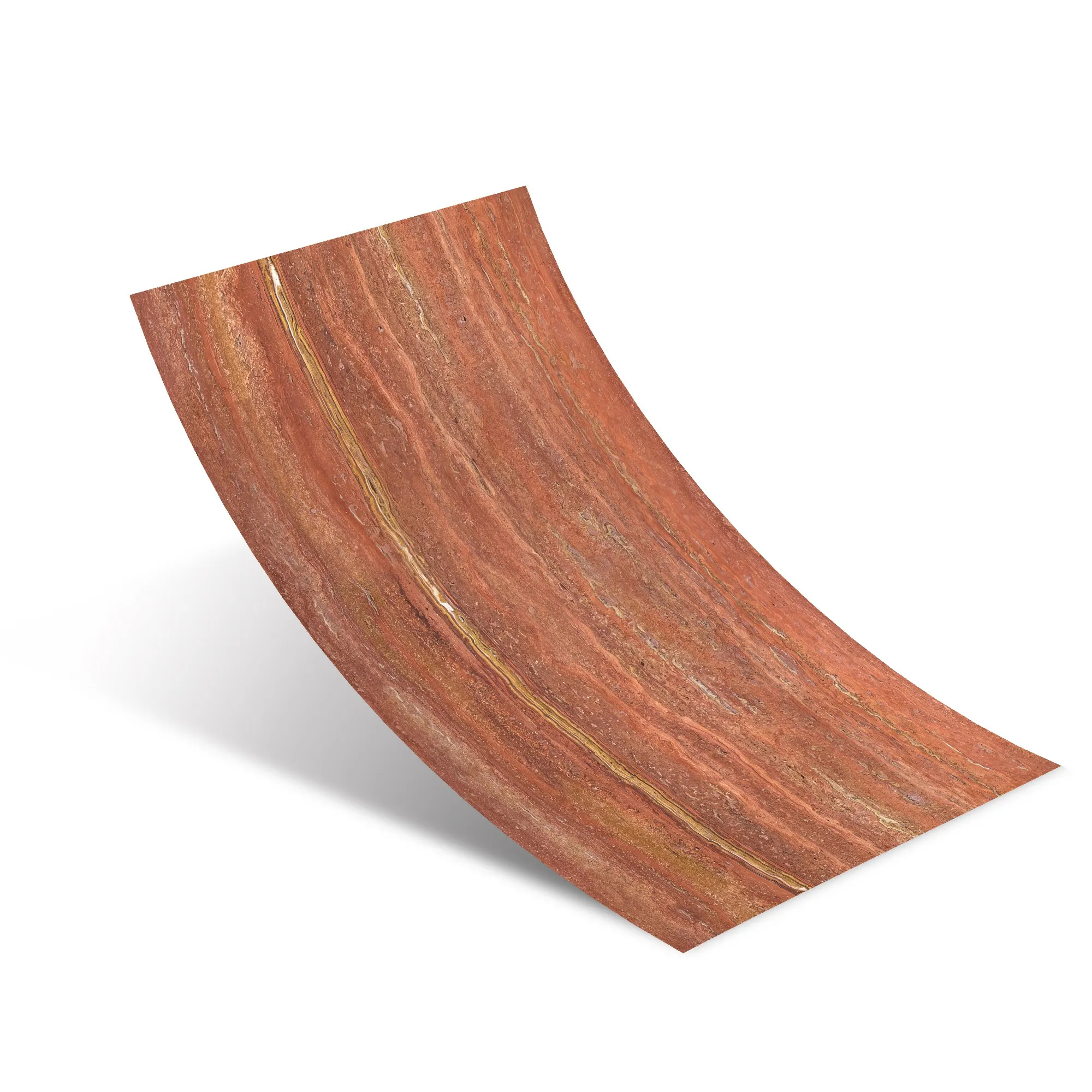
The MCM Big Slab Board Series was born from this tension between form and function. MCM, or Modified Composite Material, is a revolutionary blend of natural stone aggregates (like crushed travertine, marble, or granite) and high-performance polymers. The result? A cladding material that's thin (typically 4-6mm thick), lightweight (8-12 kg per square meter), and astonishingly flexible—yet retains the authentic look and feel of natural stone. Think of it as nature, reimagined for the demands of modern architecture.
What sets the "Big Slab" line apart is its scale. These panels come in large formats—often up to 1200x2400mm—minimizing visible seams and creating a seamless, monolithic aesthetic that's perfect for high-rises. No more choppy, patchwork facades; instead, a smooth canvas that lets the material's natural beauty take center stage. And within this series, Red Travertine emerges as a showstopper—a hue that's bold yet timeless, energetic yet grounded.
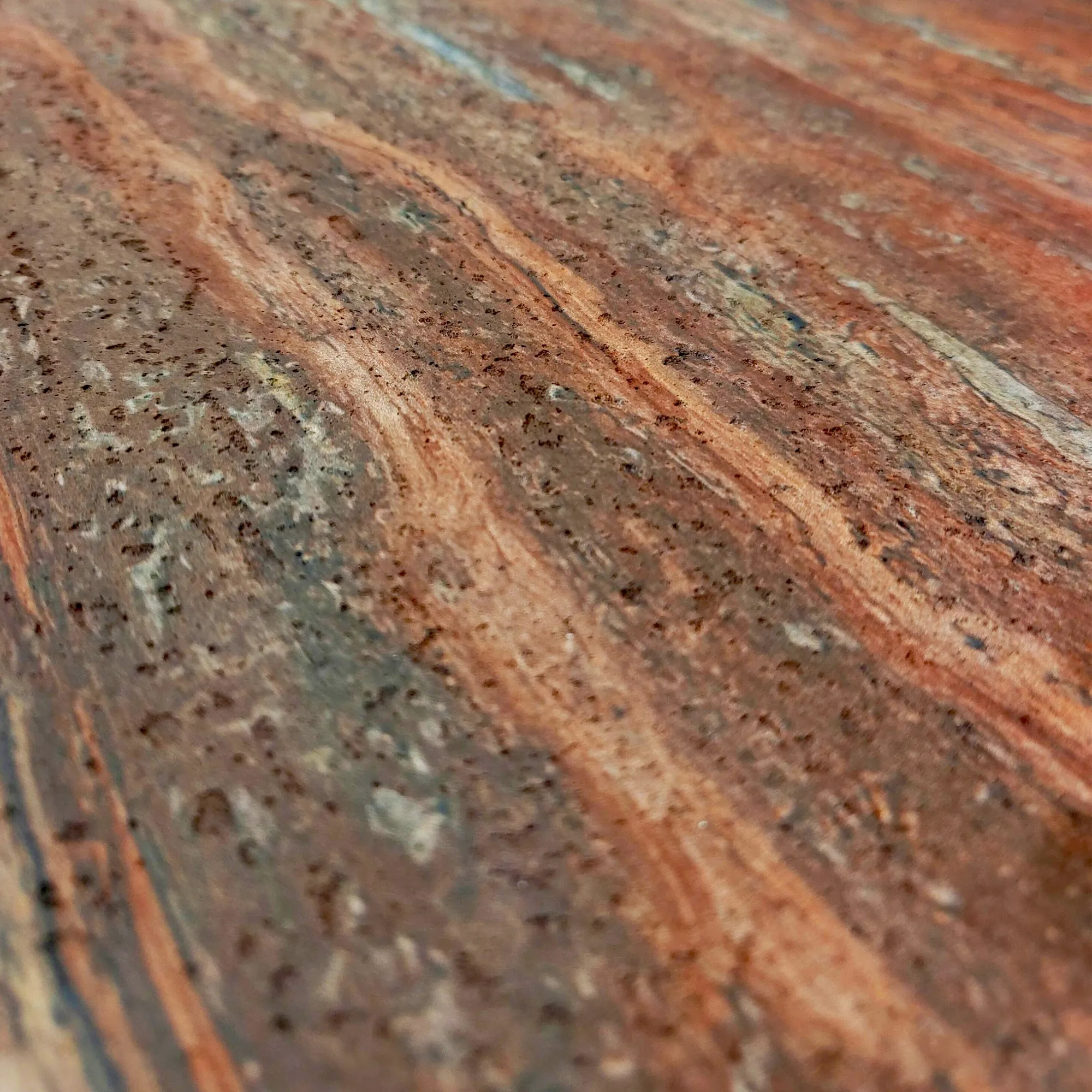
Travertine has been a staple of architecture for millennia, from the Colosseum's grand arches to the (onsen) baths of ancient Japan. Its signature porous texture and soft veining carry a sense of history, of historical pathfinders stone that has (witnessed) civilizations rise and fall. Red travertine, in particular, is a rarity—its warm, terracotta-to-crimson tones evoke desert sunsets, rusted iron, and the earthy richness of aged brick. It's a color that commands attention without overwhelming, adding depth to modern designs and warmth to minimalist structures.
But the beauty of Red Travertine in the MCM Big Slab Series isn't just skin-deep. Let's break down why it's a practical choice for high-rises:
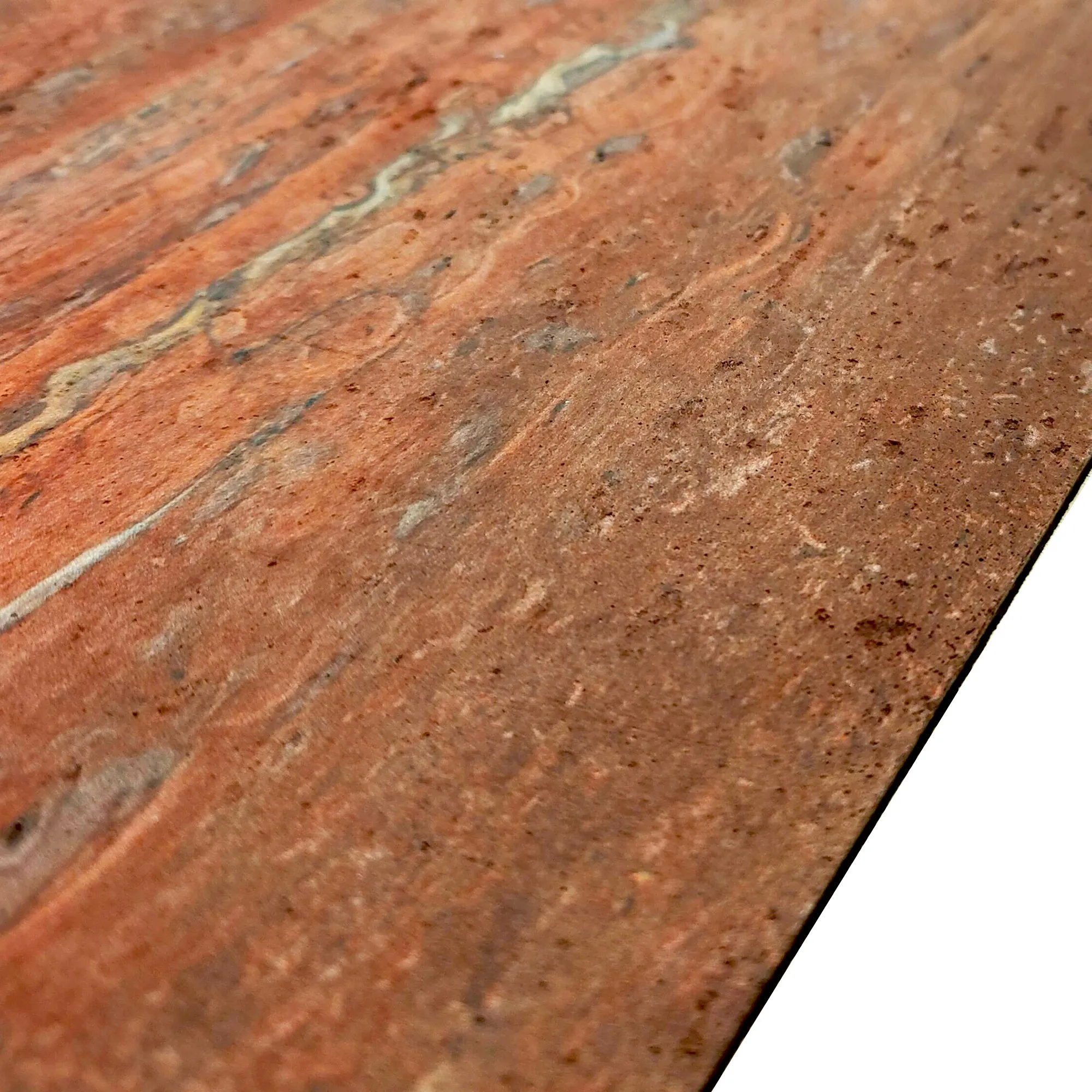
Curious how Red Travertine MCM Big Slab Board compares to traditional options? Let's put it side by side:
The table tells a clear story: Red Travertine MCM Big Slab Board delivers the best of both worlds—natural beauty and modern practicality. It's no wonder architects are swapping out traditional materials for this dynamic alternative.
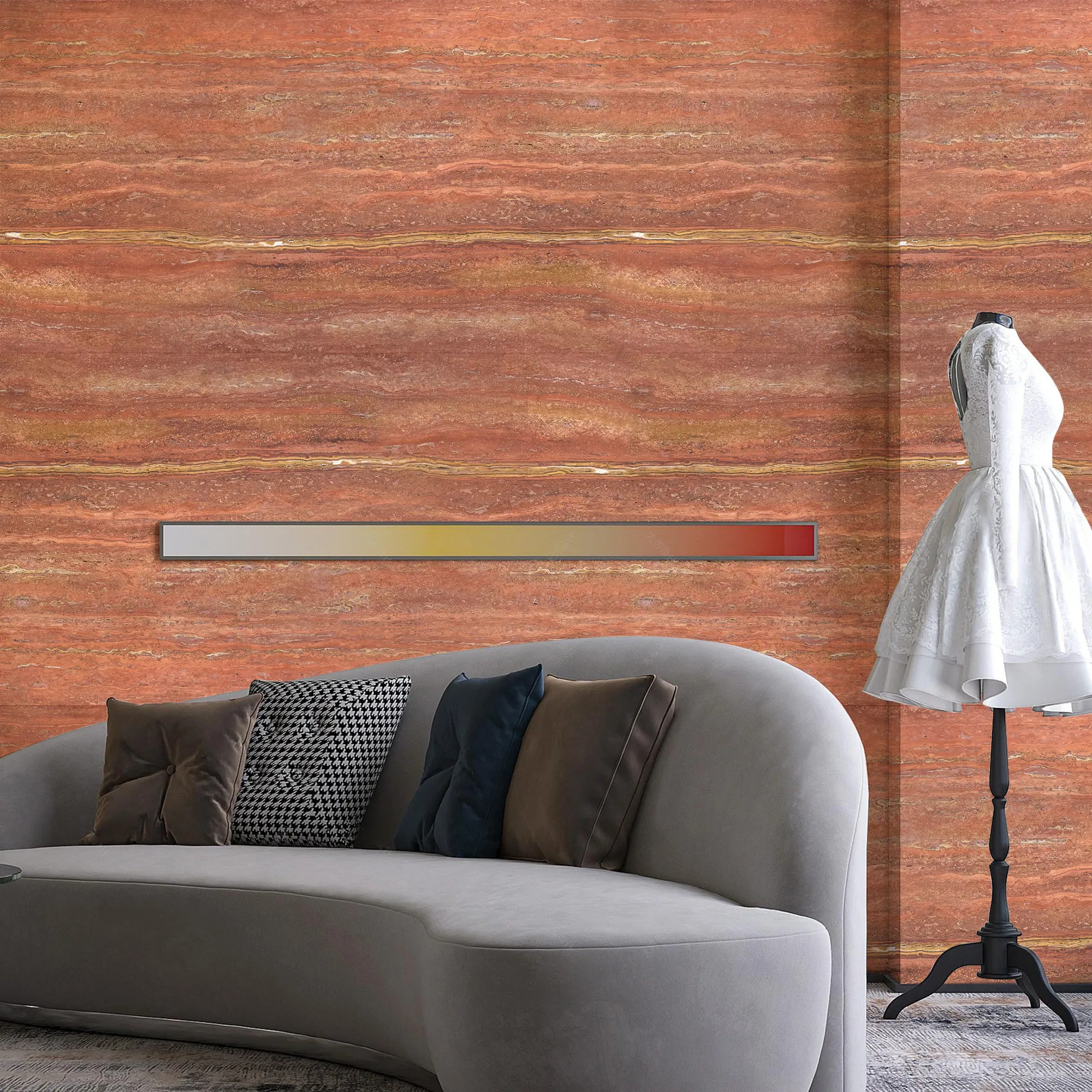
Let's paint a picture: a 42-story mixed-use tower in downtown Seattle. The developer wants a facade that stands out from the glass-and-steel crowd but stays within budget and meets strict structural codes. The architect chooses Red Travertine MCM Big Slab Board. Why? Because the warm red tones complement the city's evergreen landscape, while the large-format panels create a sleek, contemporary silhouette. Installation takes 6 weeks instead of 12, saving on labor costs. And because the panels are lightweight, the building's foundation doesn't require expensive reinforcement. Ten years later, the facade still looks brand-new—no fading, no cracks, just the same rich color that turned heads on opening day.
Or consider a luxury residential high-rise in Dubai, where temperatures soar above 40°C in summer and sandstorms are common. Red Travertine MCM holds up beautifully: its UV-resistant surface doesn't fade, and its non-porous finish repels dust and sand, reducing maintenance needs. Residents love the way sunlight plays on the stone's veining at dawn, turning the building into a glowing beacon. For the architect, it's a win-win: a material that's as tough as it is beautiful.
One of the biggest perks of Red Travertine MCM Big Slab Board is how easy it is to work with. Unlike traditional stone, which requires specialized cutting tools and heavy machinery, MCM panels can be trimmed on-site with standard saws. They're lightweight enough to be carried by hand, so crews can move quickly without relying on cranes. The adhesive-backed system bonds directly to the substrate—whether it's concrete, metal, or even old brick—creating a strong, seamless bond that stands up to wind and weather.
Maintenance? Even simpler. A quick rinse with water and mild detergent once or twice a year is all it takes to keep the panels looking fresh. No need for sealants, harsh chemicals, or professional cleaning crews. The polymer matrix acts as a barrier, preventing water, oil, or dirt from penetrating the surface. And if a panel is damaged (say, by a wayward construction tool), it can be replaced individually—no need to tear out an entire section.
Red Travertine MCM Big Slab Board isn't just a cladding material—it's a bridge between the past and the future. It honors the legacy of historical pathfinders stone that built our earliest cities while embracing the innovation needed to build smarter, more sustainable ones. In a world where buildings are expected to do more—use less energy, reduce carbon footprints, inspire communities—materials matter. Red Travertine MCM checks all the boxes: lightweight (lower transportation emissions), durable (reduces replacement waste), and made with natural stone aggregates (a nod to sustainability).
As cities grow taller and more crowded, the exterior of a building becomes its first impression—its handshake with the neighborhood. Red Travertine MCM Big Slab Board offers a handshake that's firm, warm, and memorable. It says, "We care about beauty, but we also care about practicality." It says, "This building is here to stay—and to inspire."
High-rise buildings are more than just places to live or work—they're symbols of human ambition. They reach for the sky, yes, but they also ground us in the places we call home. The materials we choose for their exteriors shape how we feel about these structures: whether they feel cold and alien or warm and inviting, temporary or timeless.
Red Travertine MCM Big Slab Board Series is more than a solution to technical challenges; it's a tool for storytelling. It lets architects write narratives of warmth, resilience, and beauty in a language that both honors tradition and embraces progress. For high-rises that aim to stand out, stand strong, and stand the test of time, it's not just a choice—it's the future.
Recommend Products











