

Think about the last time you wandered through a busy city street. Among the glass towers and concrete blocks, certain buildings just seem to pull you in—maybe it's the way light dances off their surface, or the warmth of their texture, or a color that feels like a quiet invitation. For shopping malls, that "pull" isn't just nice to have; it's essential. In an era where online shopping dominates, malls need to be more than just collections of stores—they need to be experiences. And that experience starts the moment someone lays eyes on the facade. Enter Red Travertine MCM Big Slabs: a material that doesn't just cover a building, but tells a story. In this article, we'll explore how these slabs are redefining mall design, why they're becoming a go-to choice for architects, and how they turn facades into customer magnets.
Before diving into the specifics of Red Travertine, let's talk about why mall facades matter. A mall's exterior is its first impression—the preview of what's inside. It's the difference between someone walking past, scrolling on their phone, and someone pausing, looking up, and thinking, "I want to check that out." In a 2023 survey by the International Council of Shopping Centers, 68% of respondents said a mall's "visual appeal" influenced their decision to visit, even if they hadn't planned to shop there. That's huge. It means facades aren't just about aesthetics; they're about foot traffic, sales, and staying relevant.
But what makes a facade "appealing"? It's a mix of elements: color, texture, light interaction, and uniqueness. Generic glass or plain concrete might feel safe, but safe doesn't stand out. Shoppers today crave authenticity—spaces that feel intentional, not cookie-cutter. They want to take photos, share their experience, and feel like they're part of something special. That's where materials like Red Travertine MCM Big Slabs shine. They're not just "building materials"; they're design tools that let architects craft facades with personality.
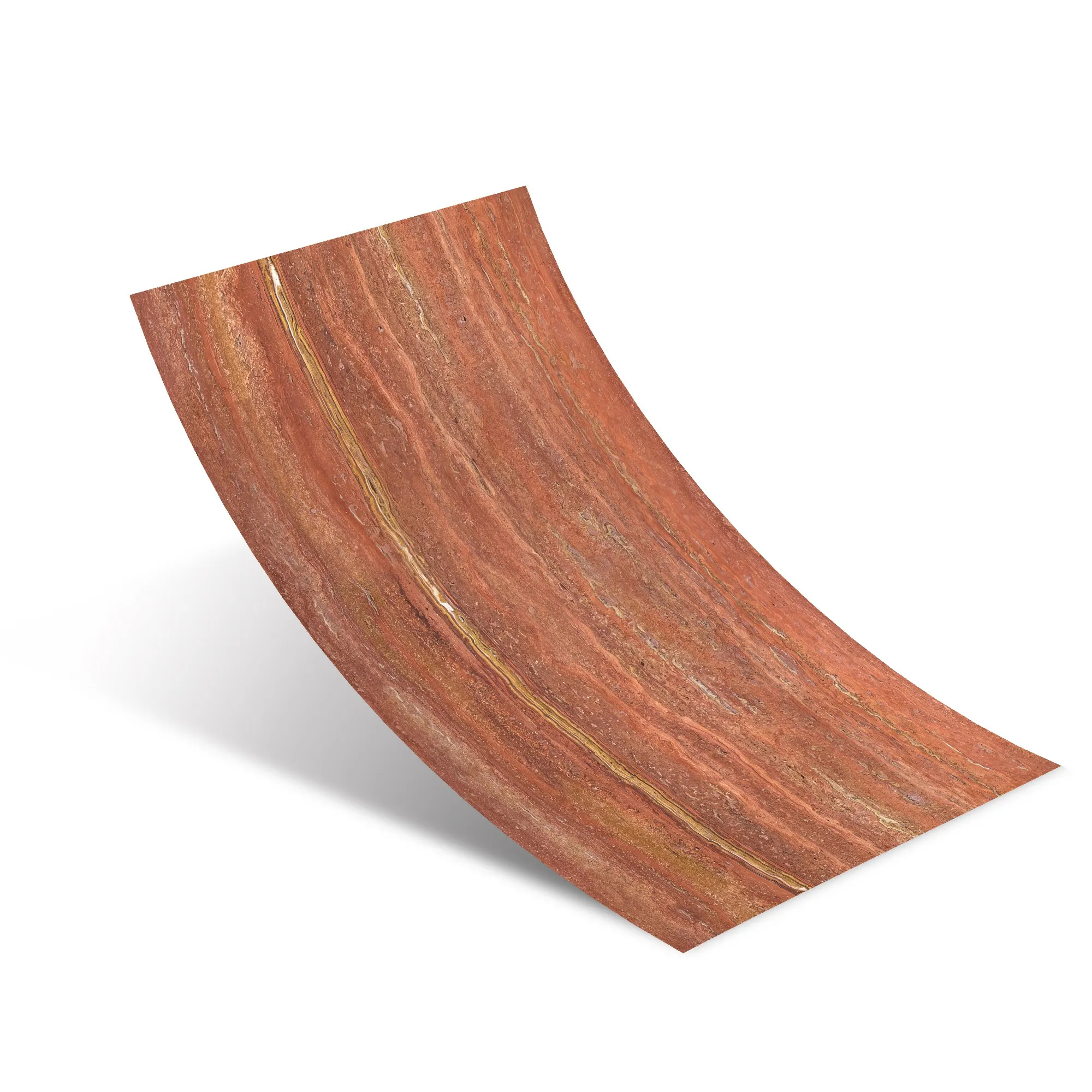
First, let's break down the name. "MCM" stands for Modified Composite Material—a blend of natural minerals, polymers, and reinforcing fibers that's engineered to be lightweight, durable, and endlessly customizable. "Big Slabs" refers to their size: these panels can be as large as 1200x2400mm, creating seamless, bold surfaces that make a statement. And "Red Travertine"? That's the star of the show. Travertine itself is a natural stone, known for its porous texture and earthy veins, but Red Travertine takes that classic look and cranks up the warmth with rich, rusty-red hues that range from soft terracotta to deep brick. When paired with the MCM technology, it becomes something even more remarkable: a material that has the beauty of natural stone but with the practicality modern construction demands.
So why does this matter for malls? Let's start with weight. Traditional natural stone slabs are heavy, requiring reinforced structures and driving up construction costs. Red Travertine MCM Big Slabs, on the other hand, weigh just 12-15 kg per square meter—about a third of the weight of solid stone. That means architects can use larger panels without overloading the building, creating cleaner lines and fewer seams. For a mall facade, that translates to a more cohesive, impactful look. Imagine a 5-story wall covered in these slabs: no awkward gaps, just a continuous flow of color and texture that feels grand but not overwhelming.
Then there's durability. Malls are high-traffic areas, exposed to everything from harsh sunlight and rain to accidental bumps from delivery trucks. Red Travertine MCM Big Slabs are built to handle it all. The composite core resists cracking, fading, and water damage, while the surface is treated to withstand scratches and stains. Unlike natural stone, which can absorb moisture and develop mold, MCM panels are non-porous, making them easy to clean—no more unsightly water spots or algae growth marring the facade. And because they're fade-resistant, that vibrant red hue will stay true for decades, ensuring the mall always looks as fresh as the day it opened.
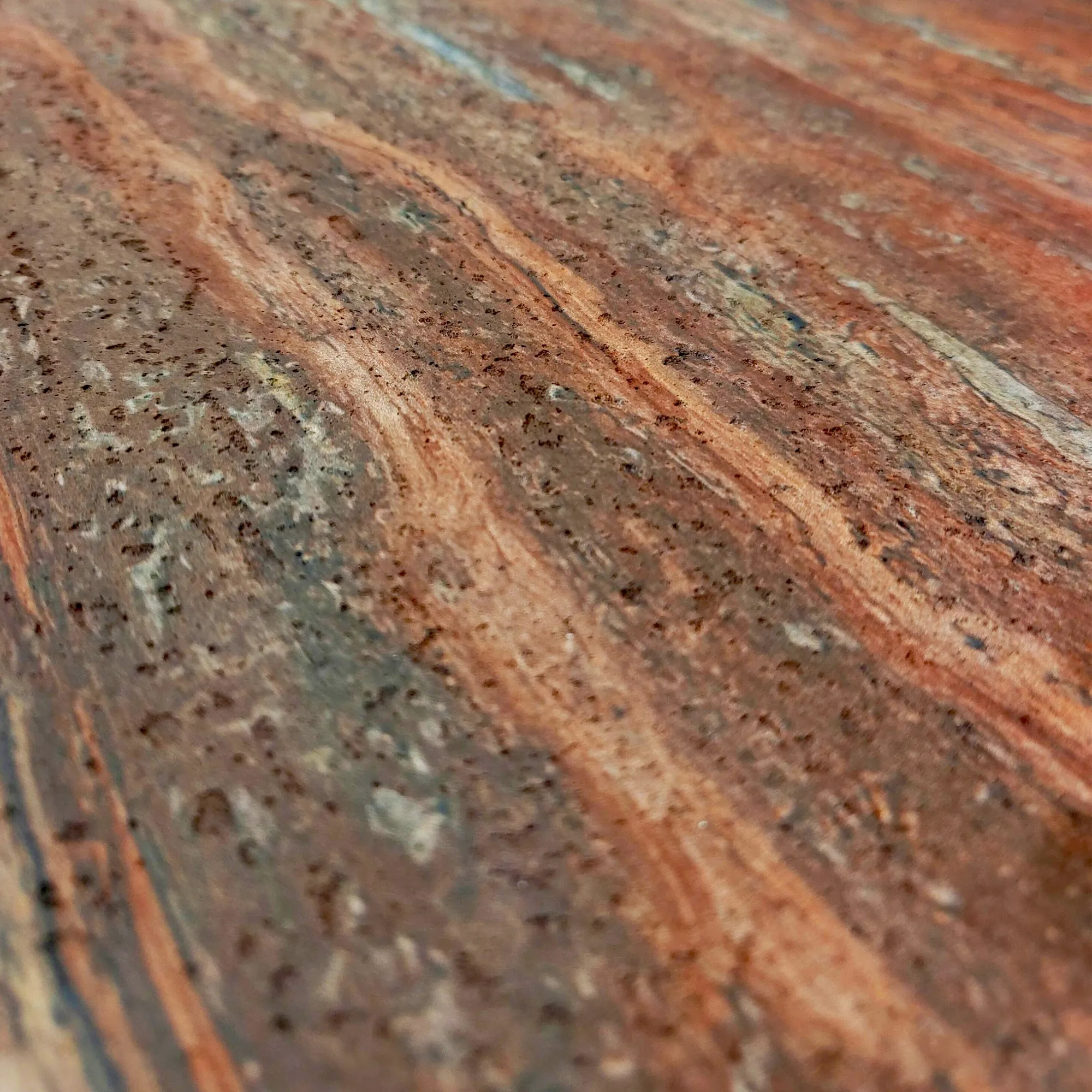
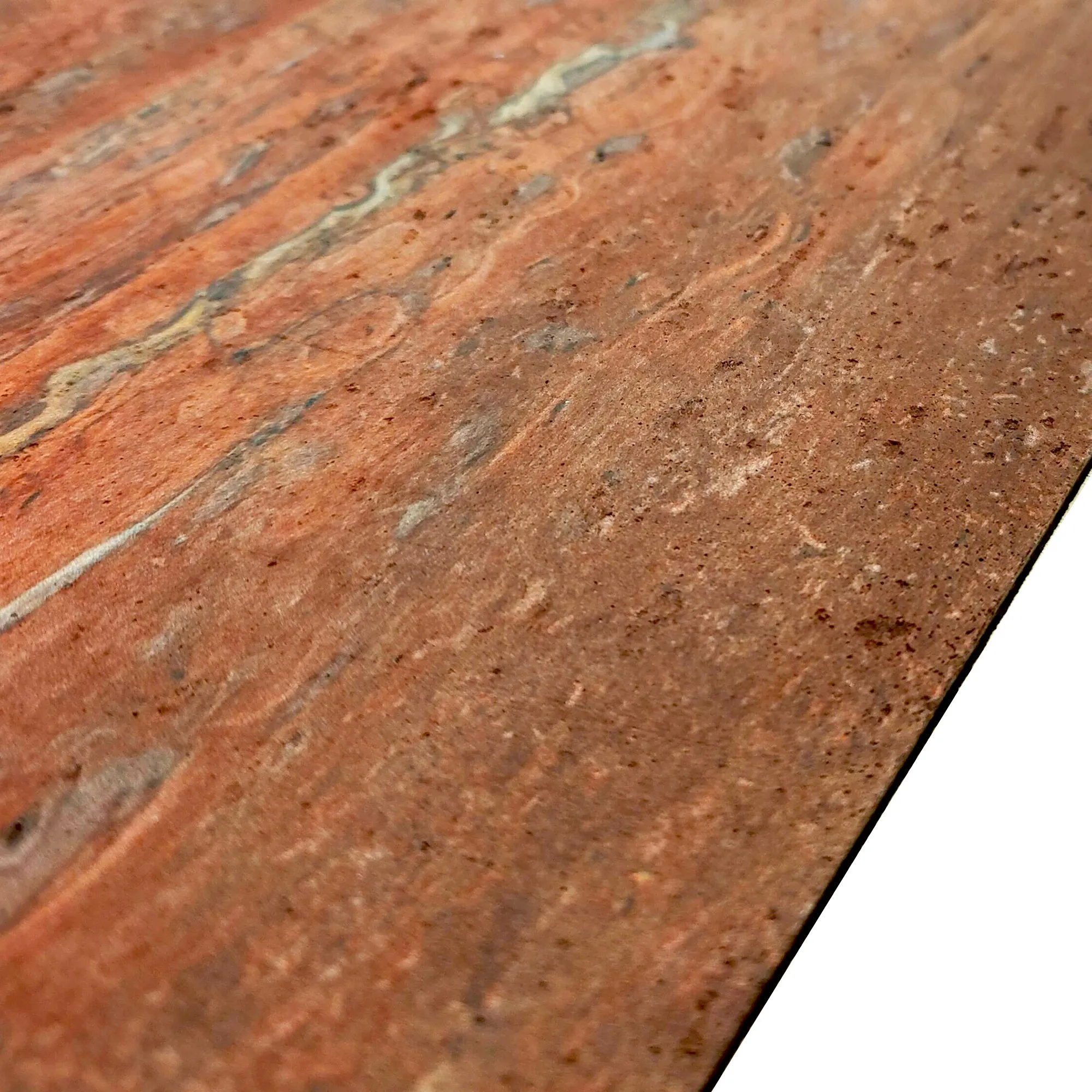
At the end of the day, though, the real "magic" of Red Travertine MCM Big Slabs is in how they look and feel . Let's talk about color first. Red is a powerful shade—it's associated with energy, warmth, and excitement. In a sea of neutral buildings, a red facade stands out like a beacon. But not in a harsh way. Red Travertine isn't a flat, artificial red; it's a living color, with subtle variations in tone and veining that mimic the natural stone. Some slabs have soft, cream-colored veins that weave through the red, like rivers of light; others have deeper, almost burgundy patches that add depth. This variation means no two panels are exactly alike, giving the facade a organic, handcrafted feel—even though it's engineered.
Texture is another secret weapon. Travertine's signature pitted surface (a result of gas bubbles escaping during formation) is preserved in the MCM slabs, but with a modern twist. The texture isn't just visual; it's tactile. Run a hand over it, and you'll feel the gentle bumps and grooves—a stark contrast to the cold smoothness of glass or metal. For mall-goers, this texture creates a subconscious connection to nature, making the building feel less like a sterile structure and more like a place with character. And when light hits that texture? Magic. Morning sunlight brings out the warmth in the red, making the facade glow. Afternoon shadows play in the pits, adding drama. Even at night, when lit from below, the texture casts soft, dynamic patterns that turn the mall into a nighttime landmark.
Size matters too. MCM Big Slabs mean fewer joints, which is a game-changer for aesthetics. Traditional cladding materials often require small tiles or panels, leading to a busy, fragmented look. Red Travertine's large slabs create a sense of continuity, making the facade feel intentional and grand. This is especially effective for malls aiming for a high-end vibe—think of it as the architectural equivalent of a tailored suit versus a patchwork quilt. It says, "We care about the details, and we want you to feel that."
Of course, Red Travertine MCM Big Slabs aren't the only option for mall facades. Let's put them side by side with other popular materials to see why they're gaining ground. Below is a comparison of Red Travertine MCM Big Slabs with three alternatives: Fair-faced Concrete, Flexible Stone Cladding Panels, and Wood Grain Board.
| Material | Aesthetic Vibe | Durability | Sustainability | Best For |
|---|---|---|---|---|
| Red Travertine MCM Big Slabs | Warm, earthy, with natural veining and rich red tones; creates a sense of luxury with organic texture. | High: Resists fading, water damage, and scratches; lightweight but strong (ideal for large spans). | Good: MCM production uses recycled materials; panels are 100% recyclable at end-of-life. | Malls aiming for a balance of warmth, luxury, and standout color; high-traffic urban areas. |
| Fair-faced Concrete | Industrial, minimalist, with a raw, utilitarian look; often gray or off-white. | Very high: Resistant to weather and impact, but prone to staining if not sealed. | Moderate: Requires significant energy to produce; limited recyclability. | Modern, minimalist malls; areas with harsh weather conditions. |
| Flexible Stone Cladding Panels | Versatile; mimics various stones (slate, granite, etc.) but with a thin, bendable format. | Moderate: Less impact-resistant than MCM; better for low-traffic areas. | Good: Lightweight (reduces transportation emissions); some recycled content. | Curved or irregular facades; budget-conscious projects needing stone-like looks. |
| Wood Grain Board | Natural, cozy, with warm wood tones and grain patterns; evokes a rustic or Scandinavian feel. | Low: Prone to rotting, warping, and insect damage; requires frequent maintenance. | Variable: Depends on wood source; FSC-certified options are better but costly. | Outdoor malls or those aiming for a "homely" vibe; requires regular upkeep. |
The takeaway? Red Travertine MCM Big Slabs hit a sweet spot: they offer the natural beauty of stone without the weight or maintenance issues, the warmth of wood without the durability concerns, and the modernity of concrete with a much more inviting aesthetic. For malls competing for attention, this balance is gold.
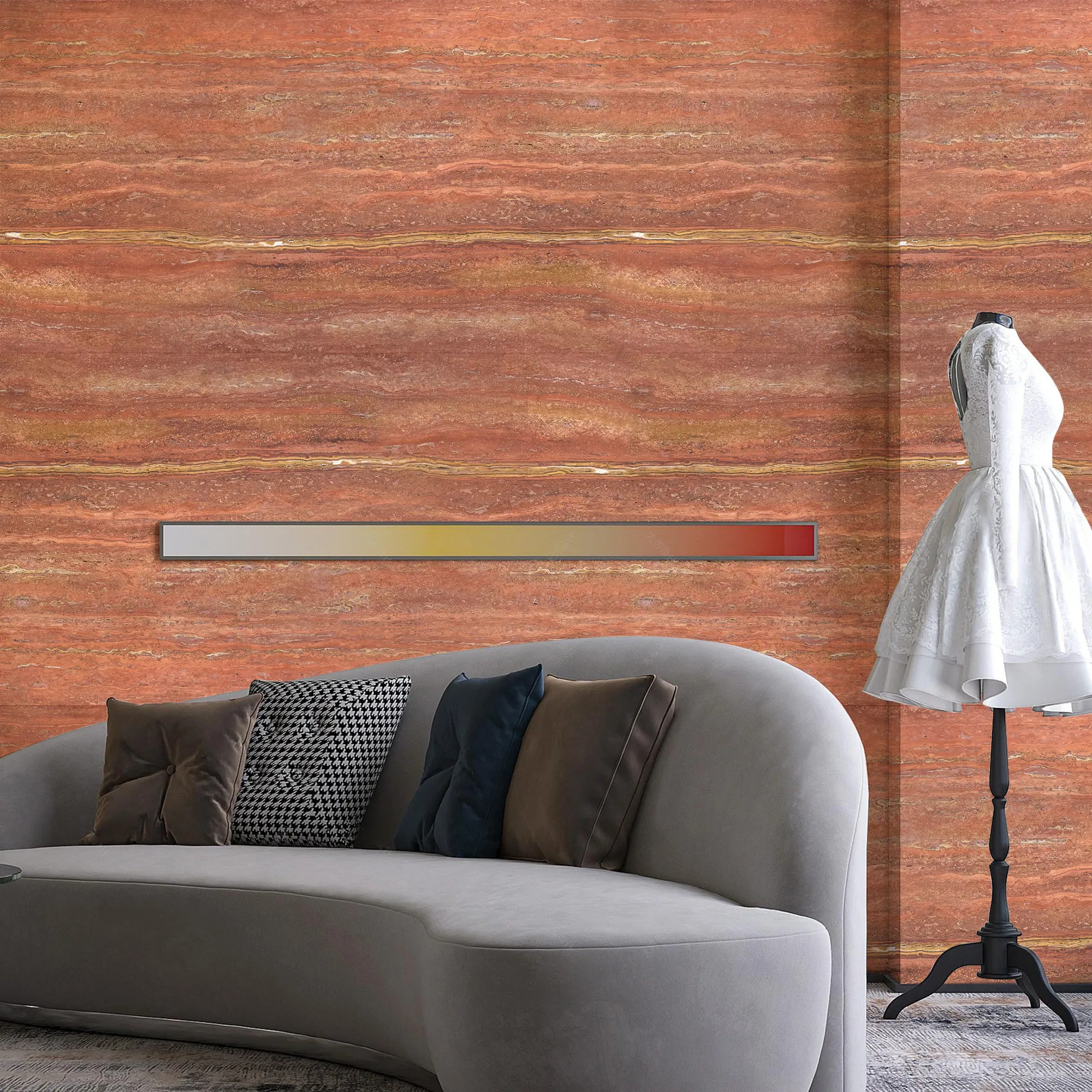
Let's ground this in a real example. In 2024, a mid-sized mall in Istanbul, Turkey, was struggling with declining foot traffic. Built in the 1990s, its facade was a mix of faded beige tiles and small glass windows—forgettable, even boring. The management team decided to invest in a renovation, with one goal: make the mall "Instagrammable." They hired architect Zeynep Aksu, who proposed Red Travertine MCM Big Slabs for the main facade.
The transformation was dramatic. The old tiles were stripped away, and 1200x2400mm Red Travertine slabs were installed across the 80-meter frontage. Aksu paired the slabs with strategic lighting: warm LED strips embedded at the base of the facade, which highlight the texture at night. She also added a few large, frameless glass windows to break up the red, creating a contrast between solid and transparent. The result? Within six months of reopening, foot traffic was up 35%. Local influencers started posting photos of the facade, calling it "Istanbul's new most photogenic mall." Shoppers mentioned the "warm, inviting feeling" and the way the red color "stood out" among the gray buildings nearby. Even store owners reported higher sales, with many noting that customers often mentioned the facade as a reason they visited.
What made this work? It wasn't just the color or the texture—it was the intentionality . The Red Travertine slabs didn't just cover the building; they told a story of warmth, quality, and attention to detail. They turned the mall from a background structure into a destination. And that's the power of good design: it doesn't just attract eyes—it attracts people.
Today's shoppers aren't just looking for pretty buildings—they're looking for responsible ones. A 2022 Nielsen survey found that 73% of global consumers are willing to pay more for products (and by extension, experiences) from sustainable brands. Malls are taking note, and Red Travertine MCM Big Slabs align with this shift.
First, MCM production is inherently eco-friendly. The composite material uses a high percentage of recycled minerals and polymers, reducing the need for virgin resources. Unlike natural stone mining, which can disrupt ecosystems, MCM production has a lower carbon footprint and generates less waste. Plus, because the slabs are lightweight, transportation and installation require less energy—trucks can carry more panels per trip, and cranes don't need to work as hard to lift them. This reduces emissions across the supply chain.
Durability also plays into sustainability. A facade that lasts 50 years instead of 20 means less frequent replacement, which cuts down on material waste and construction disruption. Red Travertine MCM Big Slabs are designed to stand the test of time, with warranties often exceeding 25 years. And when they do eventually need to be replaced, the panels are fully recyclable—they can be ground down and reused in new MCM products, closing the loop.
Even the thermal properties of the slabs help. The natural texture and thickness of Red Travertine MCM provide some insulation, reducing the mall's reliance on heating and cooling systems. This lowers energy bills and carbon emissions, making the building more efficient overall. For malls aiming for LEED or BREEAM certifications, these benefits are a big plus.
One of the best things about MCM technology is its flexibility. Red Travertine Big Slabs aren't a one-size-fits-all solution—they can be tailored to a mall's brand and vision. Want a deeper red? The color can be adjusted during production. Prefer a smoother texture? The pitting can be minimized. Need custom shapes for a curved facade? MCM's flexibility allows for bending without cracking (though for large curves, Flexible Stone Cladding Panels might be paired with Red Travertine for a seamless look).
Architects also love mixing and matching. For example, a mall might use Red Travertine MCM Big Slabs for the main facade but accent with Foamed Aluminium Alloy Board (Vintage Gold) for trim, creating a bold contrast between warm red and metallic gold. Or they might combine Red Travertine with Linear Travertine (Claybank) to create a gradient effect, transitioning from red to earthy brown as the facade rises. The possibilities are endless, which means every mall can have a facade that's as unique as its brand.
Red Travertine MCM Big Slabs aren't just a passing trend—they're part of a larger shift in architecture: a move away from cold, generic buildings and toward spaces that feel human, authentic, and connected to nature. As malls evolve into "lifestyle centers" (with restaurants, gyms, and entertainment venues alongside stores), their facades need to reflect that shift. They need to say, "This isn't just a place to shop—it's a place to be ."
Looking ahead, we'll likely see more innovation in MCM technology, with even more colors, textures, and sizes. But the core appeal of Red Travertine—its warmth, its texture, its ability to tell a story—will remain. Because at the end of the day, people are drawn to what feels real. They're drawn to beauty that has depth, to buildings that feel like they have a soul.
Shopping mall facades are no longer afterthoughts. They're the first chapter in the story a mall tells, and Red Travertine MCM Big Slabs are writing some of the most compelling chapters yet. With their rich color, inviting texture, durability, and sustainability, these slabs do more than cover a building—they transform it into a destination. They turn passersby into customers, and customers into loyal visitors.
So the next time you walk past a mall with a Red Travertine facade, take a moment to notice how it makes you feel. Chances are, you'll feel that subtle "pull"—the same pull that's driving malls worldwide to invest in design that doesn't just look good, but feels good. Because in the end, the best buildings aren't just seen—they're experienced. And Red Travertine MCM Big Slabs are helping malls create experiences worth remembering.
Recommend Products











