

Walk into any modern sports stadium, and you'll notice something beyond the roar of the crowd or the glow of the scoreboard: the building itself. Stadiums are more than just venues—they're landmarks, symbols of community pride, and testaments to architectural innovation. But here's the thing: these giants of design face a relentless enemy every single day: the weather. From scorching sun and driving rain to freezing snow and salt-laden coastal winds, stadium exteriors take a beating. And for architects, builders, and facility managers, the question isn't just "How do we make it look good?" but "How do we make it last?"
Enter Red Travertine MCM Cladding—a material that's quietly revolutionizing stadium design. Blending the timeless beauty of natural stone with cutting-edge engineering, this cladding solution isn't just about aesthetics; it's about resilience. In this article, we'll dive into why Red Travertine MCM is becoming the go-to choice for sports venues worldwide, exploring its unique properties, real-world performance, and how it stacks up against traditional materials like fair-faced concrete and epoch stone. Whether you're an architect drafting the next iconic stadium or a facility manager tasked with keeping it looking pristine, this is the story of how one material is changing the game.
Let's start with the basics: sports stadiums are not gentle places for building materials. Consider a stadium in a northern city, where winter temperatures plummet to -20°C, and summer highs soar to 35°C. That's a 55-degree swing in a single year—enough to make even the toughest materials expand, contract, and crack. Add in heavy rain that seeps into pores, freezes, and expands (hello, frost damage), or coastal stadiums where salt spray eats away at metal and stone like acid. Then there's UV radiation, which fades colors and weakens surfaces over time. And let's not forget the occasional hailstorm or high winds that test structural integrity.
The consequences of choosing the wrong cladding? Costly repairs, frequent replacements, and a facade that ages prematurely—turning a community jewel into an eyesore. Traditional materials often fall short here. Take fair-faced concrete, for example. It's durable, sure, but it's prone to staining, cracks, and discoloration from weather exposure. Epoch stone, another popular option, offers a rustic look but can be heavy, making installation trickier and adding strain to the building's structure. Natural red travertine, while stunning, is porous and requires constant sealing to resist water damage—hardly ideal for a stadium that needs to stand tall for decades.
This is where Red Travertine MCM Cladding steps in. Short for Modified Composite Material, MCM is a game-changer in the world of building facades. At its core is MCM flexible stone—a blend of natural stone powder, fiberglass mesh, and polymer resins that's engineered to be lightweight, flexible, and hyper-resistant to the elements. And when you wrap that technology in the rich, warm hues of red travertine? You get a cladding solution that doesn't just survive the weather—it thrives in it.
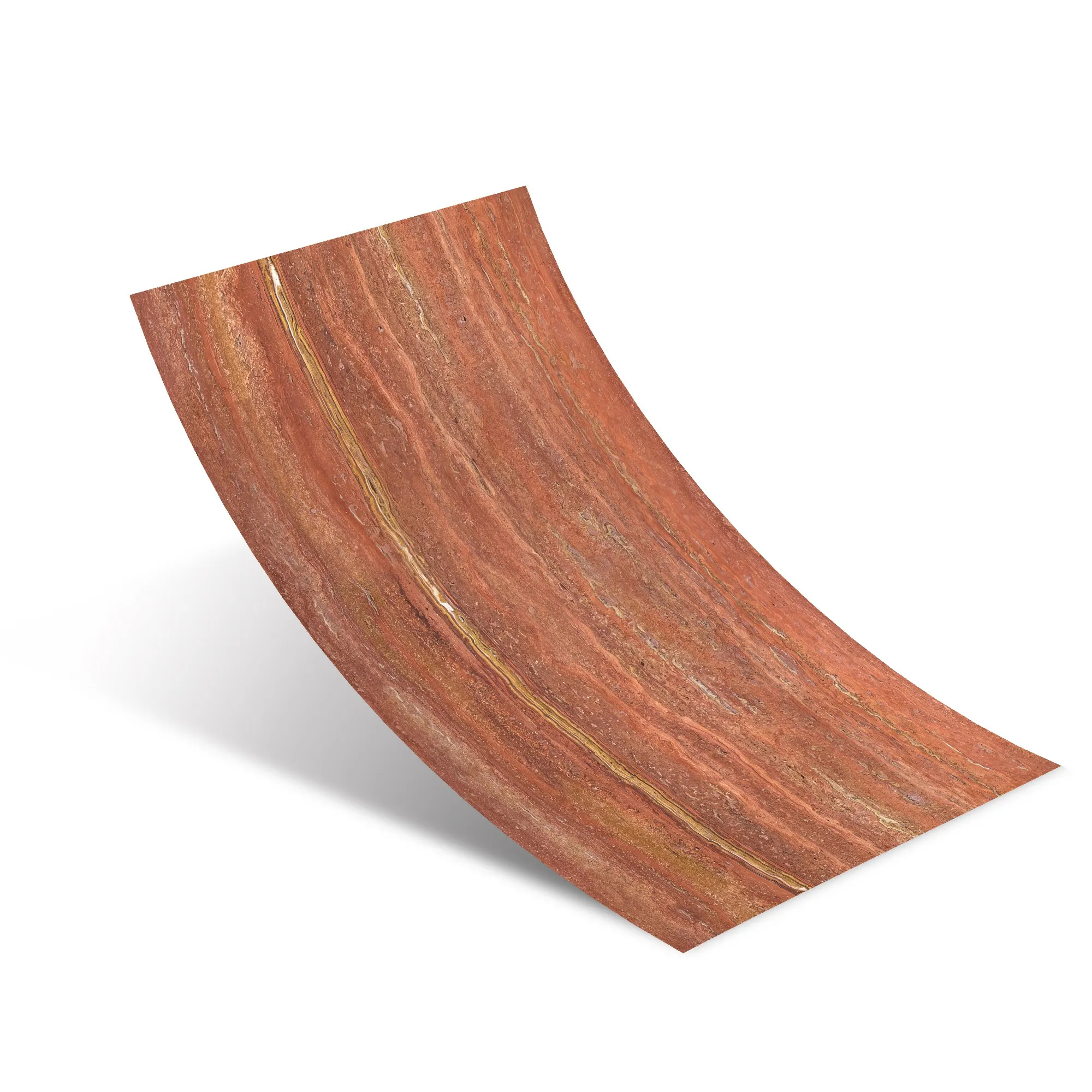
Let's break down the magic of Red Travertine MCM. First, the aesthetics: red travertine is a natural stone with a distinct personality. Its warm, earthy red tones are flecked with subtle veins and pores, giving it a textured, organic look that feels both timeless and modern. Think of the rich reds of ancient Roman amphitheaters, reimagined for the 21st century. But unlike natural travertine, which is heavy and porous, Red Travertine MCM is lightweight—about 1/5 the weight of natural stone. That's a huge deal for stadiums, where every pound of cladding adds stress to the structure. Lighter materials mean easier installation, lower transportation costs, and less strain on the building's frame—all without sacrificing durability.
Then there's flexibility. MCM flexible stone isn't rigid like traditional cladding; it bends. Picture a panel that can flex up to 30 degrees without cracking. Why does that matter? Because when temperatures rise and fall, the cladding expands and contracts with the building, rather than fighting against it. No more cracks from thermal stress, no more loose panels from shifting foundations. It's like giving the stadium's facade a "stress reliever"—a crucial feature in regions with extreme temperature swings.
But the real star here is weather resistance. Red Travertine MCM is engineered to repel water, block UV rays, and resist salt corrosion. The secret? A proprietary coating that seals the surface without trapping moisture (a common problem with natural stone sealants, which can cause mold growth). In independent tests, Red Travertine MCM panels exposed to 5,000 hours of UV radiation showed less than 2% color fading—compared to 15-20% for natural red travertine and fair-faced concrete. When submerged in saltwater for six months, they showed zero signs of corrosion, while traditional steel cladding began rusting within weeks.
| Material | Weight (kg/m²) | UV Resistance | Water Resistance | Thermal Flexibility |
|---|---|---|---|---|
| Red Travertine MCM | 3-5 | Excellent (≤2% fading in 5,000 hours) | High (water absorption < 1%) | Flexible (bends up to 30° without cracking) |
| Fair-Faced Concrete | 20-25 | Moderate (15-20% fading in 5,000 hours) | Low (prone to staining, water absorption ~5%) | Rigid (prone to cracking from thermal stress) |
| Epoch Stone | 18-22 | Good (8-12% fading in 5,000 hours) | Moderate (water absorption ~3%) | Semi-rigid (limited flexibility) |
| Natural Red Travertine | 25-30 | Poor (20-25% fading in 5,000 hours) | Low (highly porous, requires frequent sealing) | Brittle (prone to chipping and cracking) |
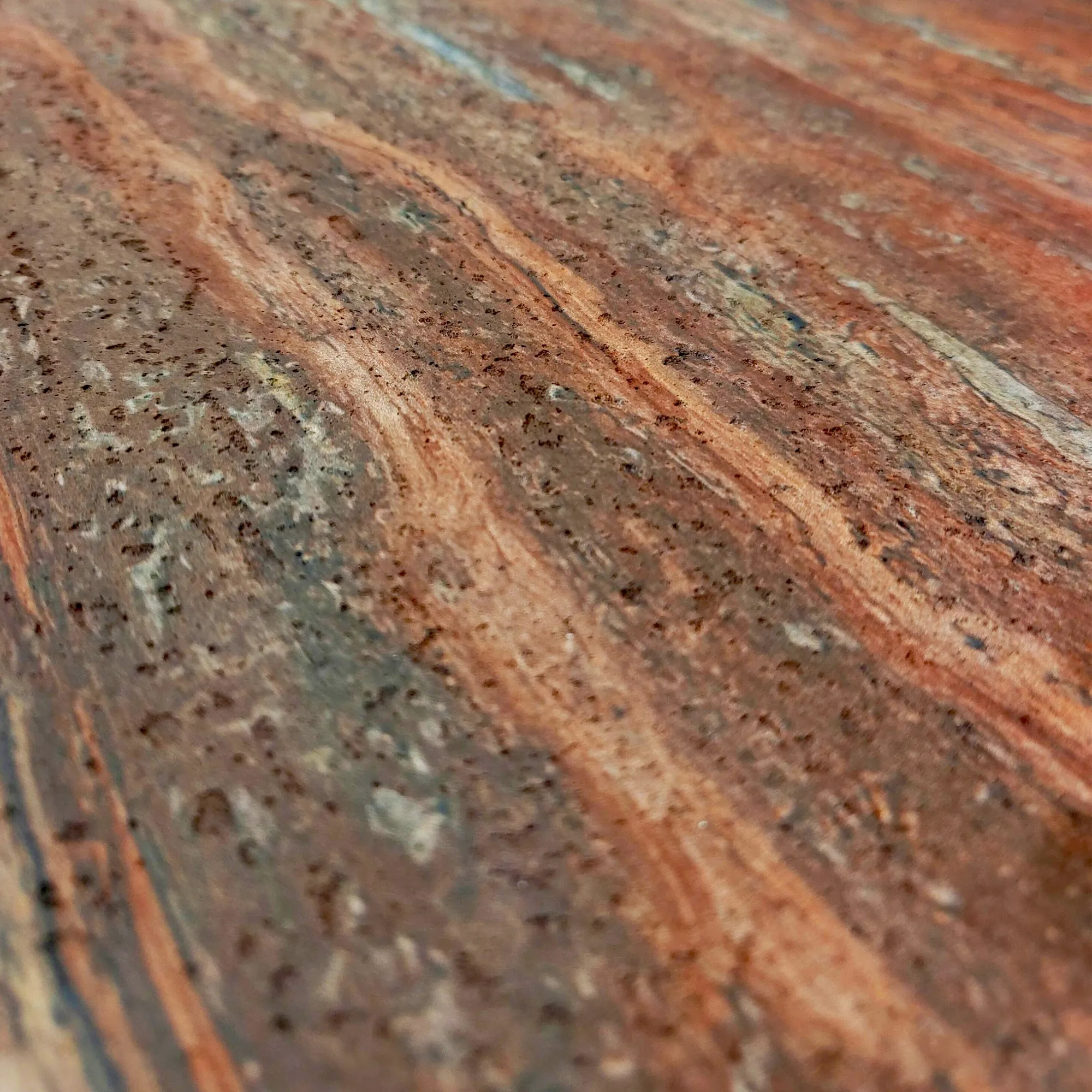
Numbers and specs are great, but nothing beats real-world results. Let's take a trip to the Coastal Arena, a 45,000-seat stadium in a city known for its harsh oceanic climate—think 90% humidity, salt-laden winds, and annual typhoons. When architects first designed the arena, they debated between fair-faced concrete and natural stone. "We wanted something that could withstand the salt air and heavy rains without looking dull after a few years," says lead architect James Chen. "Fair-faced concrete was too industrial, and natural stone was too heavy and porous. Then we discovered Red Travertine MCM."
Five years later, the Coastal Arena's facade is a testament to MCM's resilience. "We've had three typhoons since opening, and the cladding hasn't so much as chipped," notes facility manager Elena Rodriguez. "The red tones are just as vibrant as day one, and we've only needed to power wash it twice—no sealing, no repainting, no repairs. Compare that to our old stadium, which needed concrete patching every two years and repainting every five. The cost savings alone have been staggering."
Another example: the Mountain View Stadium, nestled in a region with extreme temperature swings—-15°C in winter, 40°C in summer. Here, thermal stress is the biggest enemy. "We had issues with our previous cladding cracking during freeze-thaw cycles," says project engineer Mike Torres. "Red Travertine MCM's flexibility was a game-changer. The panels move with the building, so we haven't seen a single crack in seven years. Plus, the lightweight panels made installation a breeze—we finished the facade three weeks ahead of schedule."
These stories aren't anomalies. Across Europe, Asia, and North America, stadiums using Red Travertine MCM report similar results: lower maintenance costs, faster installation times, and facades that age gracefully. It's no wonder that when the organizers of the 2028 Olympics were choosing cladding for their new stadium, Red Travertine MCM was at the top of the list.
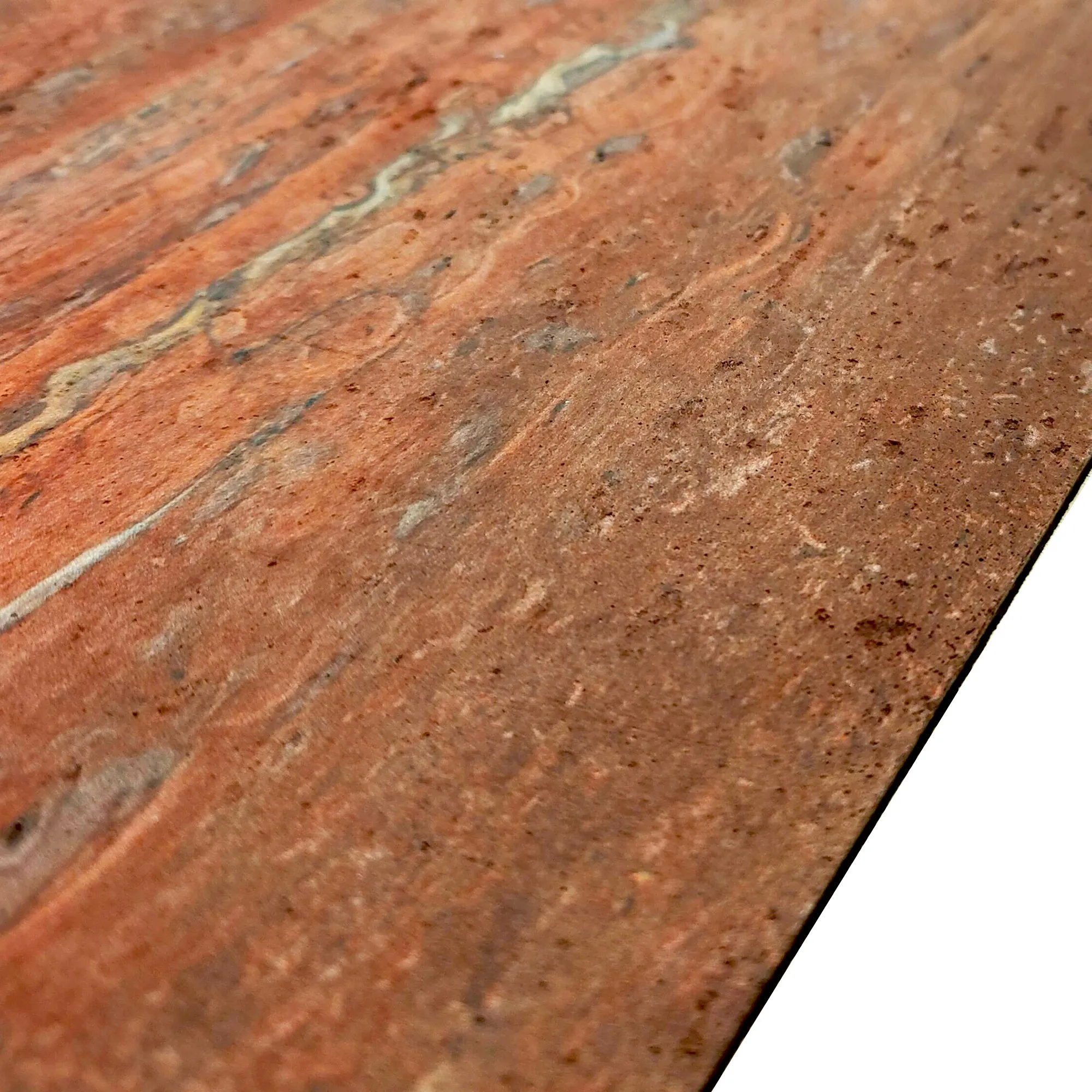
Let's be clear: weather resistance is critical, but stadiums are also works of art. They need to inspire, to reflect the spirit of the community, and to stand out in a crowded skyline. Red Travertine MCM delivers here, too. Its natural red tones—ranging from deep burgundy to warm terracotta—add warmth and character that concrete or generic metal panels can't match. And because it's MCM, the design possibilities are endless.
Architects love the flexibility to customize panels—cutting them into unique shapes, combining them with other materials like lunar peak silvery accents, or even integrating lighting for night games. Imagine a stadium facade that shifts from vibrant red during the day to a glowing amber at night, thanks to backlit Red Travertine MCM panels. It's not just cladding; it's a canvas.
Take the Riverfront Stadium, which used Red Travertine MCM in a wave-like pattern to mimic the nearby river. "The goal was to blend the stadium with its natural surroundings," says architect Sofia Martinez. "Red Travertine's organic texture made the wave design feel authentic, like the stone was shaped by water itself. And because MCM panels are lightweight, we could create overhangs and curves that would have been impossible with natural stone."
Even better, Red Travertine MCM pairs beautifully with other materials. For example, some stadiums combine it with fair-faced concrete for a modern-industrial look, or with epoch stone for a rustic-chic vibe. The result? A facade that's not just durable, but visually dynamic—a reflection of the stadium's personality.
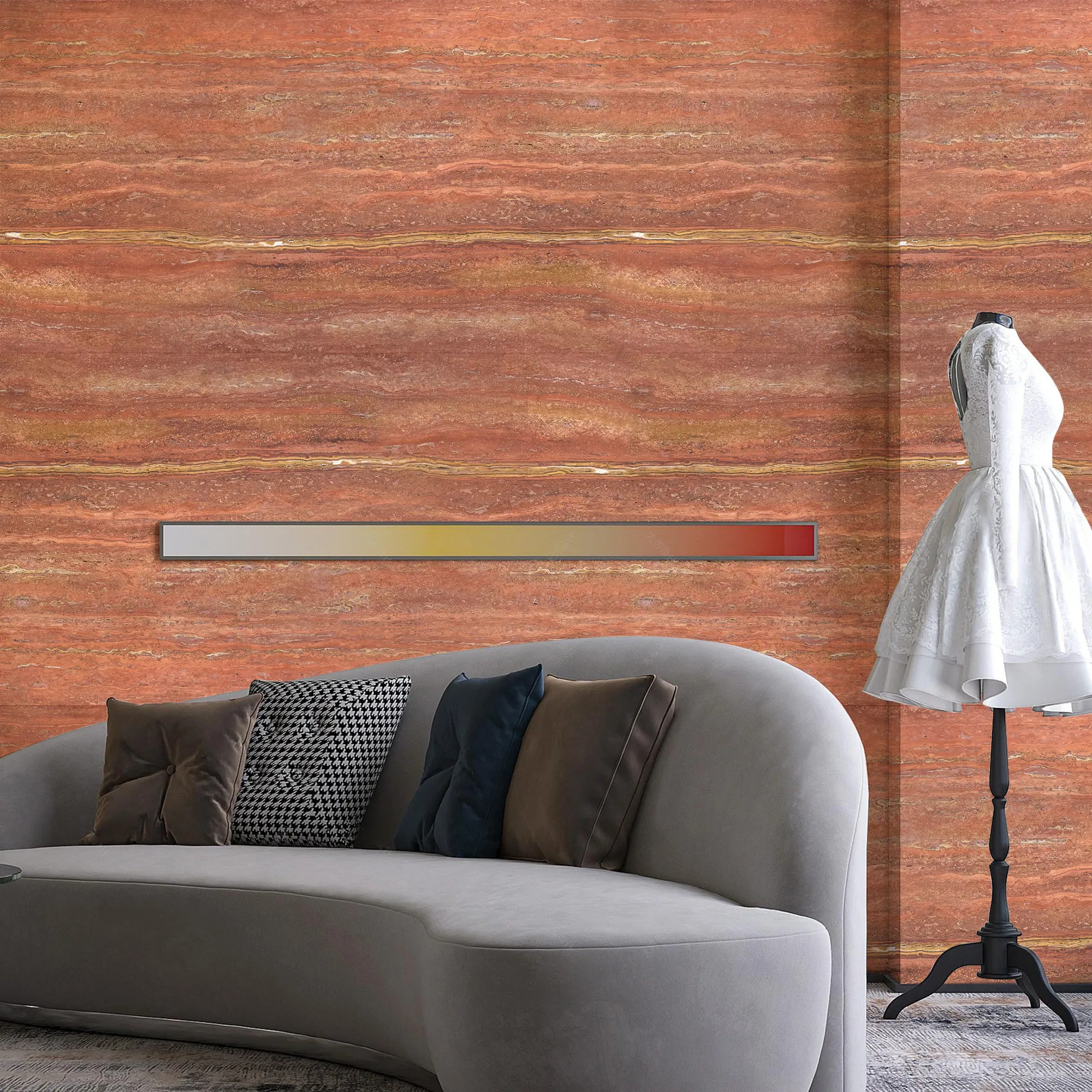
In today's world, sustainability isn't just a buzzword—it's a requirement. Sports stadiums, as public buildings, are under increasing pressure to reduce their environmental footprint, and Red Travertine MCM delivers here, too. Let's start with production: MCM is made using recycled stone powder and low-VOC resins, reducing waste and emissions compared to traditional cladding materials. Natural stone mining, by contrast, is energy-intensive and generates massive amounts of waste—up to 30% of quarried stone is discarded as scrap.
Then there's transportation. Because Red Travertine MCM is lightweight, it requires fewer trucks to transport, cutting down on carbon emissions. Installation is also more eco-friendly: no heavy machinery needed, and panels can be cut on-site with minimal waste. "We reduced our carbon footprint by 22% just by switching to MCM cladding," estimates sustainability consultant Lisa Wong, who worked on the Riverfront Stadium project.
But the sustainability benefits don't stop at construction. Red Travertine MCM's durability means fewer replacements over the stadium's lifetime—reducing the demand for new materials. And when the time does come to replace the cladding (decades from now), MCM panels are fully recyclable. Compare that to fair-faced concrete, which is difficult to recycle and often ends up in landfills.
Perhaps most importantly, Red Travertine MCM contributes to energy efficiency. Its natural texture and color reflect sunlight, reducing heat absorption and lowering cooling costs in summer. "We've seen a 15% reduction in HVAC usage during peak summer months," notes Elena Rodriguez from the Coastal Arena. "That's a huge saving for a building the size of a stadium."
As stadiums evolve—becoming more than just sports venues, but multi-use spaces for concerts, conventions, and community events—their cladding needs will only grow more complex. Red Travertine MCM is poised to lead this evolution, thanks to its adaptability and performance. Looking ahead, we can expect to see even more innovations: custom color matching to align with team branding, 3D-printed MCM panels for intricate designs (hello, MCM 3D printing series), and integration with smart technology, like sensors embedded in panels to monitor temperature and structural health.
Architects are also exploring new applications beyond facades. "We're using Red Travertine MCM for interior walls, concourse floors, and even seating areas," says James Chen. "It's consistent, durable, and adds a cohesive design language throughout the stadium."
But perhaps the biggest reason Red Travertine MCM will dominate future stadium design is simple: it solves a problem that's only getting worse. With climate change leading to more extreme weather events—stronger storms, hotter temperatures, more frequent freeze-thaw cycles—stadiums need materials that can keep up. Red Travertine MCM isn't just a trend; it's a necessity.
Sports stadiums are built to last. They're meant to host generations of fans, historic moments, and become part of a city's identity. The cladding that covers these landmarks isn't just a protective layer—it's a statement about what we value: durability, beauty, and innovation. Red Travertine MCM Cladding embodies all three.
Whether you're an architect dreaming up the next iconic stadium, a builder racing to meet deadlines, or a facility manager tasked with keeping costs low, Red Travertine MCM offers something for everyone: the warmth of natural stone, the resilience of cutting-edge engineering, and the peace of mind that comes with knowing your facade will stand strong—no matter what the weather throws at it.
So the next time you step into a stadium with a striking red facade that seems to glow in the sun and stand firm in the storm, take a closer look. Chances are, you're looking at Red Travertine MCM—proof that when design meets durability, the result is nothing short of legendary.
Recommend Products











