

In the GCC, where the sun hangs high and unforgiving for most of the year, and sandstorms sweep through with gritty determination, building materials don't just need to look good—they need to fight back. Architects, contractors, and homeowners alike have long searched for that sweet spot: a material that blends the warmth of natural stone with the toughness to withstand 50°C summers and relentless UV rays. Today, we're putting the spotlight on Red Travertine MCM —a standout in the MCM Flexible Stone family—and exploring why it's becoming a go-to choice for projects across Dubai, Riyadh, and beyond. We'll also compare it to other popular options like Lunar Peak Black and Fair-Faced Concrete , so you can see exactly where it shines.
Why does climate matter? In cities like Doha or Abu Dhabi, temperatures regularly soar above 45°C, while UV radiation can fade colors in months. Sandstorms grind against surfaces, and occasional winter rains test water resistance. Traditional stone often cracks under thermal stress; paint peels; even concrete can deteriorate faster than expected. Red Travertine MCM isn't just another material—it's a response to these challenges.
Let's start with the basics. MCM, or Modified Composite Material, is a revolutionary category of building cladding. At its core, it's a thin layer of natural stone (in this case, travertine) bonded to a flexible, lightweight substrate. Think of it as nature and engineering shaking hands: you get the authentic look and feel of stone, but with the durability and ease of installation that modern construction demands.
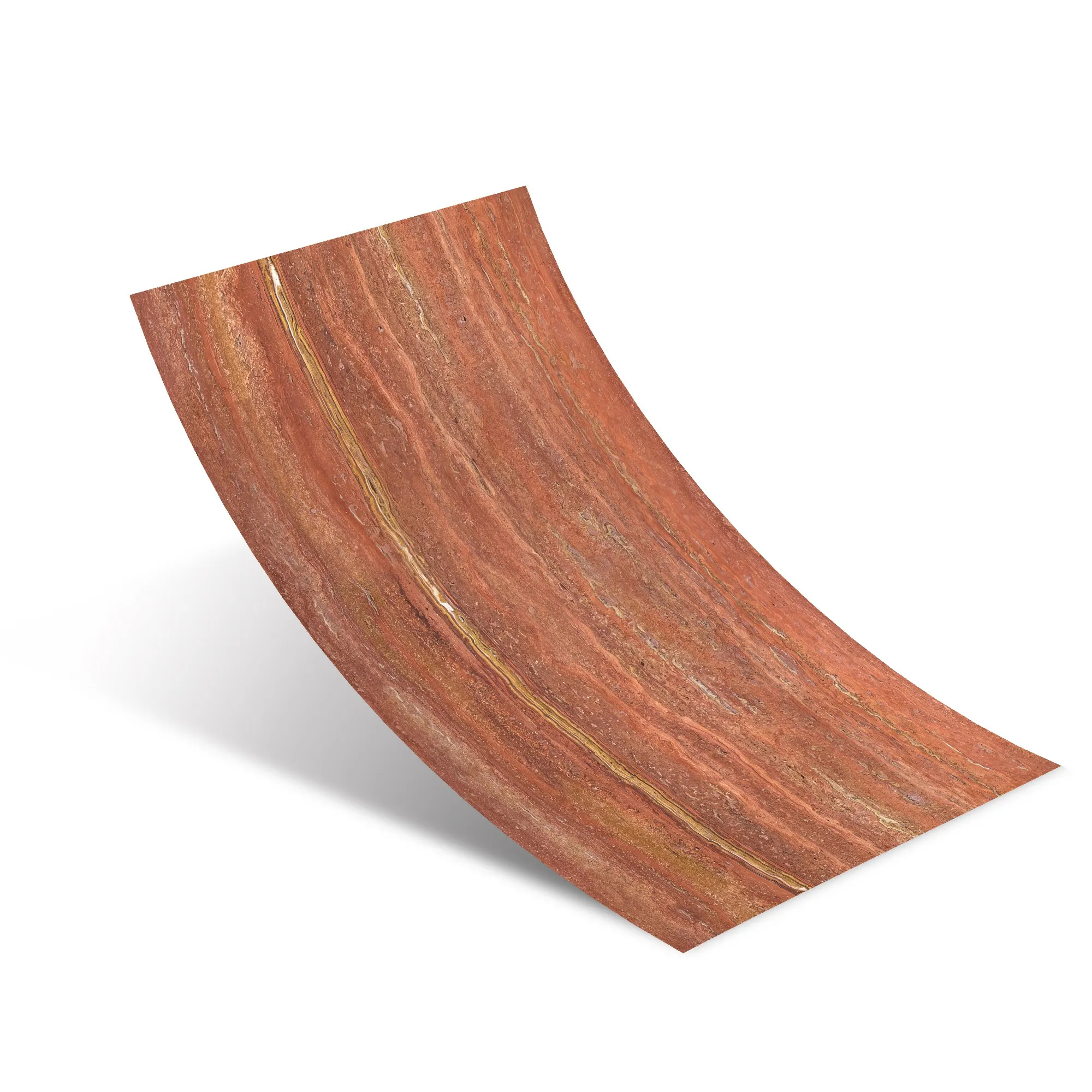
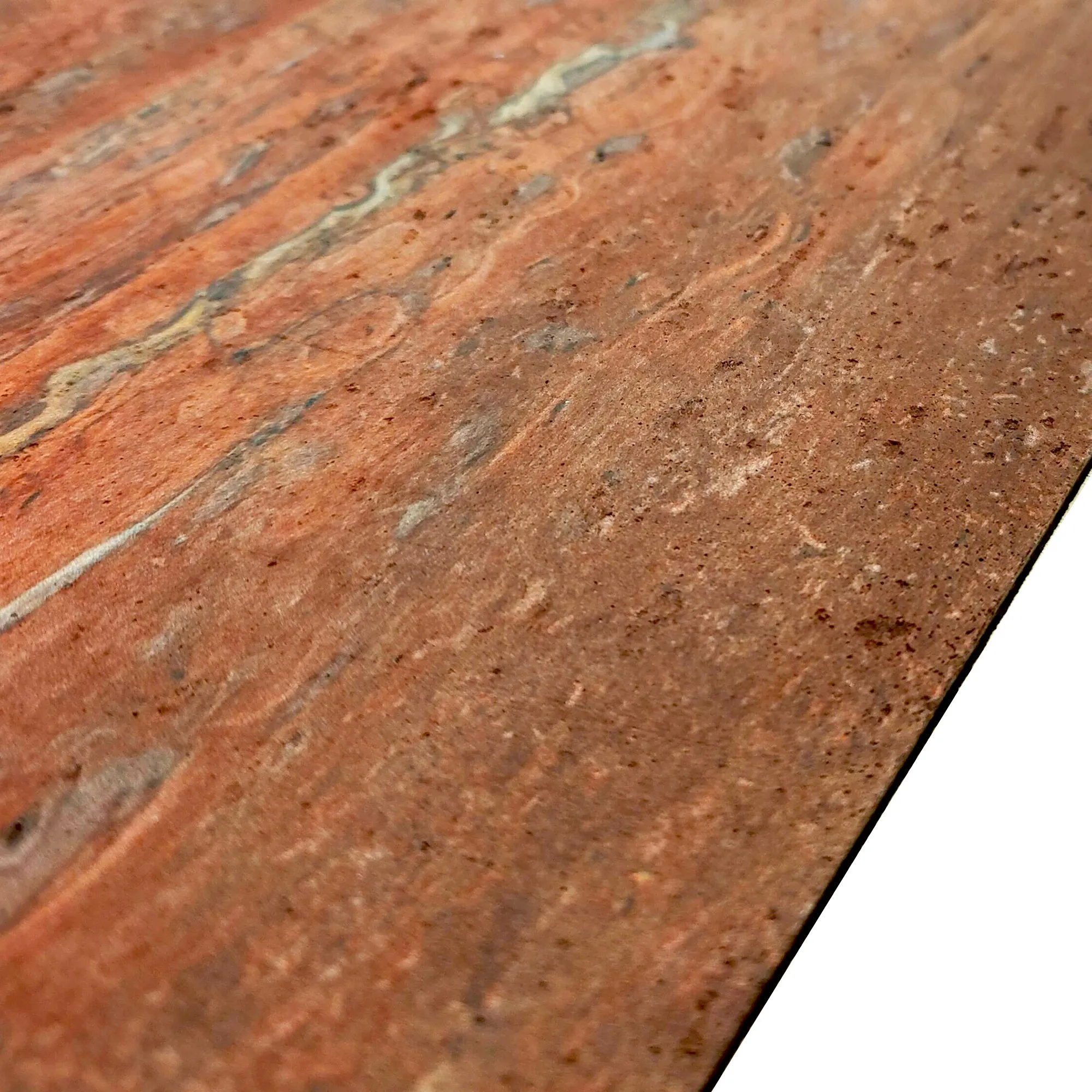
Red Travertine MCM takes this a step further. Sourced from select travertine deposits, its rich, earthy red tones—ranging from deep terracotta to warm brick—are flecked with natural veining and subtle textures, giving each panel a one-of-a-kind character. Unlike solid travertine, which can be heavy and prone to chipping, this MCM variant is flexible enough to bend slightly with a building's movement (critical in regions with temperature swings) and light enough to reduce structural load.
"We first tested Red Travertine MCM on a villa project in Jeddah," says Maria Gonzalez, a Spanish architect who's worked in the GCC for a decade. "The client wanted something that felt 'rooted' in the region's landscape but wouldn't require constant upkeep. Two years later, that facade still looks as vibrant as the day we installed it—no fading, no cracks, just that same warm red glow."
Durability isn't just a buzzword here—it's a necessity. Red Travertine MCM checks all the boxes for GCC conditions:
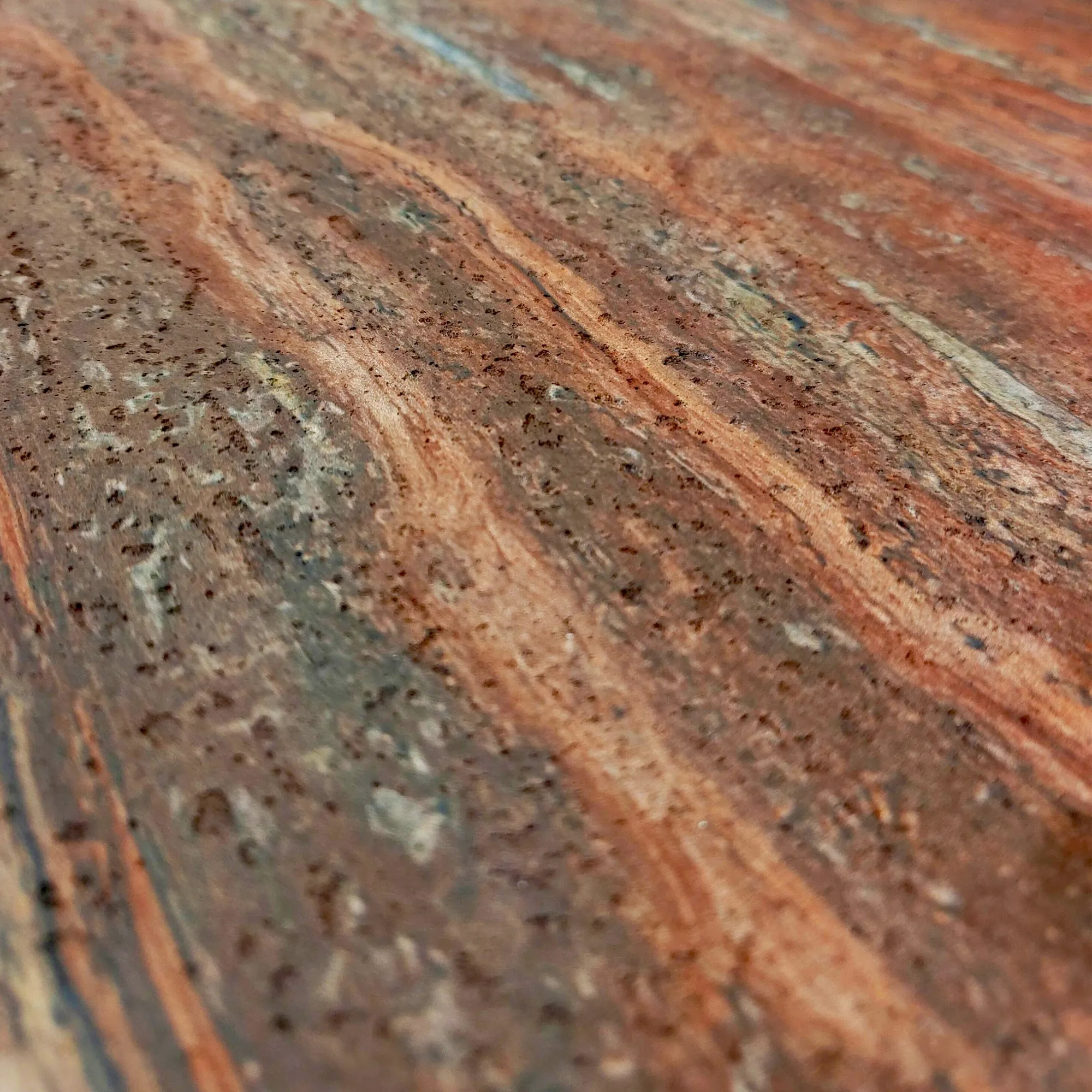
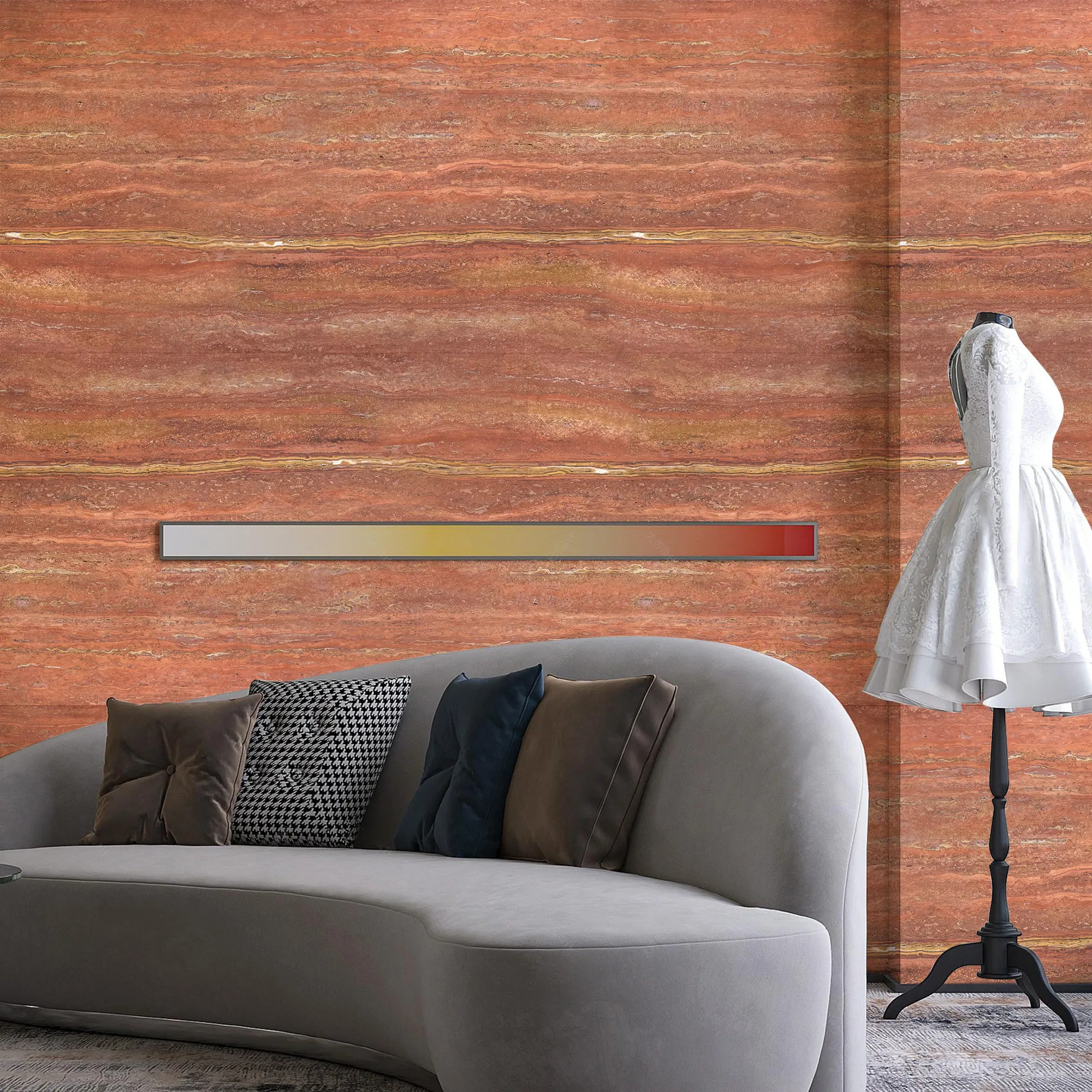
In the GCC, architecture isn't just about function—it's about making a statement. Red Travertine MCM delivers on both fronts. Its natural veining and texture add depth to facades, turning buildings into works of art. Imagine a hotel in Muscat, its exterior clad in Red Travertine MCM panels, catching the golden hour light and glowing like a beacon against the desert backdrop. Or a residential complex in Kuwait, where the material's warm tones complement lush landscaping, creating a welcoming oasis.
But versatility is key. Red Travertine MCM isn't limited to bold exteriors. It works beautifully indoors, too—think feature walls in lobbies, fireplace surrounds, or even kitchen backsplashes. Its neutral undertones pair well with modern materials like glass or steel, as well as traditional elements like wood or brass. For architects aiming to blend local heritage with contemporary design, it's a dream come true.
To truly understand Red Travertine MCM's value, let's compare it to two other popular options in the region: Lunar Peak Black (a sleek, modern stone composite) and Fair-Faced Concrete (a minimalist staple). Here's how they measure up:
| Feature | Red Travertine MCM | Lunar Peak Black | Fair-Faced Concrete |
|---|---|---|---|
| Aesthetic | Warm red tones, natural veining, organic texture | Sleek, dark gray/black, uniform finish | Raw, industrial, matte gray |
| Heat Resistance | High (low heat absorption, stays cool to touch) | Medium (dark color absorbs more heat) | Medium (can heat up, prone to thermal cracking) |
| Installation Ease | High (lightweight, flexible, can be cut on-site) | Medium (heavier than MCM, requires precise handling) | Low (needs formwork, longer curing time) |
| Maintenance | Low (seal once every 5–7 years) | Medium (may require occasional cleaning to avoid dust buildup) | High (prone to staining, needs regular sealing) |
| Sustainability | High (uses 80% less natural stone than solid slabs) | Medium (recycled content varies by manufacturer) | Medium (high carbon footprint from production) |
Lunar Peak Black, with its bold, monochromatic look, is a favorite for modern skyscrapers, but its dark color can absorb more heat, making buildings warmer inside. Fair-Faced Concrete offers an industrial edge but often requires frequent sealing to prevent staining and cracking. Red Travertine MCM, by contrast, balances warmth, durability, and low maintenance—making it a versatile choice for everything from heritage projects to cutting-edge commercial builds.
Let's talk about the people behind the projects. For contractors, time is money—and Red Travertine MCM saves both. Its lightweight nature (typically 4–6 kg per square meter, compared to 25–30 kg for solid travertine) reduces shipping costs and eases installation. Teams can cover more area in a day, and the flexible substrate means fewer cuts and less waste. "On the Al Hamra Mall extension in Riyadh, we cut installation time by 30% using Red Travertine MCM," says Khalid Al-Mansoori, a local contractor. "And because it's so easy to handle, we had fewer on-site accidents—always a win."
For developers, the long-term savings are hard to ignore. With minimal maintenance and a lifespan of 50+ years (compared to 15–20 for painted surfaces), the material pays for itself over time. Plus, its timeless appeal can boost property values. "Tenants and buyers notice quality," adds Al-Mansoori. "A building clad in Red Travertine MCM feels premium—and they're willing to pay more for that."
While Red Travertine MCM is a standout, it's part of a larger family of MCM Flexible Stone products, each designed to meet specific aesthetic and functional needs. For example, Travertine (Starry Blue) offers a cool, celestial-inspired look for coastal projects in Bahrain or Oman, while Rusty Red (another MCM variant) adds a weathered, industrial charm to urban spaces. The beauty of MCM is that it allows architects to mix and match—pairing Red Travertine with, say, Foamed Aluminium Alloy Board (Vintage Gold) for a striking contrast of textures and colors.
In a region where the built environment must harmonize with extreme nature, materials like Red Travertine MCM aren't just choices—they're investments. They're about creating spaces that last, that inspire, and that respect the land they stand on. Whether you're designing a luxury resort in Dubai, a community center in Doha, or a private villa in Abu Dhabi, Red Travertine MCM brings something rare: the warmth of natural stone, the resilience of modern engineering, and the flexibility to turn vision into reality.
So, the next time you walk through a GCC city and spot a building glowing with rich, red tones, take a closer look. Chances are, it's Red Travertine MCM—quietly proving that in architecture, as in life, the best solutions are those that honor both the past and the future.
Recommend Products











