

Bridging sacred tradition with innovative craftsmanship
Religious buildings are more than mere structures—they are living testaments to faith, vessels of collective memory, and sanctuaries where the divine meets the human. For centuries, architects and builders have sought materials that honor this sacred purpose: materials that age with grace, tell stories through texture, and create spaces that inspire awe. Today, the challenge endures: how to blend time-honored tradition with the demands of modern engineering, sustainability, and accessibility. Enter Red Travertine MCM —a material that doesn't just build walls, but weaves together the past, present, and future of sacred architecture.
At its core, Red Travertine MCM (Modified Composite Material) is a celebration of nature's artistry reimagined through innovation. Part of the broader MCM flexible stone family, it marries the organic beauty of natural stone with the practicality of modern composites. Its rich, warm red hues—veined with earthy browns and soft creams—evoke the warmth of sacred fires, the vibrancy of stained glass, and the quiet strength of ancient temples. But what truly sets it apart is its ability to adapt: to curve into arches that cradle prayer, to rise as pillars that reach for the divine, and to endure as a silent witness to the rituals that bind communities.
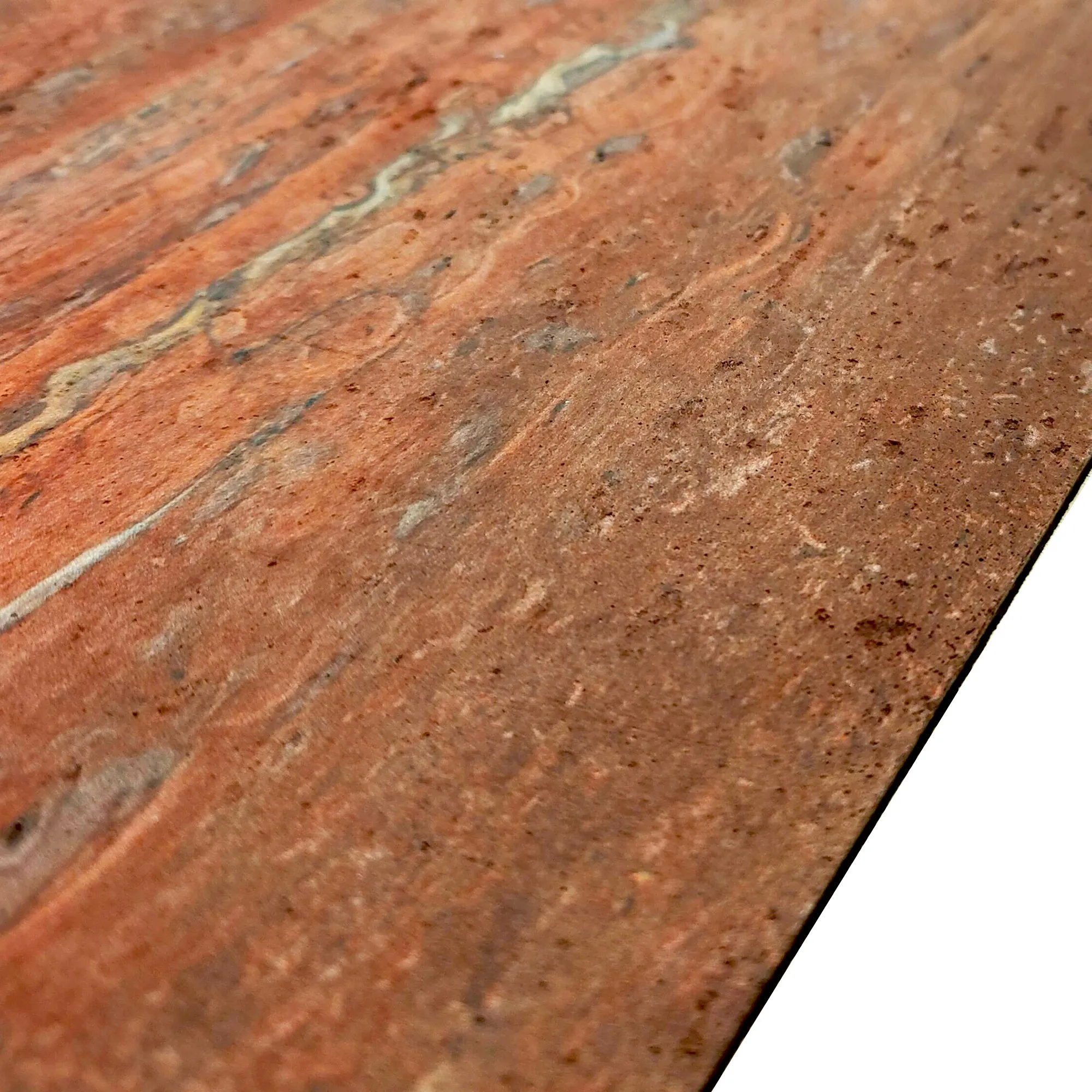
To touch Red Travertine MCM is to feel the weight of history and the lightness of innovation. Unlike cold, uniform synthetic materials, it carries the imperfections of nature—subtle pits, unique veining, and tonal variations that make every panel one of a kind. These "flaws" are not accidents; they are the material's voice, speaking of the earth's slow, patient craftsmanship. In a religious context, this uniqueness matters deeply: it reminds worshippers that faith, too, is a tapestry of individual stories woven into something greater.
The red hue itself is deliberate. Red has long symbolized sacrifice, passion, and divine love across cultures—from the crimson robes of cardinals to the vermilion gates of Hindu temples, from the red threads of Buddhist prayer flags to the dyed fabrics of Muslim pilgrims. Red Travertine MCM amplifies this symbolism, its color deepening in shadow and glowing in sunlight, as ifing the ebb and flow of spiritual life. Imagine a mosque's qibla wall clad in Red Travertine: as the sun sets, the stone would blush like the sky at dusk, turning prayer into a dialogue with the heavens.
But beauty alone isn't enough. MCM flexible stone technology ensures that this natural allure is paired with practicality. Traditional stone is heavy, brittle, and difficult to install on complex surfaces. Red Travertine MCM, by contrast, is lightweight and flexible, able to bend around curves, adhere to uneven substrates, and reduce structural load—critical for retrofitting historic buildings or designing bold, modern sacred spaces. It's a material that respects the past by making it easier to preserve, and embraces the future by enabling architectural creativity.
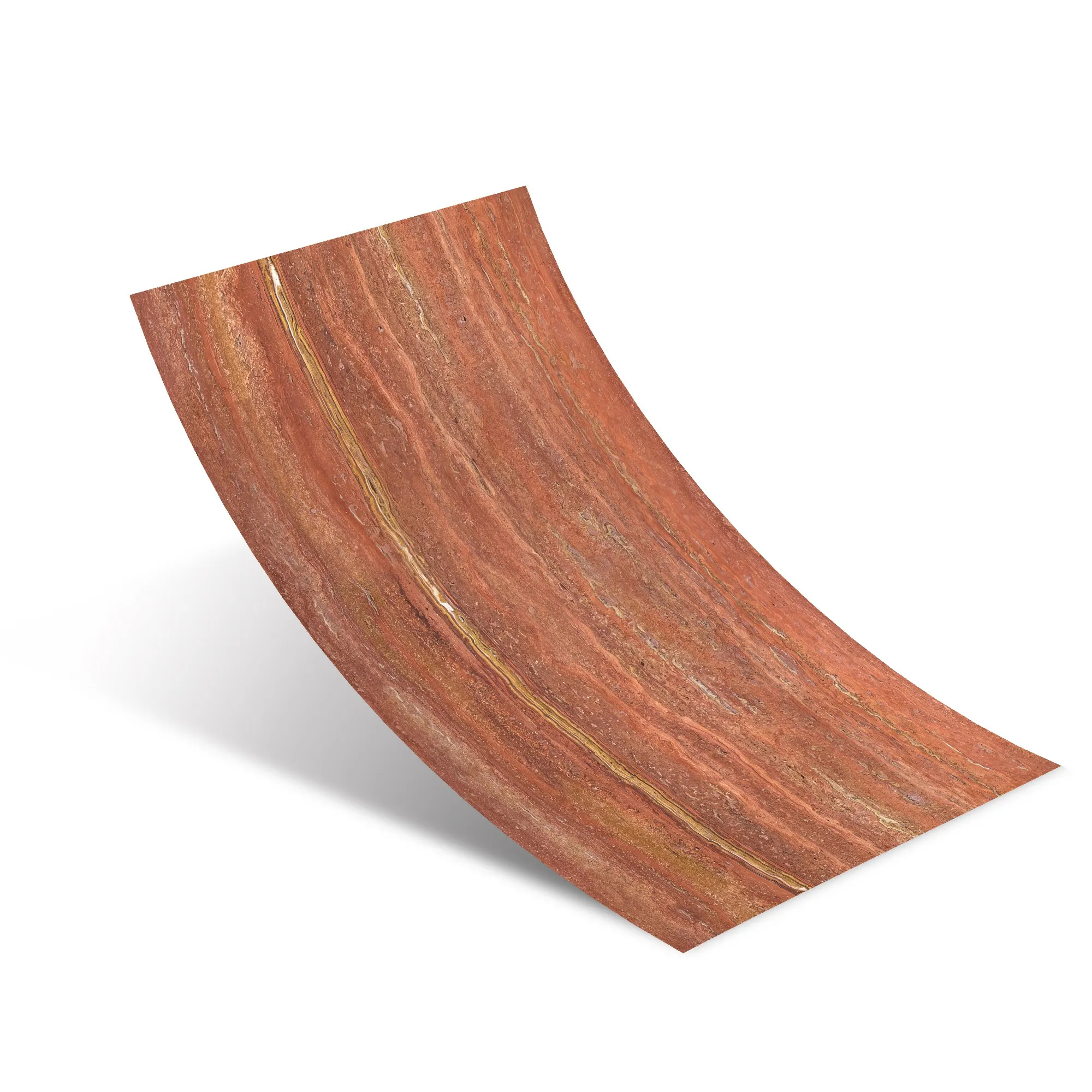
Religious buildings are built to outlast generations, and their materials must rise to that challenge. Red Travertine MCM is engineered for longevity: resistant to moisture, UV rays, and temperature fluctuations, it stands firm against rain, snow, and the relentless passage of time. Unlike wood, it won't rot or warp; unlike paint, it won't fade or peel. In a world where so much is disposable, this durability is an act of reverence—an promise that the spaces we build today will still cradle faith tomorrow.
Sustainability, too, is a sacred duty. Modern religious communities increasingly seek materials that honor the earth as a gift, and Red Travertine MCM delivers. Its production process minimizes waste, often incorporating recycled stone dust and eco-friendly binders. Its lightweight nature also reduces transportation emissions, and its longevity means fewer replacements over time—lowering the carbon footprint of sacred buildings in the long run. For faiths that teach stewardship of creation, this alignment between material and mission is profound.
Acoustics, often overlooked, are vital in sacred spaces. Whether it's the echo of a psalm, the chant of a mantra, or the silence of meditation, sound shapes the spiritual experience. Red Travertine MCM's porous structure naturally absorbs and diffuses sound, reducing harsh reverberations and creating a warm, enveloping acoustic environment. In a chapel, this means hymns feel more intimate; in a mosque, the call to prayer resonates with clarity; in a temple, whispered prayers don't get lost in the air. It's a material that doesn't just shape space—it shapes how we connect with the divine.
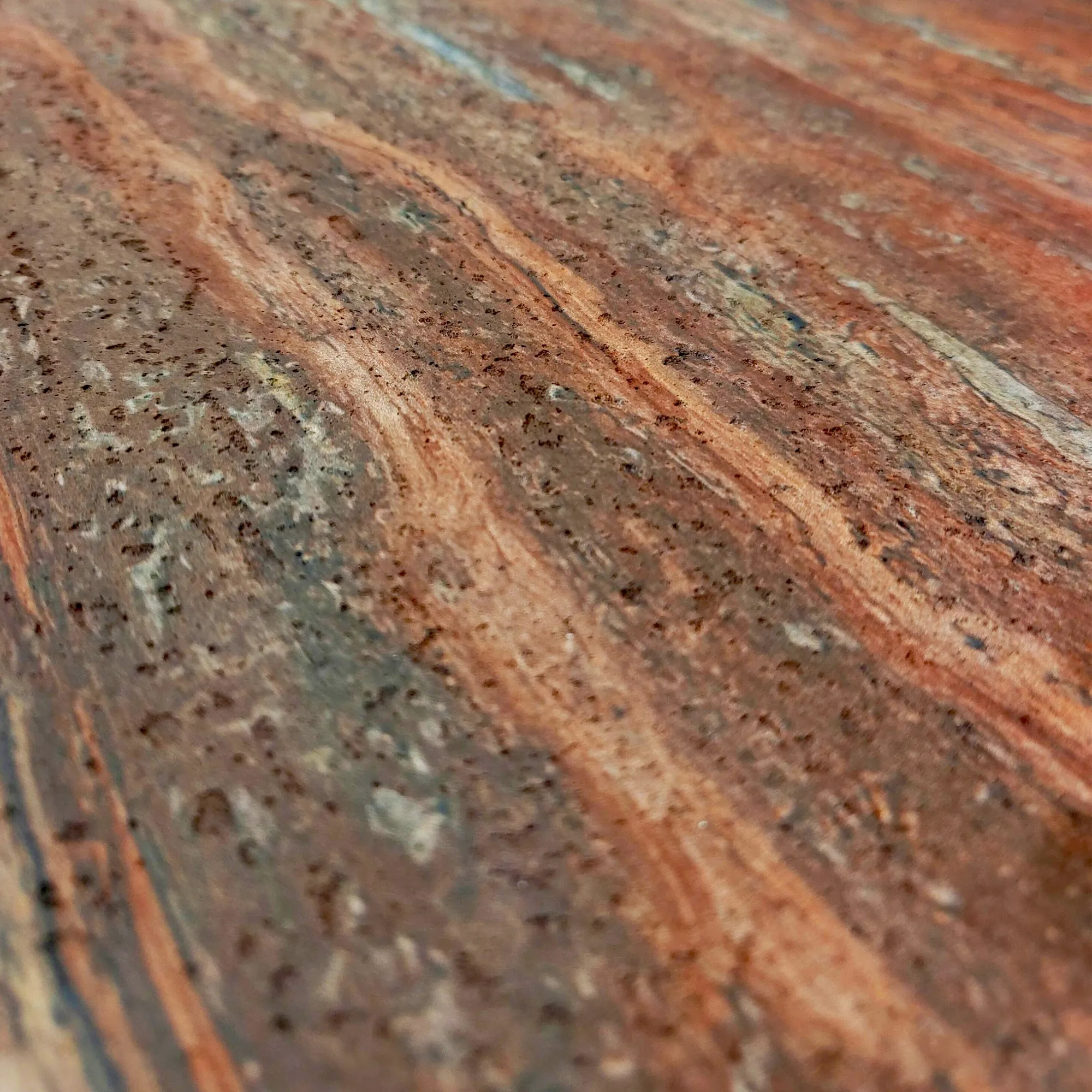
Red Travertine MCM shines brightest when paired with materials that complement its warmth and character. In sacred architecture, balance is key—between tradition and innovation, between boldness and subtlety, between the individual and the collective. Here are three materials that, when combined with Red Travertine MCM, create spaces that feel both rooted and visionary:
Fair-faced concrete , with its raw, unpolished finish, is the perfect counterpoint to Red Travertine's richness. Its cool gray tones and industrial texture ground the warmth of the red stone, creating a dialogue between earth and sky. Imagine a church narthex where Red Travertine walls frame a fair-faced concrete altar— the contrast draws the eye to the sacred center, while the concrete's simplicity echoes the humility of faith. It's a pairing that says: reverence need not be ornate; sometimes, it's found in the quiet spaces between grand gestures.
The Lunar Peak series—with its silvery, golden, and black metallic finishes—adds a touch of celestial drama to Red Travertine MCM. These materials, inspired by the moon's glow, catch light in unexpected ways: Lunar Peak silvery shimmers like moonlight on water, while Lunar Peak golden evokes the radiance of halos. Used sparingly as accents—on column capitals, architraves, or niche surrounds—they elevate Red Travertine's earthiness, reminding worshippers of the divine that transcends the material world.
Bali stone , with its rough-hewn, river-worn texture, brings an organic, tactile quality to spaces featuring Red Travertine MCM. Quarried from the volcanic landscapes of Indonesia, it carries the energy of the earth's fire—much like Red Travertine—but with a more rustic, weathered character. Together, they create a narrative of journey: Bali stone as the ancient, primal ground of faith, and Red Travertine as the refined, intentional expression of that faith. In a temple courtyard, for example, Bali stone pathways could lead to a Red Travertine sanctuary, guiding worshippers from the chaos of the world into the peace of the sacred.
| Material | Aesthetic Character | Key Benefit for Religious Use | Sustainability | Installation Flexibility |
|---|---|---|---|---|
| Red Travertine MCM | Warm red hues, natural veining, organic texture | Evokes sacred symbolism; enhances acoustic warmth | High (recycled content, low-waste production) | Excellent (lightweight, flexible, adaptable to curves) |
| Fair-faced Concrete | Raw, minimalist gray; industrial texture | Creates serene, meditative spaces; durable | Moderate (can include recycled aggregates) | Good (moldable, but heavier than MCM) |
| Lunar Peak Series | Metallic (silver, gold, black); reflective finish | Adds celestial accents; draws focus to sacred elements | Moderate (depends on alloy sourcing) | Good (thin panels, suitable for accents) |
| Bali Stone | Earthy, weathered texture; warm neutrals | Evokes primal, ancient spirituality; tactile appeal | High (natural stone, minimal processing) | Moderate (heavier, best for flat surfaces) |
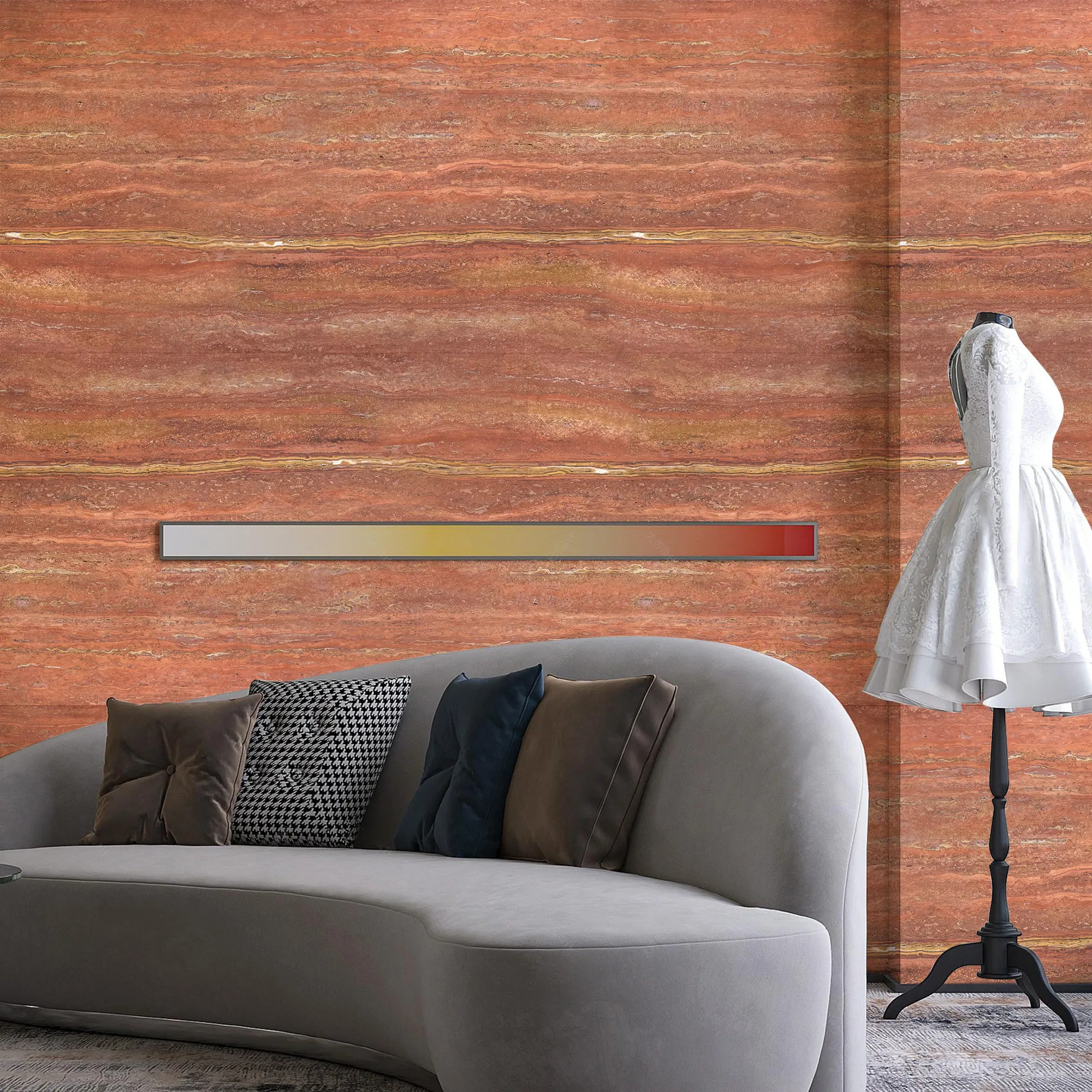
The versatility of Red Travertine MCM makes it suitable for every corner of sacred architecture, from the most intimate chapels to the grandest cathedrals. Here are a few ways it can transform religious spaces:
In a church sanctuary, Red Travertine MCM walls become a backdrop for worship. When paired with stained glass, the stone catches and softens colored light, bathing the space in a warm, otherworldly glow. Its natural texture also plays with shadow—during morning prayers, sunlight filters through windows, casting patterns that seem to dance across the stone, as if the divine is present in the details. For a more modern touch, combining Red Travertine with Lunar Peak silvery panels along the ceiling creates a "starlit sky" effect, turning evening services into a journey under the cosmos.
The mihrab, the niche indicating the direction of Mecca, is the spiritual heart of a mosque. Cladding it in Red Travertine MCM infuses this sacred space with warmth and focus. The stone's red hue, symbolic of divine love in Islamic tradition, draws the eye toward the qibla, while its smooth, curved edges (made possible by MCM flexibility) create a sense of embrace, as if the mihrab itself is guiding worshippers toward prayer. Adding Bali stone accents around the mihrab introduces earthy texture, grounding the space in the natural world—a reminder of Allah's creation.
Outdoor spaces matter too. A temple courtyard paved with Red Travertine MCM and Fair-faced concrete creates a journey for pilgrims. The warm red stone marks the main path, while cool concrete sections denote resting areas or meditation spots. Along the way, Lunar Peak golden markers embedded in the stone guide visitors toward shrines, their metallic sheen catching the sun like offerings. The stone's durability ensures the courtyard withstands rain, foot traffic, and the test of time, becoming a living map of faith for generations of worshippers.
In the end, sacred architecture is about legacy—the stories we tell through stone, the faith we pass down through spaces, the communities we bind together through shared ritual. Red Travertine MCM is more than a building material; it's a storyteller. It carries the warmth of ancient traditions in its red veins, the ingenuity of modern engineering in its flexible core, and the promise of sustainability in its eco-friendly soul.
As religious communities evolve—embracing diversity, adapting to new needs, and seeking to live more lightly on the earth—materials like Red Travertine MCM become partners in that journey. They allow us to build spaces that honor the past without being trapped by it, that embrace the future without losing sight of what matters. They remind us that faith, like stone, is both enduring and alive—shaped by time, but always capable of new forms.
So let us build with intention. Let us choose materials that don't just stand the test of time, but enrich it. Let Red Travertine MCM be more than a part of our sacred buildings; let it be a part of the stories we tell, the prayers we offer, and the legacy we leave for those who will kneel, chant, and worship in these spaces long after we are gone. In the end, that is the highest purpose of any material: to cradle faith, and in doing so, become sacred itself.
Recommend Products











