

In the heart of Saudi Arabia, where the desert sun meets the ambition of a nation, residential developments are undergoing a remarkable transformation. Today's Saudi homeowners aren't just looking for houses—they're seeking spaces that honor their cultural roots while embracing the future. From the bustling compounds of Riyadh to the coastal villas of Jeddah, there's a growing demand for materials that don't just build walls, but create stories. Enter Red Travertine MCM: a cladding solution that's quickly becoming the cornerstone of modern Saudi homes, blending the earthy richness of local landscapes with the precision of global engineering. But what makes this material stand out in a market flooded with options? It's simple: Red Travertine MCM isn't just a product—it's a bridge between local expertise and world-class quality, designed to thrive in Saudi Arabia's unique climate and reflect the pride of its people.
Walk through any new residential project in Saudi Arabia, and you'll notice a striking duality. On one hand, there's a deep reverence for tradition—architectural elements that echo the mud-brick walls of old Najdi forts, the intricate patterns of Bedouin textiles, and the warm, earthy tones of the desert. On the other hand, there's an unapologetic embrace of modernity: clean lines, open floor plans, and smart home technologies that cater to a global lifestyle. This balance isn't just aesthetic; it's a reflection of the Saudi identity today—proud of its past, confident in its future.
For developers and architects, this duality presents a challenge: finding materials that can keep up. Traditional stone, while beautiful, often struggles with Saudi Arabia's harsh climate—scorching summers, occasional sandstorms, and rapid temperature fluctuations can cause cracking, fading, or water damage. Meanwhile, generic modern materials often feel cold, lacking the soul that makes a house feel like a home. That's where Red Travertine MCM steps in. It's a material that speaks both languages: the warmth of natural stone and the resilience of cutting-edge engineering.
Consider the numbers: Saudi Arabia's residential construction sector is projected to grow by 5.2% annually through 2027, driven by government initiatives like Vision 2030, which prioritizes affordable housing and sustainable urban development. With millions of new homes in the pipeline, the demand for durable, aesthetically versatile, and culturally resonant materials has never been higher. Red Travertine MCM isn't just meeting this demand—it's setting a new standard.
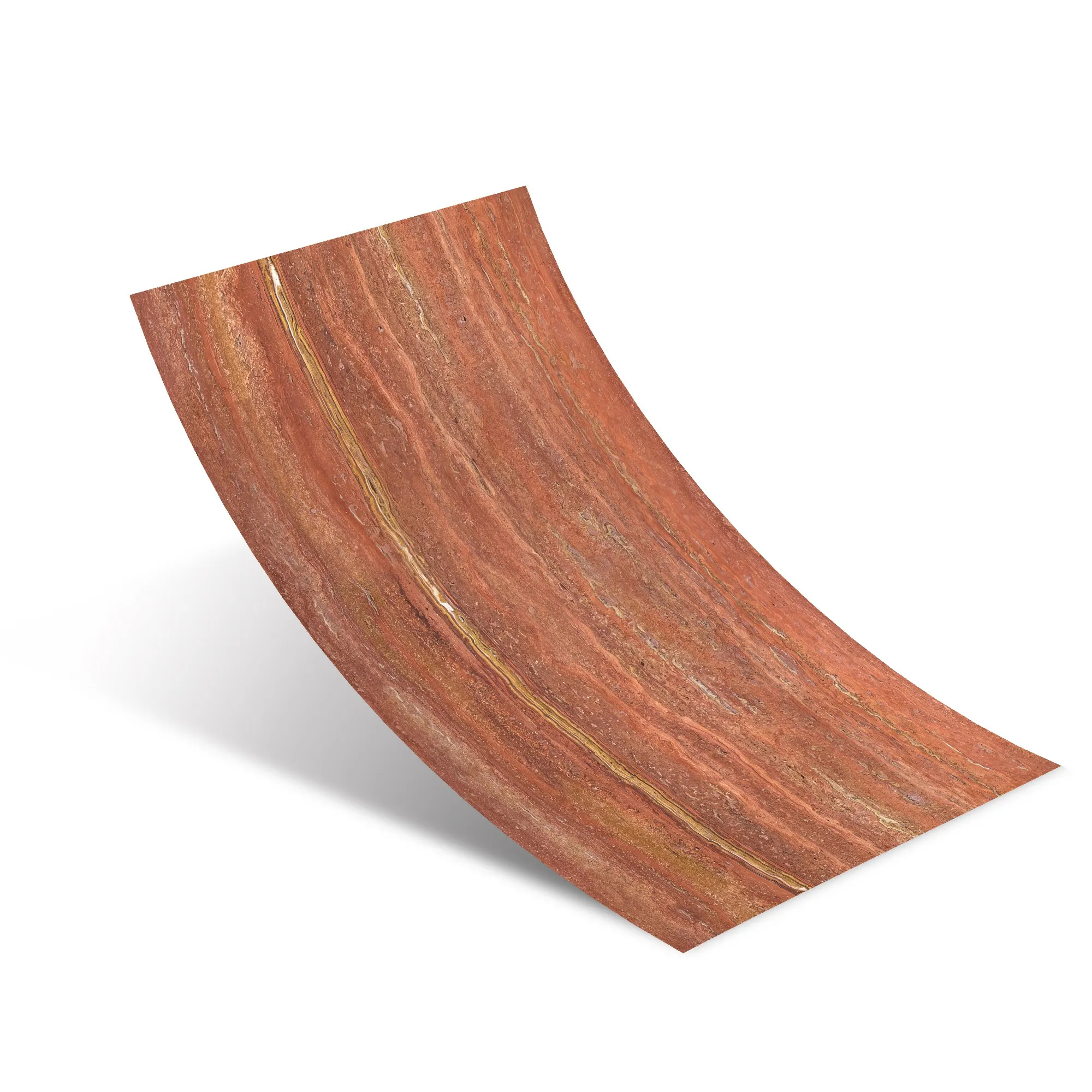
Let's start with the basics: what exactly is Red Travertine MCM? At its core, MCM stands for Modified Composite Material—a innovative cladding solution that marries the visual appeal of natural stone with the practical benefits of modern composites. Red Travertine MCM takes this a step further by replicating the look of natural red travertine, a stone historically prized for its warm, honeyed hues and unique veining. But unlike natural travertine, which is heavy, porous, and prone to wear, Red Travertine MCM is engineered for performance.
Imagine the rich, terracotta tones of Red Travertine—reminiscent of the desert at sunset, or the red sandstone cliffs of Madain Saleh. Now, imagine that same beauty wrapped in a material that's lightweight (up to 70% lighter than natural stone), water-resistant, and fire-retardant. That's Red Travertine MCM. It's made by layering natural stone particles with a high-strength polymer matrix, creating a panel that's not only durable but also flexible enough to be installed on curved surfaces—a game-changer for architects looking to add dynamic shapes to their designs.
But what truly sets Red Travertine MCM apart is its ability to tell a story. In Saudi culture, color carries deep meaning: red symbolizes strength, vitality, and the land itself. When used in residential exteriors or interiors, Red Travertine MCM doesn't just decorate a space—it connects it to the country's landscape and heritage. A villa clad in Red Travertine feels grounded, as if it has grown from the Saudi soil, even as its sleek finish signals modernity.
And let's talk about performance—because in Saudi Arabia, that's non-negotiable. Red Travertine MCM is designed to withstand temperatures up to 80°C (176°F), making it ideal for the scorching summer months. Its low water absorption rate (less than 1%) means it resists mold and mildew, even in the humid coastal areas like Jeddah. Plus, its resistance to UV radiation ensures that those vibrant red hues won't fade over time, keeping homes looking fresh for decades. For homeowners tired of repainting or repairing traditional cladding, this is a revelation.
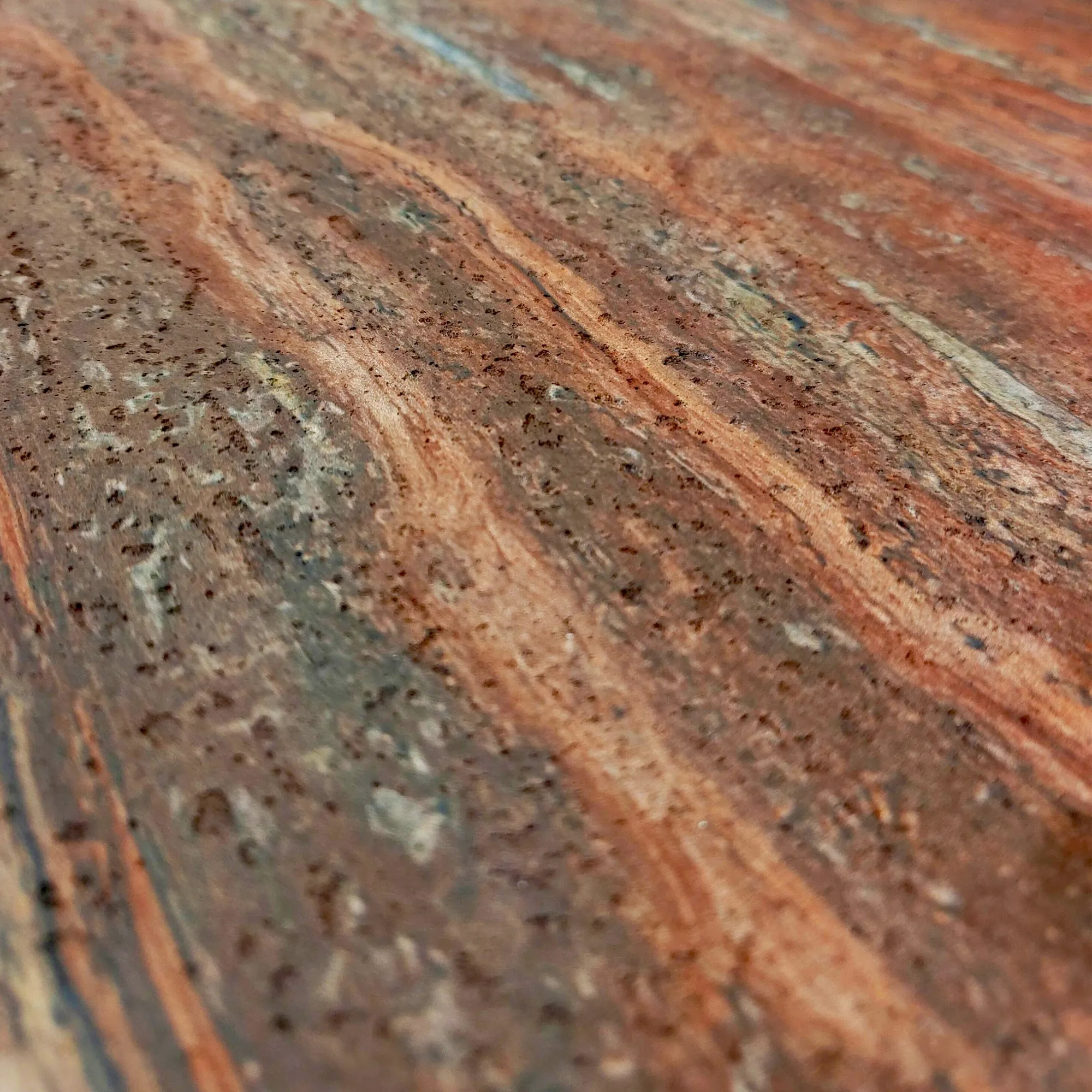
A material can only be great if it's designed with the end user in mind—and that's where local expertise comes into play. Red Travertine MCM isn't just imported from abroad and adapted; it's developed with a deep understanding of Saudi Arabia's unique needs. Manufacturers have worked closely with local architects, contractors, and homeowners to refine the product, ensuring it addresses everything from climate challenges to cultural preferences.
Take installation, for example. Saudi construction projects often face tight deadlines, especially in fast-growing cities like Riyadh and Dammam. Red Travertine MCM panels are lightweight and easy to handle, reducing installation time by up to 40% compared to natural stone. This isn't just a convenience—it's a cost-saver, allowing developers to stay on schedule and within budget. Local contractors appreciate this: "We used to spend days installing natural stone cladding," says a Riyadh-based construction manager. "With Red Travertine MCM, we can clad an entire villa facade in a weekend. It's transformed our workflow."
Cultural resonance is another area where local expertise shines. The red hue of Red Travertine MCM isn't arbitrary; it's inspired by the Saudi landscape—from the red dunes of the Rub' al Khali to the terracotta soils of the Asir region. Manufacturers even offer custom finishes, such as a "sanded" texture that mimics the feel of desert sand, adding a tactile element that resonates with Saudi homeowners. It's these small, thoughtful details that make Red Travertine MCM feel less like a product and more like a partner in creating homes that reflect Saudi identity.
And let's not forget about availability. With production facilities in the GCC region, Red Travertine MCM is readily accessible, reducing lead times and transportation costs. This local presence also means faster support: if a project needs custom cuts or technical advice, a team of experts is just a phone call away. In a market where delays can cost millions, this level of responsiveness is invaluable.
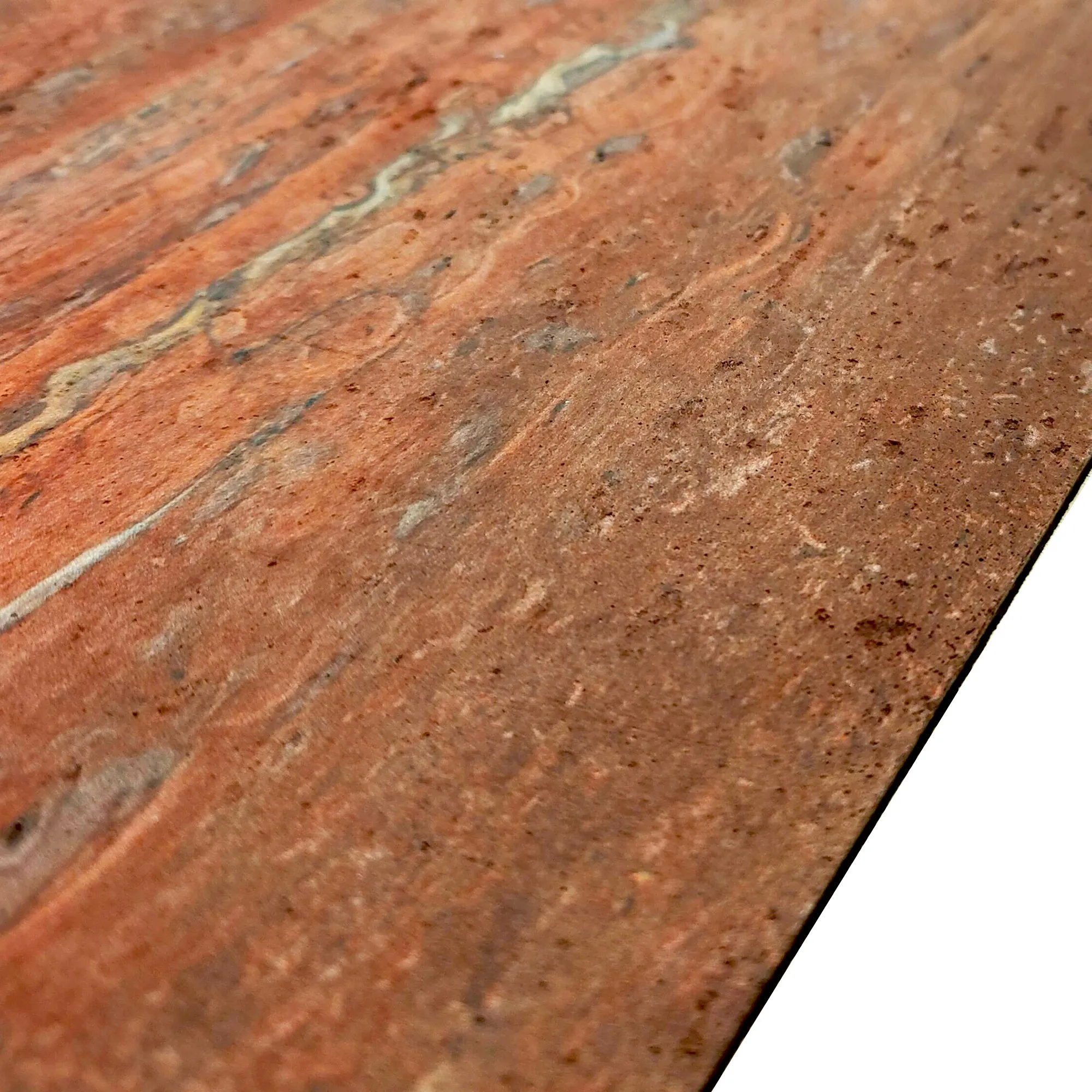
Local expertise is crucial, but global quality ensures that Red Travertine MCM doesn't just meet Saudi expectations—it exceeds them. This material isn't just built for the desert; it's built to compete on the world stage, adhering to international standards that guarantee performance, safety, and sustainability.
Let's start with certifications. Red Travertine MCM is certified by the International Code Council (ICC) and meets the rigorous standards of the Gulf Organization for Industrial Consulting (GOIC). It's also LEED-compliant, making it a favorite among developers focused on sustainable building practices. For Saudi homeowners, this means peace of mind: they're investing in a material that's been tested and approved by some of the most respected bodies in the construction industry.
Sustainability is another area where global quality shines. Traditional stone quarrying is resource-intensive, often leading to deforestation and habitat destruction. Red Travertine MCM, by contrast, uses recycled stone particles and low-VOC (volatile organic compound) adhesives, reducing its environmental footprint. It also contributes to energy efficiency: its thermal insulation properties help keep homes cool in summer and warm in winter, lowering energy bills—a significant benefit in a country where air conditioning costs can be steep.
Then there's innovation. The technology behind Red Travertine MCM is constantly evolving, driven by global research and development. Recent advancements include enhanced UV resistance (to combat Saudi's intense sunlight) and improved impact resistance (to withstand sandstorms). These innovations aren't just about keeping up with trends—they're about anticipating the needs of Saudi homeowners for years to come.
To put it simply: Red Travertine MCM offers the best of both worlds. It's rooted in local understanding, so it works for Saudi homes, and backed by global standards, so it's trusted by architects and developers worldwide.
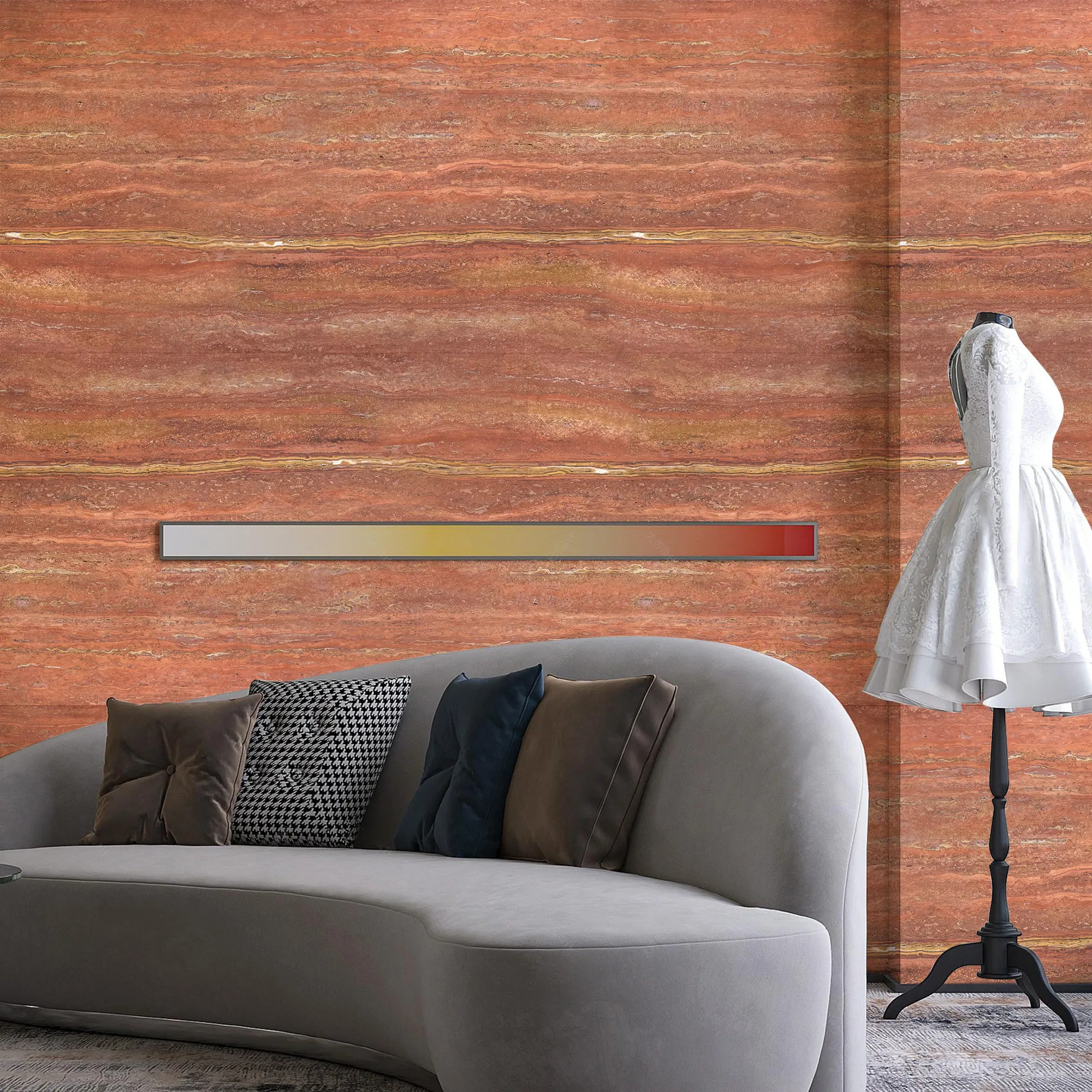
No single material defines a home—great design is about balance. Red Travertine MCM shines brightest when paired with complementary materials that enhance its strengths and add depth to a space. Let's explore how it works with a few popular options in Saudi residential design, including Fair-faced Concrete and Lunar Peak Golden.
| Material | Key Features | Aesthetic Appeal | Best For | Synergy with Red Travertine MCM |
|---|---|---|---|---|
| Red Travertine MCM | Lightweight, fire-retardant, UV-resistant, 70% lighter than natural stone | Warm red/terracotta tones, natural veining, earthy texture | Exteriors, feature walls, pool surrounds | Anchor material; sets a warm, heritage-inspired base |
| Fair-faced Concrete | Durable, low-maintenance, industrial-chic look | Sleek, gray, minimalist; raw, unfinished texture | Accent walls, outdoor patios, modern interiors | Creates contrast: Red Travertine's warmth softens concrete's coolness |
| Lunar Peak Golden | Metallic finish, weather-resistant, reflective properties | Shimmering gold tones, iridescent surface | Trim, decorative elements, entryways | Adds luxury: Gold accents elevate Red Travertine's earthiness |
Take Fair-faced Concrete, for example. Its cool, gray, industrial vibe is a stark contrast to Red Travertine MCM's warmth, creating a dynamic visual tension that feels both modern and grounded. Imagine a villa exterior where Red Travertine MCM clads the main walls, while Fair-faced Concrete frames the windows and doorways—the result is a home that feels strong yet inviting, modern yet connected to the land.
Then there's Lunar Peak Golden, a metallic cladding material with a shimmering, almost celestial finish. When used as trim alongside Red Travertine MCM, it adds a touch of luxury—think golden accents on a red desert backdrop, evoking the way sunlight glints off sand at noon. In Saudi culture, gold symbolizes prosperity and prestige, making this pairing particularly resonant for high-end residential projects.
Even wood elements (like bamboo or teak) work beautifully with Red Travertine MCM. The wood's organic grain complements the stone's veining, creating a space that feels like a retreat into nature—perfect for Saudi families who value outdoor living. Whether it's a wooden pergola over a Red Travertine-clad patio or a teak dining set against a Red Travertine feature wall, the combination feels effortless and harmonious.
Let's move from theory to practice. How are Saudi homeowners and architects actually using Red Travertine MCM? The answer: in ways that surprise and delight, proving that this material isn't just versatile—it's transformative.
Another popular application is interior feature walls. In a Jeddah beachfront villa, Red Travertine MCM was used in the living room, creating a focal point behind the sofa. The warm red tones balance the cool blues of the ocean views, making the space feel cozy even on the hottest days. "It's like bringing a piece of the desert indoors," the homeowner shares. "Guests always comment on how the wall makes the room feel alive."
Red Travertine MCM is also making waves in sustainable housing projects. In a Riyadh compound focused on eco-friendly living, developers chose Red Travertine MCM for its thermal insulation properties. "We calculated that using Red Travertine MCM reduced our cooling costs by 15% compared to traditional stone," says the project manager. "That's a big deal in Riyadh, where summer electricity bills can be astronomical. Plus, the material's low environmental impact aligned with our sustainability goals."
Even pool surrounds are getting the Red Travertine MCM treatment. Its slip-resistant texture and water resistance make it ideal for wet areas, while its warm tones create a resort-like atmosphere. "Our pool area used to be all white tiles, which got slippery and looked sterile," says a homeowner in Dhahran. "After switching to Red Travertine MCM, it feels like a luxury retreat. The kids love it, and we don't worry about accidents anymore."
As Saudi Arabia continues to grow and evolve, so too will its residential landscape. Vision 2030's focus on sustainable cities, affordable housing, and cultural preservation is driving demand for materials that can keep pace—and Red Travertine MCM is poised to lead the way.
One trend to watch is the rise of "heritage-modern" design—a style that blends traditional Saudi architectural elements (like mashrabiyas, courtyards, and earthy colors) with modern materials and technology. Red Travertine MCM fits perfectly here, offering the look of traditional stone without the drawbacks. We're already seeing architects use it to recreate the look of old Najdi walls in new villas, adding a layer of history to contemporary spaces.
Sustainability will also play a bigger role. As Saudi homeowners become more environmentally conscious, materials like Red Travertine MCM—with its recycled content, energy efficiency, and long lifespan—will become even more attractive. Developers are already incorporating it into green building certifications, and we expect to see it featured in more net-zero energy homes in the coming years.
And let's not forget about customization. As technology advances, Red Travertine MCM is becoming even more versatile. Imagine being able to choose from a range of red hues—from deep burgundy to soft terracotta—or custom veining patterns that mimic specific Saudi landscapes. Manufacturers are already experimenting with digital printing technologies to create one-of-a-kind designs, giving homeowners the ability to truly personalize their spaces.
In the end, Red Travertine MCM isn't just a material—it's a symbol of Saudi progress. It represents the country's ability to honor its past while embracing the future, to blend local expertise with global quality. As more Saudi homes rise across the kingdom, we're confident that Red Travertine MCM will be there, telling stories of heritage, resilience, and beauty—one panel at a time.
In the world of Saudi residential development, every material choice is a statement. It says something about who we are, where we come from, and where we're going. Red Travertine MCM makes a powerful statement: that we can build homes that are both rooted in our heritage and ready for the future.
It's lightweight, but it carries the weight of tradition. It's modern, but it feels timeless. It's global in quality, but deeply local in spirit. For Saudi homeowners, architects, and developers, that's the perfect balance.
So the next time you pass a new villa in Riyadh or a compound in Jeddah, take a closer look at the walls. If they're clad in warm, earthy red tones that seem to glow in the sun, chances are you're looking at Red Travertine MCM—a material that's not just building homes, but building a legacy.
Recommend Products











