

Dubai's skyline is a testament to human ambition—where desert dunes once stretched endlessly, glass, steel, and stone now climb toward the sun. But behind the glittering facades of its commercial giants lies a silent battle: the unforgiving desert climate. Blistering temperatures that soar past 45°C, sandstorms that grind against surfaces, and relentless UV rays that fade even the boldest hues—these are the daily trials of building in a landscape where nature demands resilience as fiercely as architects demand beauty. Enter Red Travertine MCM, a material that doesn't just survive Dubai's extremes; it thrives, turning challenges into opportunities for design excellence. Let's dive into how this innovative cladding solution is redefining commercial architecture in the city of superlatives.
To understand why Red Travertine MCM is making waves, we first need to grasp the hurdles Dubai's commercial buildings face. Imagine standing on Sheikh Zayed Road at noon in July: the asphalt radiates heat, the air shimmers, and even the most modern skyscrapers feel the strain. Daytime temperatures regularly breach 45°C, while nights can drop to 25°C—a swing that causes materials to expand and contract, weakening structures over time. Then there are the sandstorms, which hurl abrasive particles at building exteriors, scratching finishes and clogging crevices. Add coastal humidity (yes, Dubai is on the sea) and year-round UV exposure, and you have a recipe for material failure.
For commercial projects—where first impressions matter as much as functionality—this is a double bind. Developers want buildings that dazzle,ing tenants and visitors, but those buildings must also stand the test of time without constant, costly repairs. Traditional materials often fall short: natural stone is heavy and prone to cracking in temperature swings; painted surfaces fade within years; even concrete, while durable, can feel cold and monotonous. So, what if there was a material that offered the warmth of natural stone, the durability of engineered products, and the flexibility to adapt to Dubai's climate? That's where Red Travertine MCM comes in.
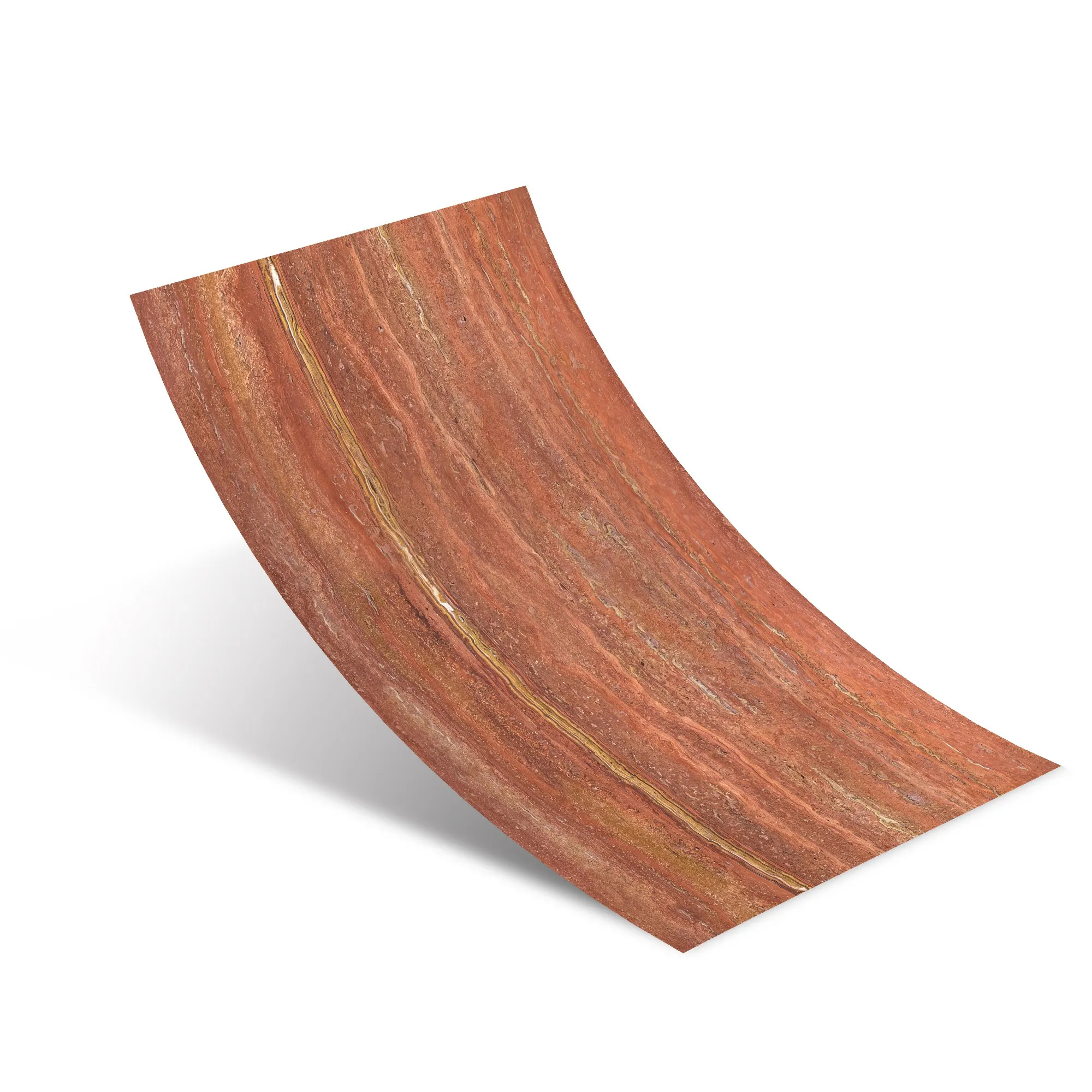
Let's start with the basics: MCM stands for Modified Composite Material, a category of cladding that's revolutionizing the construction industry. Think of it as nature and technology shaking hands: a thin layer of real stone (in this case, travertine) bonded to a lightweight, flexible backing. The result? A panel that looks and feels like natural travertine but weighs up to 70% less than solid stone. And Red Travertine MCM? It's the showstopper of the lineup—featuring rich, earthy red tones with subtle veining, reminiscent of the desert's own sunsets and the rust-red hues of Dubai's surrounding dunes.
But its beauty is more than skin deep. The magic lies in its composition. The travertine layer is sourced for its natural resistance to heat and UV radiation, while the composite backing adds flexibility, preventing cracking during temperature fluctuations. Unlike solid stone, which requires heavy structural support, Red Travertine MCM panels are thin (often 3-5mm thick) and lightweight, making them easier to transport, handle, and install. This not only cuts down on construction time but also reduces the load on building frames—a critical factor for Dubai's tall commercial towers.
And let's talk about that red color. In a city dominated by glass and steel, Red Travertine MCM adds warmth and character. It's not just a cladding material; it's a design statement. Whether used as an accent wall in a hotel lobby or as the exterior facade of an office building, its deep red tones stand out against the desert sky, creating a visual anchor that draws the eye. Architects love it because it bridges the gap between modern minimalism and organic warmth—qualities that resonate in Dubai's multicultural, forward-thinking market.
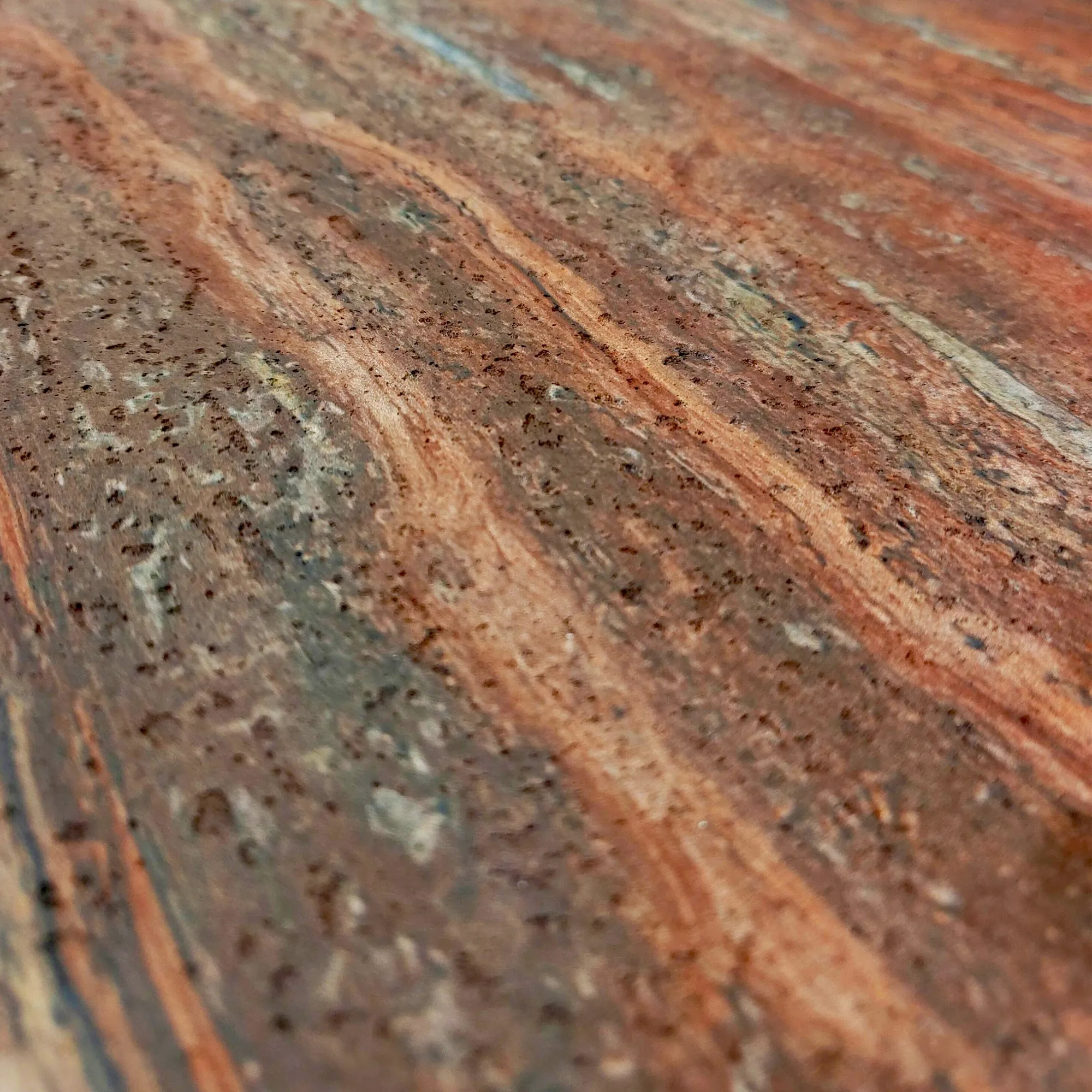
So, we know it looks good—but how does Red Travertine MCM hold up when Dubai's climate throws its worst at it? Let's break it down:
Thermal Resistance: Dubai's heat isn't just uncomfortable for people; it's tough on buildings. Excess heat absorption can drive up cooling costs, as HVAC systems work overtime to keep interiors comfortable. Red Travertine MCM, however, has a natural ability to reflect sunlight, thanks to its mineral composition. Studies have shown that buildings clad in MCM materials can reduce heat gain by up to 20% compared to traditional stone, leading to lower energy bills—a win for both developers and the environment.
UV Stability: The desert sun is merciless to colors. Painted surfaces fade, plastics degrade, but Red Travertine MCM's color runs deep. Since the red hue is part of the natural travertine layer, not a surface coating, it resists fading even after years of direct sunlight. Walk past a building clad in Red Travertine MCM five years after installation, and it will still look as vibrant as the day it was installed—a stark contrast to materials that dull over time.
Sandstorm Survival: Sandstorms in Dubai aren't just dramatic—they're destructive. Tiny sand particles act like sandpaper, wearing down surfaces. Red Travertine MCM's hard, dense travertine layer is naturally resistant to abrasion. Unlike softer materials (looking at you, painted wood), it doesn't scratch easily, and any dust or sand can be hosed off with water, leaving the surface unharmed. Maintenance crews in Dubai will tell you: simplicity is key, and Red Travertine MCM delivers.
Humidity and Salt Resistance: Dubai's coastal location means,.Red Travertine MCM's non-porous composite backing acts as a barrier, preventing moisture and salt from seeping into the panel. This reduces the risk of mold, mildew, or structural damage—common issues with porous natural stones in humid environments.
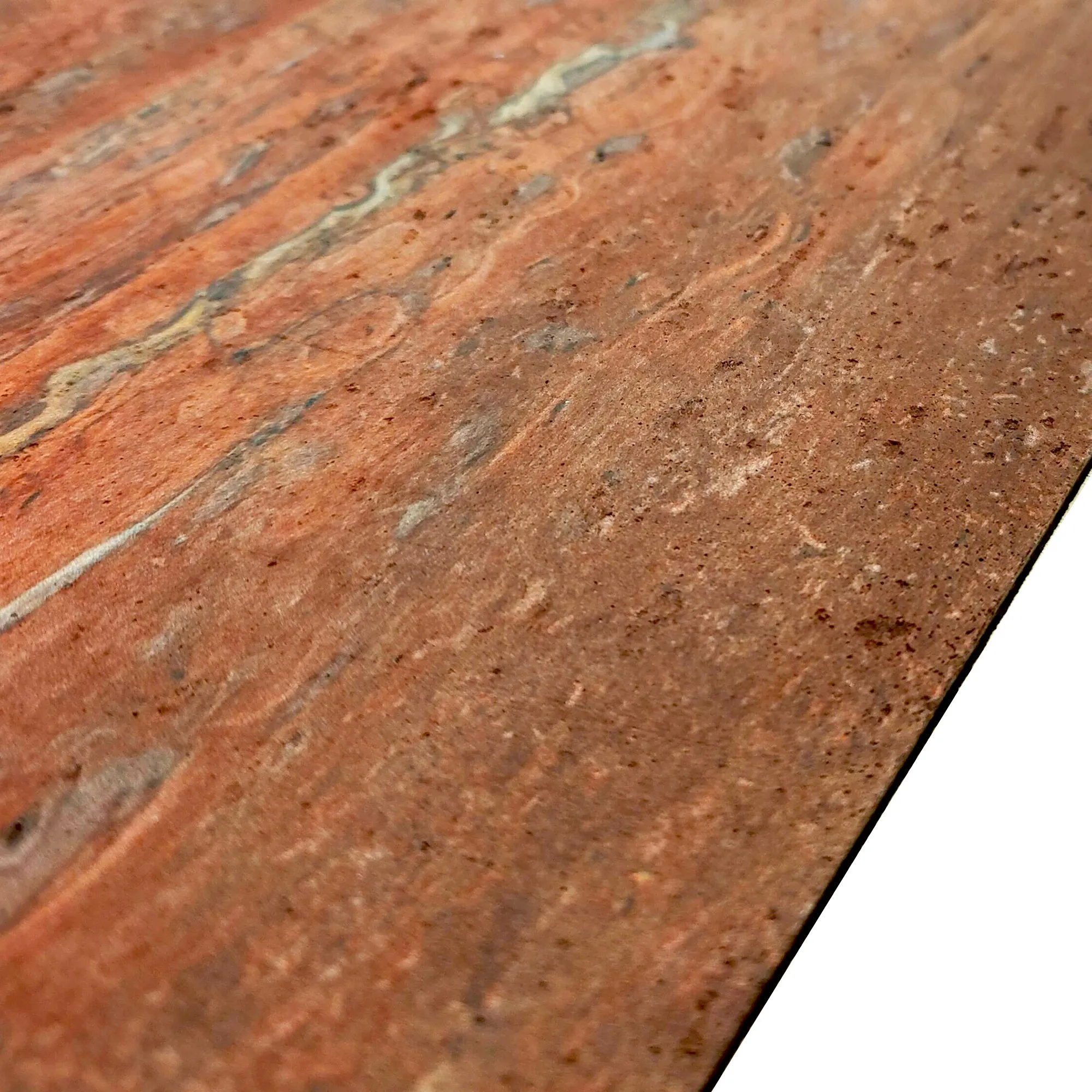
Talk is cheap; let's look at a real-world example. In 2023, the Skyline Mall, a new retail and entertainment complex in Dubai's Business Bay, chose Red Travertine MCM for its exterior facade and indoor accent walls. The goal? Create a space that felt luxurious yet rooted in the local landscape, while withstanding Dubai's climate for decades.
"We wanted something that would make the mall stand out," says Amina Khalid, the project's lead architect. "Dubai has so many glass buildings—we wanted to add warmth, something that felt connected to the desert. Red Travertine MCM was perfect. The color echoes the dunes, and the material's durability meant we wouldn't be stuck repainting or replacing panels every few years."
The results speak for themselves. Six months after opening, the mall's Red Travertine MCM facade still looks brand new. During a particularly intense sandstorm in March 2024, maintenance crews reported no visible damage—just a layer of dust that washed off with a quick pressure wash. Inside, the accent walls in the food court have become a social media hotspot, with visitors posting photos of the rich red tones against the mall's modern lighting. "It's become part of the mall's identity," Khalid adds. "People recognize us by that red facade now."
But it's not just about looks. The mall's energy bills have come in 15% lower than projected, thanks in part to the thermal resistance of the MCM panels. "That's a huge saving over time," says the mall's facilities manager, Rajiv Patel. "In Dubai, cooling costs are a major expense—any material that helps reduce that is a game-changer."
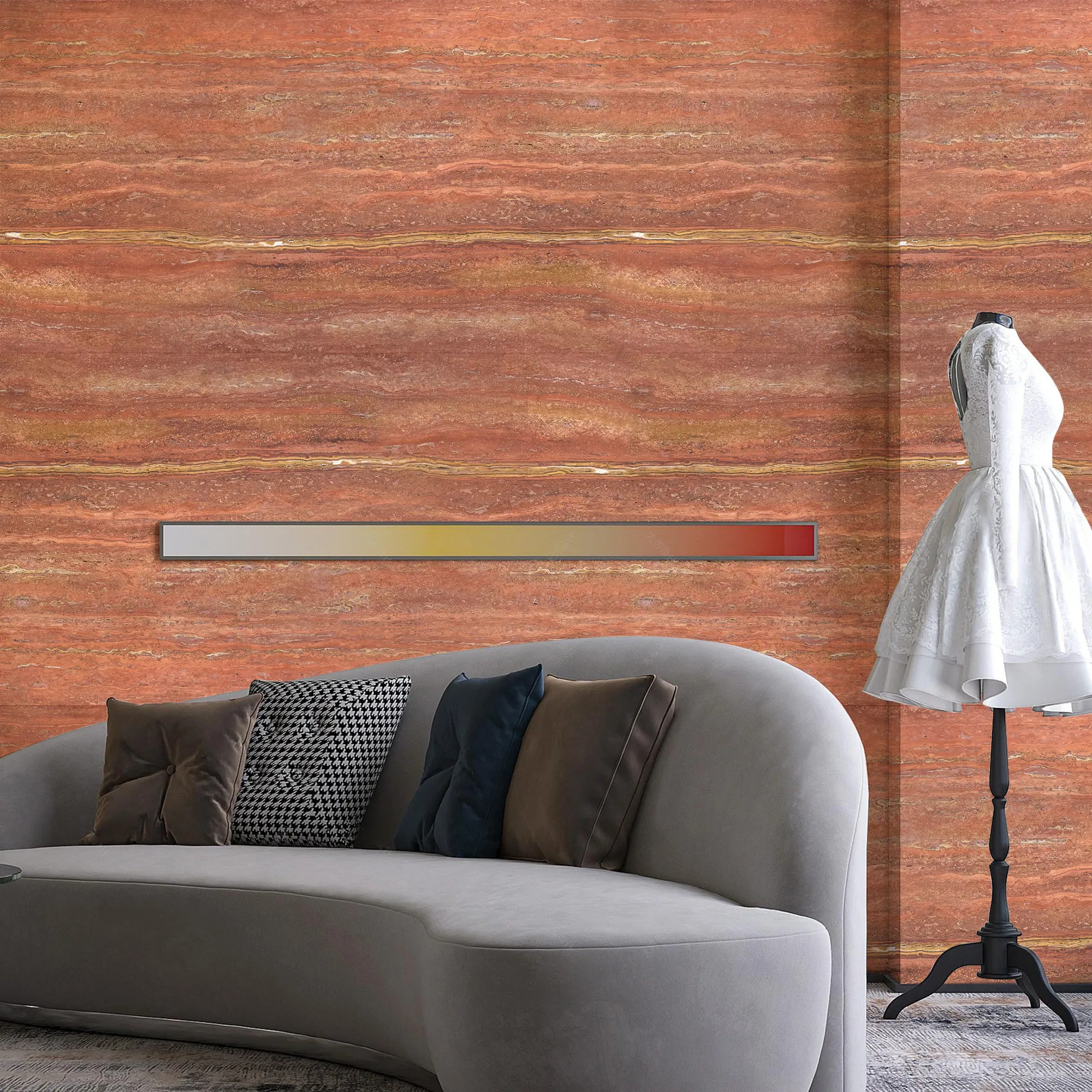
Curious how Red Travertine MCM stacks up against other popular cladding options in Dubai? Let's take a look at a few contenders:
| Material | Thermal Resistance | Weight (kg/m²) | Aesthetic Appeal | Installation Time | Maintenance Cost (Annual) |
|---|---|---|---|---|---|
| Red Travertine MCM | High (reflects 60% of sunlight) | 8-10 | Warm, natural red tones with veining | Fast (2-3 days for 100m²) | Low ($50-80/m²) |
| Fair-faced Concrete | Medium (absorbs 40% of sunlight) | 20-25 | Industrial, minimalist gray | Slow (5-7 days for 100m²) | Medium ($100-150/m²) |
| Lunar Peak Golden | High (metallic finish reflects 65% of sunlight) | 12-15 | Shiny, metallic gold | Medium (3-4 days for 100m²) | Medium-High ($120-180/m²) |
| Gobi Panel | Medium-High (textured surface scatters sunlight) | 15-18 | Rough, desert-inspired texture | Medium (4-5 days for 100m²) | Medium ($90-130/m²) |
As the table shows, Red Travertine MCM holds its own in key areas. It's lighter than concrete and Gobi Panel, making installation faster and cheaper. Its thermal resistance is on par with Lunar Peak Golden (a metallic MCM option) but offers a more organic, natural look. And when it comes to maintenance, it's one of the most cost-effective options—no need for expensive sealants or frequent repainting.
Take Fair-faced Concrete, for example. While it's a popular choice for its industrial chic, it's heavy, slow to install, and prone to staining in Dubai's dusty environment. Lunar Peak Golden, with its shiny metallic finish, looks stunning but scratches easily and requires regular polishing to maintain its luster. Gobi Panel, inspired by the Gobi Desert's rugged terrain, has great texture but lacks the warmth of Red Travertine MCM's red tones.
"We tested several materials before choosing Red Travertine MCM for the Skyline Mall," Amina Khalid recalls. "Lunar Peak was too flashy for our vision, concrete felt cold, and Gobi Panel didn't have the color depth we wanted. Red Travertine MCM hit that sweet spot—natural, durable, and beautiful."
So, you're sold on Red Travertine MCM—now what? Let's talk practicalities. Installing MCM panels is relatively straightforward, but there are a few tips to ensure success in Dubai's climate:
Installation: MCM panels are typically installed using a dry-bond system, where panels are attached to a metal frame with adhesive and mechanical fasteners. This avoids the need for wet mortar, which can be problematic in Dubai's heat (it dries too quickly). It also allows for expansion and contraction, preventing warping. "We recommend hiring installers with MCM experience," says Patel. "The key is to leave small gaps between panels to accommodate temperature changes—Dubai's day-night swings can cause materials to move, and you don't want panels buckling."
Installation time is a major plus. For a commercial building with 1,000m² of facade, a team of 4-5 installers can finish the job in 2-3 weeks—half the time it would take to install solid stone. "That's a huge advantage for developers on tight deadlines," Khalid notes. "In Dubai, time is money—any material that speeds up construction is worth considering."
Maintenance: One of the best things about Red Travertine MCM is how little care it needs. A quick rinse with water every 3-6 months is usually enough to remove dust and sand. For stubborn stains (like bird droppings), a mild detergent and soft brush will do the trick. Avoid harsh chemicals, as they can damage the travertine layer. "We've had our panels for over a year now, and we've only cleaned them twice," Patel says. "Compare that to our previous building, which had concrete panels that needed power washing every month—this is a breeze."
Long-term, the panels are designed to last 30+ years with minimal upkeep. "The composite backing is UV-stable, and the travertine layer is naturally durable," explains a representative from the MCM manufacturer. "In fact, we offer a 20-year warranty on Red Travertine MCM panels—we're that confident in their longevity."
Dubai's 2040 Urban Master Plan calls for more sustainable, resilient, and livable cities. Red Travertine MCM aligns perfectly with these goals. Its lightweight nature reduces carbon emissions during transportation and installation, and its thermal resistance lowers energy use—both key for sustainability. As the city continues to grow, we can expect to see more commercial projects adopting MCM materials, with Red Travertine leading the pack.
Architects are also getting creative with how they use Red Travertine MCM. Some are combining it with other MCM series, like the Lunar Peak Black for contrast, or the Wood Grain Board for a more organic look. Others are using it on curved surfaces—thanks to the material's flexibility—to create flowing, sculptural facades. "The possibilities are endless," Khalid says. "Red Travertine MCM isn't just a material; it's a design tool. It lets us push boundaries while keeping functionality in mind."
And it's not just commercial buildings. We're starting to see Red Travertine MCM in hospitality projects, like boutique hotels and resort lobbies, where ambiance is key. "Guests love the warmth of the red tones," says a hotel designer in Palm Jumeirah. "It creates a cozy, inviting atmosphere—something that's hard to achieve with cold glass or concrete."
In Dubai, building is an act of optimism. It's about creating structures that inspire, endure, and adapt to a climate that doesn't pull punches. Red Travertine MCM embodies that optimism. It's a material that respects the desert's power while celebrating its beauty—rich red tones that mirror the landscape, durability that laughs in the face of sandstorms, and sustainability that aligns with Dubai's future-focused vision.
Whether you're an architect designing the next iconic tower, a developer looking to reduce long-term costs, or a business owner wanting to make a statement, Red Travertine MCM offers something rare: a cladding solution that doesn't force you to choose between form and function. It's proof that in Dubai, even the toughest challenges can be turned into opportunities for innovation and beauty.
So, the next time you're driving down Sheikh Zayed Road, keep an eye out for that striking red facade. Chances are, it's Red Travertine MCM—quietly standing tall, red as the desert sunset, strong as Dubai's ambition.
Recommend Products











