

Walk into any healthcare facility, and you'll quickly realize it's more than just a place for treatment. It's a space where emotions run high—fear, hope, exhaustion, relief—and the environment plays a quiet but powerful role in shaping those feelings. For decades, healthcare design has grappled with a tough balance: prioritizing strict hygiene to prevent infections, ensuring durability to withstand constant use, and creating an atmosphere that feels calm, not clinical. Enter Red Travertine MCM —a material that doesn't just cover walls, but transforms them into tools for healing. Let's explore how this innovative cladding solution is redefining what healthcare spaces can be.
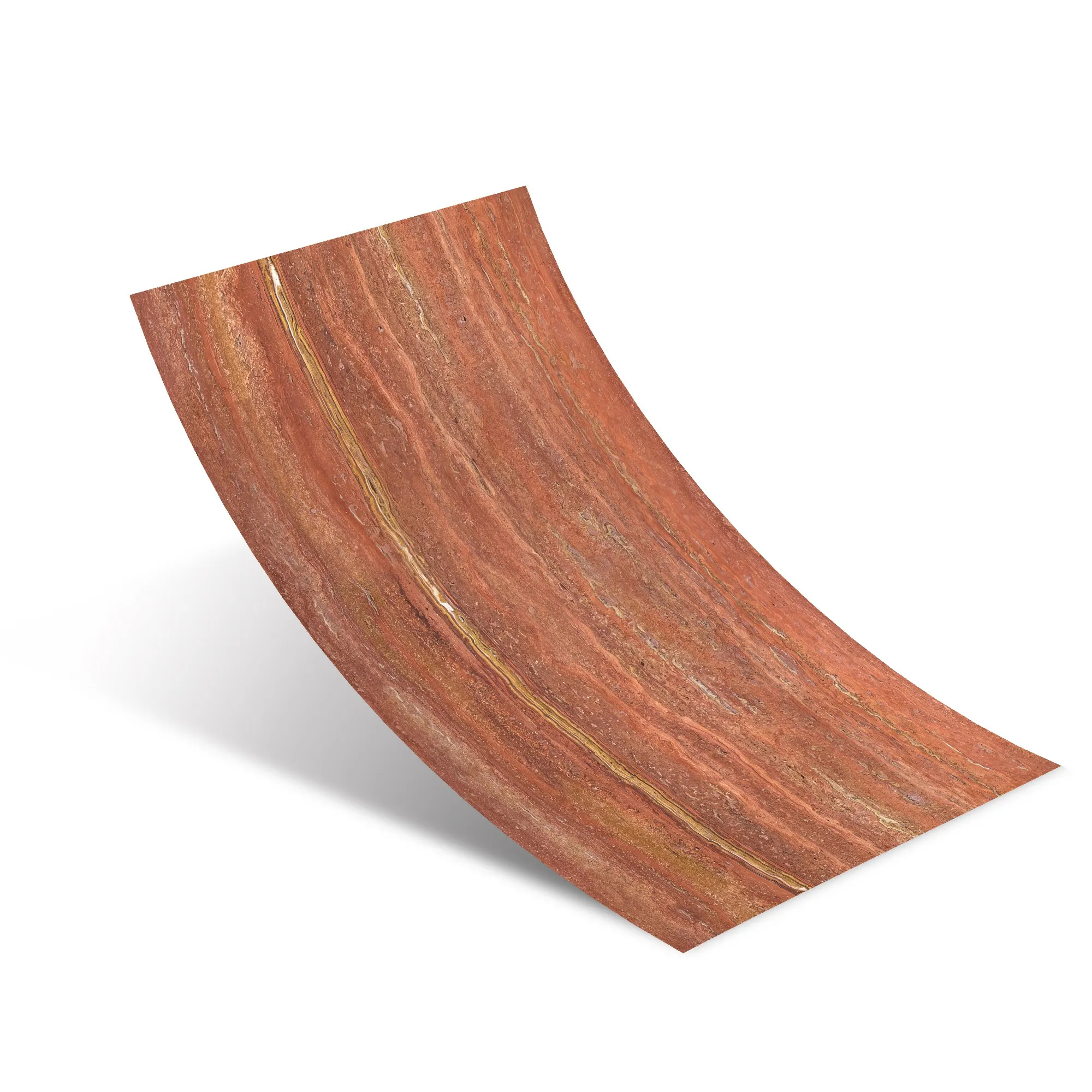
First things first: MCM stands for Modified Composite Material, a cutting-edge cladding technology that blends natural minerals with advanced polymers to mimic the look and texture of natural stone—without the weight, porosity, or maintenance headaches. Think of it as nature's beauty, reimagined for modern needs. Red Travertine MCM specifically draws inspiration from travertine, a sedimentary rock known for its warm, earthy tones and distinctive veining. But unlike traditional travertine, which can be heavy, porous, and tricky to install, this MCM variant is lightweight, flexible, and engineered for performance. Add a rich, terracotta-red hue with subtle cream or gold veins, and you get a material that feels both organic and intentional—perfect for spaces where comfort and cleanliness can't be compromised.
And let's not overlook its roots in MCM Flexible Stone technology. That "flexible" part is key. Unlike rigid stone slabs, MCM bends slightly, making it adaptable to curved walls, columns, or uneven surfaces—common in older healthcare buildings where retrofitting is often necessary. It's also thinner (usually 3-5mm thick) and lighter than natural stone, which means easier transportation, faster installation, and less strain on building structures. For healthcare facilities, where construction delays can disrupt patient care, that's a game-changer.
Let's talk about the elephant in the room: healthcare spaces are breeding grounds for bacteria. Surfaces matter—germs linger on porous materials, grout lines, and hard-to-reach corners, putting patients and staff at risk. That's why traditional design often leans into cold, sterile materials like stainless steel or plain white tiles. But here's the problem: sterile doesn't equal healing. Studies show that environments lacking warmth or natural elements can increase patient anxiety, slow recovery times, and even heighten staff burnout. Patients stuck in rooms with blank, gray walls aren't just bored—they're stressed. And stressed patients take longer to heal.
So, what's the alternative? A material that checks both boxes: hygienic enough to meet hospital-grade standards and aesthetically warm enough to feel human . Red Travertine MCM does exactly that.
Let's break down why this material is becoming a go-to for healthcare designers. It's not just about looking good—though it does that—it's about solving real-world problems.
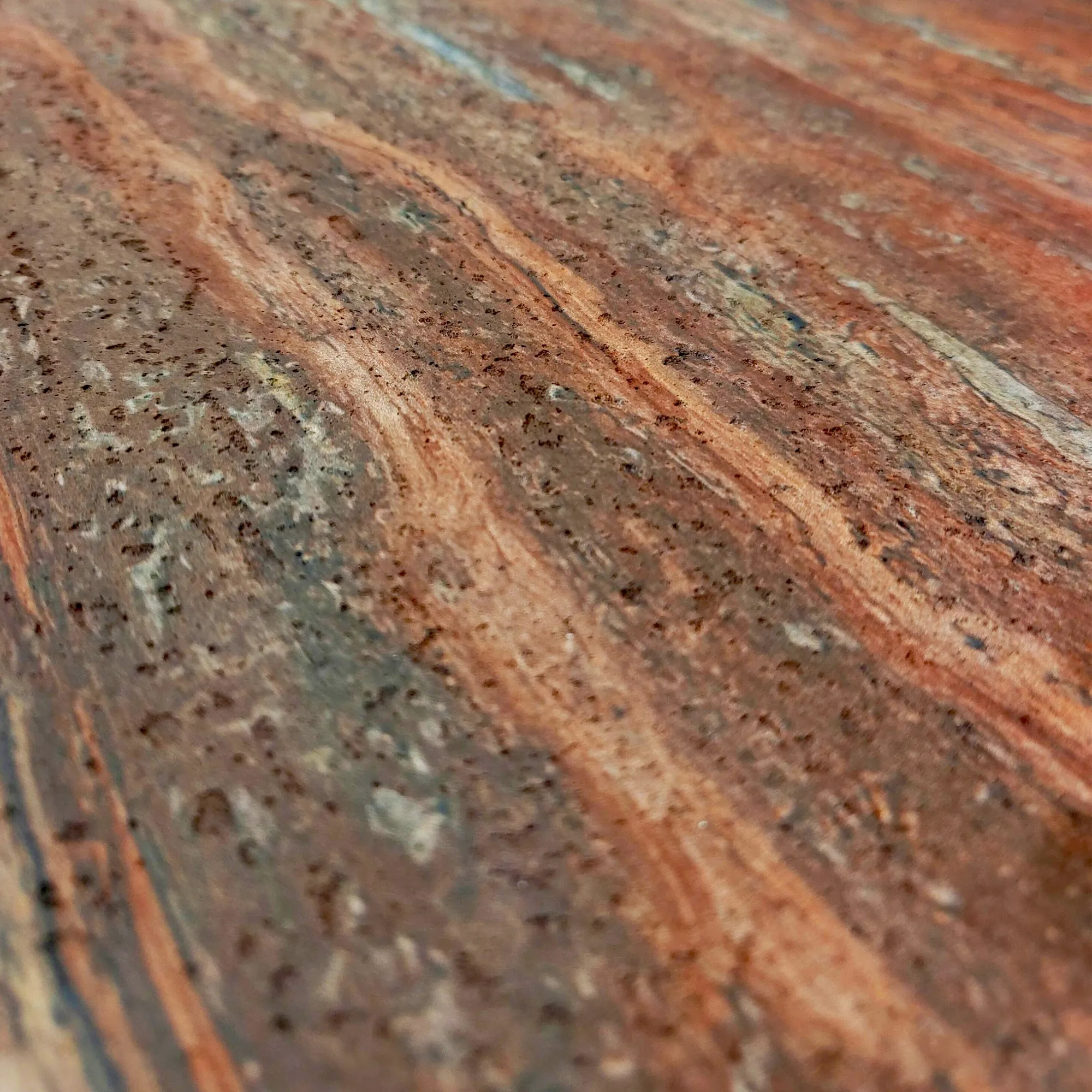
In healthcare, "easy to clean" isn't a nice-to-have—it's a requirement. Red Travertine MCM's surface is non-porous, meaning it doesn't have tiny cracks or pores where bacteria, mold, or mildew can hide. Compare that to traditional travertine, which is naturally porous and often requires sealing to prevent stains. With MCM, a quick wipe with hospital-grade disinfectants (like bleach or alcohol-based cleaners) is all it takes to keep surfaces germ-free. Nurses and cleaning staff will tell you: less time scrubbing walls means more time focusing on patient care.
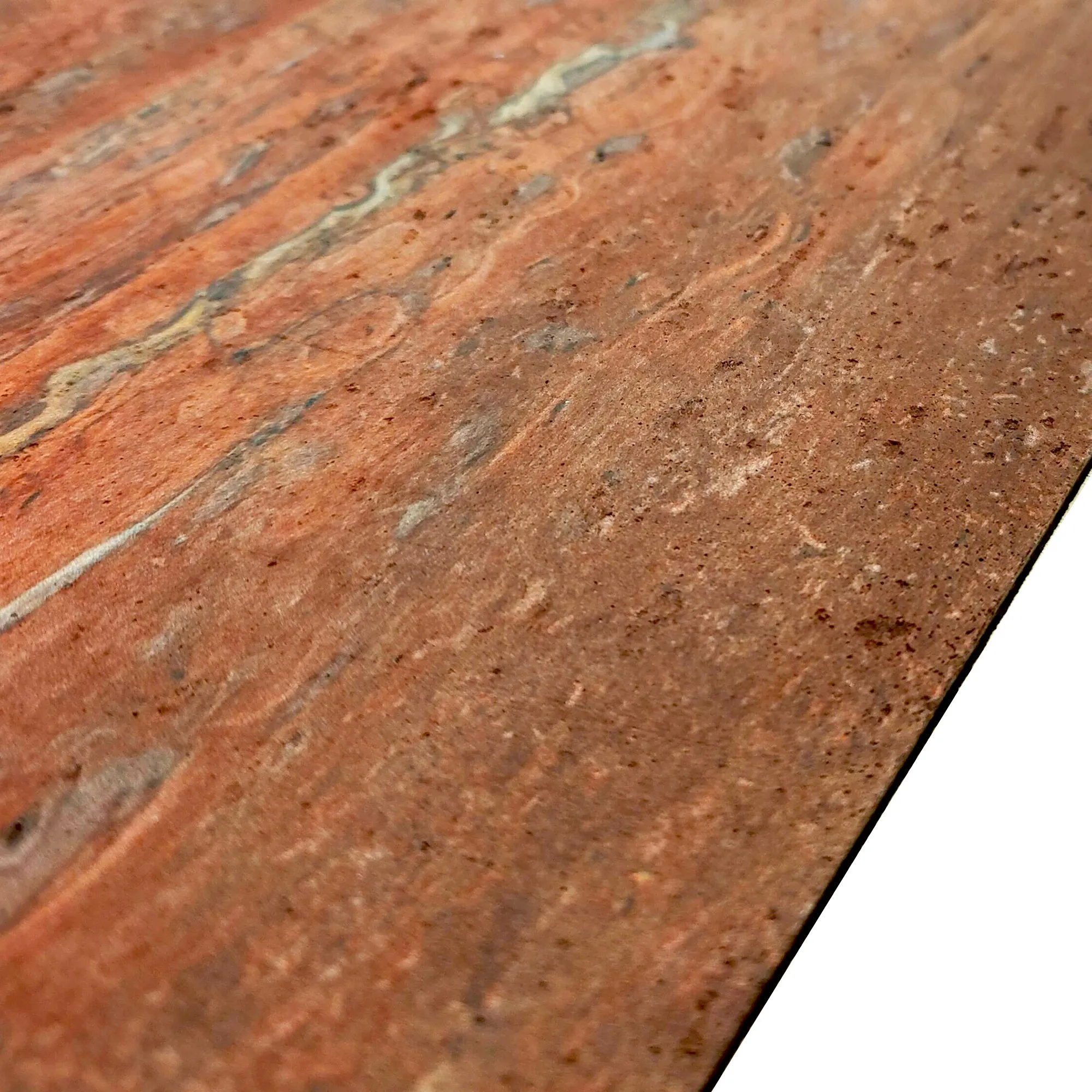
Healthcare spaces are busy—wheelchairs scraping walls, gurneys bumping corners, carts loaded with equipment rolling through corridors daily. Red Travertine MCM is scratch-resistant, impact-resistant, and fade-resistant, even with constant exposure to sunlight or harsh cleaning chemicals. Unlike painted walls that chip or wallpaper that peels, this material holds up over time, reducing the need for frequent repairs or replacements. For facilities operating on tight budgets, that durability translates to long-term cost savings.
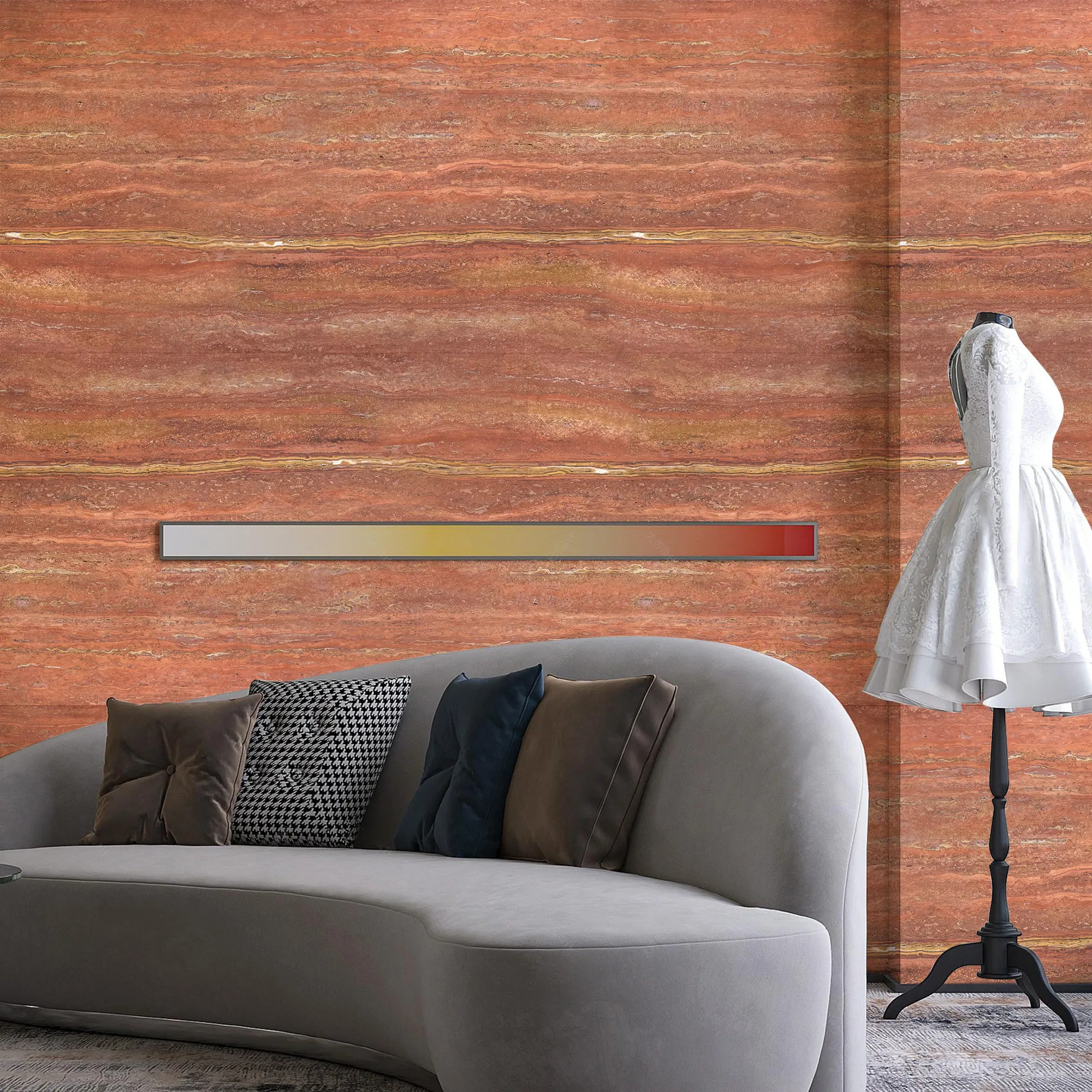
Imagine a child sitting in a waiting room, anxious about a doctor's visit. Instead of staring at blank white walls, they're looking at soft red tones that evoke warmth, like a cozy fireplace or a sunset. Red Travertine MCM's natural veining adds visual interest without being overwhelming—think gentle rivers of cream or gold running through the red, creating a sense of movement and life. Research backs this up: studies by the American Society of Interior Designers (ASID) show that nature-inspired design elements reduce patient anxiety and even lower blood pressure. Red Travertine MCM brings that connection to nature indoors, without the upkeep of live plants or the fragility of real stone.
Retrofitting a healthcare facility is tricky. You can't shut down a wing for weeks while walls are renovated. Red Travertine MCM's lightweight, flexible design makes installation fast and non-intrusive. It can be cut on-site to fit any space, applied directly over existing walls (even uneven ones), and requires minimal tools. Many projects see installation times cut by 30-40% compared to traditional stone cladding. For healthcare facilities, that means less noise, less dust, and less disruption to patient care.
Red Travertine MCM isn't the only option for healthcare walls, of course. Let's see how it compares to two other popular choices: fair-faced concrete and polish concrete .
| Material | Hygiene (Ease of Cleaning) | Durability | Aesthetic Warmth | Best For |
|---|---|---|---|---|
| Red Travertine MCM | ★★★★★ (Non-porous, disinfectant-friendly) | ★★★★★ (Scratch/impact-resistant) | ★★★★☆ (Warm red tones, natural veining) | Waiting areas, patient rooms, corridors |
| Fair-faced Concrete | ★★★★☆ (Smooth surface, but porous if unsealed) | ★★★★★ (Highly durable) | ★★☆☆☆ (Cool, industrial feel) | Laboratories, utility rooms |
| Polish Concrete | ★★★★★ (Non-porous, stain-resistant) | ★★★★☆ (Resistant to wear, but prone to cracking) | ★★★☆☆ (Sleek, modern, but neutral) | Operating rooms, sterile zones |
The takeaway? Fair-faced concrete and polish concrete excel in functionality, but they lack the warmth patients and visitors crave. Red Travertine MCM, on the other hand, offers the best of both worlds: clinical-grade hygiene and a design that feels welcoming. It's no wonder designers are pairing it with complementary materials like Lunar Peak Silvery (a sleek, metallic MCM variant) in labs or sterile zones, creating a cohesive look that transitions seamlessly from high-tech to high-comfort spaces.
This material isn't just for lobbies—it works everywhere. Let's map out some key areas:
Waiting rooms are where stress levels often peak. Patients sit, staring at walls, replaying worst-case scenarios. Red Travertine MCM's warm reds and natural patterns create a sense of calm. Pair it with soft lighting and potted plants, and suddenly the space feels less like a hospital and more like a cozy community center. One children's hospital in Chicago recently renovated its waiting area with Red Travertine MCM, and staff reported fewer meltdowns from young patients—proof that environment matters.
Patients spend days, even weeks, in hospital rooms. The last thing they need is a sterile, institutional feel. Red Travertine MCM adds texture and warmth without feeling cluttered. It's also easy to clean—critical for infection control in private rooms. Some facilities are even using it as an accent wall behind the bed, creating a focal point that draws the eye away from medical equipment.
Corridors are high-traffic zones, but they're also navigation tools. Red Travertine MCM's consistent coloring and subtle veining can help guide patients and visitors (think: "Follow the red walls to the oncology wing"). Its scratch-resistant surface holds up to wheelchairs and gurneys, and its non-slip texture (when properly finished) adds an extra layer of safety.
In labs and treatment areas, hygiene is non-negotiable. Red Travertine MCM's non-porous surface resists chemicals and solvents, making it ideal for spaces where spills happen. Pair it with Lunar Peak Silvery (a sleek, metallic MCM variant) for a modern, sterile-but-warm look that balances functionality with comfort.
Today's healthcare facilities aren't just focused on patient health—they're focused on planetary health, too. Red Travertine MCM aligns with green building goals in a big way. Its manufacturing process uses 70% less natural stone than traditional cladding, reducing quarrying impact. Its lightweight design also cuts down on transportation emissions (less fuel needed to ship materials). Plus, many MCM products are recyclable at the end of their lifespan, diverting waste from landfills. For facilities pursuing LEED or BREEAM certifications, these sustainability benefits are a major plus.
At the end of the day, healthcare design is about people—patients scared of what's next, staff working long hours to care for them, families waiting for good news. Red Travertine MCM doesn't just cover walls; it creates environments that support healing. It's hygienic enough to keep germs at bay, durable enough to stand up to daily chaos, and warm enough to remind everyone that they're in a space designed with care.
So, the next time you walk into a healthcare facility, take a look at the walls. If they're clad in Red Travertine MCM, you'll know: this is a place that gets it—where every detail, from the color of the walls to how easy they are to clean, is focused on one thing: making people feel better. And isn't that what healthcare is all about?
Recommend Products











