

There's a quiet magic in the way a well-designed storefront can stop you in your tracks. Not with flashy neon or overwhelming signs, but with a subtle, magnetic pull—something about the texture of the walls, the warmth of the colors, the way light plays across the surface. Imagine (oops, scratch that—*picture*) walking down a bustling city street, coffee in hand, when your gaze lands on a facade that feels less like a building and more like a story. The walls glow with deep, earthy reds, flecked with tiny, star-like specks that catch the sunlight. Your feet slow. You find yourself stepping closer, reaching out to brush a hand against the surface—it's cool but not cold, rough yet smooth, like a piece of history polished by time. That's the power of Red Travertine MCM. In a world of generic glass and steel, it turns retail spaces into places that don't just sell products—they welcome people.
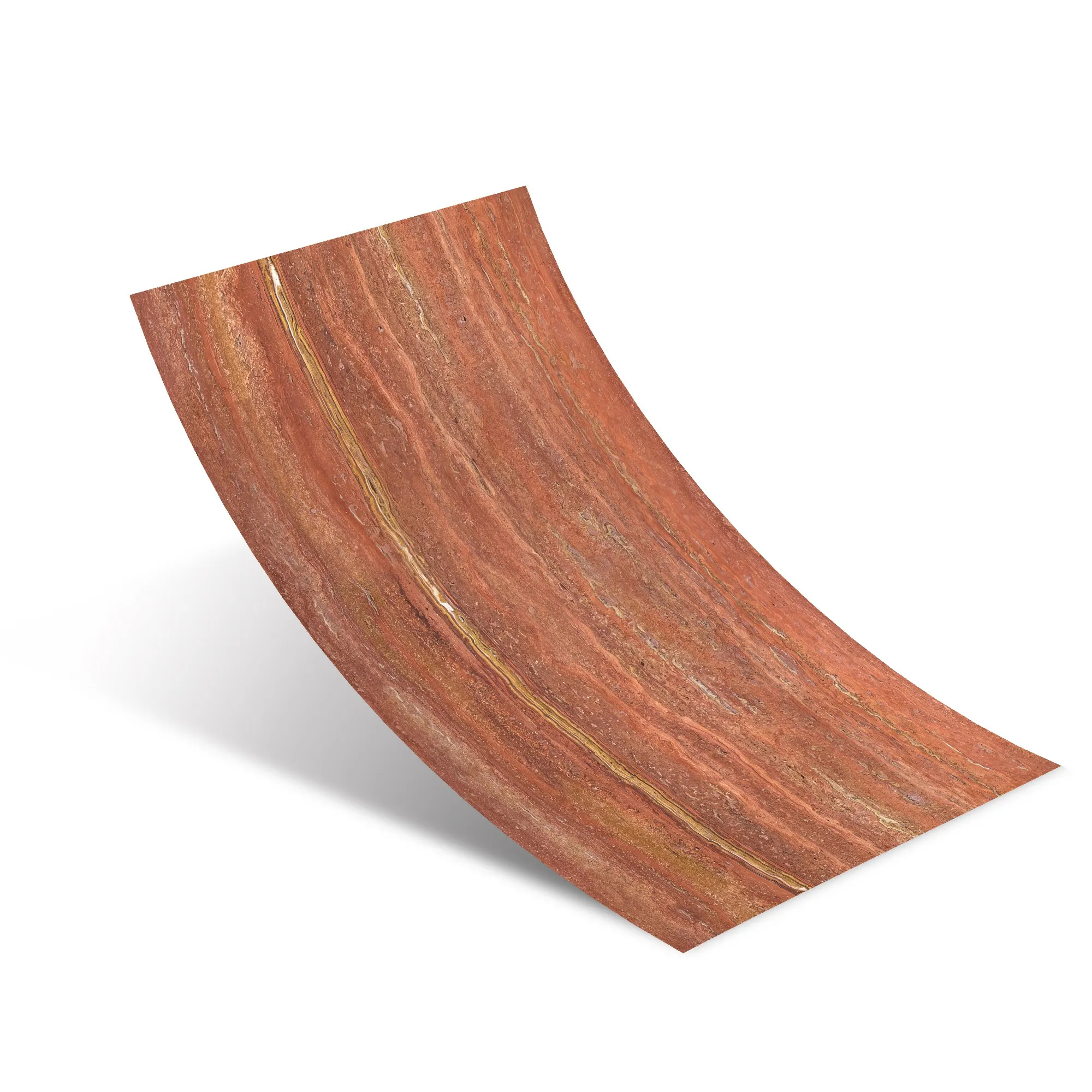
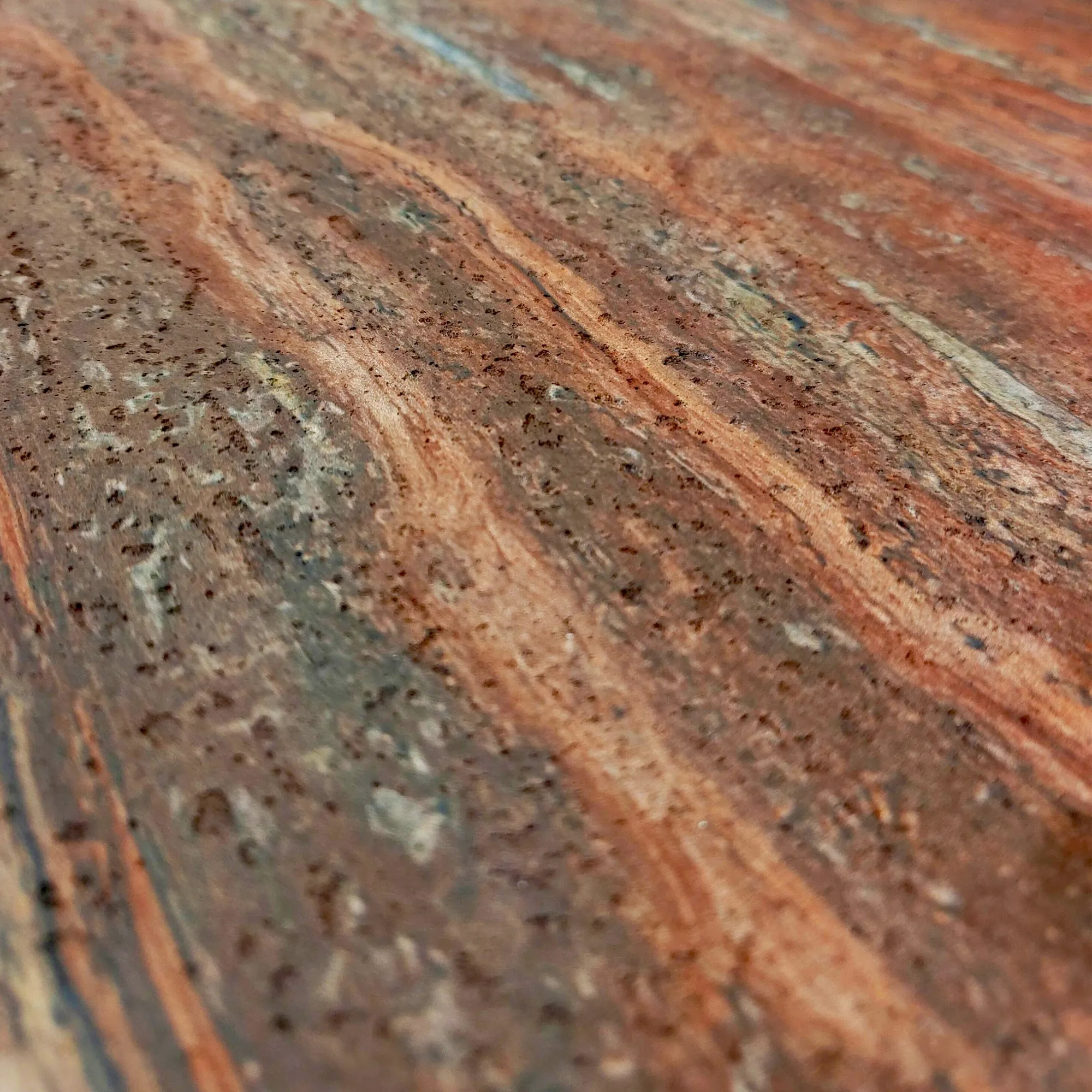
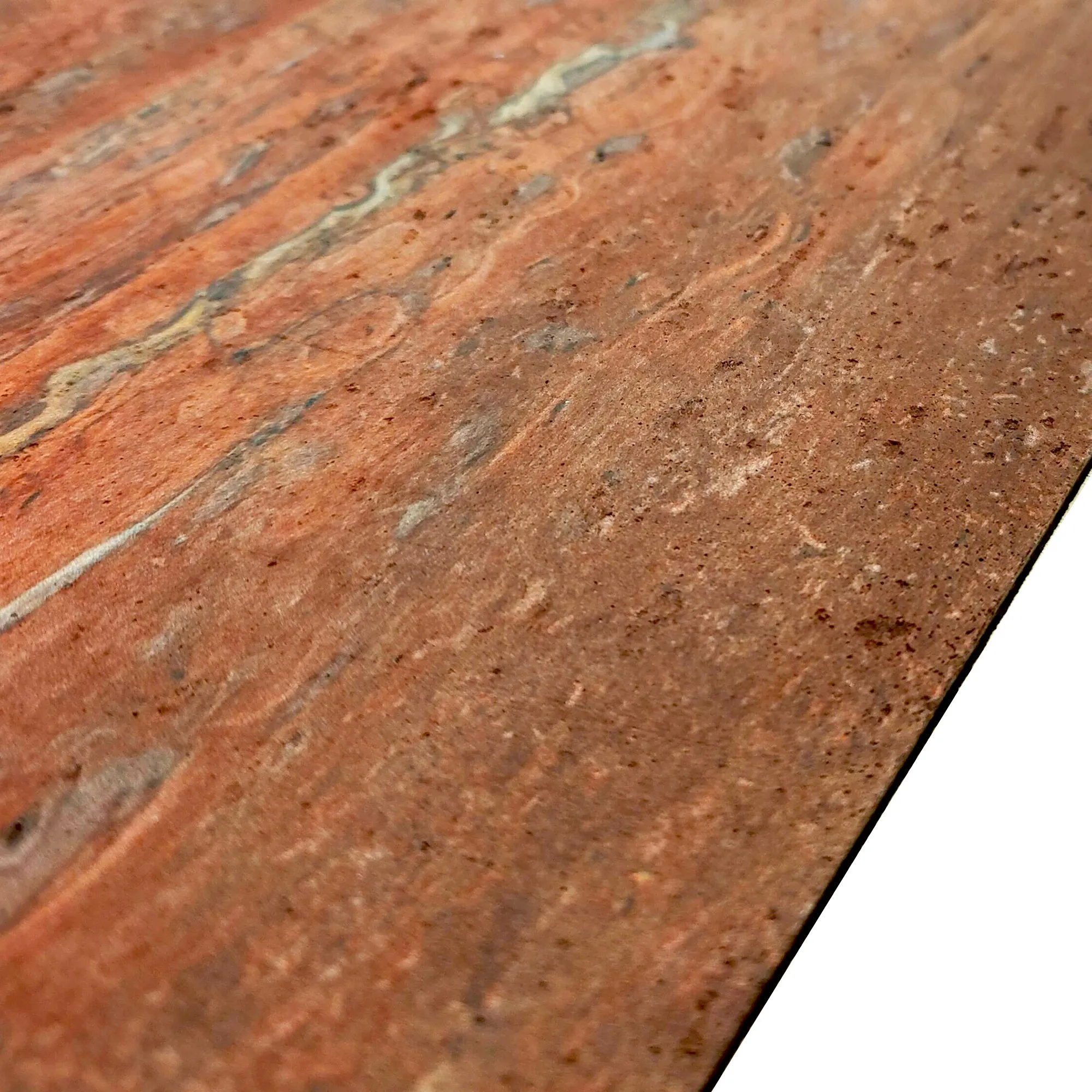
Let's start with the obvious: red is a color that feels alive. It's the hue of sunsets, of ripe berries, of the warmth that creeps into your cheeks when you laugh too hard. But not all reds are created equal. Red Travertine MCM—especially the travertine (starry red) variant—isn't just a color; it's a mood. Run your fingers over its surface, and you'll notice the subtle pits and grooves, the way light dances in the tiny cavities like stars in a night sky. It's a material with character, like a well-loved book with dog-eared pages or a vintage leather jacket that tells a story with every scuff.
What makes this travertine "MCM" (Modified Composite Material) is its secret superpower: flexibility. Traditional stone is heavy, unforgiving, stuck in its rigid form. But MCM? It bends. It curves. It wraps around corners and climbs up facades with the ease of a (vine), all while retaining the strength of natural stone. For retailers, that means possibilities. No longer limited to flat walls or boxy storefronts—Red Travertine MCM can follow the flow of a design, like a river carving its path through a landscape.
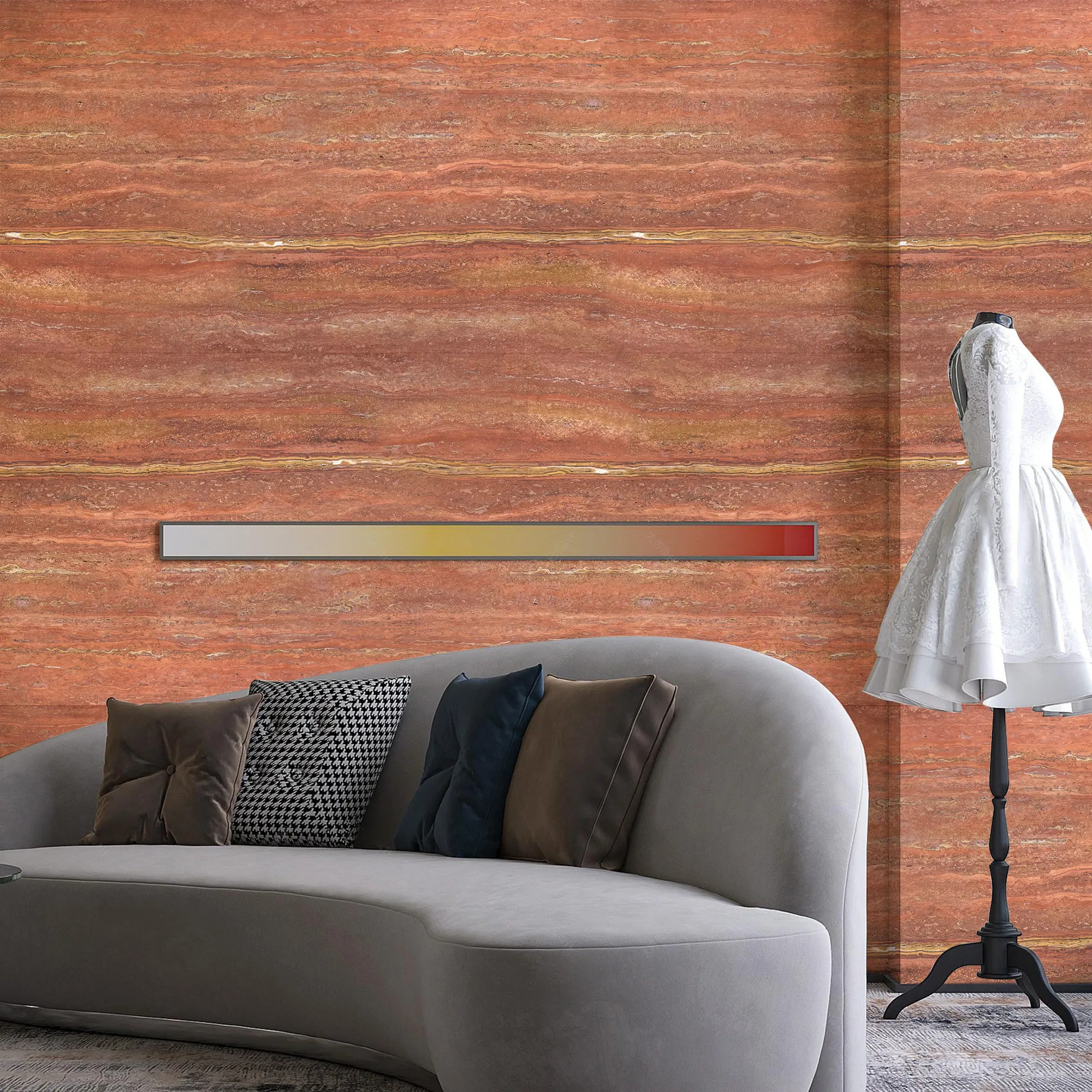
And then there's the depth of that red. It's not a harsh, artificial crimson, but a rich, terracotta-tinged hue that shifts with the light. At dawn, it leans warm, almost orange, like the first light hitting desert sands. At dusk, it deepens, taking on burgundy undertones that feel cozy and intimate. Stand under a streetlamp at night, and the starry specks catch the glow, turning the facade into a constellation. It's the kind of material that doesn't just sit there—it interacts with its environment, making the storefront feel dynamic, alive.
A great retail space isn't built on one material alone—it's a conversation between textures, colors, and stories. Red Travertine MCM is a natural collaborator, playing well with others to create spaces that feel balanced and inviting. Let's meet its dance partners:
| Material | Character | How They Partner with Red Travertine |
|---|---|---|
| Fair-Faced Concrete | Raw, industrial, cool-toned | Like a modernist poem paired with a classic novel. The smooth, gray neutrality of fair-faced concrete lets the red travertine take center stage, while adding an edgy, urban contrast. Imagine a clothing boutique with a Red Travertine (starry red) facade and fair-faced concrete columns—bold yet grounded. |
| Bamboo Mat Board | Warm, woven, tactile | Bamboo brings softness to the mix. Its natural, earthy tones complement the red travertine's warmth, creating a space that feels like a cozy cabin in the woods (but make it chic). A café might line its interior walls with Red Travertine and hang bamboo mat board panels above the counter—inviting customers to sink into a chair and stay awhile. |
| Wood Grain Board | Timeless, organic, homey | Wood and stone—two old friends, reunited. Wood grain board adds a sense of familiarity, like walking into a friend's living room. Pair Red Travertine accent walls with wood grain board shelves in a bookstore, and suddenly, browsing feels less like shopping and more like exploring a well-curated library. |
Take, for example, a local bakery in Portland I visited last year. The owner wanted a space that felt both rustic and modern—something that said "handmade with care" but also "we're forward-thinking." They clad the exterior in Red Travertine (starry red), its starry specks twinkling above the door like a welcome sign. Inside, the counter was made of wood grain board, warm and inviting, while the back wall was fair-faced concrete, adding a touch of sleekness. The result? A space that felt grounded in tradition but alive with possibility. Customers lingered, taking photos of the travertine walls, commenting on how "homey" it felt. Sales? Up 20% in the first month. Coincidence? I think not.
We shop with more than just our eyes—we shop with our hands, our ears, even our sense of smell. Red Travertine MCM understands this, engaging all the senses to create a space that feels *complete*.
Let's start with the obvious: that red. In a sea of beige storefronts, it's a beacon. But it's not just about standing out—it's about feeling welcoming. Red is associated with warmth, energy, and connection. When customers see that hue, their brains light up with associations of comfort and excitement, making them more likely to step inside.
And then there are the patterns. The starry red variation isn't uniform; it's full of little surprises. A cluster of specks here, a lighter patch there. It's the opposite of the sterile, repetitive surfaces of some modern materials. It feels human, like it was crafted by hand (even if it was engineered with precision). Customers don't just look at it—they *examine* it, pointing out their favorite "star clusters," creating moments of delight that turn a quick pass-by into a stop-and-stare.
Ever walked past a fuzzy sweater in a store window and had the sudden urge to touch it? Red Travertine MCM triggers that same instinct. Its surface is tactile—rough enough to feel substantial, but smooth enough to run your palm over without catching. It's cool to the touch on a hot day, a refreshing contrast to the sun-baked sidewalk. On a cold day, it retains a subtle warmth, like a stone that's been sitting in the sun. That physical interaction—reaching out, feeling the texture—creates a deeper connection. Customers don't just *see* the store; they *feel* it, making the space more memorable.
Retail spaces can be chaotic—loud music, chatter, the buzz of cash registers. Red Travertine MCM has a hidden talent: it absorbs sound. Unlike glass or metal, which reflect noise, the porous texture of travertine softens echoes, creating a quieter, more serene atmosphere. Step into a store lined with Red Travertine walls, and the noise fades into the background, replaced by a gentle hum. Suddenly, customers can hear themselves think, focus on the products, or chat with a friend without raising their voices. It's a small detail, but it makes a big difference—turning a stressful shopping trip into a relaxing experience.
Modern shoppers don't just buy products—they buy values. They want to support brands that care about the planet, that build things to last. Red Travertine MCM checks that box, and then some.
First, it's lightweight. Traditional stone is heavy, requiring massive support structures and guzzling fuel during transportation. MCM, though, is thin—often just a few millimeters thick—without sacrificing strength. That means less energy to ship, fewer materials to build with, and a smaller carbon footprint. For retailers, that translates to lower installation costs *and* a story to tell—"Our storefront is beautiful, and it's kind to the planet."
Then there's durability. This isn't a material that fades after a few years or chips at the first storm. It's resistant to weather, scratches, and stains, meaning the storefront will look just as vibrant in 10 years as it did on day one. No need for frequent replacements, no waste piling up in landfills. It's a material that respects both the customer and the earth.
And let's talk about maintenance. Unlike wood, which needs staining, or painted surfaces, which chip, Red Travertine MCM is low-maintenance. A quick wash with water is usually enough to keep it looking fresh. For busy retailers, that's a relief—no downtime for repairs, no stress about keeping up appearances. It's a material that works *with* the chaos of running a store, not against it.
Words are one thing, but seeing (or rather, *imagining*) the impact is another. Let's step into a few real-world examples of Red Travertine MCM in action:
A small, family-owned clothing store in a trendy Brooklyn neighborhood was struggling to stand out among chain retailers. The owner, Maria, wanted a storefront that felt "like us—warm, a little quirky, not too perfect." Enter Red Travertine (starry red) MCM. The facade was curved, following the building's original architecture, with the starry red panels wrapping around the corner. Inside, Maria paired the travertine with bamboo mat board shelves and wood grain board display tables. "The first day we opened, people stopped in just to ask about the walls," she laughed. "One customer said it felt like walking into a friend's living room, not a store. Sales are up 35%, and we've had so many repeat customers—they say they just love being here."
Seattle's known for its gray skies, so the owners of "Ground & Sky" wanted a space that felt bright and uplifting, even on rainy days. They chose Red Travertine (starry red) for the interior walls, paired with fair-faced concrete countertops and large windows. "The red walls reflect the light, making the space feel warm even when it's gloomy outside," said co-owner Jake. "Customers stay longer—they bring laptops, meet friends, just… linger. And the best part? Kids love pointing out the 'stars' in the walls. It's become this little thing—parents take photos of their kids next to their favorite star cluster. We even have a 'Star of the Month' on our Instagram now."
A new independent bookstore wanted to honor Portland's literary history while feeling modern. They used Red Travertine MCM for the storefront columns, with fair-faced concrete for the main walls and wood grain board for the bookshelves. "Books are about stories, and so is this material," said owner Eliza. "The red columns feel like old library pillars, but with a fresh twist. Customers say it feels timeless—like the kind of place that's been here forever, but just got a makeover. We've had more foot traffic than we ever expected, and people spend hours browsing. It's not just a bookstore—it's a community space, and the materials helped make that happen."
At the end of the day, retail is about connection. It's about turning a stranger into a customer, a customer into a regular, a regular into a fan. Red Travertine MCM isn't just a building material—it's a storytelling tool. It tells the story of a brand that cares about beauty, about sustainability, about creating spaces that feel like home.
Think about the last time you walked into a store and thought, "I could stay here all day." Chances are, it wasn't just the products that drew you in—it was the *feeling* of the space. The colors, the textures, the way light filtered through the windows. Red Travertine MCM helps create that feeling. It's warm, it's tactile, it's alive. It turns storefronts into destinations, and destinations into memories.
So the next time you're strolling down the street, keep an eye out for that rich, starry red facade. Pause, reach out, feel the texture. And remember—behind that material is a brand that gets it: retail isn't about selling things. It's about creating moments that matter. And with Red Travertine MCM, those moments are built to last.
Recommend Products











