

Walk into a government building, and you'll immediately sense the weight of its purpose. It's a space where policies are shaped, public services are delivered, and citizens connect with their community's infrastructure. These interiors need to strike a delicate balance: they must exude the stability and authority people expect from institutions, yet feel approachable enough to put visitors at ease. The materials chosen play a silent but powerful role in this balance—and that's where the Red Travertine MCM Project Board steps in. Part of the innovative MCM Project Board Series, this material isn't just a surface; it's a bridge between functionality, symbolism, and human-centered design.
Travertine has long been a staple in architecture that aims to stand the test of time. From the Colosseum's weathered arches to modern museums, its porous, earthy texture carries a quiet grandeur—a nod to both nature's artistry and human craftsmanship. But the Red Travertine MCM Project Board reimagines this classic material for the demands of today's government spaces, thanks to MCM (Modified Composite Material) technology. Unlike traditional stone slabs, MCM flexible stone is engineered to be lightweight, durable, and surprisingly adaptable—qualities that make it a game-changer for interior design.
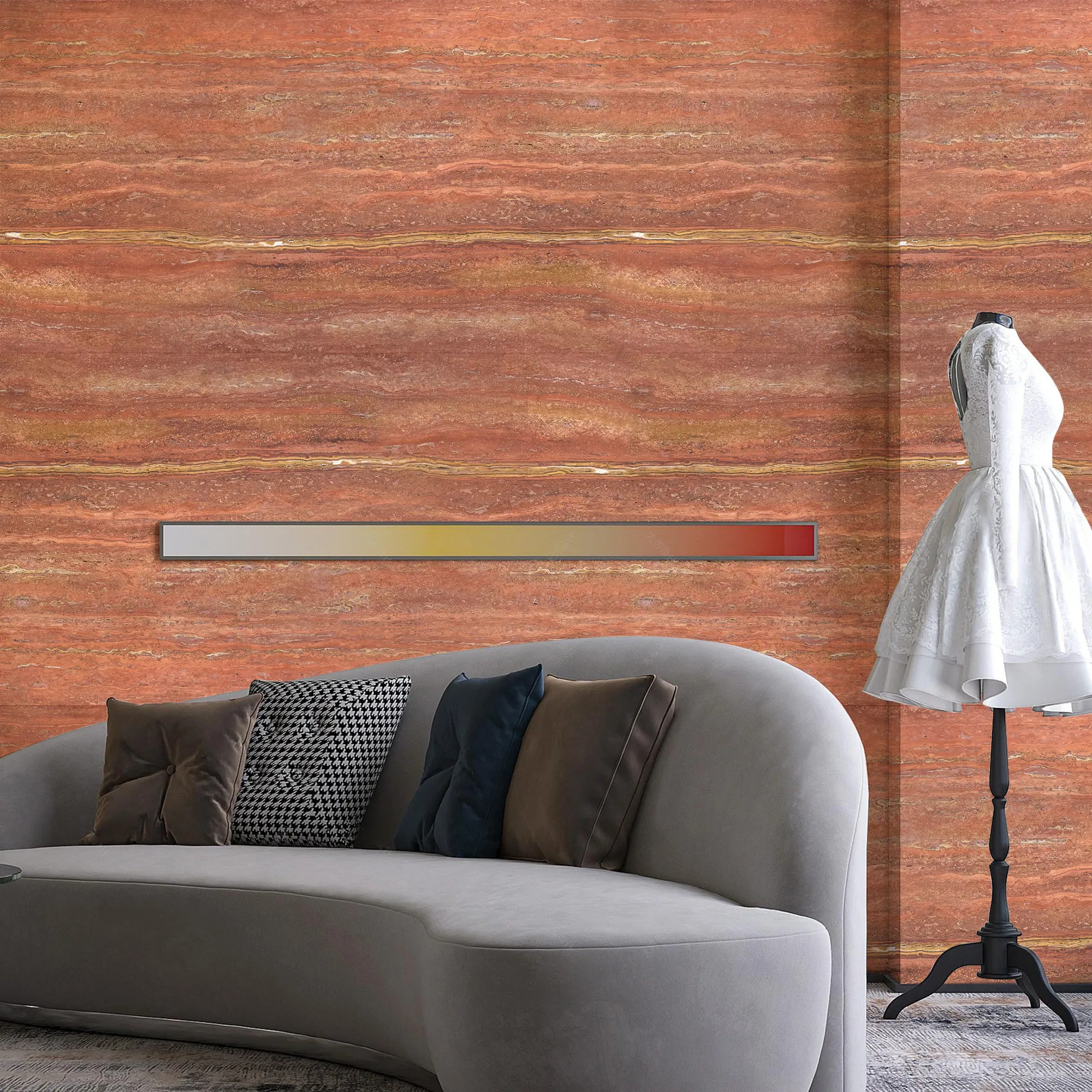
What immediately sets Red Travertine apart is its hue. This isn't a brash, attention-grabbing red; it's a deep, terracotta-tinged tone with subtle variations, like sunlight filtering through autumn leaves. It evokes warmth without sacrificing professionalism—think of the reassuring presence of a historic town hall or the dignified warmth of a courthouse. For government buildings, color matters: red can symbolize unity, resilience, or even local heritage, depending on the context. When paired with the material's natural veining and matte finish, it creates an atmosphere that feels both rooted in tradition and forward-thinking.
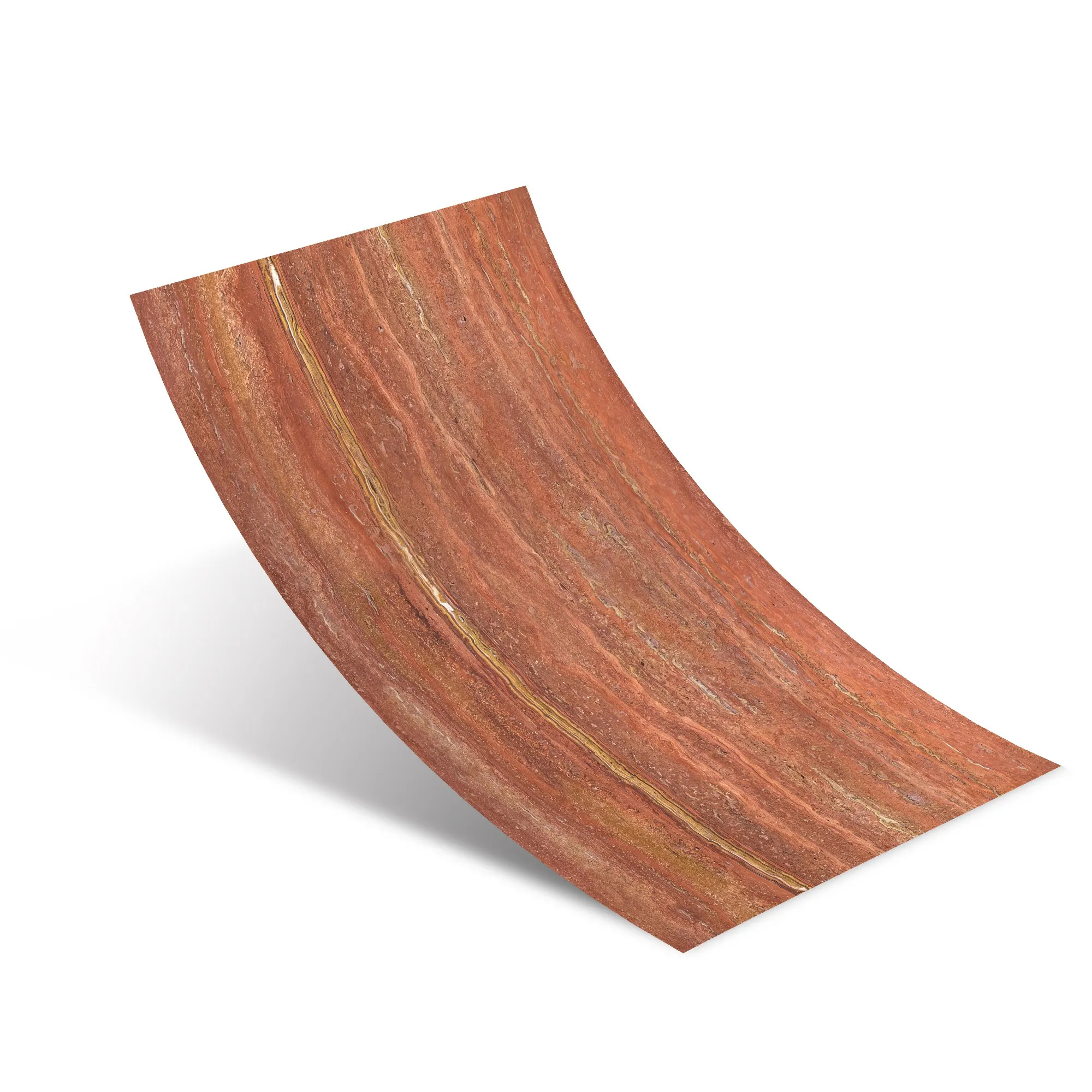
Government interiors face unique challenges. They're high-traffic zones, with thousands of visitors annually—from families with strollers to professionals in heels. Surfaces need to withstand scuffs, spills, and the occasional errant coffee cup. They also need to age gracefully; no one wants a lobby that looks worn after just a few years. Here's where MCM technology shines: Red Travertine MCM Project Board is built to last.
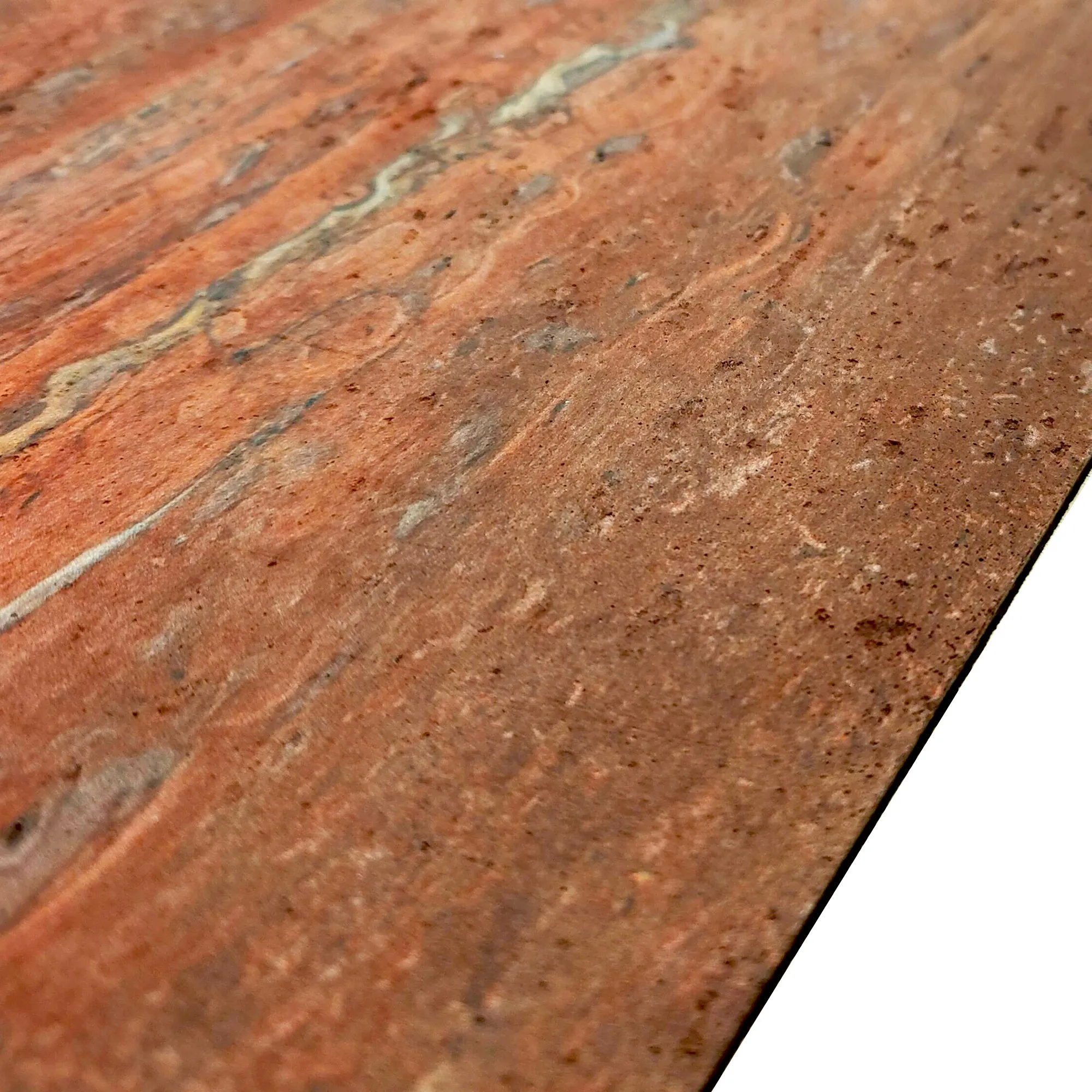
MCM flexible stone is a composite of natural stone particles and a reinforced polymer backing, making it lighter than traditional travertine (up to 80% lighter, in fact) but just as tough. It resists moisture, which is critical in areas like public restrooms or entryways prone to rain. It's also stain-resistant—important for spaces where spills happen, whether it's a dropped pen or a spilled water bottle. And unlike solid stone, it won't crack under stress, even in high-traffic corridors. For facility managers, this translates to lower maintenance costs and fewer disruptions—meaning tax dollars go further, and public spaces stay looking their best for decades.
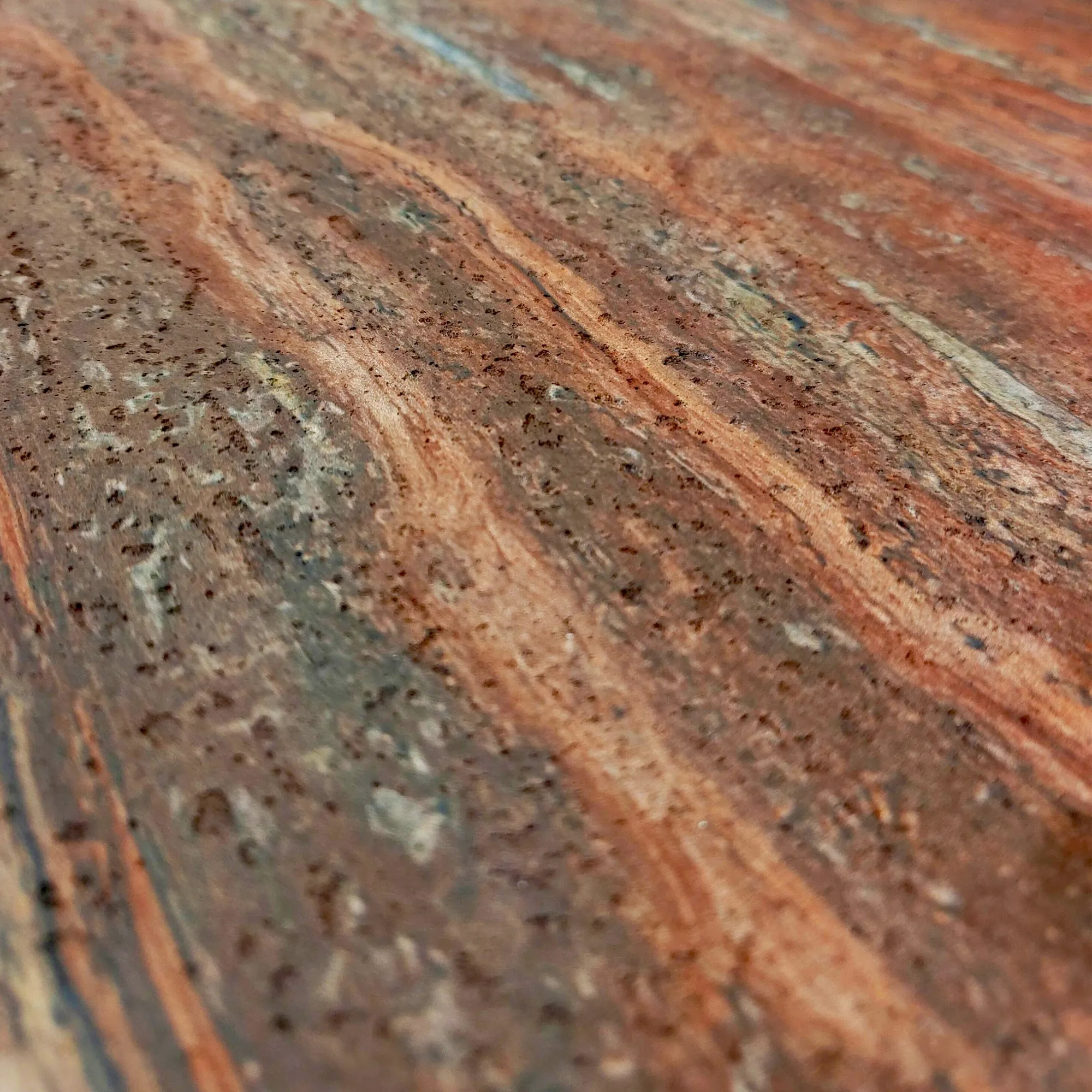
Today's government buildings aren't just about function—they're statements of responsibility. From LEED certifications to carbon-neutral goals, sustainability is no longer optional. Red Travertine MCM Project Board aligns with these values in two key ways. First, its manufacturing process uses less natural stone than traditional quarried slabs, reducing environmental impact. Second, its lightweight nature cuts down on transportation emissions and makes installation easier, requiring less energy and labor. For agencies aiming to lead by example, choosing materials that prioritize the planet sends a clear message: this building isn't just for today—it's for future generations.
Great interior design is about balance, and Red Travertine plays well with others. In government spaces, where different zones serve different purposes—lobbies, meeting rooms, public counters—mixing materials can create visual cues that guide visitors and enhance functionality. Here are a few pairings that work particularly well:
To understand why Red Travertine MCM Project Board is a smart choice for government interiors, it helps to see how it compares to other common materials. The table below breaks down key factors like durability, aesthetics, and maintenance—all critical for public spaces:
| Material | Durability | Aesthetic Impact | Maintenance Needs | Best For |
|---|---|---|---|---|
| Red Travertine MCM Project Board | High (resistant to scratches, moisture, and stains) | Warm, earthy red with natural veining; balances authority and approachability | Low (occasional wiping with mild soap; no sealing required) | Lobbies, reception areas, public corridors |
| Traditional Marble | Medium (prone to etching from acidic spills) | Luxurious, but can feel cold or overly formal | High (regular sealing; sensitive to cleaners) | Low-traffic VIP areas |
| Standard Ceramic Tile | High (durable, but grout lines trap dirt) | Uniform, limited texture; can feel sterile | Medium (grout cleaning needed regularly) | Bathrooms, utility areas |
| Fair-Faced Concrete | Very high (industrial strength) | Raw, minimalist; lacks warmth | Low (but prone to dust accumulation) | Warehouses, back-of-house spaces |
Let's paint a picture: You walk into a county government building to apply for a business license. The lobby is flooded with natural light, and the walls are clad in Red Travertine MCM panels. The texture catches the light, creating soft shadows that make the space feel larger than it is. Nearby, a reception desk combines fair-faced concrete with Lunar Peak Silvery trim, and a wood grain board accent wall adds warmth. The overall effect? You feel welcome, not intimidated. The space communicates, "We're here to serve you," without sacrificing the professionalism you expect from a government office.
In another scenario, imagine a municipal council chamber where Red Travertine lines the back wall behind the mayor's seat. The red hue commands attention, reinforcing the gravity of the decisions made there, while its natural texture softens the room, making public hearings feel more inclusive. It's a material that adapts to the moment—authoritative when needed, comforting when required.
Government buildings are more than just offices; they're symbols of community, resilience, and progress. The materials that clothe their interiors should reflect those values. Red Travertine MCM Project Board does exactly that: it honors tradition with its travertine roots, embraces innovation through MCM technology, and prioritizes people with its warm, durable design.
For architects and facility managers, it's a practical choice: easy to install, cost-effective to maintain, and versatile enough to fit any design vision. For citizens, it's a subtle but powerful signal that their government cares about both function and feeling—that public spaces can be both efficient and inviting. In a world where trust in institutions matters more than ever, Red Travertine MCM Project Board isn't just a material upgrade; it's a step toward building interiors that truly serve the people they're meant for.
So the next time you walk into a government building, take a moment to notice the walls. If they're clad in Red Travertine MCM Project Board, you'll know: this is a space built to last, designed to connect, and committed to serving—today, tomorrow, and for generations to come.
Recommend Products











