

Walk into any modern city, and you'll notice a quiet revolution unfolding in the buildings around you. Gone are the days when construction was solely about strength and aesthetics—today, it's about something deeper: responsibility. As we grapple with climate change and resource scarcity, the construction industry is undergoing a profound shift toward the circular economy, where waste is minimized, resources are reused, and every material tells a story of sustainability. At the heart of this movement is a material that's turning heads for both its beauty and its eco-credentials: Red Travertine MCM. Let's dive into why this innovative building material is becoming a cornerstone for architects and builders who want to build better, not just bigger.
First things first—let's demystify the name. MCM stands for Modified Composite Material, a category of building materials that blend the best of natural elements with cutting-edge technology. Red Travertine MCM takes the timeless allure of travertine, a sedimentary rock known for its unique pores and warm tones, and reimagines it through a sustainable lens. Unlike traditional travertine, which is quarried in large blocks (often leaving behind significant waste), Red Travertine MCM is crafted using recycled stone aggregates, eco-friendly polymers, and a dash of innovation.
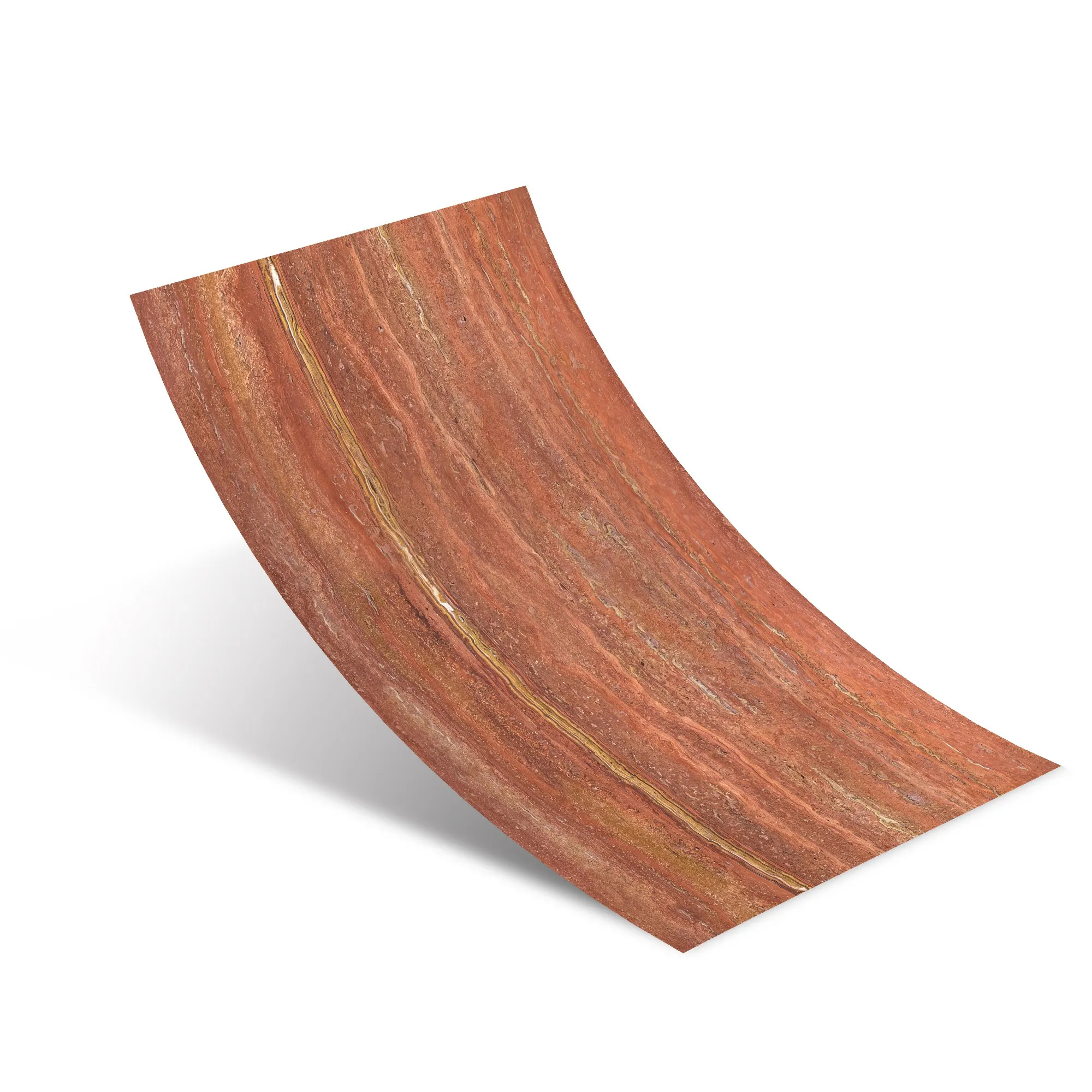
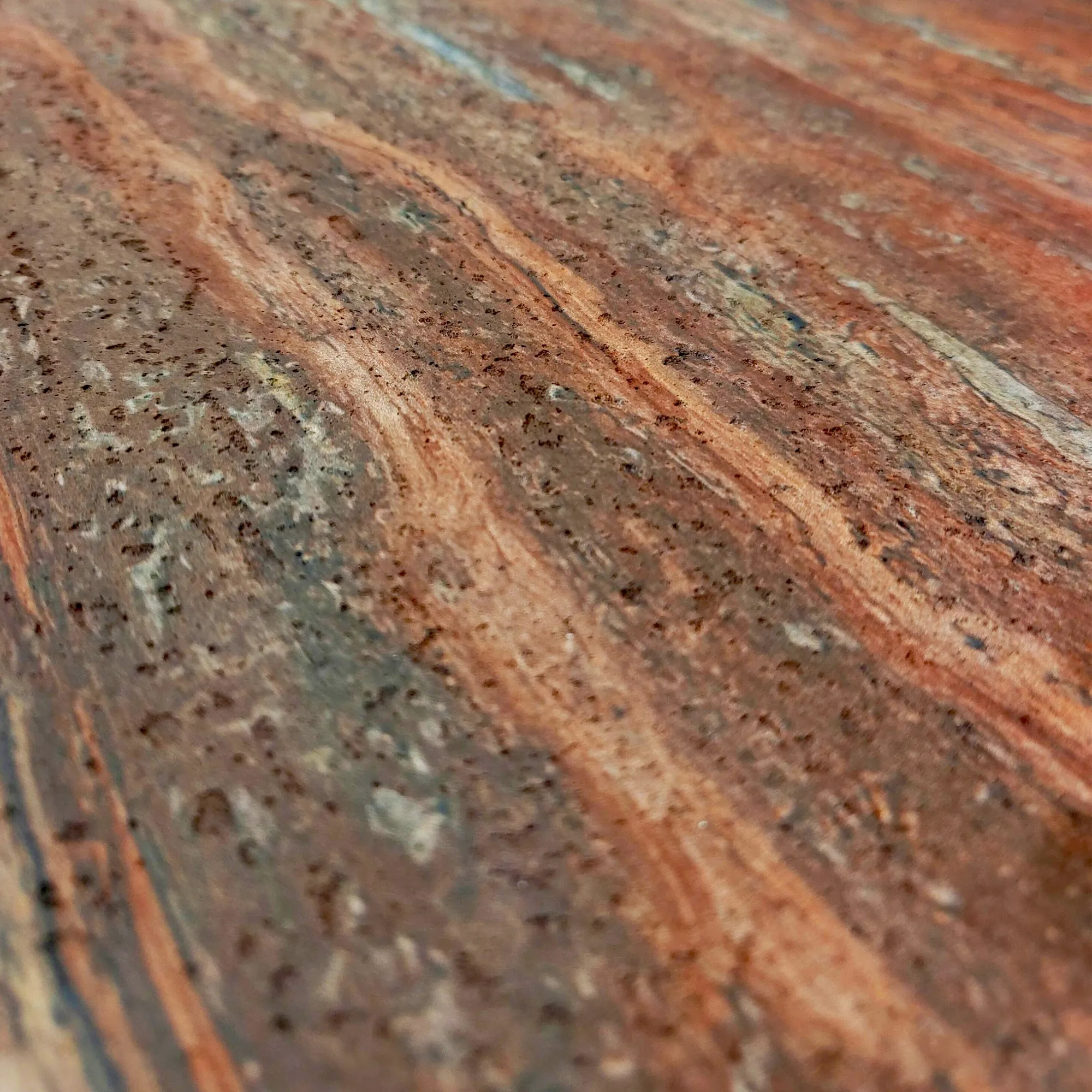
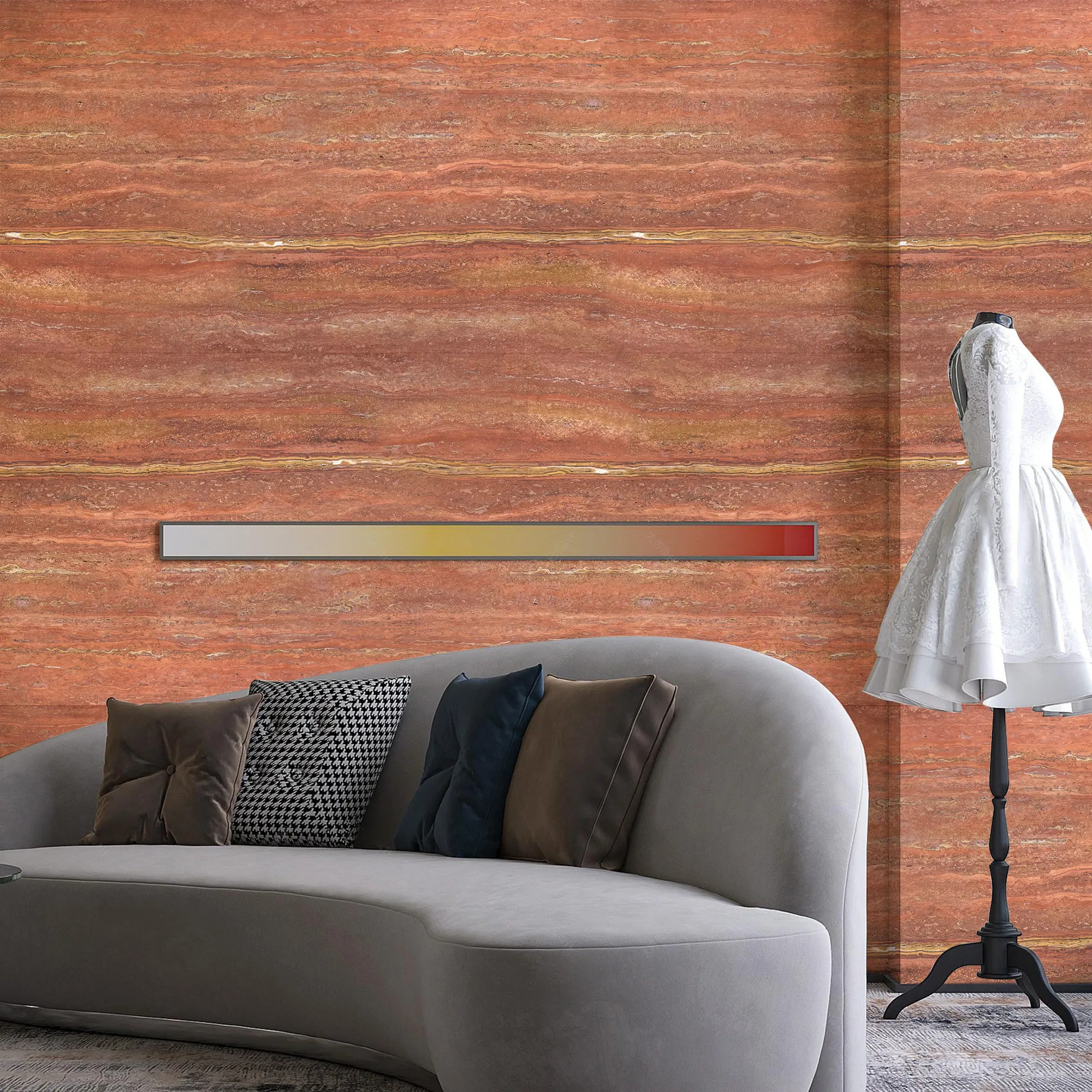
The result? A material that looks and feels like natural stone but behaves like a modern marvel. Its rich, terracotta-red hue—reminiscent of desert sunsets or ancient clay bricks—adds warmth to any space, while its flexible, lightweight structure makes it surprisingly versatile. Imagine a facade that curves gently with the building's architecture, or an interior wall that mimics the texture of hand-chiseled stone without the weight of traditional masonry. That's the magic of Red Travertine MCM.
What truly sets Red Travertine MCM apart are its practical perks. For starters, it's flexible . Traditional stone is rigid, limiting design possibilities, but MCM panels can bend slightly, allowing architects to experiment with organic shapes and intricate patterns. This flexibility also makes installation a breeze—no heavy machinery required, just lightweight panels that can be cut on-site and secured with minimal effort.
Then there's durability . Don't let its lightweight nature fool you: Red Travertine MCM stands up to the elements. It's resistant to water, UV rays, and even the freeze-thaw cycles that plague many building materials in colder climates. And when it comes to maintenance? Simply hose it down or wipe with a damp cloth—no harsh chemicals needed. Compare that to traditional stone, which often requires regular sealing to prevent staining, and you'll see why builders are making the switch.
The circular economy isn't just a buzzword—it's a promise to future generations that we'll use resources wisely, minimize waste, and create systems where materials have endless lifecycles. Red Travertine MCM checks every box in this regard, starting with its recyclable core . At the end of its lifespan (which, by the way, can be 50 years or more with proper care), the panels can be ground down into aggregate and reused to make new MCM products. It's a closed-loop system that keeps stone waste out of landfills and reduces the need for fresh quarrying.
Let's talk about carbon footprint, too. Traditional travertine extraction involves heavy machinery, transportation over long distances, and energy-intensive processing—all of which pump CO2 into the atmosphere. Red Travertine MCM, on the other hand, uses recycled materials and requires far less energy to produce. Studies have shown that it can reduce carbon emissions by up to 40% compared to natural travertine, making it a clear choice for eco-conscious projects.
To really understand Red Travertine MCM's circular economy edge, let's put it side by side with a few common building materials. The table below breaks down key factors like recyclability, weight, and environmental impact:
| Material | Recyclability Rate | Weight (kg/m²) | Carbon Footprint (kg CO2/m²) | Typical Lifespan |
|---|---|---|---|---|
| Red Travertine MCM | 95% (recyclable into new MCM panels) | 8–10 kg | 8–10 kg | 50+ years |
| Fair-Faced Concrete | 30% (recyclable as aggregate for low-grade uses) | 22–25 kg | 15–20 kg | 30–40 years |
| Historical Pathfinders Stone* | 10% (limited recycling due to fragility) | 28–32 kg | 25–30 kg | 60+ years (but high extraction waste) |
| Lunar Peak Silvery MCM | 95% (same closed-loop system as Red Travertine) | 7–9 kg | 7–9 kg | 50+ years |
*Historical Pathfinders Stone is a traditional sandstone used in heritage restoration, valued for its aged appearance but criticized for high quarrying waste.
The numbers speak for themselves. Red Travertine MCM isn't just more recyclable—it's lighter, which means less energy spent on transportation and installation, and its lower carbon footprint aligns with global goals to reduce emissions. Even compared to other MCMs like Lunar Peak Silvery (a sleek, metallic-toned option), Red Travertine holds its own, offering a unique aesthetic that appeals to projects aiming for warmth and character.
So, where can you actually see Red Travertine MCM in action? The answer might surprise you—it's popping up in everything from boutique hotels to community centers, and even historic restoration projects. Let's take a closer look at a few standout applications:
Imagine walking into a tech startup's office in downtown Portland. The lobby features a soaring wall clad in Red Travertine MCM, its warm red tones offset by accents of Lunar Peak Silvery MCM—a cool, silvery-gray material that adds a modern contrast. The space feels both grounded and innovative, a reflection of the company's commitment to sustainability. Because Red Travertine MCM is lightweight, the building's structural load was reduced, allowing for larger windows and more natural light—another win for energy efficiency.
In residential design, Red Travertine MCM is helping homeowners create outdoor spaces that blur the line between indoors and out. A backyard patio clad in the material feels like an extension of the earth, while a fireplace surround adds rustic charm without the maintenance of traditional stone. One California homeowner even used Red Travertine MCM for their pool deck, citing its slip-resistant texture and resistance to chlorine damage as key selling points.
Perhaps one of the most meaningful uses of Red Travertine MCM is in heritage restoration. Take, for example, a 19th-century schoolhouse in New England that needed facade repairs. The original Historical Pathfinders Stone was crumbling, and sourcing matching stone would have been costly and environmentally damaging. Instead, architects opted for Red Travertine MCM panels designed to mimic the texture and color of the original stone. The result? A building that looks as though it's stood for centuries, but with a sustainable core that will last for generations to come.
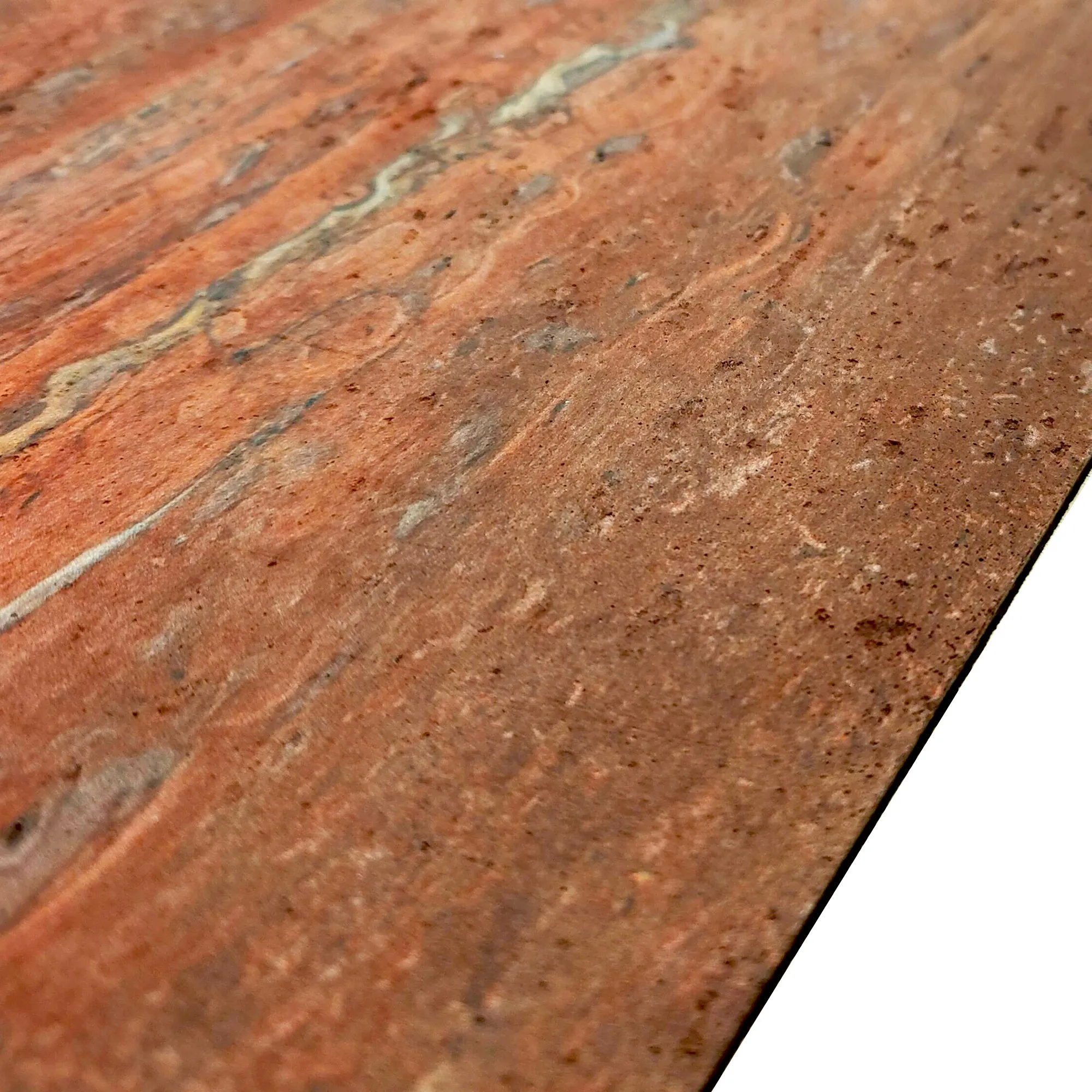
Let's get a little technical (but don't worry, we'll keep it light). Red Travertine MCM's technical specs are part of what makes it so appealing to builders. For starters, it's incredibly lightweight —about 8–10 kg per square meter, compared to 25–30 kg for traditional travertine. This reduces the stress on a building's structure, which can lower construction costs and open up design possibilities (think: cantilevered balconies or green roofs with less structural support needed).
Installation is another highlight. Unlike natural stone, which requires skilled masons and heavy lifting equipment, Red Travertine MCM panels can be installed using simple adhesive or mechanical fasteners. A typical crew can cover 100 square meters in a day, cutting down on labor time and costs. And because the panels are pre-finished, there's no need for on-site sealing or polishing—just install and enjoy.
When it comes to performance, Red Travertine MCM doesn't disappoint. It's rated to withstand temperatures from -40°C to 80°C, making it suitable for everything from Canadian winters to Middle Eastern summers. It's also resistant to mold, mildew, and salt spray, making it a great choice for coastal properties. And if a panel ever gets damaged? It can be easily replaced without disturbing the surrounding area—no need to tear down an entire wall.
As the construction industry continues to embrace the circular economy, materials like Red Travertine MCM are poised to play a starring role. Architects are already experimenting with new colorways and textures, expanding the MCM family to include options like travertine with starry blue or orange hues, or blends that mimic the look of aged wood. Innovations in recycling technology are also making it possible to recover even more value from end-of-life panels, inching closer to a truly zero-waste system.
Perhaps most exciting is the potential for Red Travertine MCM to inspire other sustainable building practices. When builders choose materials that prioritize recyclability and low carbon footprints, they send a message that sustainability isn't an afterthought—it's the foundation of good design. And as more projects showcase the beauty and functionality of MCMs, we can expect to see a ripple effect across the industry, with more materials following in Red Travertine's footsteps.
Red Travertine MCM isn't just a building material—it's a symbol of how we can reimagine construction for the better. It marries the timeless beauty of natural stone with the forward-thinking principles of the circular economy, proving that we don't have to sacrifice aesthetics for sustainability. Whether you're designing a skyscraper, a home, or a community center, this material invites you to build with intention—to create spaces that honor the planet and enrich the lives of those who use them.
As we look to the future, one thing is clear: the buildings of tomorrow will be defined by their ability to adapt, reuse, and regenerate. And with materials like Red Travertine MCM leading the way, that future is looking brighter—and more sustainable—than ever.
Recommend Products











