

In an era where the construction industry is redefining its relationship with the planet, the choice of building materials has never carried more weight. Today's architects, developers, and homeowners aren't just looking for durability or aesthetics—they're demanding sustainability. Green building certifications like LEED and BREEAM have become benchmarks of this commitment, guiding projects toward lower environmental impact, healthier spaces, and long-term resilience. But here's the challenge: how do you balance these lofty sustainability goals with the timeless beauty of natural materials? Enter Red Travertine MCM solutions—a game-changer that marries the warmth of natural stone with the eco-conscious innovation of modern engineering. Let's dive into how this material is reshaping green building, one certification at a time.
Before we explore Red Travertine MCM, let's get clear on what LEED and BREEAM actually measure. These certifications aren't just labels—they're rigorous frameworks that evaluate a building's entire lifecycle, from design and construction to operation and maintenance.
LEED (Leadership in Energy and Environmental Design) , developed by the U.S. Green Building Council, awards points across categories like Materials and Resources (MR), Indoor Environmental Quality (EQ), Energy and Atmosphere (EA), and Water Efficiency (WE). Projects earn certifications ranging from Certified to Platinum, with higher points reflecting greater sustainability.
BREEAM (Building Research Establishment Environmental Assessment Method) , a UK-born standard, takes a similar holistic approach but with a European focus. It rates buildings on a scale from Pass to Outstanding, with credits for issues like sustainable sourcing, carbon footprint, and biodiversity. Both certifications prioritize materials that reduce waste, lower emissions, and support healthy living—exactly where Red Travertine MCM shines.
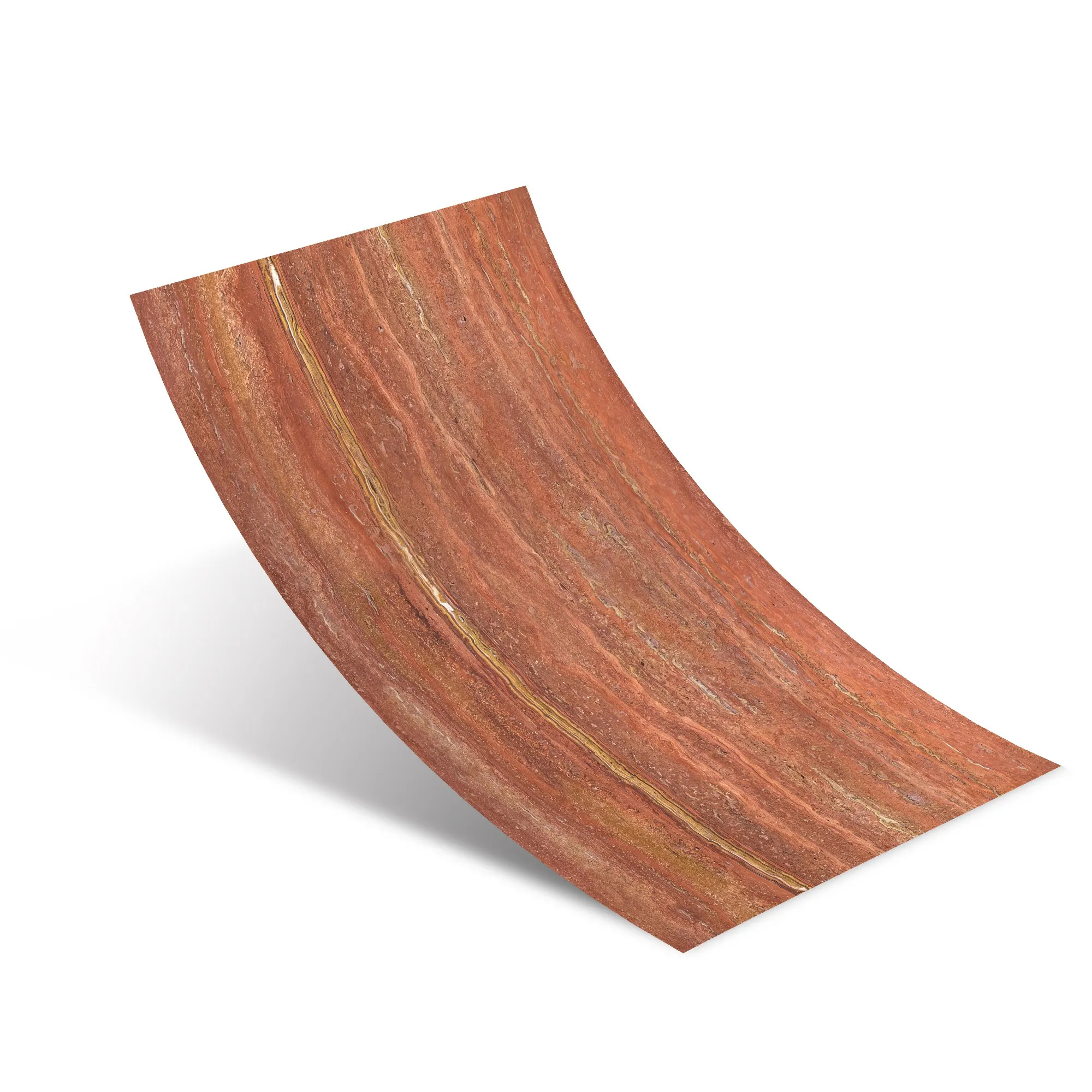
Let's break down the terminology first. MCM stands for Modified Composite Material—a cutting-edge technology that combines natural stone aggregates with eco-friendly resins to create thin, flexible sheets. Unlike solid natural stone, which is heavy, resource-intensive to extract, and prone to cracking, MCM is engineered for performance. And when we talk about Red Travertine MCM , we're referring to a variant that captures the rich, earthy red tones and distinctive veining of traditional red travertine, but with a lightweight, durable twist.
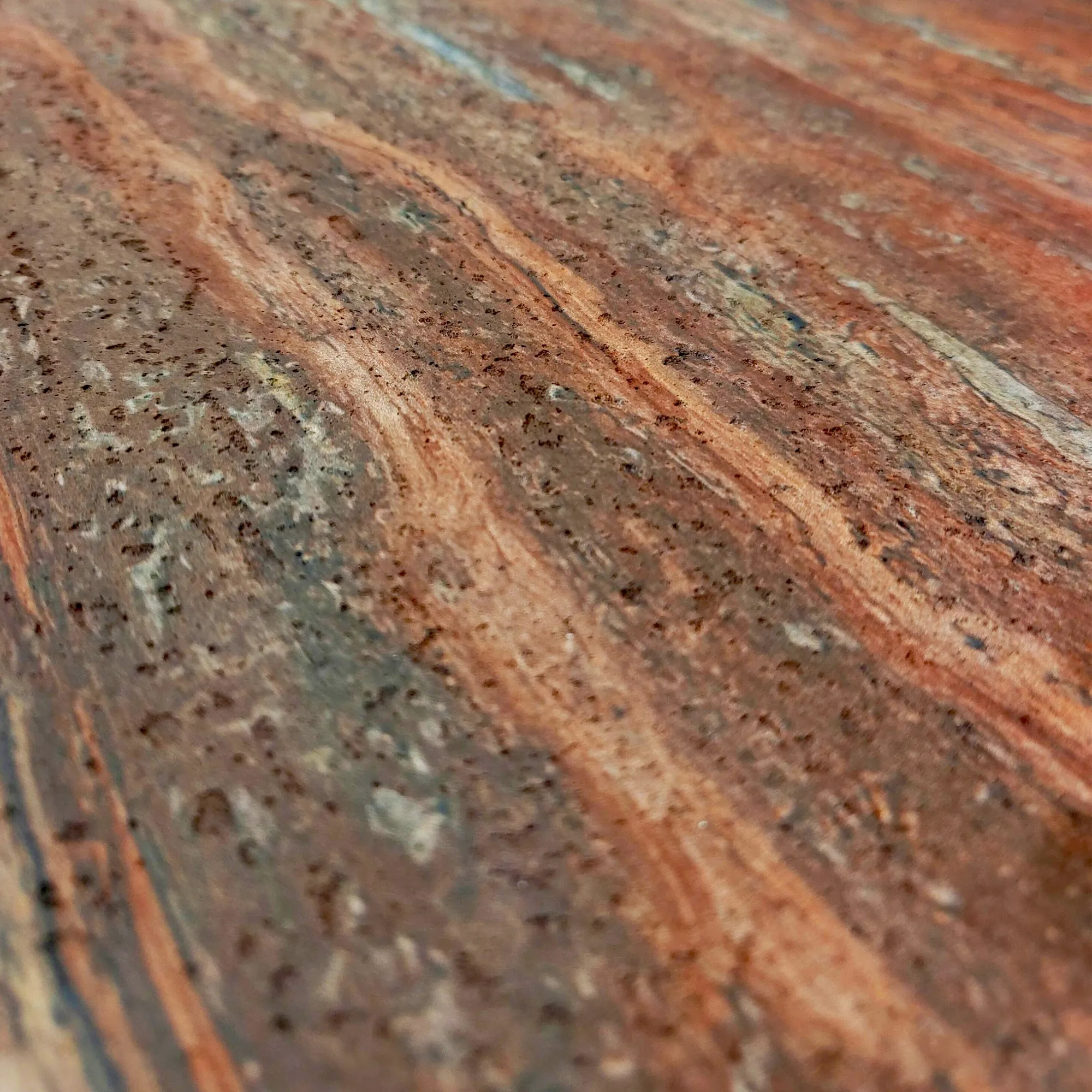
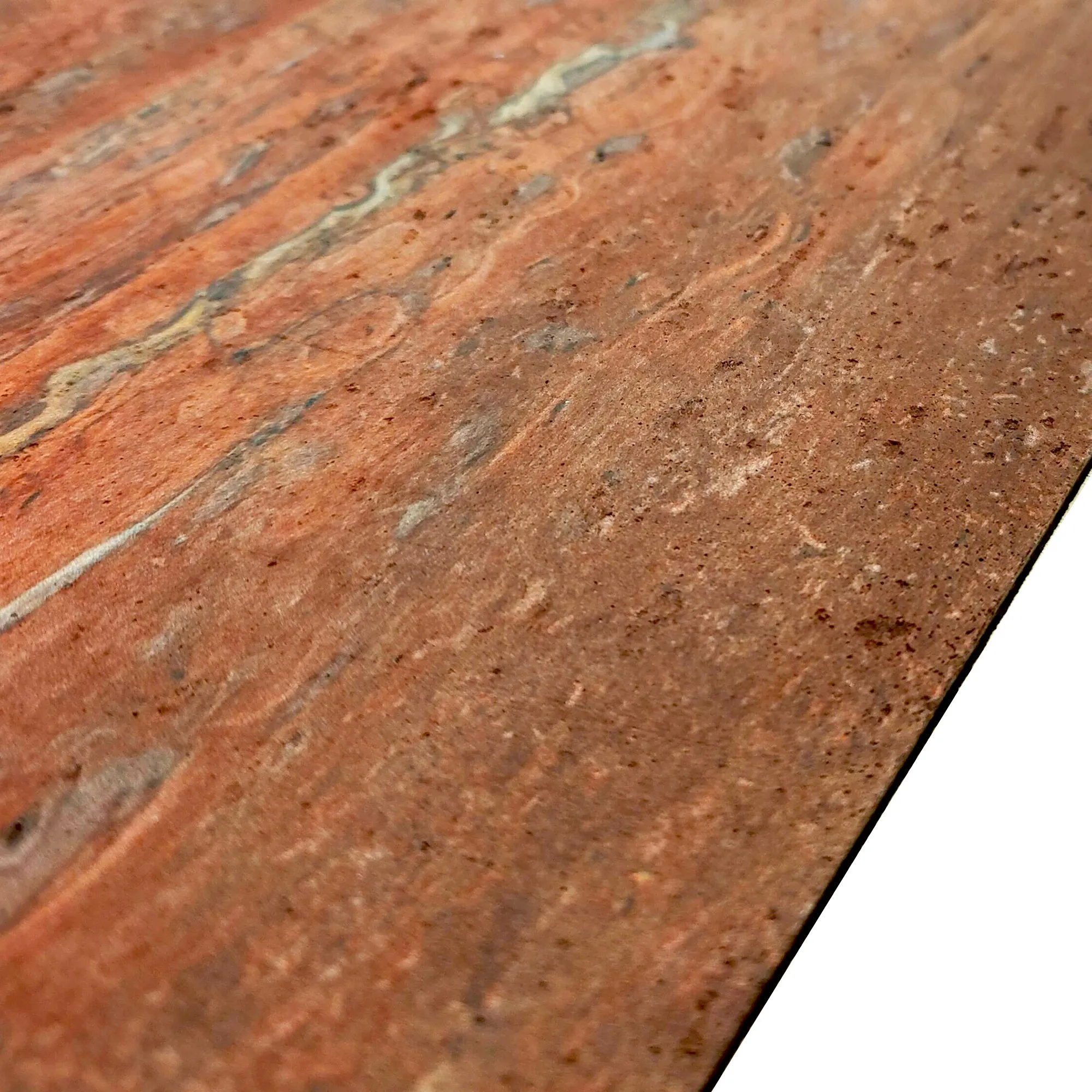
Think of it as natural stone's smarter cousin. Red Travertine MCM is part of broader product lines like MCM flexible stone and MCM big slab board series , designed to mimic the look of natural materials without the environmental drawbacks. It's thin (often 3-5mm thick), lightweight (around 4-6 kg per square meter), and surprisingly strong—resistant to impact, moisture, and UV rays. But what really sets it apart is its sustainability story.
To earn LEED or BREEAM credits, materials need to tick multiple boxes. Let's walk through how Red Travertine MCM delivers on key sustainability fronts:
Traditional stone extraction is notoriously energy-heavy, involving heavy machinery, water-intensive cutting, and significant waste. Red Travertine MCM flips the script. Its manufacturing process uses recycled stone aggregates (up to 70% in some formulations) and low-VOC (volatile organic compound) resins, reducing reliance on virgin resources. The production line also minimizes water usage and carbon emissions compared to quarrying and processing solid stone. For context, producing 100 square meters of traditional red travertine can generate up to 500kg of waste; MCM production cuts that by 80%.
Here's a practical win: lightweight flexible stone sheets like Red Travertine MCM are easier to transport and install. A standard truck can carry 10x more MCM sheets than solid stone, slashing transportation emissions. On-site, its flexibility means fewer cuts, less installation waste, and no need for heavy lifting equipment—all of which reduce the project's overall carbon footprint. LEED's MR credits for "Construction Waste Management" and BREEAM's "Transport" category love this.
Sustainability isn't just about production—it's about longevity. Red Travertine MCM is built to last. Its resin binding resists chipping, staining, and fading, even in harsh climates. Unlike natural travertine, which may need sealing every 2-3 years, MCM requires minimal maintenance. A longer lifespan means fewer replacements, less material waste, and lower lifecycle emissions. LEED's "Durable Materials" credit (MRc5) and BREEAM's "Longevity" criteria reward this kind of resilience.
Healthy buildings start with healthy materials. Red Travertine MCM is low in VOCs and free from harmful chemicals like formaldehyde, which can off-gas and degrade indoor air quality. This directly supports LEED's EQ credits (like EQc1 for Indoor Air Quality Assessment) and BREEAM's "Health & Wellbeing" category, ensuring spaces are safe for occupants—whether it's a home, office, or school.
Let's get specific about the credits. For LEED projects, Red Travertine MCM can contribute to multiple categories:
For BREEAM, the focus is similarly aligned. The "Materials" category rewards sustainable sourcing (MCM's recycled content checks this box), while "Energy" benefits from reduced transportation emissions. BREEAM's "Health & Wellbeing" section also recognizes low-VOC materials, making Red Travertine MCM a strong candidate for projects aiming for "Very Good" or "Excellent" ratings.
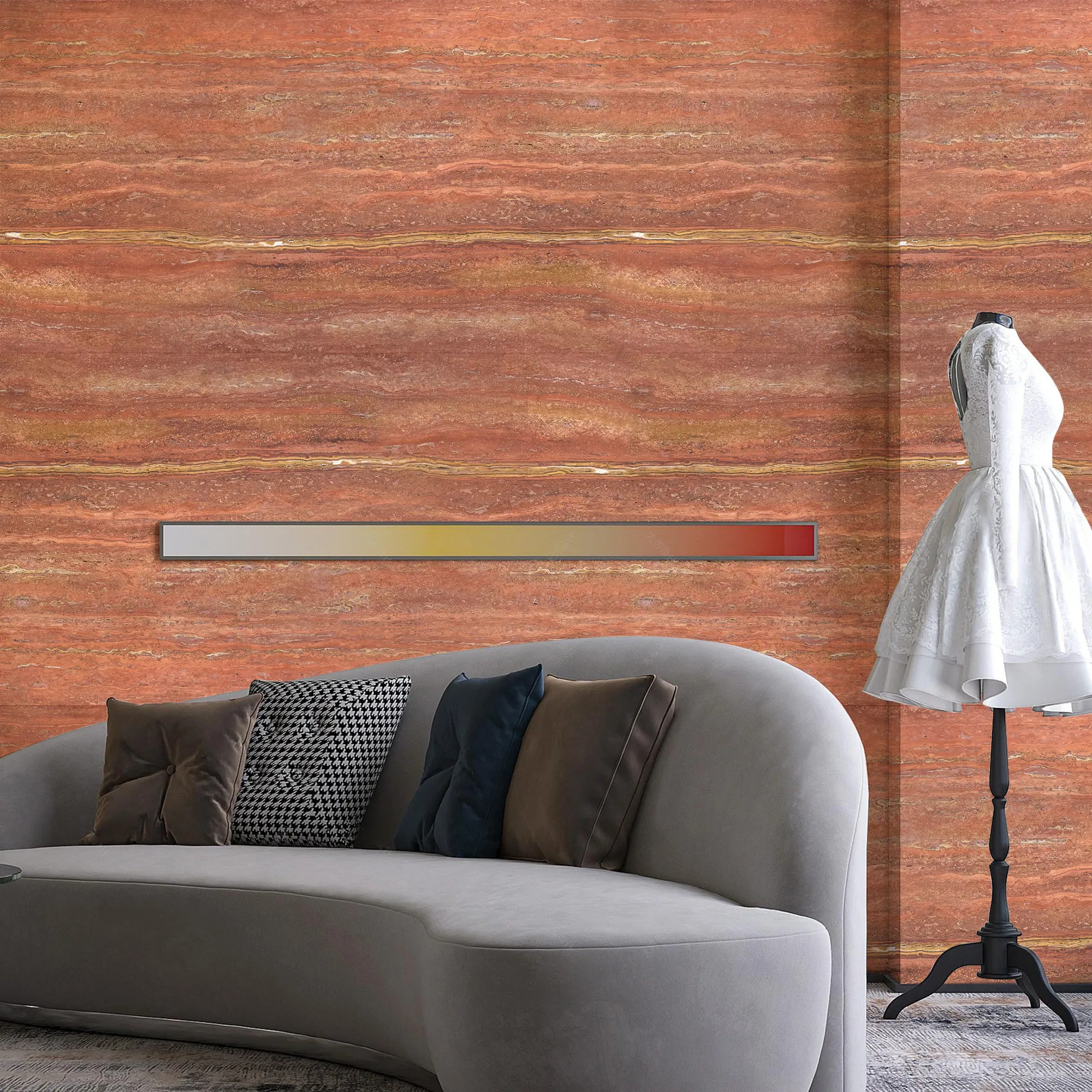
Let's be honest: sustainability is crucial, but architects and designers won't sacrifice beauty for green points. Red Travertine MCM gets this. Its deep red hues, ranging from terracotta to brick-red, with natural veining and subtle texture, evoke warmth and character. Whether used as a facade cladding, interior wall panel, or flooring, it adds a touch of organic elegance that synthetic materials can't replicate.
The MCM big slab board series takes this further, offering large-format panels (up to 1200x2400mm) for seamless installations—perfect for modern, minimalist designs. Imagine a LEED Platinum office lobby with floor-to-ceiling Red Travertine MCM walls, or a BREEAM Outstanding home with a striking red facade that ages gracefully. It's versatile enough to complement other sustainable materials like fair-faced concrete or wood grain board, giving designers the freedom to get creative without green guilt.
Still on the fence? Let's put Red Travertine MCM head-to-head with traditional red travertine in a sustainability showdown:
| Feature | Traditional Red Travertine | Red Travertine MCM |
|---|---|---|
| Carbon Footprint (Production) | High (quarrying, heavy processing) | Low (recycled materials, energy-efficient production) |
| Weight (per sqm) | 25-30 kg | 4-6 kg |
| Installation Waste | 15-20% (brittle, hard to cut) | 3-5% (flexible, precision cuts) |
| Maintenance Needs | High (sealing every 2-3 years) | Low (resistant to stains, no sealing) |
| LEED/BREEAM Contribution | Limited (high waste, transportation impact) | Strong (multiple credits for waste, materials, IAQ) |
The verdict? Traditional red travertine has timeless appeal, but Red Travertine MCM delivers that same beauty with a fraction of the environmental impact. It's a no-brainer for projects chasing LEED or BREEAM certifications.
Let's look at a couple of hypothetical (but realistic) case studies to see how this plays out:
A 15-story office building aiming for LEED Platinum needed a facade material that was both striking and sustainable. The design team chose Red Travertine MCM for the exterior cladding. By using lightweight sheets, they reduced the building's structural load, allowing for a lighter steel frame (saving 10% on steel usage). The MCM's recycled content contributed to MR credits, and its low-VOC formulation boosted EQ scores. The project ultimately earned 82 LEED points, with the facade material cited as a key contributor to its Platinum rating.
A developer in Barcelona wanted to create a 50-unit apartment complex with BREEAM Excellent certification. Red Travertine MCM was used for interior flooring and outdoor terraces. Its durability meant lower maintenance costs for residents, while its local production (sourced within 500km) earned BREEAM "Materials" credits. The complex achieved a BREEAM score of 75/100, with the jury noting the "innovative use of sustainable materials that enhance both aesthetics and environmental performance."
As LEED and BREEAM certifications become more than just goals—they're becoming market requirements—materials like Red Travertine MCM are no longer optional. They're essential tools for architects and developers who refuse to choose between sustainability and beauty. With its low-impact production, lightweight efficiency, and timeless aesthetic, Red Travertine MCM isn't just a material—it's a statement: that green building can be warm, inviting, and visually stunning.
So, whether you're designing a LEED Platinum commercial space or a BREEAM Outstanding home, consider this: the next generation of green buildings won't just be efficient—they'll tell stories through materials that honor both the planet and human creativity. Red Travertine MCM is writing that story, one flexible, sustainable sheet at a time.
Recommend Products











