

Because the "skin" of your space deserves as much thought as its heart
Picture this: You're standing in a sunlit showroom, surrounded by samples of stone, metal, and composites. Your project—a boutique café, a home extension, or maybe a commercial office—lingers in your mind, and you know the right cladding could turn it from "nice" to "unforgettable." But between the classic heft of granite and the modern allure of Red Travertine MCM, how do you choose? It's not just about picking a material; it's about selecting a partner that aligns with your vision, your budget, and the way you want people to feel when they step into your space.
Cladding isn't just a protective layer. It's the first impression, the silent storyteller, and the backdrop to everyday moments. In this guide, we'll break down two heavyweights: the timeless strength of granite and the innovative flexibility of Red Travertine MCM (Modified Composite Material). By the end, you'll know which one deserves a spot on your walls—and why.
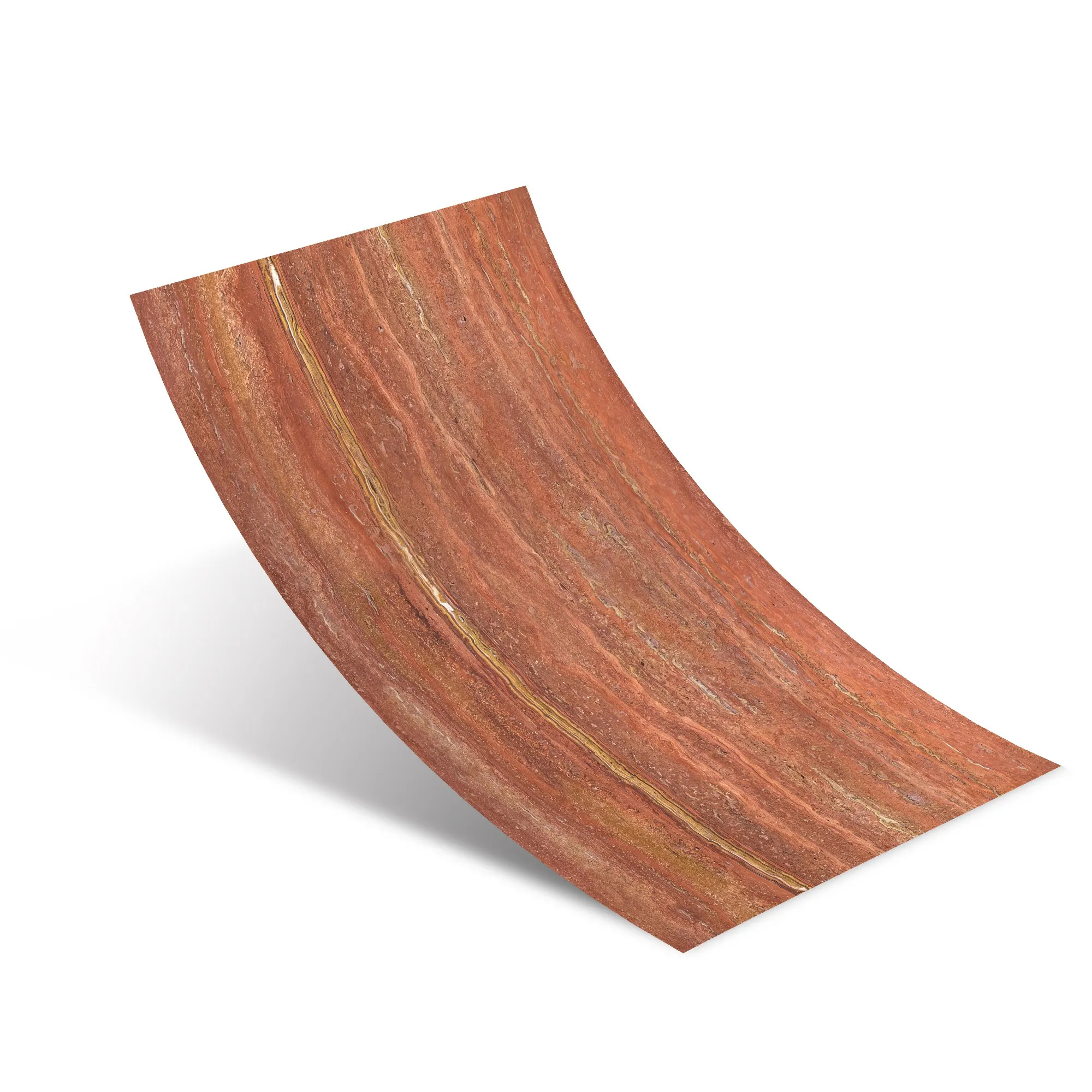
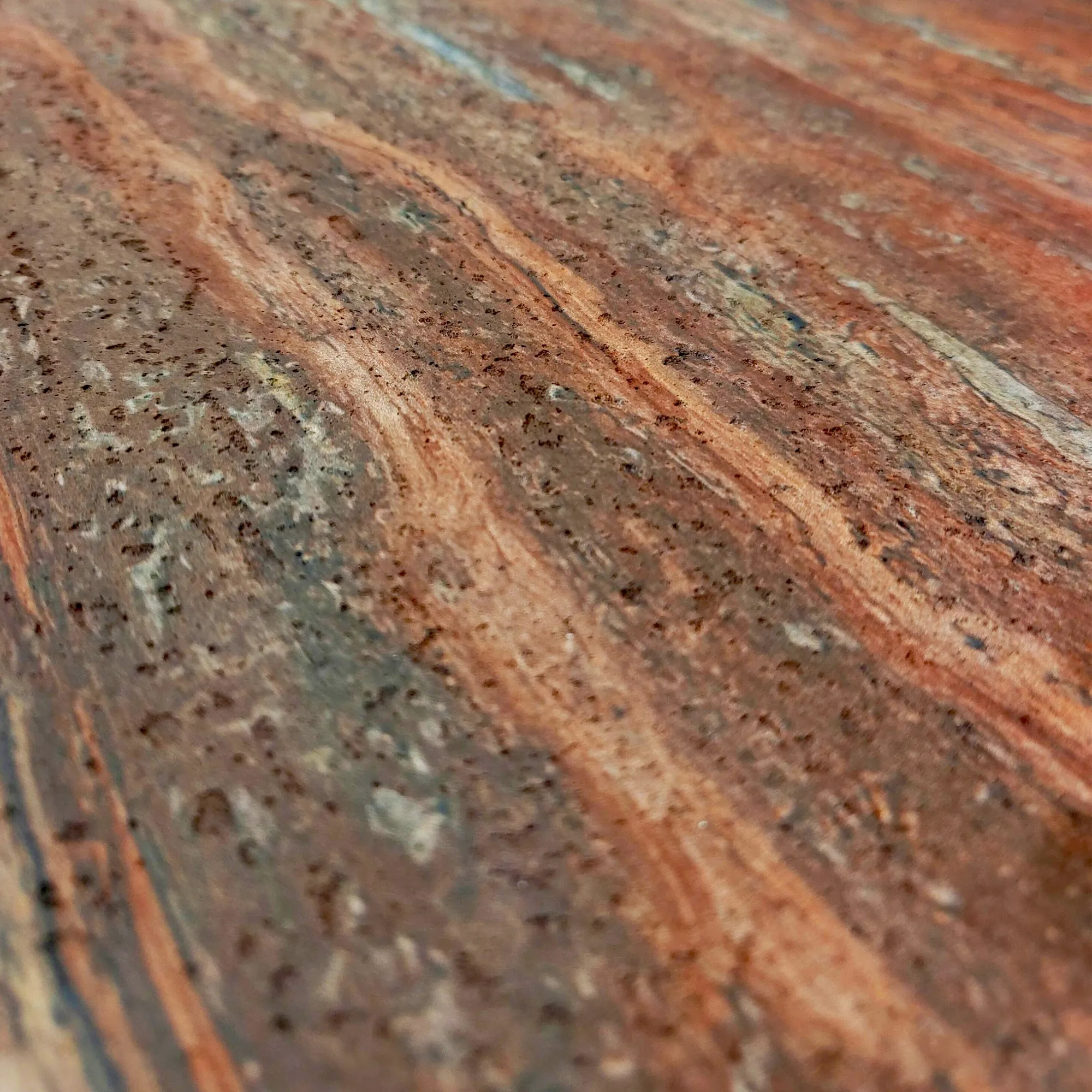
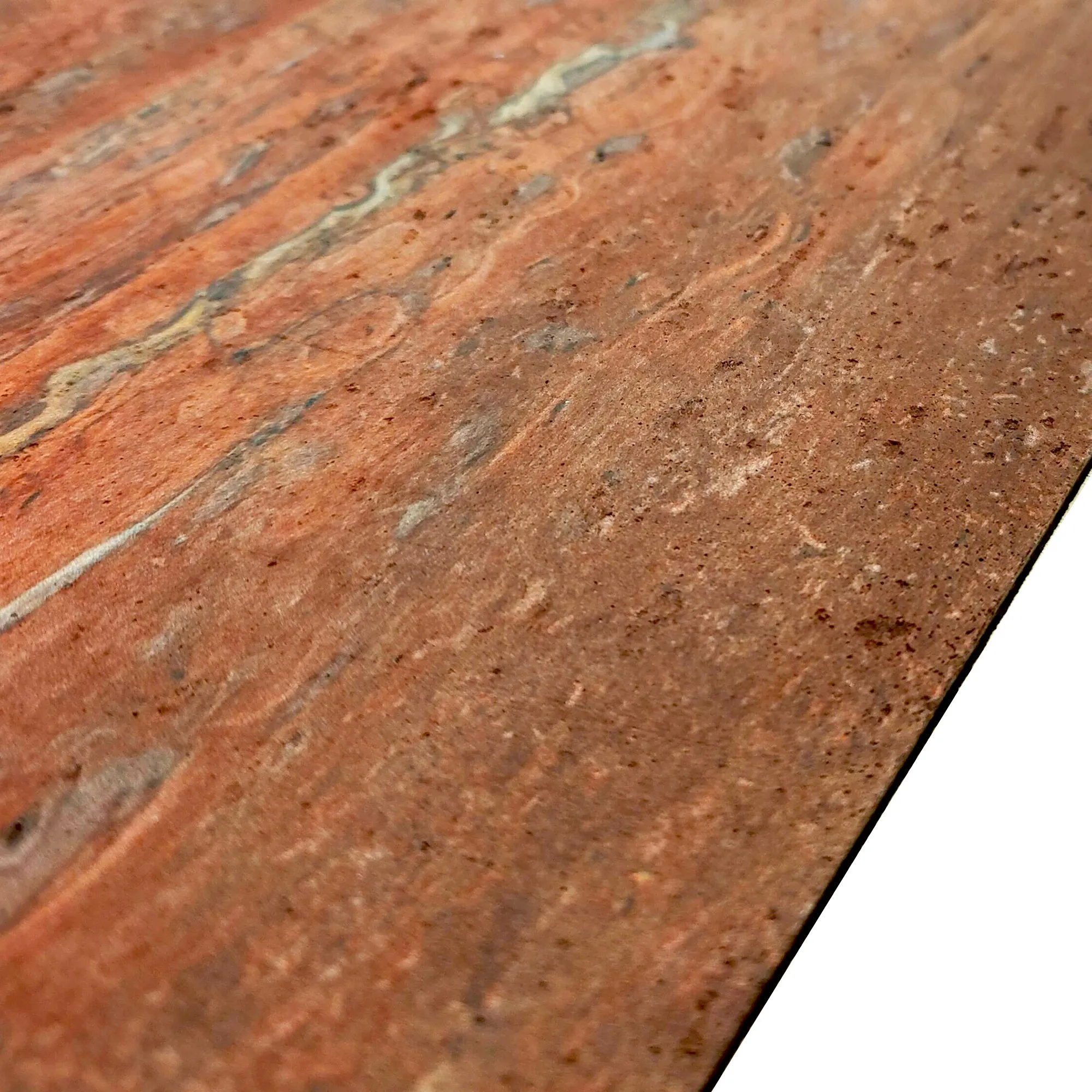
If granite is the wise elder of cladding materials, Red Travertine MCM is the bold innovator—blending the beauty of natural stone with the practicality of modern engineering. Let's start with the basics: MCM, or Modified Composite Material, is a revolutionary category of cladding that marries natural minerals (like travertine) with lightweight, flexible substrates. And when it's "Red Travertine" MCM? You're looking at a material that captures the warmth of sunlit canyons and the drama of desert sunsets, all wrapped in a panel that bends, installs easily, and defies the limitations of traditional stone.
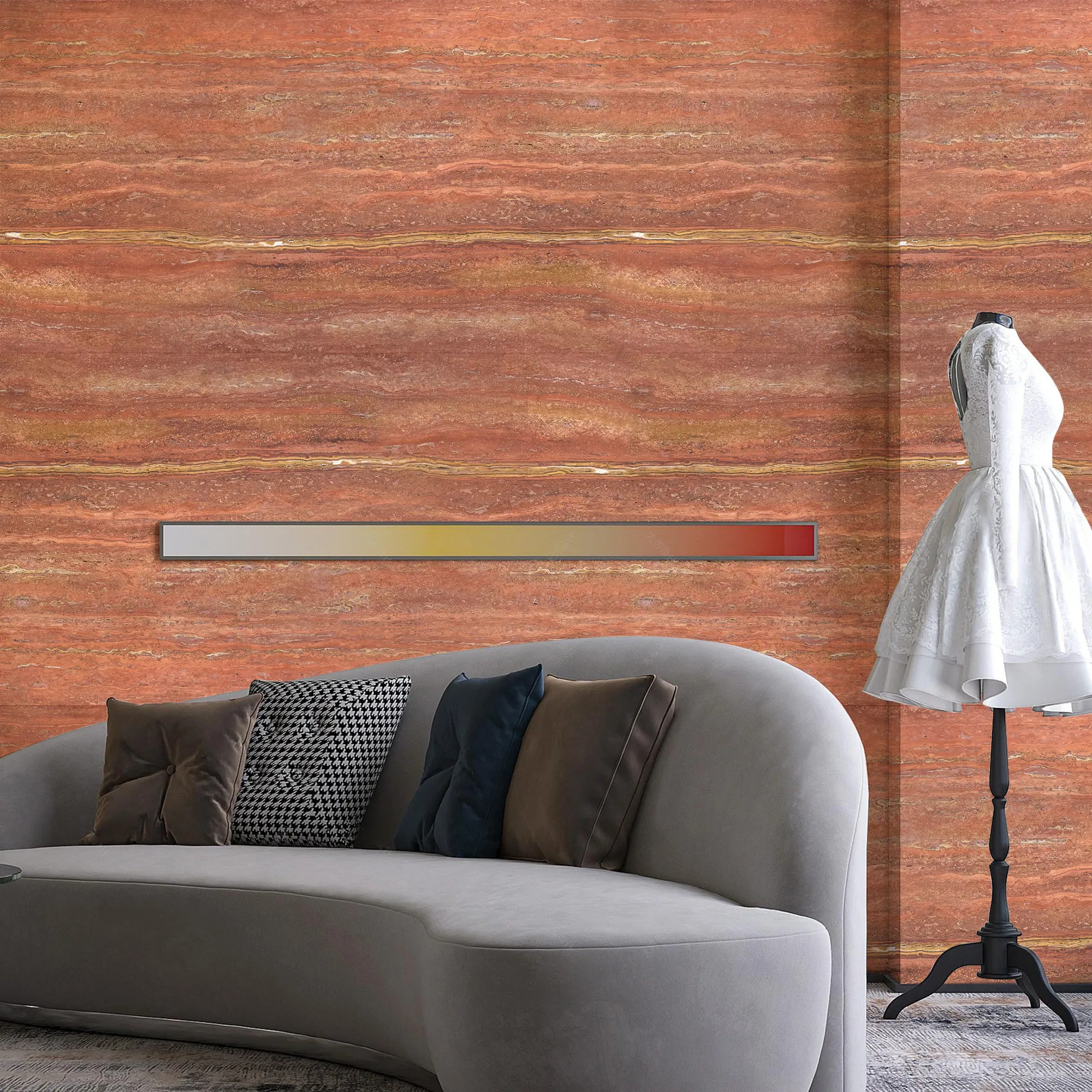
Imagine walking into a restaurant with a Red Travertine MCM facade. The sunlight hits the panels, and the red tones glow softly, inviting you in. Inside, a curved bar wrapped in the same material feels both grand and approachable. That's the magic of MCM: it doesn't just cover walls—it creates atmosphere .
Granite has been around for millennia—literally. From ancient temples to modern skyscrapers, it's the material we turn to when we want to say, "This will last." Formed from cooled magma, its granular texture (quartz, feldspar, mica) gives it unmatched strength, and its color range—from deep blacks to speckled whites—makes it a chameleon in design.
But granite isn't without trade-offs. Its weight—20-30 kg per square meter—requires reinforced walls and heavy machinery to install. Sealing is non-negotiable (every 1-2 years) to prevent water damage, and repairs? If a slab cracks, you'll need to replace the entire piece. It's also pricey: quarried, cut, and transported, the costs add up quickly.
| Factor | Red Travertine MCM | Granite |
|---|---|---|
| Weight (per sqm) | 4-6 kg (lightweight) | 20-30 kg (heavy) |
| Installation | DIY-friendly (with basic tools); flexible for curves | Requires pros and heavy machinery; rigid |
| Durability | Resists scratches, moisture, UV rays (20+ year lifespan) | Extremely hard (50+ year lifespan with sealing) |
| Maintenance | Low (occasional cleaning; no sealing) | Moderate (seal every 1-2 years; stain-prone if unsealed) |
| Cost (Material + Labor) | Mid-range ($50-$100/sqm) | High ($100-$200+/sqm) |
| Aesthetic Vibe | Modern, organic, flexible (curves, textures, starry patterns) | Classic, grand, rigid (veined, polished, traditional) |
At the end of the day, there's no "better" material—only the better fit for your project. Here's how to narrow it down:
- Modern homes or commercial spaces with unique designs : Red Travertine MCM's flexibility and lightweight nature make it perfect for curved walls, accent features, or multi-story buildings where weight is a concern.
- Heritage buildings or luxury projects : Granite's timelessness and prestige shine here. It pairs well with classical architecture and signals "permanence."
If you're working with a tight budget but don't want to compromise on style, Red Travertine MCM is the clear winner. Its lower material and labor costs free up funds for other upgrades (hello, that fancy lighting you've been eyeing).
If budget is no object and you're investing in a legacy project, granite's longevity might justify the upfront cost.
- Coastal areas or high-moisture zones : MCM's resistance to salt and moisture beats granite (which needs frequent sealing here).
- High-traffic areas (like a hotel lobby) : Granite's scratch resistance might edge out MCM, but MCM's easier repairs (replace a panel, not a slab) could balance things.
Granite says, "We've arrived." It's authoritative, grand, and a little formal. Red Travertine MCM says, "Come in, stay awhile." It's warm, inviting, and full of character. Choose the one that matches the emotion you want your space to evoke.
Last year, a client came to me with a vision: a yoga studio with a curved, cave-like facade that felt "grounding yet light." Traditional stone was out (too heavy for the curved structure), and concrete felt cold. We tested Red Travertine MCM in travertine (starry red) , and when the first panel went up? The studio owner teared up. "It feels like being wrapped in the earth," she said. That's the power of choosing the right cladding—it doesn't just cover walls; it creates emotion.
Another client, a luxury hotel in the city center, insisted on granite for their lobby. "We want guests to feel they're in a five-star space," they said. And they were right—granite's polished black slabs paired with gold accents scream luxury. But we used MCM for the guest room balconies (lightweight, easy to install) to keep costs in check. Sometimes, the best solution is a mix.
Red Travertine MCM and granite are both stars—they just shine in different skies. If you crave flexibility, modern design, and cost-efficiency, MCM is your rock (pun intended). If you want timeless grandeur and don't mind the extra weight and cost, granite won't let you down.
At the end of the day, the best cladding is the one that makes you think, "Yes—this is exactly what my space needed to feel like home ."
Recommend Products











